This Summer Pruning Trick Can Double Your Salvia Blooms In New Mexico
Your salvia looked absolutely incredible back in May, then declined significantly by July. Something shifted quickly between that glory and this fatigue, and you noticed.
Heat stresses salvia hard, but New Mexico gardeners have long relied on this technique. Timing matters more to you than simple watering or fertilizer ever could.
Cutting stems back at the right moment triggers fresh bloom cycles. Desert sun tests any plant that skips this step. Neighbors with vibrant beds are not hiding some rare seed.
They are pruning aggressively while everyone else waits and hopes. New Mexico summers demand real, bold action, never passive patience. Waiting stalls momentum, and momentum decides everything for salvia.
Roots redirect energy the instant you remove spent growth. Flowers respond within weeks, not months, once you commit.
Every gardener who tries this quickly sees noticeable improvement. This one adjustment reshapes your salvia’s next bloom cycle.
Why Salvias Benefit From A Summer Prune
Salvias are generous bloomers, but they need a little push to keep going strong. Without pruning, spent flower stalks signal the plant to slow down and save energy.
When you remove those old stalks, the plant gets a clear message to produce fresh blooms fast. That response is almost immediate, and it is genuinely exciting to watch unfold in your garden.
Salvia blooms are produced on new growth, not old wood. Cutting back encourages the plant to push out dozens of new branching stems, each tipped with colorful flower spikes.
Think of it like giving a haircut to someone with split ends. The plant looks rough for a week, then suddenly looks better than it did before the cut.
Gardeners who prune mid-season consistently report a noticeably fuller second flush of blooms compared to plants left uncut. That kind of payoff takes about 20 minutes of easy work.
Salvias are also incredibly tough plants that bounce back fast. Their root systems are deep and established by summer, so they have plenty of stored energy ready to fuel new growth.
Pruning also improves airflow through the plant, which reduces powdery mildew and fungal problems. Healthy structure leads to healthier flowers, and healthier flowers last longer in the heat.
The summer prune is not just cosmetic maintenance. It is a strategic move that resets your plant’s bloom cycle and sets the stage for a spectacular fall display.
How New Mexico’s Climate Affects Salvia Pruning Timing
New Mexico’s climate is unlike anywhere else in the country. The combination of high altitude, intense UV radiation, and monsoon moisture creates a unique growth window for salvias.
Most of the state sits above 4,000 feet in elevation. That means cooler nights even in summer, which actually helps salvias recover from a hard prune faster than they would in lower desert regions.
Timing your prune around the monsoon season is a smart move. Rains typically arrive in early July, bringing humidity and moisture that help freshly cut plants absorb nutrients and push new stems quickly.
Pruning just before the monsoons hit is the sweet spot many experienced gardeners aim for. The plants get the benefit of natural rainfall right when they need it most after being cut back.
Your New Mexico Garden Changes Every Week. Your Plan Should Too.
Gardening in New Mexico changes quickly throughout the season. Every Friday you’ll receive a simple weekly plan showing exactly what to plant, prune, fertilize, harvest, and protect so you never miss the right timing.
In areas like Santa Fe or Taos, you can prune a bit later than gardeners in Albuquerque because temperatures stay cooler at higher elevations. Cooler conditions give plants more time to recover before fall frost arrives.
Down in the lower Rio Grande Valley, heat arrives earlier and stays longer. Gardeners there should prune by late June to give plants enough time to rebloom before the hottest stretch hits.
Paying attention to your local microclimate matters more than following a generic calendar. Watch your plants, check the forecast, and trust what you see happening in your own yard.
New Mexico rewards gardeners who stay observant and flexible. The climate is your guide, and learning to read it makes every pruning decision smarter.
A Reliable Method For Tools And Technique
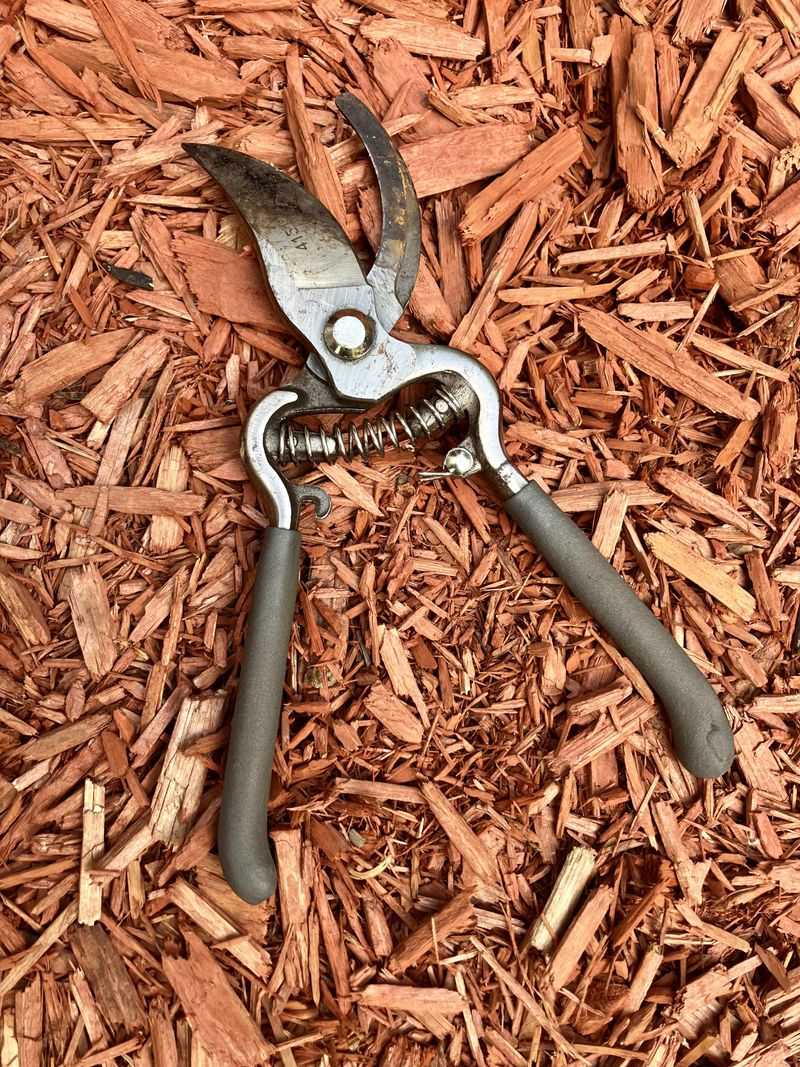
Sharp tools make all the difference when pruning salvias. Dull blades crush stems instead of cutting cleanly, which slows healing and invites disease into the plant.
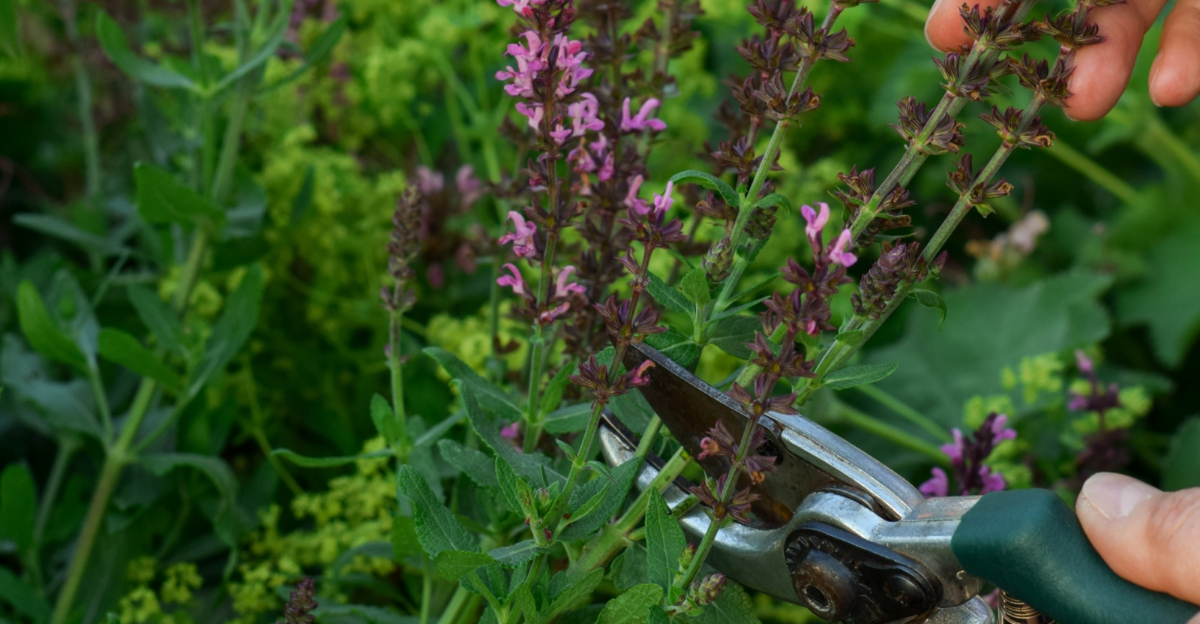
Use a pair of bypass pruning shears, not anvil-style ones. Bypass shears make a precise scissor-like cut that leaves the stem clean and ready to callous over quickly.
Before you start cutting, wipe your blades with rubbing alcohol. This simple step prevents spreading any fungal or bacterial issues from plant to plant as you work through your garden beds.
The basic technique is to cut each salvia stem back by about one-third to one-half of its total height. You want to cut just above a leaf node, which is where new growth will emerge.
Look for a spot on the stem where you can see a small bud or a set of leaves branching outward. That node is your target, and cutting just above it directs the plant’s energy right there.
Work your way through the plant systematically, starting from the outside and moving inward. This helps you see the plant’s natural shape and avoid over-cutting in any one area.
Do not shear the whole plant flat like a hedge. Salvias respond better to individual stem cuts that respect the plant’s branching structure and natural form.
Step back and assess after every few cuts. You want the plant to look slightly reduced but still full, not stripped bare and struggling to find its footing in the summer heat.
Reading Your Salvia’s Bloom Cycle
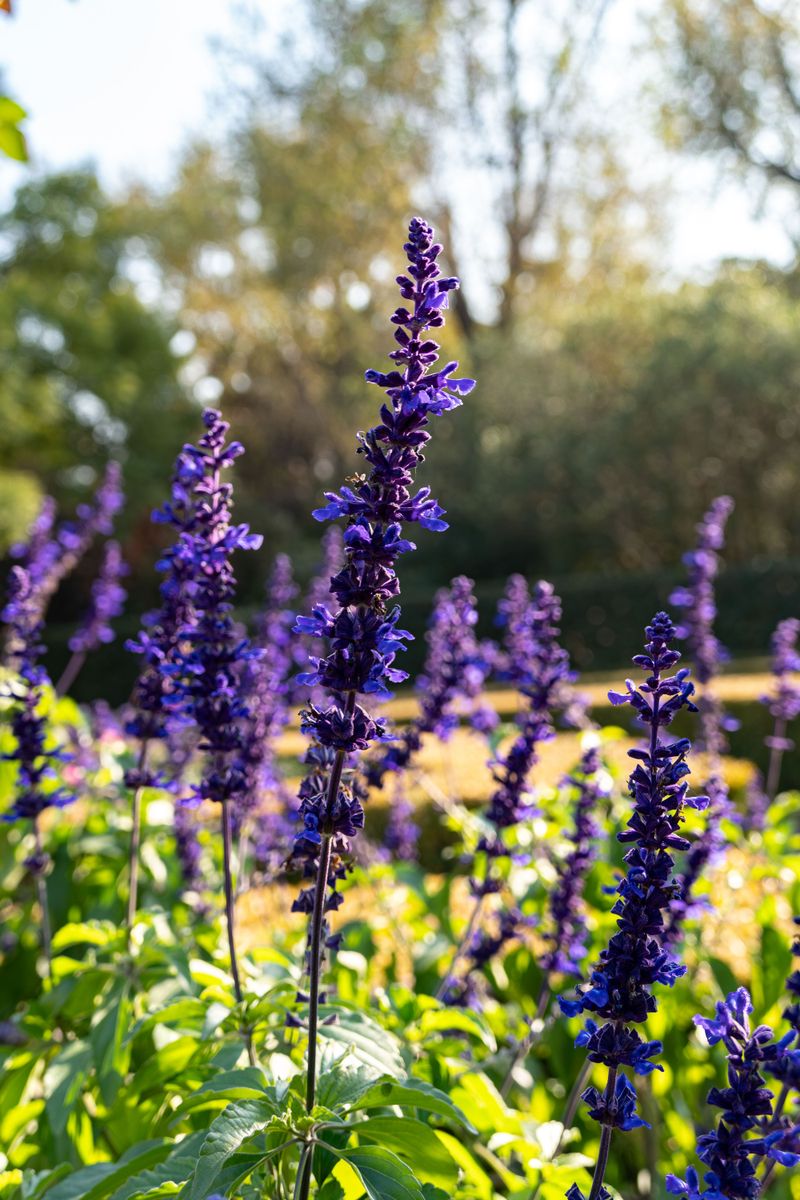
Knowing when to prune is just as important as knowing how. Cutting at the wrong moment can interrupt an active bloom cycle and cost you weeks of color.
The best time to prune is when at least 70 percent of the flower spikes on a plant have finished blooming. If flowers are still popping open on most stems, hold off for another week or two.
Spent blooms look dry, faded, or papery. Fresh blooms are vibrant, firm, and often still attracting pollinators like bees and hummingbirds throughout the day.
If you see hummingbirds still actively feeding on a plant, that is your sign to wait. Those birds know when a plant still has something worth visiting, and they are rarely wrong.
Most salvias in New Mexico finish their first major bloom flush by late June or early July. That natural pause in flowering is your green light to get out there with your shears.
Some varieties bloom in waves rather than one big flush. For those plants, prune individual stems as they finish rather than waiting to cut back the whole plant at once.
Salvia greggii and salvia farinacea are two popular choices that respond especially well to mid-season cuts in this region. Both rebound quickly and put on a strong second show before frost.
Keeping a simple garden journal helps you track each plant’s cycle year after year. That small habit turns guesswork into confident, well-timed decisions every single season.
Common Pruning Mistakes To Avoid
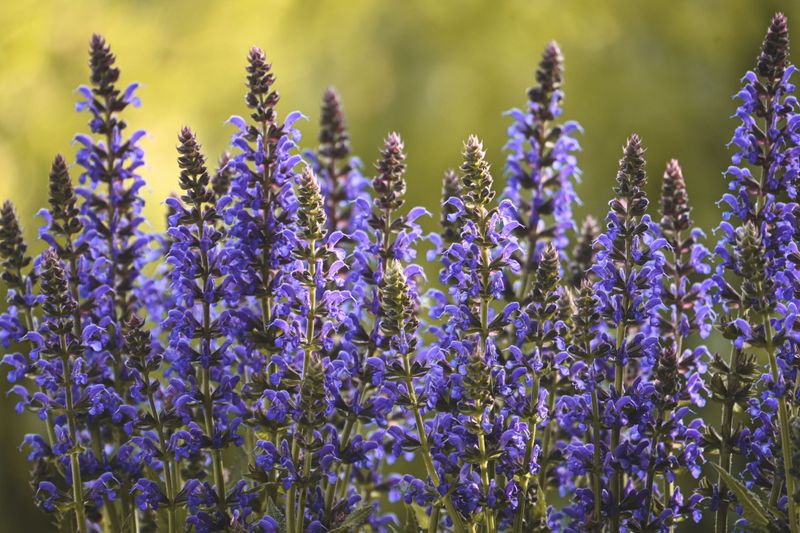
Even well-meaning gardeners make pruning mistakes that set their salvias back instead of forward. Knowing what to avoid saves you time, frustration, and a long recovery period.
Cutting too far into old woody growth is the most common error. Salvias do not regenerate well from bare woody stems the way some shrubs do, so always leave green leafy growth on the plant.
Pruning during the hottest part of the day is another mistake that stresses the plant unnecessarily. Afternoon temperatures in summer can top 95 degrees, which is brutal on freshly cut stems.
Always prune in the early morning when temperatures are cooler and the plant is fully hydrated from overnight recovery. Cooler conditions help the plant seal its cuts faster and with less shock.
Skipping tool sanitation is a small mistake with big consequences. One infected plant can spread problems to your entire bed if you move from plant to plant with dirty blades.
Over-pruning is also a real risk. Removing more than half the plant at once puts it under severe stress, especially during the intense heat of a Southwest summer.
Some gardeners prune and then forget to water. Fresh cuts increase the plant’s moisture needs, and skipping irrigation right after pruning can cause wilting that undoes all your careful work.
Avoiding these pitfalls is straightforward once you know them. A little awareness before you pick up your shears goes a long way toward a healthy, thriving salvia plant.
Watering And Feeding For Renewed Blooms
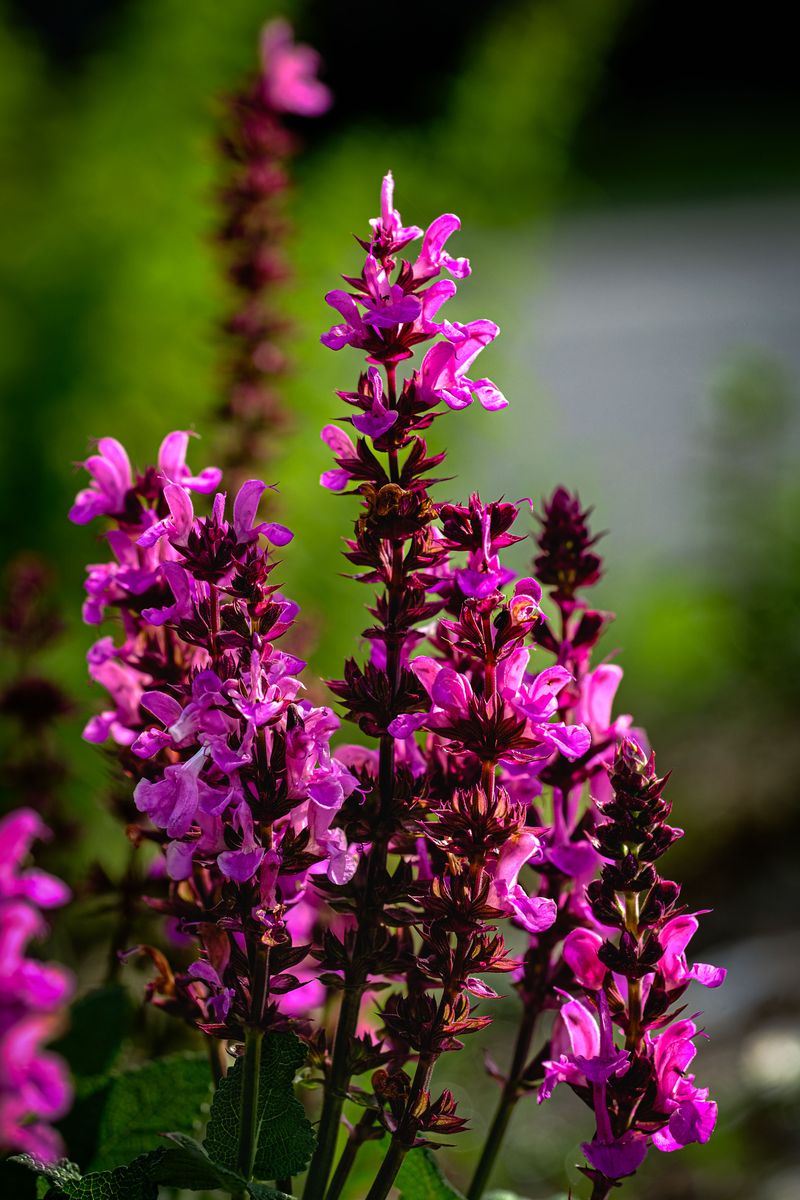
Pruning is only half the equation. What you do in the days right after cutting determines how fast and how fully your salvia bounces back with fresh blooms.
Water deeply the same day you prune. A slow, deep soak encourages roots to push moisture and nutrients up into the newly cut stems, jumpstarting the recovery process immediately.
Avoid shallow, frequent watering after pruning. Deep, infrequent watering trains roots to grow downward, making the plant more drought-tolerant and resilient during the rest of summer.
A slow-release fertilizer applied right after pruning gives the plant the fuel it needs to produce new growth fast.
Look for a formula lower in nitrogen and higher in phosphorus and potassium, since these two nutrients drive flower production.
Avoid high-nitrogen fertilizers alone, since too much nitrogen pushes leafy green growth instead of flowers. You want blooms, not just a bushier plant with lots of leaves and no color.
Adding a layer of mulch around the base of the plant helps retain soil moisture and keeps root temperatures stable during the hottest weeks of summer. Two to three inches is plenty.
Keep an eye out for aphids or spider mites after pruning, since stressed plants can attract pests. A quick spray of water from a hose knocks most of them off without needing chemicals.
Within two to three weeks of proper aftercare, your salvia should show strong new growth and fresh buds. That is the reward for your summer pruning trick, right there in full color.
Choosing The Right Salvia Varieties For A Summer Rebloom
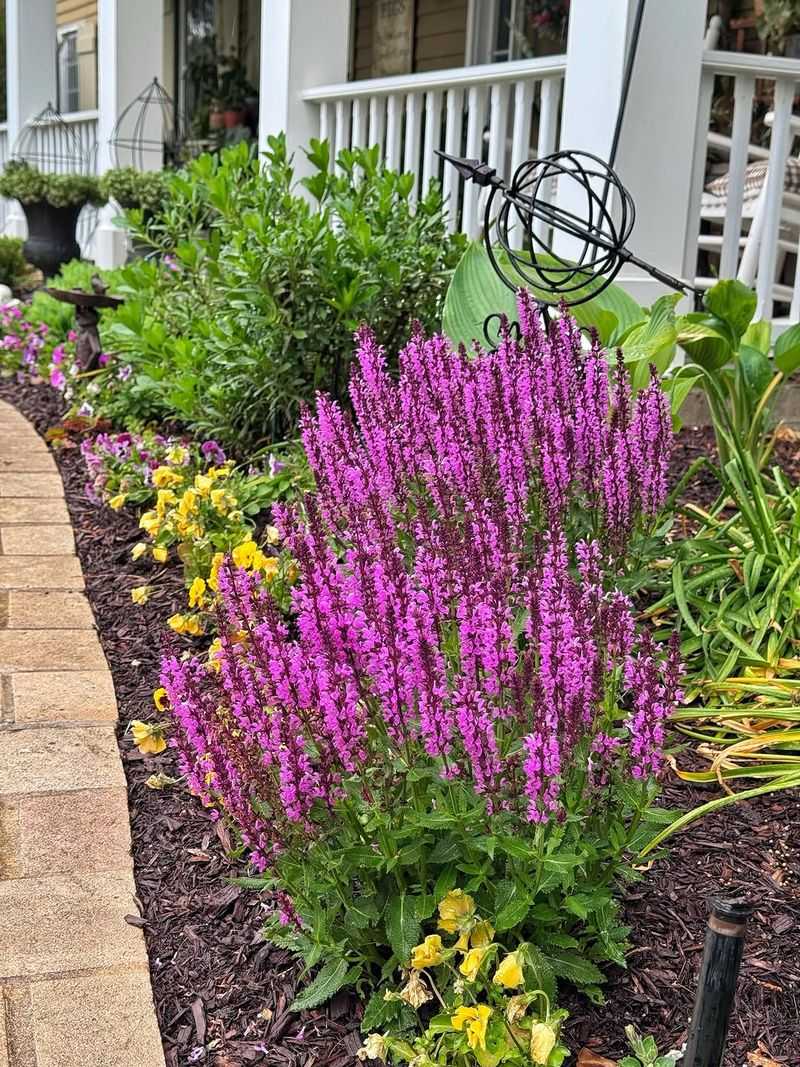
Not every salvia behaves the same way after a summer prune. Picking the right variety for your yard makes a huge difference in how full your rebloom will be.
Salvia greggii, also called autumn sage, is a top performer across the state. It handles heat, drought, and aggressive pruning with impressive resilience and rewards you with rich red, pink, or coral blooms.
Salvia farinacea, commonly known as mealy cup sage, is another excellent choice for summer rebloom. Its deep blue and violet spikes are irresistible to hummingbirds and butterflies throughout the growing season.
Salvia guaranitica, or anise-scented sage, grows tall and lush and responds beautifully to a mid-season cut. Its deep cobalt blue flowers are some of the most striking you can grow in a Southwest garden.
For smaller spaces or container gardens, salvia microphylla is a compact variety that rebounds quickly after pruning. It produces cheerful magenta and cherry-red blooms that brighten up any patio or courtyard.
Native salvias like salvia dorrii, the purple desert sage, are especially well-adapted to harsh conditions. These tough plants ask for almost nothing and still deliver stunning color after even a hard prune.
When selecting plants at a nursery, look for compact, bushy specimens with strong stems and healthy green leaves. Avoid anything already leggy or yellowing, since those plants start at a disadvantage.
The right salvia in the right spot, paired with smart summer pruning, can noticeably increase your blooms and transform your garden before fall arrives.