What to Do If You Spot A Neighbor Breaking Water Restrictions In New Mexico
New Mexico’s rivers run thinner every summer, and the pressure shows up fastest on lawns and driveways. A single sprinkler running at noon can turn a quiet street into a source of neighborhood tension.
Reporting a neighbor’s water use feels like crossing a line, especially in small communities where everyone knows everyone. That discomfort is real, but silence carries its own cost when aquifers keep dropping.
Every state agency handling water violations has a process built for exactly this moment. Knowing that process turns an awkward guess into a confident, fair action.
Protecting a shared resource starts with knowing your part in the system, not with confronting anyone yourself.
Double-Check The Restriction Before Assuming A Violation
Before you pick up the phone, slow down and do a little homework first. Jumping to conclusions about a neighbor can damage relationships fast.
Water rules vary widely across cities and counties in New Mexico. What is banned in Albuquerque might be totally fine in Las Cruces or Santa Fe.
Check your local municipality website for the most current restriction schedule. Many areas allow watering on specific days, during early morning hours only.
Some restrictions apply only to grass lawns, while trees and garden beds may be exempt. Knowing the difference saves you from reporting something that was never actually wrong.
Drip irrigation systems often fall under a separate set of guidelines from sprinkler systems. Your neighbor might be using a smarter watering method that follows the rules perfectly.
Restriction stages also shift with the seasons, so a schedule that applied last month may no longer apply now. Checking the current date range against posted rules keeps you from flagging watering that was actually allowed.
Look for posted notices from your water utility or local government. These are often sent by mail or published on city social media pages.
If you still feel unsure, call your local water authority directly. A two-minute phone call can clear up a lot of confusion before anyone gets reported.
Spotting a neighbor breaking water restrictions in New Mexico starts with making sure a violation actually happened. Getting the facts right first protects everyone involved.
Look Up Your City Or County’s Specific Rules
Every corner of New Mexico has its own set of water rules, and they change often. What applied last summer might already be outdated today.
Start with your city or county website and search for the water conservation or utilities section. Most local governments post current restriction stages right on the homepage.
Albuquerque, for instance, has a Water Waste Hotline specifically for reporting outdoor watering violations. The city adjusts these limits based on current river flow and water supply levels.
Santa Fe has some of the strictest water rules in the state, with year-round outdoor watering limits. Even during non-drought periods, residents must follow a tight schedule.
Rural areas and unincorporated communities may fall under county rules instead of city ordinances. These can be harder to find, so calling the county clerk or water department directly helps.
Your New Mexico Garden Changes Every Week. Your Plan Should Too.
Gardening in New Mexico changes quickly throughout the season. Every Friday you’ll receive a simple weekly plan showing exactly what to plant, prune, fertilize, harvest, and protect so you never miss the right timing.
Some neighborhoods also have HOA rules that go above and beyond city requirements. Check both layers before drawing any conclusions about your neighbor.
Water districts sometimes send out seasonal mailers with updated schedules. Hanging on to those documents makes future reference much easier for everyone on the block.
New residents especially benefit from a quick call to their local water office, since rules can differ sharply from wherever they moved from. A five-minute conversation upfront saves a lot of guesswork down the road.
Knowing the exact rules in your area gives you confidence when you act. Reporting a neighbor breaking water restrictions in New Mexico is far more effective when backed by solid, local facts.
Start With A Friendly Conversation

Not every water violation is intentional, and most neighbors are not trying to cause harm. A simple, kind conversation can fix the problem without any drama at all.
Pick a calm moment, not right when they are mid-sprinkler session. Catching someone in the act tends to put people on the defensive immediately.
Try something low-key like, “Hey, I noticed you were watering yesterday afternoon. Did you know our area switched to morning-only schedules?” That kind of approach feels helpful, not accusatory.
Many people genuinely do not know the current rules, especially if they moved in recently. A friendly heads-up often gets better results than a formal complaint ever could.
Keep your tone light and focus on sharing information rather than pointing fingers. People respond much better when they feel informed rather than called out.
You might even bond over the shared challenge of keeping a yard alive during drought conditions. Swapping tips about drought-tolerant plants can turn an awkward moment into a genuine connection.
If your neighbor gets defensive, stay calm and simply say you wanted to give them a heads-up before anyone else noticed. That framing usually softens the whole exchange.
Most people want to be good neighbors when given the chance. A short, respectful chat often solves the problem faster than filing a formal report.
Give Them The Benefit Of The Doubt
People make honest mistakes, especially with rules that shift from season to season. Assuming the worst about a neighbor right away rarely leads anywhere good.
Maybe they just forgot which day their watering schedule falls on. Life gets busy, and not everyone checks the city website every week.
Perhaps they recently installed a new irrigation timer and set it up incorrectly. A technical glitch is not the same thing as willful disregard for the community.
Some households also have medical exemptions or special permits that allow additional water use. Those situations are not always visible from the street, so context matters a lot.
Newcomers to New Mexico often come from states with far fewer water restrictions. They may simply need a little time to adjust to how conservation works in a dry climate.
Elderly neighbors might not have received the latest update from the water district. Printed mailers and online announcements do not always reach everyone equally.
Giving grace does not mean ignoring ongoing problems, though. It means approaching the situation with enough patience to allow for a simple explanation before escalating anything.
Spotting a neighbor breaking water restrictions in New Mexico feels frustrating, but assuming good intent first keeps neighborhoods friendlier. Most situations resolve quickly when handled with a little generosity of spirit.
Document The Violation If It Continues
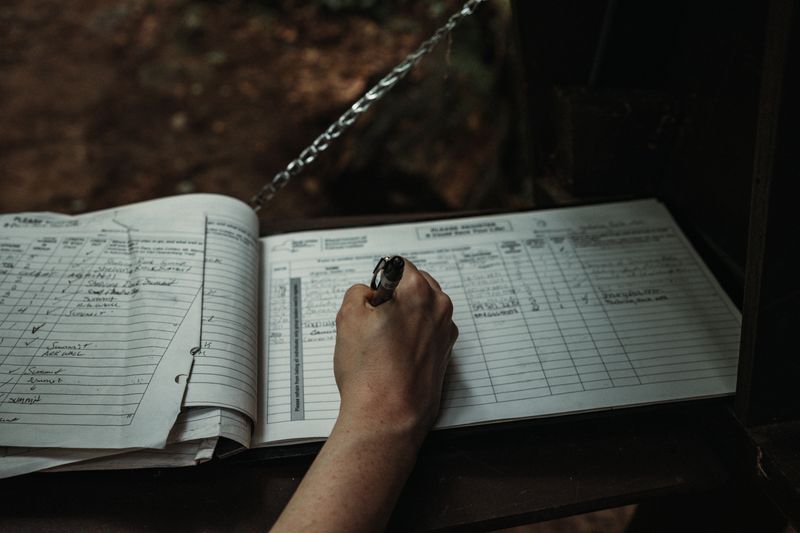
If the behavior keeps happening after your friendly conversation, it is time to start keeping records. Documentation turns a vague complaint into something officials can actually act on.
Write down the date, time, and exact nature of what you observed. Be specific, noting things like sprinklers running at noon on a non-watering day.
Photos and short videos taken from your own property are perfectly acceptable forms of evidence. Make sure the timestamp feature is turned on in your phone camera settings.
Keep a simple log in a notebook or a notes app on your phone. Consistency in your records makes the pattern clear and credible to anyone reviewing the case.
Note the address of the property and the type of watering system being used. Details like whether it was a sprinkler, hose, or drip line can matter to investigators.
Avoid trespassing onto your neighbor’s property to gather information. Everything you document should be visible from a public area or your own yard.
Do not post your documentation on social media before filing a formal report. Public shaming can backfire legally and socially, making the situation much harder to resolve.
Good documentation protects you too, showing that your report is based on facts. When spotting a neighbor breaking water restrictions in New Mexico repeatedly, solid records are your strongest tool.
Report It To The Right Local Authority
Once you have documented the issue, knowing where to send your report matters. Filing with the wrong agency wastes time and delays any real action from happening.
Most cities in New Mexico have a dedicated water waste hotline or online complaint portal. Smaller communities may route reports through the public works department instead.
In smaller towns, the right contact might be the public works department or the local water utility office. A quick web search for your city name plus “water violation report” usually pulls up the right page.
Some areas use the 311 city services line to handle environmental and utility complaints. That number connects you to the appropriate department without requiring you to track down a specific contact.
When submitting your report, include your documented evidence, the property address, and a brief timeline of events. Clear, organized reports are processed faster than vague or emotional ones.
You can typically request to remain anonymous when filing a complaint. Most water authorities honor that request to protect community relationships and encourage more people to speak up.
Follow up if you do not hear anything within a week or two. Agencies handle many reports, and a polite follow-up call keeps your case on their radar.
Reporting a neighbor breaking water restrictions in New Mexico to the right authority makes your effort count. Going to the correct office is the difference between action and a lost form.
What Happens After A Report Is Filed
Filing a report does not mean your neighbor gets in immediate trouble. The process typically starts with an investigation, not a penalty.
Most water authorities send an inspector or compliance officer to assess the situation. They look for evidence of the violation and sometimes speak with both parties involved.
First-time offenders usually receive a written warning rather than a fine. The goal of most programs is to educate first and penalize only when the behavior continues.
Repeat violations can lead to escalating fines that grow with each confirmed offense. Some areas also have the authority to restrict water flow to properties with ongoing violations.
The process can take anywhere from a few days to a couple of weeks. Patience is important because investigators handle multiple cases across an entire jurisdiction at once.
You may or may not be contacted for additional information during the review. Providing your contact details when filing makes it easier for the agency to reach you if needed.
If the violation is confirmed, the outcome is handled between the authority and your neighbor. You generally will not be informed of the specific penalty imposed due to privacy policies.
Trust the process even when it feels slow. Water conservation enforcement exists to protect a shared resource, and every confirmed case helps strengthen community accountability across the state.
Support Water Conservation Efforts In Your Community
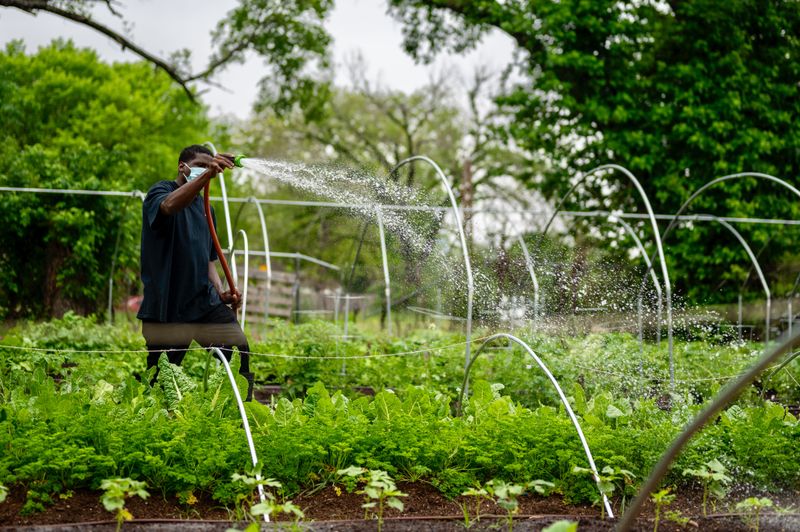
Reporting one violation is a start, but building a conservation-minded neighborhood is the real goal. Communities that work together on water issues tend to do far better in the long run.
Look for local workshops on xeriscaping and drought-tolerant landscaping offered by your city. Many water utilities in New Mexico provide free classes and even plant giveaways to residents.
Sharing tips on social media neighborhood groups helps spread awareness without singling anyone out. A post about smart watering schedules reaches far more people than a one-on-one conversation ever could.
Consider organizing a neighborhood meeting focused on conservation strategies. When everyone learns together, the pressure to comply becomes a shared value rather than an outside rule.
Celebrate neighbors who make visible changes, like switching to native plants or installing rain barrels. Positive reinforcement encourages others to follow along without feeling lectured or shamed.
Volunteer with local watershed groups or city conservation programs when opportunities arise. Many of these organizations welcome residents who want a hands-on role in protecting regional water supplies.
Even small personal changes add up, like fixing leaky faucets or adjusting sprinkler heads. Leading by example on your own property sets a tone the rest of the block tends to follow.
Spotting a neighbor breaking water restrictions in New Mexico may start a tough conversation, but it can also spark something bigger. A community that conserves water together builds a more resilient future for everyone.