The Mistake That Makes California Clay Soil Crack Harder In Summer
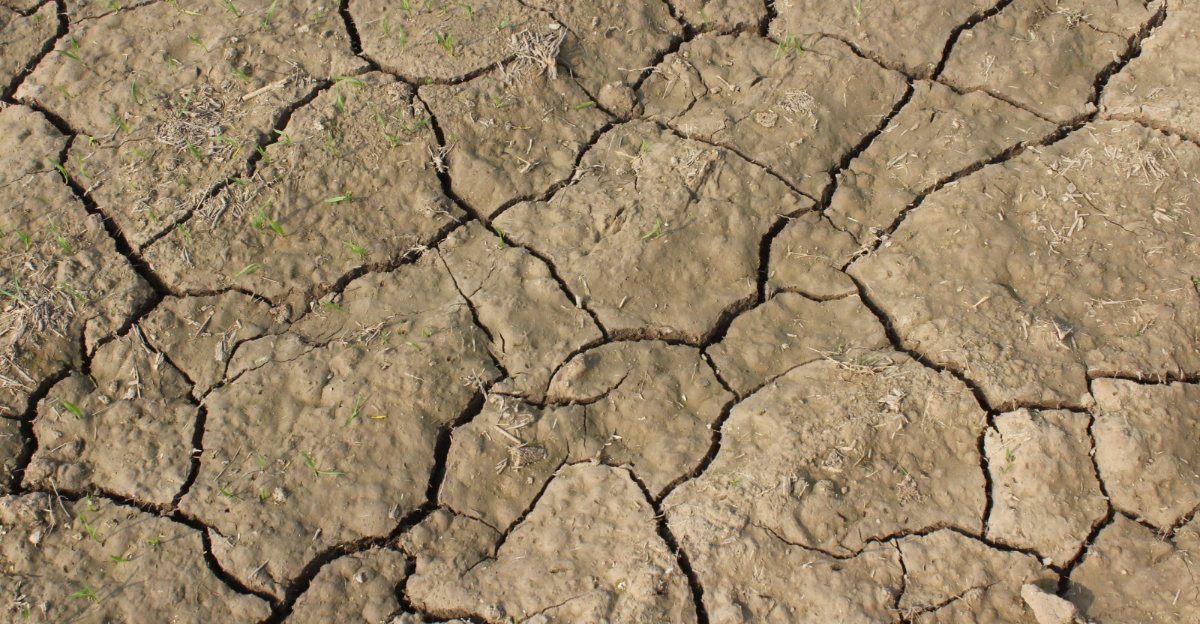
If your California garden beds look like a dried-up lakebed by July, you are probably dealing with clay soil, and you are absolutely not alone. Clay-rich soil has a particular talent for looking dramatic in summer.
Those deep cracks, the rock-hard surface, the way it seems to repel water instead of absorbing it, it is a lot.
What is actually happening is that clay particles shrink as they lose moisture, and California’s intense summer sun speeds that process up in a way that feels almost personal.
The good news is that not all cracking means something has gone seriously wrong. Some of it is just clay doing what clay does.
But some of it is absolutely preventable, and knowing the difference can save you a lot of frustration and a lot of unnecessary watering mistakes all season long.
1. California Clay Soil Naturally Shrinks During Hot, Dry Weather
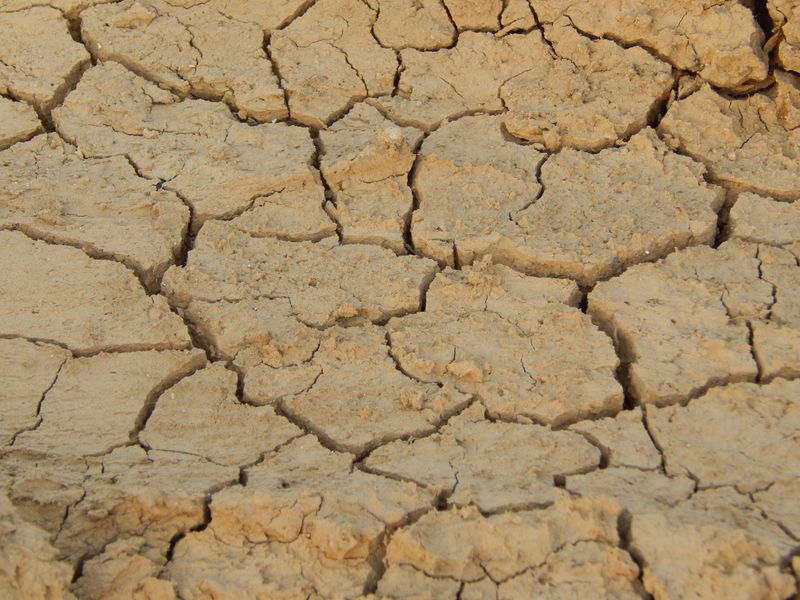
Walk through almost any California neighborhood in July or August and you will likely notice garden beds with visible cracks running across the surface. Those cracks are not always a sign that something went terribly wrong.
Clay soil contains extremely fine particles that hold water well when moist but shrink noticeably as they dry out, and that shrinkage is what causes cracking.
California’s dry season typically runs from late spring through early fall, sometimes stretching even longer in southern regions.
During that time, rainfall is rare, temperatures climb well above comfortable levels, and the soil can lose moisture quickly from both evaporation and plant uptake.
The combination of dry air, strong sun, and low humidity creates conditions where clay soil contracts more than it would in cooler or wetter climates.
Some soils in California contain a group of minerals called expansive or shrink-swell clays, which respond even more dramatically to changes in moisture. These soils can develop deep, wide cracks during a dry summer and then close back up when rainfall returns.
Homeowners sometimes assume that cracking means their soil is damaged or that they have made a serious error. In many cases, the soil is simply doing what clay-rich soil does when it loses moisture.
Understanding this natural behavior is a useful starting point before adjusting any gardening practices.
2. Bare Clay Soil Loses Moisture Faster In Summer
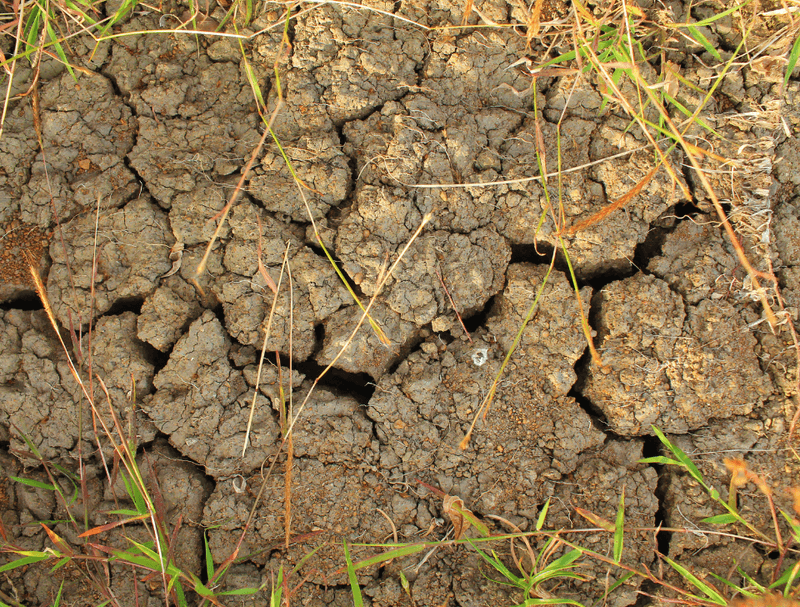
Leaving a garden bed completely uncovered during a California summer is one of the most straightforward ways to accelerate moisture loss from clay soil.
When soil is exposed directly to sunlight, the surface heats up quickly, and that warmth drives evaporation at a faster rate than shaded or covered soil would experience.
The top layer dries out first, then hardens into a crust that can make it harder for water to soak in during the next irrigation cycle.
Bare soil also has no buffer against the hot, dry winds that move through California valleys and coastal inland areas during summer months. Those winds pull moisture from the surface just as effectively as direct sun, sometimes more so on days with low humidity.
Your California Garden Changes Every Week. Your Plan Should Too.
Gardening in California changes quickly throughout the season. Every Friday you’ll receive a simple weekly plan showing exactly what to plant, prune, fertilize, harvest, and protect so you never miss the right timing.
A garden bed that looked reasonably moist in the morning can feel dry and brittle by early afternoon when exposed conditions are present.
The practical consequence of faster surface drying is that clay soil may reach a point where it repels water rather than absorbing it. When the top layer becomes very dry and compacted, water applied during irrigation can run off instead of soaking in.
This means the deeper soil layers may not receive adequate moisture even after a watering session.
Covering bare soil with an appropriate material is one of the most practical adjustments a California gardener can make to slow surface drying and reduce the severity of summer cracking.
3. Mulch Helps Reduce Surface Drying And Crusting
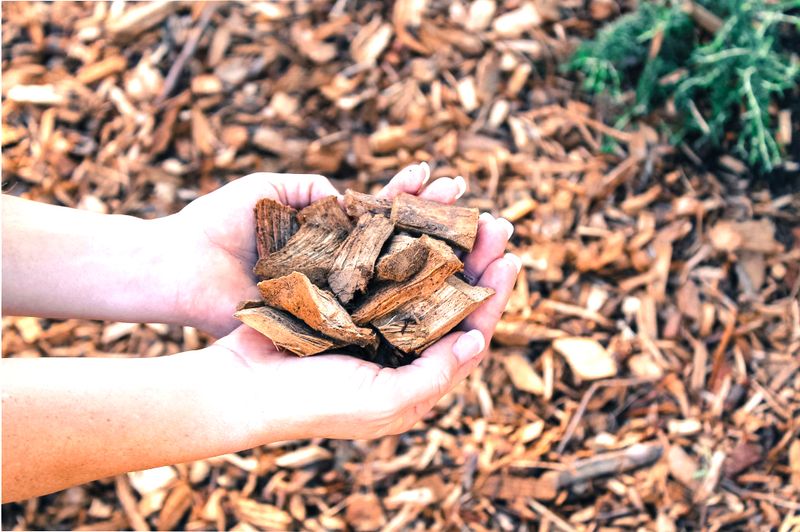
Spreading organic mulch over exposed clay soil is one of the most widely recommended practices for summer garden care in California.
A layer of wood chips, shredded bark, or similar organic material placed over the soil surface acts as a physical barrier between the soil and the sun.
That barrier can help slow evaporation, moderate soil temperature, and reduce the rate at which the surface dries and crusts over.
Mulch does not completely prevent cracking in clay-rich soil, especially in areas with expansive clay minerals that respond strongly to moisture changes. What mulch can do is slow the process and help the soil retain more moisture between irrigation sessions.
Gardeners who have used mulch consistently often notice that the soil beneath it feels softer and more workable compared to uncovered areas in the same garden.
When applying mulch, keeping it pulled back from plant stems, trunks, and crowns is important. Mulch piled directly against plant bases can trap moisture in areas where it may encourage rot or other issues.
Spreading mulch so it covers the open soil between plants rather than smothering the base of each plant tends to give better results.
A consistent mulch layer applied before the hottest part of summer can help California garden beds hold onto more moisture during the months when heat and dry conditions are most intense.
4. A Proper Mulch Layer Supports More Consistent Soil Moisture
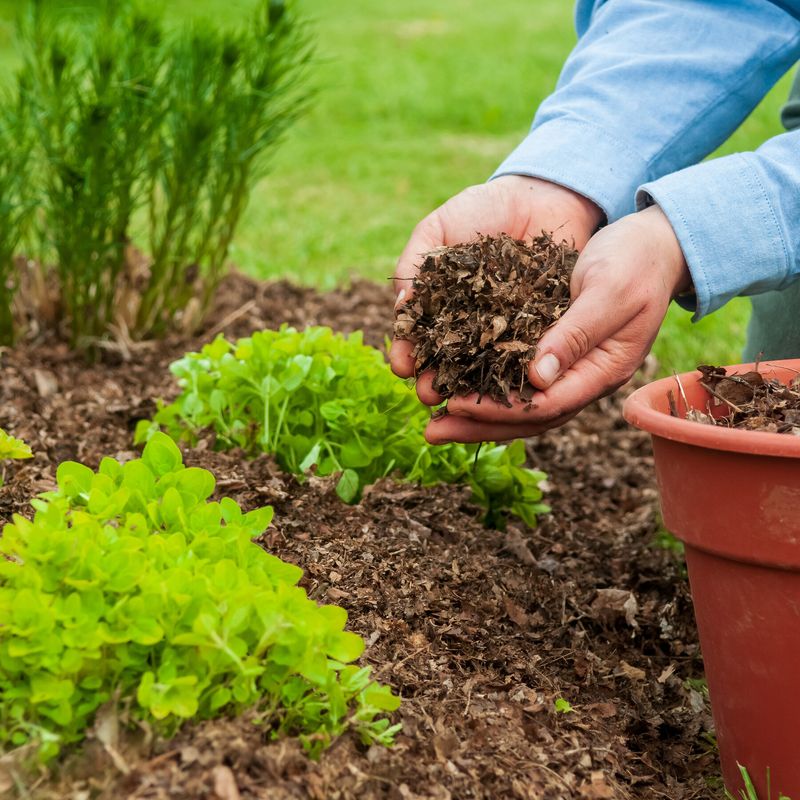
Getting the depth of a mulch layer right matters more than many gardeners realize. Too thin a layer may not provide enough of a buffer to meaningfully reduce evaporation during peak summer heat.
A mulch layer that is too thick, on the other hand, can sometimes create its own issues, including preventing light rain from reaching the soil or making it difficult to assess whether the soil underneath actually needs water.
Horticultural guidance from university extension programs generally suggests that an organic mulch layer in the range of two to four inches works well for most ornamental beds, shrubs, and perennials.
That range can offer a practical balance between moisture retention and allowing some air and water movement through the material.
Coarser mulch materials like larger wood chips may allow water to pass through more easily than finer materials that can sometimes mat together.
Organic mulches also break down gradually over time, adding organic material to the soil surface. That slow decomposition can be a benefit for clay soil over the long term, since organic matter may support better soil structure and workability.
Checking the mulch layer periodically and replenishing it as it breaks down helps maintain its effectiveness throughout the season.
In California’s warmer regions, mulch may decompose faster than in cooler areas, so checking its depth a few times during summer is a practical habit worth building.
5. Slow, Deep Irrigation Helps Water Penetrate Clay Soil
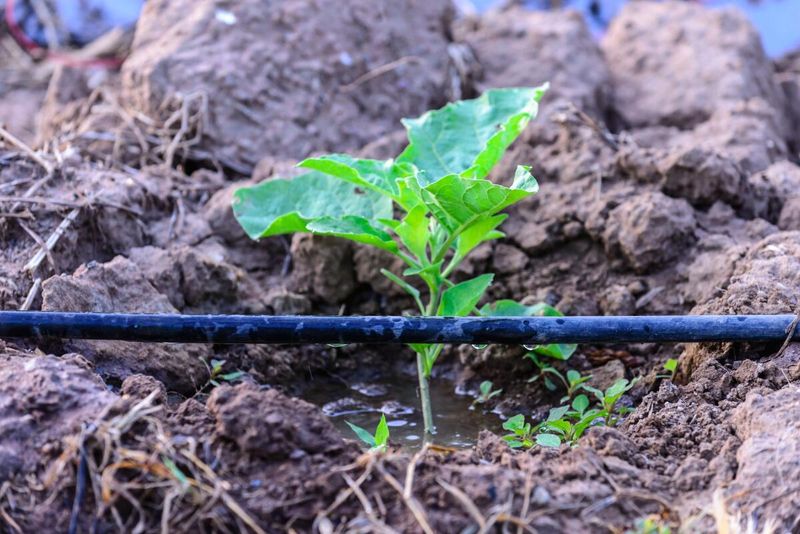
Clay soil has a slower water infiltration rate than sandy or loamy soil, meaning it simply takes more time for water to move downward through the particles. When water is applied faster than the soil can absorb it, runoff happens.
That runoff may carry away moisture before it has a chance to reach the deeper soil layers where plant roots are actively growing.
Applying irrigation slowly is one of the most practical approaches for clay soil in California. Drip irrigation systems and soaker hoses are well suited to clay soil because they deliver water at a rate the soil can absorb more readily.
Sprinkler systems set to run in shorter cycles with pauses in between can also help reduce runoff on sloped or compacted surfaces. The goal is to give water time to soak in rather than allowing it to sheet off the surface.
Checking how deeply water has penetrated before the next irrigation session is a useful habit. A simple way to do this is to push a screwdriver or a thin probe into the soil after watering and notice how far it moves easily before meeting resistance.
If moisture has only reached the top inch or two, deeper layers may still be dry.
Adjusting the length or frequency of irrigation based on actual soil conditions rather than a fixed schedule can lead to more effective watering outcomes in California clay soil gardens.
6. Frequent Shallow Watering May Leave Deeper Soil Too Dry
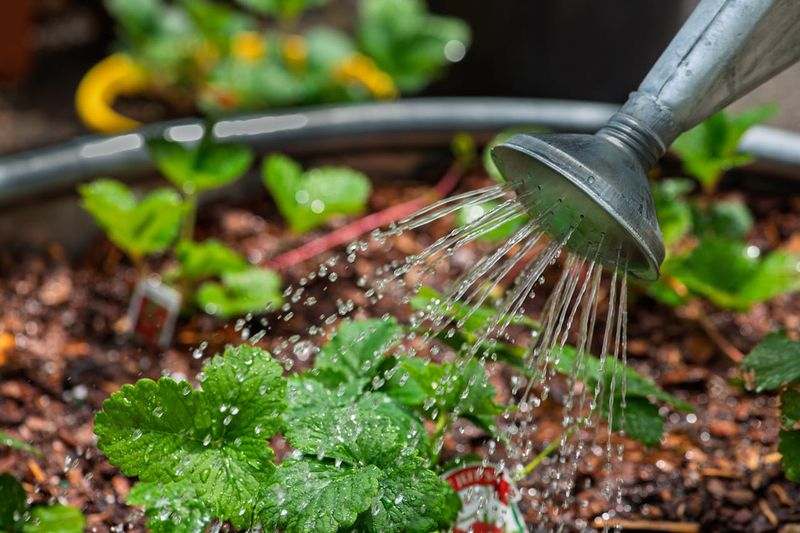
Short, frequent watering sessions feel like attentive gardening, but in clay soil they can create a misleading picture of how well the soil is actually moistened.
When water is applied for only a few minutes at a time, it may wet only the very top of the soil profile without reaching the depth where established plant roots are drawing moisture.
The surface looks damp, but a few inches down the soil may still be quite dry.
Over time, this pattern can encourage roots to stay near the surface where moisture is more available, rather than growing deeper into the soil profile.
Shallow-rooted plants in clay soil may become more vulnerable to stress during periods of intense heat because the upper soil layer dries out quickly between watering sessions.
Deeper roots have access to a larger reservoir of moisture and are generally better positioned to handle California’s long, warm summers.
Switching from frequent short cycles to less frequent but longer irrigation sessions, applied slowly enough that the water soaks in rather than running off, can help moisture reach a more useful depth.
Newly planted shrubs, perennials, and young trees may need more frequent checks than established plants, since their root systems have not yet extended deeply into the surrounding soil.
Container plants and recently installed landscapes also have different moisture needs and should be monitored separately from established garden beds.
7. Organic Matter Can Improve Clay Soil Structure Over Time
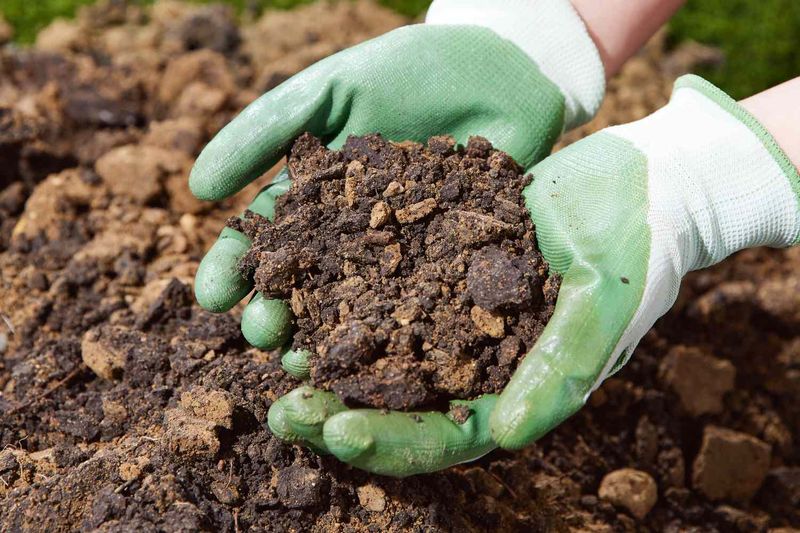
Heavy clay soil can be challenging to work with, but it does respond positively to thoughtful management over time.
Adding organic matter such as finished compost to a planting area can gradually support better soil aggregation, meaning the fine clay particles may begin to clump together into slightly larger groups with more pore space between them.
That shift in structure can make the soil a bit easier to work, slightly more accepting of water, and more hospitable to plant roots.
The key word in that process is gradual. One application of compost will not transform heavy clay into light, fluffy garden soil by the following season.
Building better clay soil structure is a multi-season process that benefits from consistent organic matter additions over several years.
Incorporating compost before planting a new bed, then top-dressing with compost annually as plants grow, is a practical approach that many experienced California gardeners use.
There is an important distinction between mulching and amending. Mulch is applied to the soil surface and left in place, where it slowly breaks down and contributes organic material from the top down.
Soil amendment involves incorporating organic matter directly into the planting area before or during planting. Both practices have value, but they work differently and serve somewhat different purposes.
Using both together over time tends to offer better results for California clay soil than relying on just one approach.
8. Some Common Clay Soil Fixes Can Create Additional Problems
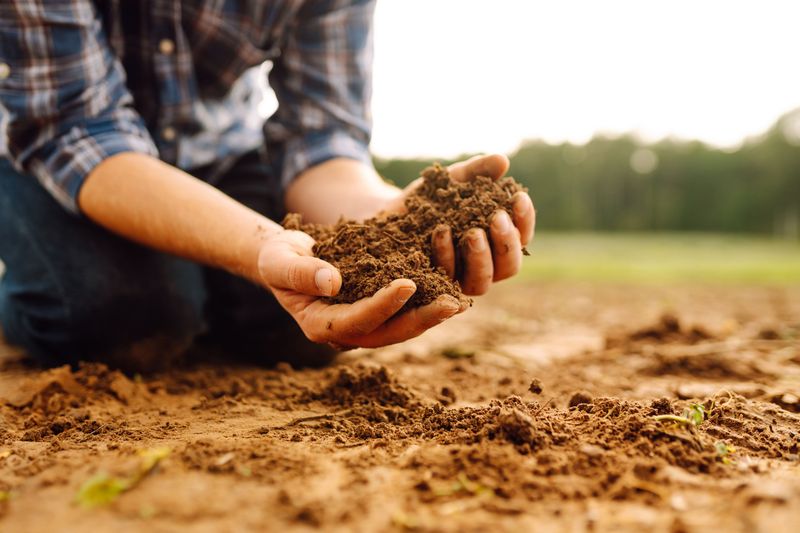
Not every popular clay soil remedy lives up to its reputation, and a few common approaches can actually leave soil in worse condition than before. One widely repeated suggestion is to add sand to clay soil to improve drainage.
In practice, adding a small or poorly measured amount of sand to clay can produce a mixture that is denser and harder than the original clay, rather than looser and better draining.
Achieving a meaningful drainage improvement with sand generally requires adding a very large proportion relative to the existing soil, which is rarely practical for most home gardens.
Working clay soil while it is excessively wet is another mistake that can cause lasting structural damage. When clay soil is tilled, dug, or walked on while saturated, the particles compress together and form dense, hard clods as the soil dries.
Those clods are difficult to break apart and can create uneven, compacted areas that resist water infiltration and root growth. Waiting until soil has dried to a workable state before digging or amending tends to produce much better results.
Gypsum is sometimes promoted as a general solution for clay soil problems, but its usefulness depends on the specific chemistry of the soil in question.
Gypsum may provide some benefit in soils with high sodium content, but it is not a universal fix for every clay soil situation.
A basic soil evaluation can help determine whether gypsum or any other specific amendment is actually appropriate for a particular California garden before any product is applied.