This Common Shrub Could Be A Bigger Threat Than You’d Expect In Your South Carolina Yard
Something dangerous waits quietly where you would least expect it. South Carolina’s humid ravines conceal a shrub few people can identify. This plant grows quietly in South Carolina’s shaded, swampy corners.
Nobody expects a leafy stranger to outrank a venomous snake. Yet chemists rank its oil among the most potent irritants known.
Blisters rise fast, spreading across your face, neck, and arms. Pain builds slowly, then intensifies without warning. Contact happens silently, often while you clear brush or hike.
Weather changes when reactions worsen unexpectedly. Symptoms surface hours later, often before you notice anything is wrong. Recognition matters because misidentification leads straight to painful mistakes.
Treatment becomes urgent once blistering reaches your eyes or throat. Awareness now spares you real discomfort later. Ignorance can cost you days of discomfort and lost time.
Every detail ahead sharpens your instinct for spotting danger fast. Your skin, your safety, and your next outdoor moment depend on what comes next.
Why Poison Sumac Gets Overlooked In South Carolina
Nobody posts warning signs near poison sumac. It blends in perfectly with the lush, green backdrop of the Southeast, looking like any other innocent shrub in your South Carolina yard.
Most people can name poison ivy on sight. Poison sumac, though, rarely gets the same attention in backyard safety conversations.
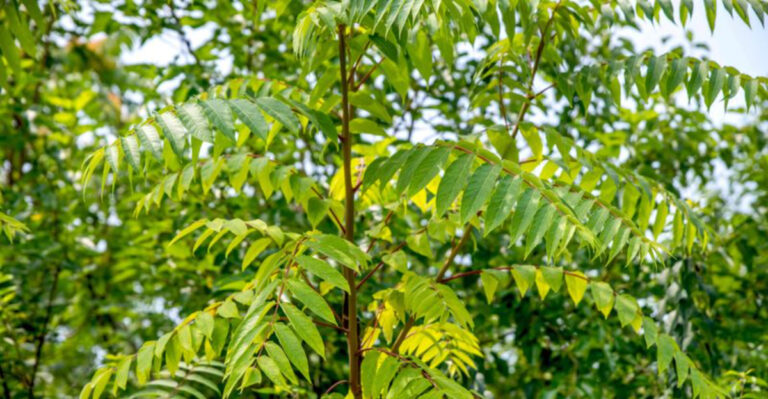
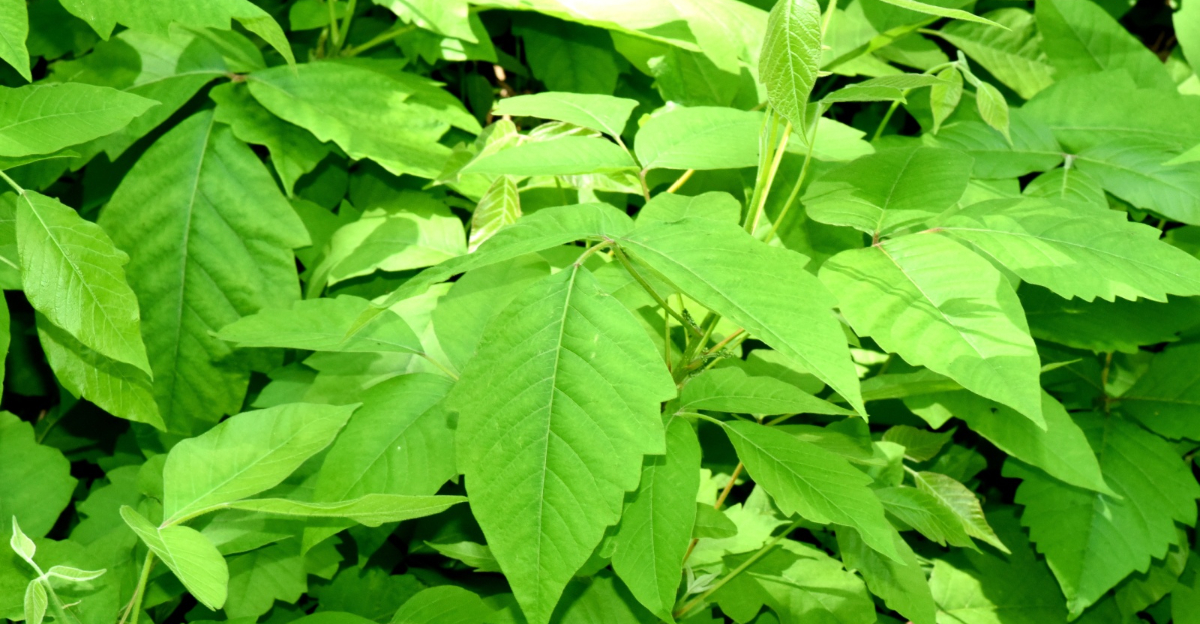
Part of the problem is that this shrub does not look threatening. It has smooth, oval leaflets arranged in pairs along a central stem, with a reddish tint near the stalk.
That reddish color actually makes it look kind of pretty. South Carolina gardeners sometimes mistake it for a decorative native plant worth keeping around.
The berries do not help either. Poison sumac produces small, pale yellow or cream-colored clusters that look nothing like the bright red berries of harmless sumac varieties.
Because harmful sumac prefers wet, boggy areas, many homeowners never encounter it in manicured suburban yards. That false sense of safety keeps people from learning to identify it.
Wildlife does not avoid it the same way humans should. Birds eat the berries without any reaction, which makes the shrub seem even more benign to casual observers.
The name also creates confusion. People associate sumac with the harmless red-berried varieties used in cooking and landscaping. The word does not trigger the same alarm bells as poison ivy or poison oak.
Recognizing this common shrub as a genuine hazard is the first step toward protecting yourself and your family outdoors.
How To Identify Poison Sumac
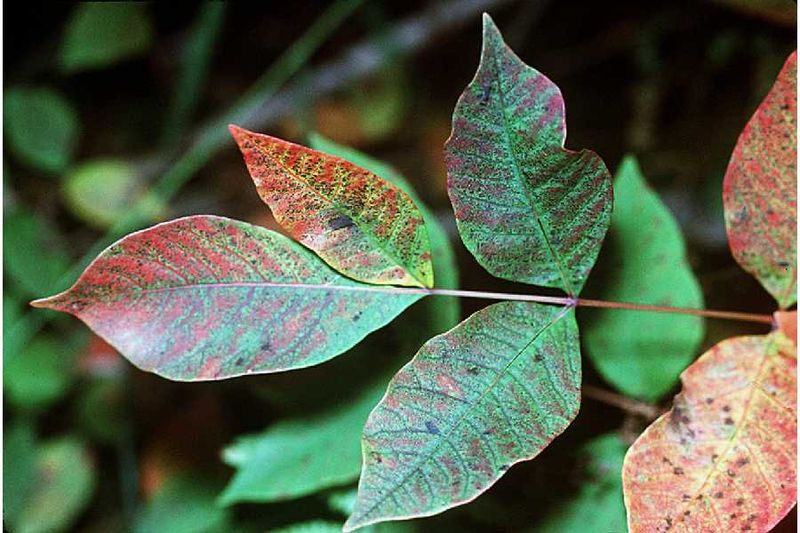
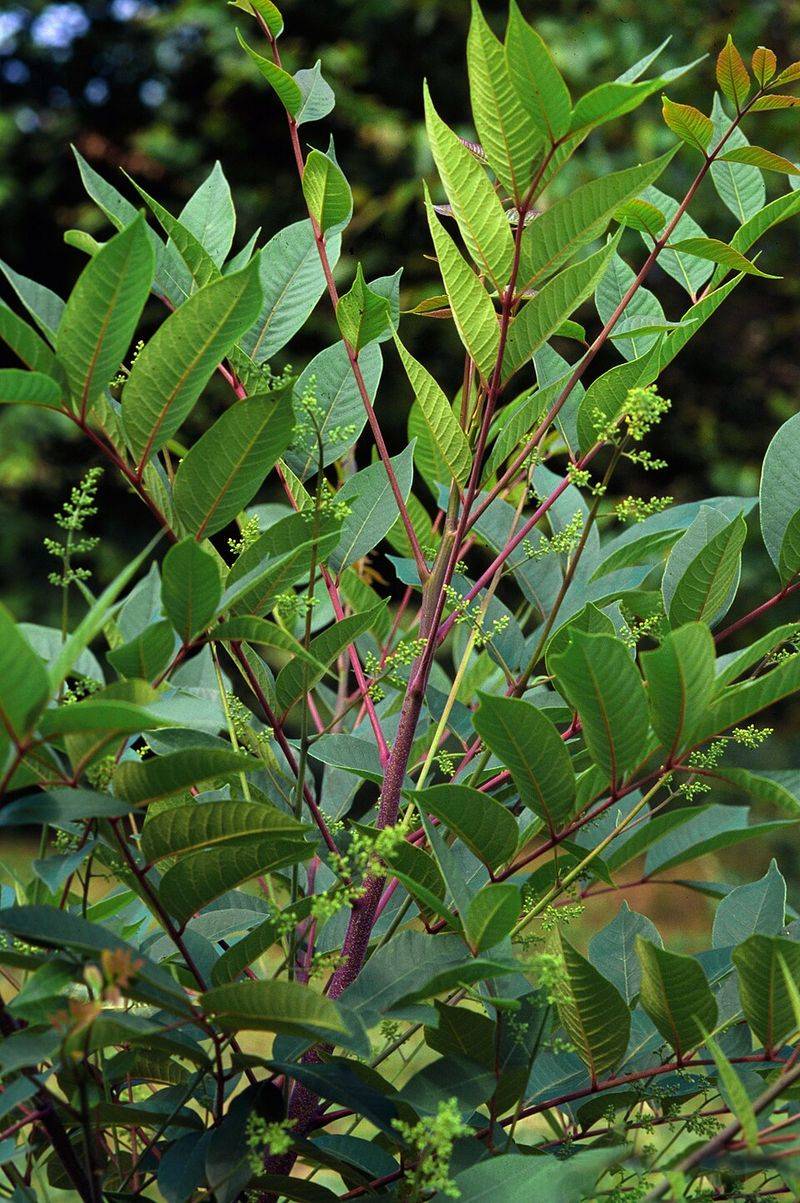
Picture a plant with seven to thirteen smooth, oval leaflets arranged in opposite pairs along a bright reddish stem. That striking stem color is your first big clue.
Each leaflet is about two to four inches long. The edges are smooth, not jagged or toothed, which sets it apart from many other common shrubs.
The upper surface of each leaf is a rich, glossy green. The underside tends to be a lighter, almost pale green shade that catches the light differently.
Your South Carolina Garden Changes Every Week. Your Plan Should Too.
Gardening in South Carolina changes quickly throughout the season. Every Friday you’ll receive a simple weekly plan showing exactly what to plant, prune, fertilize, harvest, and protect so you never miss the right timing.
In late summer, small clusters of yellowish-white or grayish berries appear. These berry clusters hang loosely and droop downward from the stems in a relaxed, almost elegant arrangement.
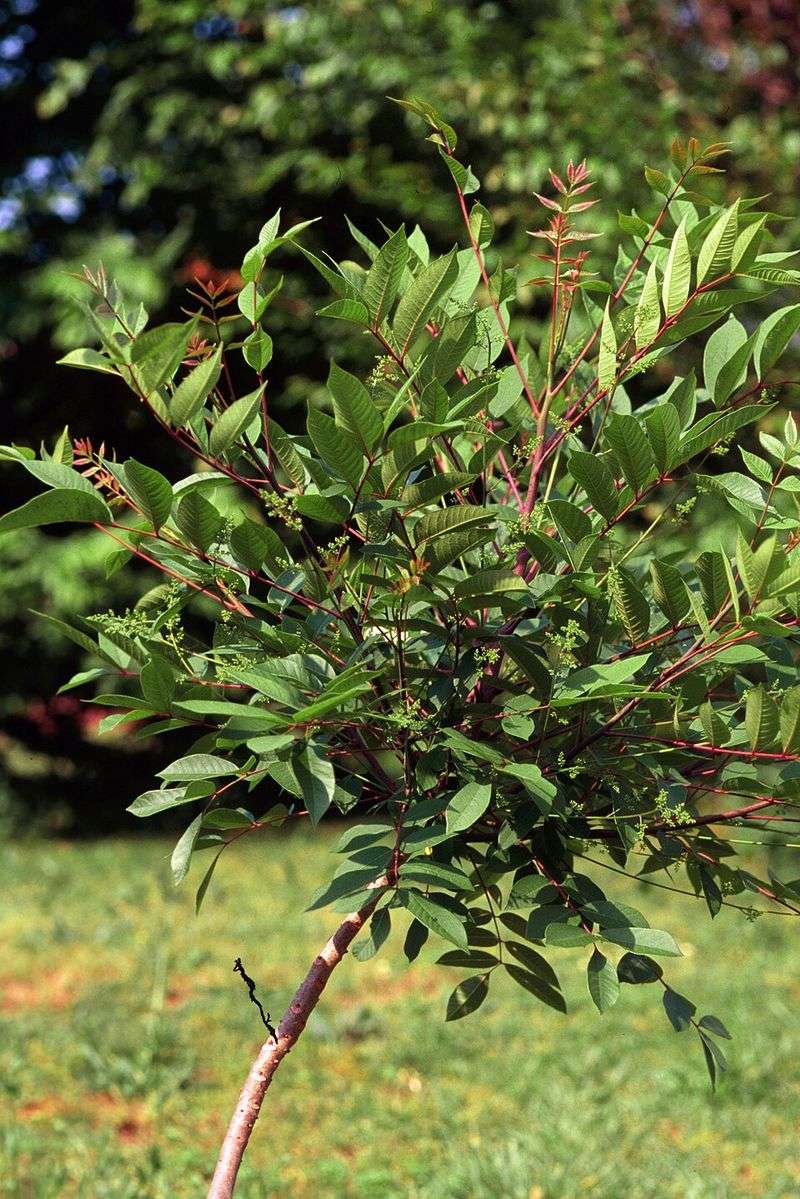
The plant itself can grow anywhere from six to twenty feet tall. In ideal conditions, it can look more like a small tree than a backyard shrub.
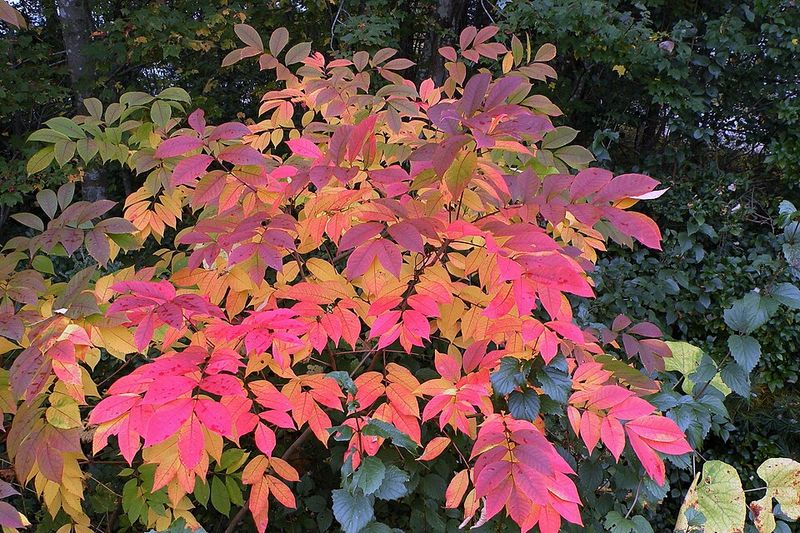
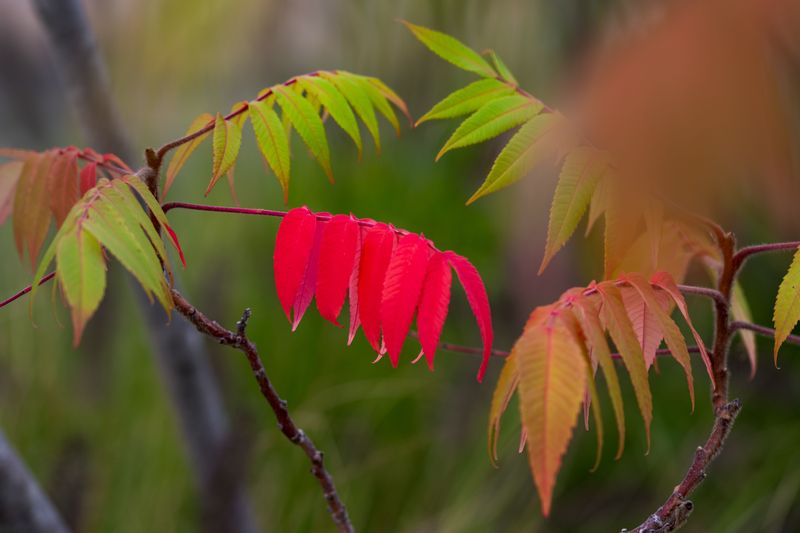
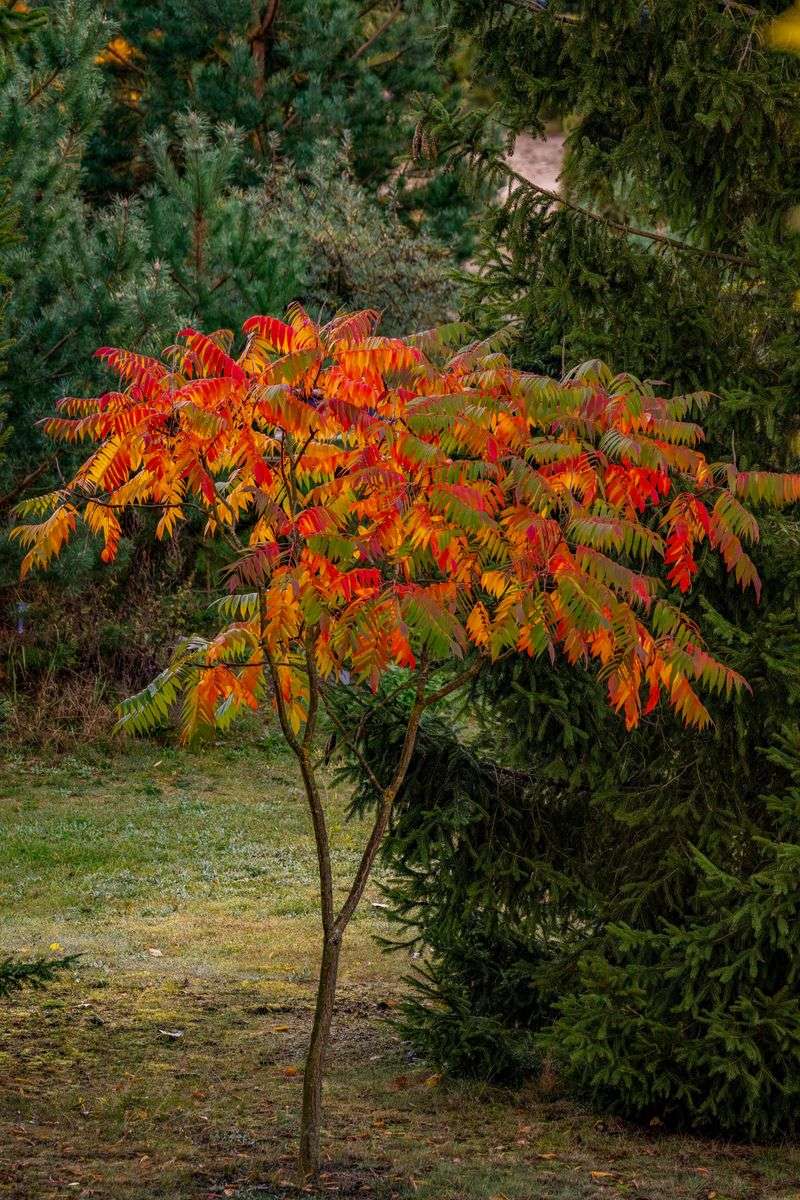
During autumn, the leaves shift to stunning shades of orange, red, and yellow. That fall color display is genuinely beautiful, which makes it even more tempting to admire up close.
One key difference from harmless sumac is berry color. Safe staghorn sumac has dense, upright clusters of deep red berries, while the toxic version produces pale, drooping ones.
The stems also have a slightly swollen appearance at the leaf joints. That subtle puffiness, combined with the red coloring, is a reliable field marker for trained eyes.
Learning these details could prevent a painful, week-long rash that no amount of hydrocortisone cream will fully tame.
Where Poison Sumac Grows Across The State
Wet feet are this plant’s best friend. Poison sumac thrives in boggy, waterlogged environments that most people do their best to avoid stepping in.
Swamps, marshes, and the edges of slow-moving streams are prime real estate for this shrub. The Low Country and coastal plain regions of the state offer perfect growing conditions.
Anywhere standing water collects after heavy rain, this plant feels right at home. Drainage ditches, flooded woodland edges, and retention pond banks are all common habitats.
This is partly why suburban homeowners rarely encounter it in their own backyards. However, properties near wetlands, rivers, or forested areas face a much higher risk of having it nearby.
Hunters and anglers are especially exposed. Wading through marshy land or pushing through thick riverside brush puts outdoor enthusiasts in direct contact with this hazardous plant.
Hikers on low-elevation trails near water should also stay alert. Popular nature areas with swampy, low-lying terrain across the state can contain ideal habitat for this shrub.
Even rural homeowners who mow near a creek edge or clear brush after a storm may unknowingly disturb a patch.
Yard work near water is a surprisingly common exposure scenario. The shrub does not wander into dry, sunny lawns on its own.
However, the border between a maintained yard and a wet woodland edge is exactly where encounters happen most often. Know your property lines, and know what is growing just beyond the mowed grass.
Why Its Toxin Is More Dangerous Than Poison Ivy
Urushiol is the oily resin responsible for the miserable rash that follows contact with these plants. Poison sumac is widely considered to contain higher concentrations of it than poison ivy does.
That difference in concentration matters a great deal. A smaller amount of contact with sumac can trigger a more severe reaction than a prolonged brush with ivy.
Urushiol bonds to skin proteins almost immediately after contact. Within minutes of touching the plant, the chemical can begin triggering your immune system’s response.
The reaction is not actually caused by the oil itself. Your own immune system is responding to the urushiol-bonded proteins, which is why the rash worsens over the first few days.
Inhaling smoke from a burning sumac plant is especially alarming. The urushiol becomes airborne, and breathing it in can cause severe respiratory inflammation and throat swelling.
That risk makes burning brush piles particularly dangerous if this shrub is mixed in. Even experienced landscapers have landed in urgent care from breathing in contaminated smoke.
Pets can also transfer the oil to their owners. A dog that runs through a sumac patch can carry urushiol on its fur and pass it to anyone who pets it afterward.
The oil remains active on tools, gloves, and clothing for months. A pair of gardening gloves tossed in a shed after unknowing exposure can still cause a rash the following spring.
This common shrub becomes manageable once a homeowner knows exactly what to look for.
What Exposure Looks And Feels Like
The first sign is usually an intense, burning itch that seems to come from nowhere. Within twelve to twenty-four hours after contact, red streaks and raised welts begin forming on the skin.
Those welts quickly progress into fluid-filled blisters. The blisters are not contagious, but scratching them can introduce bacteria and lead to secondary infections that require antibiotics.
Swelling is also common, especially if exposure occurred near the face or eyes. Some people experience significant puffiness around the eyelids that temporarily affects their vision.
The rash can appear to spread over several days, even without new contact. This happens because areas with thinner skin or heavier exposure react faster than others.
Highly sensitive individuals may develop a full-body reaction. Facial swelling, difficulty breathing, and widespread blistering are signs that immediate medical attention is necessary.
Over-the-counter treatments like calamine lotion and antihistamines can ease mild symptoms. For moderate to severe cases, a doctor may prescribe oral steroids to control the immune response.
The rash typically lasts one to three weeks, depending on severity and treatment. That is a long, uncomfortable stretch of time for something that could have been prevented.
Cool compresses and oatmeal baths offer some relief during the worst days. Avoid hot water, which opens pores and can intensify the burning sensation significantly.
Knowing what to expect helps you act quickly and avoid making the reaction worse with the wrong home remedies.
How To Safely Remove Or Avoid It
Gear up completely before you get anywhere near this shrub. Thick rubber gloves, long sleeves, eye protection, and a face mask are the minimum requirements for safe handling.
Disposable coveralls are worth every penny if you are removing a large patch. Bagging and tossing the coveralls immediately after the job prevents accidental transfer to clean surfaces.
Never burn the cut material under any circumstances. Smoke from burning sumac carries airborne urushiol, which can cause respiratory reactions far more serious than a skin rash.
Bag all cuttings securely in heavy-duty plastic garbage bags. Seal them tightly and place them in your regular trash, not in a compost pile or yard waste bin.
Wash every piece of equipment with dish soap and cool water after the job is done. Hot water opens pores and can drive residual oil deeper into skin, so keep it cool.
If you are unsure whether you can handle the removal safely, hiring a professional landscaper is a smart call. Some services specialize in hazardous plant removal and carry the right protective equipment.
For avoidance rather than removal, simply learning the plant’s appearance is your best defense. Teach your children and neighbors what it looks like before the next yard cleanup day.
Wearing long pants and closed-toe shoes near any wet, wooded border is a simple habit that pays off. Outdoor adventures are more fun when you come home itch-free. This common shrub warrants more caution than most people give it.