What It Means When An Owl Shows Up Near Your Minnesota Home
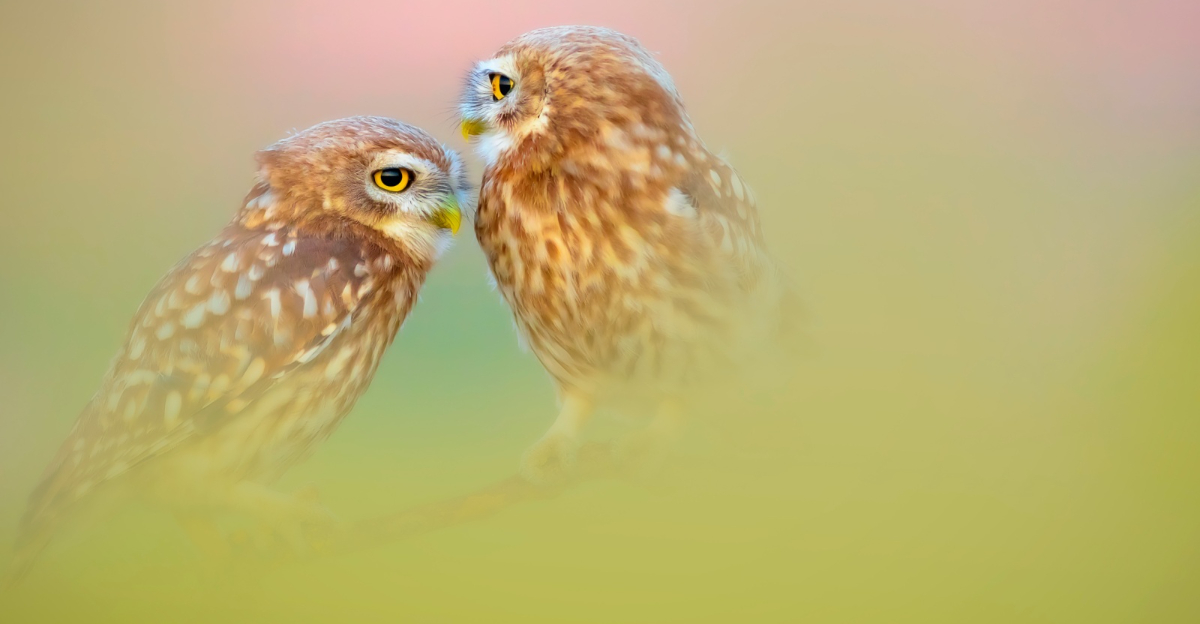
Silence breaks when a pair of amber eyes lock onto yours from the fence post. Something shifted the moment that owl landed near your home. Minnesota nights hide more predators than you might expect.
Darkness conceals a hunter built for stealth, precision, flight. Feathers muffle every wingbeat, erasing sound before it reaches prey. Talons grip bark with a force your eyes can’t match.
Vision pierces shadows most eyes cannot penetrate. Rotating necks scan territory without a single wasted motion. Presence like this rarely reaches your fence by accident.
Ecosystems send signals through the creatures that choose to appear near you. Backyards across Minnesota attract owls for reasons rooted in biology, not superstition.
Prey populations, tree cover, and quiet corners play a role. Curiosity now demands answers, not guesses.
Meaning hides inside behavior, habitat, and quiet timing. What happens next explains why that owl chose your fence, and why it matters.
Why Owls Are Appearing Near Minnesota Homes
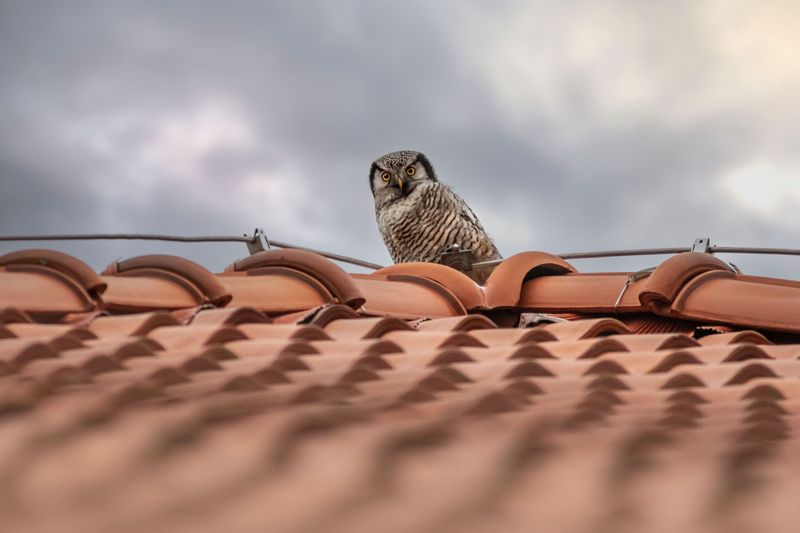
Suddenly, a shadow lands on your rooftop. You look up and lock eyes with one of nature’s most skilled hunters.
Owls appear near homes for very specific reasons. They are not wandering randomly. They are actively searching for food, shelter, or nesting spots.
Minnesota hosts several owl species, including Great Horned Owls, Barred Owls, and Eastern Screech-Owls. Each one has slightly different habits, but all of them are drawn to areas with good hunting ground.
Your yard may offer exactly what they need. Tall trees, open grassy patches, and nearby water sources create a perfect hunting setup for these birds.
Suburban neighborhoods have expanded into former woodland areas across the state. That means owls are adapting, moving closer to people as their natural habitat shifts.
Seeing one near your home is not a random event. It signals that your property has something worth returning to: food, cover, or both.
Mice, voles, and rabbits thrive in well-kept yards with gardens and bird feeders. Owls are drawn to this, and their hunting instincts lead them straight to your front door.
The presence of what it means when an owl shows up near your Minnesota home often comes down to one thing: your yard is alive. A thriving yard attracts predators, and owls sit right at the top of the local food chain.
What Owl Presence Reveals About Local Rodent Populations
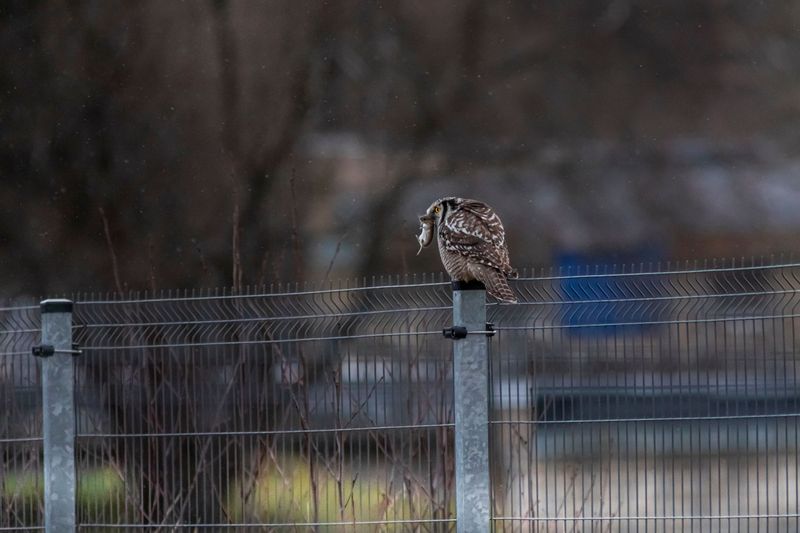
An owl perching near your property is a clear indicator of nearby rodent activity. That sign reads: rodents are active here.
Owls are apex hunters in the small mammal world. A single Great Horned Owl can consume dozens of mice and voles in a single month, and far more across a season.
If you have a garden, a compost bin, or a bird feeder, you likely have a thriving rodent population nearby. These small creatures are excellent at staying hidden, but some owls, most notably Great Gray Owls, can detect their movement even under a layer of snow.
Their hearing is shockingly precise. Facial feathers act like a satellite dish, funneling sound directly into their ears with pinpoint accuracy.
Your Minnesota Garden Changes Every Week. Your Plan Should Too.
Gardening in Minnesota changes quickly throughout the season. Every Friday you’ll receive a simple weekly plan showing exactly what to plant, prune, fertilize, harvest, and protect so you never miss the right timing.
Spotting an owl hunting near your home means the local mouse and vole numbers are high enough to support a predator. This typically indicates an active, functioning ecosystem rather than a problem.
Homeowners sometimes panic when they realize rodents are nearby. But having a resident owl is actually one of the most natural forms of pest management available.
No traps, no chemicals, no late-night scrambling under the sink. Just a silent, feathered hunter doing its job every single night.
What it means when an owl shows up near your Minnesota home, in ecological terms, is that nature is self-correcting. The predator-prey balance is working exactly as it should, right outside your window.
How Habitat And Tree Cover Attract Owls To Your Yard
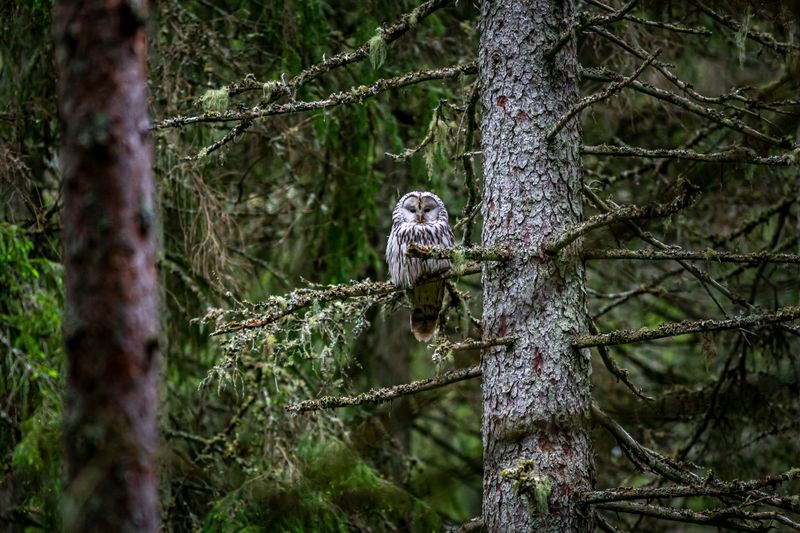
Not every yard gets an owl visit. The ones that do usually share a few key features. Tree cover is the single biggest factor. Owls need tall, sturdy trees for perching, roosting, and raising young.
Mature oaks, maples, and conifers are especially attractive. These trees offer dense canopy cover, strong horizontal branches, and natural cavities that smaller owl species use for nesting.
Open lawn space matters just as much as trees. Owls hunt by swooping low over open ground, so a mix of tall trees and clear grassy areas creates the ideal setup.
Brush piles and leaf litter on the ground encourage the small mammals owls feed on. If your yard has natural, slightly wild edges, you are essentially building a buffet for nocturnal hunters.
Avoid over-manicuring your outdoor space. Tidy, sterile lawns with no ground cover offer very little to wildlife of any kind.
Installing a nest box designed for owls can make a real difference. Eastern Screech-Owls readily adopt wooden boxes mounted on tree trunks about ten to fifteen feet up. Leaving standing snags in place, when safe, provides natural cavities that owls prize.
What it means when an owl shows up near your Minnesota home is that your habitat is rich enough to support top-level wildlife. That is something worth protecting and nurturing with intention.
Seasonal Patterns Behind Owl Sightings In Minnesota
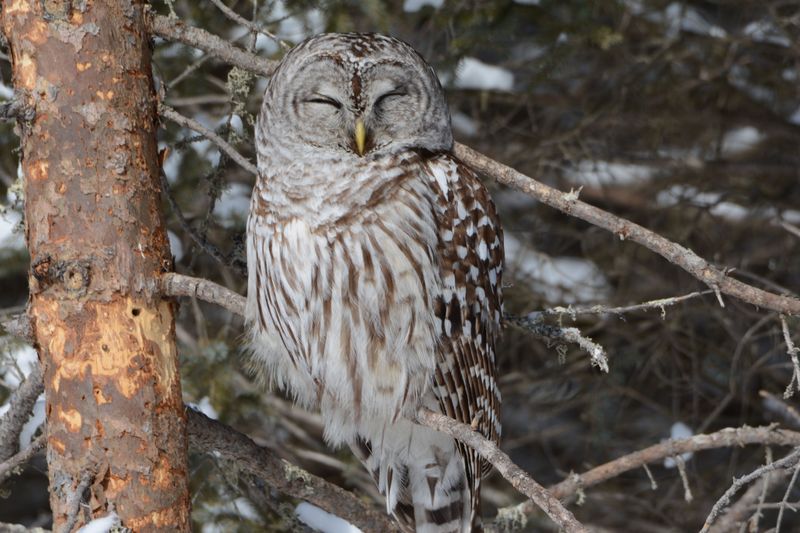
Winter is owl season in Minnesota, and it hits differently than you might expect. Some of the most dramatic sightings happen when the landscape is at its coldest.
Great Horned Owls begin nesting in January and February, earlier than almost any other bird in the state. They often take over old hawk or crow nests while snow is still deep on the ground.
Snowy Owls sometimes migrate south from the Arctic during irruption years. These rare events bring pale, snow-white owls to open fields and even airport runways across the region.
Fall is another active period. Young owls dispersing from their birth territories move through neighborhoods searching for their own home range.
Spring and summer bring Barred Owls into full vocal mode. Their loud, echoing calls fill the woods at night, making them easy to detect even when they stay hidden in the canopy.
Longer days in summer mean owls sometimes hunt during late afternoon hours. Catching a glimpse of one in daylight is a genuine treat for any backyard nature watcher.
Seasonal changes in prey availability also drive owl movement. When rodent populations crash in late summer, owls expand their search areas and venture into new neighborhoods.
Tracking what it means when an owl shows up near your Minnesota home by season gives you a richer picture. Each time of year brings a different species and a different story worth paying attention to.
What Owl Calls And Behavior Actually Indicate
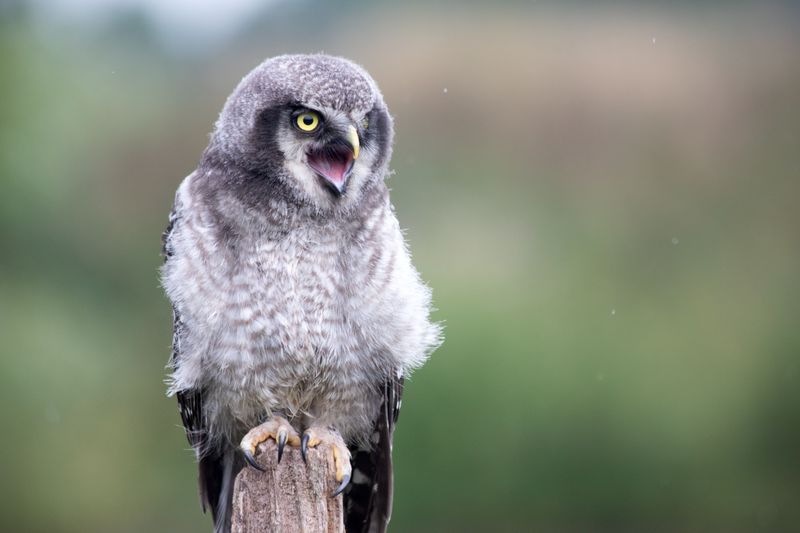
That distinct sound at night is not random. Every owl call carries a specific message worth decoding.
The classic deep hooting you hear on cold winter nights usually belongs to a Great Horned Owl. Those slow, resonant hoots are territorial declarations. The bird is claiming its space and warning rivals away.
Barred Owls produce a completely different sound. Their call sounds like someone saying “who cooks for you, who cooks for you all”, a loud, rhythmic series that carries far through the trees.
When you hear two owls calling back and forth, you are likely listening to a mated pair. Duetting is a bonding behavior that peaks during late fall and early winter courtship.
A sharp, repetitive bark from an owl signals agitation. If a bird is making short, rapid calls near your yard, something has disturbed it, possibly a cat, a raccoon, or even a person walking too close.
Eastern Screech-Owls produce a soft, quavering whinny that sounds almost like a horse. Many people hear this call for years without ever knowing an owl made it.
Behavioral clues matter just as much as sound. An owl sitting low to the ground or appearing lethargic during daylight hours may need help from a wildlife rehabilitator.
Understanding what it means when an owl shows up near your Minnesota home includes reading its behavior. A confident, alert owl on a high perch is thriving, and that is a genuinely good sign.
What A Healthy Owl Presence Says About Your Ecosystem
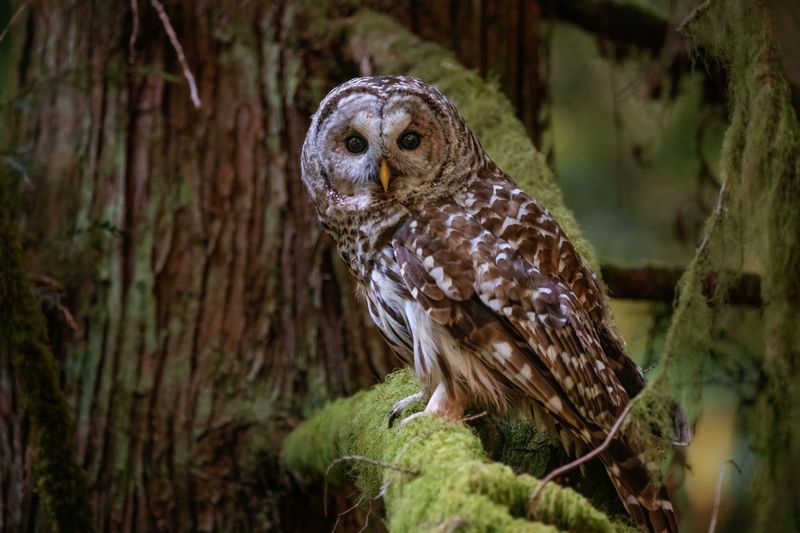
An owl choosing your yard is a strong signal that your outdoor space supports healthy wildlife. It means your little patch of land is doing something right.
Healthy ecosystems support multiple layers of life: plants, insects, small mammals, and the predators that keep them in balance. When owls appear regularly, all those layers are likely present and functioning.
Pesticide use is one of the fastest ways to disrupt that balance. Owls that eat poisoned rodents absorb those toxins directly, which can cause serious harm across the entire food web.
Choosing non-toxic pest control methods protects every creature in your yard. Native plantings, natural ground cover, and chemical-free lawn care create conditions where owls can hunt safely.
Water sources attract more than just songbirds. A shallow birdbath or small pond draws amphibians and insects, which in turn support the small mammals that owls depend on.
Reducing outdoor lighting at night makes a meaningful difference. Bright lights disrupt nocturnal hunting patterns and can push sensitive species away from otherwise perfect habitat.
Neighbors working together can create connected wildlife corridors. A block of yards managed with native plants and minimal chemicals becomes a meaningful refuge for owls and dozens of other species.
Knowing what it means when an owl shows up near your Minnesota home gives you a new lens for your outdoor space. You are not just a homeowner, you are a steward of a living, breathing ecosystem that now supports a silent hunter as part of its balance.