A New Chestnut Colored Beetle, New To Minnesota, Is Turning Up In Gardens
Your garden holds a secret no flashlight fully explains. Minnesota nights now carry a strange, uninvited new visitor. Leaves turn ragged overnight, stripped clean by some unseen mouth.
Porch lights keep collecting strange chestnut colored beetles nobody recognizes. Gardeners across Minnesota keep snapping photos, baffled and intrigued. Questions now travel faster than answers through your gardening circles.
This insect crossed oceans long before reaching your soil. Scientists tracked its journey slowly across states, borders, and seasons. Patience carried it here, and persistence keeps pushing it steadily onward.
Its spread through the Upper Midwest keeps gaining fast ground. Understanding it now could spare your beds serious damage. Ignoring it simply hands the problem far more room to grow.
Many gardeners nearby already have theories, though few truly hold up. Curiosity alone won’t tell you what’s really settling into your beds. You need to know exactly what’s crawling through your garden tonight.
The Night Shift Belongs To A Cinnamon-Shelled Beetle
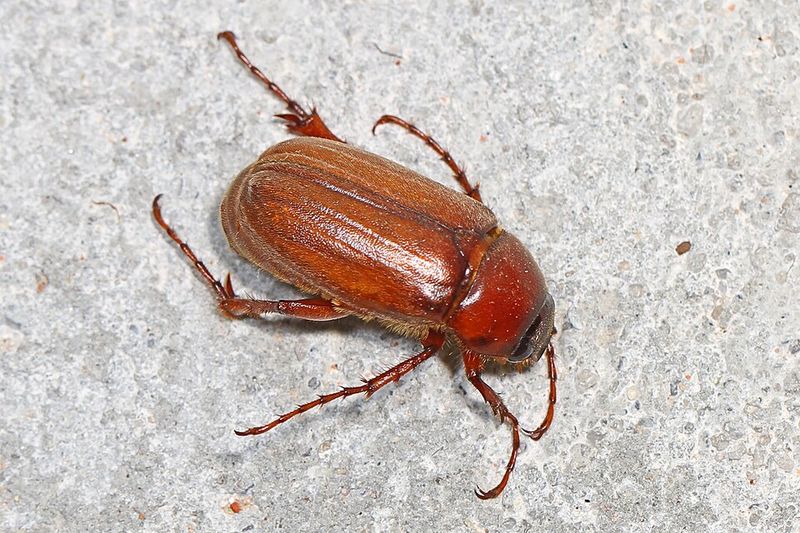
Picture a coffee bean that sprouted legs and started feeding in a flower bed after dark. That is close to what gardeners are noticing when a porch light flicks on in late summer.
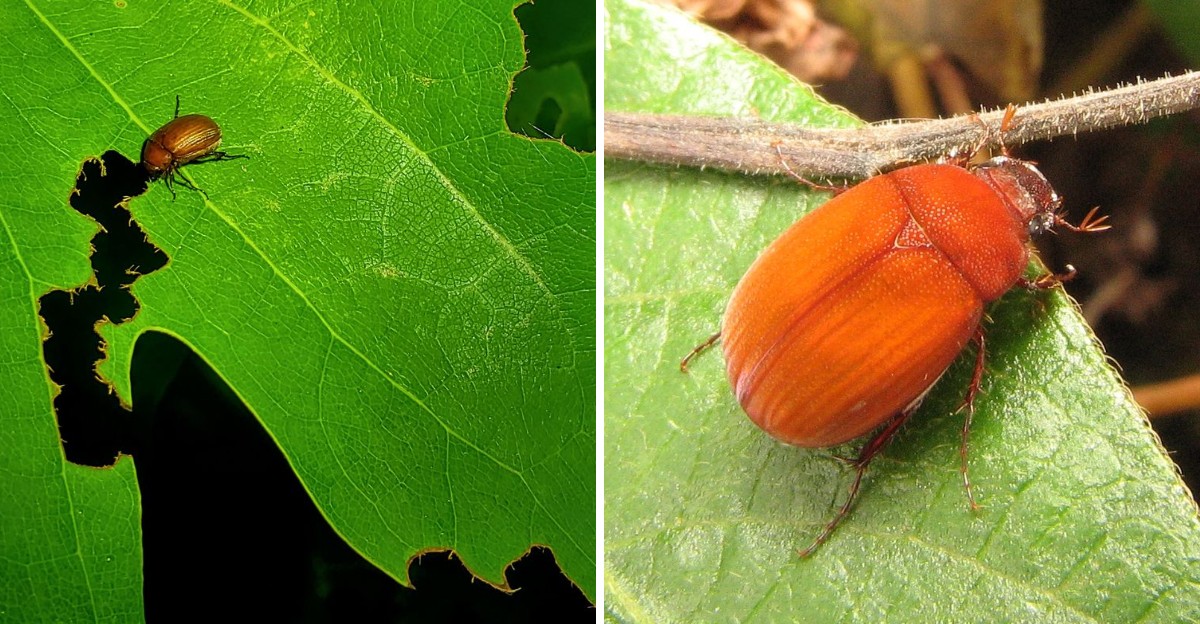
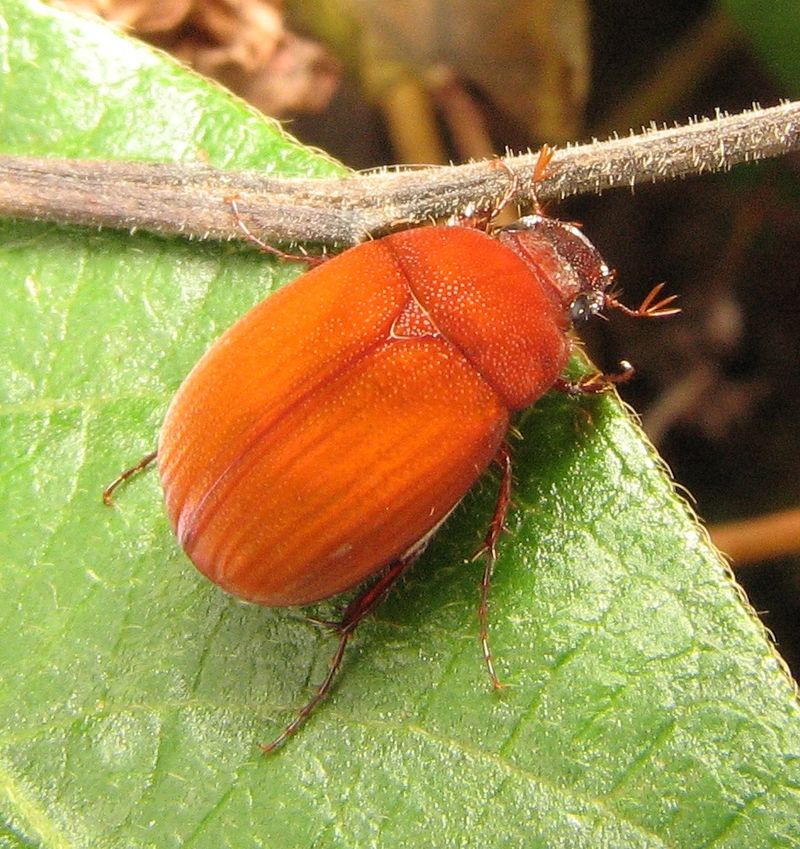
The Asiatic garden beetle stretches about three-eighths of an inch, roughly the size of a sunflower seed.
Its rounded body wears a warm chestnut to cinnamon shade, sometimes glinting coppery under a flashlight beam. Run a finger across the shell and it feels hard, smooth, and faintly velvety.
Native to Japan and China, the insect slipped into New Jersey soil back in the 1920s. Since then it has gradually spread west through the Midwest, with reports now emerging from Minnesota gardens.
Minnesota reports have climbed as more folks photograph odd beetles and share them online.
Daylight hours are spent buried an inch or two below the surface, tucked beside plant stems. Once dusk settles, the beetles climb up and start feeding on leaves, blossoms, and tender shoots.
By sunrise they are back underground, which explains why damage seems to appear out of thin air.
Warm evenings in August and September bring out increased numbers, especially near porch bulbs and streetlights. Gardeners who step outside with a flashlight in the evening often spot several at once.
Knowing the culprit keeps a schedule makes the puzzle much easier to solve. Recognizing that chestnut glow is the first step toward protecting your beds. Once you know the face, the rest of the story falls neatly into place.
Sorting Friend From Foe Among Brown Beetle Lookalikes
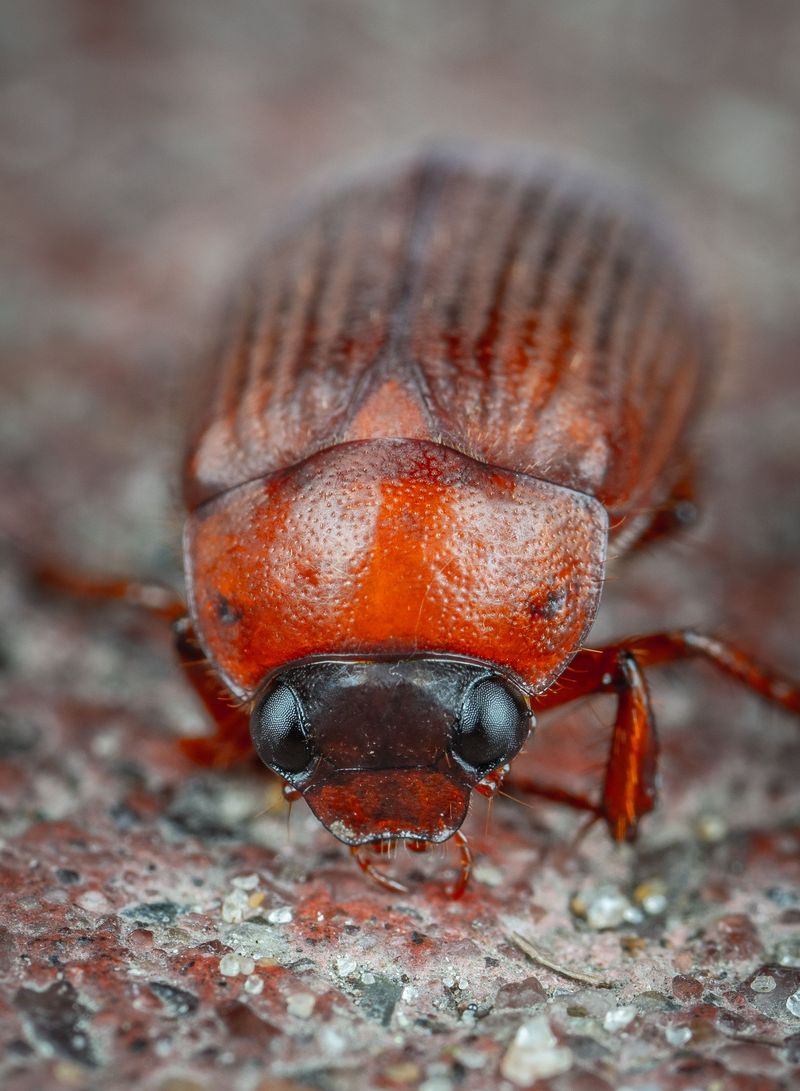
A brown beetle in the yard could be one of a dozen suspects, and guessing wrong leads to wasted effort. Sorting them out takes about ten seconds once you know the clues.
Start with size, since this newcomer runs about a third of an inch, noticeably smaller than the chunky June beetles that thump against window screens in early summer. Its outline is oval and dome-shaped, like half a chestnut.
Your Minnesota Garden Changes Every Week. Your Plan Should Too.
Gardening in Minnesota changes quickly throughout the season. Every Friday you’ll receive a simple weekly plan showing exactly what to plant, prune, fertilize, harvest, and protect so you never miss the right timing.
Color sits in the reddish-brown to cinnamon range with a dull sheen rather than a mirror finish. Japanese beetles, by contrast, wear metallic green heads with copper wing covers and tidy white tufts along their sides.
They also feed in broad daylight and cluster on roses and linden trees. If the insect is shiny green and out at noon, you are looking at a different troublemaker. Masked chafers are tan and fuzzy underneath with a darker band across the head, and they fly in June and July.
Ground beetles are longer, flatter, and quick on their feet, and they hunt other insects instead of chewing leaves. Those are helpful neighbors worth leaving alone.
Another useful clue is behavior around lights. The chestnut visitor swarms porch bulbs on warm nights, then drops and burrows fast when disturbed.
Scoop one into a jar, take a photo from the side, and compare it with identification photos from your local extension office.
Correct identification saves money, since a treatment aimed at one beetle can miss another. Take the extra minute; your garden budget will thank you.
Scalloped Leaves And Chewed Buds
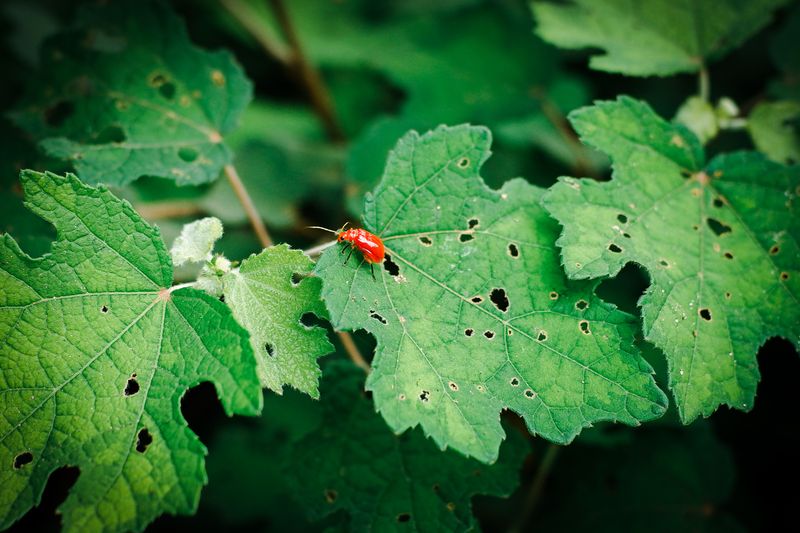
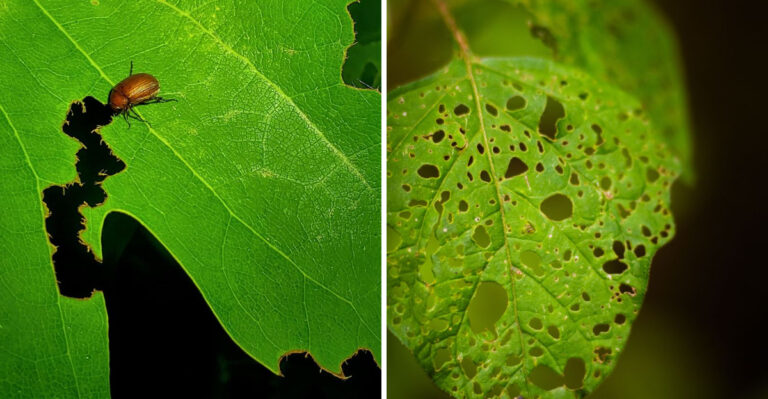
Ragged, scalloped leaf edges that show up overnight are the calling card of this beetle. Gardeners often blame rabbits or slugs first, then wonder why fences and bait rings change little.
Feeding starts at the leaf margins and works inward, leaving notched edges and sometimes lacy gaps between the veins. Basil, peppers, eggplant, carrots, and beets are frequent targets in vegetable beds.
Ornamental favorites include zinnias, dahlias, coneflowers, asters, butterfly bush, and chrysanthemums right as they set buds.
Flower buds are especially affected, which matters in September when autumn blooms are the main show. A mum that opens with chewed petals likely had late-night visitors. Young seedlings can be stripped to bare stems in a couple of nights.
The confusing part is timing, because the chewing happens after dark, mainly in the evening hours. Come morning, the insects are tucked under mulch or an inch deep in loose soil. Damage can be puzzling until you inspect the soil with a headlamp.
A quick test helps: scrape back the top inch of soil right beside a chewed plant. Finding rounded, reddish-brown bodies curled in the dirt confirms the diagnosis. Check a few spots, since they gather near favored plants.
Damage seldom ruins a mature, well-watered plant, though repeated feeding slows growth and trims the flower count. Keeping beds evenly watered and lightly fed helps plants push out fresh leaves.
Recovery is usually quicker than gardeners expect. Snap a photo of the chewing pattern weekly so you can track whether pressure is rising or fading.
Grubs Beneath The Lawn
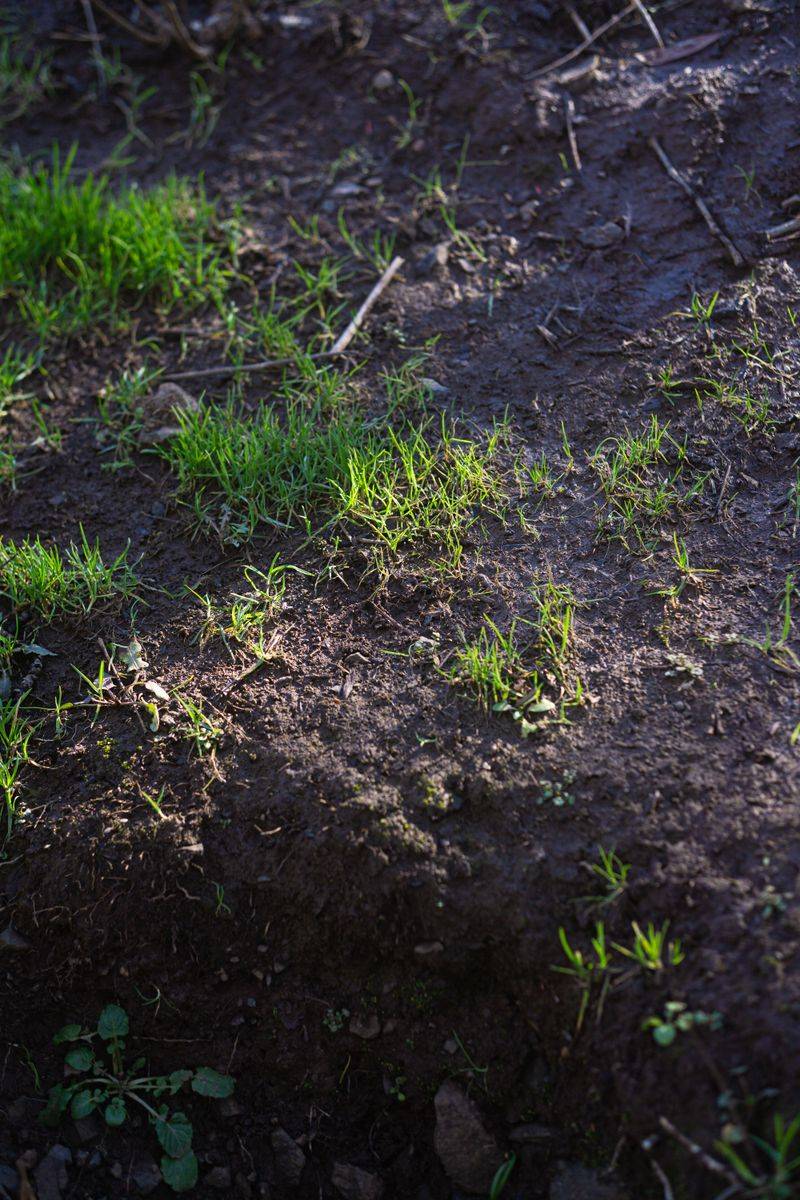
Under the lawn, a second act plays out that few gardeners ever witness. Females tuck eggs into soil during midsummer, and the grubs that hatch spend months feeding on roots.
The larvae are small, creamy-white, and curled into the classic C shape, usually under half an inch long. Specialists identify them by a distinctive pattern of hairs and spines on the rear underside of the body, called the raster, visible with a hand lens.
Compared with Japanese beetle grubs, these look shorter and rounder. Roots of turfgrass, corn, potatoes, and common weeds all serve as food. Thin, spongy patches of lawn that peel up like loose carpet suggest heavy feeding below.
Sprinklers and rain can mask early symptoms until a dry stretch arrives. Checking is simple. Cut a one-foot square of sod with a spade, fold it back, and count the grubs in the top three inches.
A small number of grubs per square foot generally means a healthy lawn can outgrow the nibbling. Weedy ground makes a favorite nursery, especially patches of purslane, pigweed, plantain, and chickweed.
Cleaning up those areas in early fall pulls away the welcome mat for next year. Mowing edges and clearing vacant corners pays off.
Cold Minnesota winters send the grubs deeper, and they drift back toward the surface as soil warms in spring. Adults emerge from about July into September, which lines up with the beetle flights people keep reporting.
Knowing both stages means you can act at whichever point fits your schedule. Lawn care and garden care start looking like one job.
Flashlight Patrols And Porch Light Tricks
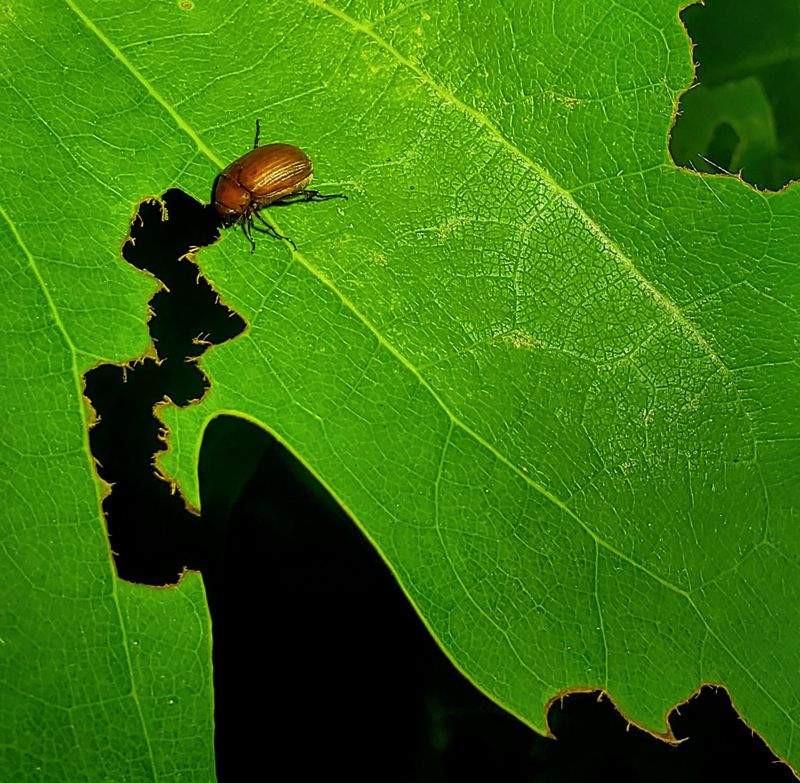
Grab a headlamp, a coffee can of soapy water, and a folding chair, because beetle patrol is oddly satisfying. Later in the evening, on a warm night, the show begins.
Shine the light along leaf edges and flower buds, then tap branches over the can. Startled beetles drop straight down, which works in your favor. Soapy water keeps them from crawling back out.
Wear gloves if you dislike the tickle of tiny legs, and move slowly, since vibrations send them tumbling into the mulch. A short patrol each night over a week can noticeably lower numbers in a small bed.
Lighting matters more than people realize. Bright white porch bulbs pull the insects in from surrounding yards, so switching to warm amber or motion-activated fixtures cuts the traffic. Shutting off decorative lights during peak flights helps too.
A white sheet under a lantern, set well away from the garden, works as a decoy collection station. Check it later that night, fold the corners together, and tip the contents into soapy water. Some gardeners set up on the driveway to draw attention away from the vegetables.
Coarse mulch, snug landscape edging, and floating row covers over young greens block daytime hiding spots and nighttime access. Secure covers right at the soil line, since these beetles walk as much as they fly.
Keep a small notebook of dates and counts. Patterns appear fast, and next August you will know which week to start patrolling. That homemade record beats any general calendar advice.
Setting Up Next Season For Fewer Surprises
Ask a seasoned gardener about pest surprises and you will hear the same advice: plan for round two. September is the right moment to set up an easier summer ahead.
Start with weeds, since larvae thrive under untended ground. Clear pigweed, purslane, and chickweed from fence lines, alley strips, and that back corner behind the shed. Fewer host roots means fewer grubs by spring.
Strengthen the lawn with fall overseeding, core aeration, and a light autumn feeding. Deep, healthy turf shrugs off root nibbling that would thin a struggling patch. Mow tall, around three inches, to shade the soil and encourage stronger roots.
Beneficial nematodes, applied to moist soil in late summer or early fall, offer a low-impact option when grub counts run high.
Water them in during the evening and keep the area damp for a few days. Follow the label closely, since these are living organisms with a short shelf life.
Rotate favored vegetables such as peppers, basil, and beets into a new bed each year. Pair them with plants the beetles tend to skip, like sage, rosemary, and ornamental grasses. Mixed plantings make the buffet harder to locate.
Report unusual sightings to your county extension office or an online tracking project. Records from home gardeners help researchers map how far this insect has spread across Minnesota.
Finish the season by raking heavy debris, refreshing mulch, and noting what got chewed. Next June, that page of notes turns guesswork into a plan. Small autumn chores tend to pay the biggest dividends.