Why Property Lines Matter In Massachusetts Before A Neighbor’s Tree Becomes A Dispute
A falling branch can disrupt your afternoon without warning. You may think your fence marks the real boundary.
Massachusetts law says otherwise, firmly and clearly. Every branch crossing your line carries legal weight.
Massachusetts courts have consistently applied this rule. Property lines decide who owes you when branches fall.
Surveys turn your guesswork into hard, provable fact. Courts care less about your kindness than about proof. Overhanging limbs create real exposure for careless owners.
Trimming rights shift depending on exactly where your branches originate. Ownership of your fallen limb depends on its origin. Ignorance of the line never excuses the damage you cause.
Insurance adjusters ask you the same boundary questions every time. Disputes escalate fast once your money enters the conversation.
Clarity now prevents chaos later for you and your neighbor. Something always moves forward once a branch cracks loose. Your next move depends entirely on what comes next.
1. Determines Tree Ownership

That massive oak straddling your backyard fence might not be entirely yours. In Massachusetts, a tree’s ownership is determined by where its trunk base sits relative to the property line.
If the trunk stands entirely on your neighbor’s land, that tree belongs to them. You may not love the acorns it dumps in your yard every fall, but the law is pretty clear on this point.
When a trunk sits directly on the boundary, both owners share the tree. This is called a “boundary tree,” and neither party can cut it down without the other’s consent.
Misidentifying ownership leads to costly mistakes. Homeowners who cut a neighbor’s tree without permission can face serious financial penalties under Massachusetts law.
A licensed surveyor can mark the exact boundary with precision. That one investment often prevents years of conflict before a single branch hits the ground.
Ownership also affects who pays for removal, pruning, or emergency work. Knowing who legally owns the tree removes the guesswork when something goes wrong.
Tree disputes are among the most common neighbor conflicts in the state. Starting with a clear survey puts everyone on solid legal ground from day one.
Once ownership is confirmed, both neighbors can have an honest conversation about shared responsibilities. That clarity alone is worth every penny of the survey cost.
2. Confirms Self-Help Trimming Limits

Grab your pruning shears, but not so fast. Massachusetts law gives you the right to trim branches that cross onto your land, but only up to the property line.
You cannot reach over the boundary to cut branches on your neighbor’s side. Even if those limbs are dropping leaves into your gutters, crossing the line is legally off-limits.
Self-help trimming is a recognized right in Massachusetts. Courts have consistently upheld a landowner’s ability to cut encroaching branches back to the boundary.
The tricky part is knowing exactly where that boundary sits. Without a survey, you might trim too far and accidentally damage a tree that legally belongs to your neighbor.
Your Massachusetts Garden Changes Every Week. Your Plan Should Too.
Gardening in Massachusetts changes quickly throughout the season. Every Friday you’ll receive a simple weekly plan showing exactly what to plant, prune, fertilize, harvest, and protect so you never miss the right timing.
Damage caused by improper trimming can result in a lawsuit. Massachusetts law allows courts to order compensation, including replacement costs, when cutting crosses the legal line.
Trimming also must be done carefully to avoid causing lasting damage to the tree. Aggressive cutting that harms the root system or strips too many branches can create liability even on your own side.
A professional arborist can advise on safe trimming practices. Combining that expertise with a clear survey keeps you protected on both legal and horticultural fronts.
Property lines are the invisible fence that defines your trimming rights. Knowing exactly where yours sits turns a potential conflict into a confident, lawful weekend project.
3. Prevents Accidental Trespassing
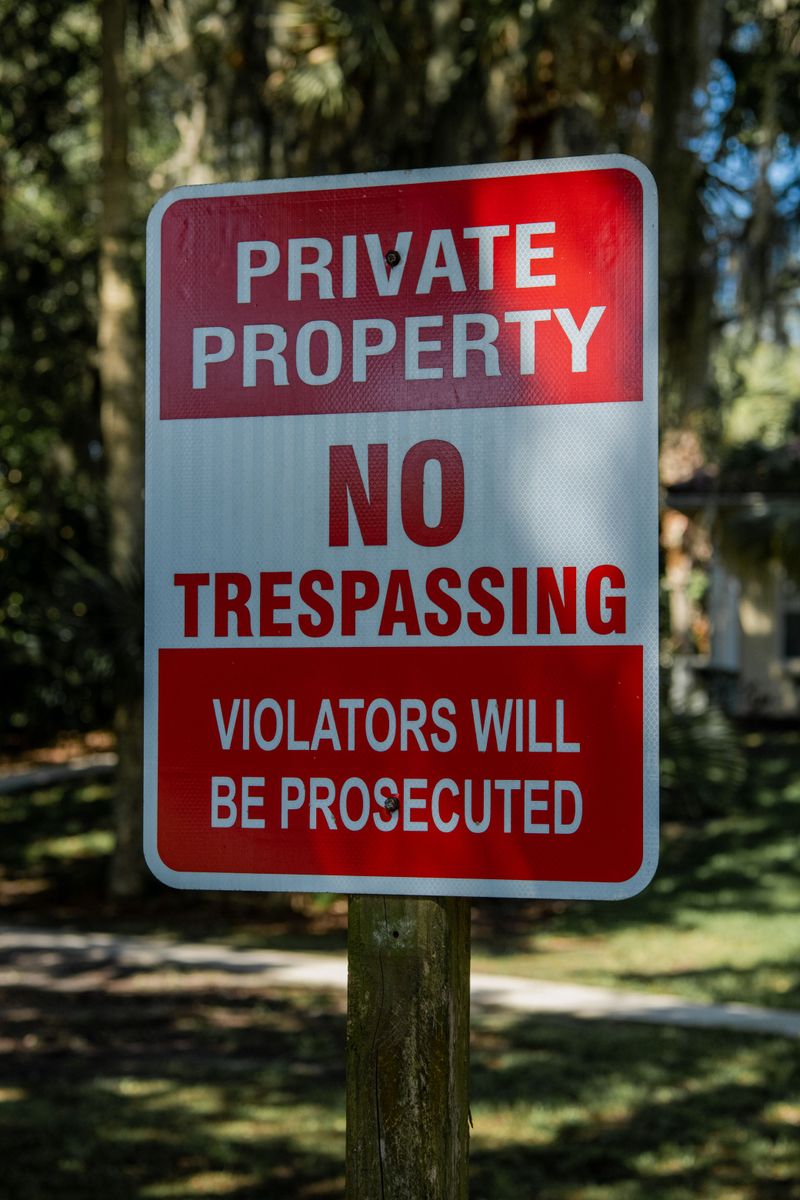
Stepping onto your neighbor’s land without permission is trespassing, even if you are just grabbing a fallen branch. Massachusetts takes property rights seriously, and ignorance of the boundary is rarely a valid excuse.
Tree disputes often lead neighbors onto each other’s land without thinking twice. Someone walks over to inspect a root system or collect debris, and suddenly a civil conversation turns into a legal complaint.
Accidental trespassing happens most often when boundaries are unclear. Without visible markers or a recent survey, it is easy to misjudge where one yard ends and another begins.
Hiring a surveyor to place boundary markers removes that ambiguity. Physical stakes in the ground serve as a constant, visible reminder of where you are allowed to walk and work.
Contractors and tree removal crews also need to know the boundary. An arborist who sets up equipment on the wrong side of the line can expose you to a trespass claim from your neighbor.
Always share survey results with any professional working on your property. A quick conversation before the job starts protects both your crew and your relationship with the folks next door.
Trespassing claims can escalate quickly, especially in neighborhoods with long-standing tensions. A survey is a small cost compared to a legal dispute that drags on for months.
Clear boundaries keep everyone honest and everyone safe. Knowing the line before you act is always smarter than apologizing after you cross it.
4. Clarifies Liability For Damage

A branch falls and damages your fence during a storm. Now comes the real question: who pays for it?
Liability for tree damage in Massachusetts depends heavily on where that tree was standing.
If the tree was on your neighbor’s property, they may be responsible for the damage it caused. However, Massachusetts law requires that you prove they knew the tree was hazardous and failed to act.
Without that knowledge element, liability is harder to establish. Courts look at whether the owner was warned and whether a reasonable person would have recognized the danger.
Sending a written notice to your neighbor about a concerning tree is a smart protective move. That letter creates a legal record showing they were informed of the potential hazard.
Property lines determine which tree belongs to whom, which directly affects who carries the legal burden. A survey gives you the documented proof needed to support any future claim.
Homeowners insurance policies also factor in tree ownership when handling claims. Insurers often investigate boundary locations before approving or denying a damage payout.
Disputes over liability can drag on for months without clear documentation. Having a survey on file speeds up the resolution process for both insurance and legal purposes.
Knowing who owns the tree before damage happens puts you in a much stronger position. Preparation is worthwhile when a tall pine is leaning toward your garage.
5. Protects Against Unhealthy Tree Hazards

Trees in decline do not announce themselves before they fall. By the time bark peeling or bare branches are visible, the tree may already pose a real risk.
Tree-related encroachments are particularly difficult to notice because they develop gradually.
Encroaching roots from a neighbor’s tree can, in some cases, support a nuisance action under Massachusetts law. That notice requirement makes documentation essential.
Photographing a diseased or leaning tree and sending a formal letter to your neighbor creates a paper trail. That trail becomes critical evidence if the tree causes damage later.
Property lines confirm who owns the hazardous tree and who must take action. Without that clarity, both neighbors might assume the other is responsible, and nothing gets done.
A certified arborist can assess a tree’s structural health and provide a written report. Pairing that report with a clear boundary survey gives you a complete picture of the risk.
Certain Massachusetts towns may have local ordinances addressing hazardous trees near public ways, so it’s worth checking with your municipality.
Knowing your boundary helps you determine whether municipal rules apply to your situation.
Addressing a dangerous tree before it falls is always the better path. Acting early protects your property, your neighbor’s property, and the people who walk between both every day.
6. Establishes Nuisance Claim Grounds
Leaves in your pool, roots cracking your driveway, seedpods coating your patio every spring. At some point, a neighbor’s tree stops being a minor annoyance and starts becoming a legal nuisance.
Massachusetts recognizes private nuisance claims when a tree causes substantial and unreasonable interference with your enjoyment of your property. The key word there is substantial.
Courts do not side with homeowners who complain about a few stray leaves. The interference must be significant, ongoing, and traceable to a specific tree on a specific parcel.
Property lines matter here because you must prove the offending tree belongs to your neighbor. A survey establishes that fact with legal precision and removes any room for argument.
Documenting the damage over time strengthens a nuisance claim considerably. Photos, dates, repair receipts, and written complaints to your neighbor all build a compelling record.
Root intrusion is one of the most common nuisance issues in residential neighborhoods. When roots invade your foundation or sewer line, the repair costs can run into the thousands.
Encroaching roots from a neighbor’s tree can, in some cases, support a nuisance action under Massachusetts law. Knowing the property line is the first step in proving the source of the problem.
A well-documented nuisance case often settles before it reaches a courtroom. Clear boundary evidence gives you the leverage to negotiate a fair resolution without a lengthy legal process.
7. Avoids Losing Unenforced Boundaries

Boundaries that go unchecked can quietly shift over time. In Massachusetts, a legal concept called adverse possession allows someone to claim ownership of land they have openly used for 20 years.
If your neighbor has maintained a strip of your land near a tree line for two decades, they may have a legal argument for ownership. It may sound unlikely, but it does happen.
Adverse possession claims require open, continuous, and hostile use of the land. Planting a garden, mowing grass, or maintaining a tree on your side could count as qualifying actions.
Regular surveys help you catch boundary encroachments before the 20-year clock runs out. Once the period has passed, recovering that land becomes a much harder legal fight.
Tree-related encroachments are particularly difficult to notice because they develop gradually. Roots spread, branches extend, and mulch rings expand over years without anyone noticing the gradual shift.
Posting no-trespassing signs and maintaining your side of the boundary are simple protective steps. They signal that you are aware of and enforcing your property rights.
A Massachusetts real estate attorney can advise you if you suspect an encroachment has already occurred. Acting quickly is always better than waiting until the situation becomes irreversible.
Property lines are not passive markers; they need active attention. Keeping your boundaries clear and documented is one of the most underrated forms of homeowner protection available.
8. Supports Fence Viewer Requests
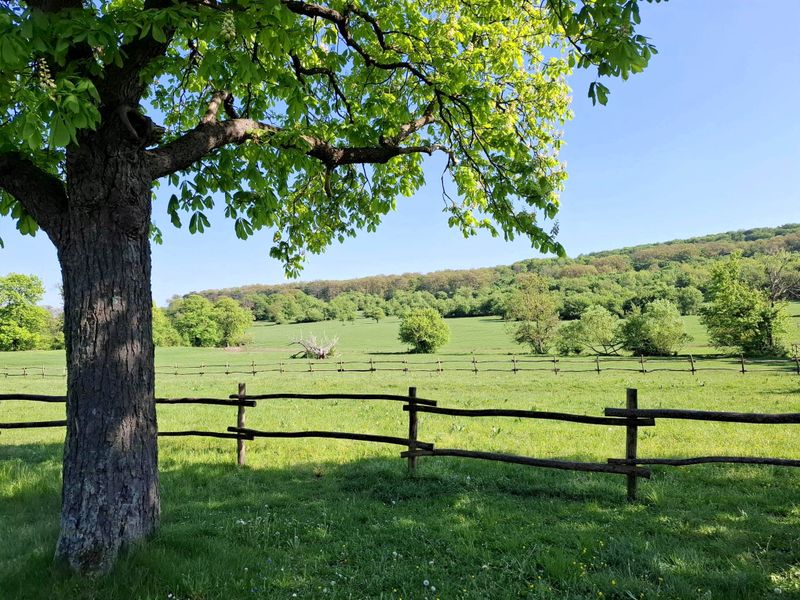
Massachusetts still uses a centuries-old system called fence viewers to resolve boundary and fence disputes between neighbors. Yes, it is a real thing, and it still works.
Fence viewers are local officials appointed by towns to inspect boundaries and make binding decisions about shared fences. Their rulings carry legal weight and can compel action from either party.
When a tree sits near a disputed fence line, the fence viewer process becomes directly relevant. The viewer needs accurate boundary data to make a fair and enforceable decision.
A current property survey gives fence viewers the precise information they need to do their job well. Without it, the process slows down and disputes tend to drag on unnecessarily.
Requesting a fence viewer is a low-cost alternative to hiring an attorney for boundary conflicts. Many homeowners do not know this option exists, but it has resolved disputes quietly for generations.
Property lines matter in Massachusetts before a neighbor’s tree becomes a dispute, and fence viewer cases prove that point clearly. The entire process hinges on knowing exactly where the boundary falls.
If a tree’s roots or trunk have damaged a shared fence, the viewer can assess responsibility based on ownership. That determination goes directly back to where the property line sits.
Using the fence viewer system shows good faith and keeps conflicts out of court. Sometimes the oldest tools in the legal toolbox are still the most practical ones available.