How Massachusetts Cranberry Farming Techniques Can Apply To Home Gardening
Cranberries have a reputation problem. Most people picture them floating in flooded bogs on some sprawling commercial operation in Massachusetts or Wisconsin, nowhere near a regular backyard.
That image isn’t wrong, but it’s incomplete. Commercial growers have spent generations fine-tuning soil acidity, moisture levels, and pruning schedules to get the most out of every vine.
Here’s the part most gardeners miss: those same principles scale down beautifully. You don’t need a flooded field to borrow the logic behind it.
Acidic, sandy soil isn’t a bog-only requirement. Neither is careful water management, or knowing exactly when a plant needs a hard prune versus a light trim.
Backyard growers who understand what commercial cranberry farms actually do, not just what they look like, tend to get better results with all sorts of acid-loving plants.
Cranberry Farms Depend On Acidic Soil And Careful Water Management
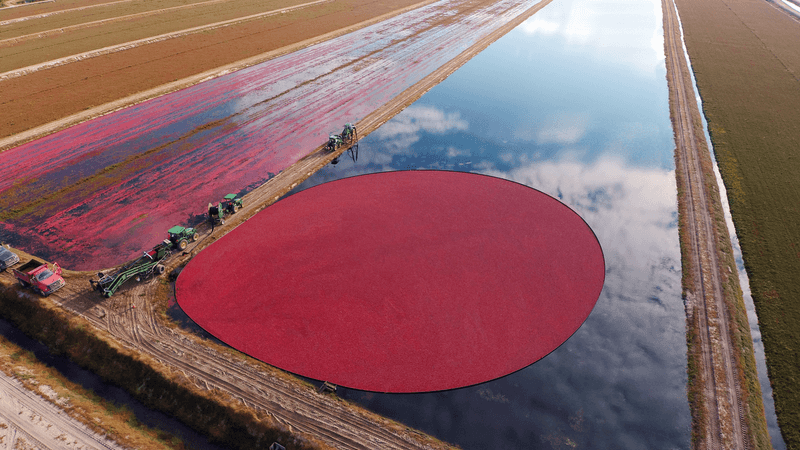
Picture a cranberry farm at harvest time. Red berries stretch across acres of flooded fields, and every detail was planned months in advance.
Massachusetts cranberry farming techniques can apply to home gardening starting with one big idea: soil and water work together. Commercial growers obsess over both, and you should too.
Cranberry plants need soil with a pH between 4.0 and 5.5. That is significantly more acidic than most garden beds, which usually sit around 6.5 or higher.
Farmers test their bog soil multiple times each season. They adjust pH using sulfur, iron sulfate, or acidic fertilizers before problems ever appear.
Water management is equally critical on commercial farms. Growers control water tables precisely, keeping roots moist but never waterlogged outside of harvest season.
Flooding is only used during harvest and frost protection. The rest of the year, irrigation is measured, timed, and carefully monitored for consistency.
Home gardeners often ignore both soil pH and drainage until plants struggle. Catching these issues early saves a lot of frustration down the road.
Start with a simple soil test from your local garden center. Results will tell you exactly what amendments your beds need before planting anything new.
Good drainage prevents root rot, while consistent moisture keeps plants productive. Striking that balance is the foundation of everything cranberry farmers do well.
Adopt this dual-focus mindset in your own garden. Healthy soil chemistry and smart watering will transform how your plants perform all season long.
Managing Acidic Soil Like A Cranberry Bog
Soil pH sounds like a science class topic, but it controls everything your plants can access. Nutrients lock up or release based entirely on acidity levels in the ground.
Cranberry growers know this better than almost anyone. Their crops struggle to produce fruit in neutral or alkaline soil, so pH management is a top priority on most farms.
Home gardeners growing acid-loving plants face the same challenge. Blueberries, azaleas, rhododendrons, and cranberries all thrive in that 4.0 to 5.5 range.
Sulfur is the most common amendment used to lower pH over time. Apply it in fall so it works through the soil before spring planting begins.
Your Massachusetts Garden Changes Every Week. Your Plan Should Too.
Gardening in Massachusetts changes quickly throughout the season. Every Friday you’ll receive a simple weekly plan showing exactly what to plant, prune, fertilize, harvest, and protect so you never miss the right timing.
Aluminum sulfate works faster than elemental sulfur. Gardeners who need a quicker fix often choose it for raised beds or container plantings.
Coffee grounds, pine needle mulch, and peat moss also contribute mild acidity. These organic options improve soil texture while gently nudging pH in the right direction.
Test your soil at least once per year, ideally in early spring. Many cooperative extension offices offer free or low-cost testing kits for home gardeners.
Cranberry farmers retest after every amendment application. That habit helps them avoid overshooting and accidentally making soil too acidic for healthy root function.
Keep a simple log of your pH readings and what you applied. Patterns will emerge over seasons, making future adjustments much easier and more accurate.
Mastering soil acidity is one Massachusetts cranberry farming technique that pays off fast. Your acid-loving plants will respond with stronger growth and better harvests.
A Cranberry Farmer’s Trick For Healthier Roots
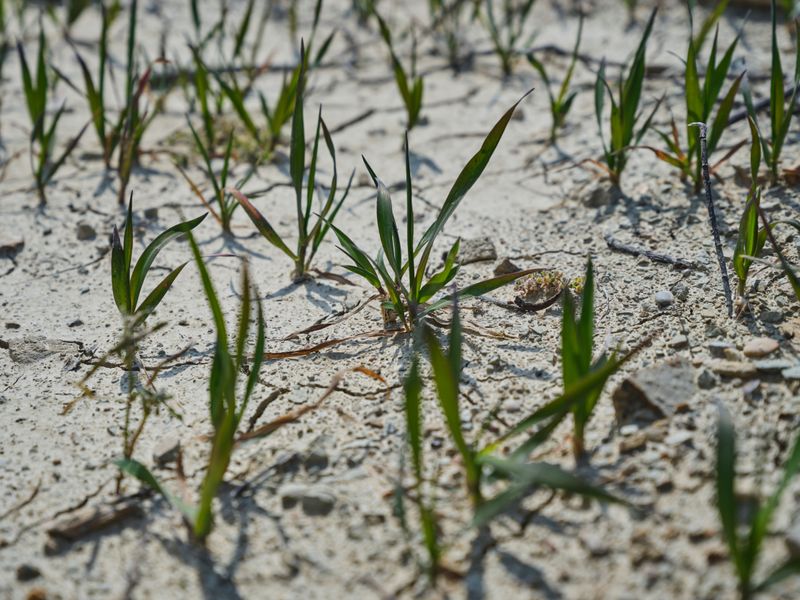
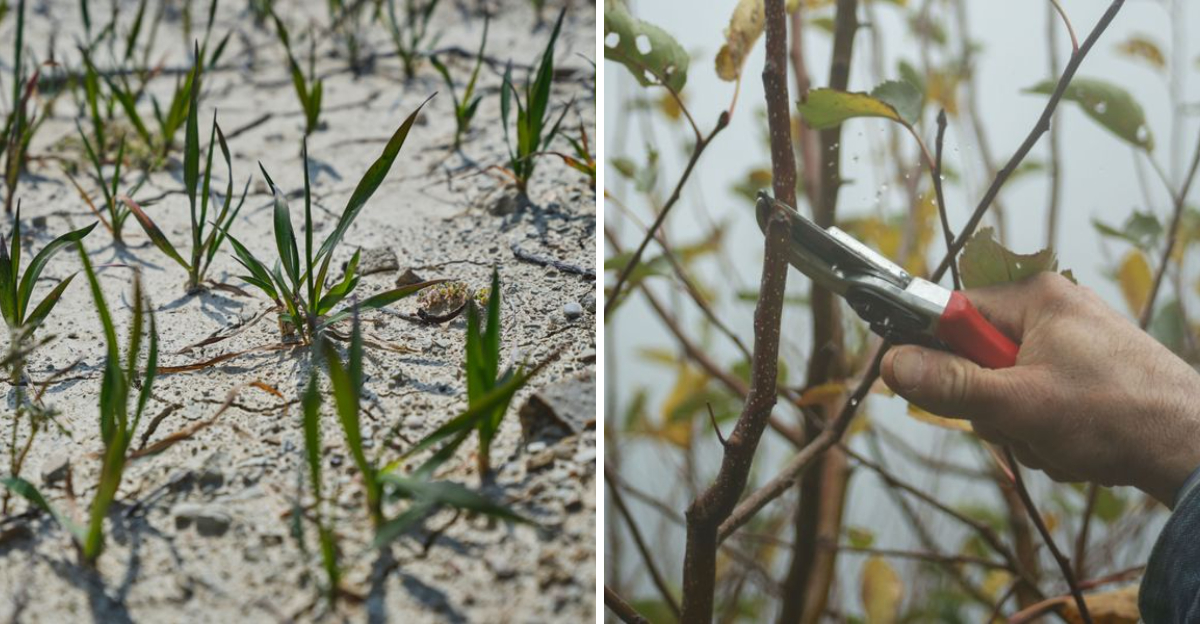
Sanding sounds old-fashioned, but cranberry farmers have relied on it for over a century. Every few years, growers spread a thin layer of fine sand across their bogs.
That sand layer encourages new root development right at the surface. It also buries old woody stems, forcing fresh upright shoots to emerge with renewed energy.
The technique essentially resets part of the plant without removing it. Roots grow into the new sand layer, and the plant becomes more vigorous almost immediately.
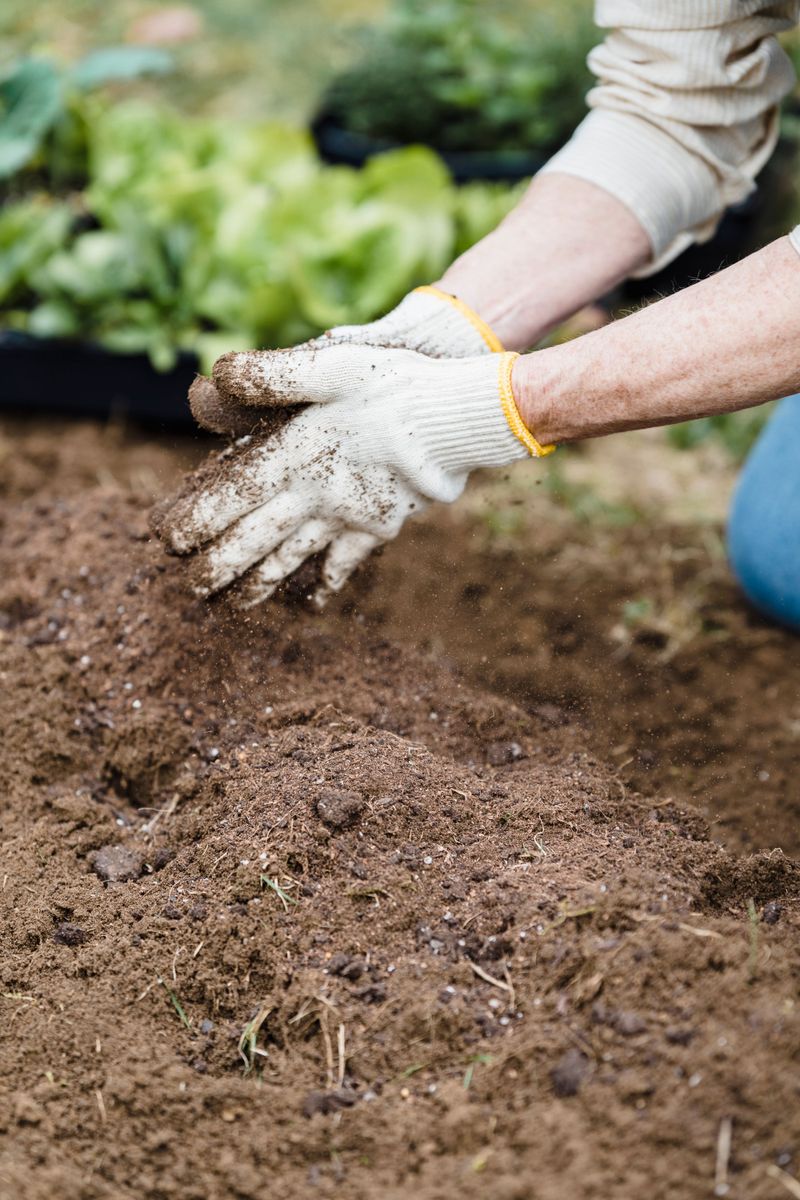
Home gardeners can adapt this idea for raised beds and container plantings. A light top-dressing of horticultural sand can refresh compacted or tired growing areas effectively.
Use coarse horticultural sand, not fine beach sand or play sand. Fine sand can actually compact soil further and reduce the drainage you are trying to improve.
Apply about a quarter inch of sand across the surface each spring. Work it gently around plant bases without disturbing shallow roots near the soil line.
Sanding also helps with moisture retention by reducing surface crusting. Water penetrates more evenly, reaching roots faster instead of running off the top layer.
Cranberry farmers time their sanding after winter flooding recedes. Home gardeners should aim for early spring before new growth pushes up from dormant crowns.
Think of sanding as a gentle reset button for tired garden beds. It costs almost nothing but delivers real results in plant health and root activity.
This forgotten technique is one of the most underrated cranberry farming strategies available. Try it once and watch your plants respond with noticeably stronger new growth.
Sub-Irrigation And Water Table Control For Home Beds
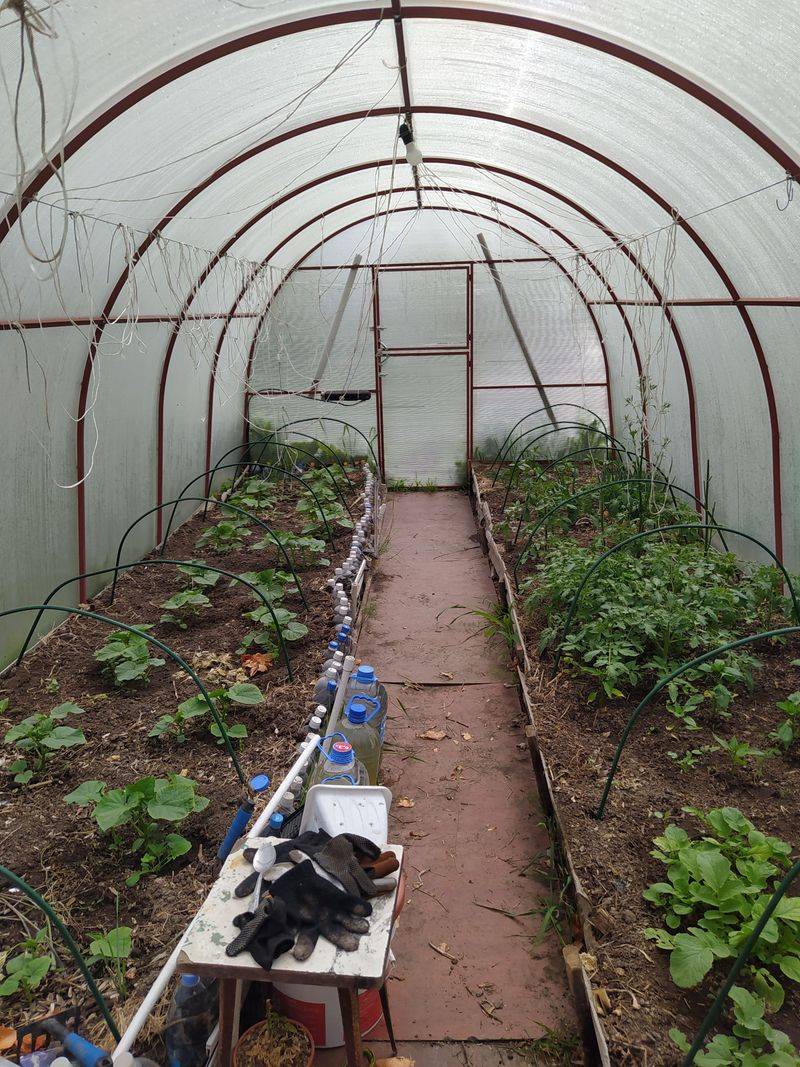
Commercial cranberry growers rarely just sprinkle water on top and hope for the best. They manage the water table beneath their bogs with precision and consistency.
Sub-irrigation means water is delivered from below the root zone upward. Roots draw moisture up through capillary action, which mimics how natural bog hydrology actually works.
This method keeps surface soil from becoming waterlogged while roots stay consistently hydrated. It also reduces evaporation dramatically compared to overhead sprinkler or drip systems.
Home gardeners can recreate this concept using self-watering raised beds. These beds have a reservoir at the bottom that wicks moisture upward through the growing medium.
Wicking beds are especially effective for cranberries and other moisture-sensitive plants. Roots self-regulate their water intake, which reduces both overwatering and underwatering mistakes.
You can also build a simple sub-irrigation system using perforated pipe buried six inches below soil level. Connect it to a water source and let gravity do the work.
Monitor moisture levels with a basic soil probe or wooden dowel. When it comes out dry at the four-inch depth, it is time to refill the reservoir below.
Cranberry farmers adjust water tables seasonally based on plant growth stages. Home gardeners should do the same, reducing water slightly during cooler months to avoid root stress.
Sub-irrigation is a smart fix for anyone who struggles with consistent watering schedules. Plants thrive when moisture is steady, not sporadic or dependent on daily attention.
Borrowing this approach from cranberry farming will make your garden more resilient. Even during hot Massachusetts summers, plants with sub-irrigation stay hydrated and productive without constant intervention.
Growing Dense Groundcover Instead Of Using Mulch

Cranberry plants naturally form a thick, creeping mat across the ground. Farmers love this because the dense coverage suppresses weeds without any additional materials needed.
That natural groundcover strategy is something home gardeners rarely think to copy. Most reach for wood chips or straw mulch instead of considering living plant coverage.
Living groundcovers offer benefits that traditional mulch simply cannot match. They regulate soil temperature, prevent erosion, and improve soil biology all at the same time.
Cranberry vines spread aggressively once established in the right conditions. Within two or three seasons, a small planting can cover several square feet of bare garden bed.
Other acid-loving groundcovers work well alongside cranberries in mixed beds. Lingonberry, wintergreen, and bunchberry all create dense mats in similar soil and light conditions.
Dense plant coverage shades the soil surface, keeping moisture locked in during dry spells. This reduces how often you need to water, saving time and resources each week.
Weed seeds struggle to germinate under a thick living mat. Any that do sprout get outcompeted quickly by the established groundcover plants already claiming that space.
Many farmers spend less on mulch because their cranberry crop does part of that job naturally. Home gardeners can achieve the same result with thoughtful plant selection and spacing.
Start with rooted cranberry cuttings or small transplants spaced about twelve inches apart. They will fill in gaps within one full growing season under good conditions.
Living groundcover is one of the smartest cranberry farming strategies you can borrow. Your garden beds will look better and need far less maintenance over time.
Renovation Pruning To Keep Growth Vigorous
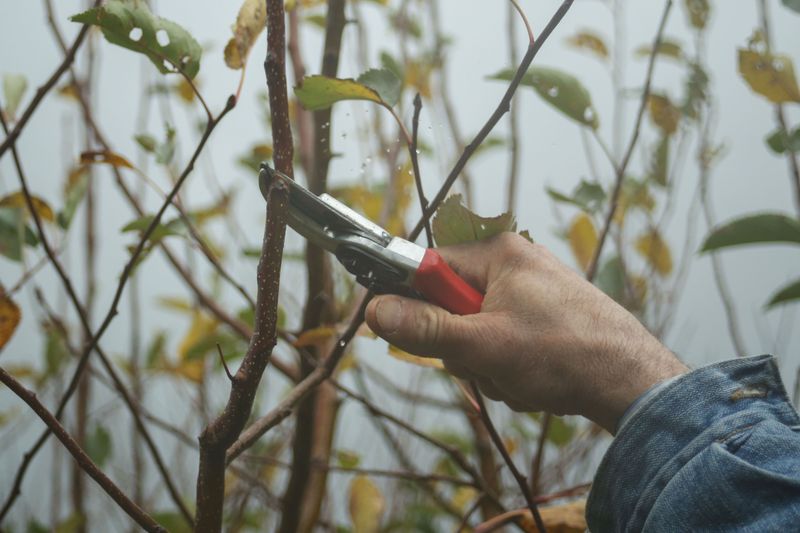
Old cranberry vines get lazy. Farmers know that without periodic renovation pruning, yields drop and plant health slowly declines over several seasons.
Commercial growers cut back sections of their bogs on a rotating schedule. This forces the plant to redirect energy into fresh upright shoots that produce far more fruit.
Home gardeners often avoid pruning because it feels counterintuitive to cut back healthy-looking plants. But renovation pruning is actually one of the kindest things you can do for perennials.
Cranberry plants produce fruit on upright stems called uprights. When those uprights get crowded or shaded by old runners, production drops noticeably within just one or two seasons.
Prune in late winter before new growth begins pushing up from dormant crowns. Use clean, sharp pruners to cut back about one-third of the oldest woody growth each year.
Rotate which sections you prune so the plant is never fully cut back at once. This keeps it productive while still allowing renovation to happen gradually over time.
After pruning, apply a light sand top-dressing to support new root development. The combination of pruning and sanding mirrors exactly what commercial cranberry farms do together.
Fertilize lightly with an acid-formulated fertilizer after pruning is complete. Avoid high-nitrogen products, which push leafy growth at the expense of flower and fruit production.
Watch for new upright shoots emerging within four to six weeks of pruning. Those bright green sprouts signal that your renovation effort worked exactly as planned.
Massachusetts cranberry farming techniques can apply to home gardening most powerfully through this one habit. Regular renovation pruning keeps any perennial bed thriving for decades without starting over.