This Common Illinois Yard Feature Is Attracting Cockroaches
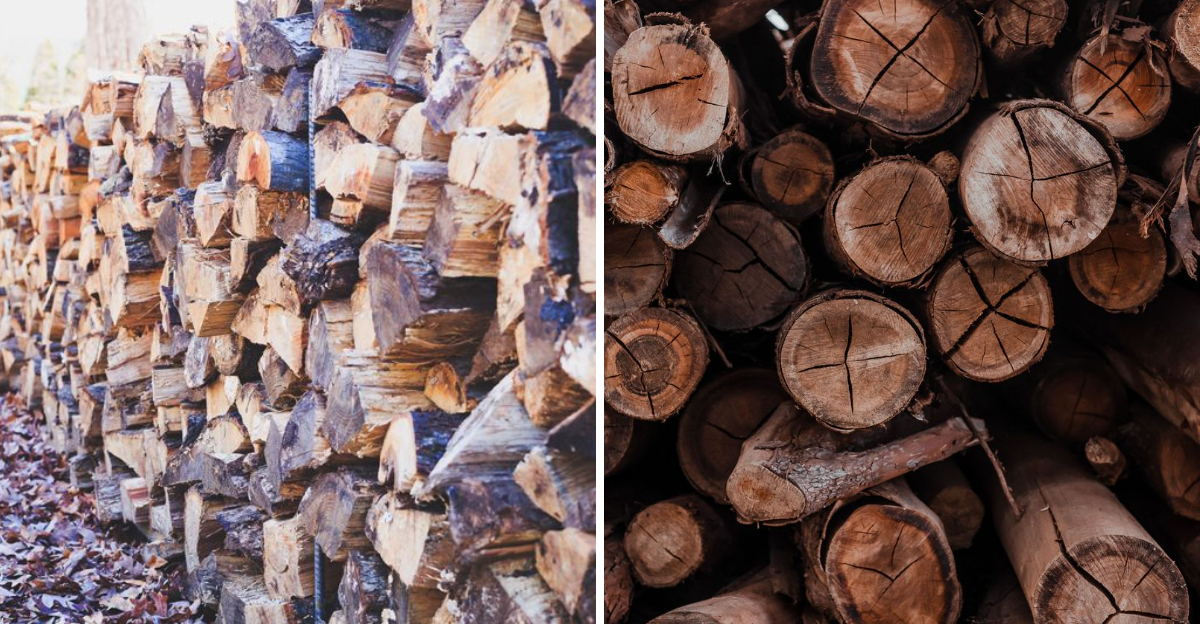
You keep the lawn mowed, the counters wiped down, and every crumb swept off the porch. So why do cockroaches keep showing up near your back door once the weather turns?
The answer isn’t inside your house at all. It’s something sitting in plain view in your yard, something so ordinary you’ve probably walked past it a hundred times without a second glance.
Most Illinois homeowners assume roaches only sneak in through cracks or leftover food, yet this particular yard feature offers something far more appealing: warmth, shelter, and a hiding spot roaches can’t resist once temperatures start dropping.
It’s not your trash cans. It’s not your gutters. It’s something else entirely, and once you spot it, you’ll wonder how you missed it for so long. Keep reading to find out exactly what’s luring them in.
This Yard Feature Draws Serious Cockroach Attention

Something is lurking near your firewood. Cockroaches are not random wanderers. They follow warmth, moisture, and shelter, and your yard might be offering all three at once.
Illinois yards are packed with hiding spots. But stacked firewood is one of the top offenders when it comes to attracting cockroaches close to your home.
Most people think pests only sneak in through garbage or food scraps. The truth is, outdoor structures and storage spots are just as tempting to roaches as a kitchen crumb trail.
Firewood piles create a layered, dark, humid environment. That combination is basically a welcome sign for cockroaches looking for a place to nest.
The problem gets worse when wood is stacked directly against the house. Roaches move from the pile to the foundation wall, and from there, they often find a gap leading inside.
Illinois seasons also play a role. Warm summers speed up roach activity, and cool fall nights push them to seek shelter, often right where your firewood sits.
Knowing what draws cockroaches into your yard is the first step. Once you understand the attraction, you can make simple changes that cut off their access before they ever reach your door.
This problem is fixable with the right approach. A few smart habits around your wood storage can noticeably reduce roach activity in your outdoor space.
The Real Culprit Is Stacked Firewood Piles
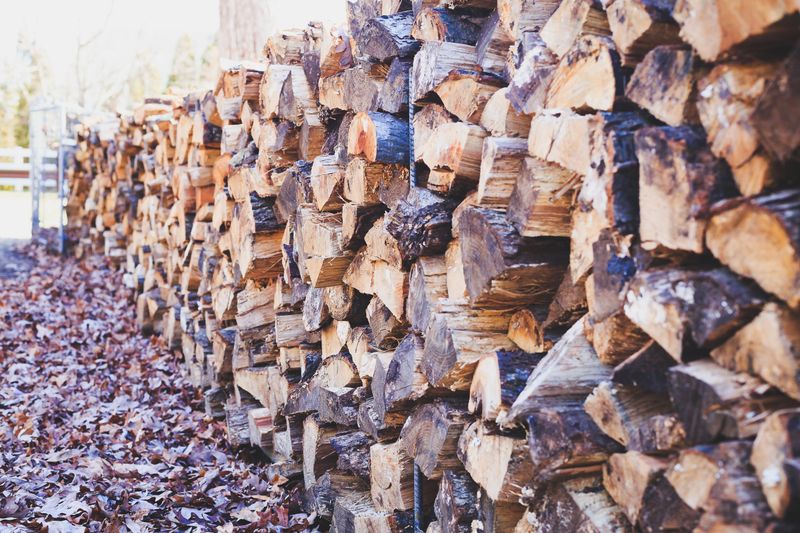
Stacked firewood is a cockroach paradise hiding in plain sight. The logs create deep crevices, and bark holds moisture that roaches absolutely love.
Cockroaches are drawn to conditions that mimic their natural habitat. Rotting wood, dark gaps, and cool damp air are exactly what they look for when searching for a home base.
A standard firewood pile can house a large number of cockroaches before a homeowner ever notices. They tuck themselves under bark layers and between logs, staying hidden during daylight hours.
When evening falls, they move. Roaches are nocturnal, so they scatter across your yard searching for food and water while you sleep.
The bigger the woodpile, the bigger the problem. More wood means more hiding space, more moisture retention, and more opportunity for a roach colony to grow unchecked.
Your Illinois Garden Changes Every Week. Your Plan Should Too.
Gardening in Illinois changes quickly throughout the season. Every Friday you’ll receive a simple weekly plan showing exactly what to plant, prune, fertilize, harvest, and protect so you never miss the right timing.
Many Illinois homeowners stack wood months before they plan to burn it. That long storage window gives cockroaches plenty of time to settle in and multiply.
Even clean, dry-looking wood can harbor roaches underneath. The bottom logs sit closest to the soil, and soil contact brings both moisture and insects up into the stack.
Recognizing firewood as the source changes how homeowners approach the problem. Many pest problems start with something rarely considered a threat, and this one has been sitting in your yard all along.
Firewood Creates the Perfect Cockroach Hideout

Picture the inside of a woodpile on a humid August night in Illinois. It is dark, warm, and largely undisturbed. For a cockroach, that combination is close to ideal.
Bark is especially attractive to roaches because it traps moisture and begins to decay over time. Decaying organic matter is a food source, not just a shelter option.
Cockroaches eat almost anything. Wood fungus, plant debris, and even the bark itself can sustain a roach colony through an entire season.
The structure of a woodpile also provides physical protection. Predators like birds and spiders have a hard time reaching roaches tucked deep between tightly stacked logs.
Humidity levels inside a woodpile can stay elevated even when the surrounding yard dries out. That consistent moisture is a major reason cockroaches choose wood storage areas over other spots.
Ground contact makes things worse. Logs resting on bare soil absorb ground moisture, keeping the lower portion of the stack damp and welcoming to pests.
Illinois summers bring plenty of rain, and that extra moisture soaks into stacked wood fast. By mid-summer, a woodpile can be as damp inside as a basement corner.
Understanding why firewood is so appealing to cockroaches helps you respond smarter. Removing the conditions they love works better than relying on spray alone.
Signs Cockroaches Have Moved Into Your Wood Pile
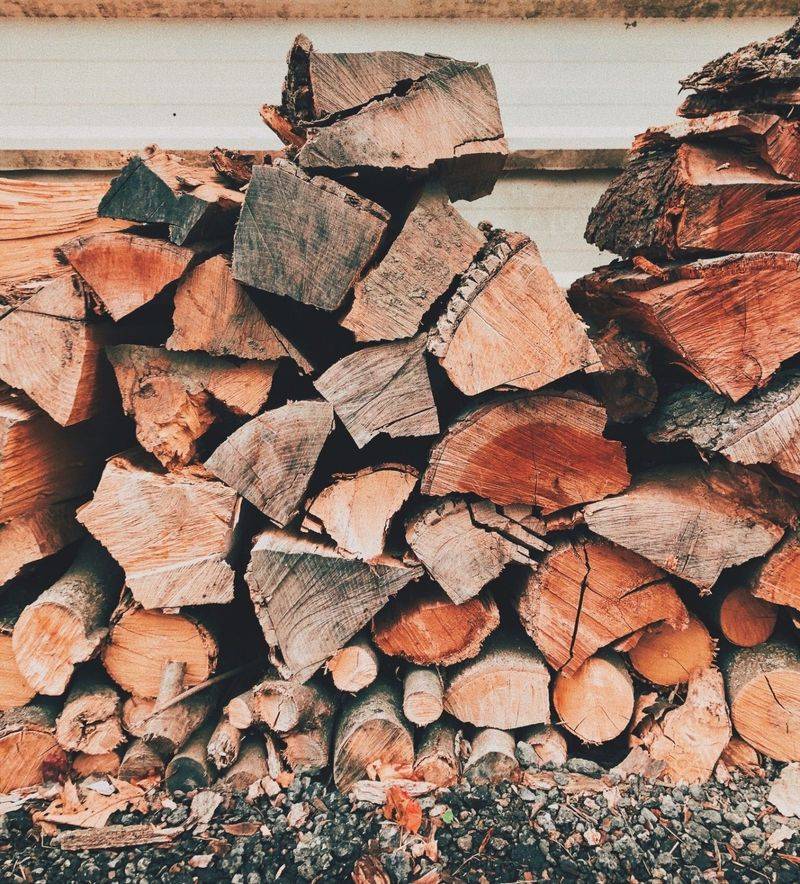
Spotting a roach problem early saves you a lot of headaches later. Your woodpile will show clues if you know exactly what to look for.
The most obvious sign is seeing roaches scatter when you move a log. If bugs rush out in every direction the moment you disturb the stack, you have a colony living there.
Roach droppings are another clear indicator. They look like tiny dark specks or small cylindrical pellets, often clustered in corners or along the bottom logs.
A musty, unpleasant odor near your woodpile is also a red flag. Cockroaches produce a chemical scent that builds up in enclosed spaces over time.
Egg casings, called oothecae, are a serious warning sign. These small brown capsules contain multiple eggs and are often tucked into bark crevices or between logs.
You might also notice shed skins around the base of the stack. Roaches molt as they grow, leaving behind thin papery husks that look like empty shells.
Check the underside of logs near the ground first. That is where conditions are dampest and where roaches spend the most time during daylight hours.
Finding any of these signs does not mean your home is already infested. Acting fast when you spot them outside gives you a real chance to stop the problem before it moves indoors.
Simple Ways to Store Wood Without Inviting Pests
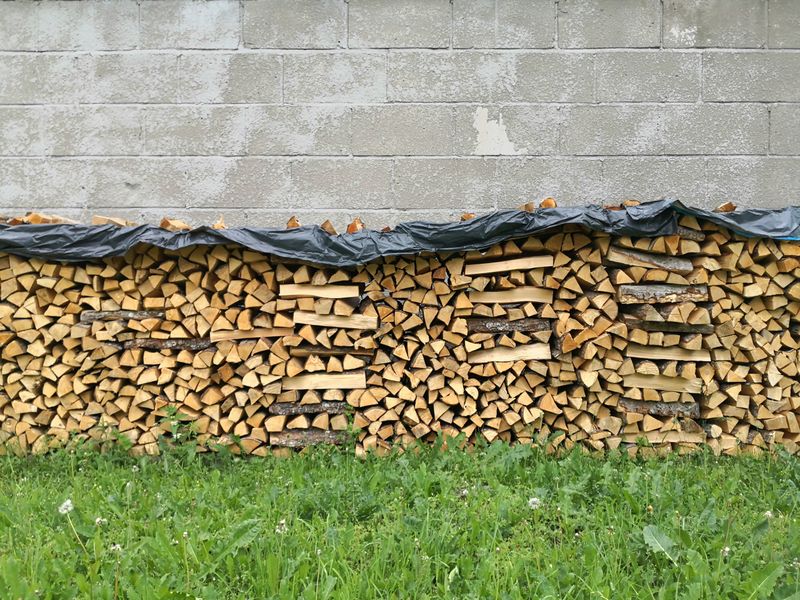
Good storage habits are your best strategy against cockroaches in your wood supply. A few smart adjustments can make your firewood far less appealing to pests.
Start by moving the woodpile away from your house. Keep it at least 20 feet from any exterior wall to reduce the chance of roaches migrating toward your foundation.
Elevation makes a real difference. Store firewood on a rack or platform that lifts it off the ground, cutting off the soil contact that feeds moisture into the stack.
Metal racks work better than wooden pallets because they do not absorb moisture or decay. A simple steel firewood rack is typically affordable and lasts for years.
Cover the top of the stack but leave the sides open. A tarp over the top keeps rain off while allowing airflow through the sides, which reduces the humidity inside the pile.
Rotate your wood regularly. Burning older logs first keeps the pile moving and prevents roaches from settling into undisturbed corners for weeks at a time.
Avoid storing more wood than you plan to use in a single season. Excess wood that sits through summer becomes a long-term roach habitat right in your own yard.
These changes take minimal effort but produce real results. A properly stored woodpile is far less likely to become a cockroach colony, and that means far fewer surprises near your back door.
Long-Term Prevention Tips for Illinois Yards
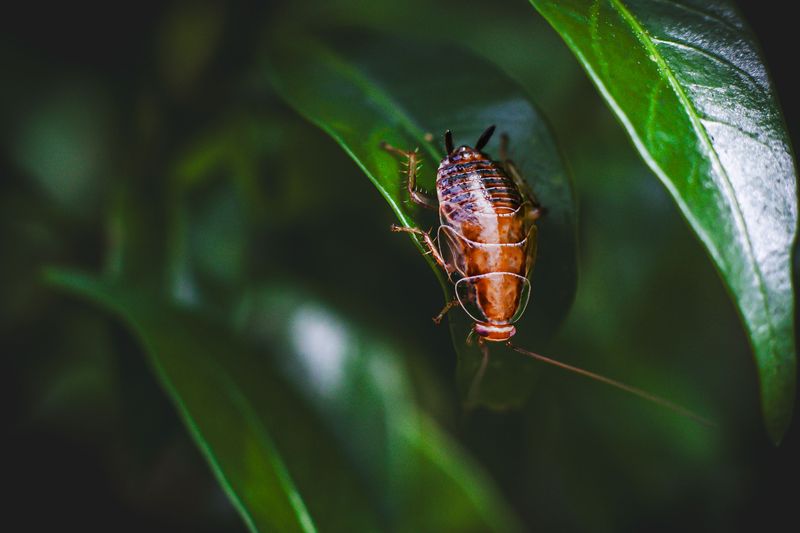
Keeping cockroaches out of your yard long-term takes more than one fix. A layered approach to prevention works far better than reacting after pests have already moved in.
Clear leaf piles, grass clippings, and garden debris regularly. These materials hold moisture and create the same dark, damp conditions that make firewood piles so attractive to cockroaches.
Check your foundation for cracks or gaps at least twice a year. Roaches that nest near your home will find the smallest opening and use it to get inside.
Fix any outdoor water leaks promptly. Dripping spigots, clogged gutters, and low spots in the yard create standing moisture that draws cockroaches and other pests toward your home.
Use cedar mulch in garden beds instead of standard wood chip varieties. Cedar contains natural oils that some homeowners use as a mild insect deterrent, without relying on chemical sprays.
Motion-sensor lights near your wood storage area can deter nocturnal roaches. Bright light disrupts their nighttime activity and makes them less likely to linger near your home.
Consider a perimeter pest treatment from a licensed professional once a year. A targeted outdoor spray around the foundation creates a barrier that stops cockroaches before they reach your walls.
Keeping cockroaches out of your Illinois yard is possible with consistent effort. Small habits done regularly beat big reactions done rarely, and your yard will stay cleaner for it.