Georgia Basil Keeps Bolting In Summer Heat And Here Is The Reason
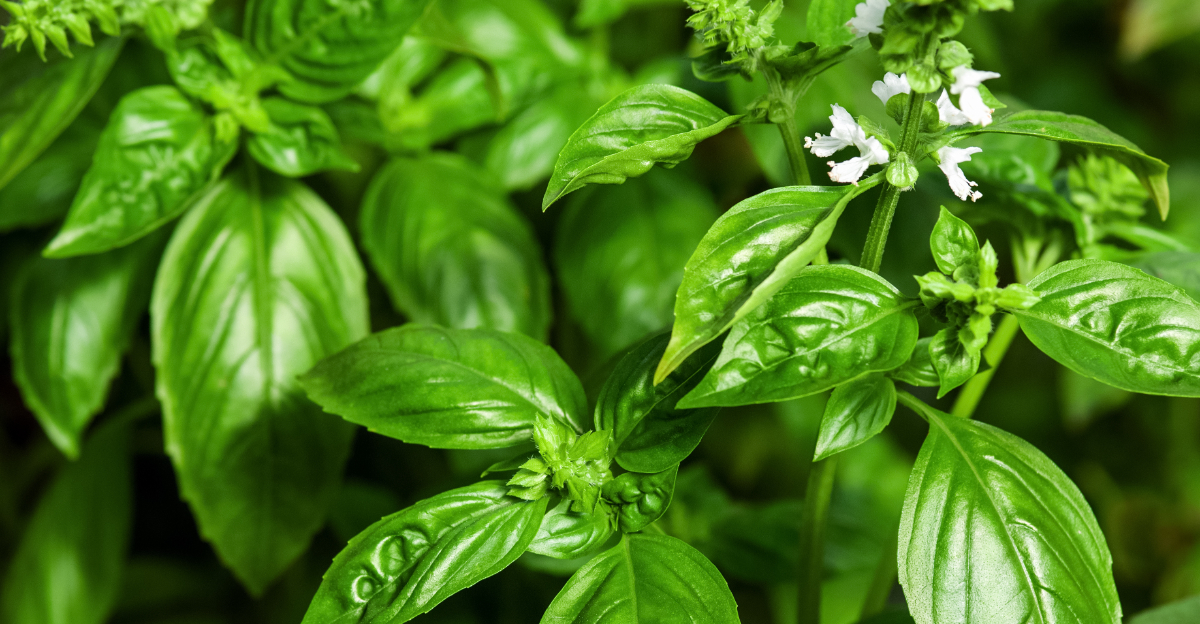
Don’t blame yourself if your basil suddenly shoots up and starts producing flowers in the middle of summer. It catches plenty of gardeners by surprise, especially when the plant looked full and healthy just days earlier.
Once basil begins changing, it is responding to something happening around it rather than growing the way you expected.
Georgia summers create conditions that encourage this shift, even in well cared for plants.
Before you give up on your basil or replace it with something else, take a closer look at what is really happening. Understanding the reason behind this common change makes it much easier to keep your herb garden productive for longer.
A few minutes of attention today can completely change how you grow basil through the hottest part of summer.
1. Hot Weather Triggers Early Flowering
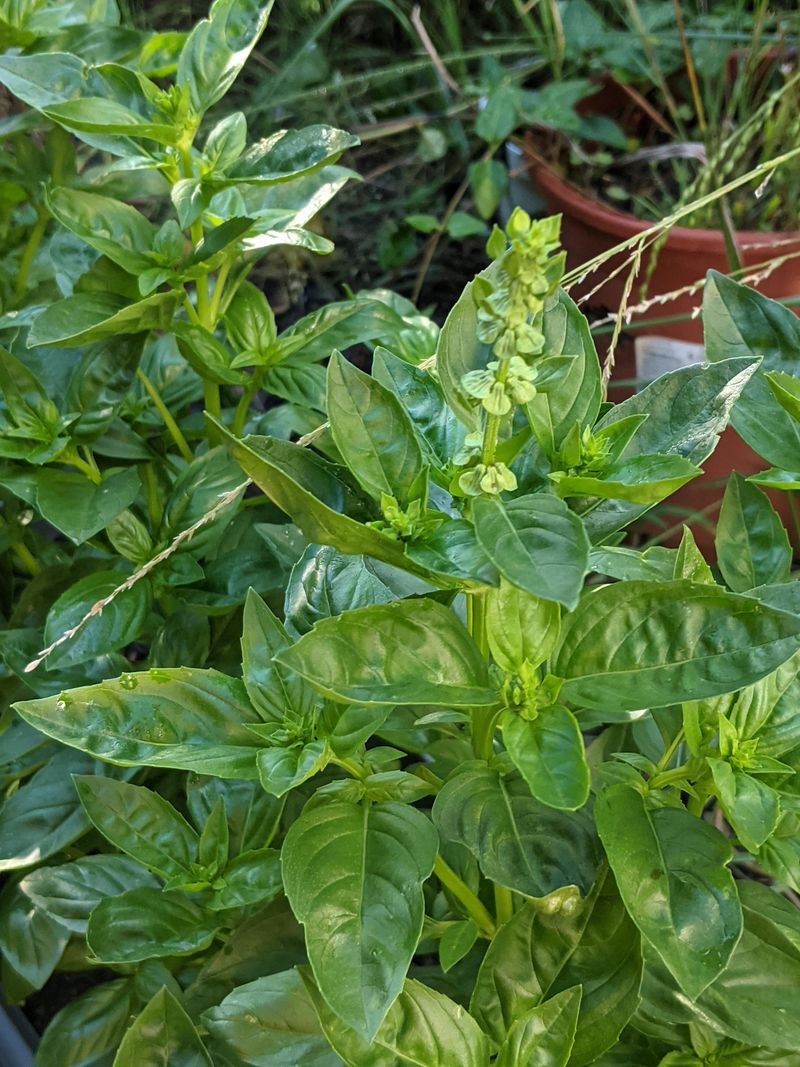
Basil is basically hardwired to panic when it gets too hot. Once temperatures push past 85 to 90 degrees Fahrenheit consistently, the plant shifts from growing leaves to producing flowers and seeds.
That shift is called bolting, and it is a survival response. Basil senses the intense heat and long daylight hours as a signal that summer is peaking.
Its instinct pushes it to reproduce before conditions get worse.
In Georgia, summer heat arrives early and stays long. Daytime temps regularly hit the 90s from June through August, giving basil plenty of reason to rush toward flowering.
Once a plant starts bolting, leaf production slows noticeably. Leaves get smaller, and the flavor often turns bitter compared to what you get from younger growth.
Hot weather alone does not cause bolting in every case. Soil moisture, plant age, and sun exposure all play a role.
But sustained heat is usually the biggest trigger in warm Southern climates.
Knowing this helps you plan better.
Planting basil in a spot with some afternoon shade can slow the bolting process.
2. Pinch Off Flower Buds As Soon As They Appear
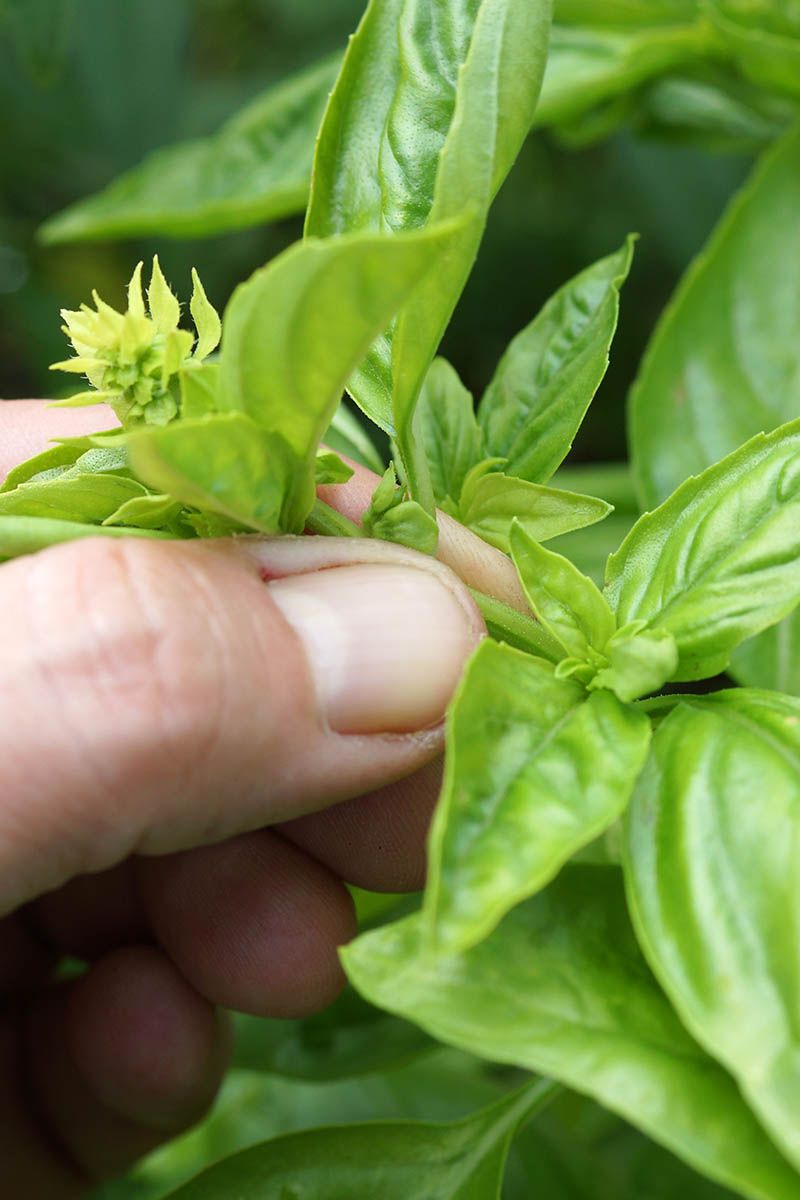
Spotting those tiny flower buds early is genuinely one of the best moves you can make all summer. Once you see them forming at the top of the stem, pinch them off right away.
Removing flower buds sends a clear message to the plant. Without seeds to develop, basil redirects its energy back into growing new leaves instead of finishing its reproductive cycle.
You do not need any tools for this. Just use your thumb and forefinger to snap off the bud cluster at the base.
It takes only seconds per plant and makes a measurable difference in how long the plant stays productive.
Check your plants at least two or three times a week during peak summer. Buds can appear quickly when heat is intense, so staying consistent matters more than being thorough on any single day.
Pinching also encourages the plant to branch out. Each time you remove a growing tip, the plant typically pushes out two new side shoots below the pinch point.
That branching creates a fuller, bushier plant with more harvestable leaves overall.
Your Georgia Garden Changes Every Week. Your Plan Should Too.
Gardening in Georgia changes quickly throughout the season. Every Friday you’ll receive a simple weekly plan showing exactly what to plant, prune, fertilize, harvest, and protect so you never miss the right timing.
Some gardeners let one or two plants go to flower intentionally to collect seeds for next season. That is a smart strategy as long as you keep the rest pinched.
3. Harvest Stems More Often
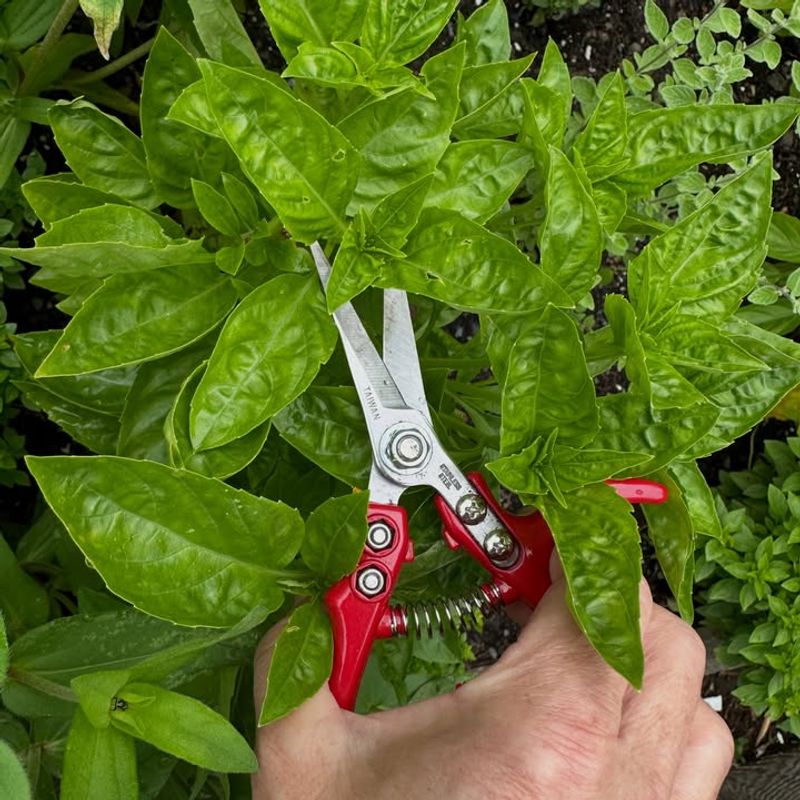
Frequent harvesting is one of the simplest ways to keep bolting under control. Cutting stems regularly signals the plant to keep producing foliage rather than shifting into seed mode.
Aim to harvest every seven to ten days when growth is active. Cut stems back to just above a set of leaves, leaving at least two to three leaf nodes on each stem so the plant can regrow from that point.
Waiting too long between harvests lets stems grow tall and leggy. Tall stems are more likely to flower because the plant has had time to mature past its leafy growth stage.
Regular cutting interrupts that cycle.
Never remove more than about one-third of the plant at once. Taking too much at one time can stress the plant, especially during the hottest stretches of summer when recovery is slower.
Harvesting in the morning tends to work well for most gardeners. Leaves hold more moisture and essential oils before the afternoon heat sets in, so morning cuts often give you better flavor and freshness.
Even if you have more basil than you can use right away, keep cutting. You can dry the extra leaves, blend them into pesto and freeze it, or share with neighbors.
4. Water Before The Soil Dries Out
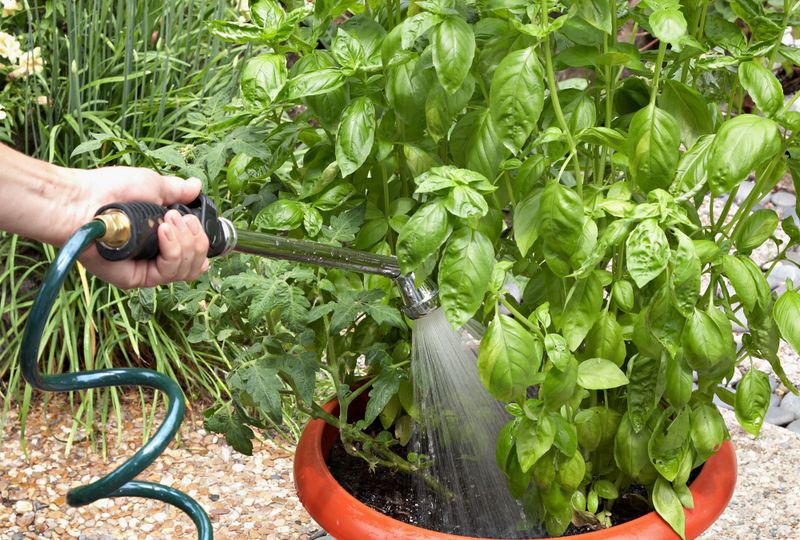
Dry soil pushes basil toward bolting faster than most gardeners expect. When roots cannot find consistent moisture, the plant interprets stress as a reason to flower and set seed quickly.
Basil prefers soil that stays evenly moist but never waterlogged. Checking the top inch of soil daily during hot spells is a practical habit.
If it feels dry to the touch, water right away.
In Georgia, summer heat can pull moisture from the soil surprisingly fast. A pot or raised bed that felt fine in the morning may be bone dry by early afternoon on a 95-degree day.
Deep watering encourages roots to grow downward. Shallow, frequent splashes only wet the surface and leave roots near the top where heat stress is more intense.
Slow, thorough watering a few times a week usually serves basil better than a quick daily rinse.
Watering in the early morning helps the soil hold moisture longer before peak afternoon heat arrives. Evening watering can work too, though wet foliage overnight sometimes encourages fungal problems in humid climates.
Container-grown basil dries out much faster than in-ground plants. Pots may need water every single day during the hottest weeks.
5. Add Mulch To Keep Roots Cooler
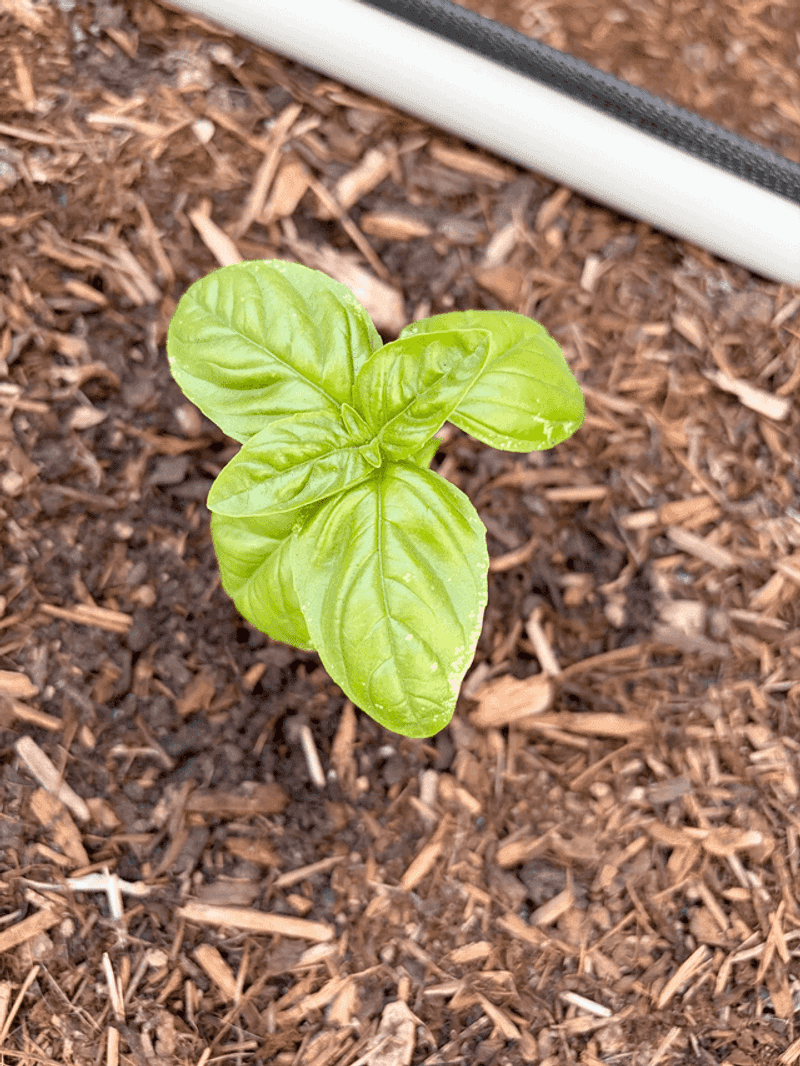
Mulch is one of those simple solutions that genuinely delivers results. Spread a two to three inch layer around the base of your basil plants and you create a buffer between the scorching sun and the root zone below.
Cooler roots mean a less stressed plant. When soil stays at a more stable temperature, basil is less likely to interpret the environment as an emergency that requires immediate flowering.
It can focus on leaf production instead.
Straw, shredded leaves, and untreated wood chips all work reasonably well as mulch options.
Avoid materials that pack down tightly and block air circulation, since basil roots need both moisture and oxygen to stay healthy.
Keep the mulch a couple of inches away from the main stem. Mulch piled directly against the stem can trap moisture and create conditions for rot, especially during humid Southern summers.
Beyond temperature control, mulch slows water evaporation from the soil surface. That means less frequent watering and more consistent moisture levels, both of which reduce the stress signals that trigger early bolting.
Applying mulch in late spring before peak heat arrives tends to give the best results.
Getting it down early means the soil stays protected from the first hot stretch rather than playing catch-up once temperatures are already extreme.
6. Protect Basil From Extreme Afternoon Heat
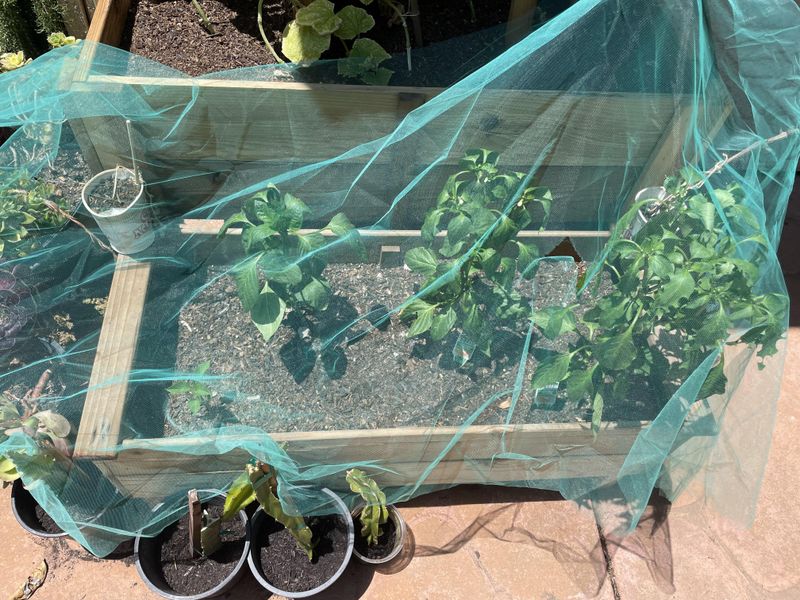
Afternoon sun in the South hits differently.
Temperatures between 2 and 5 PM can feel brutal, and for basil, those hours often push the plant into heat stress that accelerates bolting noticeably.
Positioning basil where it gets morning sun and some afternoon shade is a practical solution. A spot near a fence, a taller plant, or the east side of a structure can provide natural relief without much extra effort.
Shade cloth is another solid option for raised beds or containers. A cloth that blocks around 30 to 40 percent of sunlight gives basil some breathing room during peak heat while still allowing enough light for healthy growth.
Row covers made from lightweight fabric can also help on extremely hot days. They reduce heat load without blocking the light entirely, and they are easy to remove in the evening so the plant gets full airflow overnight.
Moving container-grown basil is one of the easier solutions available. A pot can shift to a shadier spot during the worst afternoon heat and move back into full sun in the morning.
That flexibility is a real advantage over in-ground planting.
Extreme heat does not just trigger bolting. It can also cause leaf scorch, wilting, and reduced oil content in the leaves, which affects flavor.
7. Start New Basil Plants Every Few Weeks
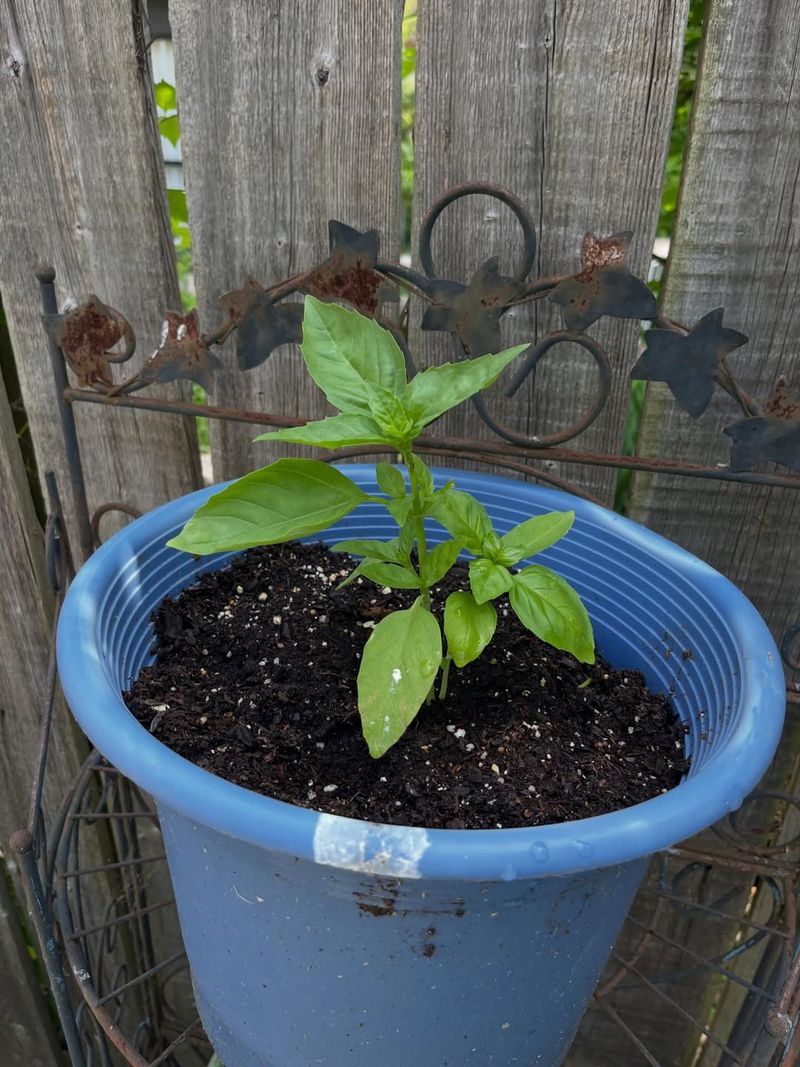
No matter how carefully you manage your basil, summer heat will eventually win.
Plants that have been growing since spring will reach a point where bolting is hard to prevent regardless of how often you pinch or harvest.
Starting new plants every three to four weeks keeps a steady supply of young, vigorous basil coming through the season. Young plants are far less likely to bolt immediately than older ones that have already experienced weeks of heat stress.
Succession planting is the strategy behind this approach. Rather than relying on one or two plants to last all summer, you stagger new starts so there is always something fresh and productive in the garden at any given time.
Basil grows quickly from seed in warm conditions. In Georgia summers, seeds can germinate within a week and reach transplant size in three to four weeks.
Starting seeds indoors or in a sheltered spot gives seedlings a gentler beginning before they face full outdoor heat.
When older plants start bolting heavily and producing fewer usable leaves, pull them out and replace them with your newest transplants. Rotating plants this way keeps the garden productive without a gap in supply.
Keeping a small tray of seedlings going through summer takes minimal space and effort.