Plant These 8 Fall-Blooming Bulbs Now For Color In Illinois
Illinois autumns paint the sky in amber and rust, yet most yards fade to nothing but stubborn brown grass. There’s a fix hiding in plain sight, and it blooms exactly when your neighbors have packed away their trowels for the season.
Autumn-flowering bulbs work on a different clock than daffodils and tulips. Plant them in late summer, and they wait underground until the first cool nights arrive, then burst open just as everything else in the garden shuts down.
Picture crocus-like blooms pushing through fallen leaves in October, or delicate spider-shaped flowers catching the low afternoon light in November.
These eight varieties turn a tired autumn landscape into something worth photographing. All it takes is a bag of bulbs and one afternoon outdoors.
1. Colchicum
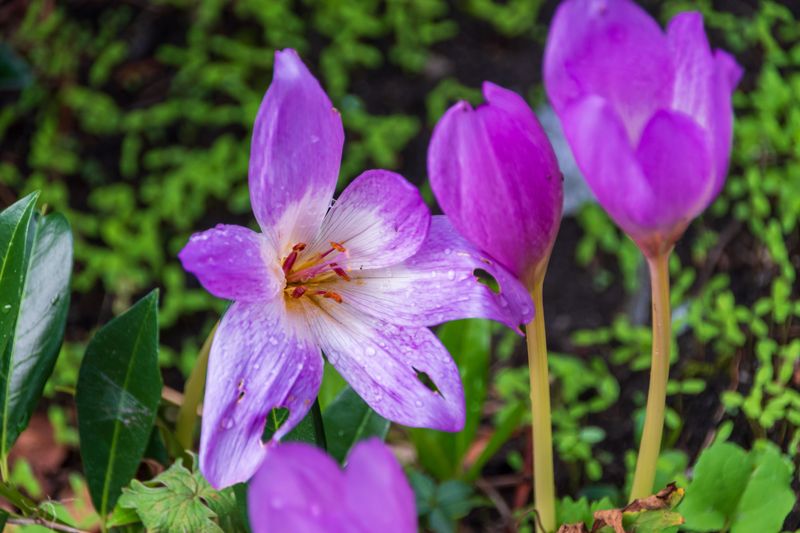
Colchicum blooms like magic. One day the soil is bare, and the next, huge chalice-shaped flowers appear with no leaves attached.
That leafless surprise is exactly why gardeners love this bulb. The blossoms pop up in shades of lavender, pink, and white, creating a ghostly but gorgeous display.
Plant the corms in late July or August, about three inches deep and six inches apart. They need well-drained soil and a spot that gets at least partial sun.
Unlike many bulbs, Colchicum actually blooms before its leaves emerge. The foliage shows up in spring, feeds the corm, and then disappears by summer.
This means you get a clean fall display without messy greens cluttering the bed. Plant them under deciduous shrubs or along pathways where the surprise factor really lands.
Illinois gardeners should know that Colchicum is deer-resistant, which is a huge bonus in suburban and rural areas. Squirrels tend to ignore them too, so you will not lose your investment to hungry wildlife.
The common name is autumn crocus, but it is not a true crocus at all. It belongs to its own plant family, Colchicaceae, and carries a long history in herbal medicine.
One caution: this plant is toxic if eaten. Keep pets and small children away from the corms and flowers.
Once established, Colchicum naturalizes beautifully and spreads over time. Plant them once and enjoy more blooms year after year.
2. Crocus Speciosus
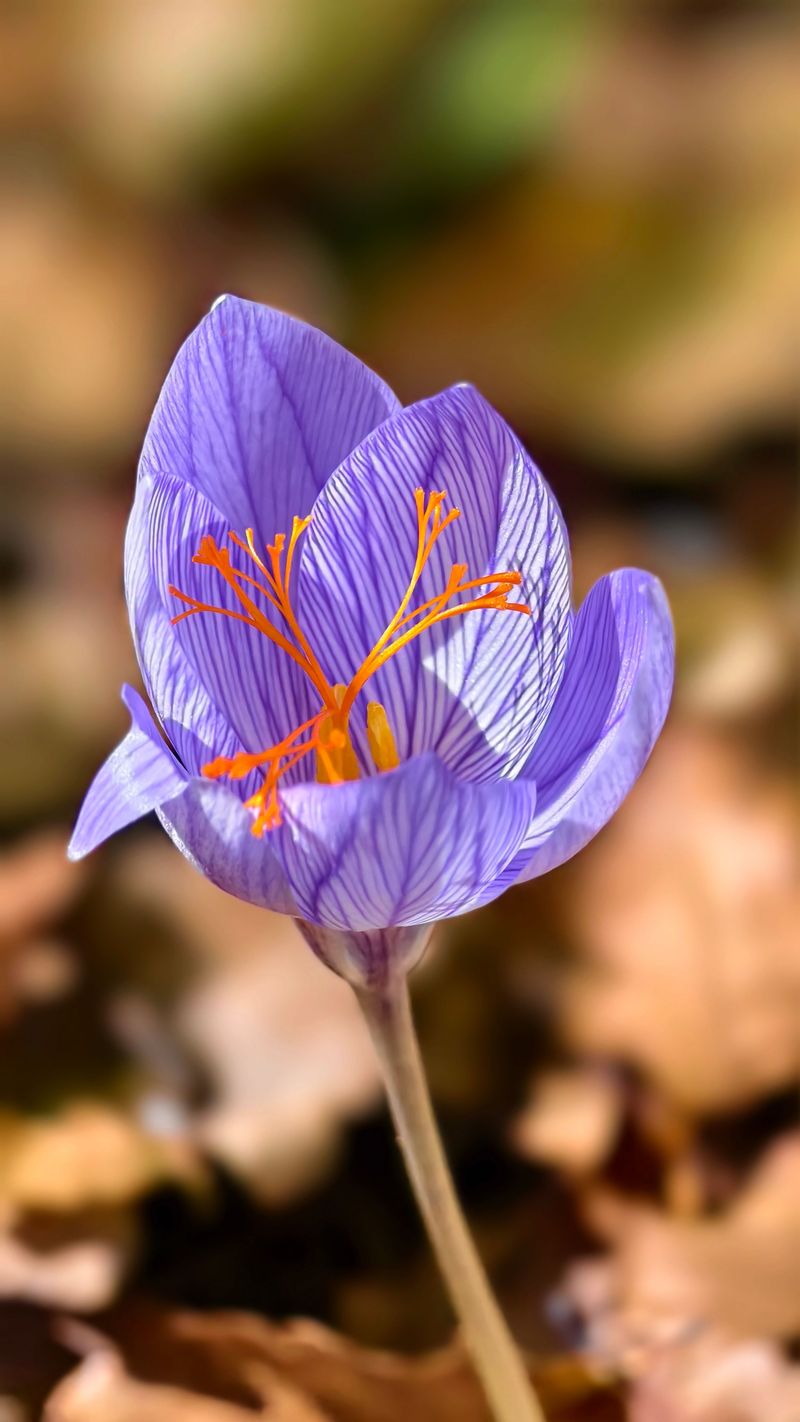
Autumn-flowering bulbs do not get more elegant than Crocus speciosus. This species produces slender, violet-blue flowers with vivid orange stigmas that glow like tiny flames.
It is one of the earliest fall-blooming crocuses, often opening in September when most gardeners least expect it. The surprise element alone makes it worth planting.
Tuck the small corms about three inches deep in a sunny or lightly shaded spot. They naturalize quickly and multiply into generous clumps over just a few seasons.
Unlike their spring cousins, these crocuses thrive in dry summer conditions. They actually prefer a warm, dry dormancy period, which makes them well-suited for many Illinois garden soils.
Plant them in clusters of at least ten for real visual impact. A scattered handful looks thin, but a bold mass planting stops people in their tracks.
Your Illinois Garden Changes Every Week. Your Plan Should Too.
Gardening in Illinois changes quickly throughout the season. Every Friday you’ll receive a simple weekly plan showing exactly what to plant, prune, fertilize, harvest, and protect so you never miss the right timing.
Crocus speciosus pairs beautifully with ornamental grasses and late-season sedums. The contrast between feathery grass plumes and jewel-toned blooms is genuinely striking.
Squirrels are the main threat to crocus corms, so consider planting them beneath a layer of chicken wire. Cover the wire with mulch and no one will know it is there.
This species also self-seeds modestly, adding new plants to your colony each year. Over time, a small planting becomes a sweeping carpet of color.
3. Sternbergia Lutea
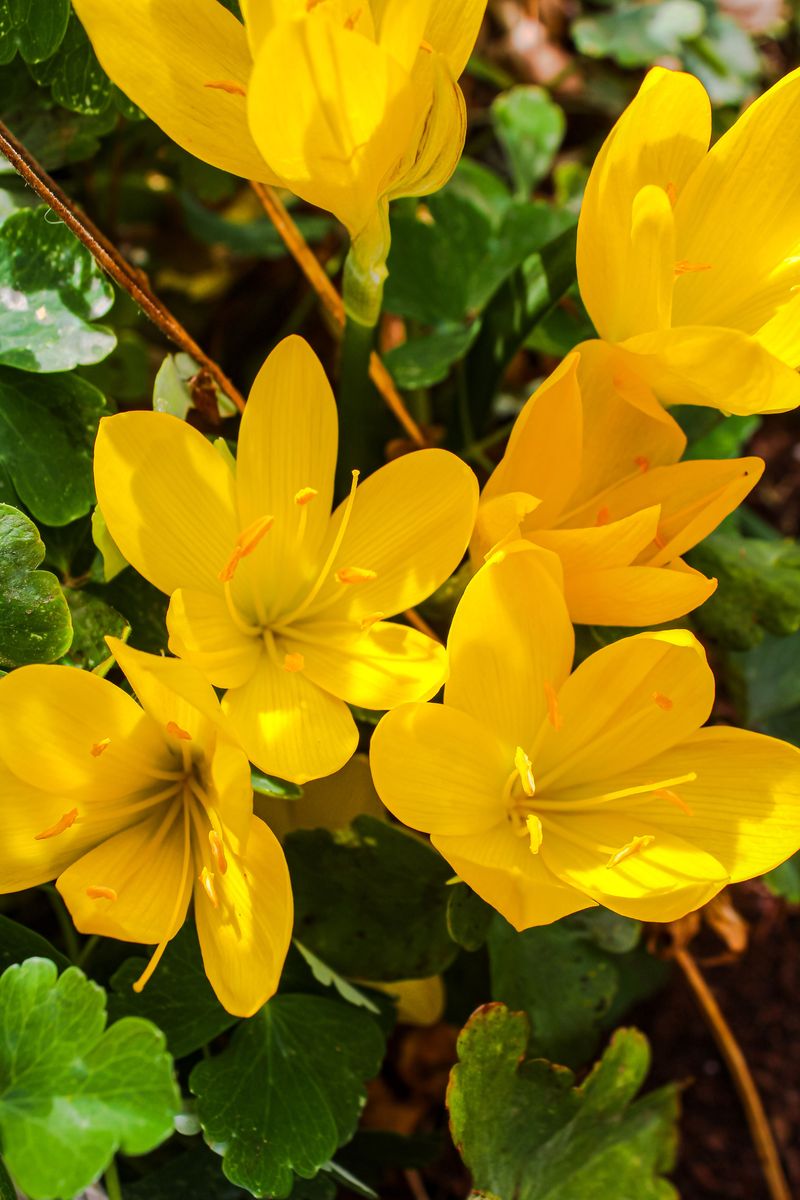
Bright yellow in October feels almost rebellious, and Sternbergia lutea delivers exactly that. Often called the autumn daffodil, this bulb produces glossy, golden-yellow goblet blooms just as everything else is fading.
The flowers are compact and waxy, with a cheerful intensity that reads like sunshine on a cloudy autumn afternoon. Few bulbs offer this particular shade of warm gold in fall.
Plant the bulbs in August, about four inches deep in a well-drained, sunny location. They need dry summers to thrive, so avoid spots with irrigation runoff.
Sternbergia is native to the Mediterranean and Middle East, which explains its preference for heat and drought. In Illinois, a south-facing slope or raised bed mimics those conditions nicely.
The dark green, strap-like leaves emerge alongside the flowers and persist through winter. This foliage provides a tidy, attractive groundcover even after blooming ends.
Pair Sternbergia with blue-flowered asters or white-blooming anemones for a bold color contrast. The yellow pops dramatically against cooler tones in the autumn palette.
Established clumps should be left undisturbed for the best performance. Dividing them too often disrupts the blooming cycle and reduces flower production.
Deer rarely bother this plant, and squirrels tend to leave the bulbs alone as well. Once you see that golden glow in October, you will wonder why you waited so long to plant it.
4. Crocus Sativus
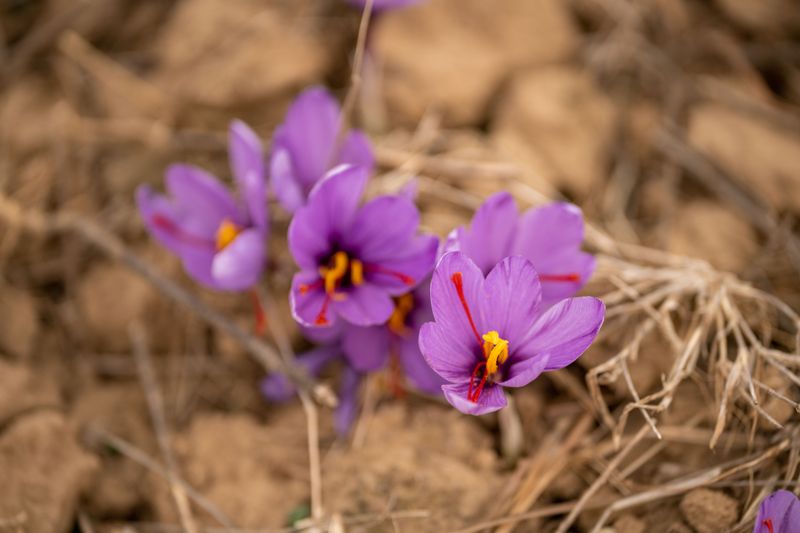
Crocus sativus is the world-famous saffron crocus, and yes, you can grow it right in your backyard. Each flower produces three brilliant red stigmas, which are the actual saffron spice.
Harvesting your own saffron sounds fancy, but the process is surprisingly simple. Just pluck the stigmas by hand on the morning the flower opens, then dry them on a paper towel.
Plant the large corms in August, about four inches deep and six inches apart in full sun. Good drainage is non-negotiable because wet soil causes the corms to rot quickly.
Illinois summers can be humid, so raised beds or slopes work especially well for this crop. Amending heavy clay soil with sand and compost makes a big difference.
Each corm produces one to three flowers per season, so plant generously if you want a meaningful spice harvest. A modest planting of corms can yield enough saffron threads for home kitchen use within a few seasons.
Beyond the kitchen payoff, the flowers themselves are really lovely. Soft lilac petals with crimson threads make a striking combination in any fall garden bed.
Saffron crocuses multiply over time, so your patch grows bigger each year. After three or four seasons, divide the corms to spread them or share with neighbors.
Deer and rabbits typically avoid this plant, giving it a practical edge over showier options. Growing saffron connects you to a spice with over 3,500 years of human history.
5. Cyclamen Hederifolium
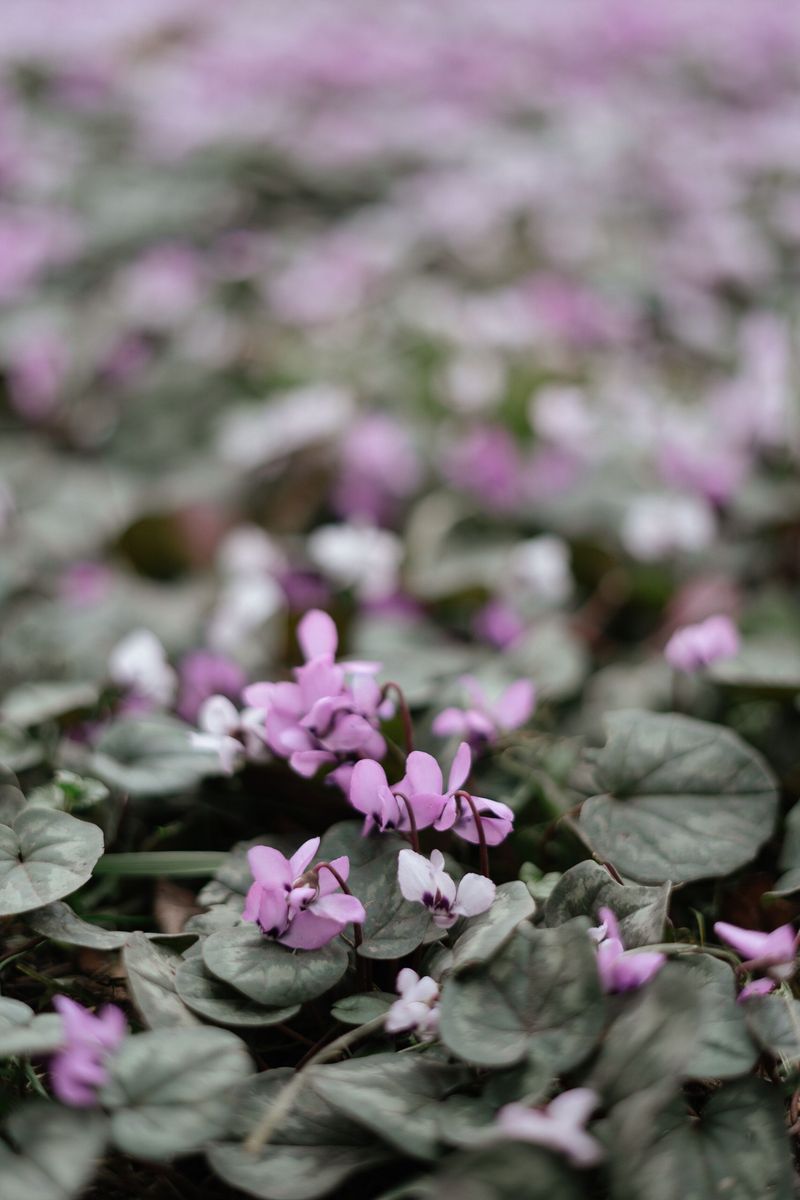
Cyclamen hederifolium is the overachiever of the shade garden. It blooms in fall without any fuss, produces gorgeous marbled leaves all winter, and asks almost nothing in return.
The flowers are tiny and swept-back, almost like miniature shooting stars in shades of pink, rose, and white. They hover above the soil on slender stems with an airy, delicate quality.
Plant the flat, disc-shaped tubers just below the soil surface, with the rough side facing down. Shallow planting is key because deep burial causes rot rather than roots.
This cyclamen thrives under deciduous trees, which provide the dry summer conditions it craves. As leaves drop in fall, the increased light triggers blooming right on cue.
After the flowers fade, the patterned leaves emerge and carry the show through winter and into spring. Each leaf is uniquely marked with silver and green, like a tiny piece of living art.
Illinois gardeners with challenging dry shade spots should consider this plant a genuine solution. It handles root competition from trees better than most other flowering bulbs.
Established tubers grow into impressively large corms over many years. An old, well-settled clump can produce dozens of flowers and cover a wide patch of ground.
Self-seeding is another bonus, as ants carry the seeds and spread new plants naturally. Over time, a single tuber becomes a drifting colony of soft color, thriving right where other bulbs have failed.
6. Dahlia
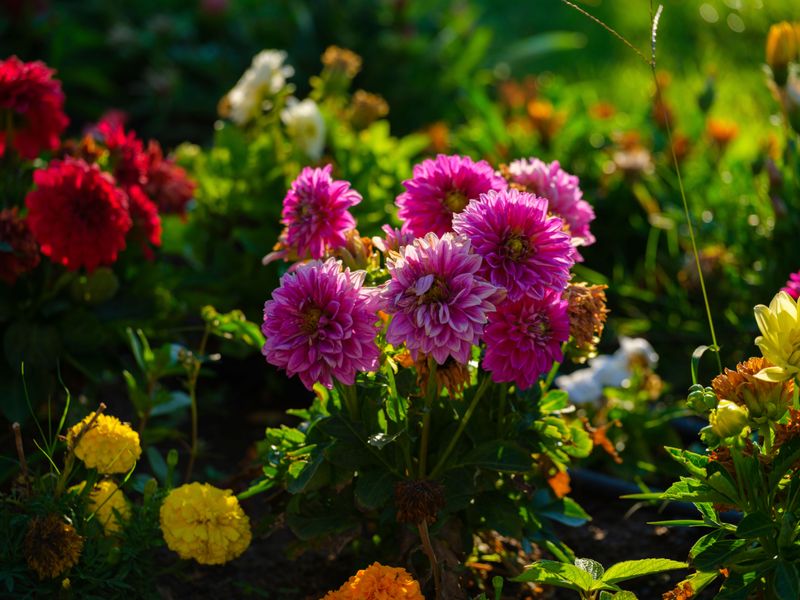
Few fall gardens in the Midwest earn as many compliments as one packed with dahlias. These showstopping blooms come in a wide range of shapes and colors, from pompom to cactus to dinner-plate varieties.
Dahlias are technically tender tubers that you start in spring, but they hit their peak performance in September and October. The cooler air intensifies their colors in a way summer heat rarely does.
In Illinois, plant dahlia tubers outdoors after the last frost, typically mid-May. Choose a full-sun location with rich, well-drained soil and space the tubers about eighteen inches apart.
Pinching the main stem when plants are twelve inches tall encourages branching and dramatically increases bloom count. More branches mean more flowers, which means more fall color.
Tall varieties need staking to stay upright when autumn winds pick up. Install the stake at planting time to avoid spearing the tuber later in the season.
Dahlias are heavy feeders and reward consistent fertilizing with bigger, more abundant blooms. Use a low-nitrogen formula once buds appear to push flower production rather than leafy growth.
Before the first hard freeze, dig the tubers and store them in a cool, dry location. A cardboard box filled with peat moss or vermiculite works perfectly for winter storage.
Dahlias have been cultivated since Aztec times, which gives them serious historical street cred. Growing a few varieties with staggered heights creates a layered, lush fall display.
7. Lycoris Squamigera
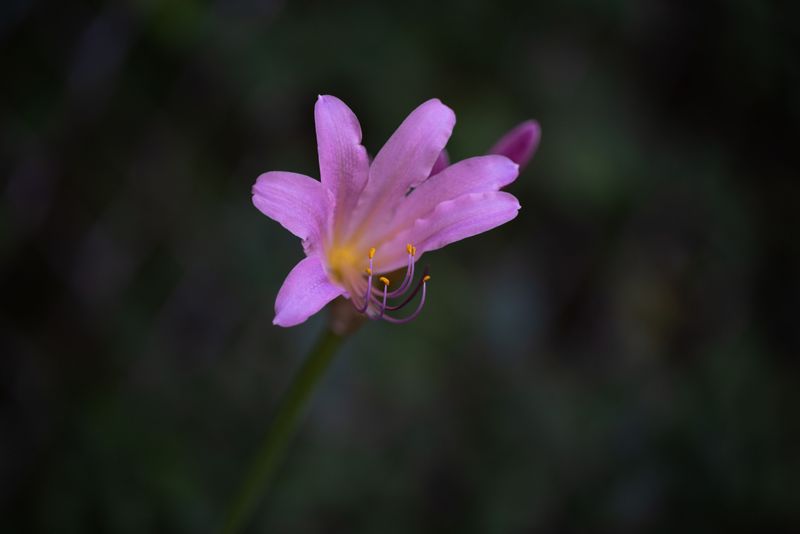
Lycoris squamigera pulls off one of the best magic tricks in the garden world. In spring, strappy leaves appear, grow, and then vanish by early summer.
Then, in late July or August, bare stems shoot up from the empty ground and burst into clusters of fragrant pink blooms. No leaves, no warning, just pure floral drama.
This timing earns it the nickname resurrection lily or naked lady, both of which capture its theatrical personality perfectly. The flowers last about two weeks but leave a lasting impression.
Plant the bulbs in fall, about six inches deep and in a spot that receives at least half a day of sun. They tolerate a range of soil types as long as drainage is adequate.
One important trick: mark where you plant them so you do not accidentally dig them up during their invisible summer phase. A small stake or garden label saves a lot of frustration.
Lycoris squamigera is extremely cold-hardy, surviving Illinois winters without special protection. Once planted, it naturalizes steadily and returns reliably for decades.
The fragrance is a bonus that photographs cannot capture. On a warm August evening, the sweet scent drifts through the garden in the most satisfying way.
Pair it with hostas or ferns, which fill the visual gap when the bulb foliage disappears in summer. The companions keep the bed looking full and intentional all season long, right up until the next August show.
8. Allium Thunbergii
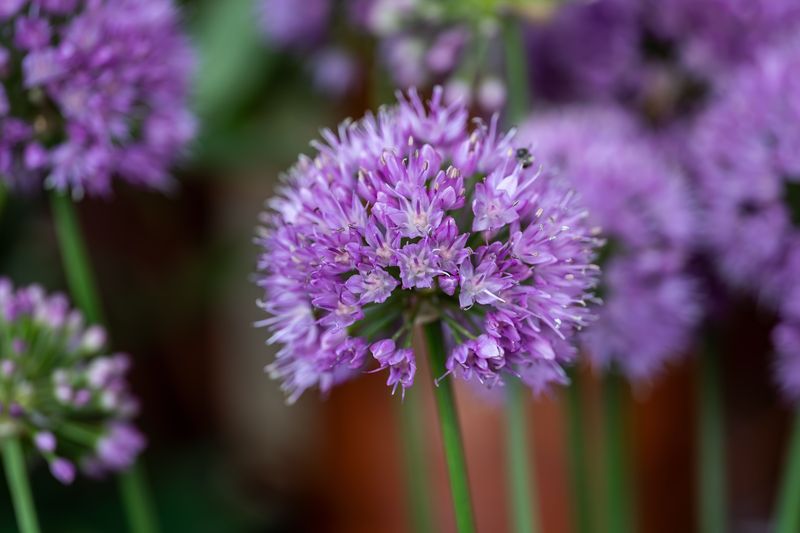
Most people think of alliums as a spring thing, but Allium thunbergii saves its performance for fall. This compact, ornamental onion blooms in October with rosy-purple globe-shaped clusters that pollinators seek out eagerly.
Bees, butterflies, and late-season wasps flock to these flowers when other nectar sources have dried up, giving your local ecosystem a genuine boost. Planting Allium thunbergii is a small but meaningful gesture for pollinators heading into winter.
The fine, grass-like foliage stays tidy and attractive all season before the flowers appear. It works beautifully as an edging plant along pathways or in the front of mixed borders.
Plant the small bulbs in fall, about two inches deep and four inches apart in a sunny spot. Well-drained soil is important, but this species handles average garden conditions without complaint.
The variety called Ozawa is the most widely available and also the most floriferous. Its deep rose-purple color holds strong even as temperatures drop into the forties at night.
These autumn-flowering bulbs naturalize well and slowly expand their clumps over several years. Unlike some spreaders, they stay polite and rarely crowd out their neighbors.
Deer and rabbits give Allium a wide berth due to its onion family chemistry. That built-in repellent quality makes it a smart choice for gardens in areas with heavy wildlife pressure.
Combine it with ornamental grasses, blue asters, or yellow rudbeckia for a rich fall tapestry. The purple tones bridge warm and cool colors beautifully, closing out the gardening season on a memorable note.