These Arizona Vegetables Still Have Time To Grow Before Fall
Planting season is not over just because summer is still blazing. If you have been putting off your vegetable garden, you still have time to grow a fresh harvest before fall arrives.
The secret is choosing crops that handle the season instead of fighting against it.
Arizona gardeners know the calendar matters as much as the weather. Miss the right planting window, and you can lose weeks of growing time.
Get it right, and your garden can stay productive well into fall. Do not assume you have missed your chance.
Some vegetables are just getting started this time of year. Pick the right ones now, and you could be harvesting fresh produce while everyone else thinks the growing season is already winding down for good.
1. Bush Beans Deliver One Of The Fastest Harvests
Few vegetables move from seed to table as fast as bush beans. Under warm conditions, most varieties reach harvest in roughly 50 to 60 days.
Plant them now, and you can realistically be picking pods before the first cool nights arrive.
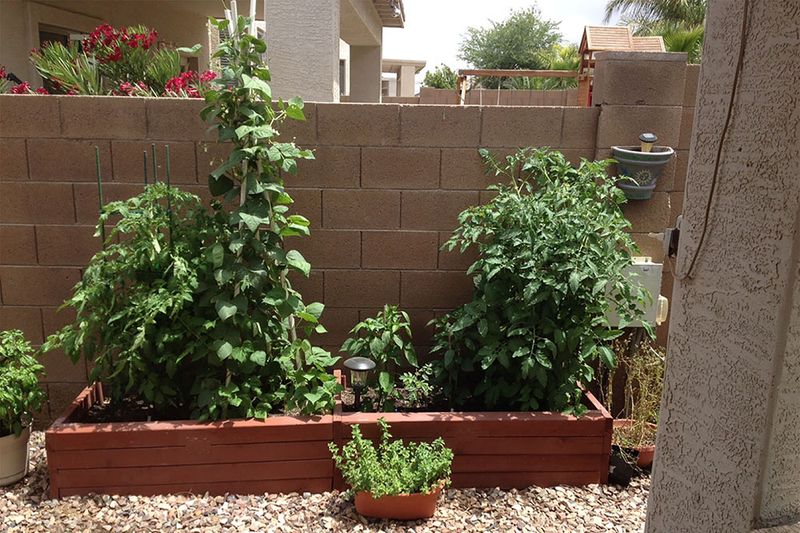
Bush beans prefer soil that drains well. Soggy roots slow them down and invite rot.
Raised beds or mounded rows work well in heavier desert soils where drainage can be inconsistent.
Water consistently but avoid soaking the foliage. Wet leaves in hot weather can encourage fungal problems that spread quickly across a planting.
Drip irrigation or a soaker hose keeps moisture where it belongs.
Bush beans fix their own nitrogen, so heavy fertilizing is usually unnecessary. A balanced starter fertilizer at planting is often enough.
Overfeeding with nitrogen tends to push leafy growth at the expense of pod production.
Snap beans, wax beans, and half-runner types all perform reliably in warm soil. Check the seed packet for days to maturity and count backward from your expected first frost date.
Varieties clocking in under 55 days give you the most comfortable margin.
Harvest pods while they are still firm and slender. Letting pods fatten and develop visible seeds signals the plant to slow production.
Regular picking actually encourages more pods to form, so check plants every couple of days once they start producing.
2. Southern Peas Thrive Through Extreme Summer Heat
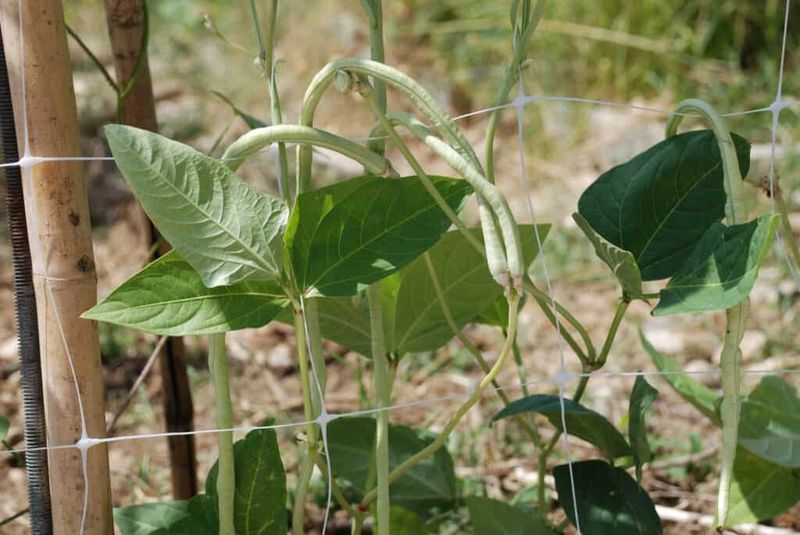
Southern peas laugh at heat that sends other vegetables into stress. Blackeyes, crowders, and cream peas were practically built for conditions that match Arizona summers.
If you have not tried them yet, this is the crop that could change your late-season game.
Soil temperature is the key factor at planting. Southern peas germinate best when the ground sits above 65 degrees Fahrenheit, and most Arizona gardens are well above that through August.
Seeds tend to sprout quickly under those conditions, often within a week.
Most varieties mature in 60 to 80 days depending on whether you want green-shell or dry peas. Planting in early to mid-August gives you a realistic shot at green-shell harvest before hard frosts arrive in higher elevations.
These plants tolerate drought reasonably well once established, but consistent moisture during flowering improves pod set noticeably. Deep watering every few days works better than light daily sprinkling in hot, dry conditions.
Your Arizona Garden Changes Every Week. Your Plan Should Too.
Gardening in Arizona changes quickly throughout the season. Every Friday you’ll receive a simple weekly plan showing exactly what to plant, prune, fertilize, harvest, and protect so you never miss the right timing.
Southern peas also fix atmospheric nitrogen, which benefits the soil for whatever you plant next. They are a smart rotational choice ahead of heavy-feeding winter crops like broccoli or cabbage.
Watch for aphids clustering on new growth during warm weather. A strong spray of water often dislodges them without resorting to sprays.
Catching infestations early keeps populations manageable before they multiply across the planting.
3. Sweet Corn Is Ready For Another Planting
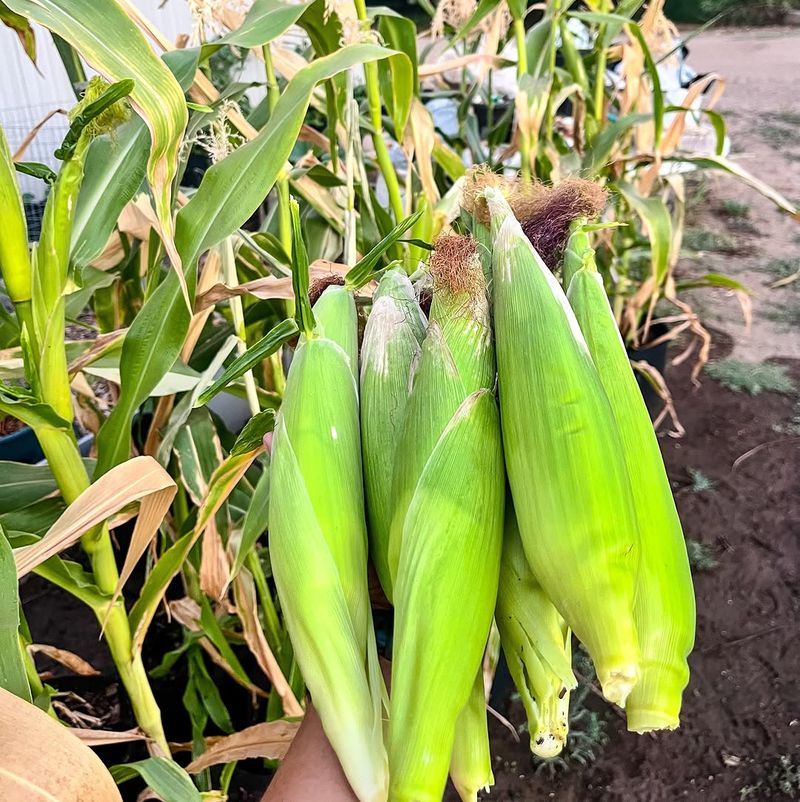
Sweet corn is not just a spring crop in warm climates. A late planting timed right can produce ears just as satisfying as anything you grew earlier in the season.
Timing matters more than almost anything else here.
Most sweet corn varieties need 70 to 85 days to reach harvest. Count backward from your expected first frost, add a small buffer, and you will know if your window is still open.
In lower-elevation areas of Arizona, that window often stretches well into fall.
Corn needs full sun and consistently moist soil. Letting it dry out during tasseling or silking can reduce ear fill noticeably.
Mulching between rows helps hold moisture and keeps soil temperatures from swinging too dramatically as nights start cooling.
Plant in blocks rather than single rows. Corn is wind-pollinated, so block planting improves pollination and results in better-filled ears.
A block of at least four rows tends to outperform a single long row of the same plant count.
Shorter-season varieties in the 65 to 70-day range give you the most flexibility for a late planting. Some seed catalogs specifically list varieties suited to second-season planting in warm regions.
Those recommendations are worth taking seriously.
Keep an eye on corn earworms once silks appear. Placing a few drops of mineral oil on the silks after pollination can reduce earworm damage without affecting ear development significantly.
4. Pumpkins Need A Long Growing Season
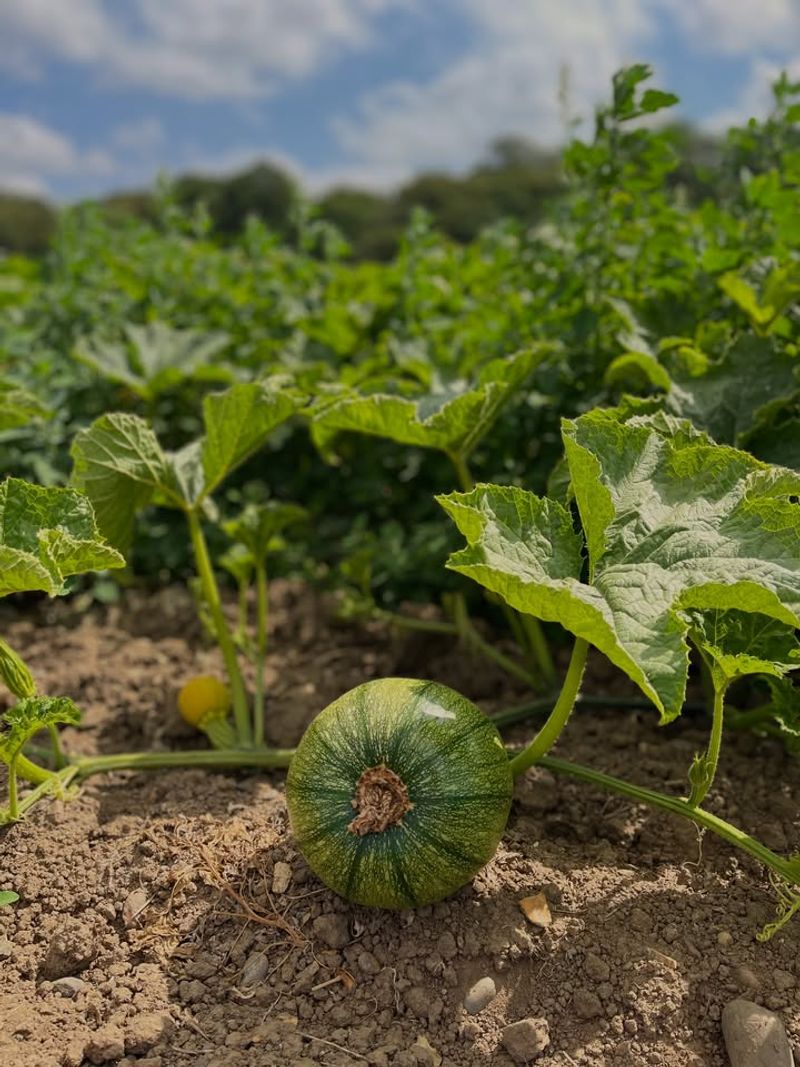
Pumpkins are not a quick crop, but that does not mean late summer is too late to plant them. Smaller pie-type varieties often mature in 90 to 100 days.
Larger carving types can push 110 days or more, so variety selection becomes critical when timing is tight.
Planting in late July or very early August gives smaller varieties a realistic shot at ripening before frost threatens higher elevations. In low-desert areas, the window stretches a bit further, which opens up more options for variety choice.
Pumpkins are heavy feeders and appreciate compost-rich soil at planting. Working in a few inches of aged compost before seeding gives vines the nutrients they need to push strong growth during warm weeks.
Side-dressing with a balanced fertilizer once vines start running helps maintain momentum.
Vines spread aggressively, so plan for space. A single plant can easily cover 50 to 100 square feet depending on variety.
Compact bush-type pumpkins exist and work well in smaller spaces without sacrificing too much in terms of fruit size or flavor.
Consistent soil moisture during fruit development affects both size and skin quality. Irregular watering can cause cracking or misshapen fruits.
Deep, infrequent watering encourages roots to reach down rather than stay shallow.
Watch for squash bugs and cucumber beetles once vines start spreading. Catching populations early makes management much more straightforward than trying to address a heavy infestation later in the season.
5. Winter Squash Needs An Early Start
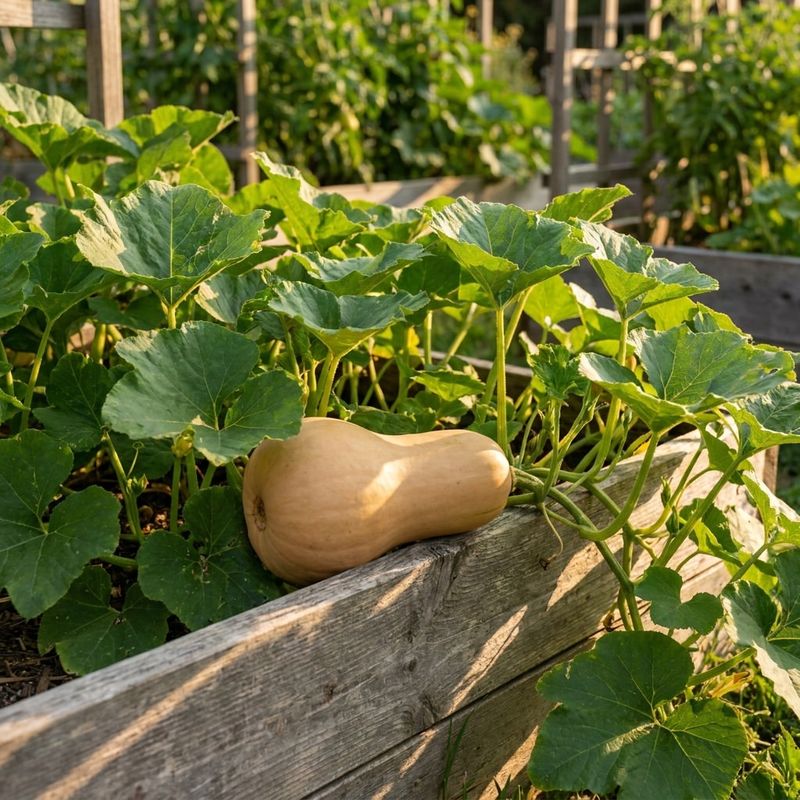
Winter squash takes longer to mature than summer types, and that gap matters when you are planting late in the season. Butternut, acorn, and delicata varieties typically need 85 to 110 days.
Getting seeds in the ground soon gives them the best realistic chance of reaching maturity.
Warm soil helps seeds germinate fast. Winter squash planted in August often sprouts more quickly than spring plantings simply because the ground is already thoroughly warm.
That early vigor helps plants establish before days start shortening noticeably.
Fruit curing is part of what makes winter squash worth growing. Leaving fruits on the vine until the skin hardens fully improves storage quality significantly.
Harvesting too early results in squash that does not store as well and lacks developed flavor.
Vines need room to run. Trying to contain them in a small raised bed usually leads to frustration.
If garden space is limited, directing vines onto mulched pathways or gravel areas keeps them from smothering other plants while still giving them room to grow.
Pollination requires bee activity, so avoid applying broad-spectrum insecticides during flowering. Planting a few flowering herbs or annuals nearby can attract pollinators that improve fruit set noticeably.
Butternut varieties tend to handle heat stress better than some other winter types. If you are uncertain which variety fits your remaining season length, butternut is often the most forgiving choice for late plantings in warm desert climates.
6. Green Onions Establish Easily In Late Summer
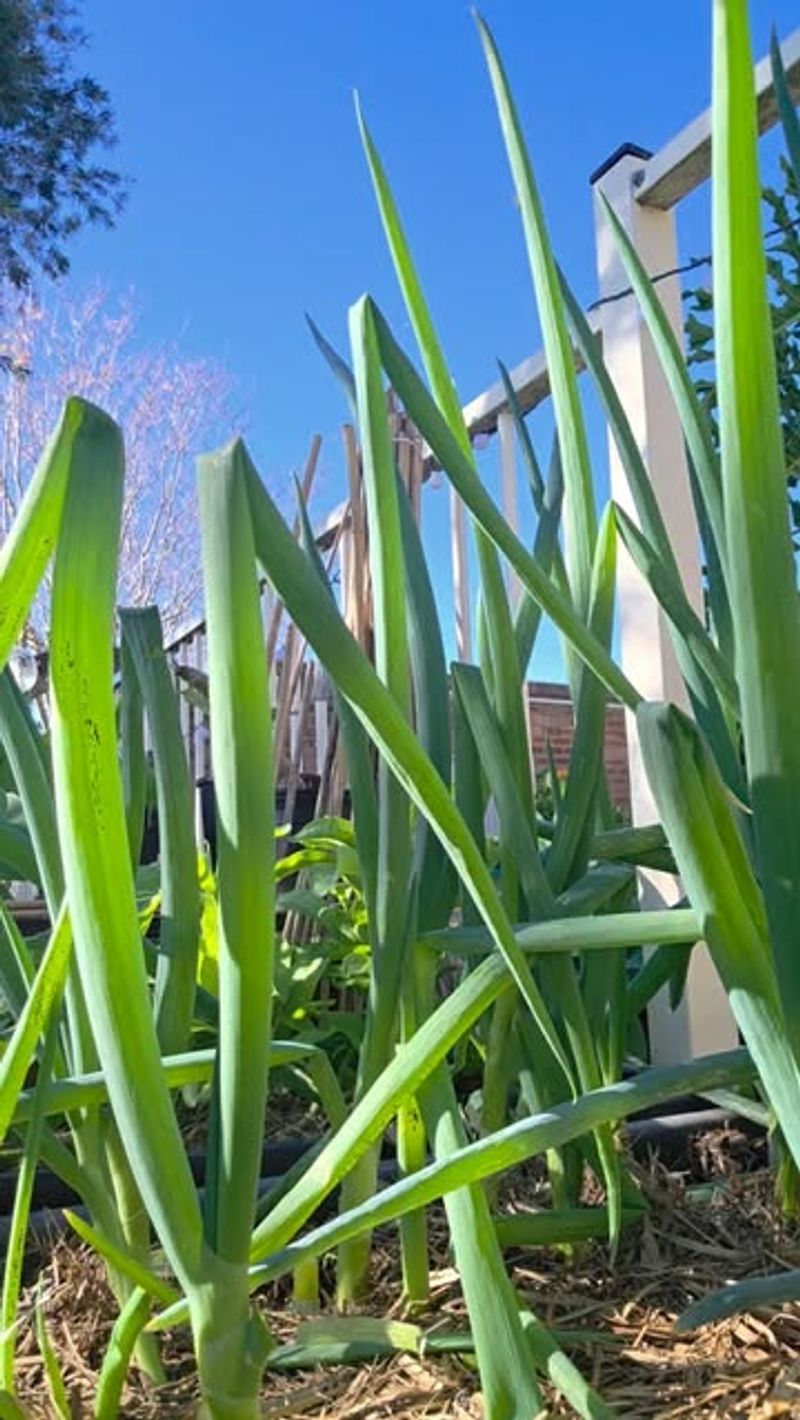
Green onions are one of the easiest crops to slot into late summer gaps. Seeds or sets both work well, and plants establish quickly in warm soil without much fuss.
Most varieties are ready to pull in 60 to 70 days from seed, or sooner if you start with sets.
Heat does not bother them the way it bothers lettuce or spinach. Green onions keep growing through warm days as long as they get consistent moisture.
Letting the soil dry out repeatedly causes slow growth and tough, fibrous tops.
Shallow planting works best. Seeds go in about a quarter-inch deep.
Sets get tucked in just deep enough to stay upright. Either way, rows about four inches apart make good use of bed space without crowding.
Feeding with a nitrogen-rich fertilizer a few weeks after planting encourages lush, fast top growth. Liquid fertilizers work especially well because they reach roots quickly in warm soil where plants are actively growing.
Pull green onions while tops are still bright and tender. Leaving them in the ground too long causes them to form a tighter bulb at the base, which changes the texture and makes them less useful as a fresh garnish or salad ingredient.
Green onions also work well as a companion planting around other vegetables. Their mild scent can help deter some soft-bodied insects, and their upright growth habit means they rarely compete aggressively with neighboring crops for light or space.
7. Shallot Sets Grow Well In Warm Soil
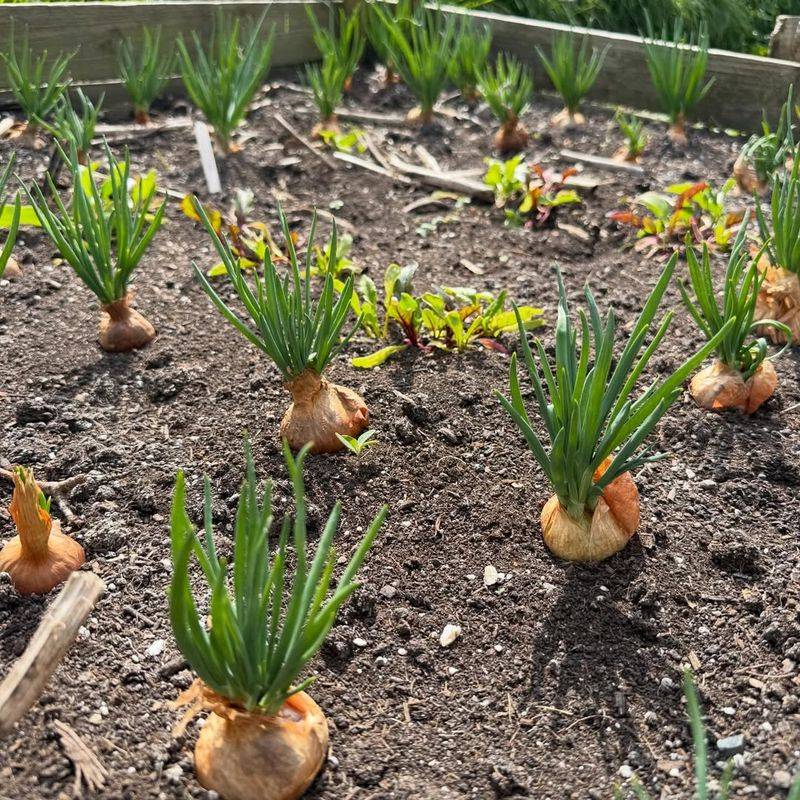
Shallots get overlooked in most backyard gardens, but they fit the late-summer planting window surprisingly well. Sets planted in August or early September root quickly in warm soil and develop strong tops before cooler fall temperatures arrive.
Warm ground speeds up initial rooting noticeably. Shallot sets planted in soil that holds heat from summer establish faster than those planted in cooler spring ground.
That head start gives bulbs extra time to size up before harvest.
Plant sets pointed end up, about one inch deep and six inches apart. Firm the soil gently around each set to prevent them from heaving out as the soil shifts during watering.
Rows spaced eight to ten inches apart allow easy access for weeding and harvesting.
Shallots prefer well-drained soil with decent organic matter. Sandy desert soils often benefit from a layer of compost worked in before planting.
Improved soil structure helps bulbs develop rounder, more uniform shapes rather than irregular or elongated ones.
Consistent moisture matters most during bulb formation, which typically happens as temperatures cool in fall. Irregular watering at that stage can cause bulbs to split or produce multiple small offsets rather than one well-formed bulb.
Tops will begin to fall over and yellow when bulbs are ready. Letting them cure in the ground for a few days after the tops fall helps tighten the outer skin before you pull them.
Properly cured shallots store well for several months in a cool, dry location.
8. Cucumbers Appreciate Afternoon Shade
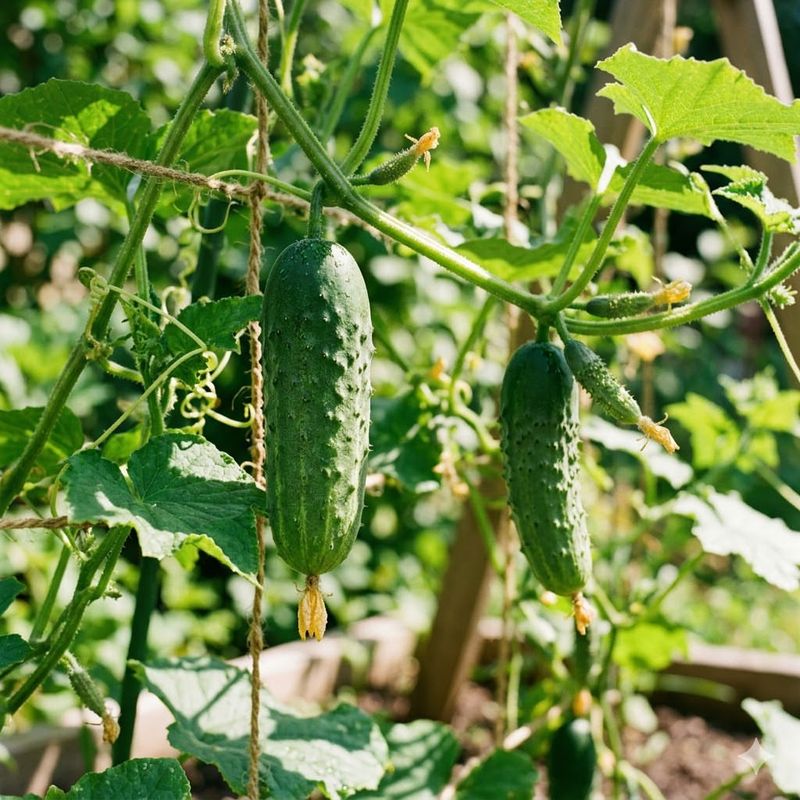
Cucumbers can struggle in the most brutal part of Arizona summer, but late-season plantings often find more comfortable growing conditions.
Afternoon temperatures start easing slightly by late August, and that shift makes a real difference in how well plants set fruit.
Partial afternoon shade helps cucumbers avoid heat stress during the hottest part of the day. A shade cloth rated at 30 to 40 percent works well without blocking too much light for photosynthesis.
East-facing beds that get morning sun and afternoon shade are naturally well-suited for late plantings.
Most slicing cucumber varieties mature in 55 to 65 days. Planting in early August gives them enough season to produce a solid harvest before nighttime temperatures drop below 50 degrees Fahrenheit and slow growth noticeably.
Cucumbers are thirsty plants. Inconsistent watering causes bitter flavor and misshapen fruits more often than almost any other factor.
Deep watering every two to three days in warm weather keeps soil moisture stable without waterlogging roots.
Trellising vines improves airflow, makes harvesting easier, and keeps fruits straighter than ground-sprawling vines tend to produce.
A simple wire cage or a few stakes with twine is enough to support most home garden varieties without elaborate construction.
Harvest cucumbers before they start yellowing. Yellow skin signals overripeness, and fruits left on the vine signal the plant to slow production.
Picking regularly every day or two during peak production keeps plants generating new fruits consistently.
9. Summer Squash Grows Quickly In Warm Soil
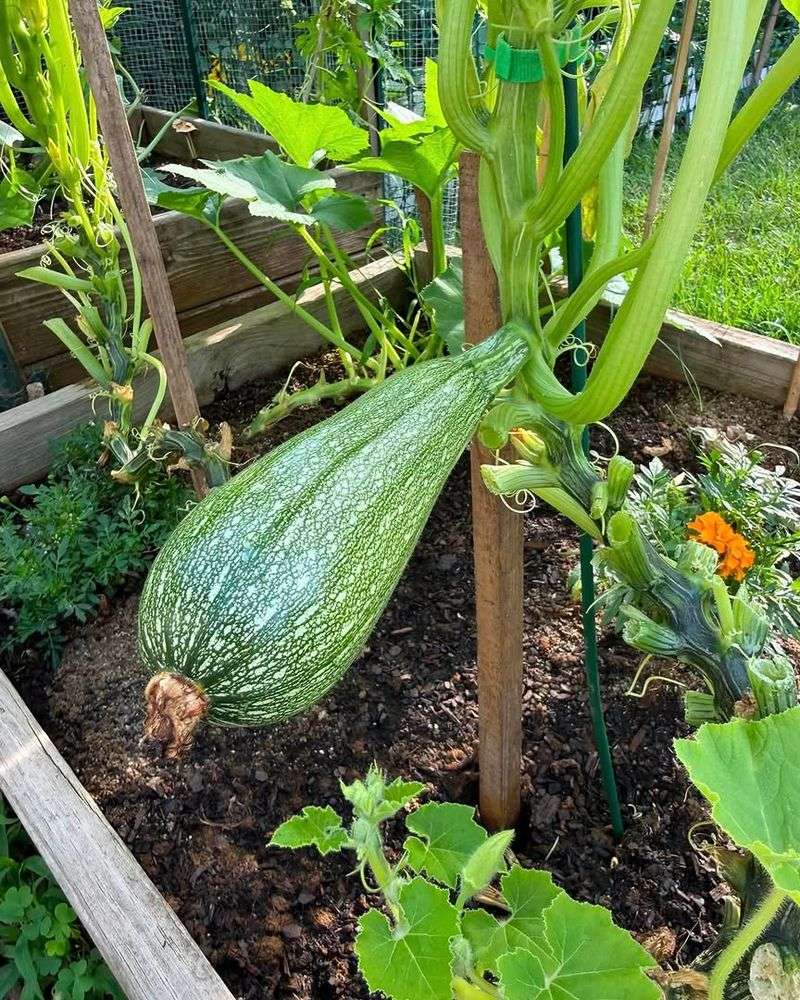
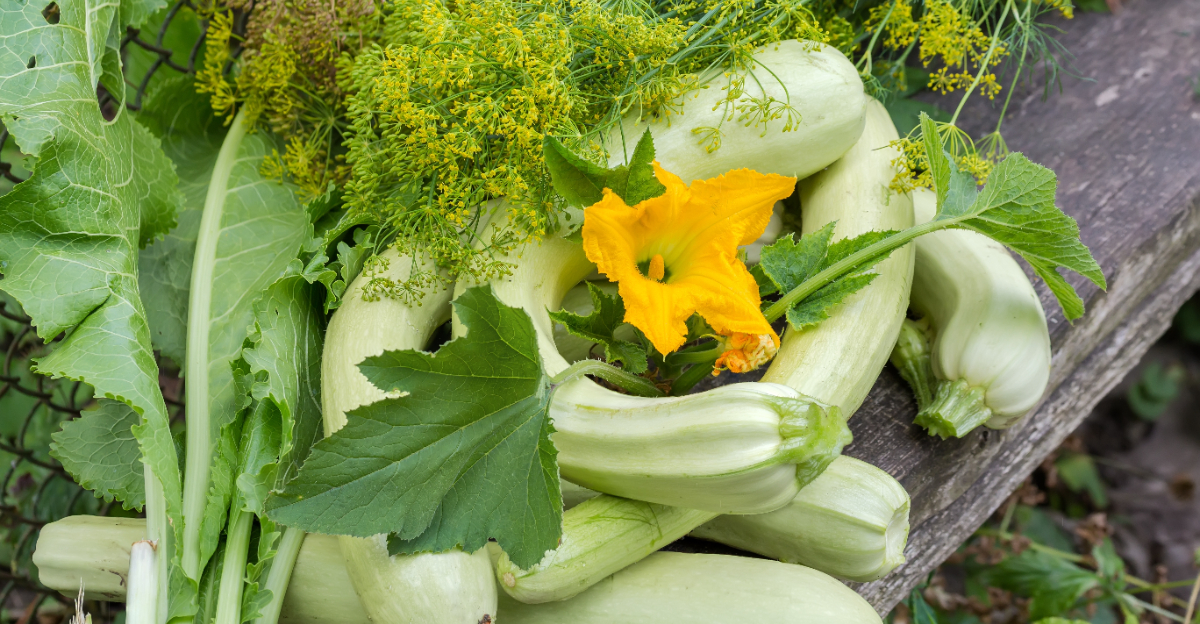
Summer squash is one of the most productive vegetables you can grow in warm soil. Plants go from seed to harvest in about 50 days under good conditions.
Zucchini, yellow crookneck, and pattypan all fit comfortably into a late-summer planting window.
Warm soil accelerates germination noticeably. Seeds planted in ground that stays above 70 degrees Fahrenheit can sprout within three to five days.
That quick start gives plants a running head start before days begin to shorten.
Squash plants need room. Crowding limits airflow and increases the chance of powdery mildew, which spreads fast during warm days and cooler nights.
Spacing plants at least 24 inches apart helps keep air moving around the foliage.
Consistent watering at the root zone matters more than frequent overhead watering. Wet leaves sitting overnight invite fungal problems.
Drip lines or soaker hoses placed at the base of each plant keep foliage dry while roots stay well hydrated.
Harvest fruit while it is still young and tender. Zucchini left to grow large quickly becomes seedy and less flavorful.
Picking at six to eight inches encourages plants to keep producing rather than putting energy into maturing a single oversized fruit.
Squash vine borers are less of a concern in desert climates compared to humid regions, but squash bugs can still cause problems. Checking the undersides of leaves for egg clusters and removing them by hand is an effective early control measure.