Why Michigan Lawns Bounce Back Fast After Summer Storms And How To Help
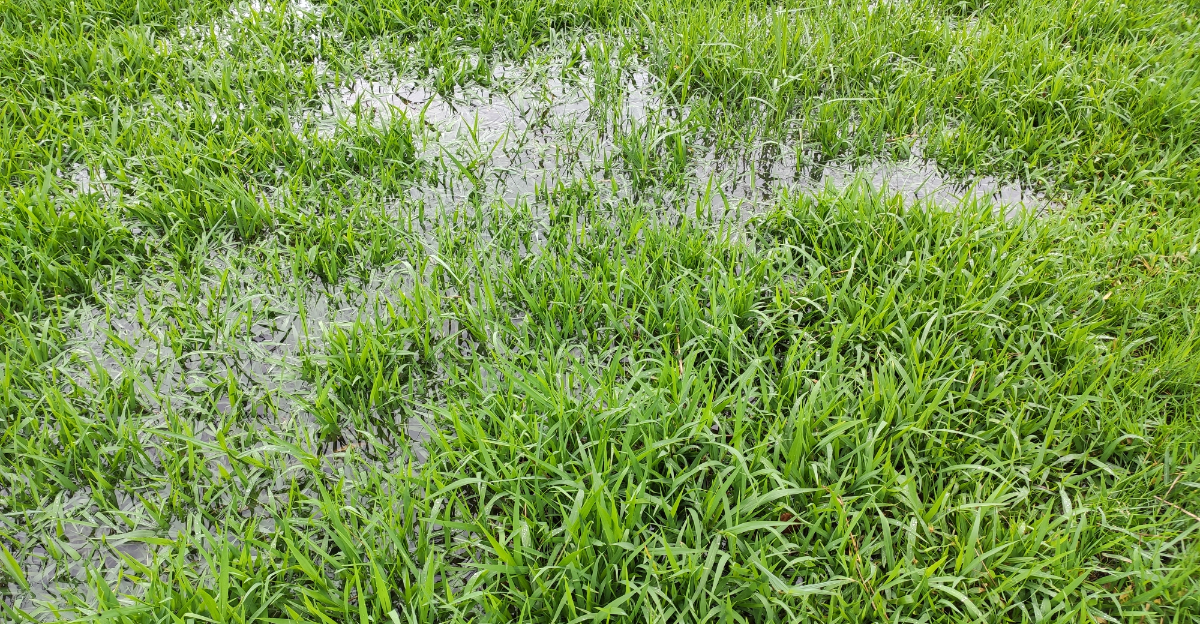
Michigan lawns are surprisingly resilient after summer storms, often recovering within just a week or two with the right support.
Grass has a natural ability to push out new blades quickly once excess moisture drains and sunlight returns.
Aerating compacted areas right after a storm helps oxygen reach roots faster, speeding up the overall recovery process.
Removing any debris like fallen branches or leaves also prevents new bare patches from forming where grass struggles to grow back.
Light fertilizing after heavy rain gives lawns an extra nutrient boost during this critical recovery window. Avoiding mowing until soil firms up again protects roots from unnecessary stress while they’re still vulnerable.
Overseeding thin or damaged patches now helps fill gaps before fall arrives. A little attention right after a storm makes a noticeable difference in how quickly your lawn fully recovers.
1. Summer Dormancy Can Reverse Quickly After Rain
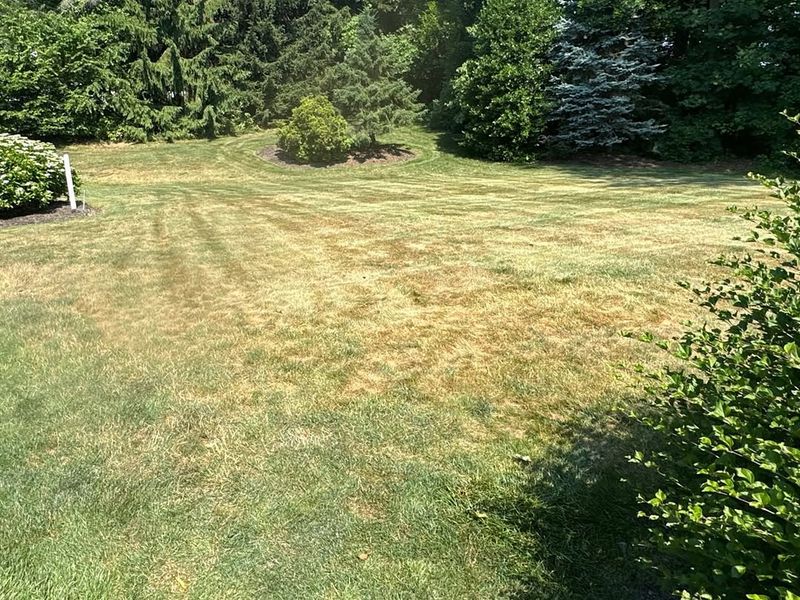
Brown grass does not always mean a lawn is beyond saving. Many Michigan lawns are filled with cool-season grasses like Kentucky Bluegrass and Perennial Ryegrass, and these grasses have a built-in survival trick called dormancy.
When summer heat and dryness push them to their limits, they slow way down, conserving every drop of moisture they can while waiting for better conditions.
During dormancy, the visible leaf blades lose their green color and look lifeless, but the crowns and root systems underneath stay viable. Think of it like a tree going dormant in winter.
The grass is not gone, it is just waiting. A solid summer storm can change everything almost overnight by refilling soil moisture levels that months of heat had slowly drained away.
Once that water soaks in, the grass gets the signal it needs to start pushing out fresh green growth again. Homeowners are often surprised by how quickly a dull brown lawn can begin showing signs of life after just one or two good rainfalls.
That said, recovery is less certain when heat stress has continued for a very long stretch without any relief, so the sooner rain arrives, the better the outcome tends to be. Watching for new growth before taking any action is always the smartest first move.
2. Living Crowns Allow Fresh Grass Blades To Appear
Here is something most people do not realize about their grass: the part that actually keeps the plant alive is not the blade you see above ground. The crown of a turfgrass plant sits right at or just below the soil surface, and it is the true engine of recovery.
Even when every visible blade has turned brown and crispy from summer heat, that crown can remain perfectly healthy and ready to grow.
As soon as moisture returns to the soil, the crown gets to work producing fresh new foliage.
This is why a lawn that looked completely hopeless on a Tuesday can suddenly show patches of bright green by the weekend after a good storm passes through.
The speed of that transformation genuinely catches people off guard, and for good reason. It looks almost like magic, but it is really just biology doing its job.
Your Michigan Garden Changes Every Week. Your Plan Should Too.
Gardening in Michigan changes quickly throughout the season. Every Friday you’ll receive a simple weekly plan showing exactly what to plant, prune, fertilize, harvest, and protect so you never miss the right timing.
Michigan homeowners should resist the urge to immediately reseed brown areas after a storm. Giving the existing lawn at least one to two weeks to respond before reaching for a bag of seed is a smart approach.
Overseeding too soon can actually create more competition for the recovering grass, slowing the whole process down. Wait and watch first.
If certain spots still look thin or bare after the lawn has clearly started responding to the rainfall, those are the areas worth addressing with fresh seed later in the season when conditions are right.
3. Kentucky Bluegrass Can Spread Into Thin Areas
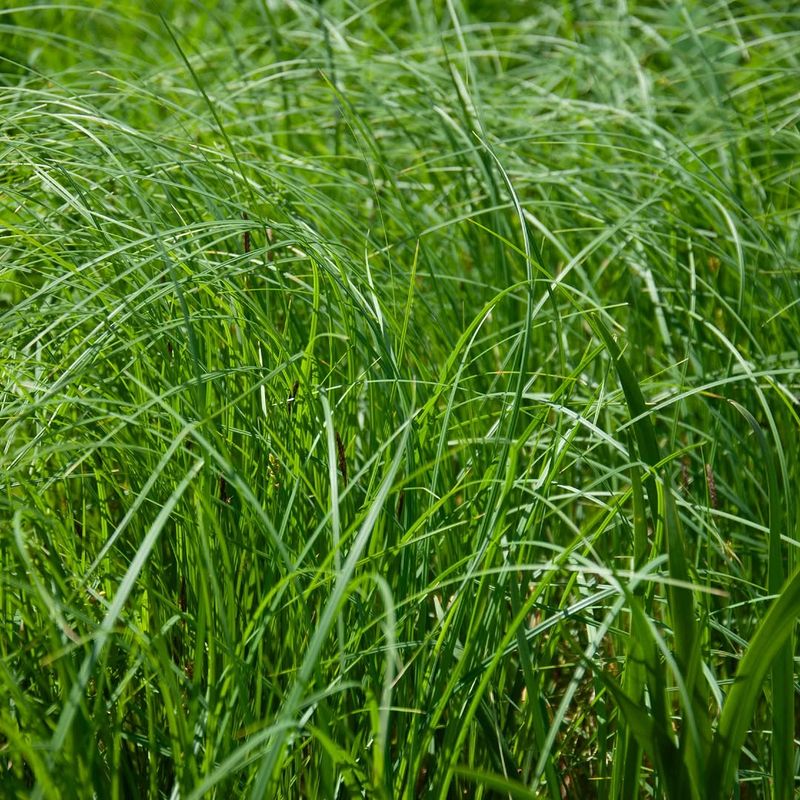
Kentucky Bluegrass has a secret weapon that most other lawn grasses simply do not have. Underground stems called rhizomes spread outward from established plants, sending up new shoots as they go.
This means that once conditions improve after a summer storm, Kentucky Bluegrass does not just recover where it already was. It can actually move into thin or patchy spots on its own, filling in gaps without any extra help from you.
This spreading ability makes Kentucky Bluegrass one of the most popular choices for Michigan lawns, and for good reason.
After a dry summer has left a few bare patches, a couple of weeks of good moisture and moderate temperatures can give those rhizomes just enough energy to start expanding.
The process is gradual, but the results are genuinely impressive when the grass has a solid, well-established base to work from.
While the lawn is actively recovering and the soil is soft from rain, keeping heavy foot traffic to a minimum is one of the most helpful things you can do.
Wet soil compacts easily under pressure, and compacted soil makes it much harder for rhizomes to push through and establish new growth.
Staying off the lawn as much as possible for several days after a major storm gives Kentucky Bluegrass the best possible chance to spread naturally and fill in those problem spots before fall arrives.
A little patience now pays off with noticeably thicker turf later.
4. Cooler Conditions Favor Michigan Lawn Grasses
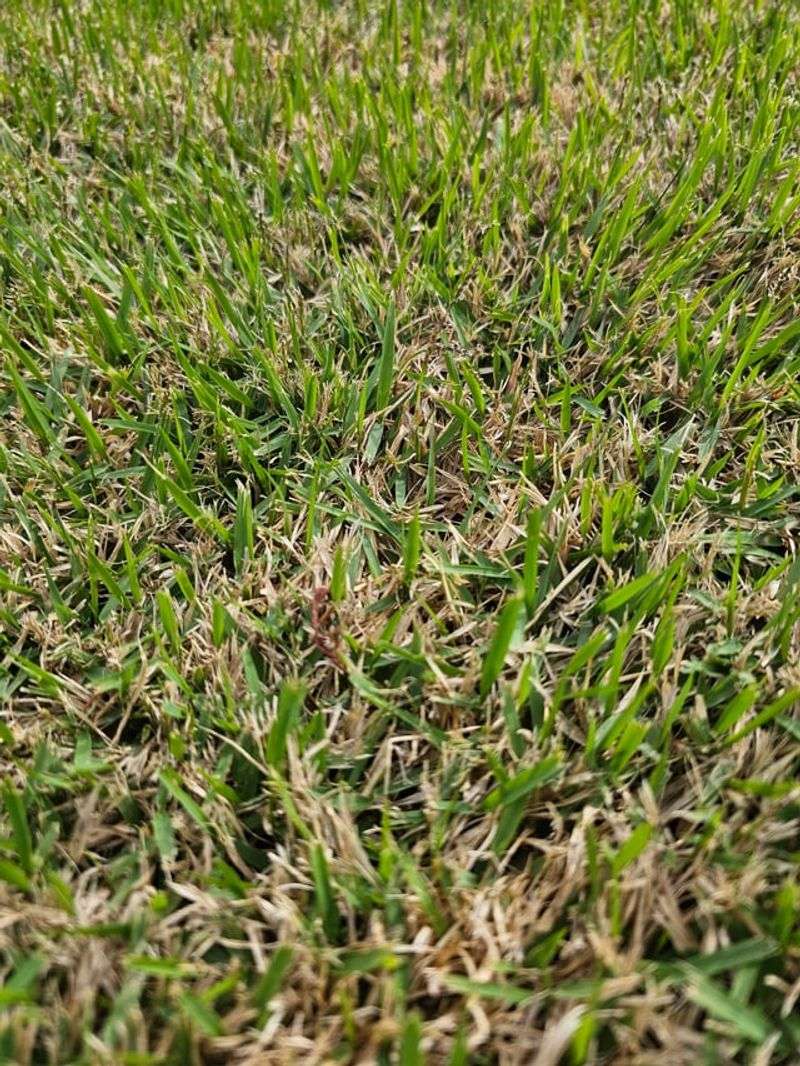
Something interesting happens to Michigan lawns right after a summer storm passes through. The temperatures drop, the sun goes behind clouds for a while, and suddenly the conditions that cool-season grasses love most are right there for the taking.
Kentucky Bluegrass, Perennial Ryegrass, and Fine Fescues all thrive in cooler weather, and they respond quickly when the thermometer stops climbing past 90 degrees every afternoon.
These grasses grow most actively when daytime temperatures sit somewhere between 60 and 75 degrees Fahrenheit. During the hottest part of a Michigan summer, growth nearly stalls because the heat is simply too much.
A storm that brings cooler air behind it can cut that heat stress dramatically, almost flipping a switch for the lawn.
Suddenly the grass has both the moisture it needs and the temperature range where it performs best, and the results show up fast.
Homeowners who notice their lawns greening up quickly after storms are watching this exact process play out.
The cool stretch that follows a summer storm is also a great time to apply a light fertilizer if the lawn looks like it needs a nutritional boost.
A slow-release product with a moderate nitrogen level supports steady, healthy regrowth without pushing the grass to grow faster than it can handle.
Timing fertilizer applications around these natural cool-down periods is one of the smarter strategies Michigan lawn owners can use to keep their turf looking strong through the rest of the summer season.
5. Storm Rain Can Refill The Root Zone
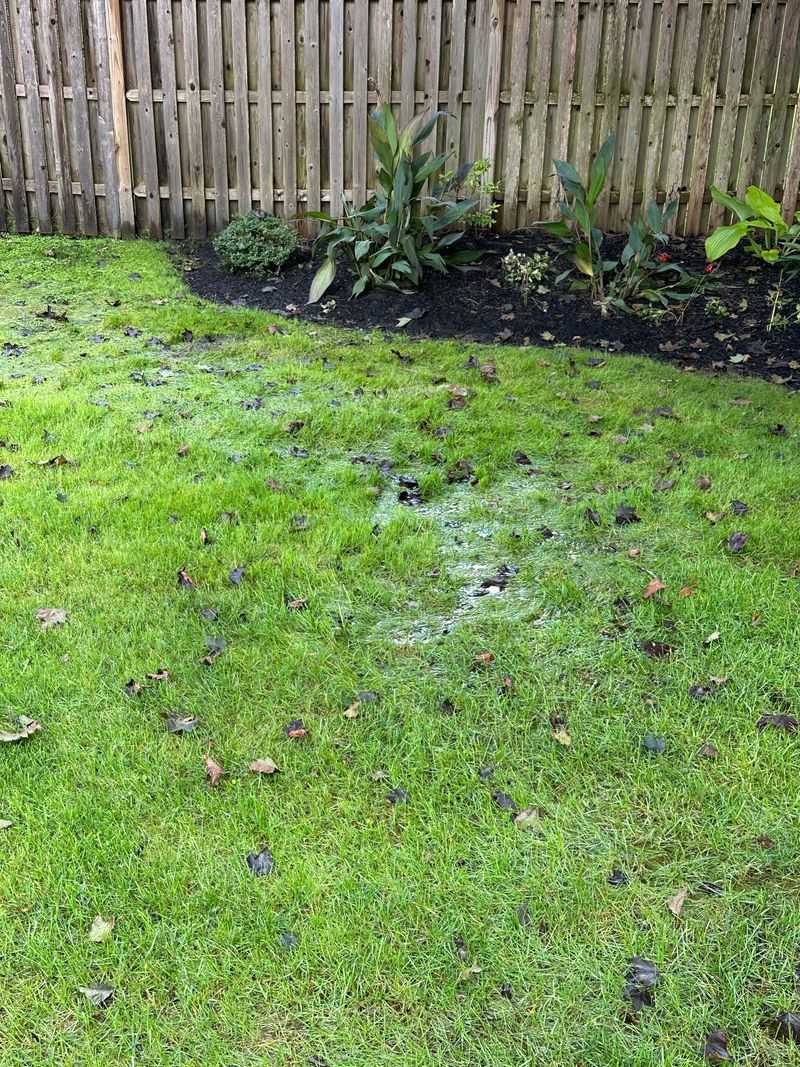
Not all watering is created equal. A typical backyard sprinkler or irrigation system delivers water in short bursts that often only wet the top inch or two of soil.
Grass roots, especially those of well-established Kentucky Bluegrass, can extend several inches deep, and shallow watering never quite reaches them. A real summer storm is a completely different story.
Heavy rainfall soaks into the ground steadily over time, pushing moisture deeper into the soil profile where roots can actually use it. That deep hydration is one of the biggest reasons lawns respond so strongly after a good storm.
The water reaches parts of the root zone that have been dry for weeks, and the grass responds by ramping up its growth almost immediately.
It is a level of moisture delivery that is genuinely hard to replicate with a garden hose or sprinkler system.
After a storm, checking soil moisture before turning on the irrigation system is a smart habit. Push a screwdriver or soil probe about four to six inches into the ground.
If it slides in easily and the soil feels damp at that depth, the lawn does not need additional watering yet. When irrigation does become necessary again, watering deeply and infrequently is far more effective than light daily watering.
Aim to moisten the soil to a depth of four to six inches per session, and then let the surface dry slightly before watering again. This approach encourages roots to grow deeper, making the lawn more resilient during the next dry stretch.
6. Taller Grass Supports Stronger Summer Recovery
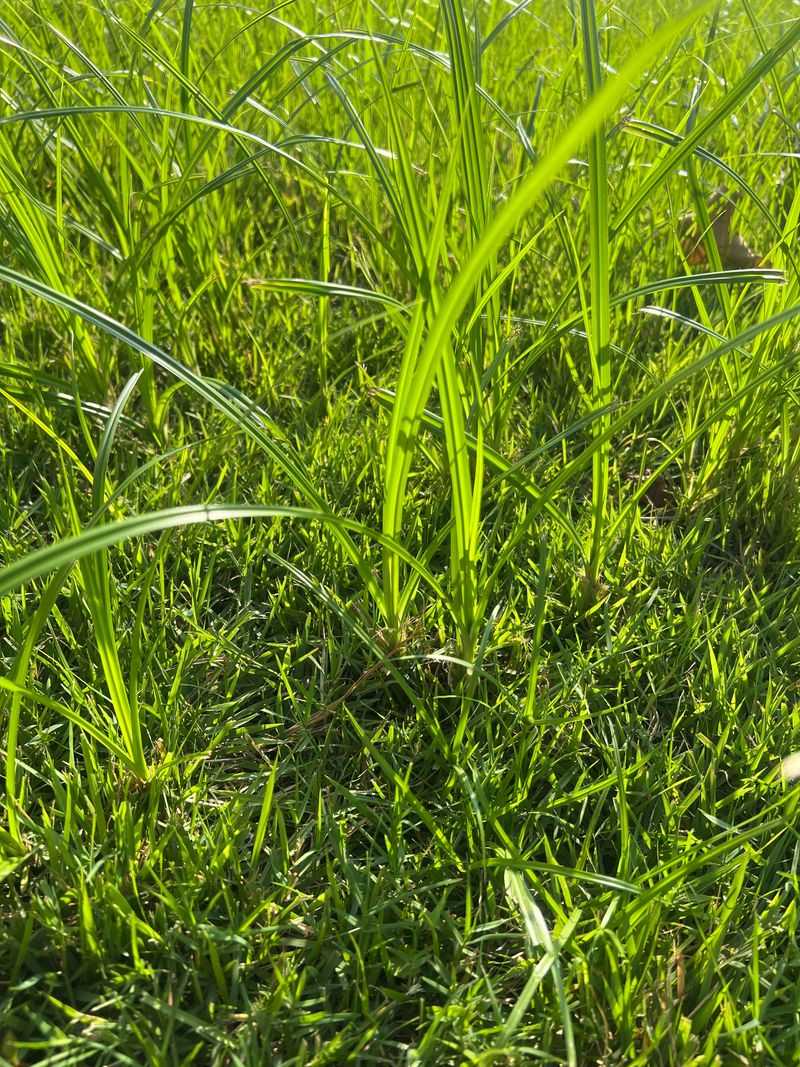
Mowing height might seem like a small detail, but it makes a surprisingly big difference in how well a Michigan lawn handles summer stress and bounces back after storms.
Grass cut too short loses its ability to shade the soil surface, which means moisture evaporates faster and soil temperatures climb higher.
Keeping the mower deck raised to the upper end of the recommended range, typically around three to four inches for cool-season grasses, gives the lawn a real advantage.
Taller grass blades cast more shade on the soil, keeping it cooler and holding onto moisture longer between rain events. Deeper shade at the soil surface also helps suppress weed germination, which tends to spike in thin or stressed lawns.
On top of that, taller grass supports stronger, deeper root development because the plant has more leaf surface area to capture sunlight and fuel growth underground. A well-rooted lawn recovers from stress far more effectively than one with shallow roots.
After a summer storm, waiting until the grass and soil have firmed up before mowing is genuinely important. Mowing on saturated soil causes compaction and can leave ruts that take weeks to smooth out.
It is also worth skipping the mower during intense afternoon heat, even when the soil feels dry enough, because mowing stresses the grass and fresh cuts are more vulnerable to heat damage right after trimming.
Morning mowing, once the dew has dried but before peak afternoon temperatures arrive, is the best window for keeping your lawn healthy and on track for a strong recovery.
7. Loose Soil Helps Rain Reach Grass Roots
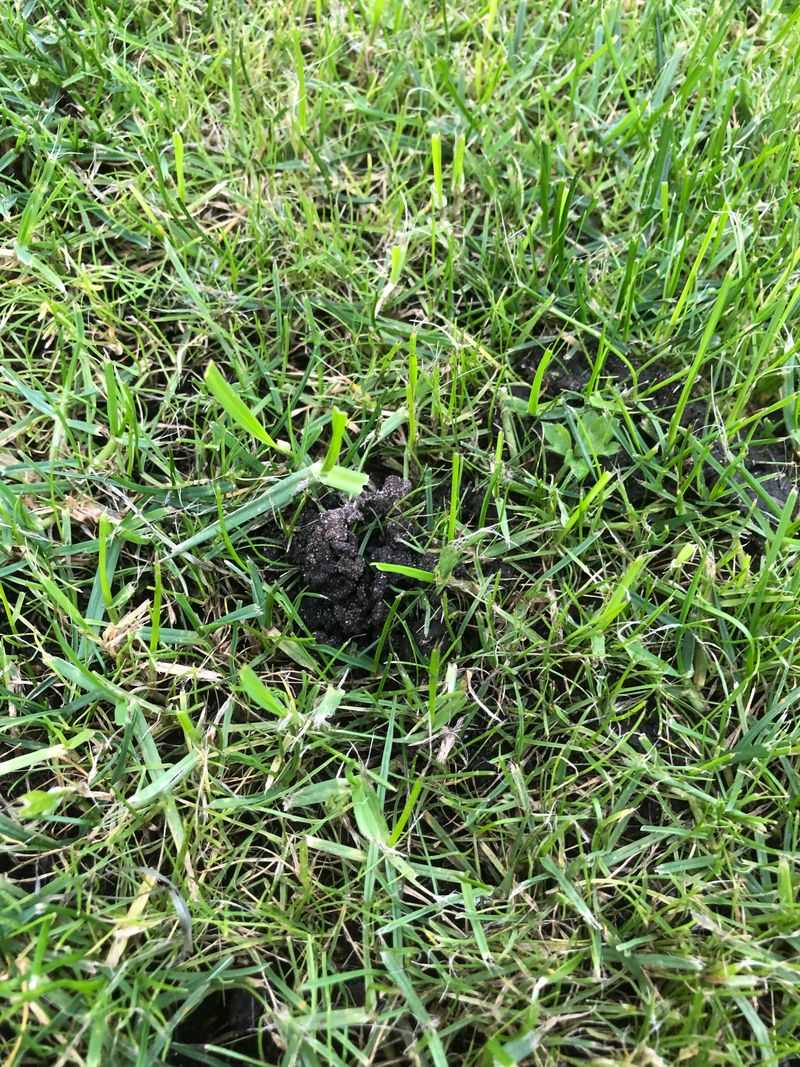
Water can only help a lawn if it can actually get into the ground. Healthy soil has tiny pore spaces between particles that allow rainwater and oxygen to move downward into the root zone.
When those pore spaces get squeezed shut by compaction, water sits on the surface, runs off into the street, or pools in low spots instead of soaking in where it belongs. Michigan lawns built on heavy clay soil are especially prone to this problem.
Compacted clay sheds water almost like pavement during a heavy rainstorm, which means even a generous storm can fail to deliver the deep soil moisture that recovering grass needs.
You might see puddles sitting on the lawn for hours after rain stops, which is a clear sign that the soil is not absorbing water the way it should.
Keeping mowers and heavy equipment off the lawn when the soil is saturated helps prevent compaction from getting worse after storms roll through.
Core aeration is one of the most effective tools for addressing compaction in Michigan lawns, and late summer or early fall is actually one of the best times to do it.
An aerator pulls small plugs of soil out of the ground, opening up channels for water, air, and nutrients to reach the root zone.
The ideal timing is when the soil has recovered enough moisture to be workable but is no longer waterlogged from recent rain.
Aerating after a summer storm, once the lawn has firmed up, sets the turf up for excellent fall recovery and stronger growth heading into the next season.
8. Late Summer Provides A Useful Michigan Repair Window
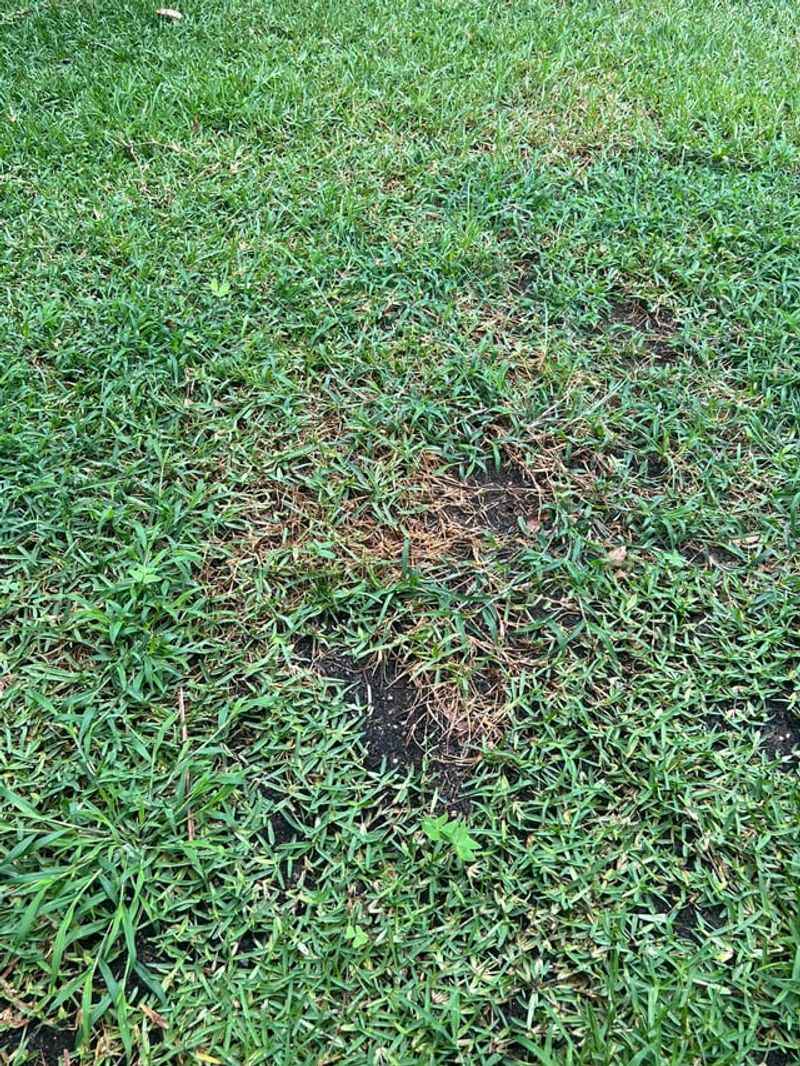
Mid-August through September is genuinely one of the best times of the entire year to repair a Michigan lawn, and summer storms play a helpful role in making that window even more productive.
Cooler temperatures start returning during this stretch, and cool-season grasses like Kentucky Bluegrass and Perennial Ryegrass respond eagerly to those conditions.
Seed planted during this period germinates reliably and has enough time to establish before the first frost arrives.
Storm rainfall can provide a nice moisture boost right when newly planted seed needs it most. That said, relying entirely on rain to carry newly seeded areas through establishment is a risky approach.
Germinating seed and young seedlings need consistent moisture, and a dry stretch right after seeding can set things back significantly.
Having the irrigation system ready or a sprinkler available to fill in the gaps is a smart backup plan even when storms have recently passed through.
One of the most common mistakes Michigan homeowners make is overseeding too soon after a summer storm. Rushing to reseed every brown spot before the existing lawn has had a chance to respond can waste both time and money.
Waiting two to three weeks after a major storm allows the established grass to show whether it will recover on its own. Then, overseeding only the areas that remain genuinely thin or bare targets your effort where it actually matters.
A focused late-summer repair, done at the right time with good seed-to-soil contact, can completely transform a struggling lawn before the season ends.