These Flammable Arizona Plants Don’t Belong Within 5 Feet Of Your Home
A beautiful yard is not always a safer one. Some of the most popular landscape plants can become a serious problem when they sit too close to your home.
Heat, wind, and dry conditions can turn ordinary shrubs and grasses into fuel much faster than most people expect.
That does not mean you have to remove everything you planted. It means choosing the right place for the right plant.
Arizona landscapes often need a different approach than gardens in cooler parts of the country. Give yourself a few minutes to rethink what is growing nearest your house before the hottest part of the season continues.
The plants on this list may surprise you, and moving them could be one of the smartest changes you make this year.
1. Junipers Burn Extremely Fast During Wildfires
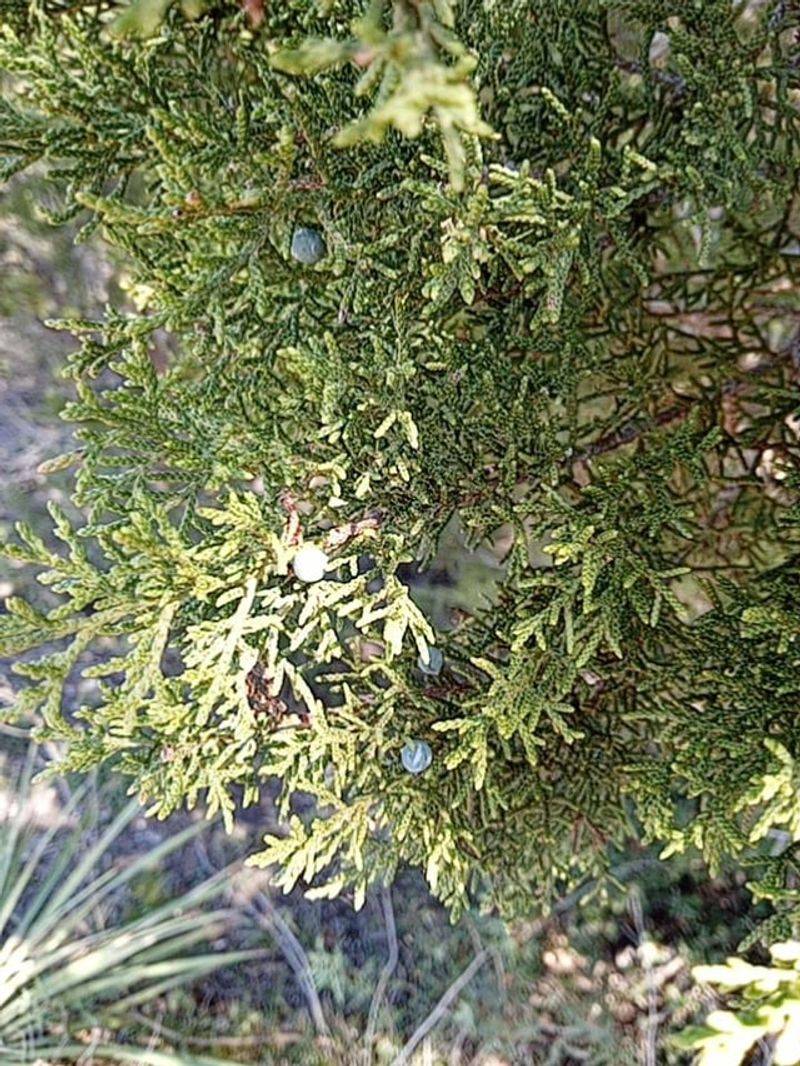
Junipers are one of the most fire-dangerous shrubs you can plant near a home. Their dense, waxy foliage holds oils that ignite quickly under dry conditions.
Once lit, a juniper can go up in flames within seconds.
Firefighters often refer to junipers as “gasoline plants” because of how fast and hot they burn. That nickname is not an exaggeration.
A mature juniper shrub placed against a wall creates a direct fire path right to your structure.
Dry weather speeds up the problem significantly. In hot, low-humidity climates, juniper foliage loses moisture fast.
That dryness makes the plant far more combustible than it would be in wetter regions.
Spacing matters a lot with junipers. Keeping them at least ten feet from any structure is a widely recommended guideline from fire safety professionals.
Within five feet, the risk becomes hard to justify.
Replacing junipers near your home with low-water, fire-resistant plants like agave or desert marigold is a practical swap. Those alternatives still look attractive without carrying the same level of fire risk.
Your landscaping does not have to suffer just to be safer.
2. Italian Cypress Carries Flames Straight Up
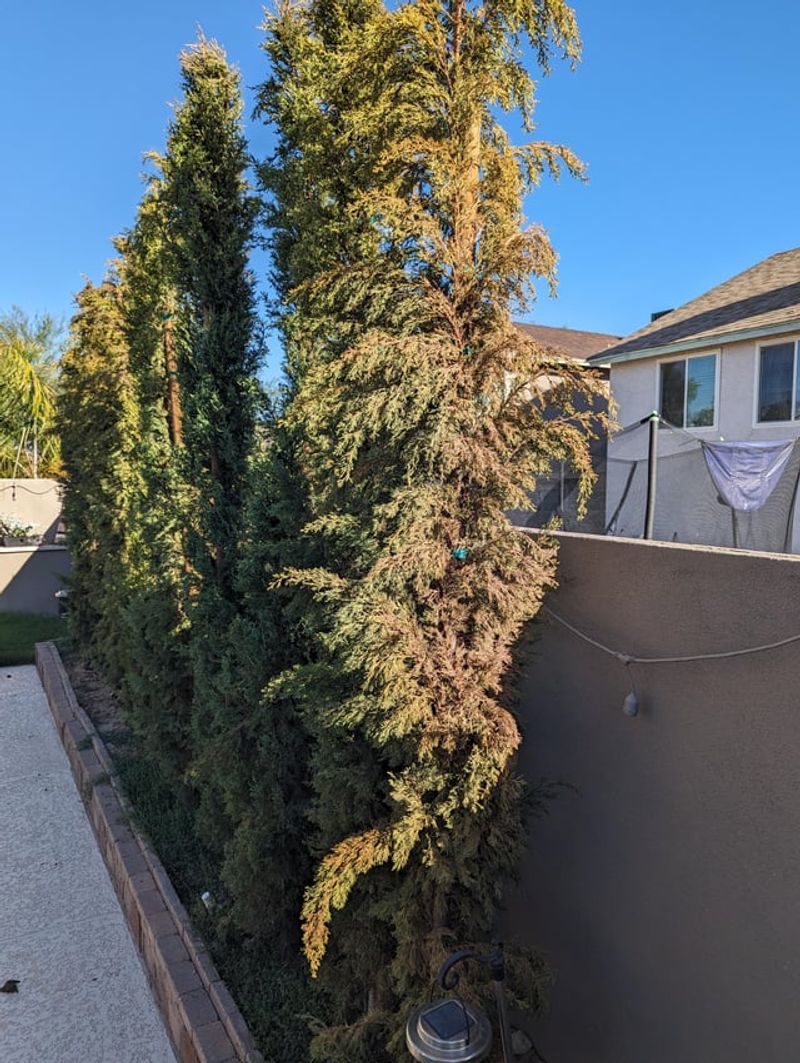
Tall, narrow, and striking, Italian cypress trees are a popular choice in warm-climate yards. What most homeowners do not realize is that their column shape acts like a chimney when fire reaches the base.
Flames travel upward along the dense foliage fast. A single tree positioned near a roofline can push fire directly onto the structure.
That vertical fire path is one of the reasons fire professionals flag this species as a concern.
Italian cypress trees also hold dry foliage tightly packed inside their narrow form. That interior dryness is hard to see from outside.
Even when the outer layer looks green, the inside can be full of dry, combustible material.
Placement is really the core issue. A cypress planted fifteen feet from your home behaves very differently than one planted five feet away.
Distance gives fire less of a direct route to your walls and roof.
If you love the look of Italian cypress, consider using them as a design accent far from the structure. Pair them with gravel or rock ground cover rather than dry mulch.
Your Arizona Garden Changes Every Week. Your Plan Should Too.
Gardening in Arizona changes quickly throughout the season. Every Friday you’ll receive a simple weekly plan showing exactly what to plant, prune, fertilize, harvest, and protect so you never miss the right timing.
Small adjustments in placement can meaningfully reduce how much risk a plant adds to your yard.
3. Pampas Grass Becomes Dry Fuel By Late Summer
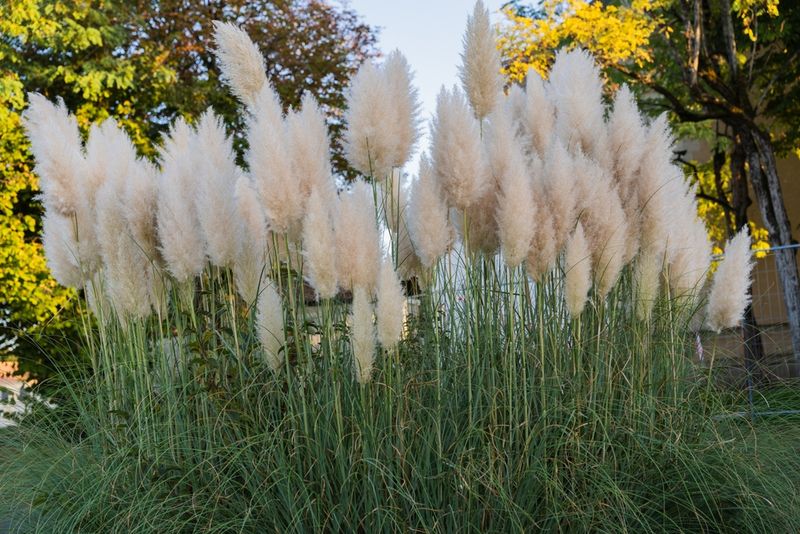
Pampas grass looks dramatic and full during spring, but by late summer it tells a completely different story. Outer blades dry out while the plant is still actively growing at the center.
That combination of live and dry material creates a ready-made fire hazard.
Clumps of pampas grass can grow very large over several years. A mature clump holds a significant amount of dry, papery material inside.
When ignited, the whole clump burns fast and hot.
Wind adds another layer of concern. Burning embers from pampas grass can travel on the breeze.
If a clump catches near a fence or wall, embers may land on a roof or dry mulch nearby.
Cutting pampas grass back each year helps reduce the amount of dry material it holds. However, even a freshly trimmed clump within five feet of a home still carries risk during peak fire season.
Removal is often the safer long-term choice for plants in that close proximity zone.
Swapping pampas grass for a native ornamental grass with lower fuel volume is worth considering. Some options hold far less dry material and spread less aggressively.
Choosing plants that fit both your aesthetic goals and your safety needs is completely possible with a little planning.
4. Fountain Grass Holds Dry Material Within Its Clumps
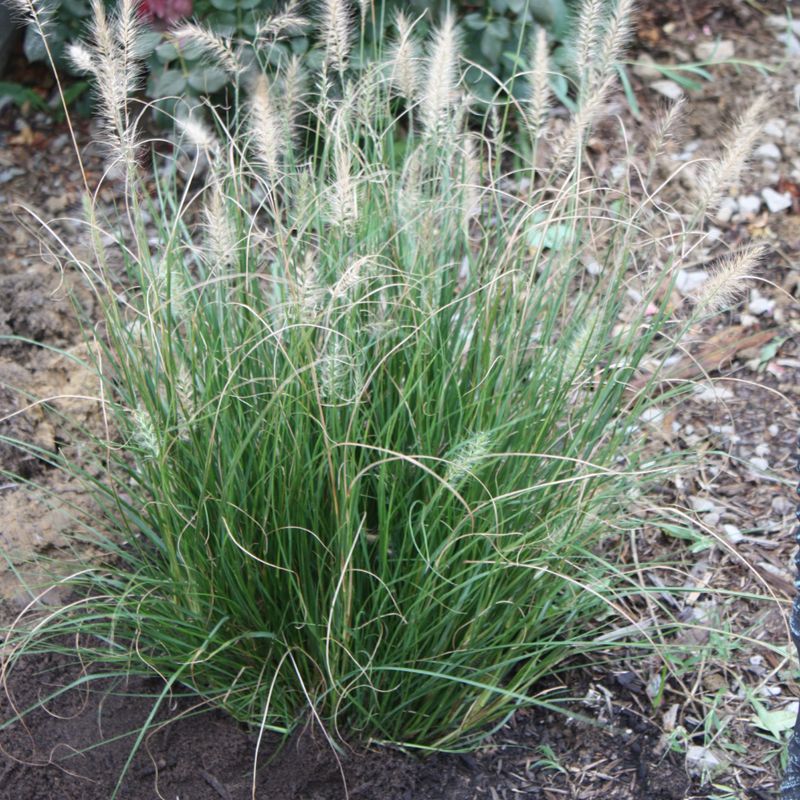
Fountain grass is everywhere in warm-climate neighborhoods, and it is easy to see why. Its arching shape and feathery plumes look elegant in landscaping beds.
But what builds up inside those clumps over time is the real concern.
Dry blades accumulate at the base of each clump season after season. Without regular cleanup, that buildup grows into a dense mat of dry fuel.
Lighting a match near a neglected fountain grass clump would take almost no effort at all.
Purple fountain grass, one of the most common varieties in warm desert regions, is also considered invasive in some areas. Beyond the fire risk, it can spread aggressively into natural spaces.
Both issues make it worth reconsidering near your home.
Removing the dry material at the base of each clump each season reduces its flammability somewhat. But even well-maintained fountain grass within five feet of a structure still adds unnecessary risk during dry months.
Maintenance helps, though it does not eliminate the concern entirely.
Fire-safe alternatives like desert spoon or low-growing native groundcovers can fill a similar visual role. Those options typically hold far less dry material and integrate better into fire-resistant landscaping plans.
Replacing fountain grass near your walls is a straightforward upgrade with real safety benefits.
5. Eucalyptus Sheds Oily Bark And Leaf Litter
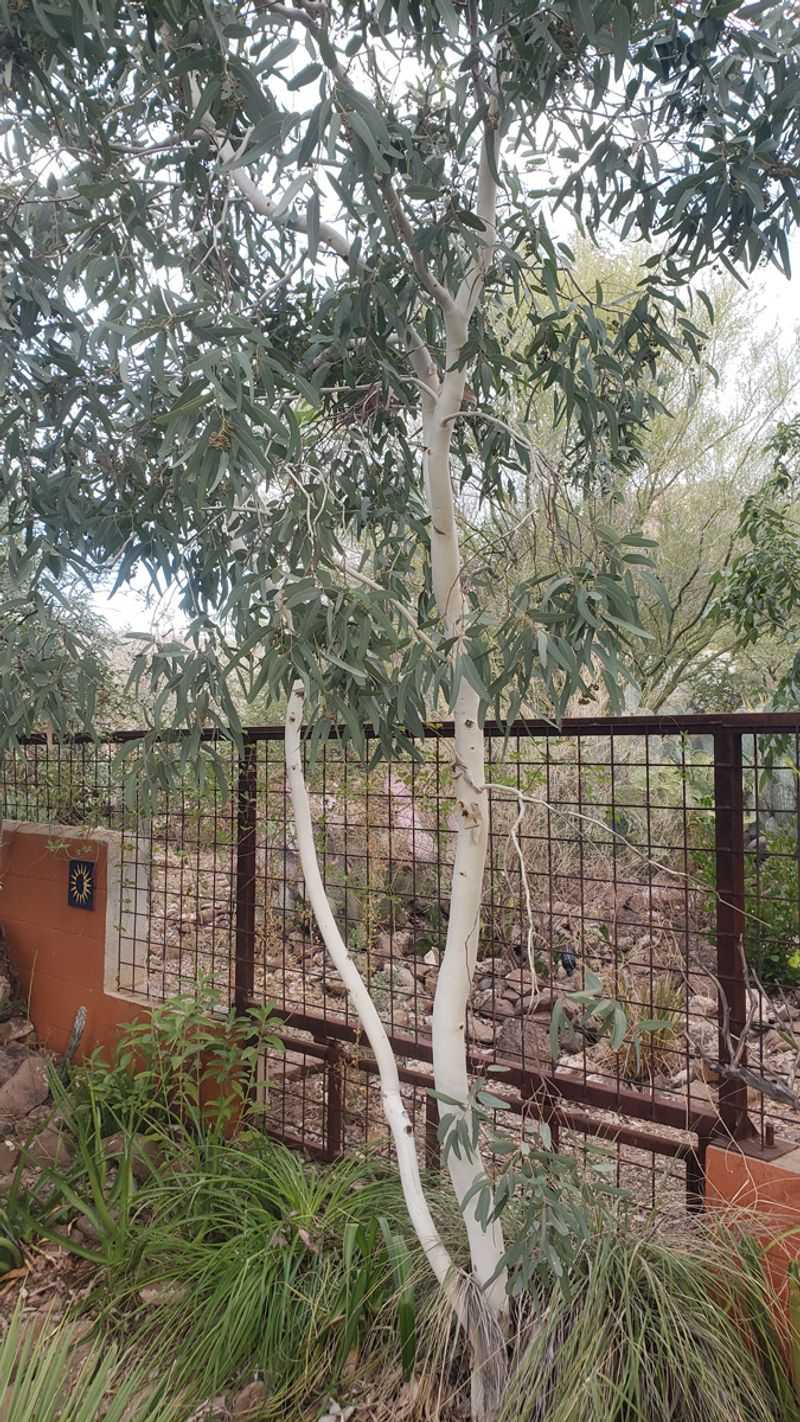
Eucalyptus trees shed bark in long strips that pile up around their base. That bark is loaded with natural oils.
Dry, oily bark sitting against a fence or wall is a serious fire concern, especially during hot, windy weather.
Fallen eucalyptus leaves also carry oils that burn readily. A thick layer of leaf litter under a eucalyptus tree can ignite quickly.
Once burning, those oils help the fire burn hotter than plain dry leaves would.
Eucalyptus trees can grow very tall and spread wide. A large tree positioned close to a home means bark, leaves, and small branches are regularly falling near the structure.
Regular cleanup helps, but the volume of material a mature tree drops is hard to stay ahead of.
Bark strips can also blow into gutters or onto rooftops during wind events. Dry, oily material sitting in a gutter near a spark is a scenario worth taking seriously.
Keeping gutters clear during fire season is essential for homes with nearby eucalyptus trees.
Removing a eucalyptus tree is a significant project, and not every homeowner will choose that route. Maintaining a clear, non-combustible zone directly around your home is a practical middle step.
Gravel or decomposed granite near the base of structures helps reduce how much plant material accumulates right against the walls.
6. Arborvitae Hedges Allow Fire To Move From Plant To Plant
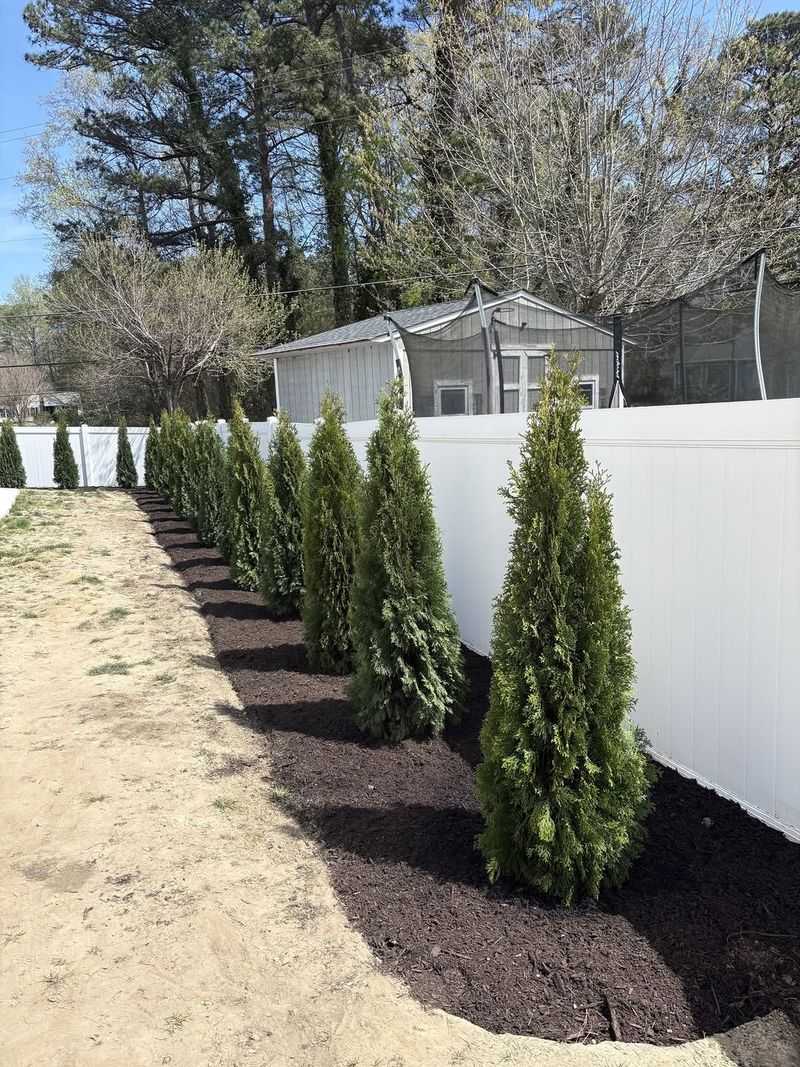
Arborvitae hedges are commonly planted as privacy screens, and they do that job well. What makes them risky near a home is how tightly they grow together.
When planted in a row, they form a continuous wall of combustible material.
Fire can move through a hedge row quickly. One plant catches, and the next one follows almost immediately.
That chain reaction can carry flames from a corner of the yard to a wall or fence in far less time than most people expect.
Arborvitae also holds a lot of dry interior material. Outer foliage may look green and healthy while inner branches are dry and brittle.
That hidden dryness is part of what makes hedge plants more fire-prone than they appear.
Spacing arborvitae further from structures and from each other reduces how easily fire can spread between plants. Gaps in a hedge row slow down that chain reaction significantly.
Even a small amount of separation between plants can make a meaningful difference.
Homeowners who want privacy screening near their home have safer options available. Masonry walls, metal fencing, or fire-resistant native shrubs with open spacing can provide similar privacy without creating a continuous fuel path.
Rethinking hedge placement is one of the more impactful changes a homeowner can make for fire safety.
7. Pine Trees Drop Resin-Rich Needles Around Structures
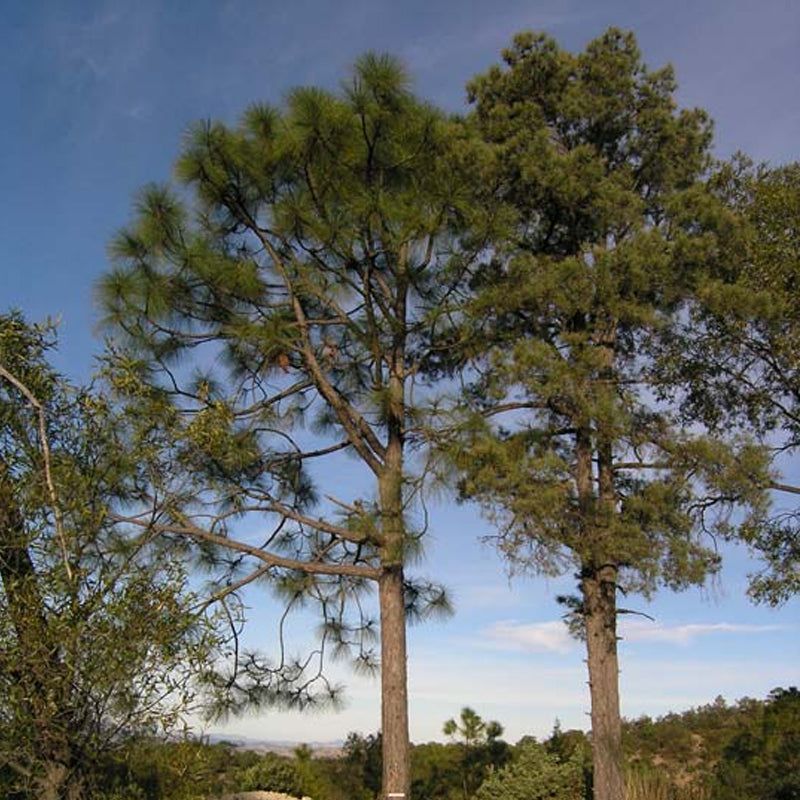
Pine needles are one of the most recognizable types of fire-prone ground litter. They dry out quickly and contain resin that makes them burn readily.
A thick layer of needles around the base of a structure gives fire easy material to work with.
Needles also fall into gutters, collect along fence lines, and pile up in corners where walls meet the ground. Those accumulations are easy to overlook but worth addressing before fire season.
Keeping those areas cleared is a regular maintenance task for homes near pine trees.
In Arizona, pine trees are more common at higher elevations in places like Flagstaff and the White Mountains. Homes in those areas face real fire risk from needle accumulation, especially during dry summers.
The combination of elevation, wind, and low humidity speeds up needle drying considerably.
Beyond needles, pine cones and small branches add to the fuel load around a tree. A cluttered zone of dry organic material near a home provides more opportunity for fire to establish and grow.
Reducing that material regularly is one of the most practical steps available.
Keeping a non-combustible buffer zone of several feet around your home helps limit how much plant material sits against the structure.
Gravel, stone, or concrete pavers near the base of walls reduce the chance that fallen needles accumulate in dangerous quantities close to your home.
8. Arizona Cypress Contains Volatile Natural Oils
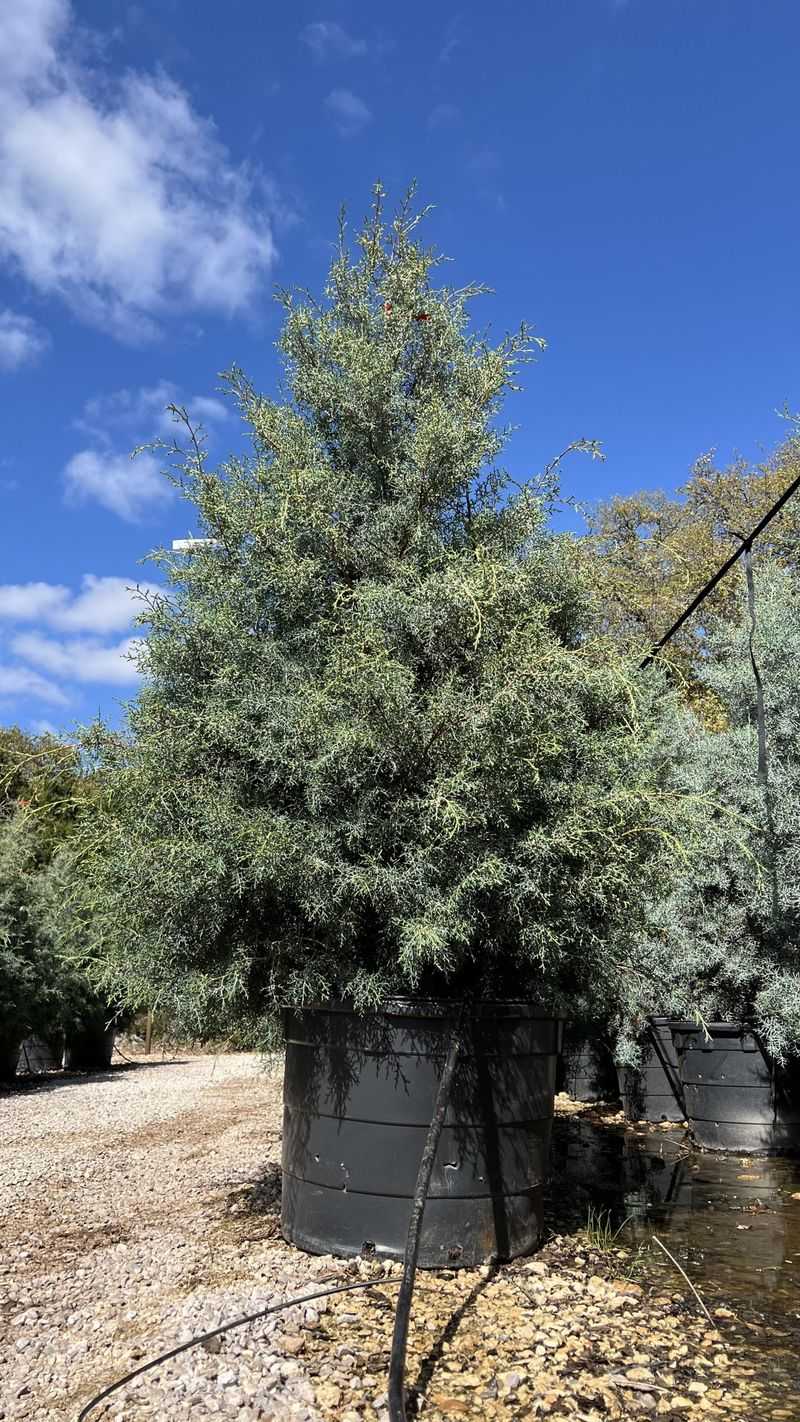
Native to parts of the Southwest, Arizona cypress is a rugged, drought-tolerant tree that many homeowners appreciate for its deep green color and low water needs.
However, its foliage contains volatile oils that make it notably combustible under dry conditions.
When temperatures climb and humidity drops, those oils become more concentrated in the foliage. A tree that looks perfectly healthy can become significantly more flammable during peak summer heat.
That seasonal shift in fire behavior is easy to underestimate.
Arizona cypress also tends to hold onto dry interior foliage inside its canopy. That dry material stays hidden beneath the outer green layer for long periods.
Combined with the natural oils in the foliage, this buildup increases the tree’s overall fire risk.
Placement close to a home is the main concern. A cypress tree growing against a wall or near a wooden fence creates a direct connection between a combustible plant and a combustible structure.
Maintaining distance between the tree and your home is a straightforward risk-reduction step.
Pruning lower branches to raise the canopy reduces how easily ground-level fire can climb into the tree. Removing dry interior material through careful pruning also helps.
No single maintenance step removes all risk, but combining several approaches meaningfully lowers the danger this tree can pose near a home.
9. Oleander Builds Up Dense Woody Branches Over Time
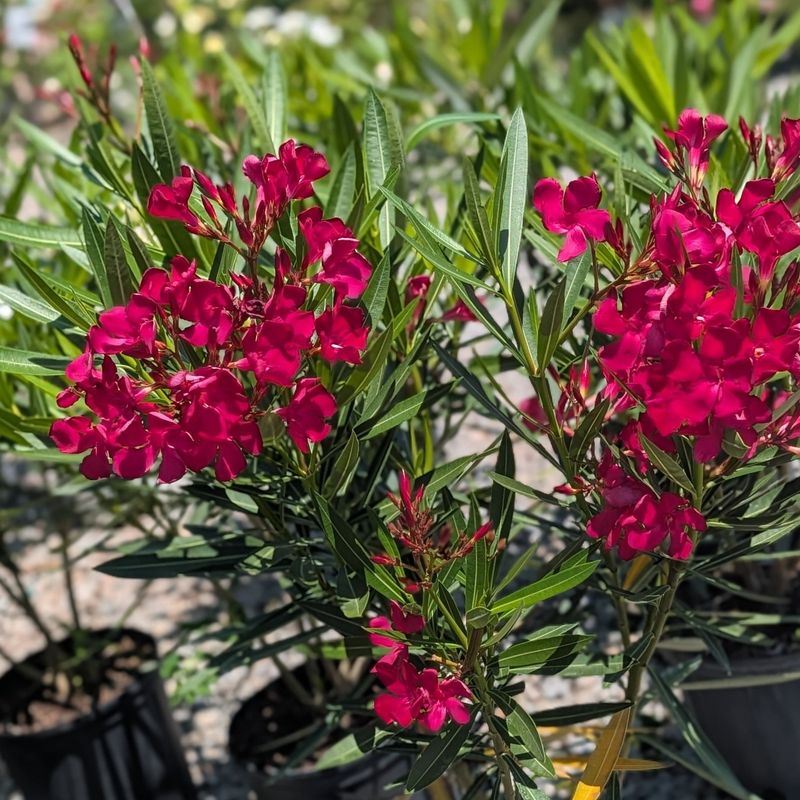
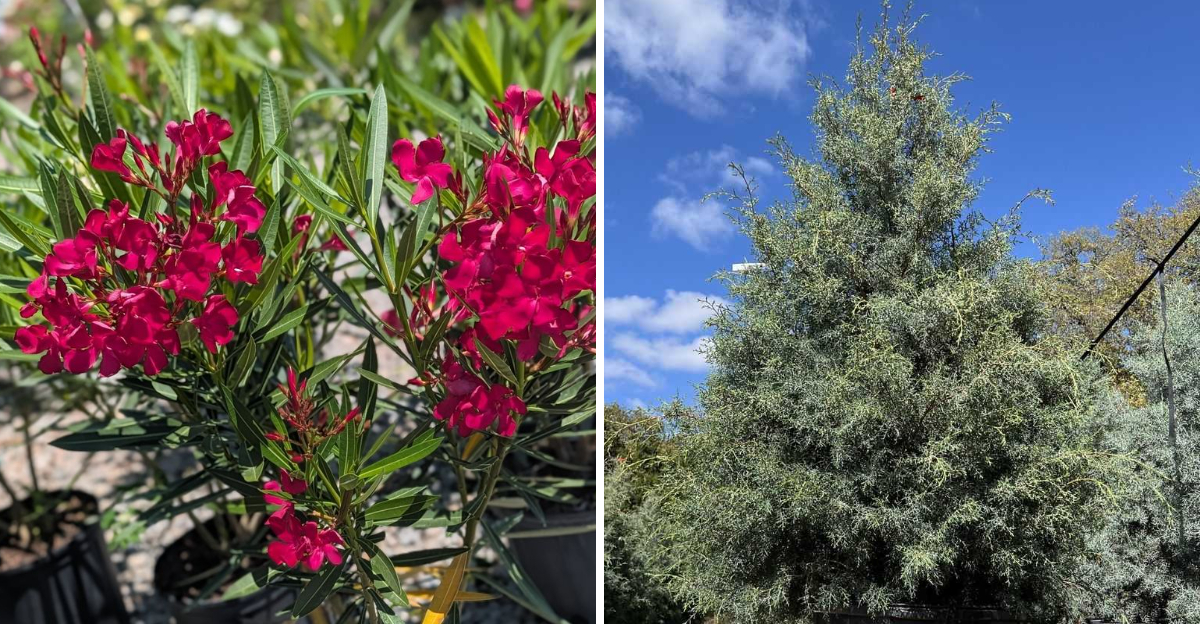
Oleander is one of the most common ornamental shrubs in warm-climate landscaping. Its flowers are attractive and it handles heat well.
Over time, though, oleander builds up a dense tangle of woody branches that holds dry material inside.
Older, unpruned oleander shrubs can grow quite large. A mature plant pressed against a wall or fence creates a thick fuel mass right next to the structure.
That woody interior does not need much encouragement to burn once fire reaches it.
Dry summers accelerate how quickly the inner branches lose moisture. While outer growth may still look green, the inner wood can become dry well before visible signs appear.
That hidden dryness is part of what makes mature oleander shrubs riskier than younger, smaller ones.
Regular pruning helps manage the woody buildup inside oleander. Keeping the plant open and airy reduces the amount of dry material it holds.
However, even a well-pruned oleander within five feet of a home still adds fire risk during peak conditions.
Relocating oleander further from the structure or replacing it with a lower-volume native plant is a practical option. Shrubs like brittlebush or desert marigold offer color and texture without building up the same kind of dense, dry interior mass.
Swapping plants near your walls does not have to be a major project, and the safety benefit is real.