Stop Using High-Nitrogen Fertilizer On Stressed Arizona Plants This July
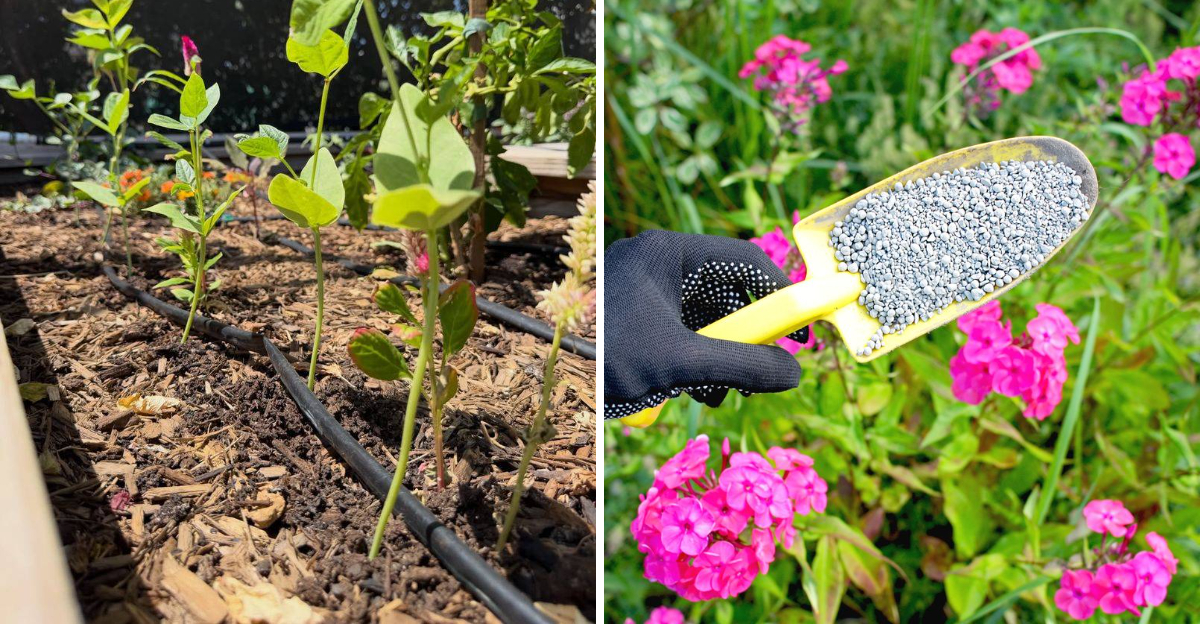
Stop feeding stressed plants the wrong fertilizer this July. It feels like the right thing to do, but high-nitrogen products can create even more stress during extreme heat.
If your favorite plants already look tired, pushing fresh growth is the last thing they need.
Arizona summers are tough enough without adding extra pressure. Give roots time to recover instead of forcing new leaves.
A simple change now can help plants handle the season much better. You will waste less fertilizer and give your garden a stronger chance to bounce back.
Before you spread another bag, make sure it is helping instead of slowing recovery. Your plants are trying to survive, not race into new growth.
Give them what they truly need right now and you may see healthier growth later instead.
1. Switch To A Low-Nitrogen Fertilizer
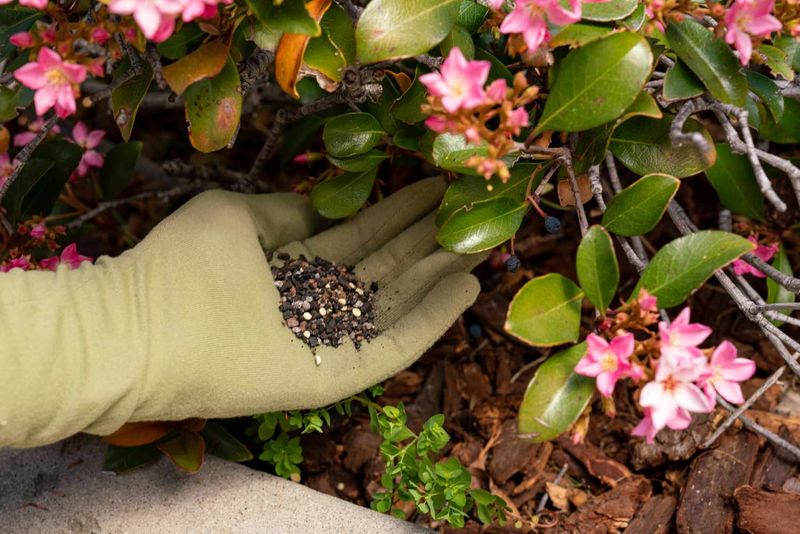
High-nitrogen fertilizer is not the best choice for stressed plants during July. It encourages fast, leafy growth when plants should be saving their energy.
Every new leaf needs extra water and nutrients to develop. Plants already struggling in extreme heat often cannot keep up with those demands.
Instead of looking healthier, they may wilt faster or develop scorched leaves.
A fertilizer with lower nitrogen is a much safer option. Balanced, slow-release products feed plants at a gentler pace.
They provide nutrients without forcing tender new growth. That gives the root system more time to recover while the plant focuses on handling the hottest part of the season.
Take a close look at the fertilizer label before buying a product. The first number always represents nitrogen.
During midsummer, a lower first number is usually the better choice. Slow-release formulas are also helpful because they release nutrients gradually instead of all at once.
Keep in mind that fertilizer cannot fix heat stress by itself. Plants first need enough moisture and healthy roots before they can use added nutrients.
If the soil is dry or the plant is badly wilted, wait before feeding. Once temperatures begin to ease and fresh growth appears, you can slowly return to a regular feeding schedule.
This simple change helps plants recover more safely during Arizona’s hottest weeks.
2. Skip Fast-Release Fertilizers
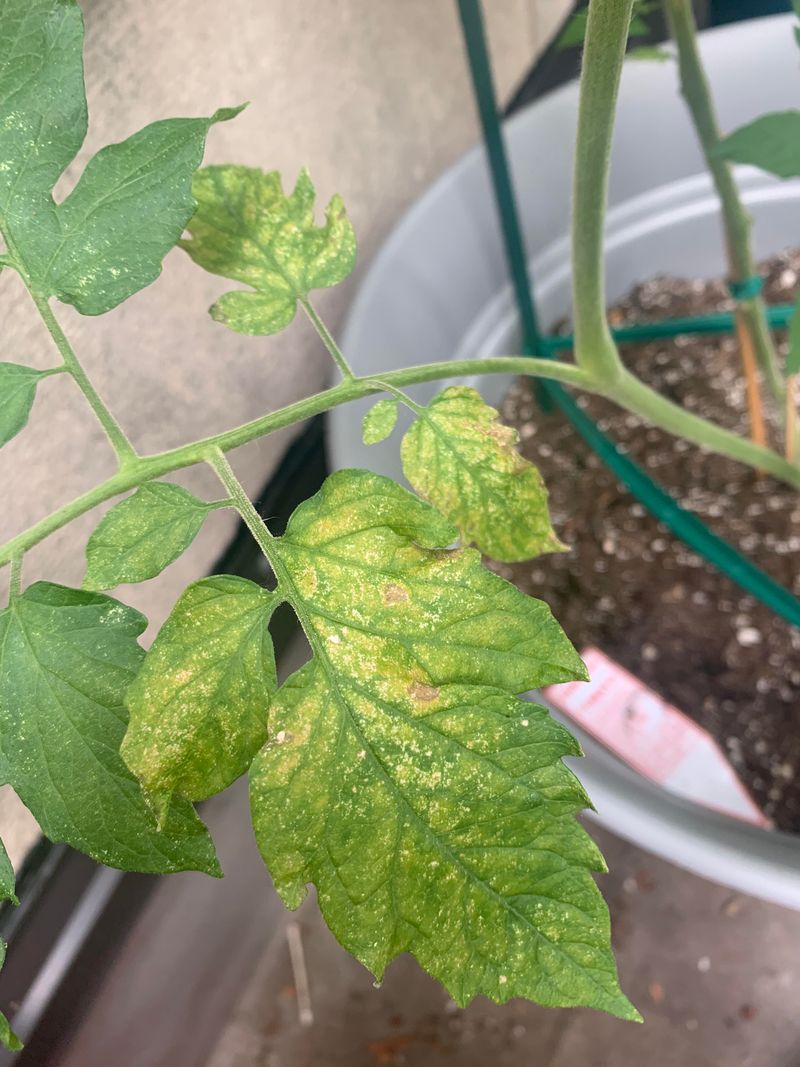
Fast-release fertilizers may seem like a quick solution, but they can do more harm than good during July. These products deliver a large amount of nutrients in a short time.
That sudden boost encourages rapid growth when plants are already struggling with intense heat. Fresh leaves need extra water to stay healthy, and stressed plants often cannot meet those demands.
Another problem is the risk of fertilizer burn. Hot, dry soil makes it harder for roots to absorb nutrients evenly.
Instead, salts can build up around the roots and damage them. Brown leaf edges, scorched foliage, and weak growth are all common signs that too much fertilizer has been applied under stressful conditions.
Slow-release fertilizers are a much safer choice during the hottest part of summer. They release nutrients gradually over several weeks instead of all at once.
Your Arizona Garden Changes Every Week. Your Plan Should Too.
Gardening in Arizona changes quickly throughout the season. Every Friday you’ll receive a simple weekly plan showing exactly what to plant, prune, fertilize, harvest, and protect so you never miss the right timing.
That steady supply is easier for recovering plants to use and places less pressure on the root system. Organic fertilizers can also work well because they break down naturally over time.
Always follow the application rate on the label. Adding more fertilizer will not help a stressed plant recover faster.
If the soil is very dry, water it first and wait until the plant begins to recover before feeding again.
A slower approach gives roots time to regain strength and supports healthier growth when conditions improve.
3. Stop Feeding Heat-Stressed Plants
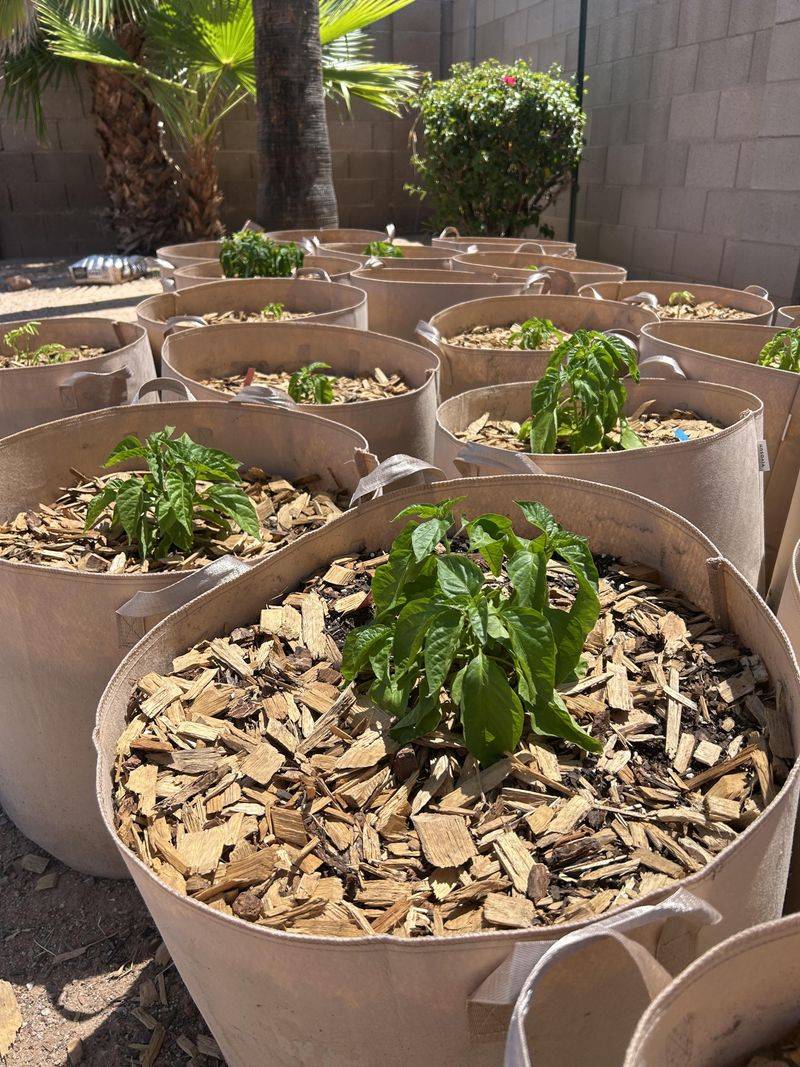
Plants struggling through extreme heat need relief, not extra fertilizer. Wilting leaves, curled edges, brown tips, and drooping stems are usually signs of heat stress instead of nutrient shortages.
Adding fertilizer during this time will not solve the problem. In many cases, it places even more pressure on a plant that is already trying to survive.
Heat-stressed roots do not absorb nutrients efficiently. Their main focus is holding onto moisture and staying alive.
When fertilizer is added too soon, many of those nutrients remain in the soil instead of reaching the plant. Over time, fertilizer salts can build up around the roots and increase the risk of additional damage.
The best approach is to pause all feeding until the plant begins to recover. Focus on providing steady moisture, reducing stress, and protecting the root zone.
A layer of mulch can help keep soil temperatures lower and slow moisture loss between waterings. These simple steps do far more for a struggling plant than another application of fertilizer.
Watch the plant closely over the next few weeks. Fresh leaves, firm stems, and healthy new shoots are good signs that it is recovering.
Once steady growth returns, you can slowly begin fertilizing again with a balanced, slow-release product.
Waiting a little longer now often leads to stronger, healthier plants later in the season.
4. Water The Soil Before Feeding Again
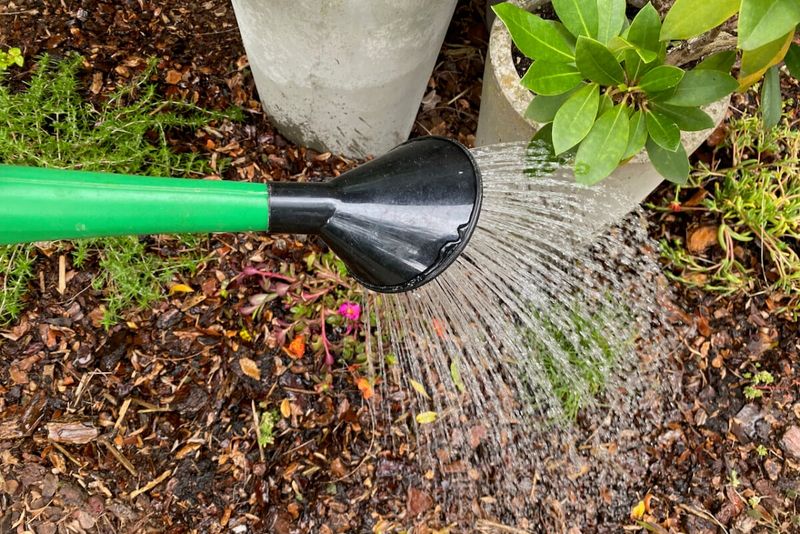
Moist soil gives fertilizer a much better chance to work the way it should. When the ground is dry, nutrients stay concentrated instead of spreading through the root zone.
That uneven distribution makes it harder for plants to benefit from the fertilizer and increases the chance of root damage.
Water the soil thoroughly before planning any feeding. It is even better to water several hours earlier or the day before applying fertilizer.
This gives moisture enough time to move deeper into the soil, where most active roots are growing. Fertilizing immediately after a quick watering often leaves the lower root zone too dry.
Do not rely on a brief summer storm to prepare the soil. Many storms produce heavy rain for only a short time, and much of that water runs off instead of soaking deeply into the ground.
The surface may look wet while the root zone remains surprisingly dry.
Before fertilizing, check the soil a few inches below the surface with your finger or a small hand trowel. If it still feels dry, wait and water again before feeding.
Taking a few extra minutes to check soil moisture can make fertilizer far more effective.
It also helps plants use nutrients more efficiently once growing conditions begin to improve.
5. Let Damaged Roots Recover First
Roots often suffer the most during long periods of extreme heat, even when the damage is hidden below the soil. They slow their normal activity as soil temperatures rise, leaving the plant with less ability to take in water.
Above ground, the symptoms may look like drought stress even when the plant has been watered.
Resist the urge to dig around the root zone or replace the soil right away. Disturbing the roots while they are already under pressure can delay recovery even longer.
Give them time to stabilize before making any major changes around the plant.
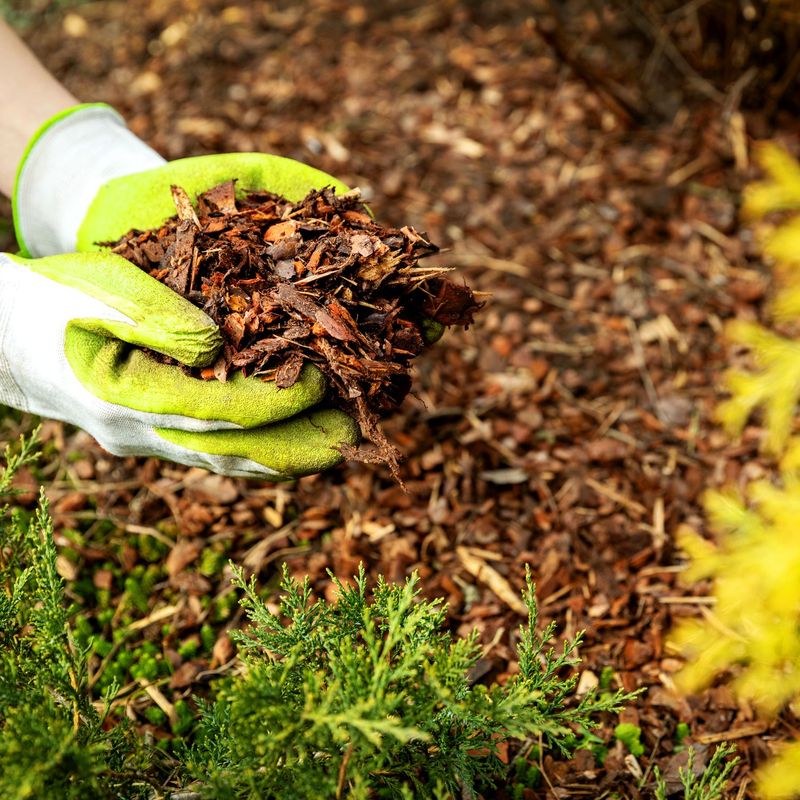
A layer of organic mulch helps create better conditions below the surface. It keeps the soil cooler, slows moisture loss, and reduces temperature swings between day and night.
Keep the mulch a few inches away from stems and trunks so excess moisture does not collect against the plant.
Recovery takes time, and every plant moves at a different pace. Some begin improving within a couple of weeks, while others need much longer before showing clear progress.
Avoid making several changes at once.
Steady watering, cooler soil, and patience usually give damaged roots the best chance to recover naturally before active growth returns later in the season.
6. Wait For Healthy New Growth
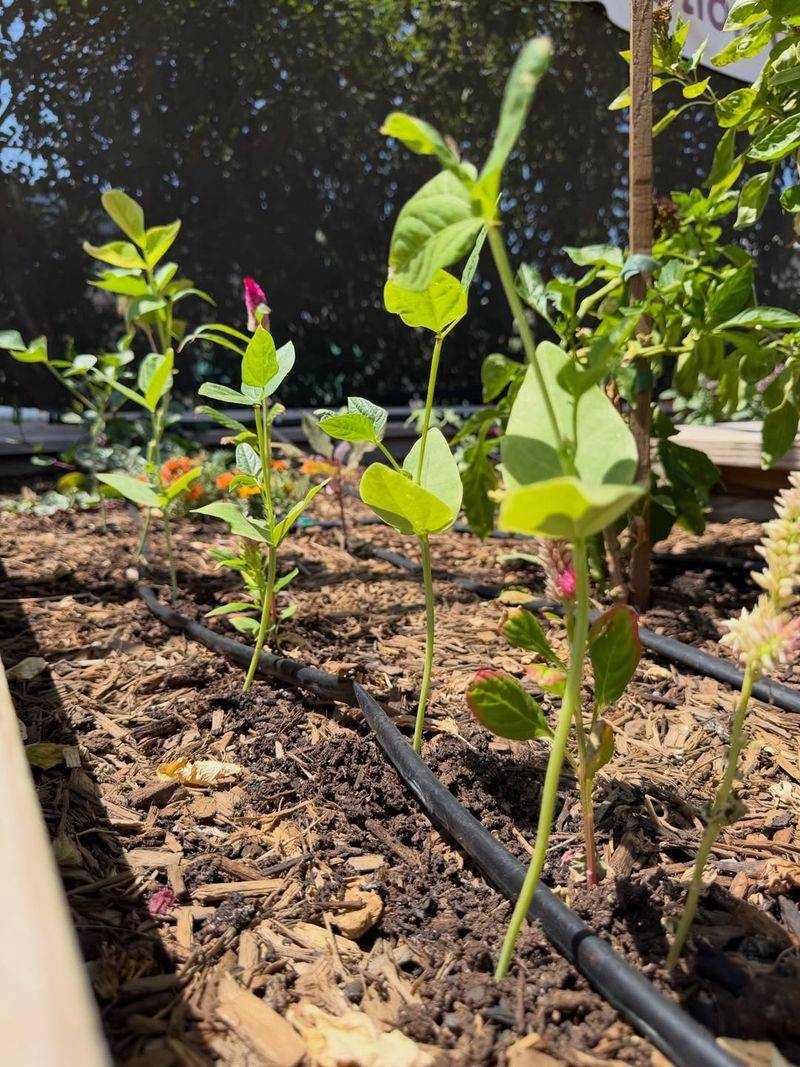
New growth is one of the clearest signs that a plant is ready to become active again. Instead of watching the older leaves, pay attention to the tips of the stems and branches.
Tiny leaves, fresh buds, or new shoots show that the plant has enough energy to begin growing again after slowing down during extreme heat.
Do not rush this stage. Some plants stop producing new growth for weeks while temperatures remain high.
That pause is a normal survival response, not a sign that something is wrong. Trying to force faster growth with extra fertilizer or heavy pruning usually creates more stress instead of helping.
Healthy new growth should look strong and evenly colored. It should continue expanding over several days instead of wilting or drying out shortly after it appears.
Weak, pale, or shriveled shoots often mean the plant is still under stress and needs more time before returning to normal care.
Keep watering consistently and continue watching for steady progress. Once fresh growth becomes stronger and more reliable, you can gradually resume your usual maintenance routine.
Waiting for these natural signs helps you work with the plant instead of against it, leading to healthier growth through the rest of the growing season.
7. Feed Again After The Plant Recovers
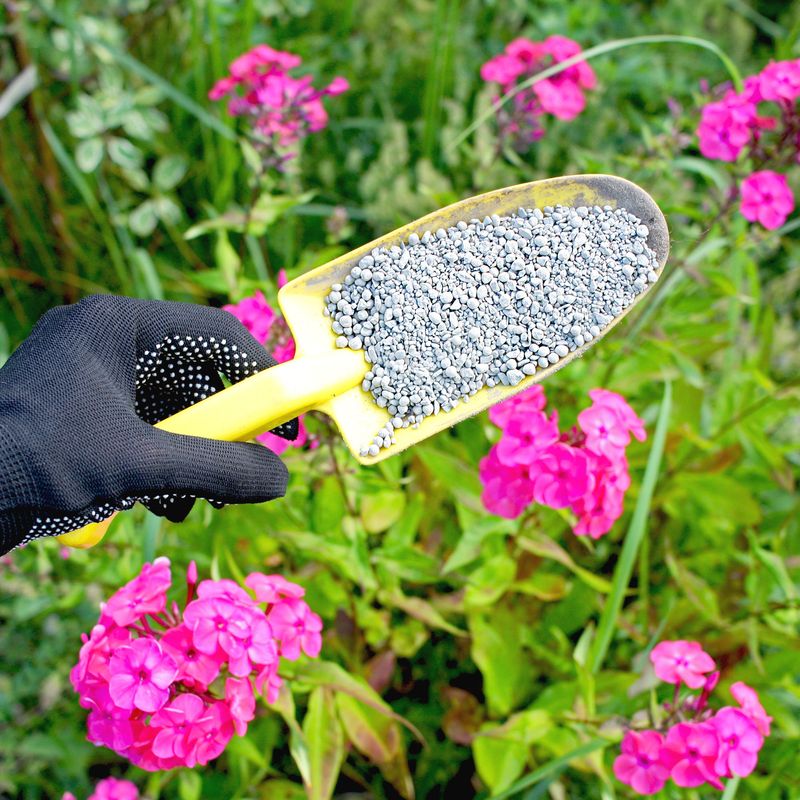
Once the plant has fully recovered, you can begin fertilizing again without placing unnecessary stress on it. Recovery is usually easy to recognize.
The plant should have healthy new growth, firm stems, and leaves that stay upright throughout the day. Those signs show the root system is working well enough to use added nutrients effectively.
Start with a lighter application instead of using the full recommended amount. A gradual approach is easier on recovering plants and gives you time to see how they respond.
If growth continues to improve over the next few weeks, you can slowly return to your normal fertilizing routine.
Always follow the directions on the fertilizer label. Applying more than recommended will not speed up growth or produce healthier plants.
Too much fertilizer can create new problems, especially while plants are still adjusting after a difficult summer.
Keep watching your plants after feeding. Healthy leaves, steady growth, and good color are signs the fertilizer is doing its job.
If growth slows again or leaves begin showing signs of stress, reduce fertilizing and focus on proper watering instead.
Giving plants a careful return to regular feeding helps them build strength gradually and prepares them for the cooler months ahead.