The Reason More Georgia Homeowners Are Planting Tulip Poplar Trees
Some trees quietly earn attention. Georgia homeowners are choosing tulip poplar for more than its rapid growth.
The tall canopy, unusual flowers, and welcome shade make it hard to ignore.
Before adding any tree, take a closer look at what fits your yard. Tulip poplar offers impressive benefits, but it also needs the right space to thrive.
Knowing what it does best can help you decide whether this fast-growing tree belongs in your landscape.
You’ll soon see why so many homeowners are making room for this striking native shade tree.
It may be the perfect choice if you want lasting shade, seasonal beauty, and a tree that truly stands out naturally.
1. Tulip Poplars Grow Faster Than Many Shade Trees
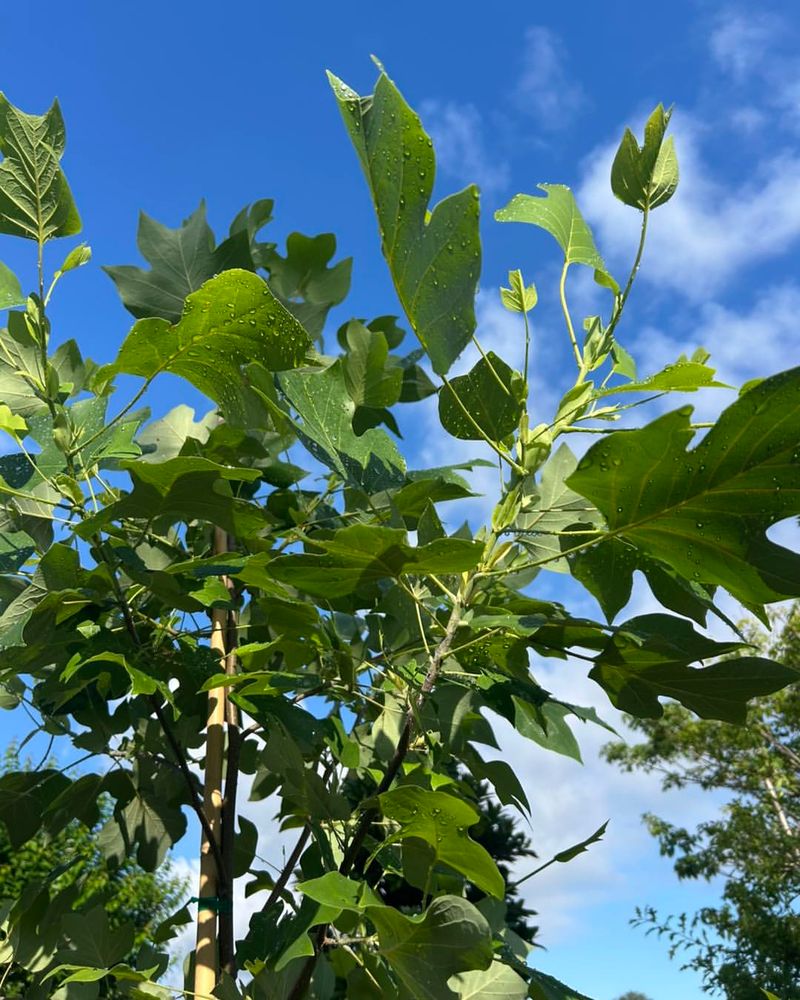
Speed matters when you plant a shade tree. Tulip poplars are known for putting on serious height in a short amount of time, often gaining two to three feet per year under good conditions.
That kind of growth is hard to beat among large native trees.
Most slow-growing hardwoods take decades before they offer real shade. Tulip poplars can reach a usable canopy height within ten to fifteen years, sometimes faster when planted in rich, moist soil with plenty of sunlight.
That timeline makes a real difference for homeowners who want results they can enjoy.
Growth rate can vary depending on soil quality, drainage, and how much water the tree receives during dry stretches. A tree planted in compacted or sandy soil may grow more slowly.
Consistent moisture during the first few years gives the tree a strong head start.
Compared to oaks or maples, tulip poplars tend to establish quickly and push upward with impressive energy. They develop a straight, tall trunk that gives the yard a polished, structured look even before full maturity.
That upright form also makes them easier to work around in a landscape.
2. Large Leaves Create Dense Summer Shade
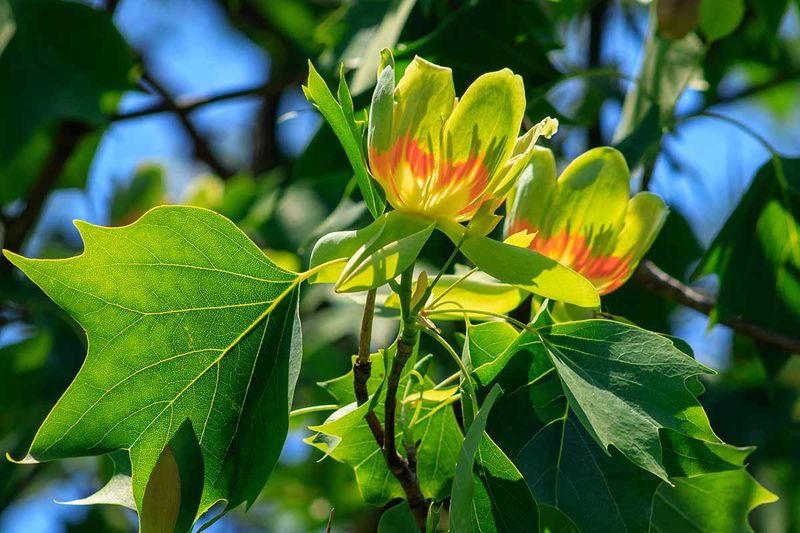
Shade from a tulip poplar hits different. The leaves on these trees are large, broadly shaped, and packed tightly enough along the branches to block serious amounts of sunlight.
Standing under one on a hot afternoon tells you everything you need to know.
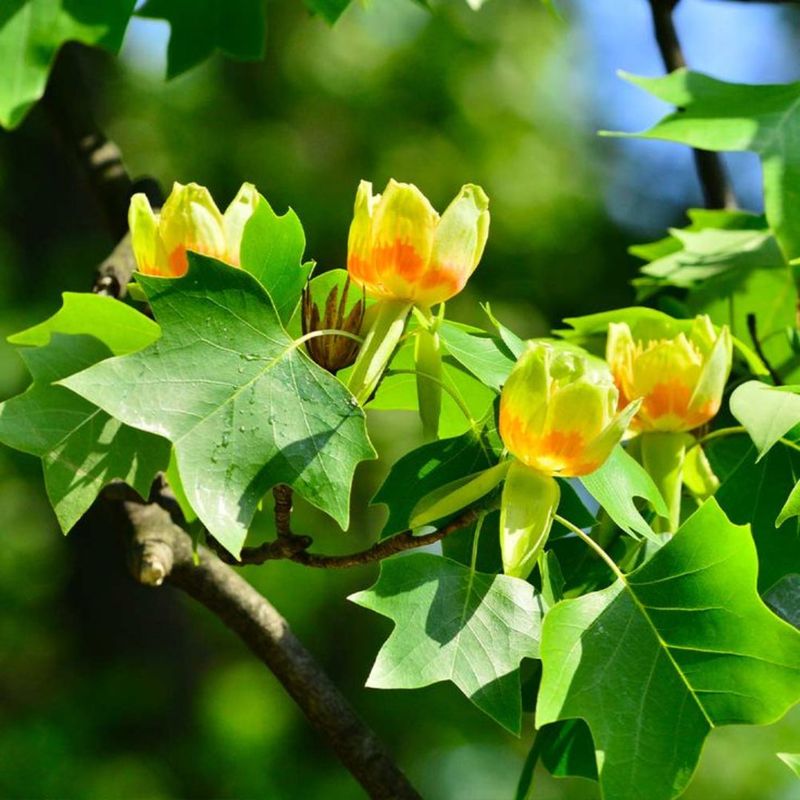
Each leaf can stretch four to eight inches wide, with a distinctive notched shape that makes them easy to recognize.
When fully leafed out in late spring and summer, the canopy forms a thick, overlapping layer that keeps the ground beneath noticeably cooler.
That shade can reduce heat buildup around patios, decks, and the sides of a home.
Cooling benefits depend on how the tree is positioned relative to the house. Planting on the south or west side tends to provide the most relief from afternoon heat.
A well-placed tulip poplar can make outdoor spaces more comfortable during the warmest months of the year.
Leaves drop in fall, which opens up the canopy and lets winter sunlight through. That seasonal shift is actually useful for homeowners who want warmth in cooler months.
The leaf litter breaks down fairly quickly and adds organic matter back into the soil. Raking is manageable since the large leaves are easy to gather.
Your Georgia Garden Changes Every Week. Your Plan Should Too.
Gardening in Georgia changes quickly throughout the season. Every Friday you’ll receive a simple weekly plan showing exactly what to plant, prune, fertilize, harvest, and protect so you never miss the right timing.
3. Spring Flowers Attract Bees And Pollinators
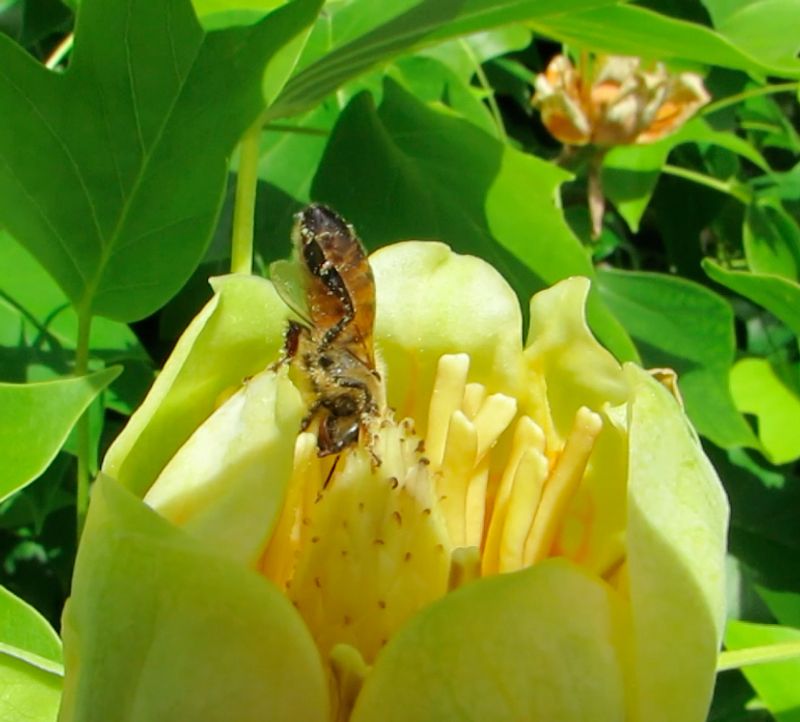
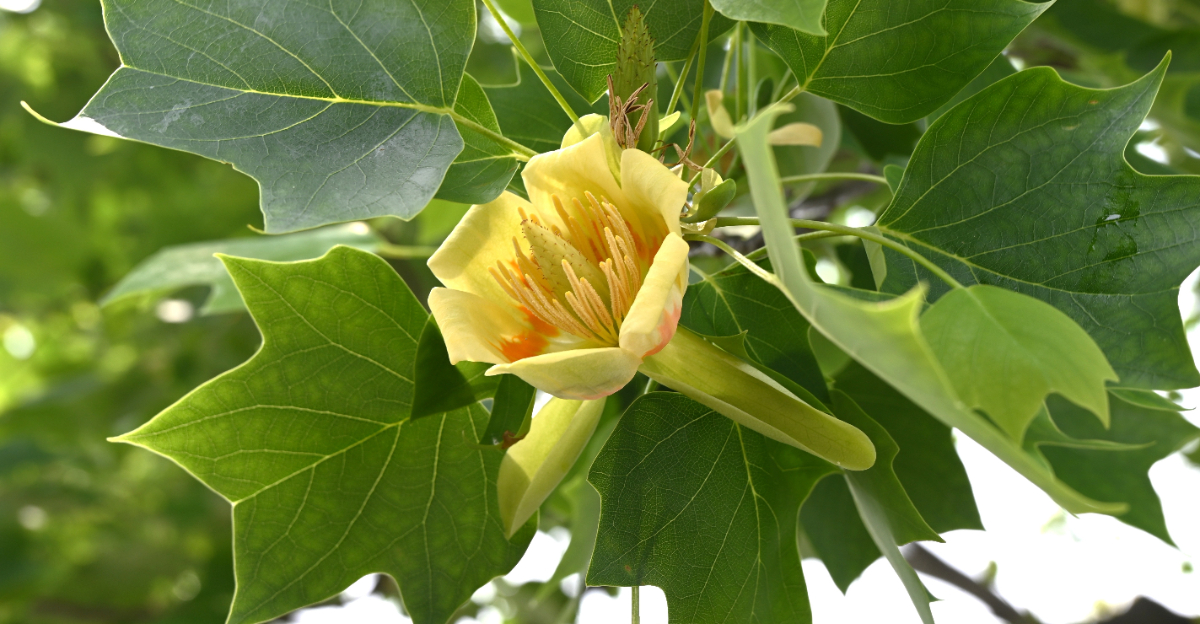
Few people expect a towering tree to put on a flower show, but tulip poplars do exactly that. Every spring, the upper branches fill with large, cup-shaped blooms that are orange, yellow, and green.
They are easy to miss from ground level, but pollinators find them without any trouble.
Honeybees are especially drawn to these flowers. The blooms produce a generous amount of nectar, and beekeepers in the region often consider tulip poplar one of the most valuable honey-producing trees available.
The nectar yield per flower is notably high compared to many other native trees.
Beyond honeybees, native bees, hummingbirds, and various insects visit the blooms throughout the flowering period, which typically runs from April into May.
Having a reliable nectar source during that window helps support pollinator populations that also benefit garden plants nearby.
Flowers appear once the tree reaches a certain maturity, usually after several years of growth, so younger trees may not bloom right away. Patience pays off.
Once flowering begins, it tends to happen consistently each spring under normal conditions. The blossoms eventually drop to the ground, which some people find slightly messy but entirely manageable.
4. Native Trees Support Local Wildlife
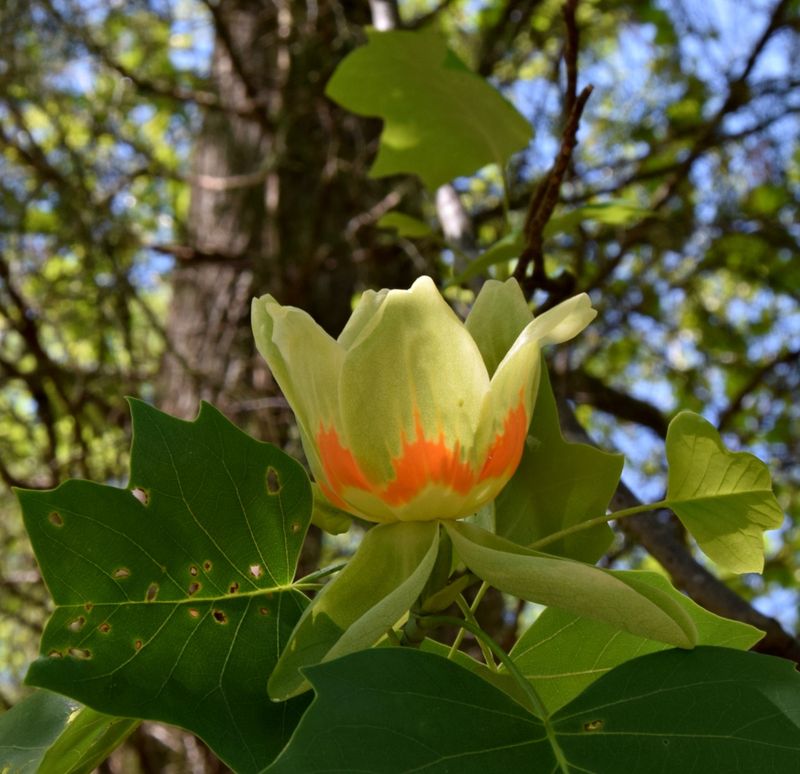
Planting native trees is one of the most effective things a homeowner can do for local wildlife. Tulip poplars are native to the eastern United States, which means local insects, birds, and small mammals have evolved alongside them.
That relationship matters more than most people realize.
Caterpillars of several moth and butterfly species feed on tulip poplar leaves. Those caterpillars then become food for nesting birds, especially during breeding season when protein demand is high.
A single tree can support a surprising web of activity when it is well established.
Birds use the tall, straight trunks for nesting and perching. Woodpeckers are particularly attracted to mature tulip poplars.
Squirrels and other small mammals also take advantage of the tree for shelter and foraging opportunities throughout the year.
Non-native ornamental trees often fail to provide these same connections. They may look attractive but offer little to the local food web.
Tulip poplars, by contrast, plug directly into the ecosystem that already exists in your yard and neighborhood. Choosing a native tree is a practical way to increase biodiversity without extra effort.
Once established, the tree does the work on its own.
5. Wide Canopies Need Room To Spread
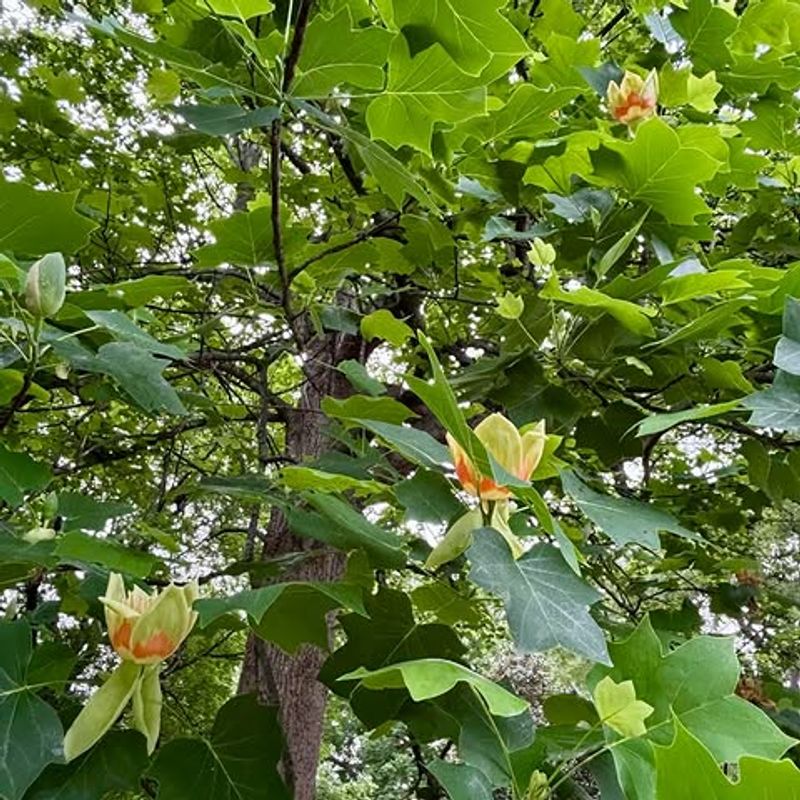
A tulip poplar is not a tree for tight spaces. At full maturity, the canopy can spread thirty to fifty feet wide, and the roots extend outward to match.
Planting one too close to a structure, fence, or utility line creates problems that are difficult to correct later.
Before choosing a planting spot, look up and look out. Overhead power lines are a common conflict with large trees.
Branches that grow into lines become a maintenance issue and a safety concern. Keeping at least thirty feet of clearance from structures is a reasonable starting point for most properties.
Root spread is another factor worth thinking through carefully. Tulip poplar roots tend to stay relatively deep compared to some other large trees, but they do extend wide.
Sidewalks, driveways, and shallow utility lines can still be affected over time if the tree is planted too close.
Wide canopy spread is actually one of the tree’s best qualities when space is available. A fully grown tulip poplar can shade a large portion of a yard on its own.
That coverage is genuinely impressive and reduces the need for multiple smaller trees to achieve the same effect. Choosing the right location before planting is far easier than managing problems after the tree is established.
6. Give This Tree Plenty Of Growing Space
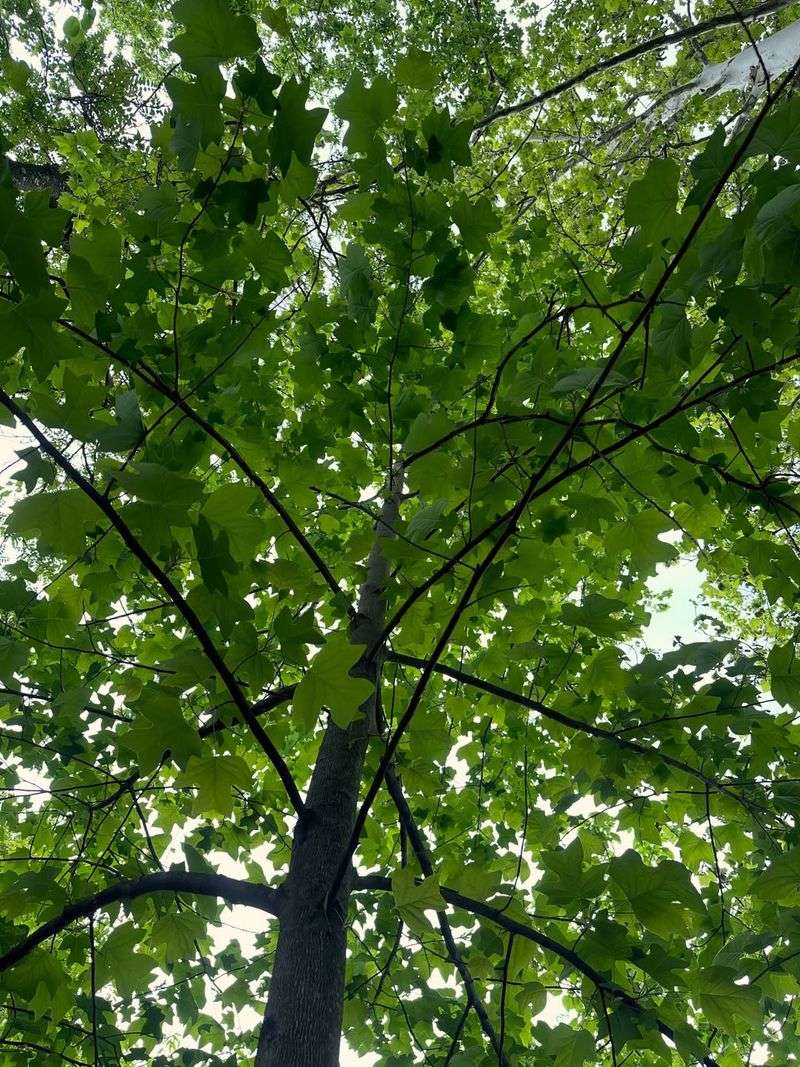
Spacing a tulip poplar correctly from the start saves a lot of frustration later. Young trees look small and manageable, but they grow quickly and need room in every direction.
Crowding one near a fence, shed, or other tree limits its development and can create structural issues as it matures.
A general guideline is to plant at least twenty-five to thirty feet away from any structure or permanent fixture. That buffer gives the canopy room to develop naturally without pruning pressure.
Trees that grow with minimal interference tend to have better form and stronger branch structure over time.
Nearby trees also compete for light, water, and nutrients. Planting a tulip poplar too close to other large trees can slow its growth and reduce the quality of its canopy.
Open lawn areas or yard edges work well as planting sites where competition is lower.
Vertical clearance matters just as much as horizontal space.
Tulip poplars can reach eighty feet or taller under favorable conditions, so overhead obstacles like power lines or roof overhangs should be factored into site selection before the tree goes in the ground.
Once established, a well-spaced tulip poplar grows with impressive vigor and requires relatively little intervention. Giving it room to do what it naturally does is the simplest form of care you can offer.
7. Rich Moist Soil Produces The Best Growth
Soil type shapes how well a tulip poplar performs over its lifetime. These trees grow best in deep, rich, well-drained soil that holds moisture without becoming waterlogged.
Getting that balance right makes a noticeable difference in how fast and healthy the tree grows.
Sandy or heavily compacted soils tend to limit root development. Roots need to spread and access water consistently, especially during the first three years after planting.
Amending poor soil with compost before planting can help, though results vary depending on the existing soil profile and drainage conditions.
Low-lying areas that stay wet for extended periods are not ideal planting spots. Standing water around the root zone can stress the tree over time and reduce its overall vigor.
Slightly elevated spots with good drainage and access to moisture work better for long-term establishment.
Mulching around the base of the tree helps retain soil moisture and moderate soil temperature during summer heat. Keep mulch a few inches away from the trunk to avoid creating conditions that could harm the bark.
A layer two to three inches deep extending out to the drip line is a practical approach that benefits most young trees.
Georgia’s clay-heavy soils in many areas can actually work in the tulip poplar’s favor since clay holds moisture reasonably well.