Garden Habits That Attract Leaffooted Bugs To Georgia Vegetable Beds
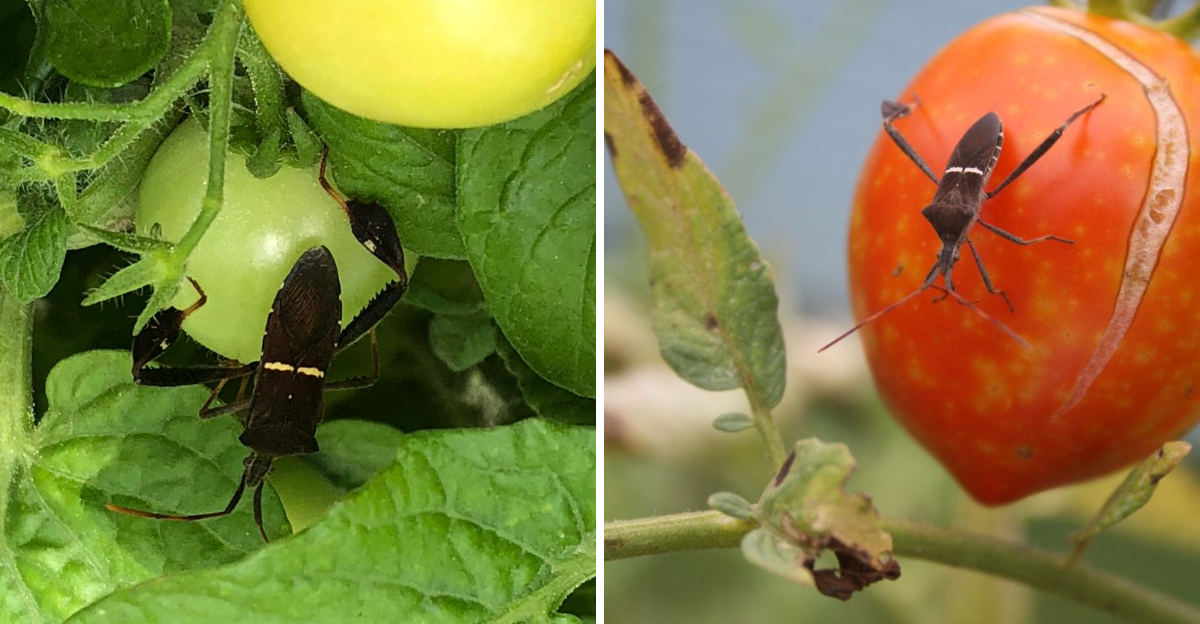
Your tomatoes look fine from the porch.
Walk closer and something has been happening on the underside of that fruit cluster.
Small sunken spots. Pale, hardened patches under the skin. Nothing dramatic, and nothing that announced itself while it was happening.
Whatever caused it left before you got there. It usually does.
Georgia gardens run long seasons, which means certain insects get months to work rather than weeks. One of them has adapted to backyard vegetable beds so well that most gardeners never see the culprit, only the receipt.
Here’s what makes this frustrating. The bug is rarely the whole story.
Something in the garden invited it. A habit, usually. Sometimes several small habits that individually seem harmless and collectively read like a welcome mat.
A pile in the corner. A fence line nobody trims. Six of the same crop planted side by side.
None of it looks like a mistake. All of it makes the garden easier to use.
Curious which of your habits made the list?
1. Leaving Fallen Fruit And Seed Heads Under Plants
One dropped tomato does real work in a Georgia garden, and not for you.
Leaffooted bugs feed readily on damaged produce, split peppers, and drying seed heads. Easy moisture and plant juices with minimal effort.
Yesterday’s harvest scraps register as an invitation. Soft fruit lying under vines also provides cover, letting insects feed out of sight before returning to healthy plants.
Warm weather stretches the feeding season longer here than in most states. Adults stay active well into fall, which makes weekly cleanup more valuable than occasional big efforts.
Harvest often and remove anything cracked, sunken, or pecked by birds. Damaged fruit attracts more attention than intact fruit.
Seed saving needs a little planning. Store drying heads away from vegetable rows rather than beside the crops.
Compost placement matters more than people think. A loose pile of culls next to the pepper bed functions as a staging area.
Bury scraps properly, use a closed bin, or move culls far enough that insects don’t simply wander back.
Pomegranates and other fruiting plants nearby deserve attention too, since leaffooted bugs use a wide range of hosts and move between them.
A quick evening walk with a bucket removes food and shelter at once. Ten minutes of cleanup protects more fruit than most sprays manage.
2. Keeping Weeds And Wild Edges Too Close
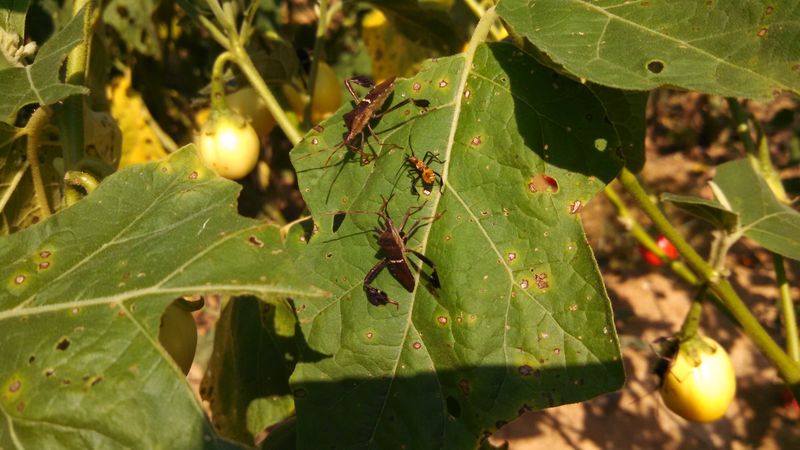
Pests travel along fence lines the way commuters use a familiar road.
Weedy borders, tall grass, and volunteer plants provide cover, moisture, and staging areas before insects move into vegetables.
Many of them don’t start life on your crop. Wild hosts near the garden can support feeding and reproduction first, then tomatoes and peppers become the next stop once fruit begins coloring.
Georgia yards often stack habitats close together. Ditch banks, ornamentals, woods edges, and uncut corners create a patchwork that looks pleasant and functions as a bridge.
Thistles, wild blackberry, and other fruiting weeds get used regularly. Volunteer nightshades right beside the food patch are worth pulling first.
Your Georgia Garden Changes Every Week. Your Plan Should Too.
Gardening in Georgia changes quickly throughout the season. Every Friday you’ll receive a simple weekly plan showing exactly what to plant, prune, fertilize, harvest, and protect so you never miss the right timing.
Mowed paths or a mulched buffer slow movement and make insect activity easier to notice.
Trimming near beds improves airflow too, which helps plants dry after Georgia’s heavy dew and afternoon storms.
Bare ground across the whole yard is not the goal here. Habitat has real value.
Placement is what changes. Keep pollinator plantings farther from crops and clear the immediate perimeter.
Managed edges won’t stop every insect. They do make your vegetables harder to reach and considerably easier to monitor.
3. Planting Too Many Fruiting Crops In One Spot
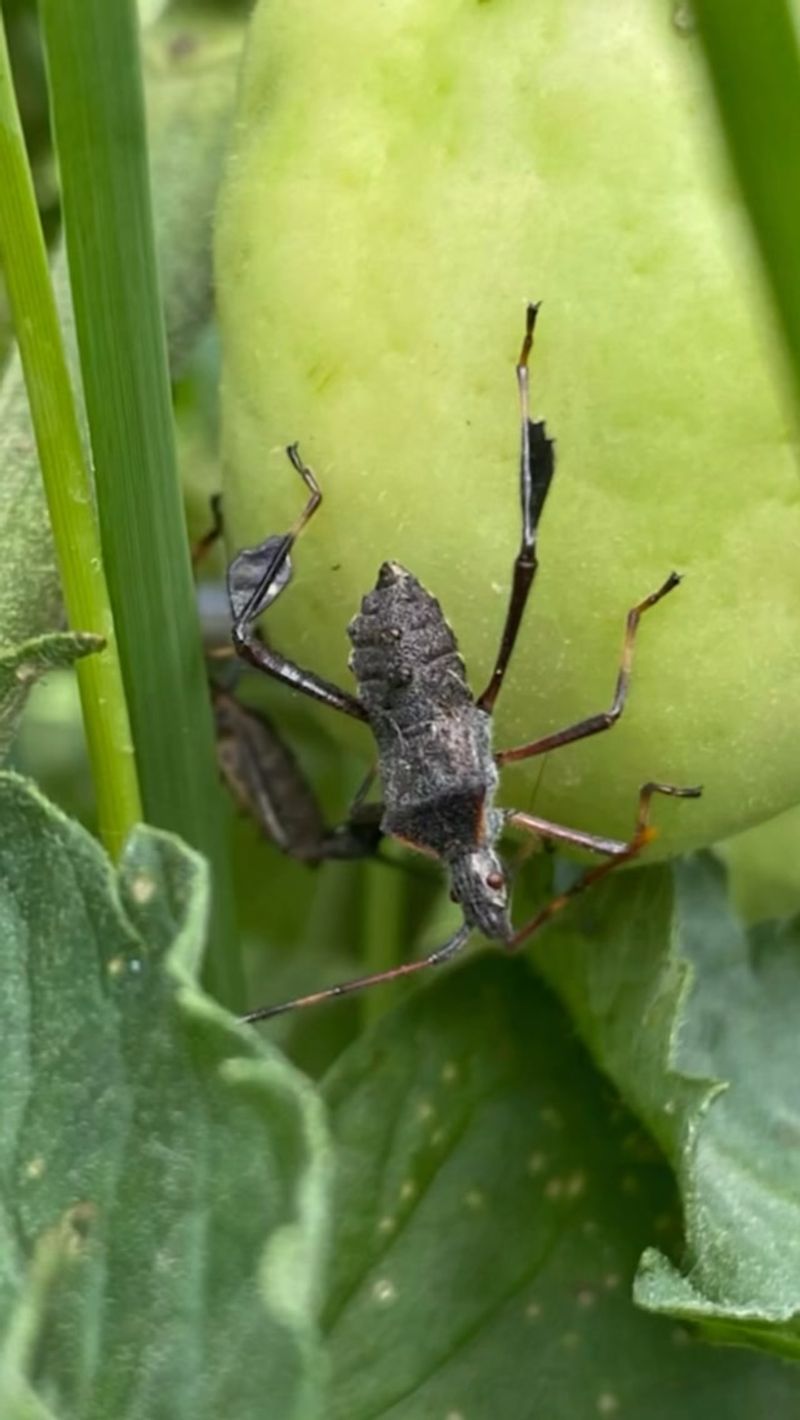
A big planting of tomatoes, peppers, and eggplants looks generous. Pests read it as convenience.
Favorite crops growing shoulder to shoulder let leaffooted bugs feed, rest, and move without ever leaving good habitat.
Grouped planting also delays detection. Pale patches on one tomato hide behind dense foliage while nearby peppers collect feeding punctures the same week.
Mixing in herbs, flowers, or leafy vegetables interrupts that pattern. Basil, zinnias, marigolds, and okra don’t provide magic protection, though variety does change how insects move through a bed.
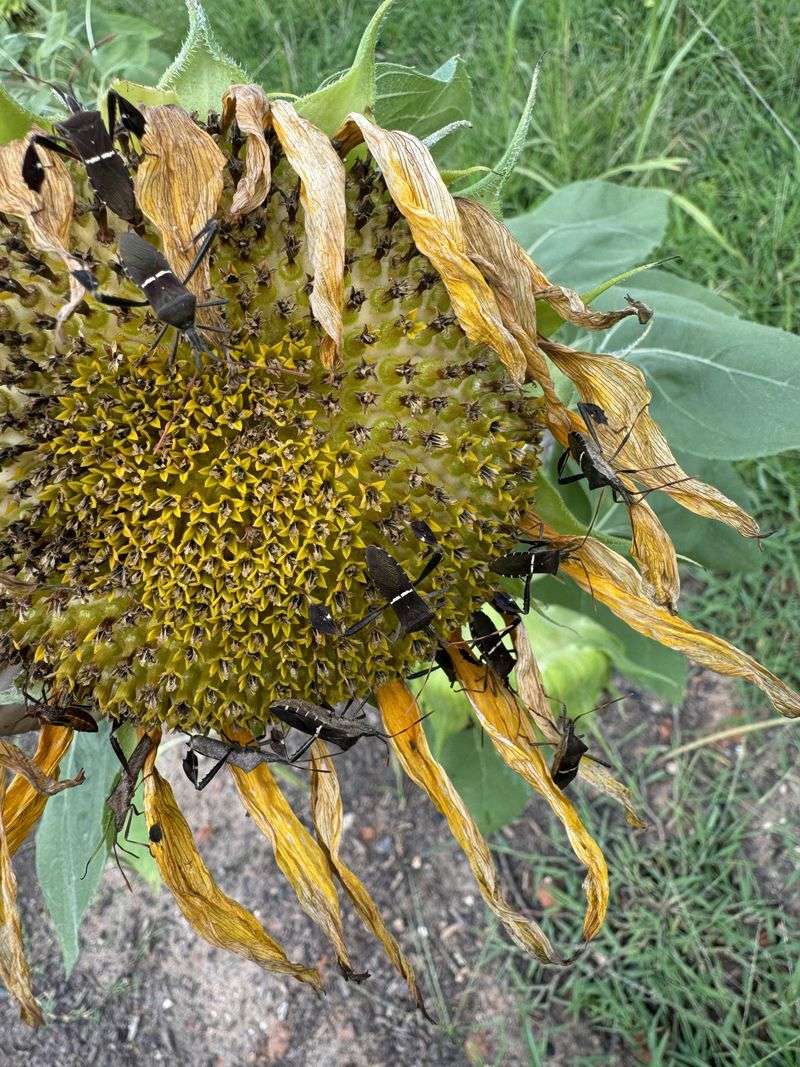
Worth noting: sunflowers and okra are both attractive to leaffooted bugs, so they draw insects as readily as they distract them.
Some gardeners use that deliberately as a trap crop, checking those plants first and removing insects there.
Spacing carries as much weight as plant choice. Better airflow, faster drying leaves, and actual access to fruit clusters all follow from it.
Georgia gardens grow fast after rain and fertilizer. Pruning crowded stems keeps sunlight on fruit and makes eggs and nymph clusters visible earlier.
More plants feels productive while creating a shortcut. A mixed, breathable layout makes every inspection walk more useful and gives insects fewer easy options in one place.
4. Skipping Fall Cleanup Around Vegetable Beds
Autumn tempts gardeners to relax exactly when pests start planning ahead.
Dead vines, soft fruit, and leaf piles around beds give adult leaffooted bugs protected places to shelter as temperatures drop.
Georgia winters rarely solve this problem. Mild weather lets adults survive, particularly where debris holds warmth and blocks wind.
Selective cleanup works better than a scorched earth approach. Remove spent plants, badly damaged fruit, and cluttered piles near beds while leaving habitat farther out for birds and beneficial insects.
Compost handling deserves thought after a pest year. Heavily infested vines and rotting produce are better removed or hot composted than tossed loosely near next season’s beds.
Home piles often don’t reach temperatures that reliably handle pests and pathogens, which argues for keeping infested material out.
Spring brings a payoff. Clean beds are far easier to scout early, when weeds, eggs, and fresh damage still stand out.
Timing has some flexibility. Late fall cleanup near beds accomplishes most of the goal, so it needn’t happen the week the harvest ends.
Overwintering adults gather in sheltered spots rather than in the soil, which is why surface clutter matters more than digging.
Closing a busy campsite before uninvited guests settle in describes the job reasonably well. A few hours in November lowers pressure in June.
5. Using Too Much Broad Spectrum Insect Control
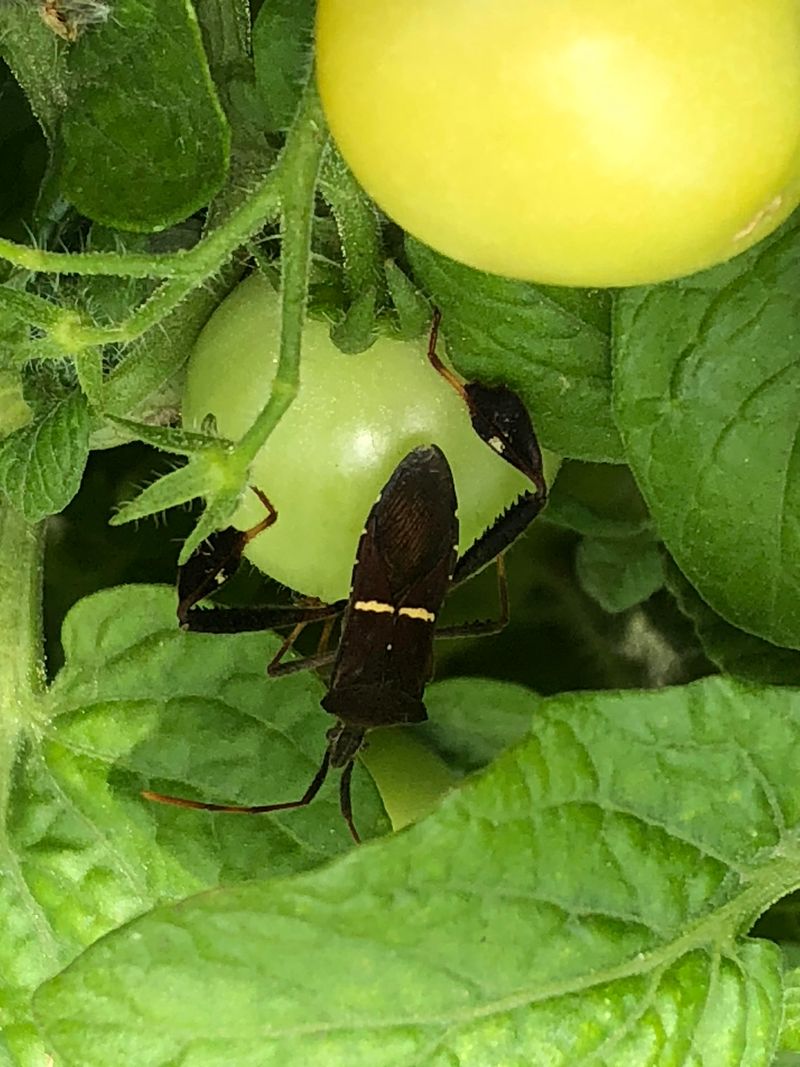
Spraying everything you see feels responsible, particularly once fruit shows damage.
Broad spectrum products often knock out beneficial predators before they touch the actual pest.
Lady beetles, assassin bugs, spiders, and parasitic wasps all work without charging anything. Reducing their numbers can leave the garden easier for pests to reoccupy.
Leaffooted bug adults are difficult targets anyway. They move fast, hide well, and frequently arrive from outside the bed.
A blanket spray may miss them entirely while coating blossoms and the small creatures helping keep the garden steady.
Tachinid flies parasitize leaffooted bugs and their relatives, and broad sprays remove that pressure along with everything else.
Inspection tends to pay better than routine spraying in a home garden. Look for egg chains on stems, clustered nymphs on fruit, and feeding spots.
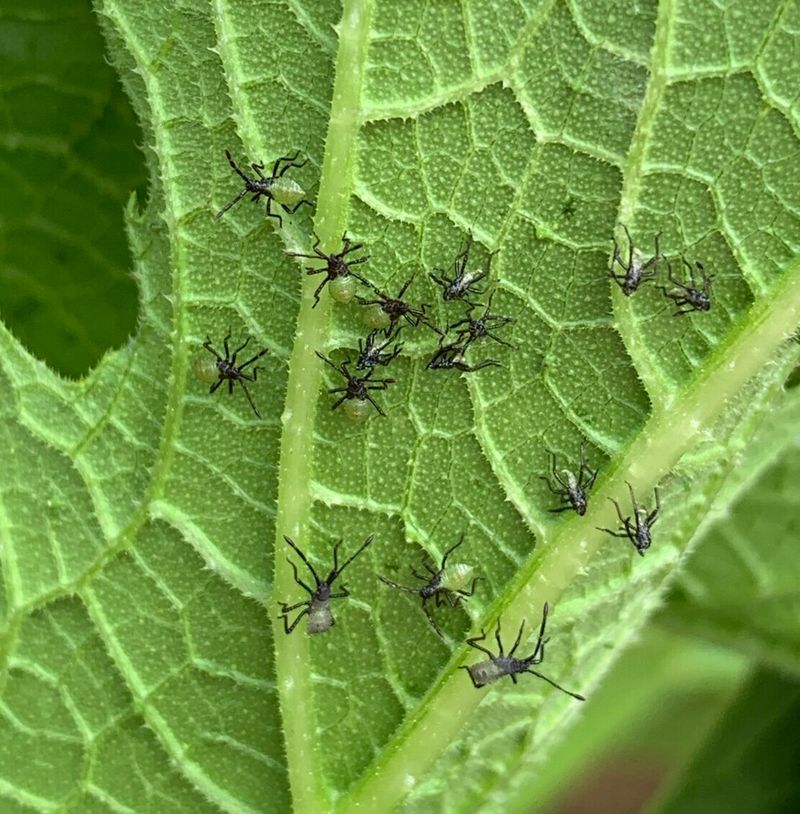
Nymphs are considerably more vulnerable than adults, so catching them early changes the whole season.
Hand removal works well at garden scale. Knock insects into soapy water in the cool morning when they move slowly.
A healthy garden is never silent or sterile. Protecting predators means leaffooted bugs face pressure from the system around them every day they stay.
6. Growing Favorite Host Plants Without Regular Checks
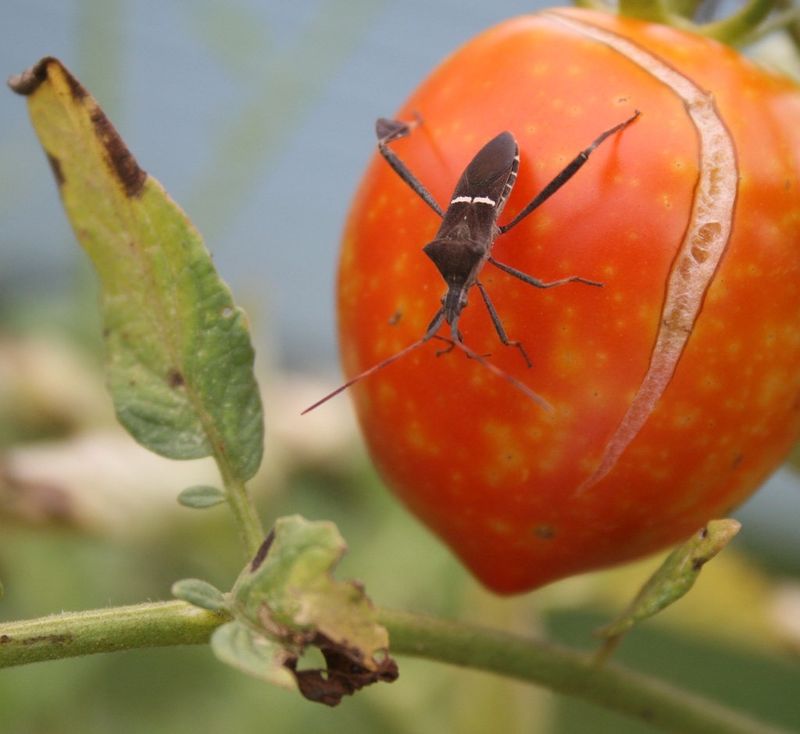
Some crops effectively advertise. Tomatoes, peppers, eggplants, and several fruits offer the developing tissue leaffooted bugs prefer to pierce.
Growing those crops is entirely normal. Nobody needs to abandon favorite harvests.
Trouble begins when regular checking stops, letting eggs, nymphs, and feeding injury accumulate unnoticed.
Nymphs stay clustered after hatching, which makes them easier to handle. Adults scatter quickly, so early detection matters.
Weekly scouting gives you a real chance to act before numbers spread across multiple beds.
Check stems, fruit clusters, and leaf undersides once or twice a week. Barrel shaped eggs lined up along stems and veins are the clearest early signal.
Feeding damage on tomatoes typically shows as pale or yellow spots that stay firm beneath the skin. Fruit remains edible after trimming in most cases.
Nymphs look nothing like adults, which trips people up. Early stages are often reddish orange with dark legs and get mistaken for beneficial insects.
Healthy vigorous plants absorb a certain amount of feeding. The goal is protecting enough fruit to make the work worthwhile.
A short walk with curious eyes beats a long campaign after damage becomes obvious. Monitoring converts a nasty surprise into a manageable situation.
7. Leaving Warm Winter Shelter Areas Untouched
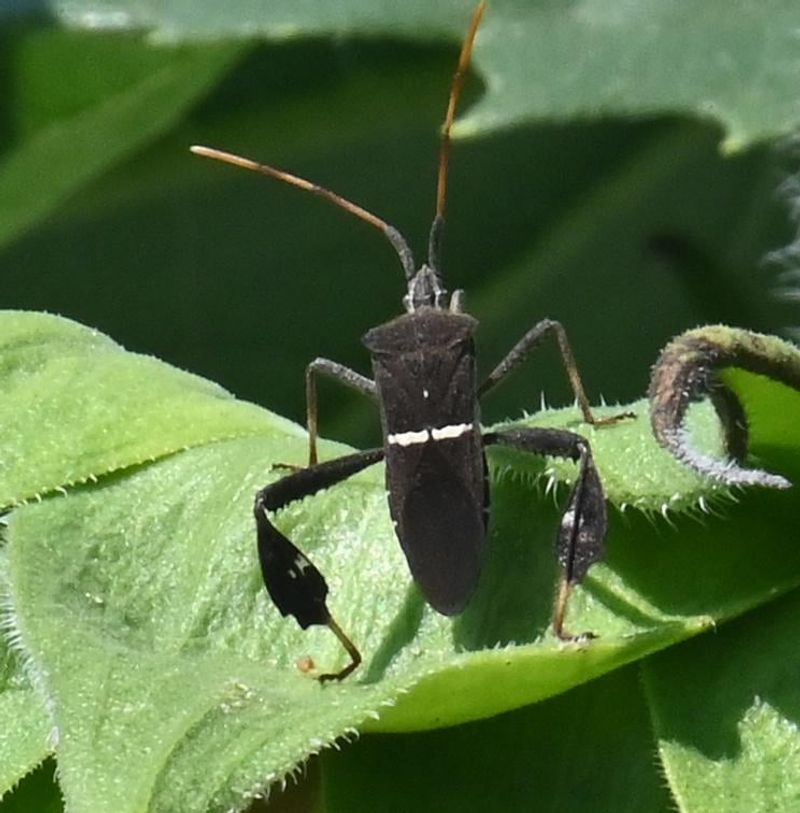
Mild Georgia winters give pests survival odds their northern counterparts never get.
Wood piles, stacked pots, dense shrubs, and leftover debris all shelter adult leaffooted bugs until spring warmth arrives.
Those hiding places seem unrelated to summer tomato damage. Insects overwintering near the garden simply have a shorter trip when new growth appears.
Firewood is useful, old pots get reused, and evergreen screens serve a purpose. The issue is placement rather than existence.
Problems compound when every sheltered object sits directly beside the vegetable bed, creating a launch point a few feet from the crop.
Moving stored materials away from beds accomplishes most of the goal. Clearing unneeded boards and containers helps too.
Thinning perennial corners that trap leaf litter beside tomatoes reduces available shelter without stripping the yard.
Adults may cluster in groups during winter, so finding several in one spot is common rather than unusual.
Wildlife habitat still matters, and gardens benefit from bird cover and insect diversity. Choosing where those comfort zones sit is the whole adjustment.
Thinking ahead in winter makes spring feel less chaotic. Reducing clutter near beds removes easy lodging and makes the garden a less convenient address.
8. Neglecting The Simple Care That Builds Resistance
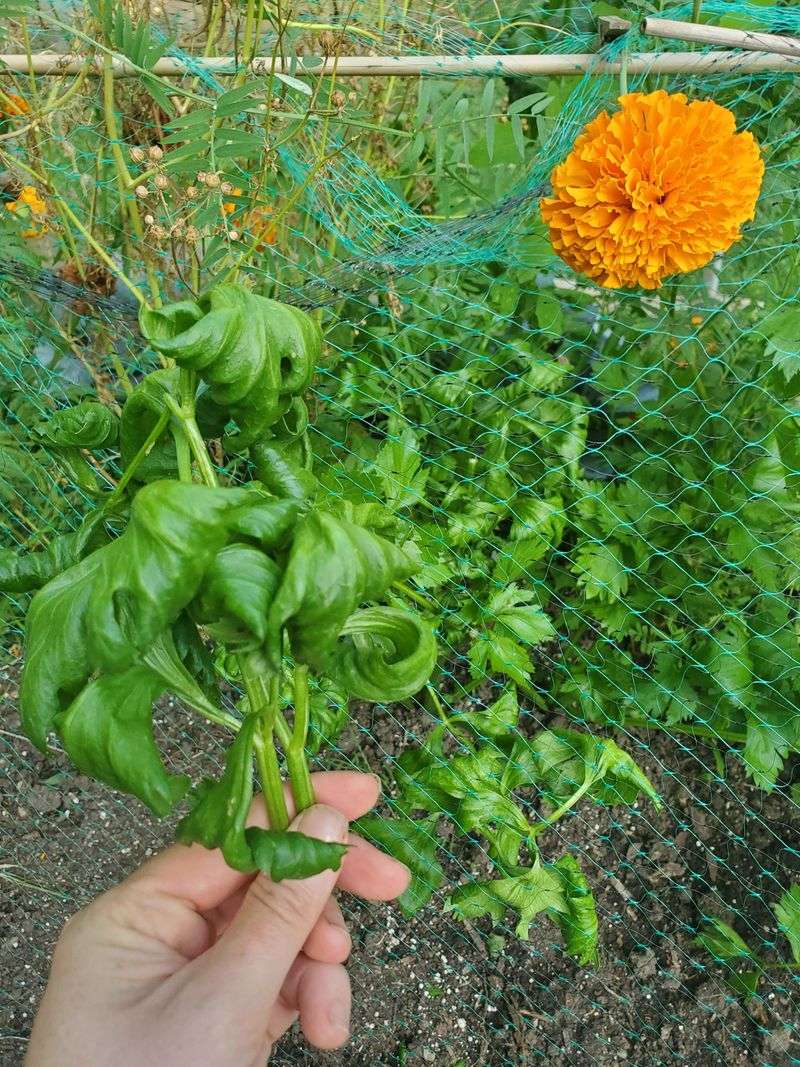
Sometimes the biggest attractant isn’t one mistake but a run of small things left undone.
Weak plants, tight spacing, missed harvests, and rushed inspections combine into a bed that’s easy for pests to use all season.
Leaffooted bugs look for food, shelter, and places nobody watches closely. A garden can stay beautiful and productive while supplying all three.
Healthy soil supports deeper roots, and mulch holds moisture through Georgia heat. Strong plants aren’t pest proof, though they tolerate feeding damage better.
Spacing and pruning make every other task easier to do properly. Clear sightlines to fruit, real airflow between plants, and early detection all follow.
A weekly walk may be the single most useful habit available. Look under leaves, pick ripe produce, remove damaged fruit, and note where insects gather after storms.
Row covers work on young plants before flowering, and removing them at bloom lets pollinators in.
Timing beats intensity throughout. Late summer into fall is typically when leaffooted bug numbers peak in Georgia, so scouting matters most then.
Balanced gardens contain insects and don’t require expensive fixes.
Steady care removes attractants and supports the predators doing free work. Leaffooted bugs then have to earn every bite, which is about all any gardener can arrange.