Skip Ajuga In North Carolina Shade Borders And Plant This Native Mat-Former Instead
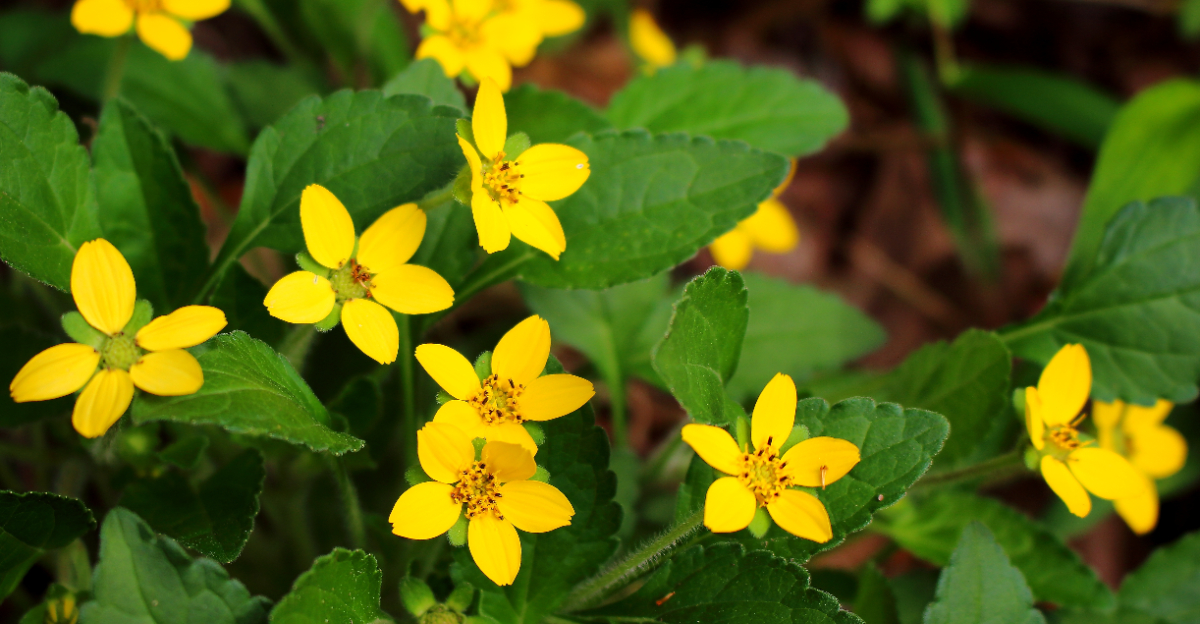
Green and gold offers North Carolina gardeners a native alternative to ajuga that performs just as well without the aggressive spreading concerns.
This low growing mat former thrives in shaded borders, producing cheerful yellow blooms that ajuga simply cannot match.
Unlike ajuga, which can spread uncontrollably into lawns and garden beds, green and gold stays more manageable while still filling space effectively. Its dense growth habit suppresses weeds naturally, reducing the need for regular maintenance once established.
This native plant also supports local pollinators, adding ecological value that non native groundcovers often lack. Green and gold tolerates North Carolina’s humidity and clay soil far better than many imported groundcover options.
Its foliage remains attractive through most of the year, offering texture even after blooming ends. Switching to this native option gives shaded borders a beautiful, lower maintenance alternative.
1. Ajuga Is Not Native To North Carolina
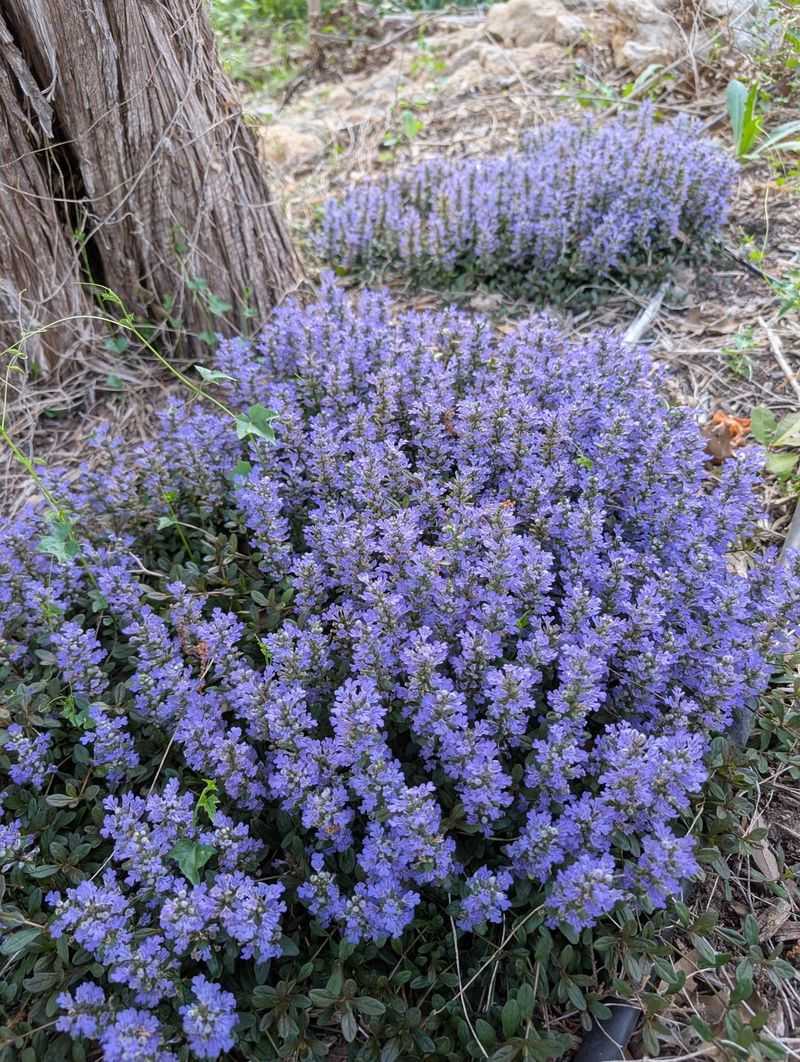
Most gardeners are surprised to learn that the ajuga growing in their shade border traveled a long way to get there. Common ajuga, known botanically as Ajuga reptans, is native to Europe, northern Africa, and southwestern Asia.
It has no natural history in North Carolina’s forests, stream banks, or woodland edges, which means it did not evolve alongside the insects, birds, and soil organisms that make up the region’s native plant communities.
North Carolina State Extension classifies Ajuga reptans as a low threat to native plant communities within the state, so it is not a prohibited plant and not every planting escapes into wild areas. That said, the classification of low threat is not the same as no impact at all.
Gardeners building a border around native species still have a clear reason to look elsewhere.
Choosing plants that evolved within your regional landscape is about more than following rules. It is about creating a garden that genuinely connects to the local environment.
A plant native to the North Carolina Piedmont or mountains brings ecological relationships that a European species simply cannot replicate, no matter how well it grows in your yard.
If your goal is a shade border that reflects and supports the local landscape, starting with a native mat-former makes a lot of sense.
Carolina green and gold, a true North Carolina native, gives you that foundation right from the start.
2. Ajuga Can Outgrow A Narrow Shade Border
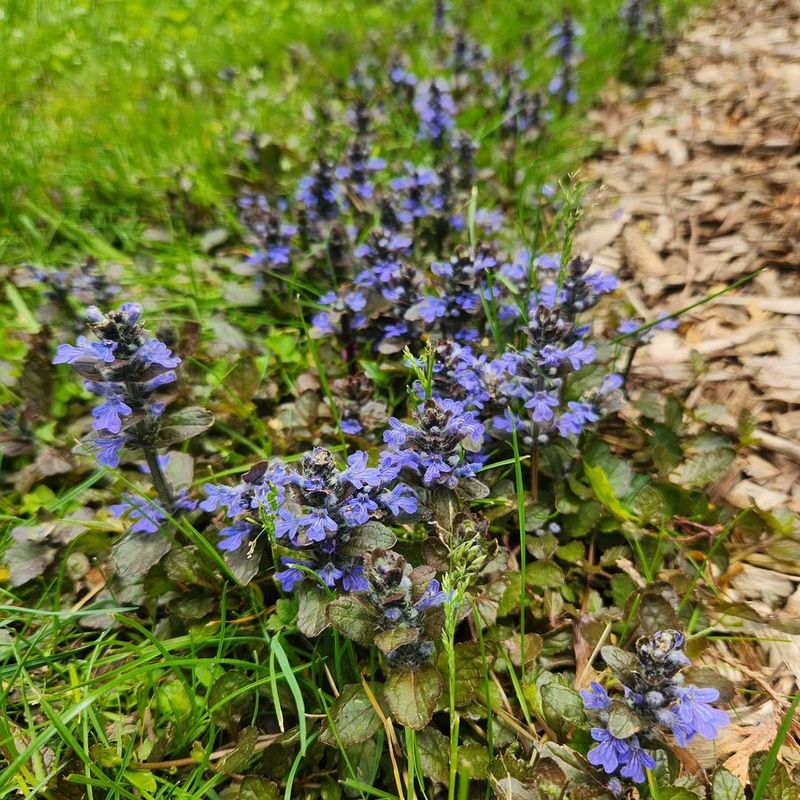
Speed is one of ajuga’s most advertised qualities, and in a wide open space, that speed is genuinely useful. In a carefully arranged shade border, though, the same rapid creeping habit becomes a real management challenge.
Ajuga spreads through offsets and runners that move outward in all directions, and those expanding rosettes do not pause at the edge of a small perennial or respect the gap you left for a wildflower to breathe.
What tends to happen in a narrow mixed border is that ajuga gradually moves around smaller neighbors, covers open planting spaces you were saving, and crosses edging material before you realize how far it has traveled. Repeated division and removal become part of the seasonal routine, and that takes time away from the more enjoyable parts of gardening.
Your North Carolina Garden Changes Every Week. Your Plan Should Too.
Gardening in North Carolina changes quickly throughout the season. Every Friday you’ll receive a simple weekly plan showing exactly what to plant, prune, fertilize, harvest, and protect so you never miss the right timing.
In humid North Carolina summers, crowded growth can also reduce air movement around plant crowns, which is worth watching.
To be fair, ajuga absolutely has a place in gardens where a dense nonnative carpet is the goal and the boundaries can be managed consistently.
A large slope, a wide bed with no delicate neighbors, or a spot where full coverage matters more than plant diversity are all situations where ajuga performs well.
The problem is not the plant itself but the mismatch between its natural behavior and the specific demands of a narrow, mixed, carefully planted shade border.
Understanding that mismatch is the first step toward choosing something better suited to the space you actually have.
3. Carolina Green And Gold Is The Native Alternative
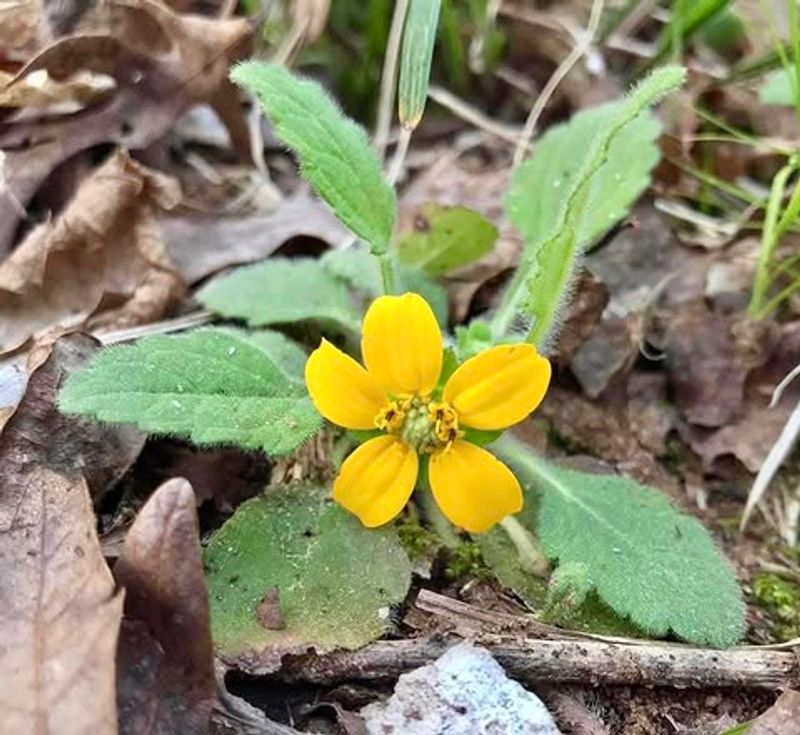
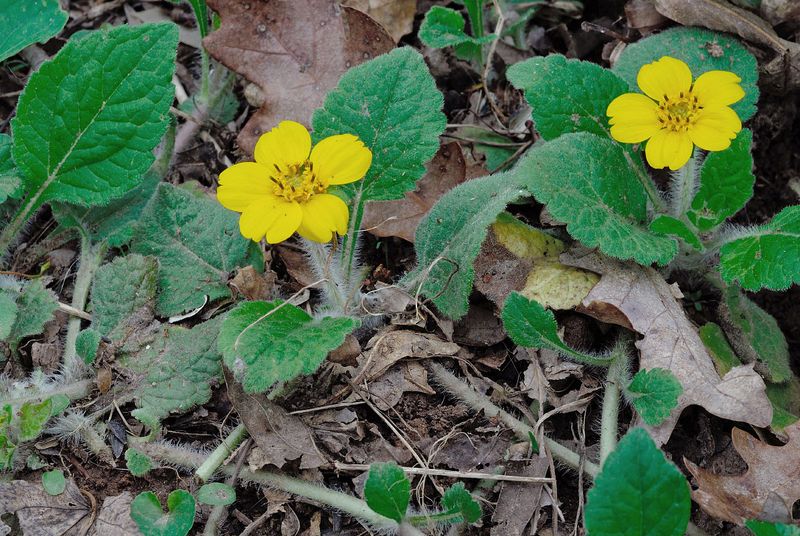
Carolina green and gold, known by the botanical name Chrysogonum repens, is a low herbaceous perennial in the daisy family that truly belongs in the North Carolina landscape.
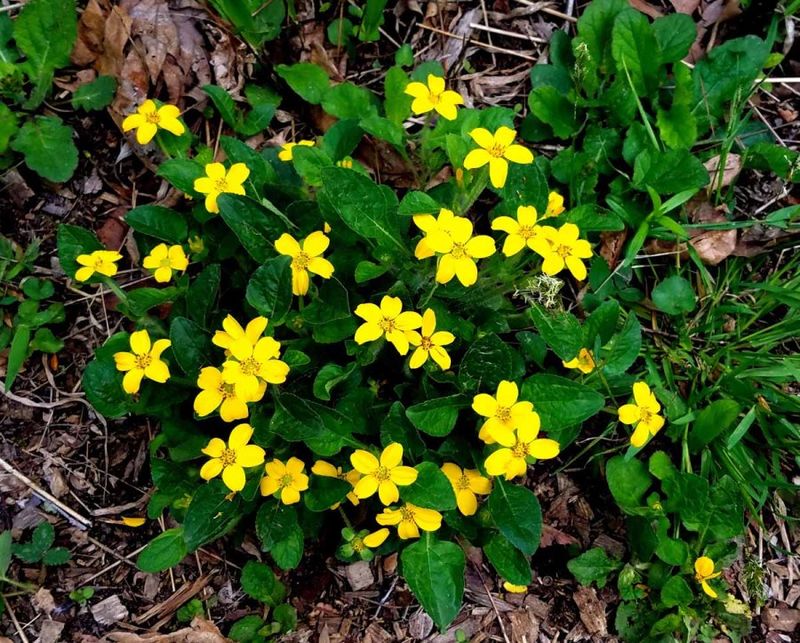
Its scalloped green leaves form a tidy mat close to the ground, and its bright yellow flowers add cheerful color to borders that might otherwise rely entirely on foliage for visual interest.
The overall look is both natural and refined, which makes it easy to work into a variety of garden styles.
Natural populations of this plant are found in the southern mountains and western Piedmont of North Carolina, as well as in other parts of the Southeast.
That regional origin matters because it means the plant already has a relationship with the local climate, soil types, and ecological partners that have shaped this landscape for thousands of years.
It is not simply a substitute for ajuga but a genuinely different kind of plant with a different kind of story.
When shopping for Carolina green and gold, always look for nursery-propagated plants from reputable native plant nurseries. Wild collection puts pressure on natural populations and is not necessary when good nursery stock is available.
It is also worth confirming that the species suits your specific region before planting a large area, since North Carolina spans several distinct climate zones and soil types.
Not every native plant thrives in every corner of the state, so a little research upfront saves a lot of disappointment later on.
4. Spreading Stolons Create A Connected Living Mat
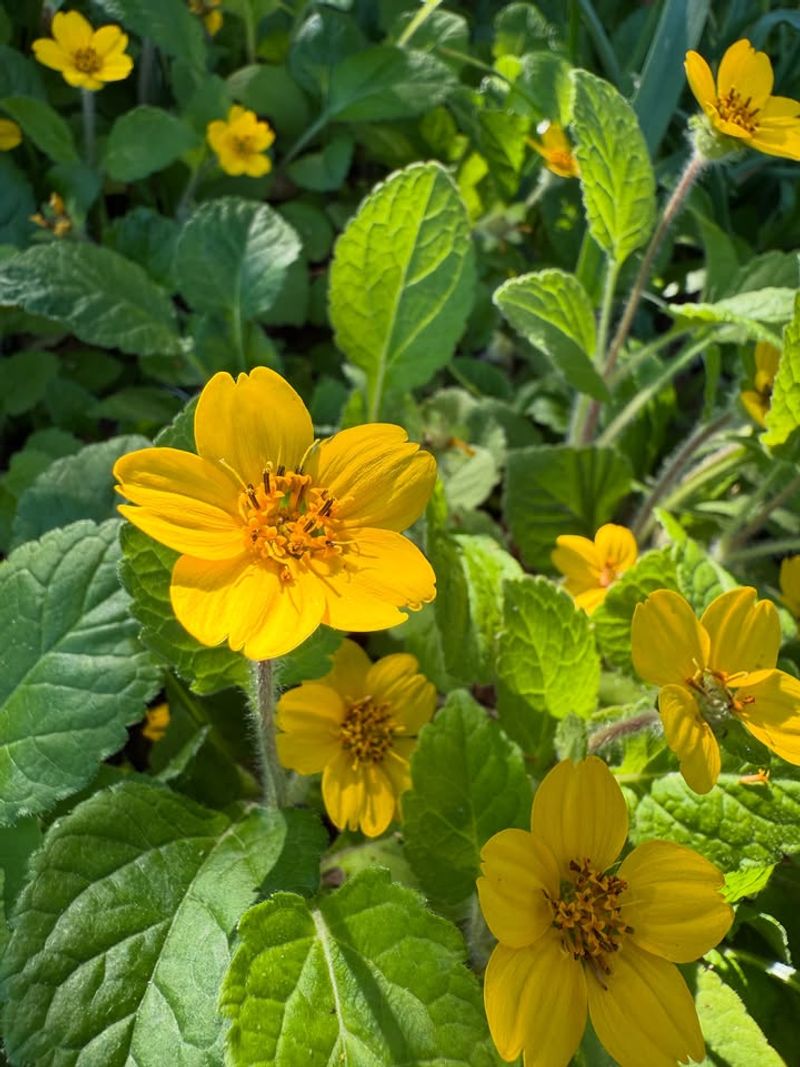
One of the most practical things about Carolina green and gold is the way it spreads.
Rather than sending up tall stems or producing aggressive underground rhizomes, it grows through stolons, which are horizontal stems that travel just above or at the soil surface and produce new rooted growth at intervals.
This method of spreading is gradual enough to watch and manage without feeling like the plant is running away from you.
Under suitable conditions, several plants can gradually meet and form a connected mat roughly one to two feet across per plant over time. That connected mat covers exposed soil in a way that looks intentional and finished rather than patchy.
Because the foliage stays low, it does not create the coarse visual weight that some taller groundcovers bring to a border’s front edge, and it allows shorter wildflowers planted nearby to remain visible above the mat.
The medium growth rate is actually one of this plant’s best qualities for a mixed border. You get time to observe exactly where the mat is heading, and you can lift and relocate stolon tips that start moving toward a neighbor you want to protect.
When you plant Carolina green and gold, give each plant enough room to expand naturally rather than crowding them immediately next to small wildflowers or delicate spring ephemerals.
A little patience during the first season pays off with a fuller, more attractive mat by the second and third year, without the scramble to pull things apart that faster spreaders often demand.
5. Shade Conditions Suit Its Natural Growth Habit
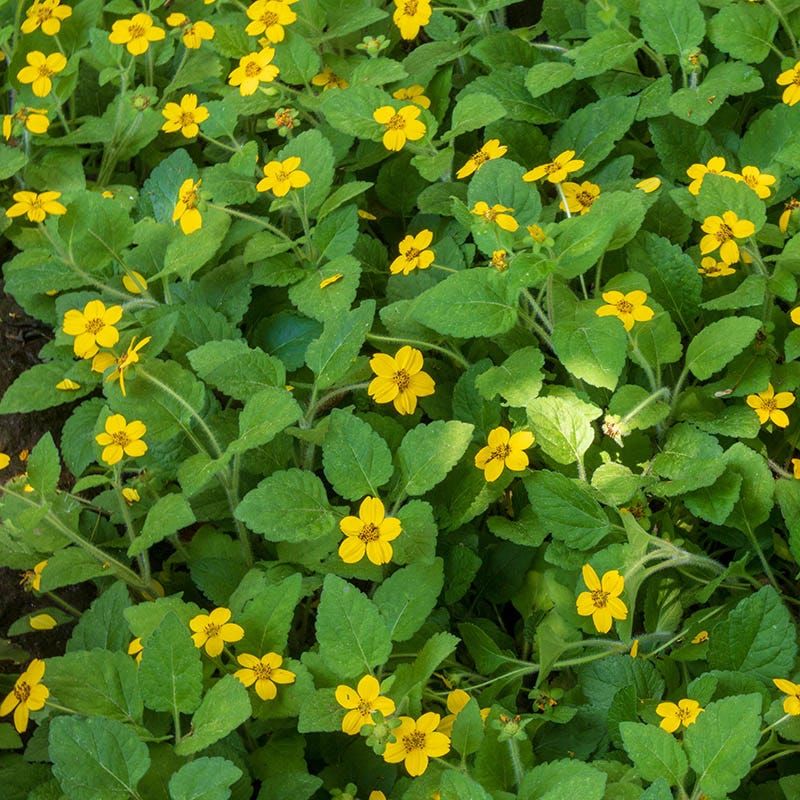
Shade gardening in North Carolina comes with its own set of surprises, and one of the biggest is how much light conditions vary even within a single yard. Carolina green and gold handles that variability well.
It performs in dappled sunlight filtering through an open tree canopy, in partial shade along the north side of a structure, and in deeper shade beneath dense shrubs.
That flexibility makes it a practical choice for the kinds of mixed light situations that shade borders in this region often present.
Beyond light, the plant adapts to a range of soil types including clay, loam, sand, and even shallow rocky soils, as long as the other conditions at the site are reasonable. Well-drained soil is the one requirement that really matters.
Shade does not automatically mean the soil stays moist, and many shaded spots in North Carolina actually dry out quickly during summer because tree roots compete aggressively for water.
During establishment, check the root zone moisture regularly rather than assuming shade equals adequate moisture.
Avoiding spots where water pools around the crown for extended periods is equally important. Standing moisture around the base of the plant during cool or wet seasons can cause problems that dry conditions rarely create.
Think about natural woodland sites when choosing a planting location, since that is the environment this species evolved in.
A spot that mimics the well-drained, lightly shaded floor of a southeastern woodland gives Carolina green and gold exactly what it needs to settle in and begin forming that connected mat you are aiming for.
6. Yellow Spring Flowers Brighten Dark Borders
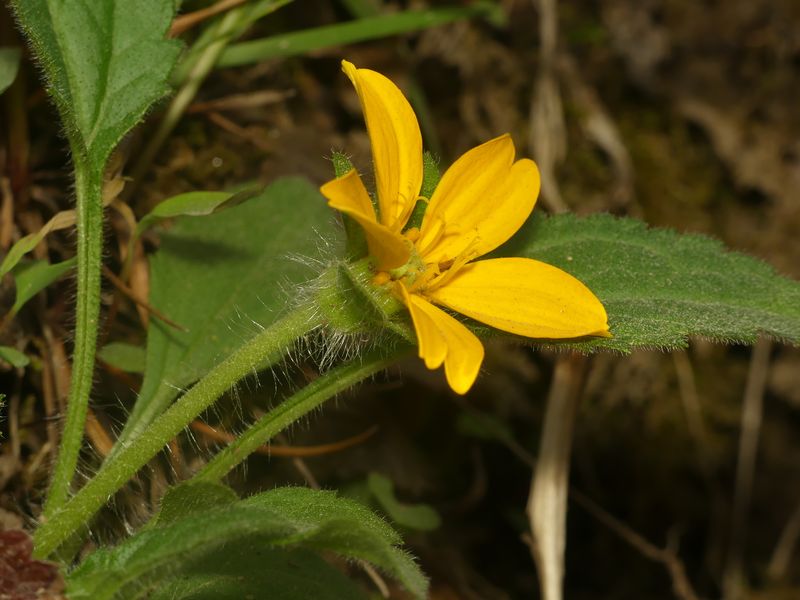
There is something genuinely uplifting about yellow flowers appearing at the front of a shaded border in spring. Carolina green and gold delivers exactly that kind of brightness when most of the woodland garden is still waking up.
The blooms are daisy-shaped, cheerful, and small enough to feel delicate rather than bold, which suits the quiet character of a shade planting far better than large showy flowers would.
Bloom timing and abundance vary depending on elevation, temperature, moisture levels, available light, and the specific plant selection you purchase.
Gardeners in the mountains of western North Carolina may see flowers at a different time than those gardening in the Piedmont, so connecting with local native plant growers can give you a more accurate sense of what to expect in your area.
What stays consistent across most conditions is that the contrast between bright yellow blooms and the green mat beneath them reads beautifully in low-light settings where color is otherwise limited.
Pollinating insects visit the flowers, which adds genuine wildlife value beyond the simple fact of soil coverage. Small native bees and other beneficial insects appreciate the early nectar source when fewer plants are blooming.
Pairing Carolina green and gold with native shade plants that bloom later in the season, such as native ferns, native hostas, or late-summer wildflowers, keeps the border visually interesting long after the spring flush ends.
A border that offers changing interest across multiple seasons is always more satisfying than one that peaks briefly and then fades into a sea of plain green for the rest of the year.
7. Dense Coverage Can Reduce Openings For Weeds
Weeds thrive wherever open soil is available, and a newly planted shade border gives them plenty of opportunity.
One of the practical benefits of establishing a groundcover like Carolina green and gold is that its connected mat gradually occupies soil that might otherwise support unwanted seedlings.
As the foliage fills in and the stolons meet, fewer open patches remain for weed seeds to land on and germinate successfully.
Connected foliage shades portions of the soil surface, which reduces the light that many common weed seeds need to sprout.
This is not a guarantee that weeds disappear entirely, and hand weeding remains an important part of caring for any young planting while the groundcover is still filling in.
The goal is a living mat that makes the job progressively easier over time, not one that eliminates all maintenance from the start. Before planting, remove persistent weeds from the bed as thoroughly as possible.
Spacing plants according to how quickly you want coverage and applying only a light, temporary mulch between young plants helps bridge the gap during the establishment phase.
A heavy mulch layer can actually discourage stolons from rooting where they touch the ground, so keep it thin. As the mat develops and the plants knit together, the need for supplemental mulch between them decreases naturally.
A living mat of Carolina green and gold develops gradually over one to three seasons, and that gradual process is part of what makes it a sustainable, long-term solution rather than a quick cosmetic fix that needs constant renewal.
8. Moderate Growth Makes The Border Easier To Manage
One of the most overlooked qualities in a groundcover is manageability, and Carolina green and gold earns high marks in that category.
Unlike ajuga, which can expand so rapidly that it becomes a seasonal containment project, Carolina green and gold grows at a pace that gives you genuine control over the border.
You can observe where it is heading, make adjustments before problems develop, and keep the planting looking intentional rather than overgrown.
Propagating or controlling the plant is straightforward. Division, root cuttings, and simple removal of stolons that cross your planned edge are all reliable techniques that require no special tools or expertise.
Inspecting the border during spring and fall gives you two natural checkpoints to address any sections that have expanded beyond where you want them.
Maintaining a visible path or edging boundary makes it much easier to spot when action is needed before the plant has moved significantly into neighboring areas.
Keep in mind that plant performance always depends on the specific conditions in your garden.
Regional climate, soil drainage, moisture availability, competition from tree roots, and the exact species or cultivar you purchase all influence how vigorously Carolina green and gold grows in your particular situation.
Some selections spread more readily than others, so asking your nursery about growth habit before buying is worth the extra minute.
When the goal is a native, flowering, genuinely manageable ground layer rather than unlimited coverage, this plant is a far better match for a mixed North Carolina shade border than a fast-moving ajuga carpet could ever be.