The Amish Fall Garden Method Illinois Homeowners Are Adopting
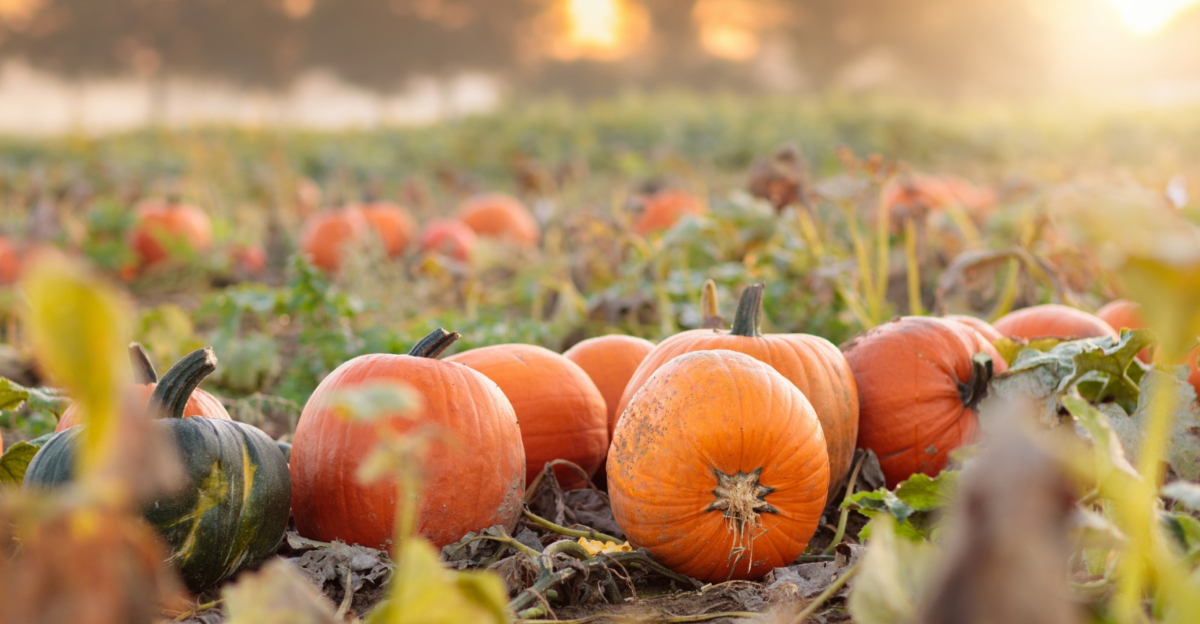
Frost approaches, yet your garden still has more to give. Illinois soil holds more untapped potential than most homeowners realize. August isn’t an ending, it’s a secret restart.
Amish farmers across the Midwest have proven this for generations. Their calm method turns a slowing garden into a fresh start. Fresh greens can reach your table well into November.
Cold nights actually sweeten certain crops instead of harming them. Timing matters more than soil quality or luck ever will. Local Illinois winters arrive gradually, giving late plantings extra time.
Spinach, kale, and radishes actually thrive under falling temperatures. Nothing about this method requires extra land or tools. Every empty row still holds untapped potential now.
Waiting until spring skips months you already own. Momentum, once restarted, carries straight through the fall.
Your instincts to stop early are missing real meals. You will never look at late summer the same way again.
Why August Is A Turning Point In The Garden
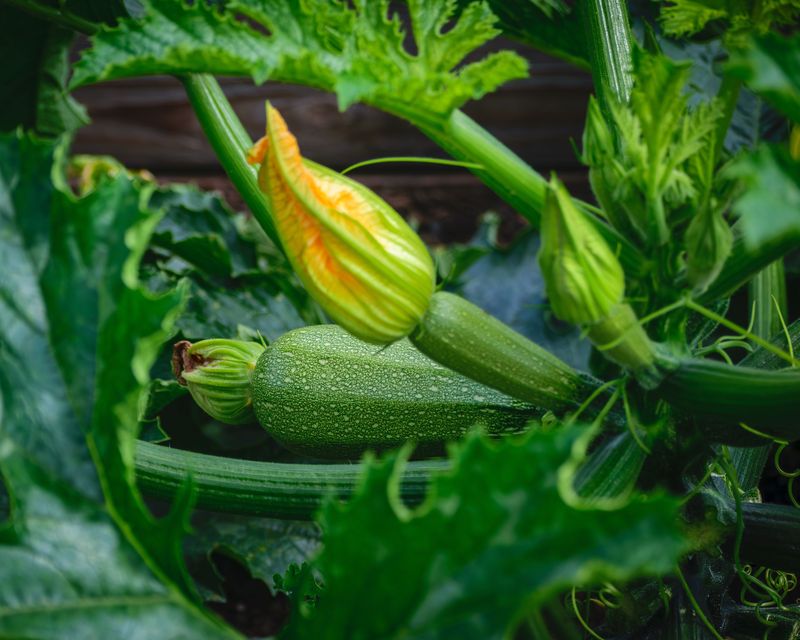
August smells like hot dirt and ripe tomatoes. Most people think the growing season is winding down, but the soil often still holds significant nutrients at this point.
Temperatures start to ease off in late August, giving cool-season crops a perfect window to sprout. The ground holds warmth without the intense heat that scorches young seedlings.
Amish farming traditions often approach the calendar differently than typical suburban routines do. They see August not as an ending, but as a fresh starting line for round two.
Planting a fall garden in August means you are working with nature, not against it. Cooler nights ahead actually make vegetables taste sweeter and more tender.
Frost dates in Illinois vary by region, but many areas typically see first frost between mid-October and early November. Check your local extension office for exact dates.
That gives you roughly 10 to 12 weeks of growing time from a mid-August planting date, depending on your area.
Think about what you could harvest in October while your neighbors are raking leaves. Crisp lettuce, fat radishes, and tender spinach are all possible with the right timing.
One of the most valuable lessons from Amish gardening traditions is simply not quitting too early. August is not the finish line; it is the second lap, and it is yours to run.
The Amish Habit Of Planting A Second Season
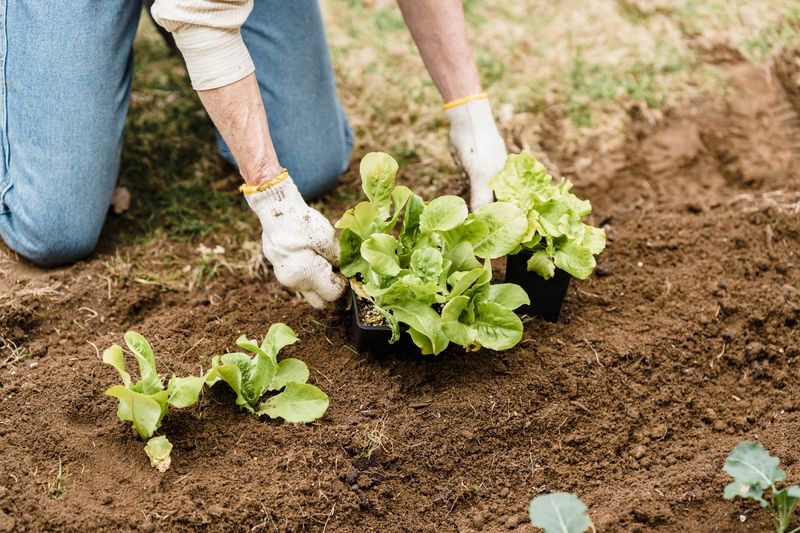
Amish communities are known for making efficient use of the growing season. Planting a second season is as natural to them as morning chores and fresh bread.
For generations, Amish families have kept detailed planting calendars passed down through parents and grandparents. Every crop has its window, and they honor that schedule without fail.
The second-season habit grew from necessity, not trend. Feeding a large family through winter meant squeezing every possible harvest from the land before frost arrived.
Modern homeowners can borrow this same mindset without owning a farm. A small raised bed or even a few containers can produce a meaningful fall harvest with very little effort.
Your Illinois Garden Changes Every Week. Your Plan Should Too.
Gardening in Illinois changes quickly throughout the season. Every Friday you’ll receive a simple weekly plan showing exactly what to plant, prune, fertilize, harvest, and protect so you never miss the right timing.
The key habit is succession planting, which means staggering your planting dates every two weeks. This keeps fresh food coming in waves rather than all at once.
Amish gardeners also keep their seeds organized and ready throughout summer. They rarely scramble at the last minute, since preparation is built into their routine.
Adopting this habit does not require a lifestyle overhaul. It just requires a small shift in how you think about your garden calendar after July ends.
Once you plant a second season and pull fresh greens in October, you may feel a similar satisfaction to that long associated with traditional fall-harvest practices. Gardens can keep producing well past August with the right approach.
Best Crops To Start For A Fall Harvest
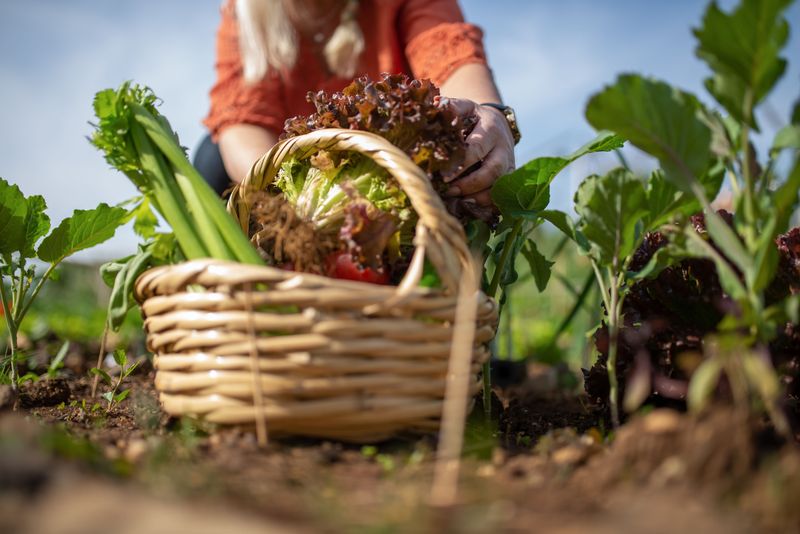
Not every vegetable handles cold weather with grace, but some absolutely thrive in it. Choosing the right crops is the secret behind a successful fall garden.
Spinach is one of the top performers for a late-season planting. It can handle light frost and tends to taste sweeter after exposure to cool or near-frost temperatures.
Kale is another powerhouse that belongs in every fall garden plan. A single row can feed your family for weeks and looks beautiful even as other plants fade.
Radishes are the speed champions of the fall garden, maturing in as few as 25 days. Plant them in early September and you could harvest them within about a month.
Lettuce loves the cool air of September and October more than it ever liked July heat. Loose-leaf varieties grow fast and give you multiple cuttings from one planting.
Carrots take longer, around 70 days, so get them in the ground by mid-August for best results. Cold soil actually makes them sweeter, which is a bonus worth waiting for.
Beets, turnips, and arugula round out a well-stocked fall bed with minimal fuss. Each one is cold-tolerant, fast-growing, and packed with flavor after a cool night.
Starting the right crops at the right time is the core of the Amish fall garden method Illinois gardeners are now adopting. Choose wisely and your October table will be full.
How To Prepare Beds After Summer Crops Are Done
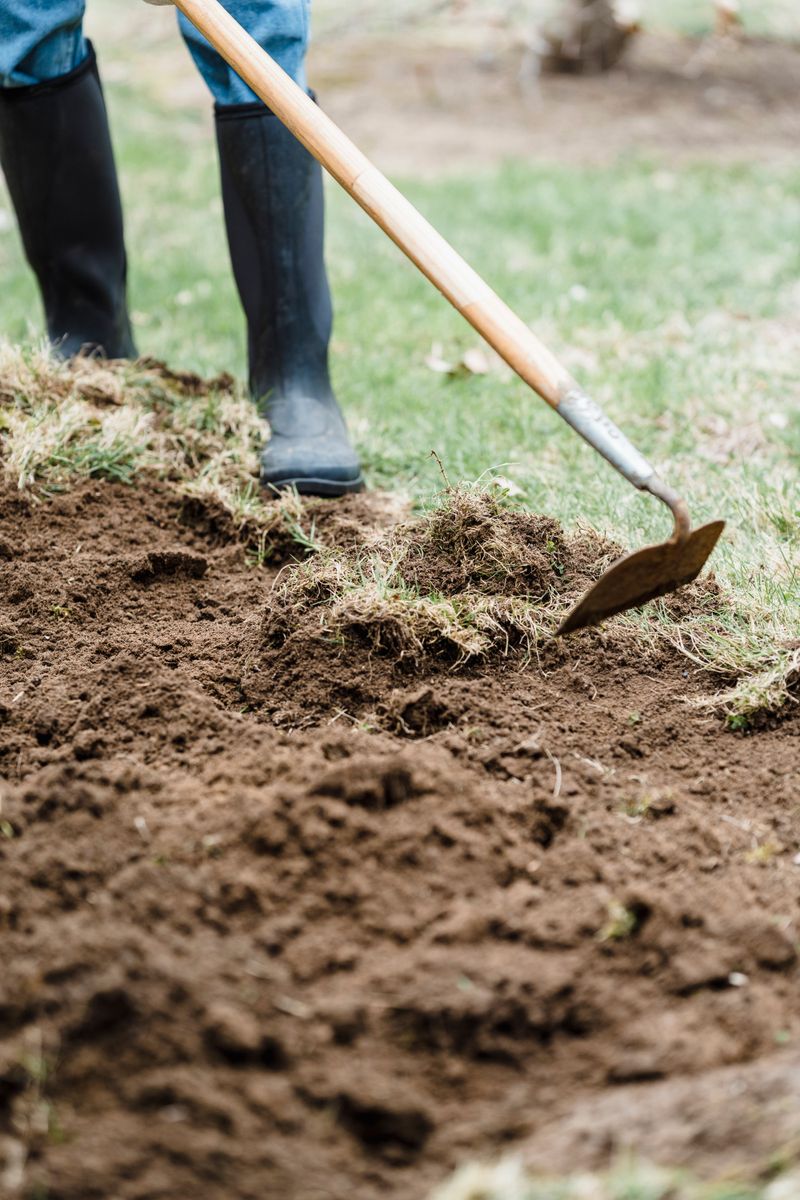
Pulled-out tomato plants and yellowing squash vines mark the end of one cycle and the start of another. A cleared bed is ready for new planting.
Start by removing all spent plant material, including roots, to prevent disease from carrying over into your fall crops. Healthy soil starts with a clean slate.
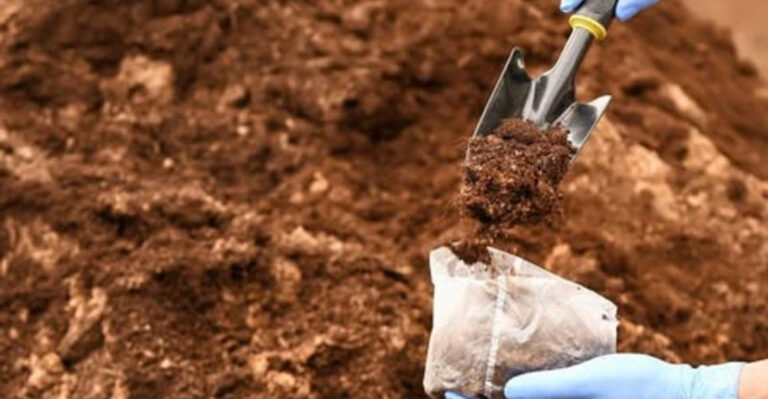
Add two to three inches of compost right after clearing the bed. Work it into the top six inches of soil to restore nutrients that summer crops pulled out.
Summer crops are heavy feeders and they leave the soil a bit tired. A light application of balanced organic fertilizer alongside compost gives fall seedlings a strong launch.
Check your soil moisture before planting anything new. August soil can dry out fast, and seeds need consistent moisture to germinate within their first week.
Loosen compacted soil with a garden fork rather than a heavy tiller. Gentle loosening protects the beneficial organisms living just below the surface.
If you have mulch from earlier in the season, pull it aside, prep the soil, then lay it back down around new seedlings. Mulch keeps moisture in and soil temperature steady.
Bed preparation is unglamorous work, but it is the foundation of everything that follows. The Amish fall garden method Illinois homeowners rave about only works when the soil is properly ready to receive new life.
Timing Tips So Fall Crops Mature Before Frost
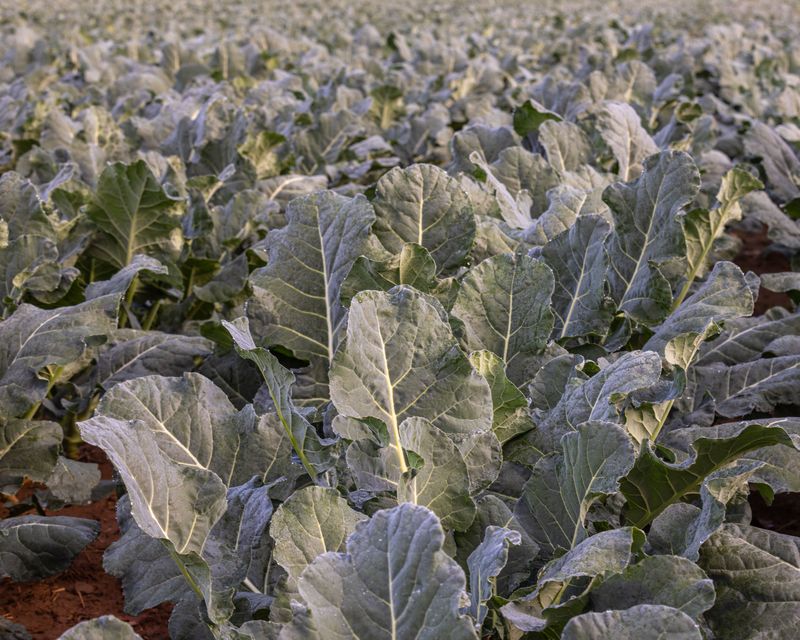
Timing a fall garden feels like solving a puzzle, but the math is actually straightforward. Count backward from your expected first frost date to find your last planting window.
In much of Illinois, the first frost commonly falls between October 15 and November 5, though this varies by location. Use October 20 as a safe target date when calculating backwards from seed to harvest.
Check the seed packet for the days-to-maturity number, then add 14 extra days for slower fall growth. Cooler temperatures mean plants grow a bit more leisurely than they do in summer.
For a crop that matures in 45 days, count back 59 days from October 20. That puts your ideal planting window right around mid-August, which lines up perfectly.
Succession planting every two weeks through early September keeps your harvest window wide open. You get a steady supply instead of one big rush of food all at once.
Row covers and cold frames can extend your season by two to four weeks past the first frost. A simple frost cloth over your beds can be the difference between fresh greens and frozen ones.
Keep a small notebook with your planting dates and first frost observations each year. That data becomes your personal garden guide, more useful than any generic advice you find online.
Nailing the timing is what separates a thriving fall garden from a shortened harvest. Stay ahead of the calendar and the harvest will be yours.
Simple Ways To Start This Habit Next Year
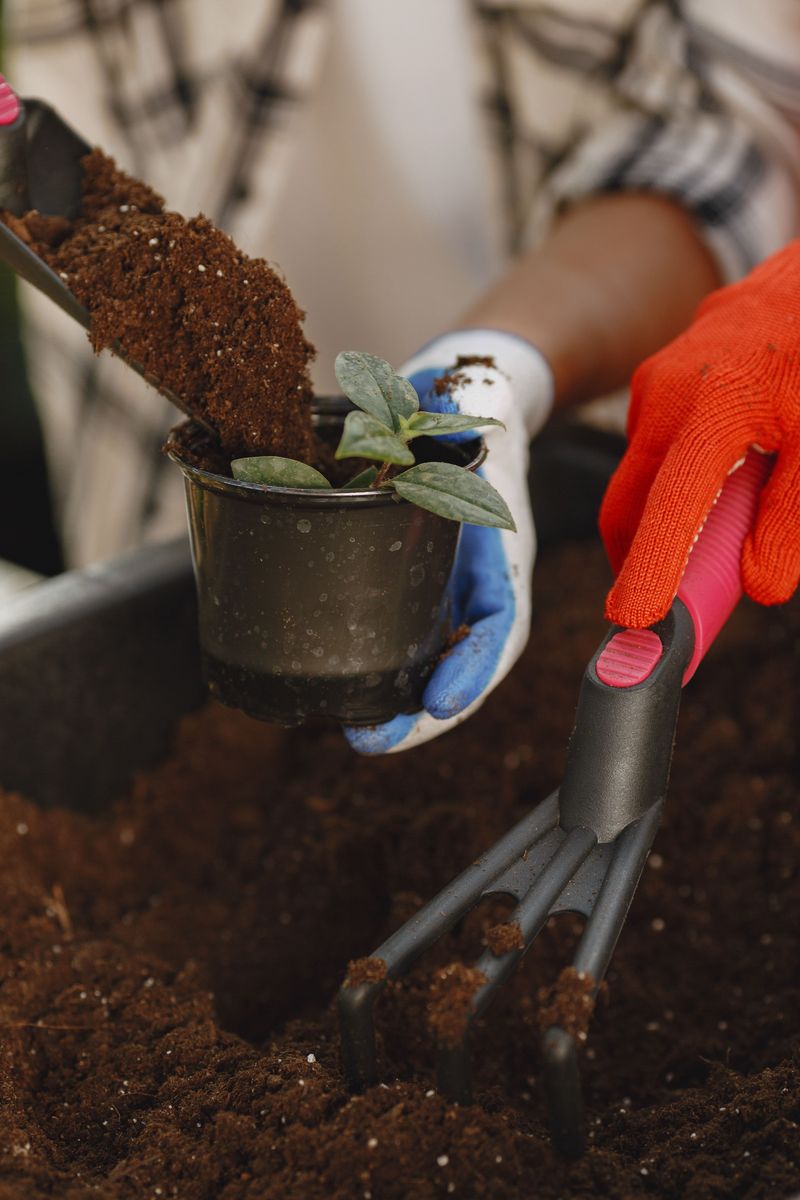
Starting a new habit is easiest when you make it almost impossible to forget. Put a reminder on your phone for August 1st that simply says: plant the fall garden today.
Order or buy your fall seeds in July before stores restock for spring. Many garden centers clear out their seed racks in August, leaving slim pickings for late planters.
Keep a dedicated fall seed box with cool-season varieties like spinach, kale, and arugula stored and ready. Having supplies on hand removes the biggest excuse for skipping the second season.
Start small if the idea feels overwhelming. Even one raised bed planted with two or three crops will give you a taste of what a full fall harvest feels like.
Ask a neighbor who gardens if they want to split a seed order this summer. Sharing the cost and the excitement makes it far more likely that both of you follow through.
Mark your frost dates on a paper calendar and hang it in the garage where you store your tools. Seeing it regularly keeps the timing front of mind all season long.
Take a photo of your fall harvest each year and save it somewhere you can see it. That image becomes your motivation to do it again next August without hesitation.
The Amish fall garden method Illinois homeowners are adopting comes down to just this: keep going. August is not the end; it is the beginning of something delicious.