Pawpaws And Persimmons Are North Carolina Natives Almost Nobody Plants But Feed You For Decades
Two native fruit trees grow wild across North Carolina, ask almost nothing from you once they settle in, and still produce sweet, ripe fruit year after year. Most homeowners walk right past them at the nursery, drawn instead to peaches and apples that demand spray calendars, pruning schedules, and still break your heart with a bad season. Pawpaw and American persimmon are the trees your yard has been waiting for, though planting them well and harvesting them right takes more thought than a simple dig-and-done approach. Get those details right, and you may have a food-producing tree standing long after the peach tree is gone.
Two Often-Overlooked Native Fruit Trees
Pawpaw (Asimina triloba) and American persimmon (Diospyros virginiana) grow wild from the Coastal Plain to the mountain foothills, yet most North Carolina homeowners have never deliberately planted one. Both are genuine natives, listed by NC State’s Plant Toolbox for the Piedmont, mountains, and Coastal Plain, and both can offer something that a spray-heavy peach or nectarine rarely does: a harvest that does not demand a season-long fight against fungal disease and insect pressure.
NC State Extension guidance on fruit trees for managed gardens specifically classifies pawpaws and persimmons among lower-maintenance fruit crops, while peaches and nectarines sit at the opposite end of that scale. That comparison is real and worth knowing. What it does not mean is that you can drop either tree in the ground and count on bushels of fruit without planning ahead.
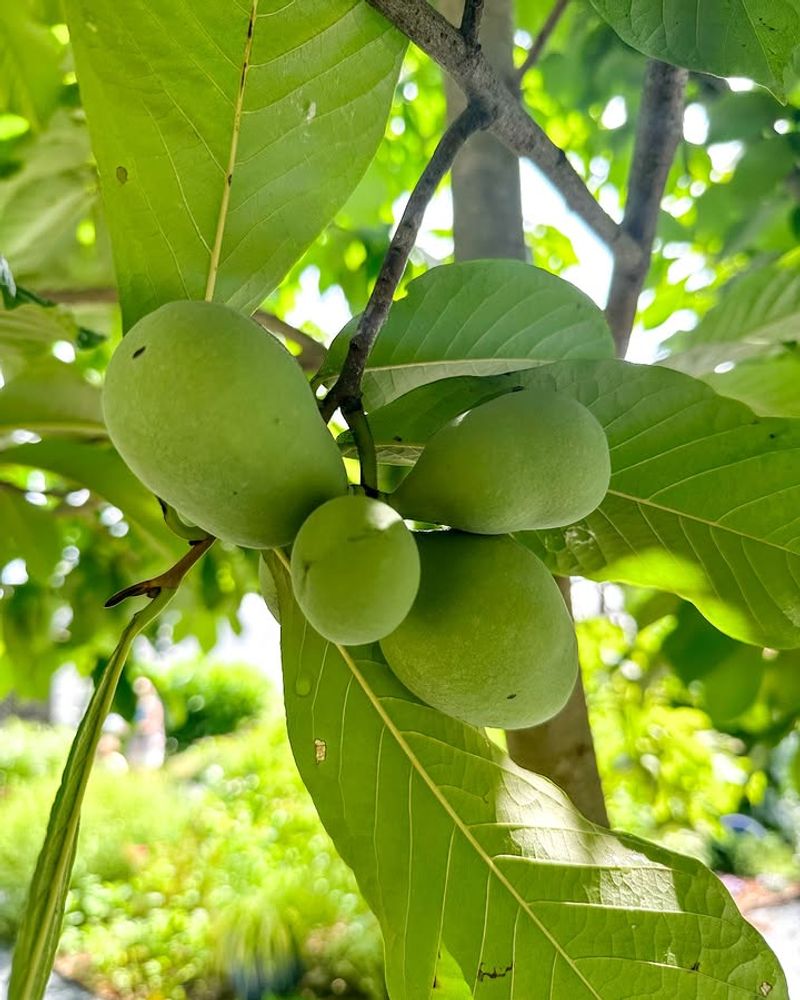
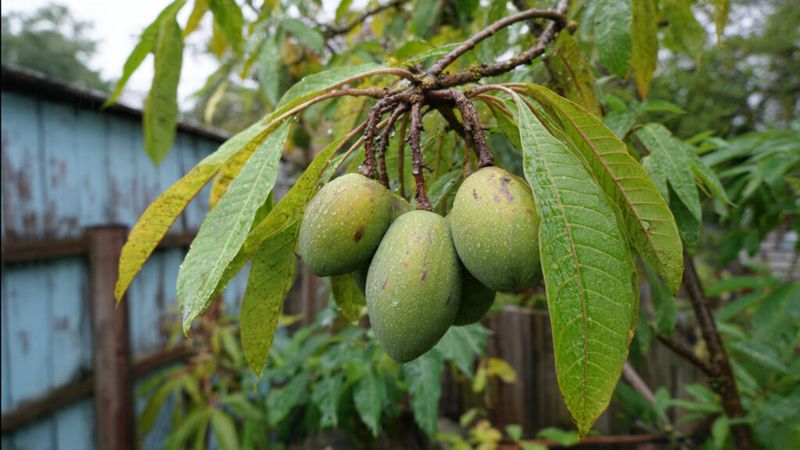
Pawpaw brings a custard-like fruit with a flavor somewhere between banana and mango, and it doubles as a host plant for zebra swallowtail caterpillars, making it a genuine wildlife asset even in years when the fruit crop disappoints. American persimmon grows into a larger, longer-lived tree with small orange fruits that ripen into something almost honey-sweet by late fall. Both trees reward homeowners who want food, habitat value, and fewer routine spray decisions, as long as those homeowners go in with clear eyes about what each tree actually needs to perform.
Lower Maintenance Does Not Mean No Maintenance
Compared with a peach tree, which can require a dozen or more fungicide and insecticide applications in a single North Carolina growing season, a pawpaw or American persimmon is genuinely refreshing. You skip most of the spray calendar, most of the complicated pruning cuts, and most of the nail-biting over brown rot and peach leaf curl. That lower routine burden is real, and it is the strongest argument for planting either tree.
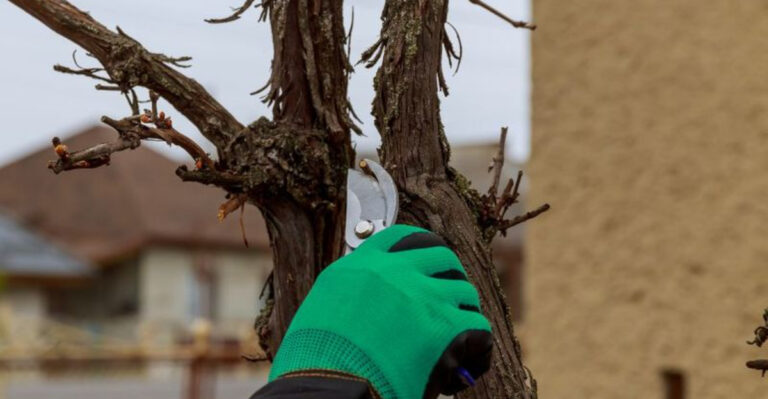
But “lower maintenance” describes life after a tree is established, not the first two or three years. NC State’s tree fruit and nuts handbook makes clear that young fruit trees need consistent attention to site, water, and competition before they can look after themselves. Young pawpaw and persimmon trees need regular watering through the first two growing seasons, a 3-to-5-inch layer of wood chip mulch kept a few inches back from the trunk, and active removal of grass, weeds, and competing vegetation from the root zone.
Your North Carolina Garden Changes Every Week. Your Plan Should Too.
Gardening in North Carolina changes quickly throughout the season. Every Friday you’ll receive a simple weekly plan showing exactly what to plant, prune, fertilize, harvest, and protect so you never miss the right timing.
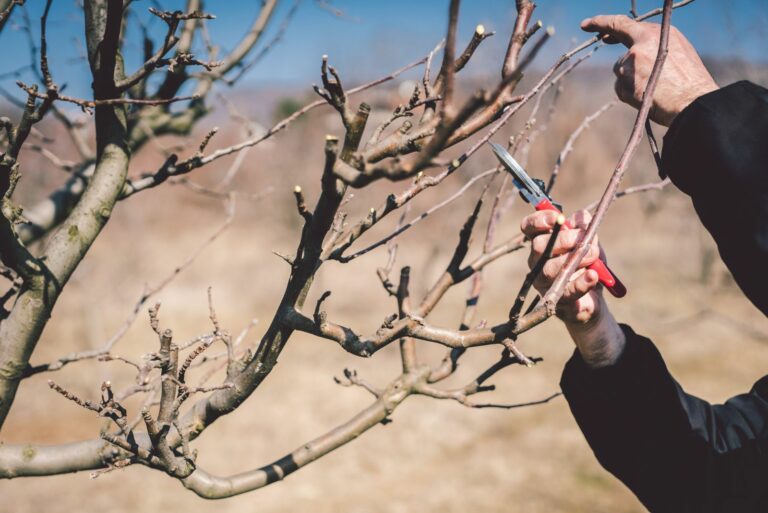
Limited structural pruning helps both trees develop a sound framework, and wildlife monitoring matters more than many homeowners expect. Deer browse young pawpaw shoots, raccoons and opossums can strip a persimmon before you pick a single fruit, and drought stress during establishment can set a tree back by a full season. Neither species is pest-proof, and pawpaw in particular can experience fruit borers, leaf damage, and pollination failures that reduce or eliminate a year’s crop. Think of these trees as low-maintenance partners, not hands-off experiments.
Pawpaw Requires Partners And A Suitable Site
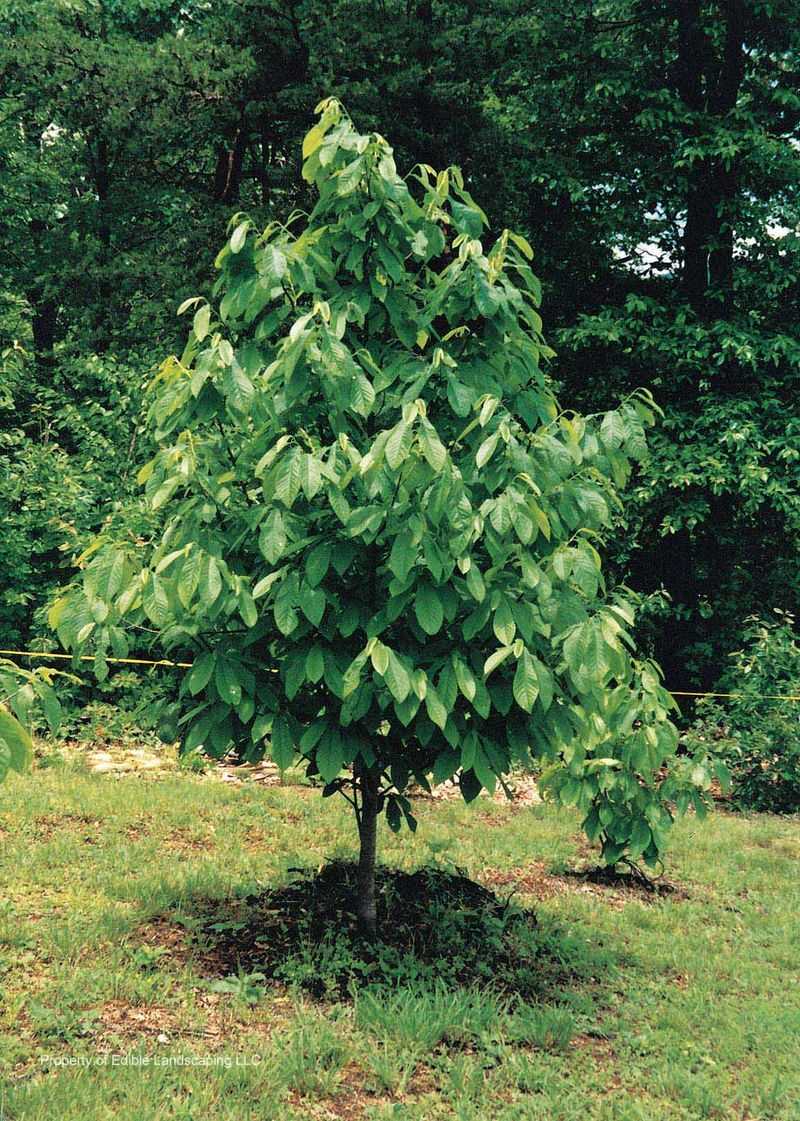
A single healthy pawpaw tree can bloom every spring and still produce almost no fruit, and the reason comes down to pollination. Pawpaw flowers are primarily visited by flies and beetles rather than honeybees, and that pollination system is unreliable enough that natural fruit set often disappoints. USDA ARS germplasm research on Asimina confirms that pawpaws are not reliably self-fertile, meaning a single tree rarely pollinates itself successfully.
The practical fix is to plant two genetically different trees or two named cultivars from different parentage, spaced about 10 to 15 feet apart. That spacing also leaves room for the root suckers pawpaw naturally sends up around its base. Remove unwanted suckers at ground level while they are small, or your tidy planting becomes a thicket faster than you expect. If natural pollination still looks poor after bloom, hand pollination using a small paintbrush to transfer pollen between open flowers on the two trees can improve fruit set without any chemical input.
Site selection shapes everything else. NC State’s tree fruit guidance recommends full sun or very light shade for reliable fruiting, and moist but well-drained soil gives young trees the best start. Avoid frost pockets and low-lying spots where cold air settles, because late spring frosts can damage pawpaw flowers and wipe out the year’s potential crop. Young trees can struggle with intense afternoon sun before their roots establish, so temporary shade cloth or a sheltering shrub on the southwest side helps during the first summer.
Kentucky State University’s pawpaw planting guide recommends container-grown trees over bare-root or field-dug plants because young pawpaws have a long, delicate taproot that does not survive rough handling. Water new trees consistently through the first two growing seasons, and keep that mulch ring tidy. Get the site and the partners right, and the tree does most of the rest on its own timeline.
American Persimmon Needs More Room And Patience
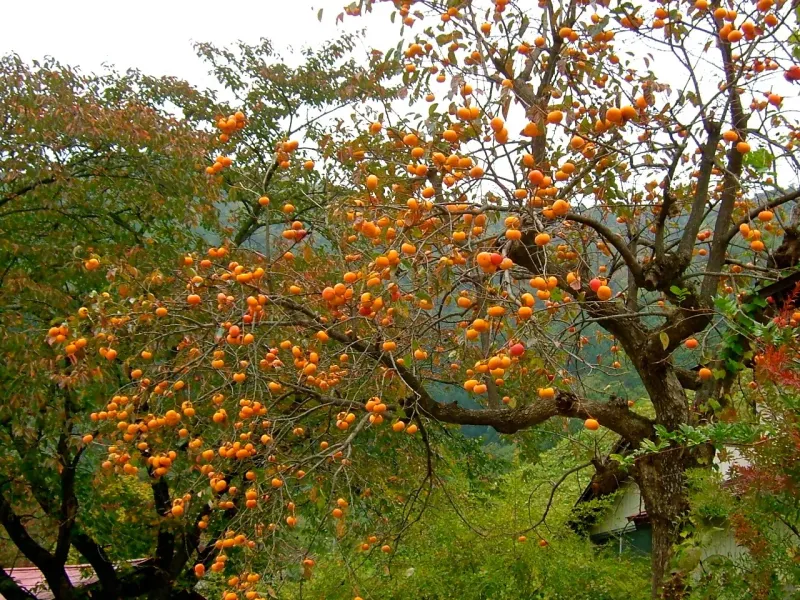
American persimmon plays by a different set of rules than pawpaw, and the most important rule is size. A managed tree in a home planting can be kept closer to 15 feet with consistent pruning, but an unpruned persimmon may eventually need 24 to 60 feet or more of horizontal space, and it can top 40 feet in height. The USDA NRCS plant guide for common persimmon describes the species reaching roughly 150 years of age, with optimum fruit-bearing often reported from 25 to 50 years after establishment. That is genuinely long-lived food production, but it requires planting the tree where it can grow without eventually threatening a driveway, septic field, utility line, or property line.
The tree tolerates full sun or partial shade and handles a remarkably wide range of soils, including the Piedmont’s heavy red clay, sandy Coastal Plain ground, and relatively poor sites where other fruit trees sulk. It develops a deep taproot, which makes it drought-tolerant once established but also means a wild tree cannot be dug and moved successfully. Plant a nursery-grown tree in its permanent location and do not plan to relocate it.
Most American persimmons carry male and female flowers on separate trees, so a lone female may produce little or no fruit without a compatible male nearby. University of Georgia Cooperative Extension’s persimmon guide recommends choosing a known female cultivar and pairing it with a compatible male, though some named selections may be self-fruitful. Check cultivar-specific information with your nursery before buying. USDA Forest Service silvics data also notes that the species spreads by root suckers, so plan for that behavior near beds and paved surfaces.
Fruit drop and wildlife activity around a mature persimmon can be considerable, which matters if neighbors or a patio are close by.
Match The Tree To Your North Carolina Region
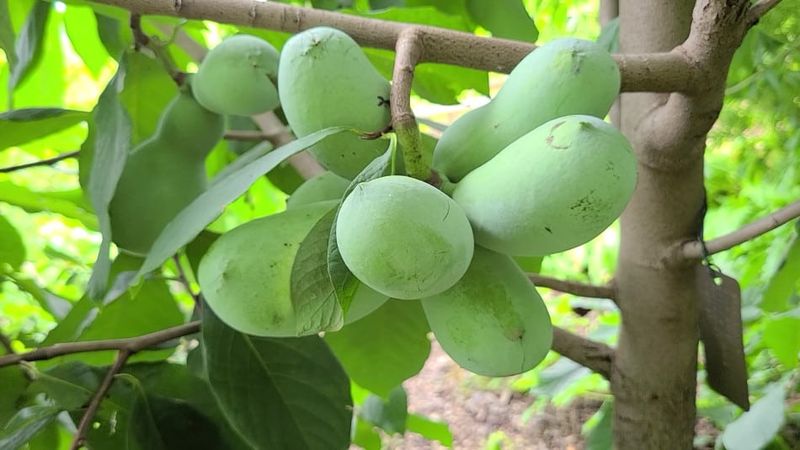
Pawpaw is a temperate North American tree, not a tropical one, despite its tropical flavor and its family ties to tropical fruit relatives. It requires a period of winter chilling to flower and fruit reliably, and NC State’s Extension handbook cautions that pawpaw may not be well adapted to some coastal areas of North Carolina where winters are mild and chilling hours are limited. Gardeners in the Outer Banks, the lower Coastal Plain, or anywhere in USDA zone 8b should check with their county Extension office or a reputable local nursery before buying, and ask specifically which cultivars have performed in similar conditions.
Mountain and Piedmont gardeners generally have fewer concerns about chilling. The bigger challenge there is frost timing: pawpaw flowers open early, and a late cold snap in April can eliminate the crop for the year. Avoid low spots and north-facing hollows where cold air pools on clear spring nights.
American persimmon is more broadly adaptable across North Carolina’s regions and handles the coast’s milder winters without trouble. Its deep taproot and tolerance for poor soils make it a reasonable choice from the Sandhills to the mountains, though its eventual size still demands careful placement. NC State’s Plant Toolbox lists persimmon across the Coastal, Piedmont, and Mountain regions, which tells you something about its flexibility.
For spacing, plan on roughly 10 to 15 feet between pawpaw trees in a home planting, about 15 feet for a managed persimmon, and 24 to 60 feet or more if you want an unpruned persimmon to reach its natural size. Kentucky State University’s planting guide recommends 3 to 5 inches of mulch over the root zone for both species, kept several inches away from the trunk, and consistent watering through at least the first two growing seasons. Get those establishment basics right and both trees reward the patience.
Harvest Timing Determines How Useful The Crop Becomes
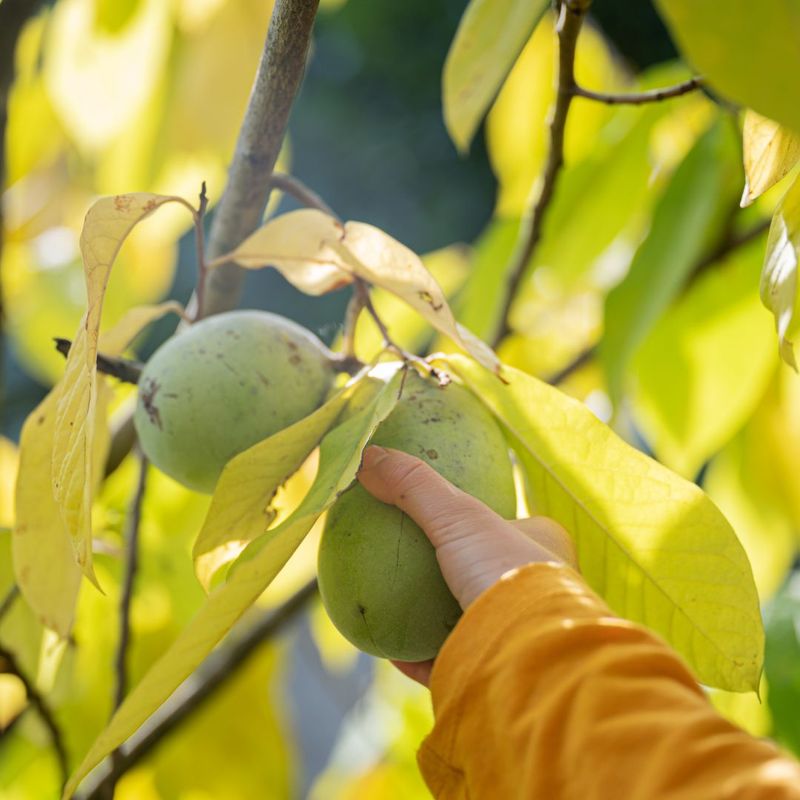
Pawpaws do not wait around. NC State Extension notes that pawpaw fruit generally ripens from August into September in North Carolina, with the Coastal Plain running earlier and the mountains running later into September. The cue to pick is a slight give when you press gently on the skin, combined with a sweet, fruity aroma that you can actually smell from a foot away. Do not wait for the fruit to fall and hit the ground, because by then it is often bruised beyond use.
Once picked, a pawpaw lasts roughly 3 to 5 days at room temperature before it turns.
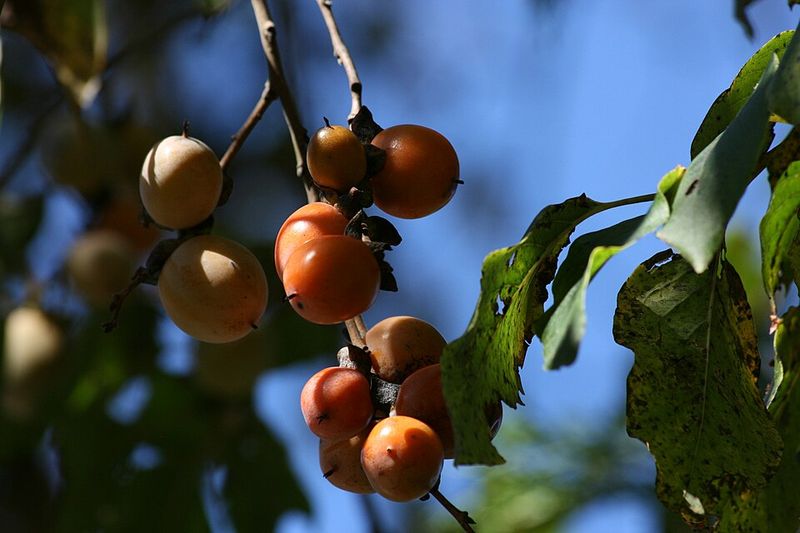
UC Davis postharvest research on pawpaw confirms the fruit is highly perishable and bruises easily during handling. The realistic plan for a good harvest is to freeze the pulp: scoop it out, remove all seeds and skin, and pack the smooth flesh into freezer bags. That frozen pulp works well in smoothies, baked goods, and ice cream all winter.American persimmon ripens from September through November, depending on location and the season’s weather. The fruit is intensely astringent when immature, and eating it too early is an experience you will not repeat. Wait until native persimmons are fully ripe and soft, with deep orange color and a texture almost like firm jam. Frost is not required to make them edible, and a hard freeze that hits before the fruit matures can actually ruin it rather than improve it.
UGA Extension’s persimmon guide emphasizes full ripeness and softness as the only reliable test, not calendar date or cold weather. Neither fruit stores like a grocery store apple, so plan to enjoy them fresh or process them quickly.
Choose The Tree That Fits Your Yard And Habits
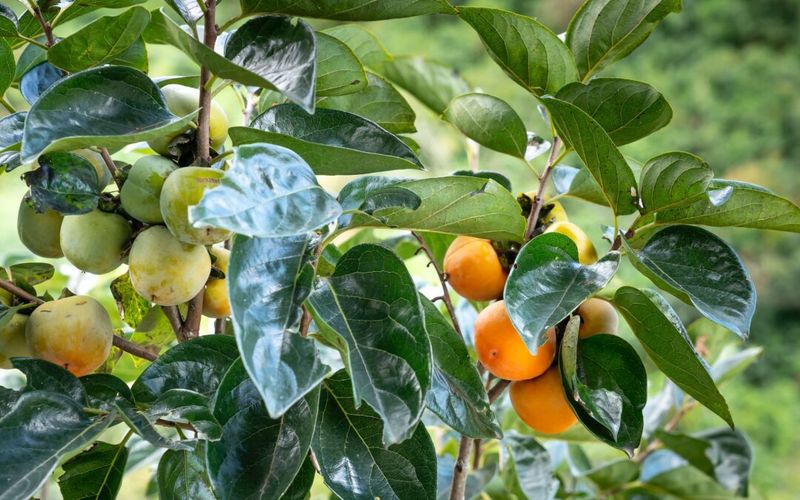
Pawpaw suits gardeners who are willing to plant two different trees for pollination, protect the young plants from deer and competition for the first few seasons, stay on top of root sucker removal, and process fragile fruit within a few days of picking. That is a real commitment, and the harvest can still be erratic in years when spring frosts hit at bloom time or when flies and beetles do not show up in numbers. University of Florida Extension’s pawpaw overview is clear that only the pulp is safe to eat: scoop it out, remove the seeds and skin completely, and do not handle the fruit without washing your hands if your skin runs sensitive.
American persimmon suits homeowners who have more space, more patience for a slower-growing tree, and a realistic attitude about wildlife. Raccoons, opossums, deer, and birds genuinely love persimmon fruit, and in some yards they will beat you to every ripe one. That is not a reason to skip the tree, but it is a reason to harvest promptly once fruit softens and to consider the tree partly as a wildlife planting that occasionally feeds you too.
Neither tree is pest-proof. Drought stress, poor pollination, and occasional insect or wildlife damage are normal parts of growing either one. When something looks wrong, start with observation and sanitation, then contact your county Extension office for a diagnosis before reaching for a spray. NC State’s tree fruit handbook is explicit that pesticide labels are legally binding and that pollinator exposure must be considered, especially during bloom when any spray can harm the very insects these trees need.
Kentucky State University’s pawpaw planting guide puts cultural care first: right site, right spacing, consistent water, and mulch will do more for long-term production than any bottle on the shelf. Plant the tree that matches your yard, your habits, and your honest patience, and it may genuinely outlast the fence you hung when you moved in.