The South-Facing Brick Wall Trick Michigan Gardeners Can Use For Warmer Microclimates
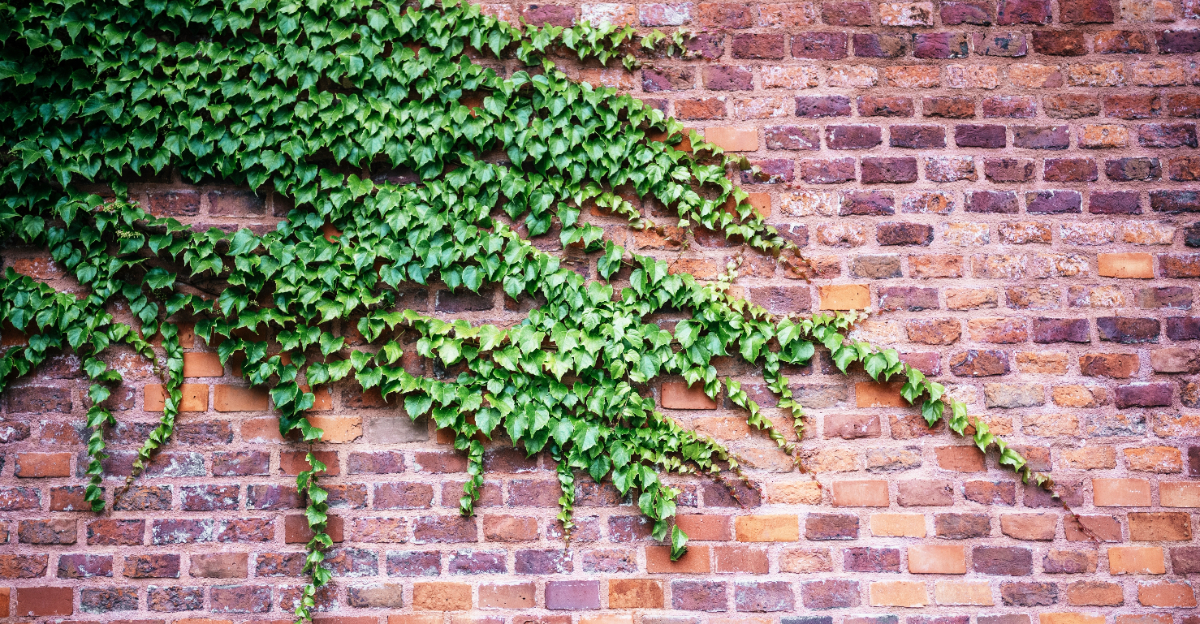
Your neighbor grows figs, peaches, and climbing roses while your garden barely limps through another short Michigan season. The difference might be sitting right against the side of their house.
It has nothing to do with fancy tools or a bigger budget. It comes down to something most gardeners overlook completely, hiding in plain sight in nearly every backyard.
Michigan gardeners who catch onto this trick can stretch their growing season, shield tender plants from early frost, and grow things neighbors assumed did not belong in this climate.
Curious what your neighbor figured out? The answer is closer than you think, and once you see it, you will wonder how you missed it all along.
Brick Walls Absorb Heat During The Day And Release It Overnight

Brick is basically a solar battery you never have to charge. It pulls in heat from the sun all day and slowly gives it back after dark.
This process is called thermal mass, and it is one of the most powerful forces in garden microclimates. The denser the material, the more heat it can hold and release over time.
A brick wall facing south gets direct sun from morning until evening. That constant exposure lets it build up a serious heat reserve by midday.
When the sun drops and air temps fall, the wall keeps radiating warmth outward. Plants growing nearby feel that warmth even when the night air turns cold.
Think of it like a slow cooker sitting next to your tomatoes. The wall does not blast heat like a furnace, it just keeps things gently warmer for hours.
This overnight release can mean a difference of five to ten degrees Fahrenheit near the wall. That gap is often enough to protect plants from light frost events.
Red brick tends to perform better than lighter-colored materials because darker surfaces absorb more solar energy. Stone and concrete work too, but brick is the classic choice for backyard gardeners.
Older brick walls with some weathering and a darker patina can absorb solar energy slightly more efficiently than newer, lighter-colored brick.
Once you understand how brick stores heat, every wall near your garden starts looking like a growing opportunity.
South Facing Exposure Adds Weeks To Michigan’s Short Growing Season

Michigan gardeners know the pain of a late frost damaging early seedlings beyond recovery. A south-facing microclimate can meaningfully extend that window on both ends, sometimes by several weeks.
Walls that face south receive the most direct sunlight throughout the day. In the Northern Hemisphere, the sun arcs across the southern sky, making south-facing surfaces the jackpot for heat collection.
In a state like Michigan, the frost-free season can run anywhere from about 100 days in the north to nearly 180 days in the south, depending on your zone.
That means starting tomatoes, peppers, and eggplants earlier in spring without a greenhouse. It also means harvesting late into October when the rest of the yard has already shut down.
Your Michigan Garden Changes Every Week. Your Plan Should Too.
Gardening in Michigan changes quickly throughout the season. Every Friday you’ll receive a simple weekly plan showing exactly what to plant, prune, fertilize, harvest, and protect so you never miss the right timing.
Some gardeners in zones 5 and 6 have had success growing plants better suited to zone 7 by relying on south-facing wall placement. Figs, hardy kiwi, and certain peach varieties have thrived in spots that would otherwise be too cold.
The key is that the wall amplifies the sun’s effect, creating a pocket of warmth that feels like a different zip code. Your garden near the wall can behave like it is one full USDA hardiness zone warmer.
Morning sun matters most for warming the soil early in the day. South-facing walls catch that early light and start building heat before most of the yard even wakes up.
This one architectural detail works like a free season extension tool hiding in plain sight.
The Right Distance From The Wall Prevents Root And Heat Stress
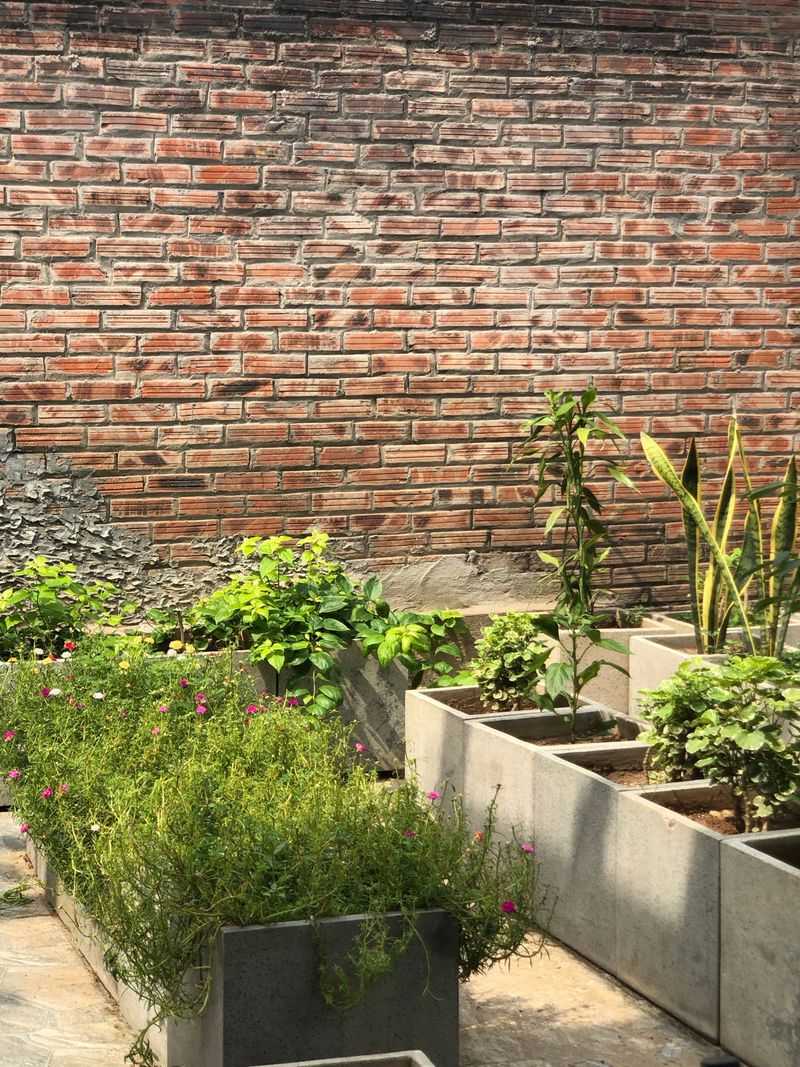
Closer is not always better when planting near a brick wall. Planting too close can cause problems that undo all the benefits you were hoping for.
Walls reflect not just warmth but also intense direct light. Plants pressed right up against the surface can experience leaf scorch, especially during summer afternoons.
A good rule of thumb is to keep most plants between eight and eighteen inches away from the wall. That zone gives them the warmth benefit without the risk of overheating.
Roots also need room to spread outward and find moisture. Walls can block rainfall from reaching the soil directly beneath them, creating a dry shadow zone.
Planting slightly away from the wall lets roots access normal soil moisture patterns. It also allows airflow between the plant and the surface, which helps prevent fungal issues.
Vining plants and climbers are the exception to this spacing guideline. Trained climbers like clematis or climbing roses do well when anchored close and allowed to grow upward along the surface.
For shrubs and perennials, that eight-to-eighteen-inch sweet spot is your target zone. You want the radiated warmth to reach the plant without the wall becoming a source of stress.
Raised beds positioned near south-facing walls benefit from both the radiated heat and the windbreak effect. Positioning the bed so it catches wall warmth without sitting in a dry rain shadow is a smart layout move.
Getting the distance right turns a good idea into a great one every single season.
Certain Plants Take Advantage Of This Extra Warmth Better Than Others
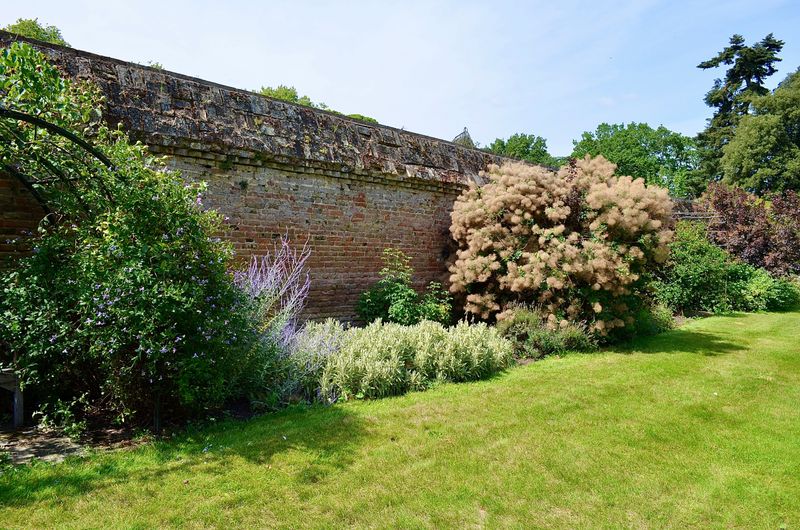
Not every plant cares about a warm wall, but some absolutely love it. Choosing the right species turns your microclimate into a high-performance growing zone.
Heat-loving vegetables like peppers, eggplant, and sweet potatoes shine in south-facing wall spots. These crops struggle in Michigan’s short summers without a little extra thermal support.
Figs are one of the most exciting options for wall gardening in colder regions. Planted against a warm brick surface, fig trees have survived zone 5 winters that would normally leave them too damaged to recover.
Peaches and apricots also benefit from wall placement because the warmth helps buds break more gradually in spring. Late frosts do less damage when the plant has been slowly warmed rather than shocked into early bloom.
Climbing plants like roses, grapes, and hardy kiwi thrive when trained along a south-facing wall. They get the warmth, the reflected light, and a natural support structure all at once.
Herbs like rosemary, basil, and thyme love the extra heat and the dry-ish conditions near a wall. These Mediterranean-origin plants feel right at home in a warm, sun-soaked microclimate.
Lavender planted near a brick wall can survive Michigan winters far better than it would in an open bed. The wall acts like a windbreak and a heat blanket rolled into one.
Choosing plants that naturally prefer warmth means you work with the microclimate instead of against it. That alignment between plant preference and growing conditions is where the real magic happens.
Frost Protection Improves For Both Spring And Fall Plantings
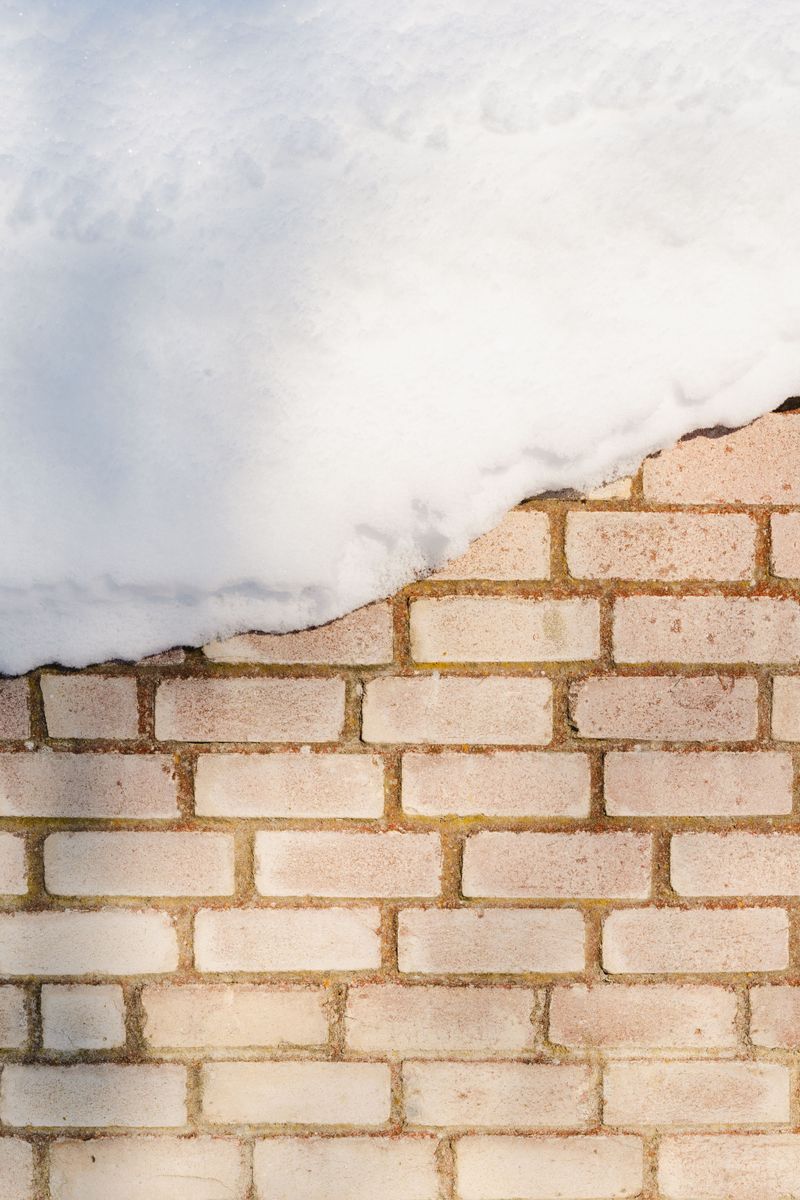
Frost is the biggest obstacle for every ambitious Michigan gardener. A south-facing brick wall becomes your best defense when temperatures dip near freezing.
The wall’s stored heat creates a buffer zone that can stay several degrees warmer than surrounding areas. That buffer is often the difference between a plant that survives and one that does not make it through the night.
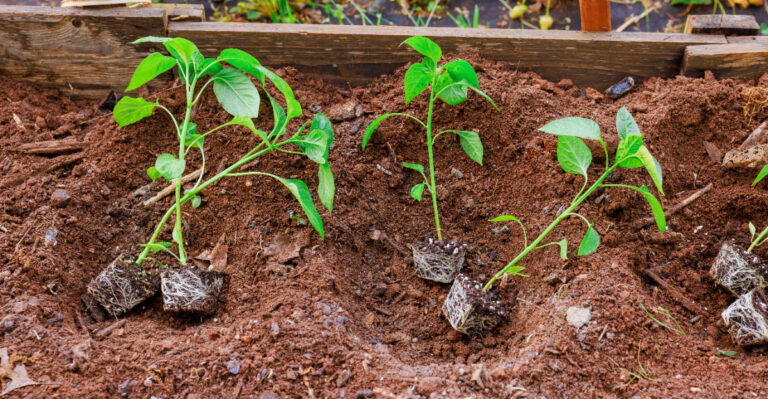
In spring, this protection lets you transplant seedlings a few weeks earlier than usual. Getting tomatoes or peppers in the ground in late April instead of mid-May is a genuine advantage in a short-season state.
Fall is where the wall really earns its reputation. When October frosts start rolling in, plants near a warm wall keep producing well past the first hard freeze warning.
Peppers and eggplant can continue ripening fruit into late October near a protected wall. That extra time translates into a larger harvest from the same plants you would have pulled in September.
Row covers and cold frames placed near south-facing walls get even more effective. The wall adds passive heat while the cover traps it, creating a layered frost protection system.
Gardeners who combine a wall with a simple floating row cover report surviving temperatures as low as 26 degrees Fahrenheit without plant damage. That combination is remarkably powerful for something so low-tech.
Spring and fall are when this warm-wall strategy pays off most dramatically. Plan your planting calendar around the wall and you will harvest more every year.
Reflected Heat Requires Adjustments To Watering And Placement
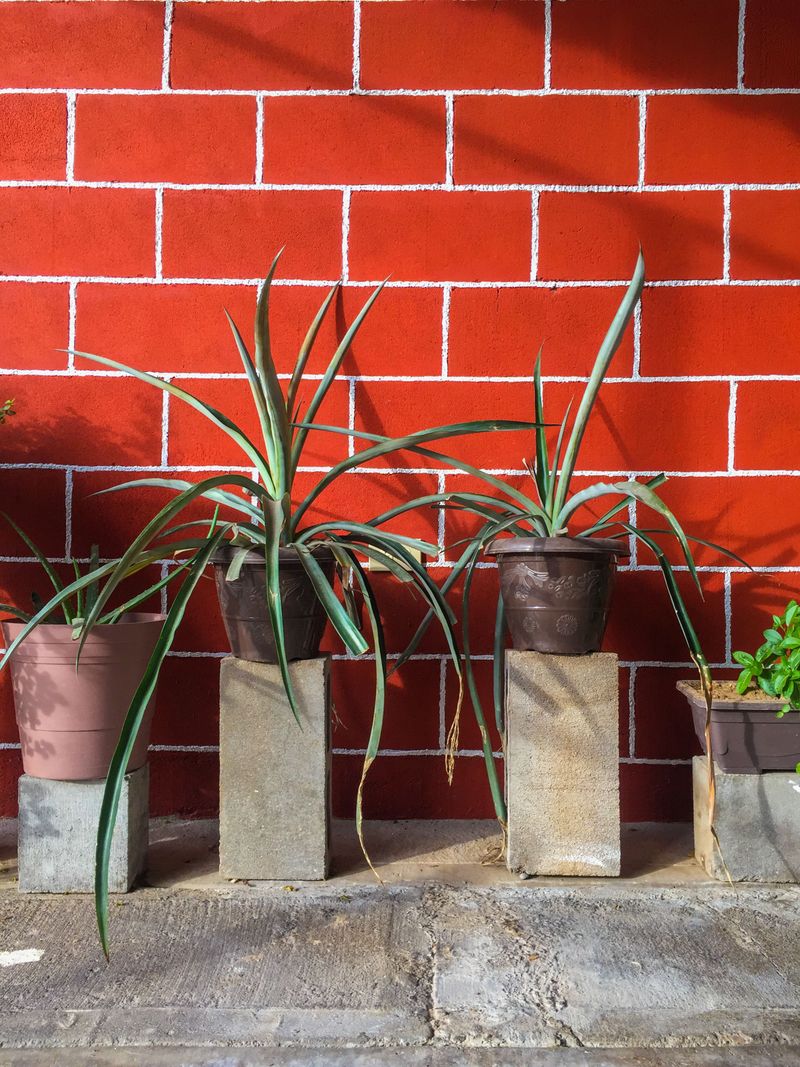
Warm walls are generous, but they also demand a little extra attention. The same heat that extends your season can dry out your soil faster than you expect.
Reflected sunlight from a brick surface increases evaporation in the surrounding soil. Plants near the wall may need watering one to two times more often than those in the open garden.
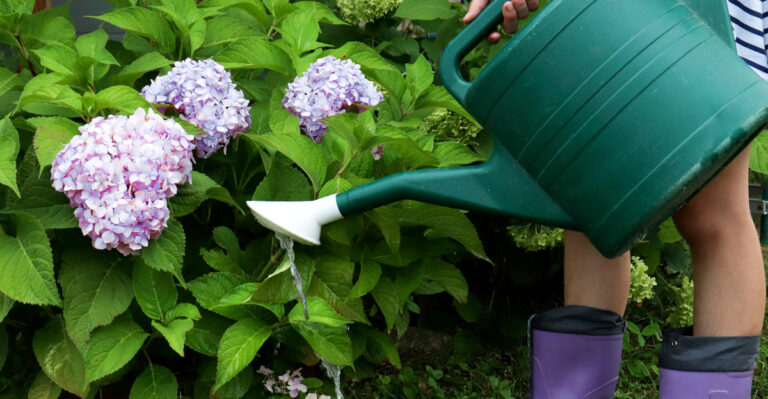
Mulching heavily around wall-side plantings is one of the smartest moves you can make. A thick layer of straw, wood chips, or shredded leaves slows moisture loss and keeps roots cooler during peak summer heat.
Drip irrigation works especially well in these spots because it delivers water directly to the root zone. Surface watering near a hot wall can evaporate before it even soaks in on a sunny afternoon.
Watching your plants for signs of heat stress during July and August is important. Wilting in the morning, before the day heats up, is a clear signal that the wall zone needs more consistent moisture.
Placement also matters when reflected light gets intense. Light-colored or glossy-leaved plants handle reflected brightness better than those with dark, thin leaves.
Repositioning shade-sensitive plants to the edges of the wall zone gives them warmth without the full intensity of reflected light. A little spatial planning at the start of the season prevents problems later.
Watering smart and placing plants thoughtfully keeps this warm-wall strategy working beautifully all season long. Adjust early, and the wall becomes your garden’s most reliable partner.