What To Do With Hardy Hibiscus Once It Finishes Blooming In Michigan
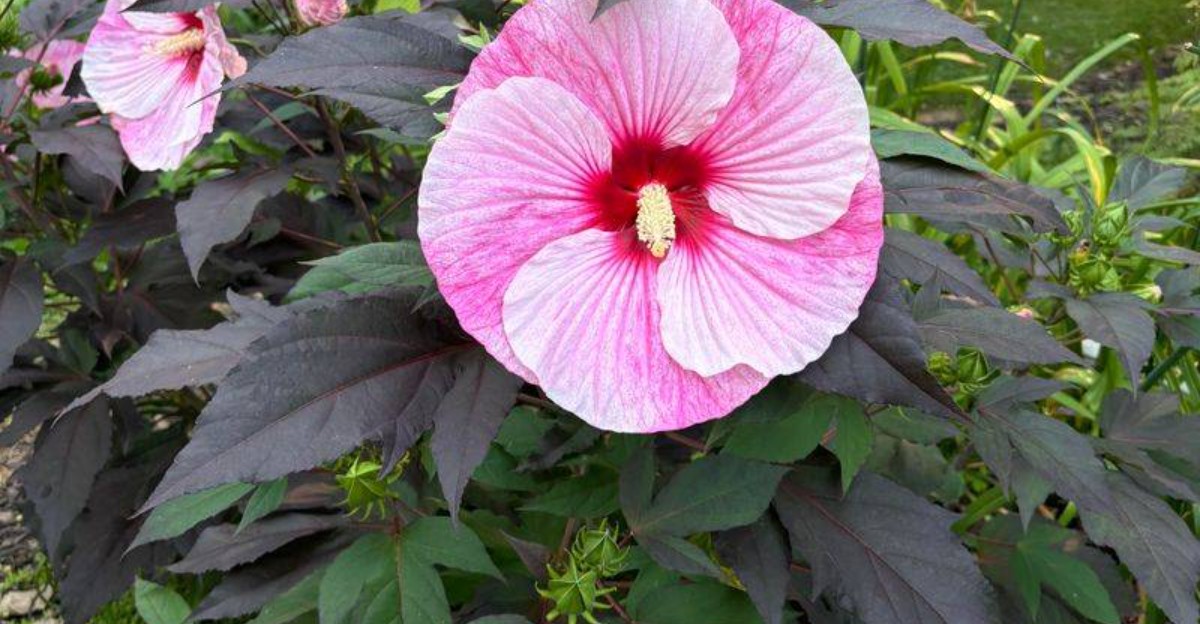
Hardy hibiscus produces giant blooms for only a few weeks, then seems to give up. Stems turn brown, and the plant looks tired. That is normal.
What you do next decides how well it returns. Many gardeners cut it down at once and then panic in spring when nothing appears. Hardy hibiscus is famously slow to wake up in Michigan, often waiting until late spring to show growth.
That does not mean it failed. Timing and protection matter more than speed. Mulch, cutting height, and the choice between fall and spring cleanup all play a part.
A little patience pays off with a big, tropical-looking plant in summer. Learn what to do now, and you can stop worrying about the bare spot.
1. Know That Branch Loss Is Normal
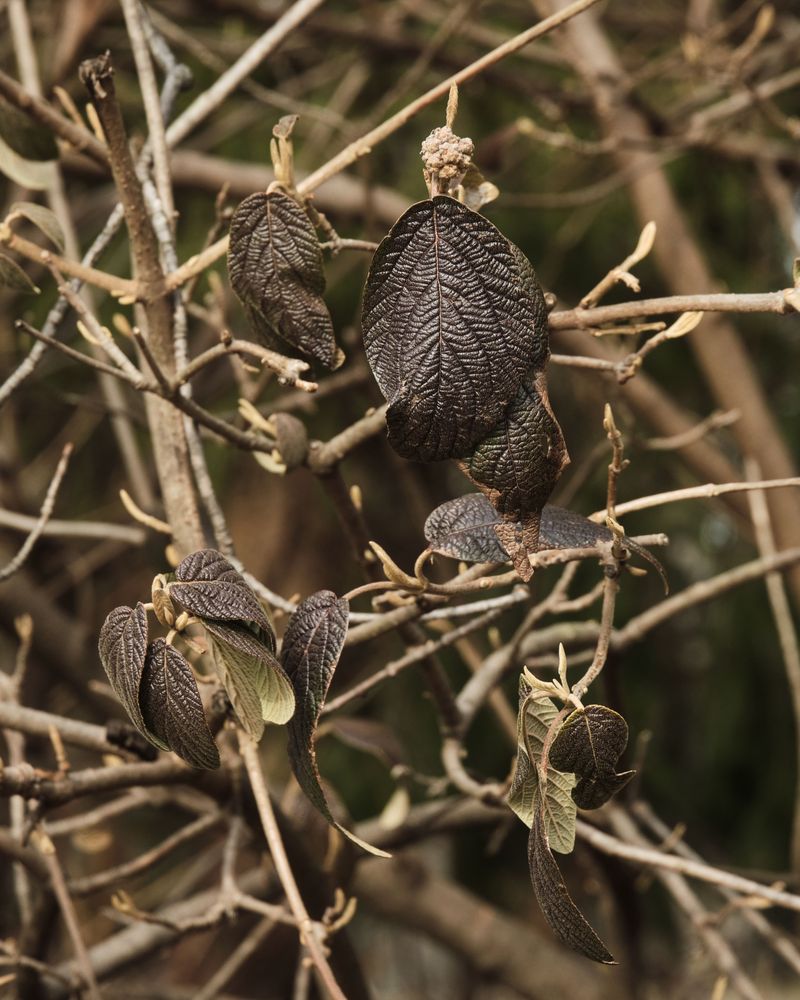
Every fall, a worried gardener somewhere in Michigan looks out the window and sees a tall, brown hibiscus that seems ready for the compost pile. Relax, because nothing is wrong. Your plant is simply taking its winter nap.
Hardy hibiscus, known by the scientific name Hibiscus moscheutos and also called rose mallow, behaves very differently from its cousin, rose of Sharon. Rose of Sharon is a woody shrub that keeps its branches all winter.
Hardy hibiscus is a herbaceous perennial, which means its stems and leaves fade back to the ground each year while the roots stay alive and cozy underground.
As the weather cools, you will notice the leaves turning yellow and dropping one by one. After the first frost, the stems turn brown, stiff, and woody. It can look a little sad, but this is all part of the plant’s normal yearly cycle.
Underneath the soil, the thick root system is storing energy for next season. Come late spring, those roots will push up fresh green shoots that grow surprisingly fast.
By midsummer, the plant can stand four to seven feet tall, depending on the variety. Knowing what to expect matters a lot here in Michigan.
Our falls arrive quickly, and the change from lush green to bare brown stems can happen in just a couple of weeks. Plenty of gardeners have pulled out healthy plants by mistake, thinking they were lost.
So when your hibiscus browns this fall, take a deep breath and leave those roots alone. A little understanding now saves you from buying a replacement plant you never needed. Next summer, those giant blooms will be back to prove it.
2. Decide What To Do With The Seed Pods
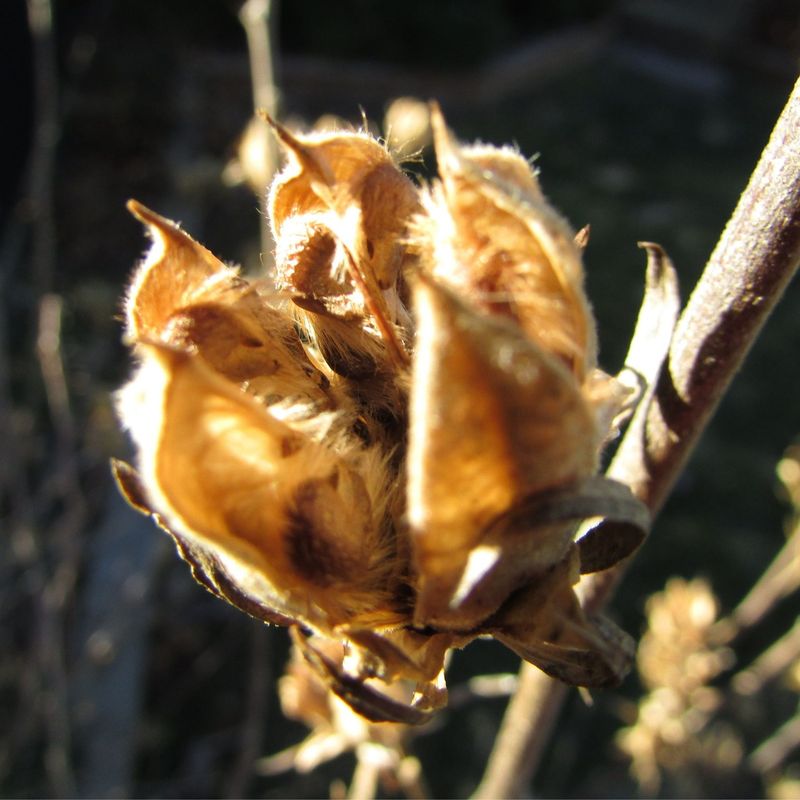
Once the last big flower drops, a new surprise shows up in its place. Small, round seed pods form where each bloom used to be, and they hold a lot of possibility.
As fall moves along, these pods dry out and turn brown. Eventually they split open and scatter seeds around the garden. Some of those seeds may sprout next year, giving you little hibiscus babies in spots you never planned.
Here is the twist. If you grow a hybrid variety, the seedlings may not look like the parent plant at all. You might get different flower colors, smaller blooms, or a plant that grows taller or shorter than you expected.
Your Michigan Garden Changes Every Week. Your Plan Should Too.
Gardening in Michigan changes quickly throughout the season. Every Friday you’ll receive a simple weekly plan showing exactly what to plant, prune, fertilize, harvest, and protect so you never miss the right timing.
You have a few choices, and each one works fine. If you like a neat garden, snip off the pods with clean pruners before they crack open. That simple step keeps surprise seedlings from popping up in your lawn or flower beds.
Feeling curious instead? Let the pods dry right on the stems, then cut them off and drop them into a paper bag. Paper lets moisture escape, so the seeds stay dry and ready for spring sowing.
Some gardeners leave a handful of pods on the plant just for looks. The rustic brown shapes can add texture to a snowy winter garden, and they make a charming addition to dried flower arrangements too.
For Michigan gardeners, this choice really comes down to personal style. You can enjoy a tidy, controlled bed or welcome a few bonus plants to share with friends and neighbors.
Either way, a few minutes with those pods gives you more control over what your garden looks like next summer.
3. Cut Stems Back After A Hard Frost
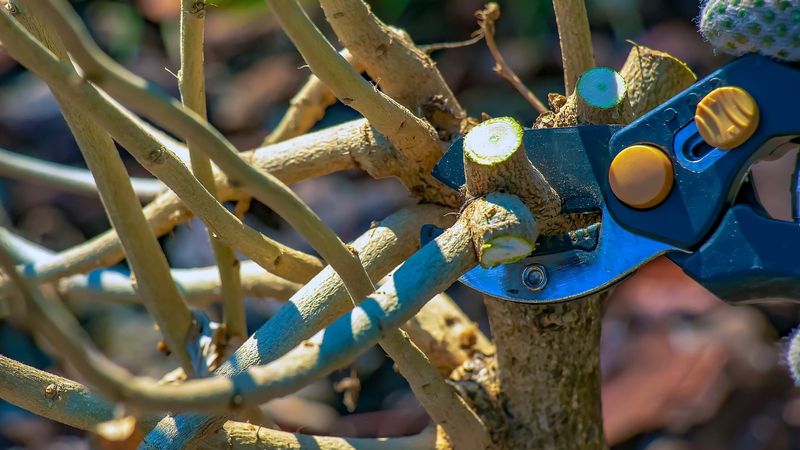
Timing is everything when you grab the pruners. Cut too soon, and you rob your hibiscus of a final energy boost it really needs before winter.
While the leaves are still green, they keep making food for the plant. As cold weather creeps in, the plant slowly moves that energy down into its roots for storage. Waiting until after a hard frost gives it time to finish the job.
So how do you know the moment has arrived? Look for leaves that have turned brown or black and gone limp after a freezing night. In most parts of Michigan, the first hard freeze shows up in October or early November, though northern areas often see it sooner.
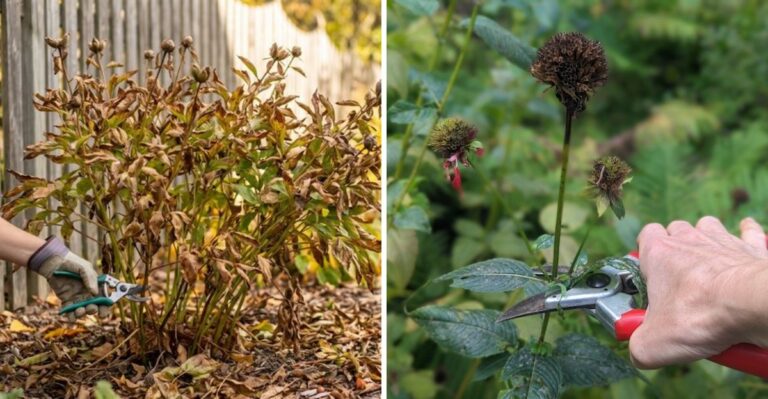
Once the foliage looks frost-burned, grab a pair of sharp pruners or loppers. Hardy hibiscus stems get thick and tough by fall, so a strong, clean tool makes the work much easier. Cut each stem back to about four to six inches above the ground.
Not in the mood for fall chores? You can leave the stems standing all winter and cut them in spring instead. Some gardeners like how the tall stalks catch snow, and they also help you remember where the plant lives.
Take a quick look at the fallen leaves before you finish. If you spot heavy disease spots or lots of pest damage, bag those leaves and remove them from the garden. Leaving them behind can give problems a place to spend the winter.
A clean cut at the right time keeps your garden neat and your plant strong. Next spring, it will reward you with fresh, vigorous growth.
4. Mark The Spot Before Winter
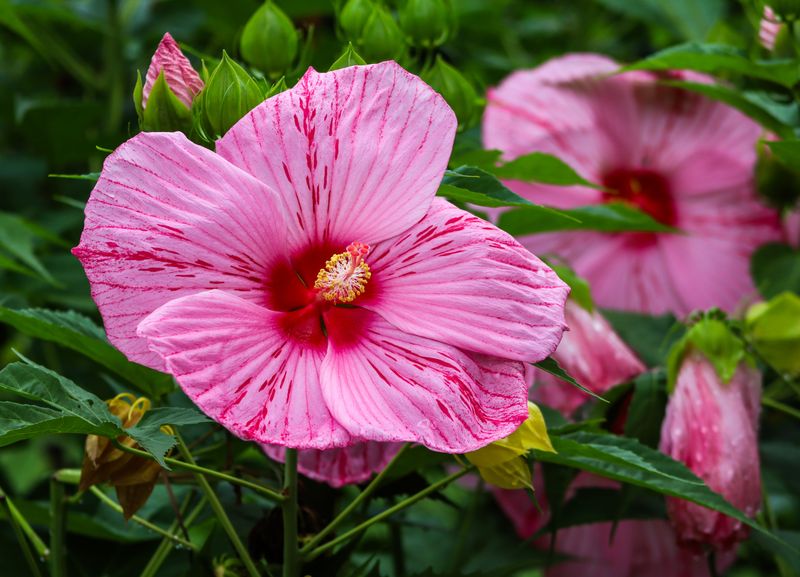
Ask any experienced gardener about hardy hibiscus, and you might hear a funny story about accidentally digging one up. It happens more often than you would think.
Hardy hibiscus is famous for being a sleepyhead. While tulips, hostas, and daylilies are already up and growing, this plant often waits until late May or even June to show new shoots. During that long wait, the bare spot looks like empty soil.
That empty-looking patch can fool you. Gardeners sometimes plant something new right on top of it, or they assume the hibiscus did not survive winter and start digging. A simple marker can prevent all of that heartache.
The easiest trick is to leave a few inches of stem standing when you cut back the plant. Those stubby stalks act like a natural flag all winter and into spring. You will always know exactly where the crown is hiding.
Want something more noticeable? Push a sturdy plant marker or wooden stake into the ground next to each hibiscus. Pick something that will not blow away or crack in freezing weather, and write the variety name on it so you remember what you planted.
You should also avoid tucking bulbs or new perennials directly over the crown. Digging there can damage the roots, and other plants can crowd the hibiscus once it finally wakes up.
Michigan springs can be cool and slow, which pushes new growth even later than usual. A chilly May might keep your hibiscus underground for weeks after your neighbors’ gardens are green. With the spot clearly marked, you can wait calmly and trust that it is coming.
5. Mulch And Water Before The Ground Freezes
Michigan winters can feel like a roller coaster. One week brings a deep freeze, the next brings a thaw, and then the cold slams back again.
Established hardy hibiscus plants handle Michigan cold quite well, since many varieties are hardy to zone 4 or 5.
The bigger trouble is that freezing and thawing cycle. When soil freezes and thaws over and over, it can shift and heave, pushing roots up and leaving them exposed.
Young plants feel this the most. If you planted your hibiscus within the last year or two, its roots are not as deep or tough as older plants. A good layer of mulch acts like a warm blanket that keeps the soil temperature steady.
Start with water. If fall has been dry, give your plant a deep, slow soaking before the ground freezes. Moist soil holds warmth better than dry soil, and well-watered roots enter winter healthy and ready to rest.
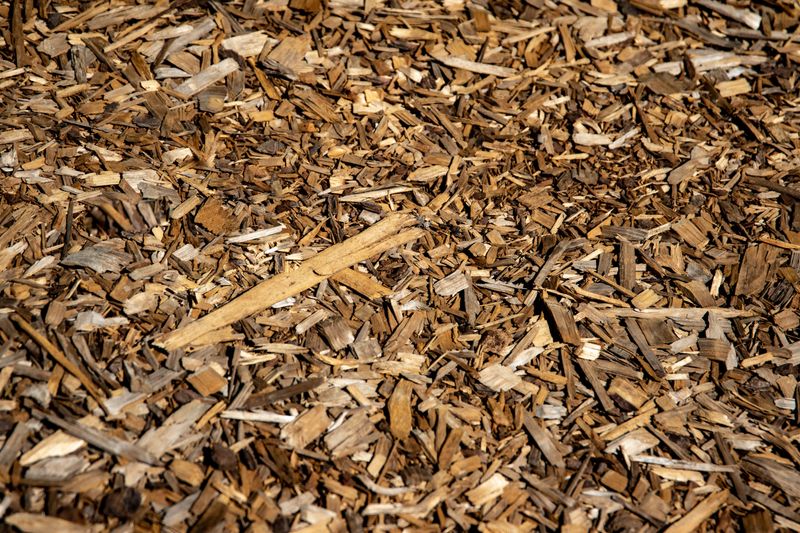
Next comes the mulch. After the ground begins to freeze, spread three to four inches of shredded leaves, straw, or bark over the crown. Waiting until the soil gets cold helps keep mice from moving in and building cozy winter homes.
Shredded leaves from your own yard work wonderfully and cost nothing. Just run over them with a lawn mower first so they do not pack into a soggy mat.
In spring, pull the mulch back a little at a time as the weather warms. Removing it gradually lets the soil heat up and protects new shoots from a surprise late frost. With this cozy cover, your hibiscus can ride out even the wildest Michigan winter.
6. Skip Fertilizer Until Spring Growth Appears
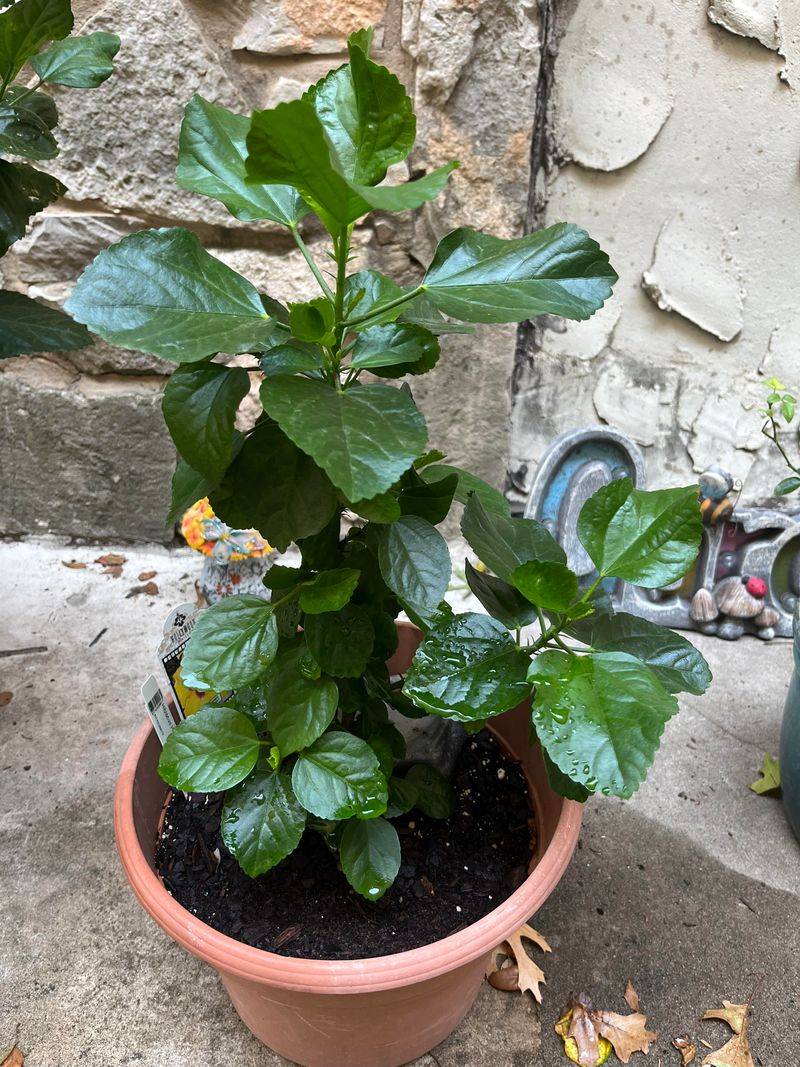
Giving your plants a snack might seem kind, but fall is the wrong time to feed hardy hibiscus. Think of it like serving a big dinner to someone who is already heading to bed.
By autumn, your hibiscus is slowing down and getting ready for dormancy. Its roots are not actively growing, so they cannot use the nutrients you add. Most of that fertilizer will just sit in the soil or wash away with fall rain and melting snow.
Wasted fertilizer is not only a waste of money. Extra nutrients that run off can end up in streams and lakes, which matters a lot in a state surrounded by the Great Lakes. Holding off protects both your wallet and the water.
So put the fertilizer bag away for fall and winter. Your plant has already stored the energy it needs in its roots, and it will rest just fine without extra help. The best time to feed comes later.
Once you see new shoots poking through the soil in late spring, sprinkle a light amount of balanced fertilizer around the plant, or spread a layer of rich compost. Either option gives the plant a healthy boost right when it starts growing.
Water is just as important as food. Hardy hibiscus naturally grows in wet areas like marshes, so it loves moist soil. Keep the ground evenly damp through summer, especially during hot, dry spells.
For Michigan gardeners, spring feeding is extra helpful. Because hardy hibiscus wakes up so late, it has less time to grow before bloom season. A well-timed meal helps it catch up and produce those huge, showy flowers by July and August.
7. Be Patient And Watch For Pests In Spring
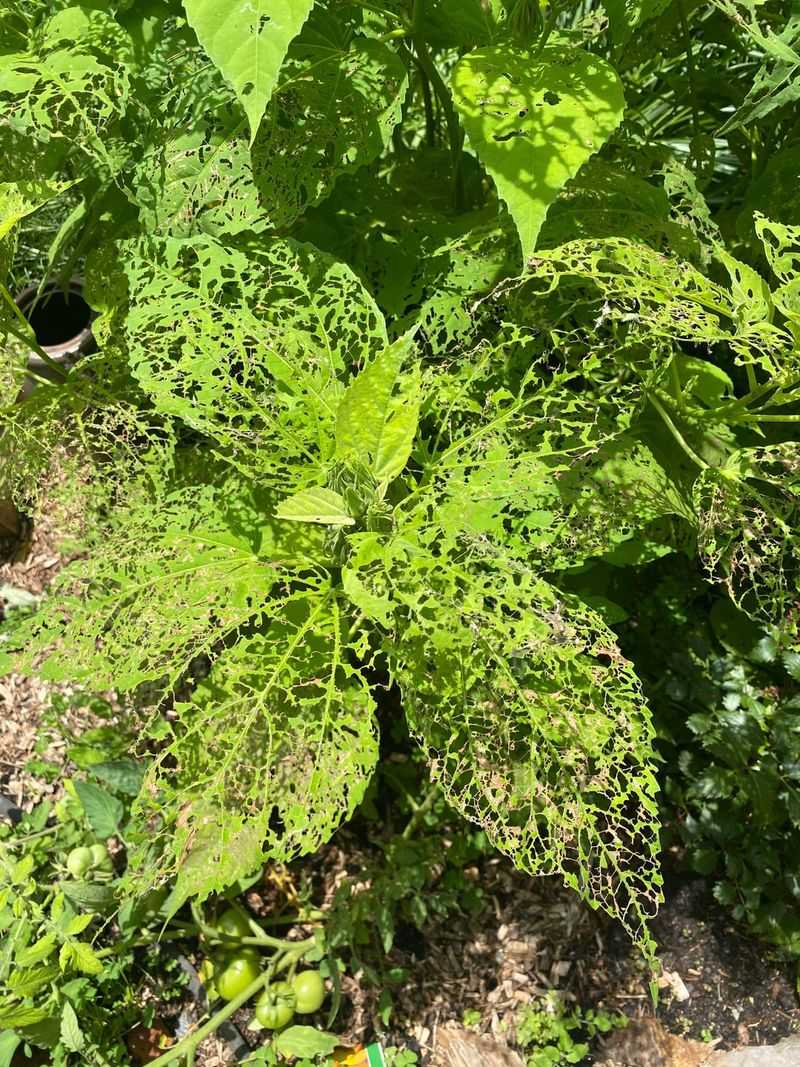
Patience pays off big with hardy hibiscus. Just when you start to wonder if it will ever return, tiny red or green shoots finally break through the soil.
Once the ground warms up, this plant grows at an amazing speed. Some varieties shoot up several inches in a single week and reach full size by midsummer. Before long, huge flower buds start forming at the tips of the stems.
Do not give up too early, though. Wait until at least late spring, or even mid-June, before deciding a plant was lost. In Michigan, hardy hibiscus often appears weeks after other perennials, especially after a cold, rainy spring.
Fresh, tender leaves can attract hungry visitors. The hibiscus sawfly is a common troublemaker, and its small green larvae hide on the undersides of leaves. They chew away the soft leaf tissue and leave behind a lacy, skeleton-like pattern.
Flip over a few leaves every week or so once your plant starts growing. If you spot the tiny larvae, pick them off by hand or spray them with insecticidal soap. Catching them early keeps damage small and your plant looking healthy.
As summer begins, Japanese beetles often show up too. These shiny green and copper beetles love hibiscus leaves and flowers. The easiest way to handle them is to knock them into a bucket of soapy water in the early morning, when they move slowly.
A little attention in spring makes a huge difference. Your hibiscus spent the whole winter resting and storing energy, and now it is ready to shine. Keep watch, stay patient, and enjoy those spectacular blooms when they arrive.