The Simple Hydrangea Task To Do Now For Bigger Blooms Next Spring
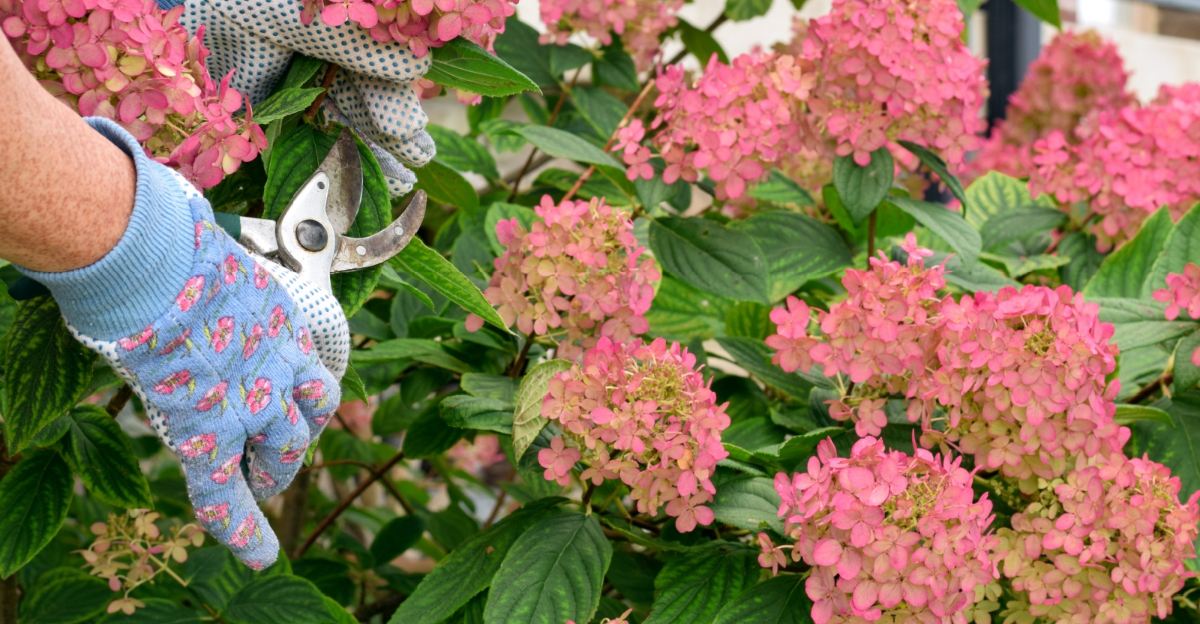
Those faded hydrangea blooms are trying to tell you a secret. Wait too long, and your spring pays a price. Timing beats technique whenever you cut hydrangeas back.
Cutting the wrong stems sets buds back for months. Long, humid summers push hydrangeas hard, testing their limits. Fall demands attention most gardeners simply refuse to give.
Nobody explains the difference between old wood and new growth. Skipping this step quietly shrinks next year’s blooms. Careful gardeners still spot weak wood in their beds without hesitation.
Fungal spots and crossed branches signal trouble ahead. Every cut you make shapes how many blooms return next year. Even seasoned gardeners often misjudge which stems to spare.
Your hydrangeas remember every choice you make this fall. Momentum builds now, whether or not you notice it.
You hold more control over spring than you realize. Ignore this simple step now, and spring will not forgive you.
Why Removing Spent Blooms Matters For Next Spring
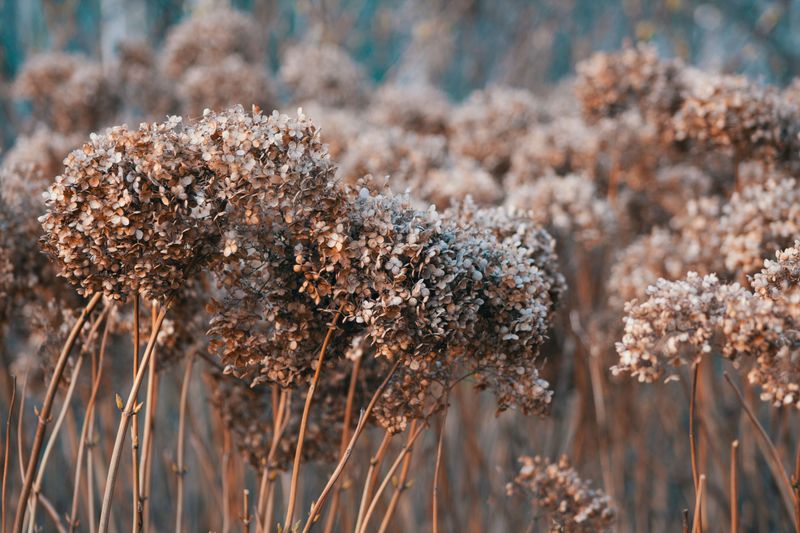
Those papery, brown flower heads clinging to your hydrangea are not just an eyesore. They are actually pulling energy away from the parts of your plant that matter most.
When a hydrangea holds onto spent blooms, it keeps sending resources toward seeds. That energy could go toward building stronger stems and healthier buds for next spring instead.
Removing old flowers redirects the plant’s focus. Suddenly, roots get stronger, new growth points get fed, and bud development kicks into high gear.
Think of it like clearing clutter from your desk. Once the mess is gone, you can actually get real work done.
Hydrangeas are remarkably responsive shrubs. They notice when you make this change, and they reward you for it faster than you might expect.
Beyond energy redirection, removing spent blooms also improves airflow through the plant. Better airflow means fewer fungal problems, which is a bonus that protects your shrub heading into colder months.
Healthy airflow also helps stems harden off properly before frost arrives. That matters a lot if you live somewhere with unpredictable late-season weather.
Skipping this task means your plant recovers more slowly than it should. Your plant will still move forward, but not nearly as fast or as far as it could.
Bigger blooms next spring start with one focused session in the garden now. Grab your clippers and get ready to give your hydrangeas the reset they deserve.
When To Trim Faded Flowers On Your Hydrangeas
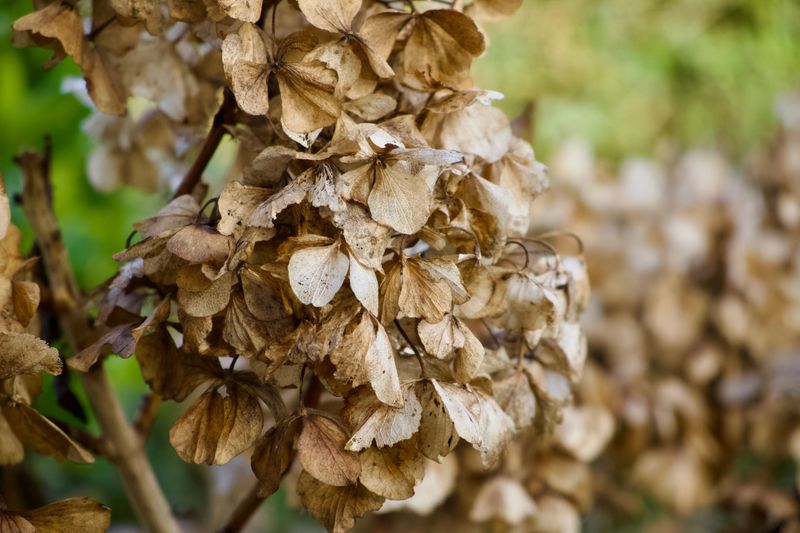
Timing matters with hydrangeas, and getting this wrong can delay next year’s blooms. The sweet spot for trimming faded flowers is late summer through early fall.
Once the blooms shift from their original color to a papery tan or brown, that’s your green light. Waiting too long into autumn risks cutting off next year’s buds before they can set.
Most hydrangea varieties begin forming their flower buds for next spring surprisingly early, though the exact timing depends on your variety and climate zone.
A good rule of thumb is to finish trimming spent blooms four to six weeks before your area’s average first frost. Gardeners in warmer zones can push that window a little later, but not by much.
Watch the plant itself for clues rather than watching the calendar alone. When the blooms look crunchy and the petals feel like tissue paper, it’s time to act.
Rainy or humid weeks can speed up the deterioration of flower heads. Checking your plants every few days during late summer keeps you ahead of the timeline.
Morning is the best time of day to trim. Plants are hydrated, your cuts will be cleaner, and the stems have time to begin healing before evening temperatures drop.
Getting the timing right on this simple hydrangea task is what separates average blooms from a truly standout display next May.
How To Identify Old Wood And New Wood Varieties
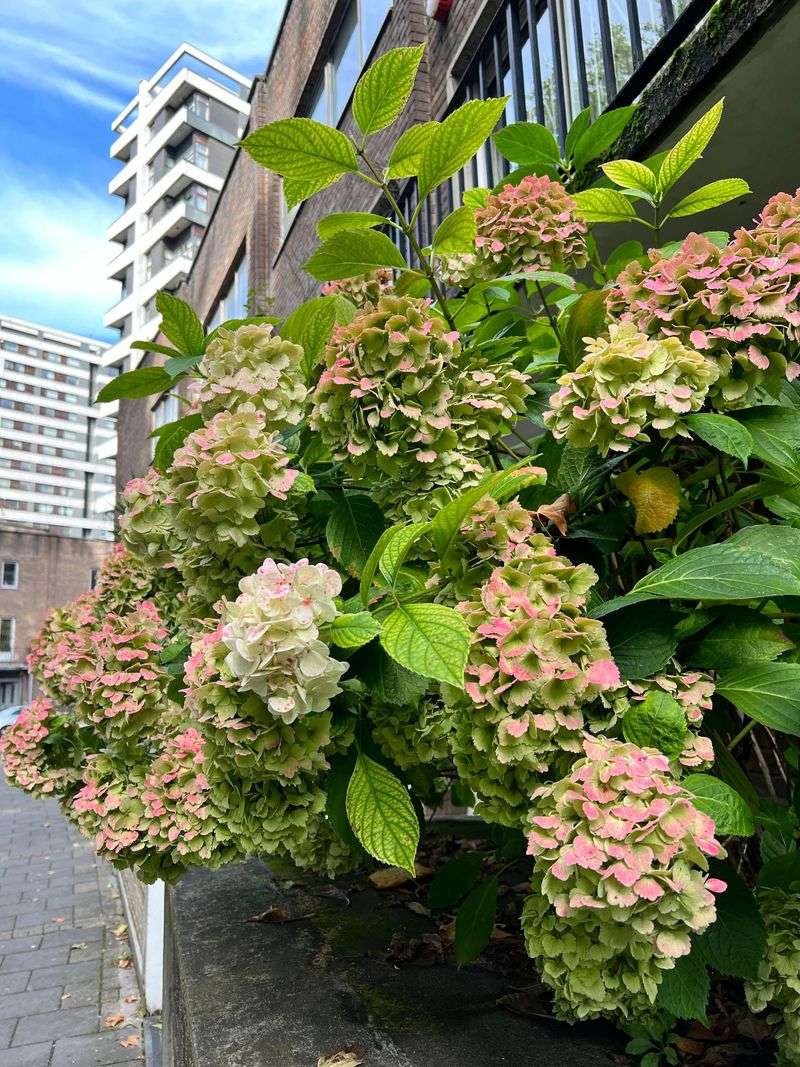
Not all hydrangeas play by the same rules, and cutting the wrong one at the wrong time can significantly reduce flowering next year. The key is knowing whether your shrub blooms on old wood or new wood.
Old wood bloomers set their buds on stems that grew during the previous season. Bigleaf hydrangeas and oakleaf hydrangeas fall into this group, and they need extra care during trimming season.
New wood bloomers grow fresh stems each year and set buds on those brand-new shoots. Panicle hydrangeas and smooth hydrangeas belong here, and they are much more forgiving of trimming.
To figure out which type you have, look at when your plant bloomed this past summer. As a general guide, hydrangeas that bloom earlier in summer are often old wood varieties, though this can shift depending on your climate.
If your shrub bloomed in mid-to-late summer and kept going strong, it is probably a new wood type. Some newer cultivars bloom on both, which makes life a little easier.
Check the tag from when you purchased the plant if you still have it. The variety name can also help you search online for specific trimming guidance.
Old wood varieties need gentle, minimal trimming right after blooming. Cutting them back hard in fall removes next spring’s buds entirely, which is the mistake most gardeners make.
Knowing your variety turns guesswork into confidence. Once you crack this code, every trimming decision you make from here on out will feel completely natural.
The Right Way To Cut Spent Blooms
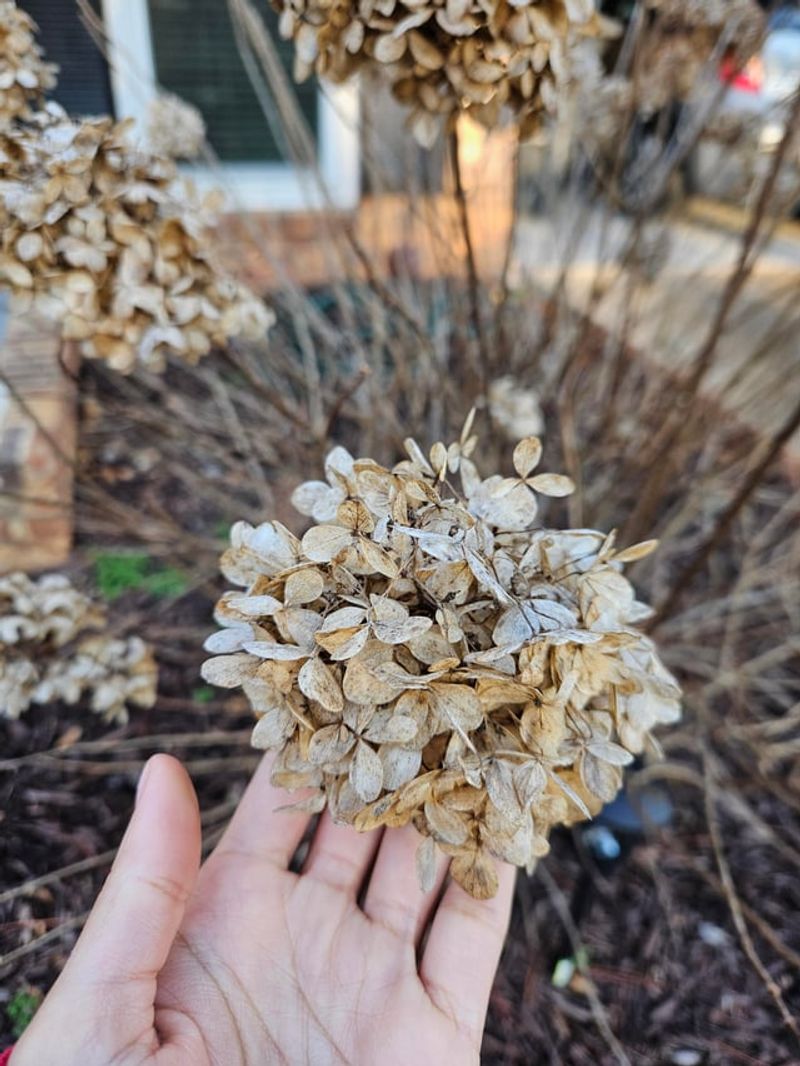
Sharp, clean tools are the starting point for every good cut you will ever make on a hydrangea. Dull blades crush stems instead of slicing them, which invites bacteria and slows healing.
Bypass pruners are the right tool for this job. They make a clean, precise cut rather than the crushing action you get from anvil-style pruners.
Wipe your blades with rubbing alcohol before you start. One quick swipe prevents you from accidentally spreading disease from one part of the plant to another.
For most hydrangeas, cut the spent bloom stem back to just above the first set of healthy leaves. You will see small, swollen nodes near the leaf joint, and those are your future buds.
Cutting above that node protects the bud from damage. It also keeps the plant looking tidy without removing anything it needs for next spring’s show.
Angle your cut slightly so water runs off the stem rather than pooling on top of it. A 45-degree angle is all it takes to make a meaningful difference.
Avoid cutting more than one-third of the plant’s overall height during this session. Aggressive cutting in fall stresses the shrub right before it needs to hunker down for winter.
Work slowly and step back every few cuts to assess the overall shape. Rushed trimming leads to lopsided plants that take another full season to recover their natural form.
Done right, this simple hydrangea task leaves your shrub looking clean, balanced, and fully ready to put energy into vibrant blooms come spring.
Feeding And Watering After Trimming
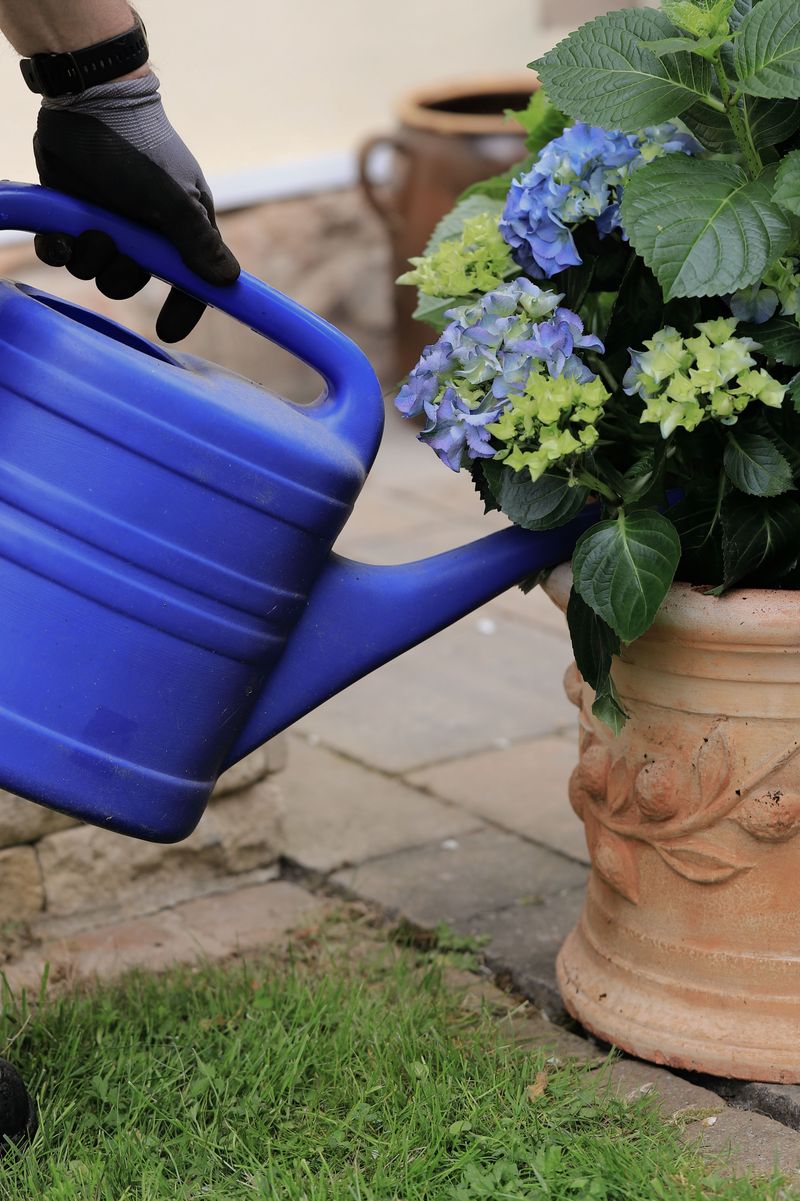
Trimming your hydrangeas opens a window of opportunity that most gardeners completely ignore. Right after cutting, the plant is primed to absorb nutrients and push them toward bud development.
A slow-release, low-nitrogen fertilizer applied right after trimming gives roots exactly what they need. High nitrogen at this stage pushes leafy growth, which is the last thing you want heading into fall.
Look for a fertilizer with a higher middle and last number on the label, something like 5-10-10. Phosphorus and potassium support root strength and bud formation far better than nitrogen does right now.
Scatter the granules evenly around the drip line of the shrub. That’s the outer edge of the plant’s canopy, which is where the feeder roots are most active and hungry.
Water deeply right after fertilizing to help those nutrients move down into the root zone. A slow, thorough soak beats a quick sprinkle every single time.
Continue watering consistently through fall until the ground begins to freeze. Hydrangeas going into winter with dry roots are far more vulnerable to cold damage than well-hydrated ones.
Avoid fertilizing once you’re within four to six weeks of your area’s average first frost. Late feeding can push tender new growth that a frost will quickly damage, undoing all your careful prep work.
A layer of mulch around the base of the plant after feeding locks in moisture and regulates soil temperature. Two to three inches of shredded bark is the sweet spot for most hydrangea shrubs.
Common Mistakes That Affect Next Year’s Flowers
Even well-meaning gardeners make the same few mistakes year after year, and the results show up as noticeably fewer blooms each spring. Knowing what not to do is just as powerful as knowing what to do.
The most common mistake is cutting old wood varieties too late in fall or too early in spring. Both moves remove the buds that were quietly forming since late summer.
Another common error is using the wrong fertilizer at the wrong time. Nitrogen-heavy products applied in late summer push leafy growth instead of supporting the root and bud development your plant actually needs.
Skipping the watering routine after trimming is a surprisingly common oversight. Dry soil prevents nutrients from reaching the roots, which stalls the recovery process right when momentum matters most.
Some gardeners cut spent blooms all the way to the ground, assuming more is better. That approach strips the plant of the stems and nodes that carry next spring’s buds.
Pruning with dirty or dull tools is another issue that leads to slow-healing wounds. Those wounds become entry points for fungal infections that weaken the plant over time.
Neglecting to mulch after trimming leaves roots exposed to temperature swings all winter. Unprotected roots stress out, and stressed roots produce fewer, smaller blooms come spring.
One final mistake is doing nothing at all. Skipping this simple hydrangea task year after year compounds the problem, and blooms decline noticeably over time