The Common Tomato Problem Every Missouri Gardener Runs Into Eventually
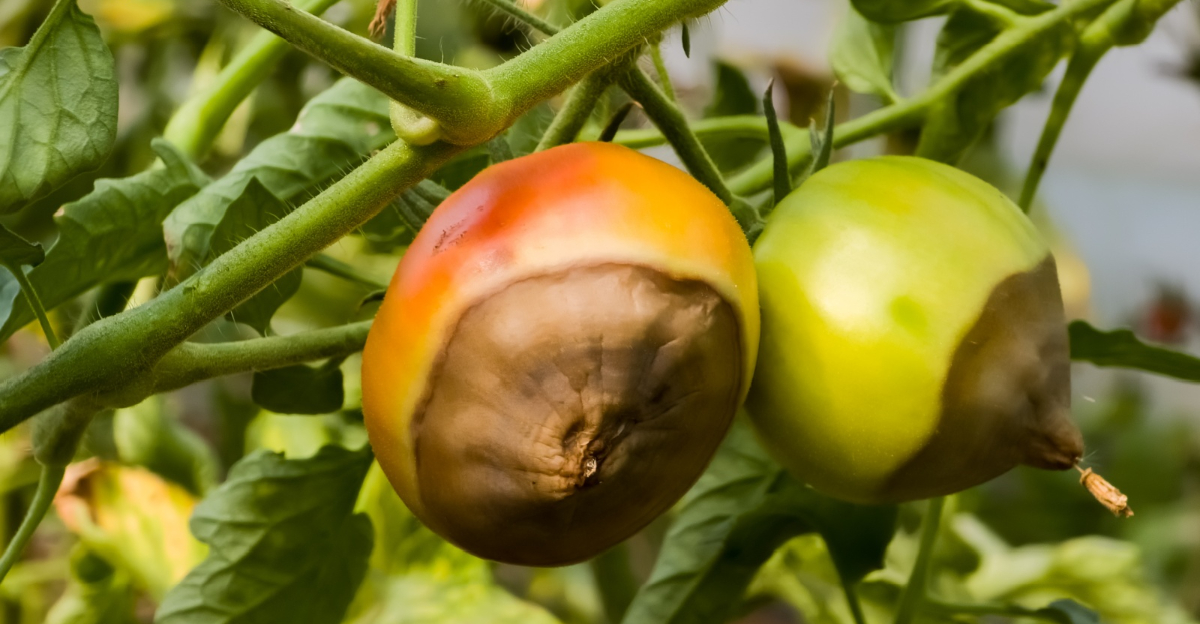
Something dark and sunken has just appeared on your favorite tomato. Concern sets in fast when that mark spreads across ripening fruit. Missouri gardens face this exact challenge almost every summer.
Heat, humidity, and unpredictable rain patterns create tricky conditions for ripening fruit. Blame often lands on bugs or disease first. Calcium struggles to reach fruit when watering stays inconsistent.
Stress builds quietly inside your plant long before symptoms appear. Weather swings across Missouri make this stress nearly unavoidable.
Uncertainty often turns into quiet disappointment about wasted effort and a smaller harvest. Answers exist, and they are simpler than most gardeners expect.
Clarity quickly replaces doubt once you understand what actually triggers this condition. Knowledge turns you from puzzled bystander into confident problem solver.
Questions about causes, prevention, and safety all receive clear answers right here. Your tomatoes deserve better, and the full truth is waiting right now.
What Causes That Dark Spot On Your Tomatoes
You reach into the vine and pull out what looks like a perfect tomato. Then you flip it over and notice the damage.
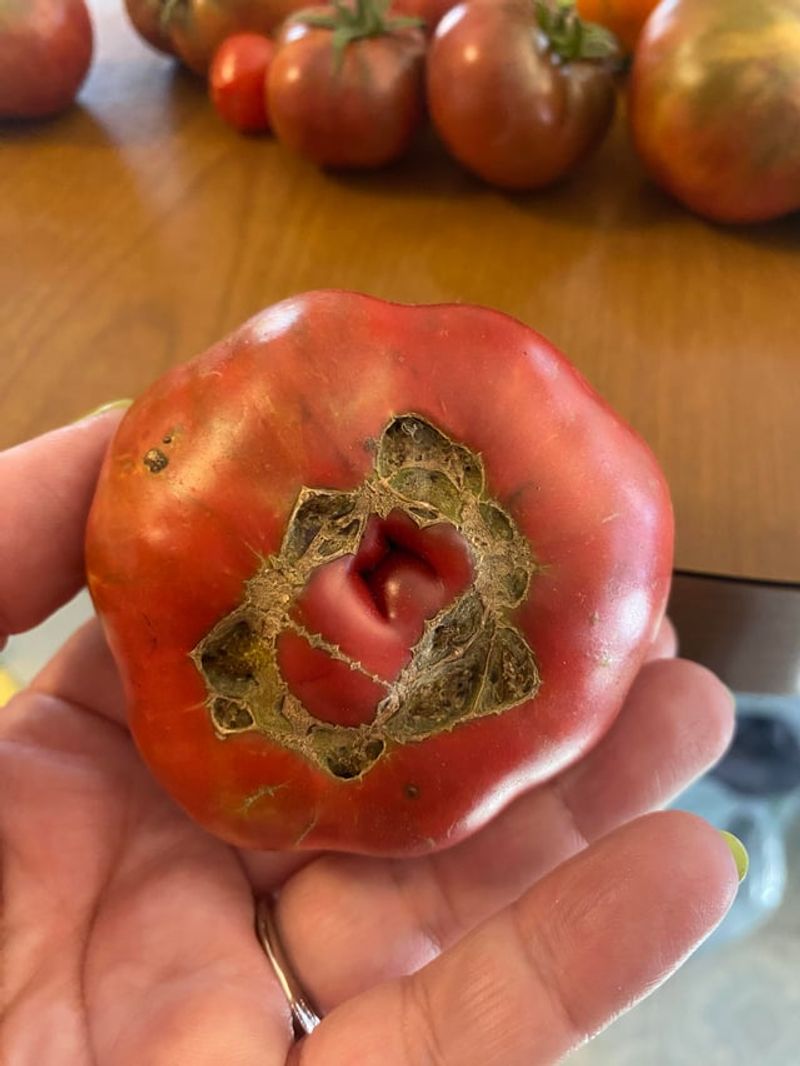
That dark, leathery patch on the bottom is not a bug bite or a disease. It is a condition called blossom end rot, and it is the common tomato problem that gardeners across the country encounter season after season.
The spot starts small, sometimes just a water-soaked circle near the base of the fruit. Over a few days, it darkens and sinks inward, turning brown or almost black.
A common misconception is that something is eating the tomato from outside. Actually, the damage happens from within the plant itself.
Blossom end rot is a physiological disorder, not a fungal infection or pest problem. That means no spray or pesticide will fix it.
The root cause is a calcium deficiency inside the developing fruit. Calcium is essential for building strong cell walls, and without enough of it, the tissue at the blossom end simply breaks down.
What makes this tricky is that your soil might actually have plenty of calcium. The plant just cannot move it fast enough to the growing fruit.
Rapid growth spurts during hot summer weather make this worse. The fruit grows faster than the plant can supply nutrients.
Understanding the true cause is your first step toward saving the rest of your harvest this season.
Understanding Blossom End Rot
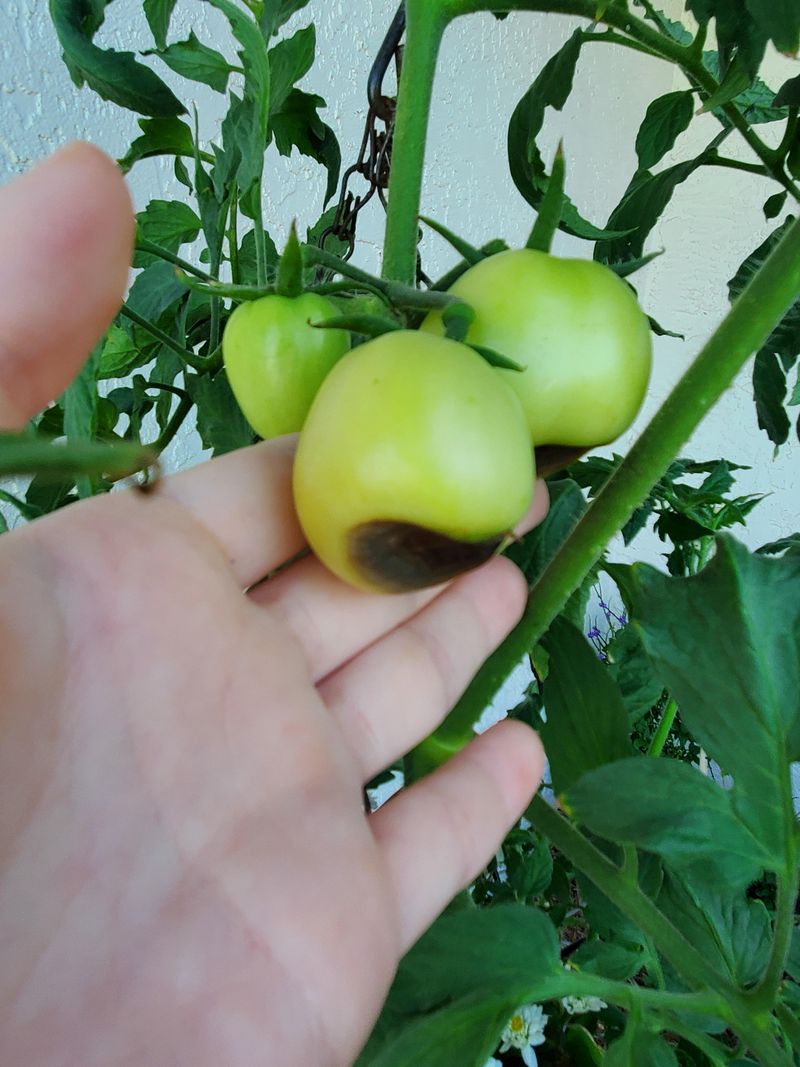
Blossom end rot sounds scary, but the name actually tells you exactly where to look. It always shows up at the blossom end, which is the bottom of the tomato opposite the stem.
This condition affects more than just tomatoes. Peppers, squash, and eggplant can all develop it too.
But tomatoes get hit the hardest, especially large varieties like beefsteak or roma types that put a lot of energy into fruit development. Missouri gardeners growing these popular varieties should stay especially alert.
The disorder kicks in during the earliest stages of fruit formation. Once a tomato starts developing, it needs a steady calcium supply to build each new cell layer properly.
Your Missouri Garden Changes Every Week. Your Plan Should Too.
Gardening in Missouri changes quickly throughout the season. Every Friday you’ll receive a simple weekly plan showing exactly what to plant, prune, fertilize, harvest, and protect so you never miss the right timing.
When calcium delivery gets interrupted, the cells at the blossom end collapse. The result is that dark, mushy patch you find on the underside of the fruit.
Interestingly, blossom end rot is not contagious. One affected tomato will not spread the condition to its neighbors on the vine.
However, if the conditions causing it are not corrected, multiple fruits on the same plant will show the same damage. That is what makes it seem like several plants are affected at once.
The first cluster of tomatoes on a plant is usually the most vulnerable. Later fruits often come out fine once the plant stabilizes.
Knowing this helps you stay calm and focused on solutions rather than panic-pulling your entire crop.
Why Calcium And Watering Matter So Much
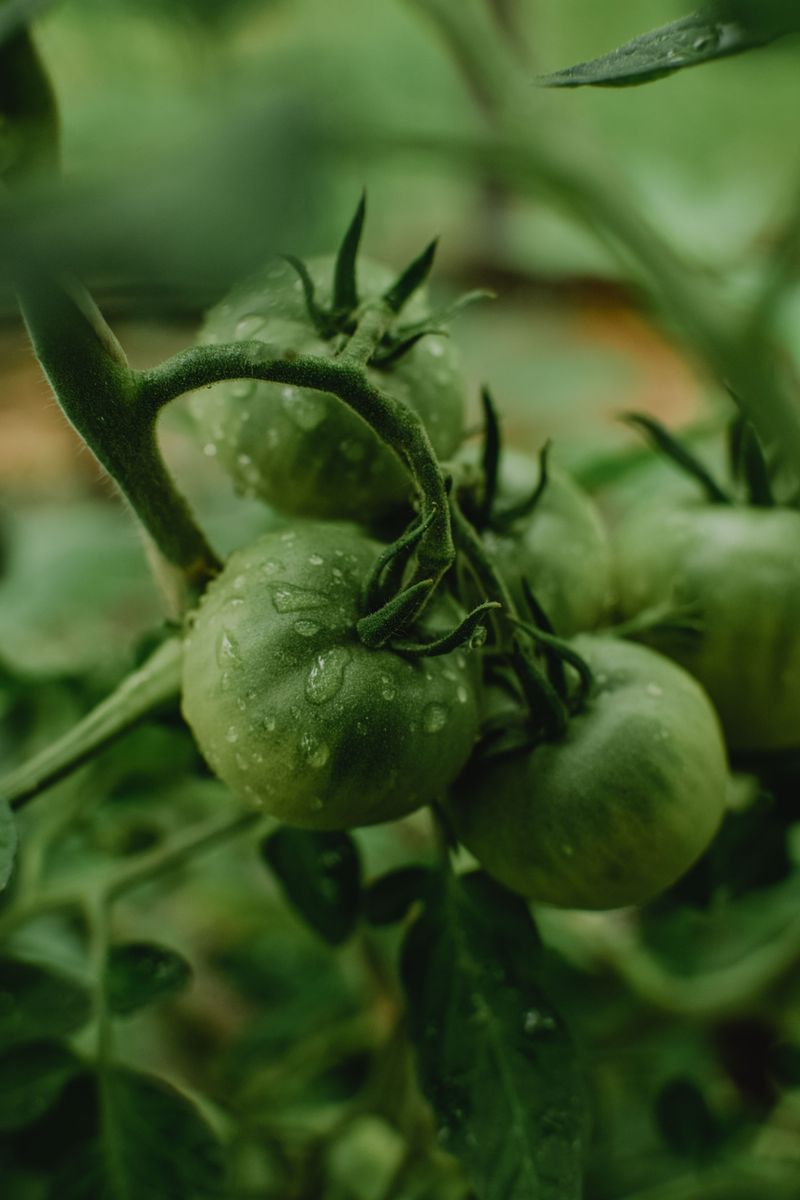
Calcium does not travel through a tomato plant the way water does. It moves slowly and only reaches the fruit through a steady, consistent flow of moisture.
When watering is inconsistent, calcium uptake stalls. The fruit keeps growing, but the cells at the blossom end do not get what they need to survive.
Think of it like a delivery truck that keeps stopping and starting. The packages eventually fall off the back.
Missouri summers often combine several conditions that increase the risk of this problem. A stretch of dry, hot days followed by heavy rainfall can stress the plant considerably.
That sudden flood of water after drought causes rapid growth. The plant cannot move calcium fast enough to keep up with the expanding fruit tissue.
Soil pH also plays a role. When soil is too acidic, calcium gets locked up and becomes unavailable to plant roots even if it is physically present in the ground.
The ideal soil pH for tomatoes sits between 6.2 and 6.8. A simple soil test from your local extension office can tell you exactly where yours stands.
Over-fertilizing with nitrogen makes things worse. Too much nitrogen pushes aggressive leafy growth, which pulls resources away from fruit development.
Consistent, deep watering is one of the most powerful tools you have. Aim for about one to two inches per week, spread evenly throughout the growing season.
How To Fix The Problem In Your Garden
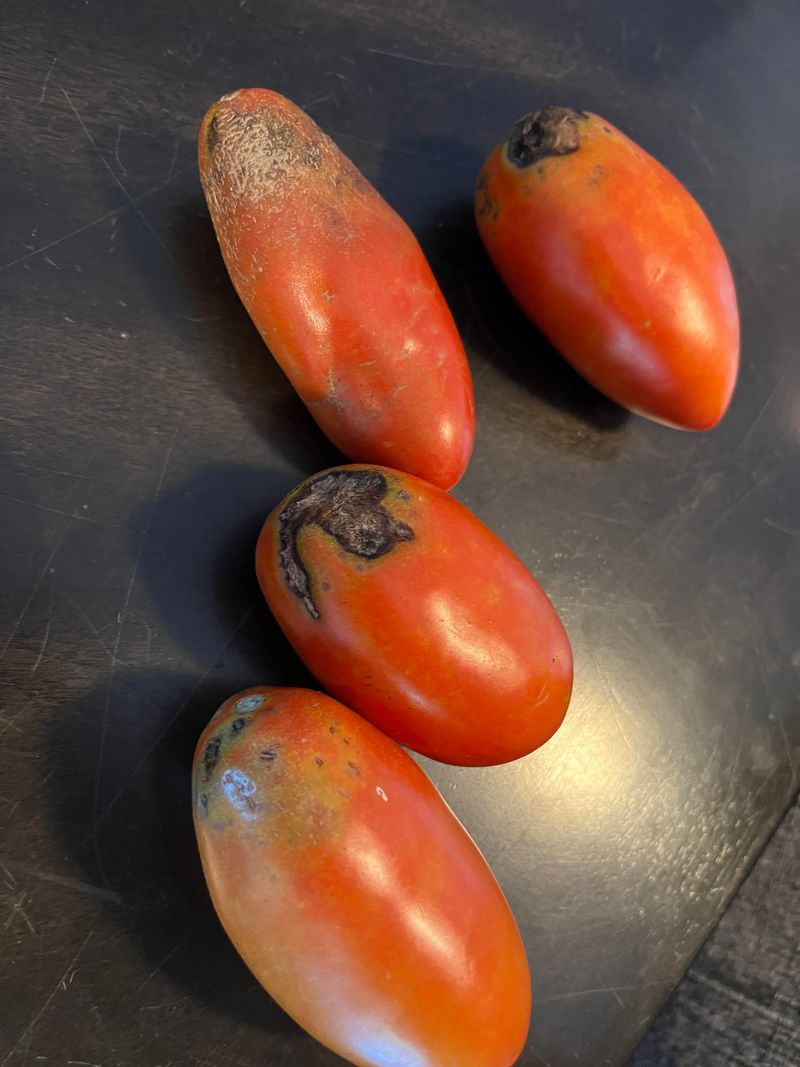
Spotting blossom end rot mid-season feels discouraging, but you still have time to protect the rest of your crop. Acting fast makes a real difference.
Start by removing every affected tomato from the plant immediately. Leaving damaged fruit on the vine drains energy that could go toward healthy new growth.
Next, focus on stabilizing your watering routine. Erratic moisture is the fastest trigger for this condition, so getting consistent is your top priority.
A layer of mulch around the base of each plant helps hold soil moisture between waterings. Two to three inches of straw or shredded leaves works beautifully in Missouri gardens.
Calcium sprays are available at most garden centers and can be applied directly to the leaves and developing fruit.
Their effectiveness is debated among experts, since fruit absorbs very little calcium through its skin, but many gardeners still use them as a precaution.
Crushed eggshells are a popular home remedy, but they break down too slowly to help mid-season. Save them for fall soil prep instead.
Check your fertilizer label and cut back on anything high in ammonium nitrogen. Switching to a balanced or low-nitrogen blend gives calcium a better chance to reach the fruit.
If your soil pH is off, a lime application can help unlock existing calcium in the ground. Work with your local cooperative extension office for specific recommendations. Every fix you make now protects the next round of tomatoes coming down the vine.
Simple Ways To Prevent It Next Season
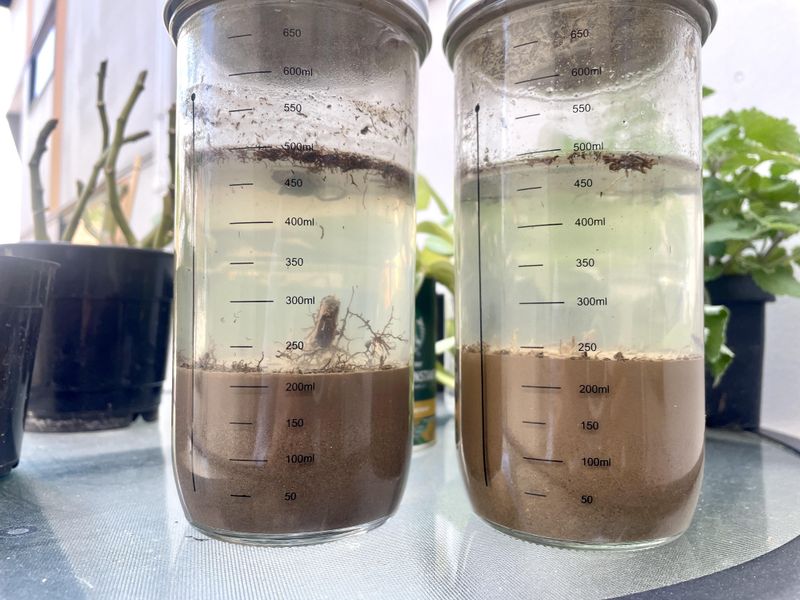
Prevention is often easier than treatment, and blossom end rot is one of the more preventable problems in any garden. A little planning before planting goes a very long way.
Start with a soil test every single year. Knowing your pH and nutrient levels before you plant gives you a huge head start on avoiding problems.
Add lime to acidic soil in the fall so it has time to break down before spring planting. This raises pH and boosts available calcium at the same time.
Mix compost into your beds generously each season. Healthy, organic-rich soil holds moisture more evenly, which keeps calcium moving through the plant consistently.
Choose tomato varieties bred for resistance to this condition. Look for labels that mention stability in heat or consistent fruit set.
Plant your tomatoes after the soil has warmed to at least 60 degrees Fahrenheit. Cold soil slows root development and limits nutrient absorption from the start.
Install drip irrigation if you can. It delivers water directly to the root zone at a steady pace, which is exactly what tomatoes need during hot Missouri summers.
Avoid planting in the same spot two years in a row. Rotating your tomato patch prevents nutrient depletion and reduces stress on the soil.
A little calcium granule mixed into each planting hole at transplant time gives seedlings a strong, well-supported start right from day one.
When the Tomato Is Still Safe To Eat
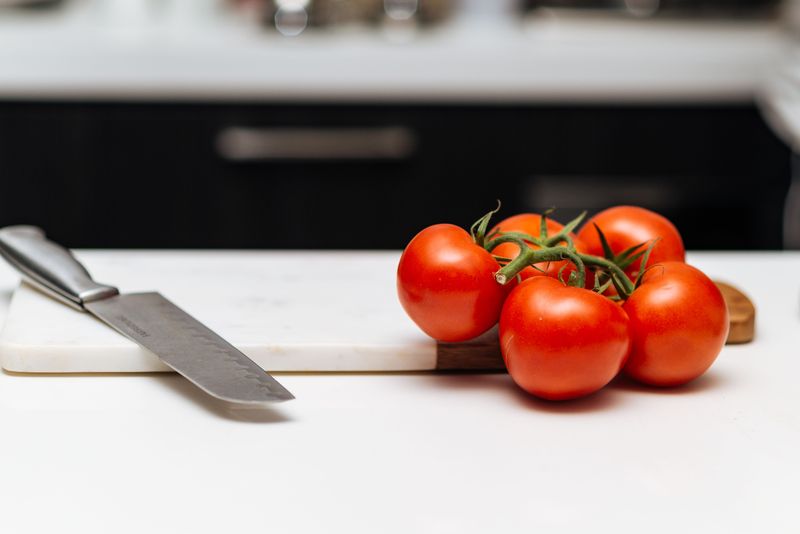
A tomato with blossom end rot is not automatically destined for the compost bin. Much of the fruit can still be enjoyed.
The dark, sunken area is the only part affected. Everything above it, toward the stem, is typically firm, red, and perfectly fine to eat.
Slice away the damaged section with a clean knife, cutting generously around and above the affected spot. What remains is a normal, flavorful tomato ready for your kitchen.
The texture of the healthy portion is not changed by this condition. It tastes exactly like any other ripe tomato from your garden.
However, if the dark area covers more than half the fruit, it is safer to toss the whole thing. At that point, there is not much left worth saving.
Tomatoes with blossom end rot also tend to ripen faster than healthy ones. Keep an eye on them and harvest as soon as they show full color.
Do not leave affected fruit sitting on the vine too long. Rotting tissue can attract insects and mold that might spread to nearby healthy tomatoes.
Use the salvageable portions in cooked dishes like sauces, soups, or salsas where slight texture differences disappear completely. Fresh slicing works too if the remaining flesh looks clean.
Saving even part of your harvest still allows you to make use of most of the fruit, and with this common tomato problem, that is often enough.