The Pennsylvania Vegetables To Direct Sow Now For A Heavy Fall Harvest
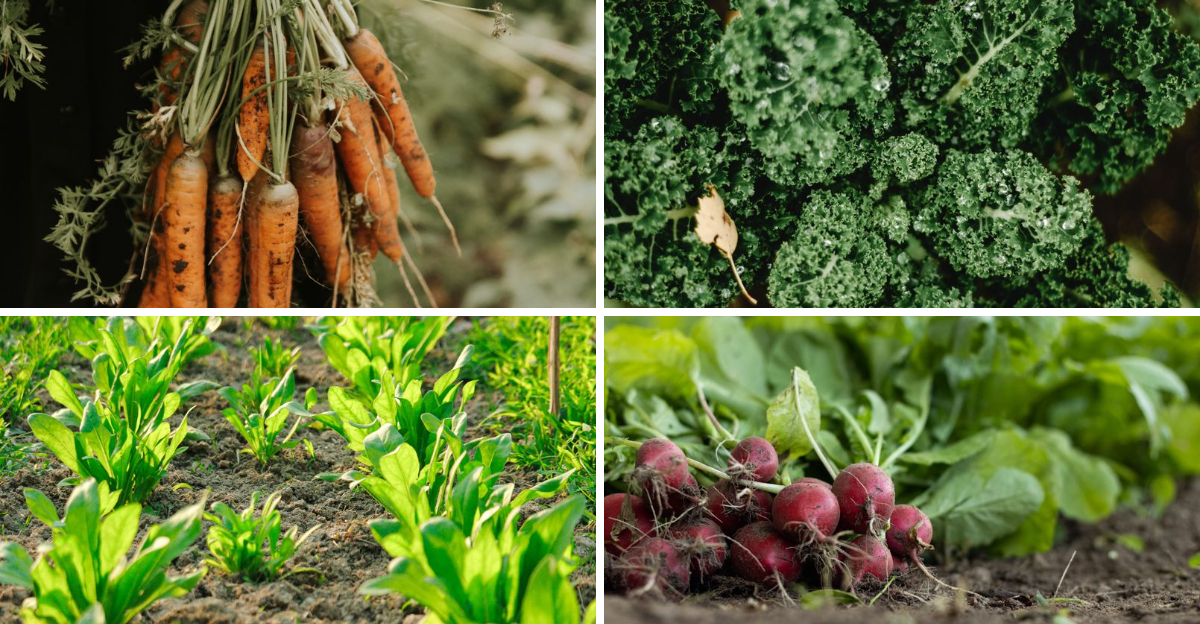
Late summer tricks you into thinking the garden is done for the year, but Pennsylvania soil says otherwise. Right now marks the sweet spot for direct sowing cool-season vegetables straight into the ground.
Fall harvests often outshine spring ones, and the flavor difference is real. Cooler nights push plants to pack extra sugars into their leaves and roots.
The soil still holds summer warmth while the days shrink, and that mix creates near-perfect germination conditions. Grab your seed packets now, because this window closes faster than most people expect.
This isn’t the season to coast. Every week you wait chips away at the odds of harvesting before the first frost hits.
1. Bush Beans Still Have Enough Time To Mature Before Frost
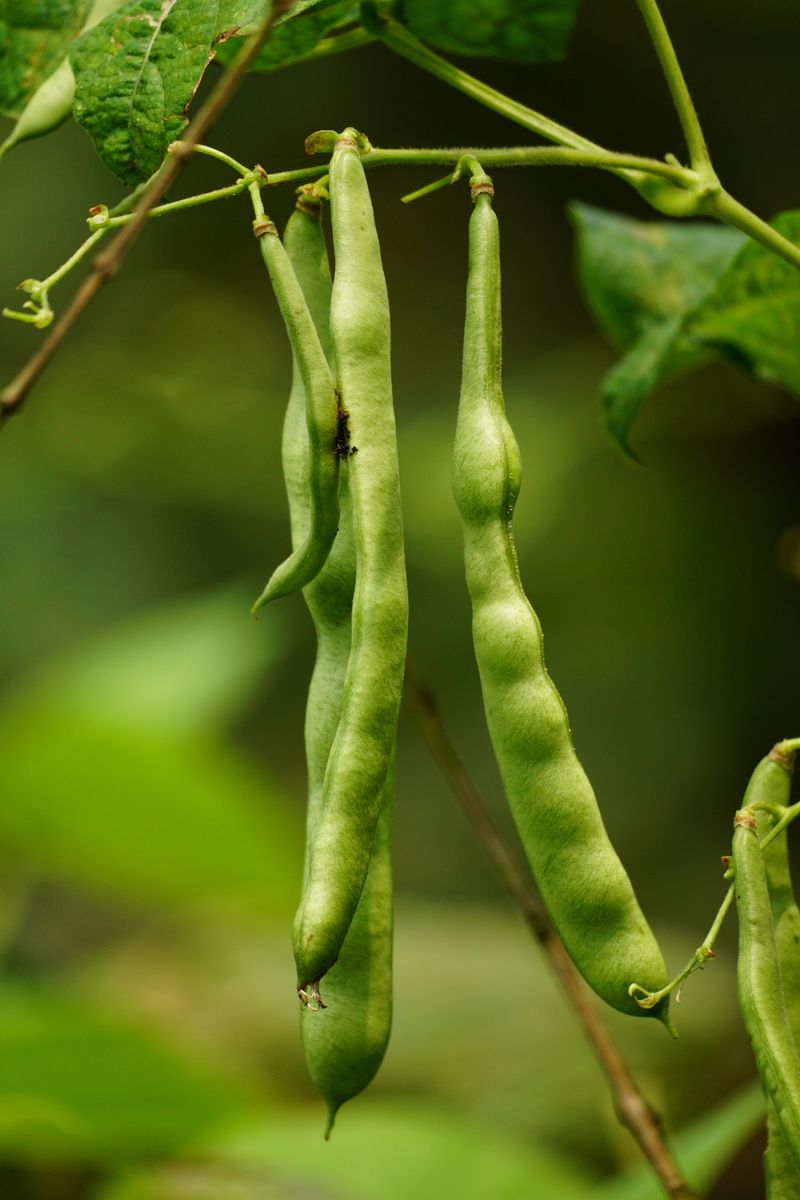
Bush beans are the sprinters of the vegetable world. They go from seed to harvest in about 50 to 60 days, which makes them one of the best bets for a fall harvest in Pennsylvania.
Sow them now, while the soil is still warm from summer. Warm soil speeds up germination and gives the plants a strong early start.
Pick a sunny spot with well-drained soil and press seeds about an inch deep. Space them roughly three inches apart in rows, and keep the soil moist until seedlings pop up.
Bush beans do not need trellises or cages, which makes them incredibly low-maintenance. You just sow, water, and wait for those satisfying green pods to appear.
One smart tip is to choose fast-maturing varieties like Provider or Contender. These two are known for performing well even when nights start cooling down.
Watch for Japanese beetles and bean beetles, which can chew through leaves quickly. A simple row cover can protect plants without any harsh sprays.
Once pods feel firm and snap cleanly, they are ready to pick. Harvesting frequently actually encourages the plant to keep producing more beans.
Pennsylvania’s average first frost arrives anywhere from late September to early November, depending on your region. Planting now gives bush beans just enough runway to finish strong before that cold snap hits.
2. Beets Handle Cooler Fall Weather Better Than Summer Heat
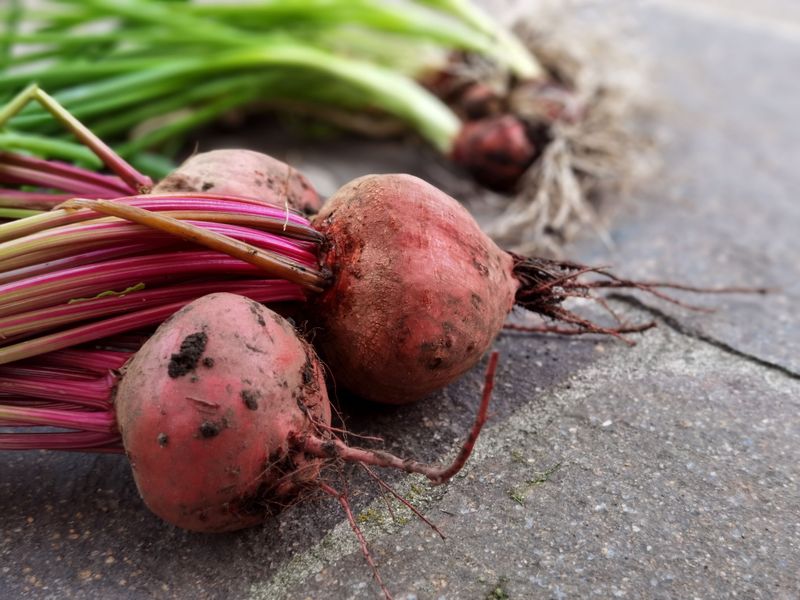
Beets are one of those vegetables that almost seem relieved when summer heat fades away. They germinate well in warm soil but truly thrive once temperatures start dropping into the 50s and 60s.
Sow beet seeds directly into the garden about a half-inch deep. Thin seedlings to three inches apart once they reach a few inches tall, or you will end up with crowded, stunted roots.
One thing gardeners often forget is that each beet seed is actually a cluster of seeds. Expect multiple sprouts per spot and thin them early for the best results.
Beets mature in about 55 to 70 days, depending on the variety. Detroit Dark Red and Chioggia are both reliable choices for a Pennsylvania fall planting.
The bonus with beets is that so little goes to waste. Beet greens are edible and delicious sauteed with a little garlic and olive oil.
Your Pennsylvania Garden Changes Every Week. Your Plan Should Too.
Gardening in Pennsylvania changes quickly throughout the season. Every Friday you’ll receive a simple weekly plan showing exactly what to plant, prune, fertilize, harvest, and protect so you never miss the right timing.
Keep the soil consistently moist during germination, then back off slightly once plants are established. Dry spells can cause the roots to crack or turn woody.
A light layer of mulch helps regulate soil temperature as nights cool down. This small step can extend your harvest window by a couple of weeks.
Fall-grown beets tend to be sweeter and more tender than those grown in summer heat. The cooler air concentrates their natural sugars in a way that warm weather rarely matches.
3. Carrots Grow Sweeter As Temperatures Drop Later In The Season
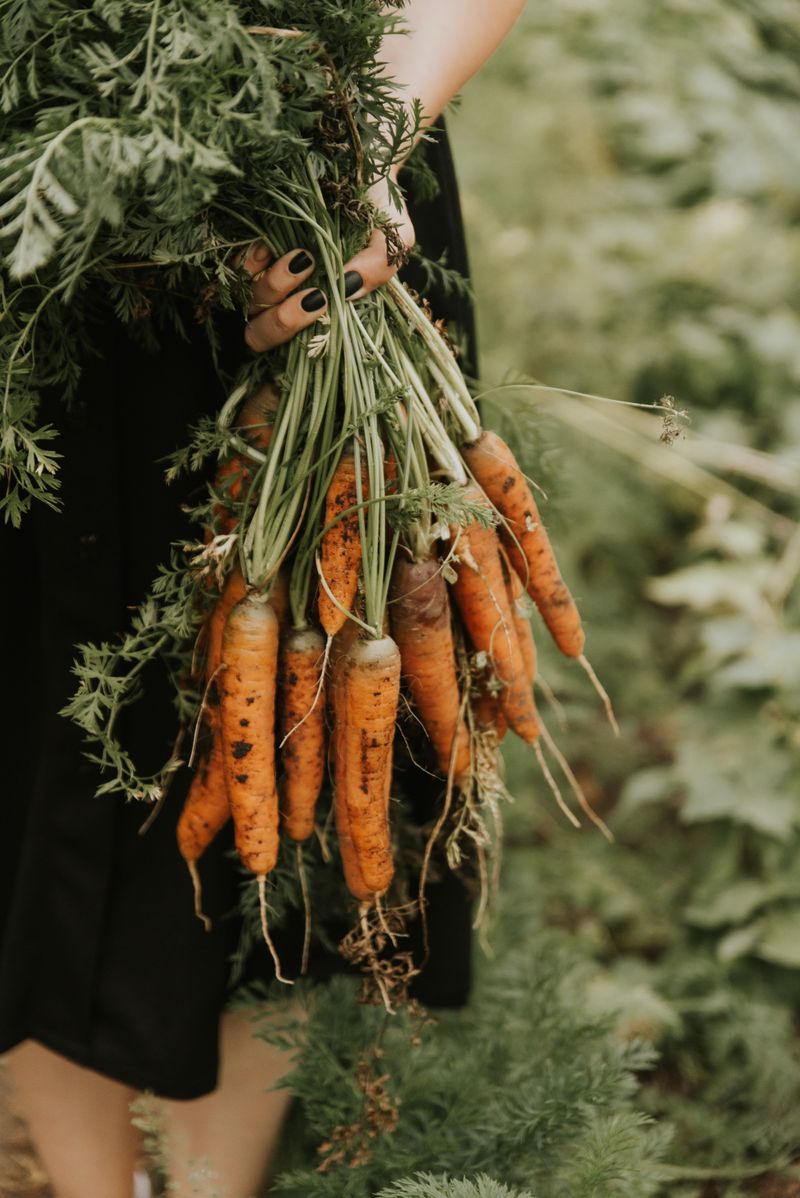
There is something almost magical about pulling a carrot from cold soil and tasting how sweet it has become. Cool temperatures trigger carrots to convert their starches into sugars, making fall the best time to grow them.
Sow carrot seeds now, because they need about 70 to 80 days to reach full size. Getting them in the ground before late August gives them the best shot at a solid harvest.
Carrot seeds are tiny and need good soil contact to germinate well. Loosen the top few inches of soil, scatter seeds thinly, and press them gently into the surface.
Keep the seedbed consistently moist until sprouts appear, which can take up to two weeks. Dry soil is the number one reason carrot seeds fail to germinate.
Nantes and Danvers varieties are both excellent for Pennsylvania soil conditions. They handle heavier soils better than some other types and still produce long, smooth roots.
Once seedlings are about two inches tall, thin them to one plant every two inches. Crowded carrots fork and twist around each other, making a tangled mess underground.
A layer of straw mulch over the bed helps hold moisture and moderates soil temperature swings. This small effort pays off in straighter, more uniform roots.
You can even leave carrots in the ground after frost hits. The cold makes them sweeter still, and they store beautifully right there in the earth until you are ready to eat.
4. Kale Improves In Flavor After The First Light Frost
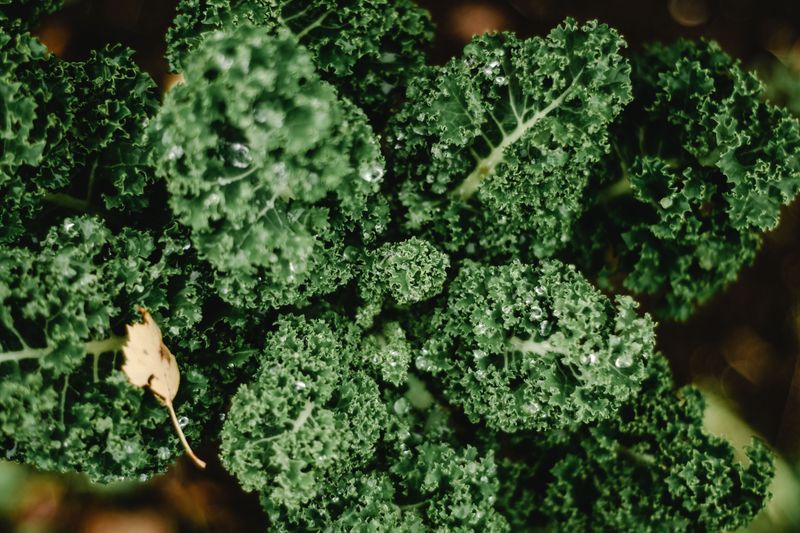
Kale has a reputation for being tough, and it earns that reputation every single fall. Unlike most vegetables that surrender to cold, kale actually gets better after the first frost kisses its leaves.
Frost triggers the plant to convert starches into sugars, toning down kale’s natural bitterness. The leaves become noticeably sweeter and more tender, which surprises a lot of first-time growers.
Sow kale seeds about a quarter-inch deep in a sunny bed with rich, well-drained soil. Seeds germinate quickly in warm late-summer conditions, often within five to seven days.
Thin seedlings to about 12 inches apart once they reach three inches tall. Crowded plants compete for nutrients and rarely develop the full, bushy heads you want.
Red Russian and Lacinato are two outstanding varieties for fall growing in Pennsylvania. Both are cold-hardy and keep producing even as temperatures dip into the 20s.
Kale is also a heavy feeder, so work a balanced fertilizer into the soil before planting. Side-dress with compost a few weeks after germination to keep growth strong.
Aphids and cabbage worms are the main pests to watch for in early fall. Check the undersides of leaves regularly and knock off any clusters you find.
Harvesting outer leaves as the plant grows encourages continuous production all the way into winter. Cold snaps that would wilt other greens only make kale better, and that’s exactly why it belongs in your fall lineup.
5. Spinach Thrives In The Shorter Days Ahead
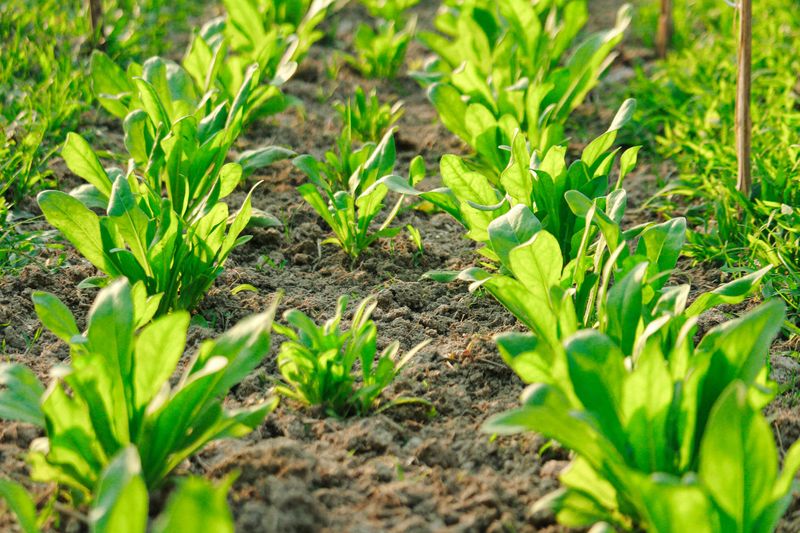
Spinach is practically built for fall gardening. It loves cool air, short days, and the kind of crisp mornings that make you want to pull on a flannel shirt.
Sow spinach seeds about half an inch deep and one inch apart in rows. Thin to about four inches apart once seedlings are established, and use the thinnings in a salad.
One reason spinach struggles in summer is that long days trigger it to bolt and go to seed. Shorter fall days actually tell the plant to keep producing leaves instead.
Bloomsdale Long Standing and Tyee are both reliable performers for fall planting in Pennsylvania. They are slow to bolt and produce thick, crinkled leaves with excellent flavor.
Spinach germinates best when soil temperatures are between 50 and 65 degrees Fahrenheit. If the soil feels too warm, try pre-chilling seeds in a damp paper towel in the fridge for a day.
Keep the bed evenly moist throughout germination and early growth. Spinach has shallow roots, so it dries out faster than deeper-rooted crops like carrots or beets.
A row cover is a simple way to extend the harvest well into November or even December. With just a little protection, spinach can survive temperatures that would finish off most other crops.
Fresh fall spinach straight from your own garden tastes far better than the bagged stuff from the store. That difference alone makes it worth every minute of effort.
6. Radishes Reach Harvest Size In Just A Few Weeks
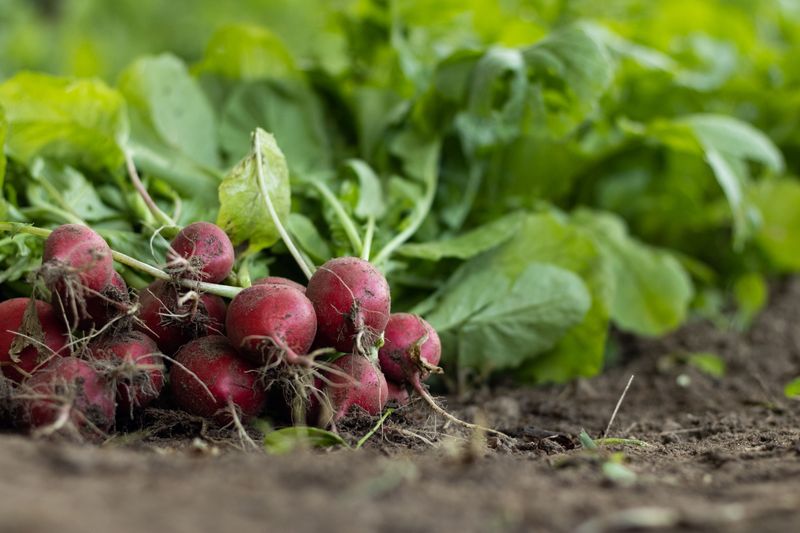
If patience is not your strong suit, radishes are your best friend in the fall garden. Most varieties go from seed to harvest in just 22 to 30 days, making them the fastest crop you can grow.
Sow radish seeds about half an inch deep and one inch apart in any open garden bed. They are not picky about soil as long as it drains well and gets decent sunlight.
Thin seedlings to about two inches apart once they sprout. Overcrowding forces plants to compete for space underground, and you end up with all tops and no roots.
Cherry Belle and French Breakfast are two classic varieties that perform well in fall conditions. Both mature quickly and hold their quality in the ground longer than spring radishes tend to.
One fun fact: radishes have been grown across the globe for centuries, prized for how quickly they reward even the most impatient gardener. Few vegetables offer that kind of fast payoff.
Cool fall temperatures slow radish growth slightly, which actually works in your favor. Slower growth means firmer, crispier roots that do not turn pithy as fast as summer-grown ones do.
Succession sowing every two weeks keeps a steady supply coming until frost shuts things down. Each small batch takes up almost no space and very little effort to manage.
Radishes fit neatly into the gaps between larger, slower crops, filling out the garden while you wait. Even the most hands-off gardener gets a solid payoff here.
7. Turnips Reward Late Summer Sowing With A Reliable Fall Crop
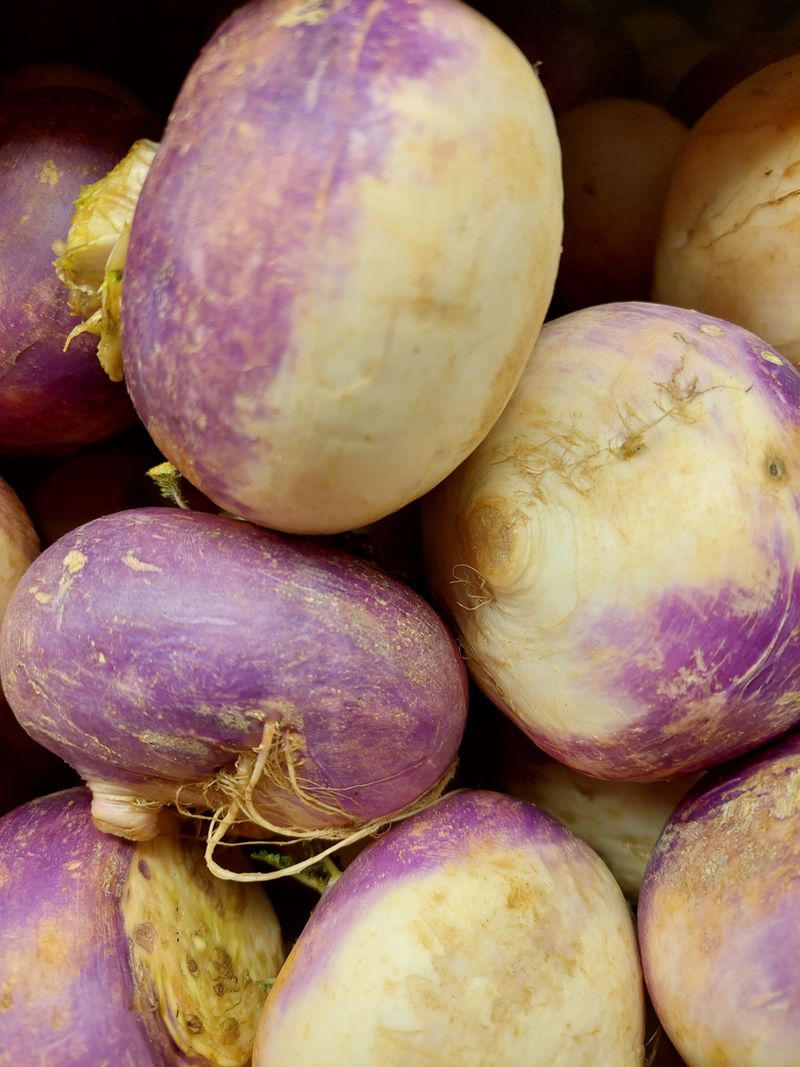
Turnips do not always get the spotlight they deserve, but experienced fall gardeners know their true value. They are fast, forgiving, and produce both edible roots and nutritious greens from a single planting.
Sow turnip seeds about a quarter-inch deep and one inch apart directly in the garden. Thin to about four inches apart once seedlings emerge, keeping the thinnings for fresh greens.
Turnips mature in just 40 to 60 days, which makes late summer sowing perfectly timed for a fall harvest. Purple Top White Globe is the classic variety, and it almost never disappoints.
Cool temperatures bring out a mild, slightly sweet flavor in turnip roots. Summer-grown turnips can taste sharp and woody, but fall ones are noticeably more pleasant to eat.
Turnip greens are packed with vitamins A, C, and K, making them one of the most nutritious things in the fall garden. Do not toss those leaves when you harvest the roots.
One challenge to watch for is flea beetles, which create tiny holes in the leaves. A row cover installed right after sowing keeps them off without any chemical sprays.
Water consistently during germination, then ease up once plants are a few inches tall. Turnips are fairly drought-tolerant once established, which is great news for busy gardeners.
Roots can stay in the ground even after light frosts hit, and cold storage keeps them fresh for weeks. Few fall crops ask for so little and give back so much.
8. Collard Greens Hold Up Through The First Frosts Of Fall
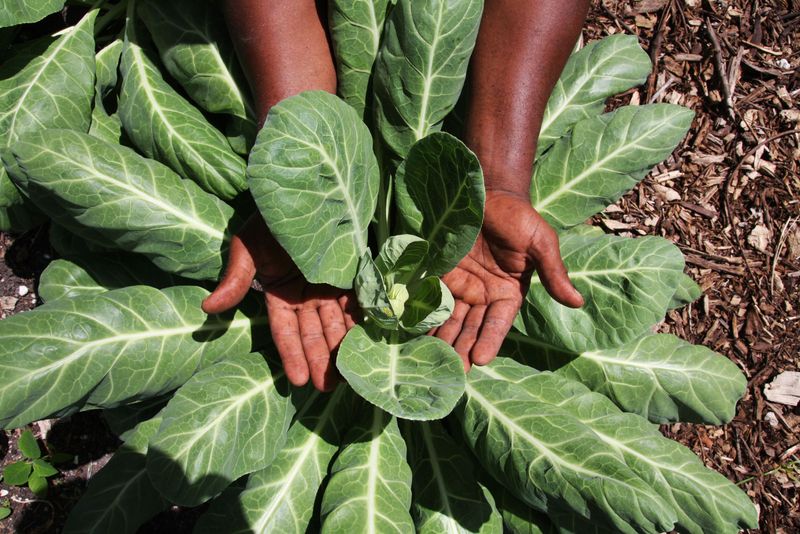
Collard greens are the quiet workhorses of the fall garden, and they deserve far more credit than they typically get in northern states. These leafy plants laugh at frost and keep producing long after most other crops have given up.
Sow seeds about a quarter-inch deep and one inch apart in a sunny bed. Thin seedlings to about 18 inches apart once they reach three to four inches tall.
Collards mature in about 60 to 80 days from direct sowing. Getting seeds in the ground now means you will be harvesting well into October and possibly beyond, depending on your location.
Georgia Southern and Vates are two varieties that handle cold exceptionally well. Both are widely available and have been trusted by fall gardeners across the mid-Atlantic for generations.
Like kale, collard greens taste sweeter after frost exposure. The cold slows the plant down and concentrates natural sugars in the thick, waxy leaves.
These plants grow large, so give them plenty of room and do not skip the thinning step. Crowded collards shade each other out and produce smaller, tougher leaves.
Harvest outer leaves first, leaving the center growth point intact. This method keeps the plant producing new foliage for weeks, sometimes even months, after the first harvest.
Collard greens simply keep going long after most crops call it quits. Plant them today, and you’ll still be harvesting when the neighbors have packed up their gardens for the year.