What It Means When Gambel’s Quail Take Dust Baths In Your Arizona Yard
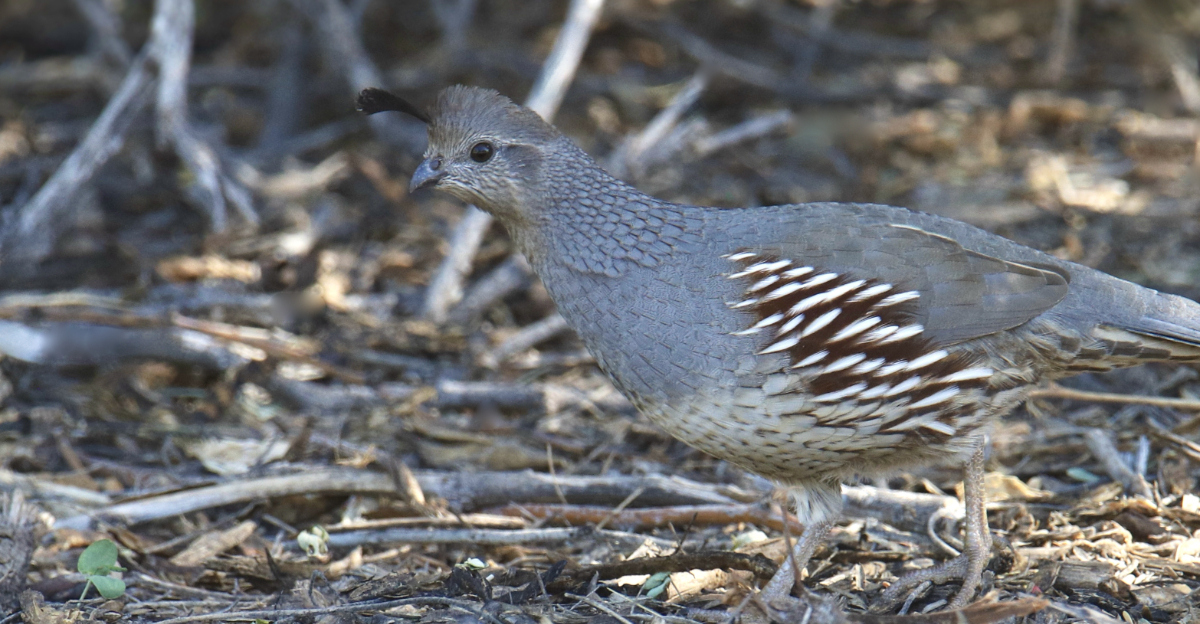
A cloud of dust suddenly flying across your Arizona yard can stop you in your tracks.
Gambel’s quail often create that surprising scene without causing any harm. Their unusual behavior has a simple purpose.
Dust baths help keep their feathers in better condition during hot dry weather. They also choose places where they feel protected.
Loose soil, nearby shrubs, and quiet surroundings make ideal bathing spots. Many homeowners mistake this activity for trouble.
It is usually the opposite and often reflects healthy habitat. Watching a family roll through the dust is one of summer’s best backyard sights.
Understanding why they do it makes every visit more meaningful. You may even notice small clues that explain why these native birds keep coming back to your yard throughout the season again naturally.
1. Dust Baths Remove Parasites And Excess Oil
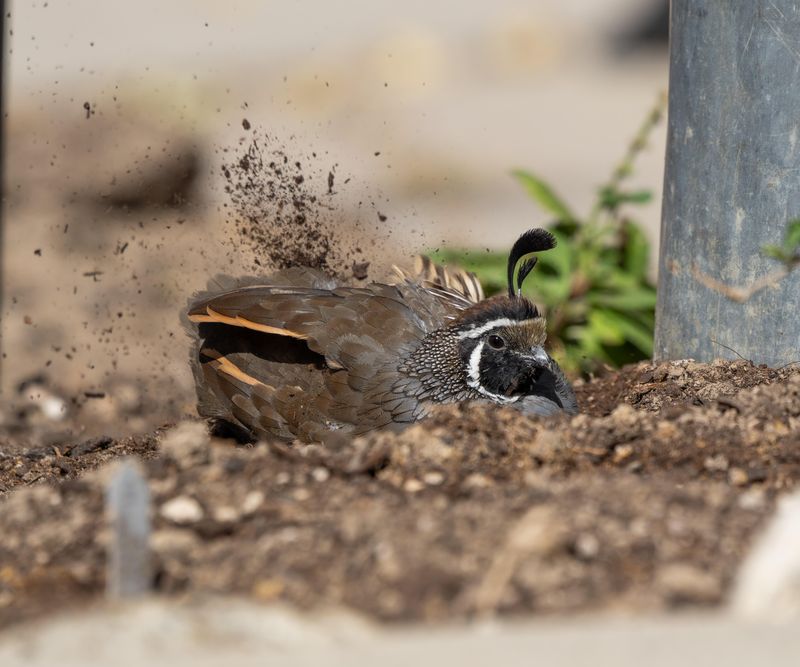
Watching a quail flop sideways in the dirt is one of the more entertaining things you can see in a desert yard. It looks chaotic, but there is real purpose behind every wiggle.
Dust bathing is how Gambel’s Quail manage their feather health without water.
Tiny parasites like mites and lice can settle into a bird’s feathers over time. Loose dry soil gets worked deep into the plumage and smothers or dislodges those pests.
It is a surprisingly effective natural method that birds across many species rely on regularly.
Feathers also collect natural oils that, in excess, can weigh them down or reduce their ability to insulate properly. Dust absorbs that extra oil and helps restore a cleaner, lighter feel to the feathers.
You might notice the bird shaking vigorously after a bath to shed the loose dirt.
Quail that have access to good dust bathing spots tend to look noticeably cleaner and more alert. Their feathers sit tighter and appear more defined.
If quail are choosing your yard for this routine, it likely means the soil quality in your space is genuinely useful to them, not just a random stop.
2. Loose Dry Soil Makes Bathing More Effective
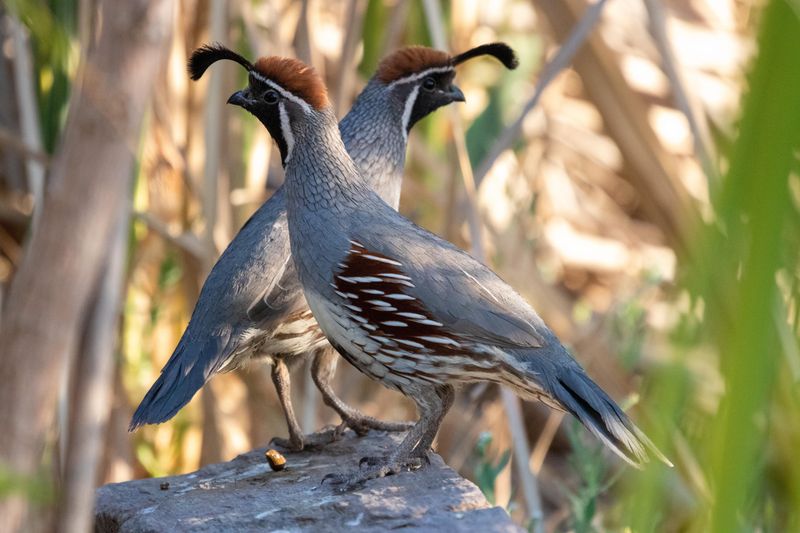
Not all dirt is created equal when it comes to quail bathing spots. Compacted or wet soil does not work the same way.
Quail specifically seek out fine, dry, loose material that can penetrate their feathers with minimal effort.
Sandy or powdery soil particles are light enough to travel deep into the feather layers. That penetration is what makes the bath worthwhile.
Clay-heavy or damp soil just sits on top and does not deliver the same cleaning effect.
Across much of Arizona, natural soil conditions often meet these needs very well. Loose decomposed granite, fine sand, or dry garden soil all tend to attract Gambel’s quail.
If you have a bare patch with that kind of texture, you may already have an unofficial quail bathing station.
You can intentionally create a bathing area by loosening a small patch of soil in a sunny spot. Keep it dry and free of heavy mulch or gravel.
A shallow depression about the size of a dinner plate works well. Quail seem to prefer spots that get morning sun, possibly because warmth helps keep the soil dry and workable throughout the day.
Your Arizona Garden Changes Every Week. Your Plan Should Too.
Gardening in Arizona changes quickly throughout the season. Every Friday you’ll receive a simple weekly plan showing exactly what to plant, prune, fertilize, harvest, and protect so you never miss the right timing.
Maintaining that texture is the main thing that keeps them coming back.
3. Nearby Shrubs Provide A Safe Escape Route
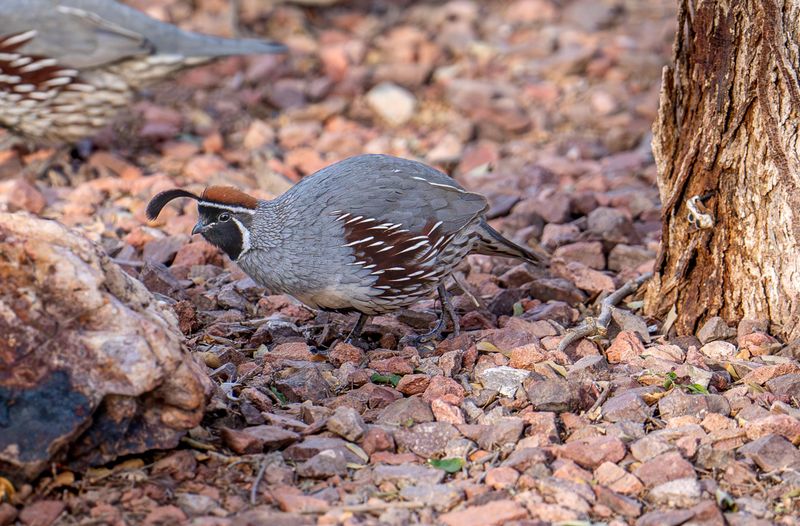
Quail are cautious birds. Before settling in for a bath, they scan the surroundings carefully.
A bathing quail is a vulnerable quail, so having quick cover nearby is not optional for them.
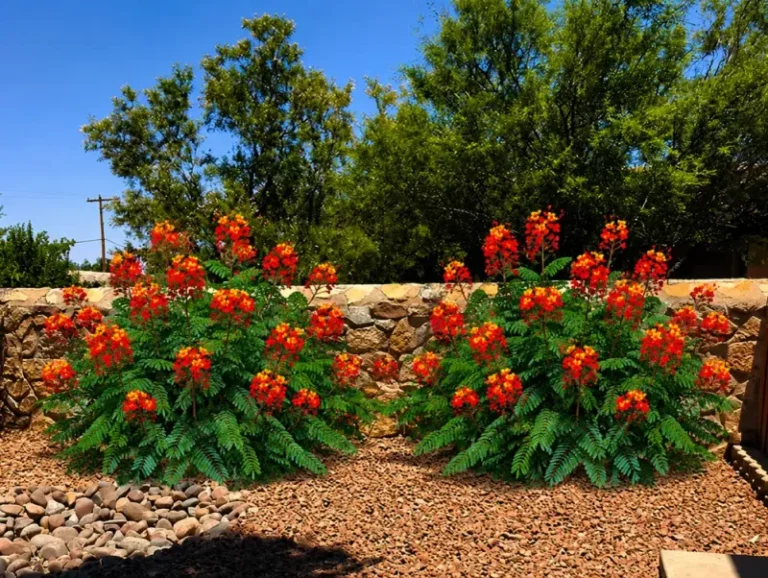
Dense low shrubs like desert hackberry, wolfberry, or even ornamental native plants give quail a fast retreat option. When something startles them mid-bath, they bolt straight for that cover.
Without it nearby, they tend to avoid the spot entirely, no matter how good the soil is.
Planting native shrubs within a few feet of a bathing area significantly increases how often quail will use it. You do not need a thick hedge.
Even a few scattered plants with dense lower branches can do the job. Quail are not picky about species as long as the cover is low, thick, and close.
Avoid trimming shrubs too aggressively near bathing areas. Neat, manicured plants often lack the dense lower growth that quail depend on.
Letting shrubs grow a bit fuller and wilder at the base serves the birds much better. If quail are bathing in your yard regularly, it is a strong sign that your shrub coverage feels safe and accessible to them from the ground level.
4. Native Plants Supply Seeds Throughout The Year
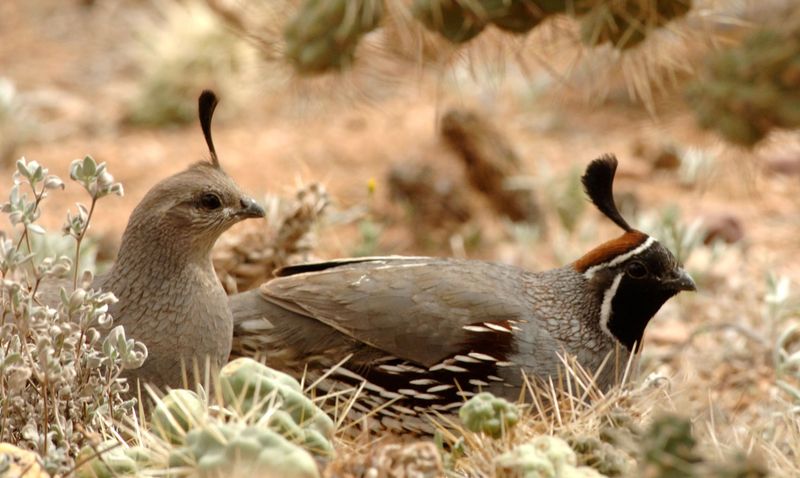
Quail do not just bathe in your yard and leave. If they are spending time there, they are almost certainly foraging too.
Seeds make up a huge part of their diet, and native plants are the best source of those seeds in any desert yard.
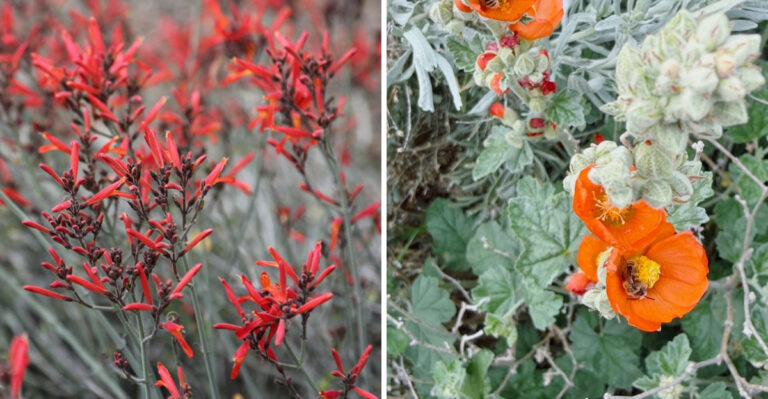
Plants like globe mallow, desert marigold, and brittlebush produce seeds that quail actively seek out. These plants tend to produce at different times across the seasons, which means a yard with a mix of natives can offer food across much of the year.
That kind of reliable food source is a strong reason for quail to keep returning.
Grass seeds are also valuable to them. Native bunch grasses like blue grama or sideoats grama drop seeds close to the ground where quail can reach them easily.
Low-growing plants that seed near the soil surface are especially practical for these ground-feeding birds.
Avoid clearing spent plants too quickly after they flower. Leaving seed heads in place gives quail and other birds extra foraging time.
Across Arizona, yards with a greater variety of native plants are more likely to provide the food and cover Gambel’s quail depend on throughout the year.
A yard that feeds quail regularly becomes part of their daily route, which is exactly what brings them back to bathe.
5. Shallow Water Supports Daily Drinking Needs
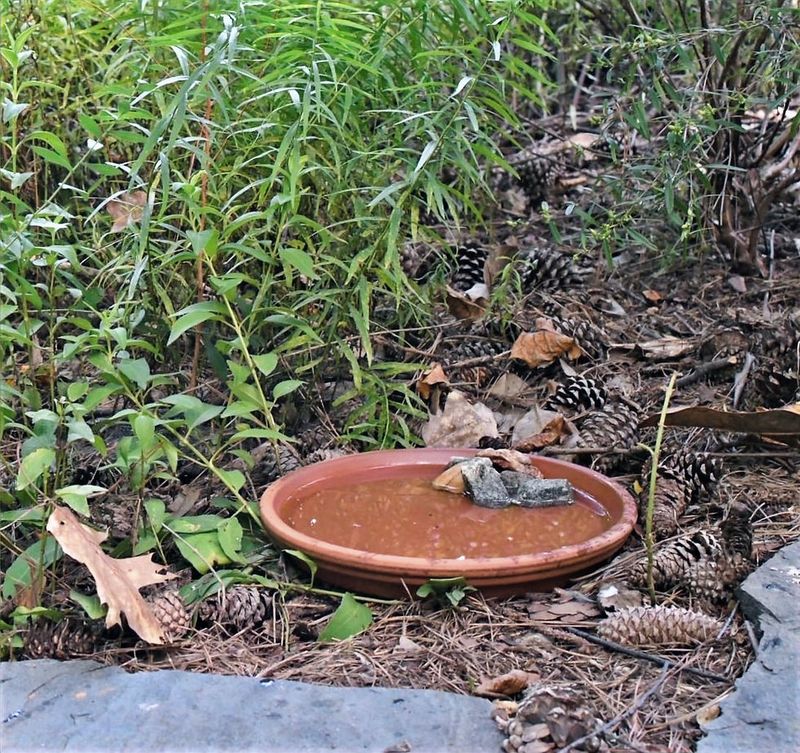
Water is a serious need in the desert, and quail require it daily during warm months. A yard with a reliable water source becomes far more attractive to them than one without.
Dust baths and water access often go hand in hand when quail are using a space regularly.
Gambel’s Quail prefer drinking from shallow, stable water sources close to the ground. Deep birdbaths can be awkward or even dangerous for small birds.
A shallow dish, low-profile bath, or ground-level basin with just an inch or two of water tends to work well. Keeping the water fresh and clean matters too, since stagnant water is less appealing and can harbor bacteria.
Placing water near cover rather than in open exposed areas encourages quail to drink more comfortably. They are nervous drinkers and prefer not to be in the open too long.
A water source tucked close to shrubs or a low fence gives them a quick escape option if needed.
In peak summer heat, refilling water sources in the early morning helps ensure quail can drink before temperatures rise significantly. Quail that find water in your yard tend to visit in small groups, often with chicks in tow during breeding season.
Consistent water access is one of the strongest reasons a flock will return to the same yard repeatedly.
6. Open Areas Make Predators Easier To Spot
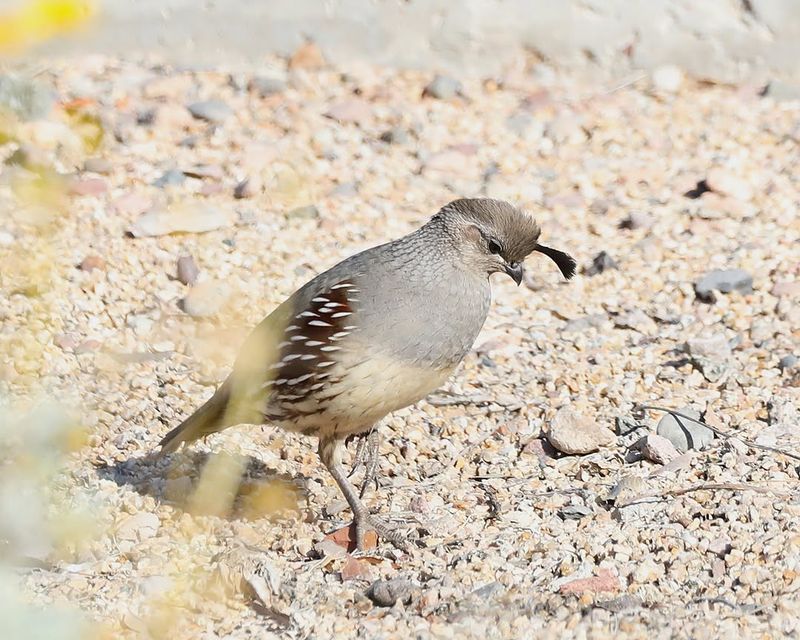
Open ground might seem like the last place a prey bird would want to spend time. But for quail, a clear sightline is actually a safety feature.
They can spot a hawk, cat, or coyote much earlier when there is nothing blocking the view.
Dust bathing spots are almost always chosen in areas with good visibility. Quail post a lookout, often a male perched slightly higher, while the rest of the group bathes.
That sentinel watches for movement and calls out a warning if anything approaches. It is a well-organized system for a small bird.
Yards with a mix of open ground and nearby cover hit the sweet spot for quail. Too much open space with no escape route nearby makes them nervous.
Too much dense vegetation with no clear sightlines makes it hard to spot threats early. Balance between the two is what makes a yard feel genuinely safe.
Keeping a modest open patch in your yard, even just a few square feet of clear ground, can encourage quail to use the space more freely.
Low ground cover that does not block horizontal sightlines works better than tall or bushy plants placed in the middle of open areas.
Quail are smart about their environment and tend to favor spots that give them both visibility and a fast exit.
7. Familiar Habitat Encourages Regular Visits
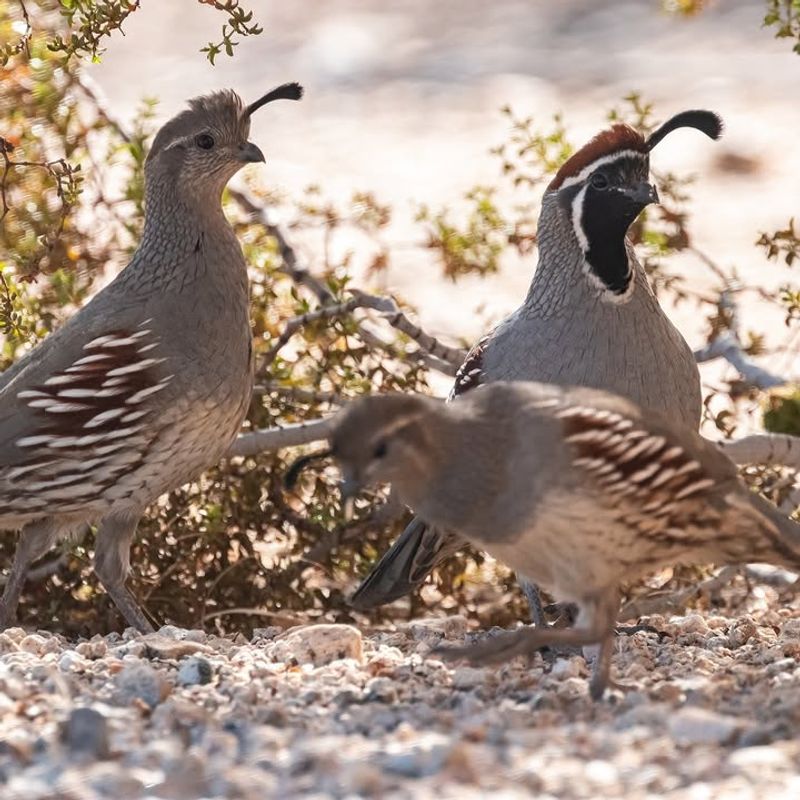
Quail are creatures of habit. Once they find a yard that meets their needs, they tend to return to it on a regular schedule.
Seeing the same flock show up morning after morning is a sign your yard has earned their trust.
Familiarity matters a lot to these birds. Sudden changes to the yard, like new loud equipment, rearranged furniture, or major landscaping work, can disrupt their routine.
They may avoid the space for days or even weeks after a significant disturbance. Keeping the yard relatively consistent helps maintain that comfort level.
Across Arizona, Gambel’s quail often follow familiar daily routes between feeding, drinking, resting, and dust-bathing areas. A yard that consistently offers food, water, cover, and safe bathing spots becomes a fixed point in that territory.
Over time, younger birds in the flock learn the route from older ones.
Reducing disturbances near bathing and feeding areas makes a noticeable difference. Pets that roam freely can disrupt quail routines significantly.
Keeping dogs and cats away from quail activity zones, especially during morning hours when quail are most active, helps preserve that sense of safety.
A yard that feels predictable and calm is one that quail will likely keep choosing, season after season.