Do Pine Needles Make Good Mulch? Here’s What Pennsylvania Gardeners Should Know
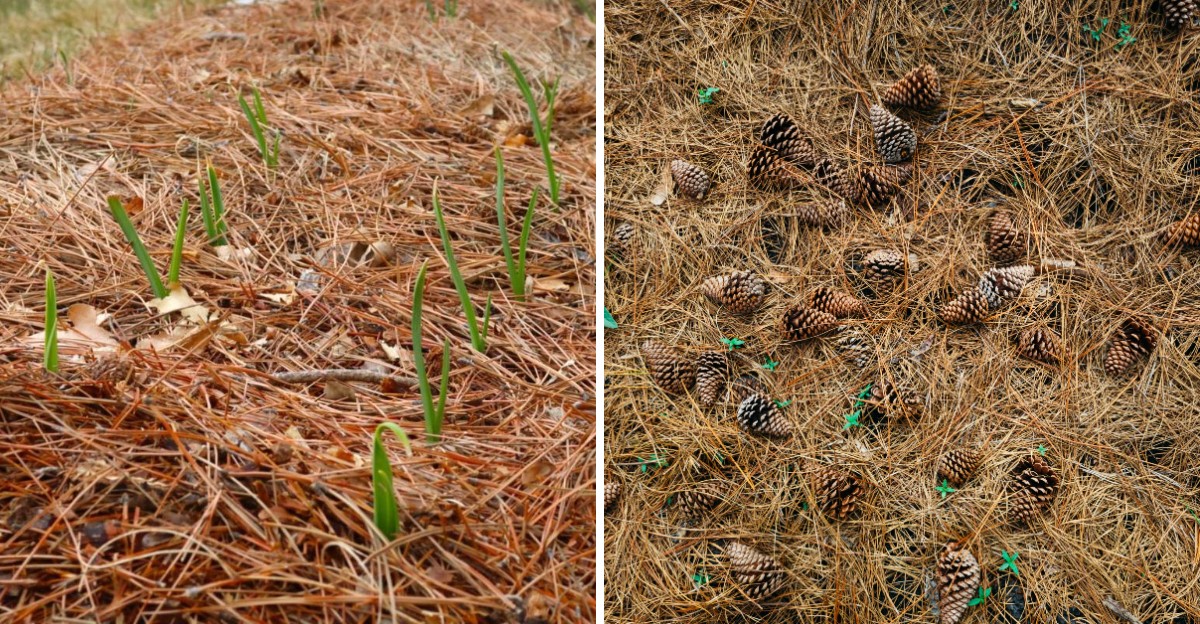
Plenty of Pennsylvania gardeners rake up pine needles every fall and toss them straight into the trash. They’ve heard the same warning for years.
Pine needles will make your soil too acidic and ruin your garden. It turns out that’s mostly a myth.
Fresh needles do start out slightly acidic, but once they’re spread as mulch, they have very little effect on the soil below. Meanwhile, they offer some real perks.
They’re light and airy, so water and air move through easily. They break down slowly, too, so you won’t need to replace them as often as many other mulches. Of course, they’re not perfect for every situation.
If you have pine trees dropping free mulch in your yard, it’s worth knowing when to use those needles and when to skip them.
Yes, They Make An Excellent Mulch
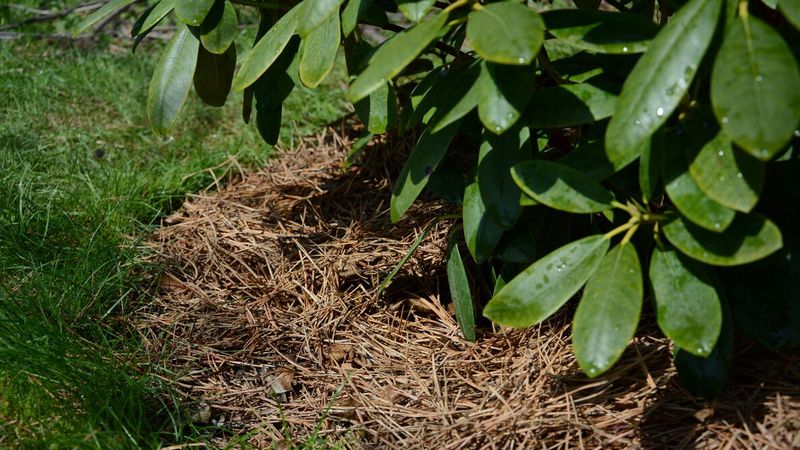
Short answer? Pine needles are fantastic. Many seasoned gardeners say they would pick pine straw over wood chips any day. Once you try it, you may agree.
Weight is the first big win. A bale of pine needles is light enough for almost anyone to carry. You can toss handfuls around plants without hurting stems or leaves. Spreading it feels more like fluffing a pillow than shoveling heavy bark.
Air and water also move through pine needles with ease. Their thin, round shape leaves tiny gaps between each needle.
Rain slips right down to the soil instead of running off. Roots get the oxygen they need, so plants stay strong and healthy.
Here is a neat trick pine needles pull off. As they settle, they lock together like a loose woven mat.
That grip keeps them from sliding away on hills and slopes. Heavy summer storms in Pennsylvania can wash bark mulch right into the yard, but pine needles usually stay put.
Soil underneath stays cooler in July and warmer in early spring. That steady temperature helps roots grow without stress. It also keeps moisture in the ground longer, so you water less often during dry spells.
Looks matter too. Fresh pine straw has a warm, golden brown color that fades to a soft rusty tone. It gives beds a natural, woodsy feel that fits well with Pennsylvania landscapes. Neighbors might even ask where you bought it.
Want a simple test? Spread a small patch this season next to your usual mulch. Watch how each one handles rain, wind, and weeds. Chances are good the pine needles will earn a permanent spot in your garden routine.
They Won’t Turn Your Soil Acidic
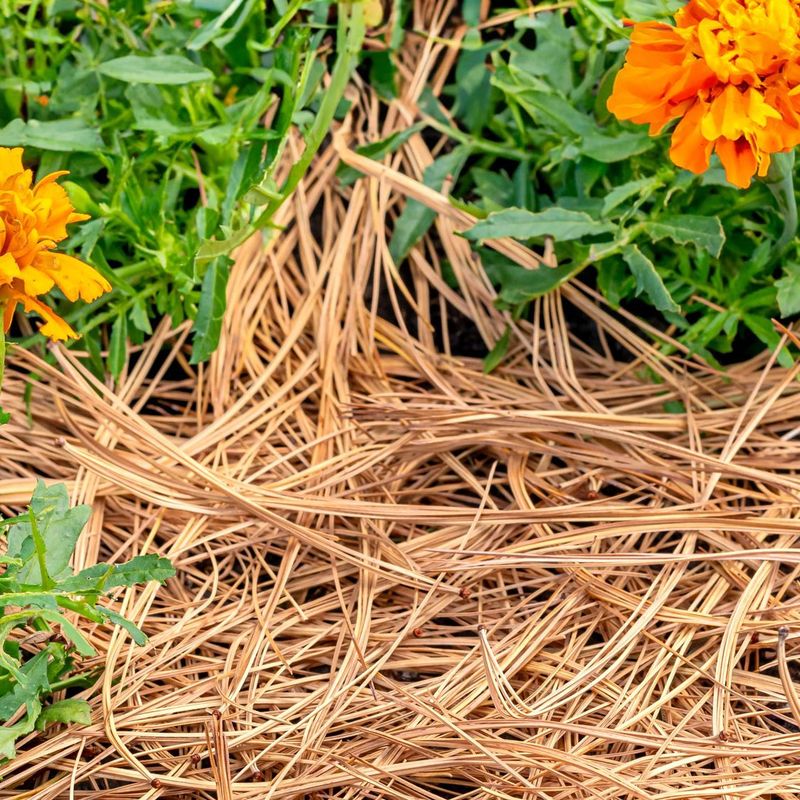
Grandma may have warned you about it. So did the guy at the hardware store. Pine needles, they said, will turn your garden sour.
Good news, friends. That old story is mostly a myth.
Fresh green needles on the tree are slightly acidic. Once they fall and turn brown, though, most of that acid fades. Scientists have tested soil under pine needle mulch many times. In most cases, the soil pH barely changes at all.
Your Pennsylvania Garden Changes Every Week. Your Plan Should Too.
Gardening in Pennsylvania changes quickly throughout the season. Every Friday you’ll receive a simple weekly plan showing exactly what to plant, prune, fertilize, harvest, and protect so you never miss the right timing.
Why does the myth stick around? People often see acid-loving plants growing well under pine trees. They assume the needles caused it.
In truth, many forest soils in Pennsylvania were already acidic before the pines showed up. The trees simply like those spots.
So what does that mean for you? You can use pine needles around almost any plant. Roses, hostas, daylilies, and vegetables will all be just fine. Peppers and tomatoes do not mind them either.
Of course, acid-loving plants still enjoy pine straw. Rhododendrons, azaleas, mountain laurel, and blueberries look right at home under it.
Mountain laurel happens to be Pennsylvania’s state flower, so pine needles make a fitting partner.
Fun fact: if you truly want to lower your soil pH, pine needles are a poor tool for the job. Gardeners who need more acid usually add sulfur instead. Needles just do not pack enough punch.
Curious about your own yard? Grab a soil test kit from Penn State Extension. It costs little and tells you exactly what your soil needs. Test once before mulching and again a year later.
You will likely see the numbers hardly budge, which should put that worry to rest for good.
They Last Longer Than Many Mulches
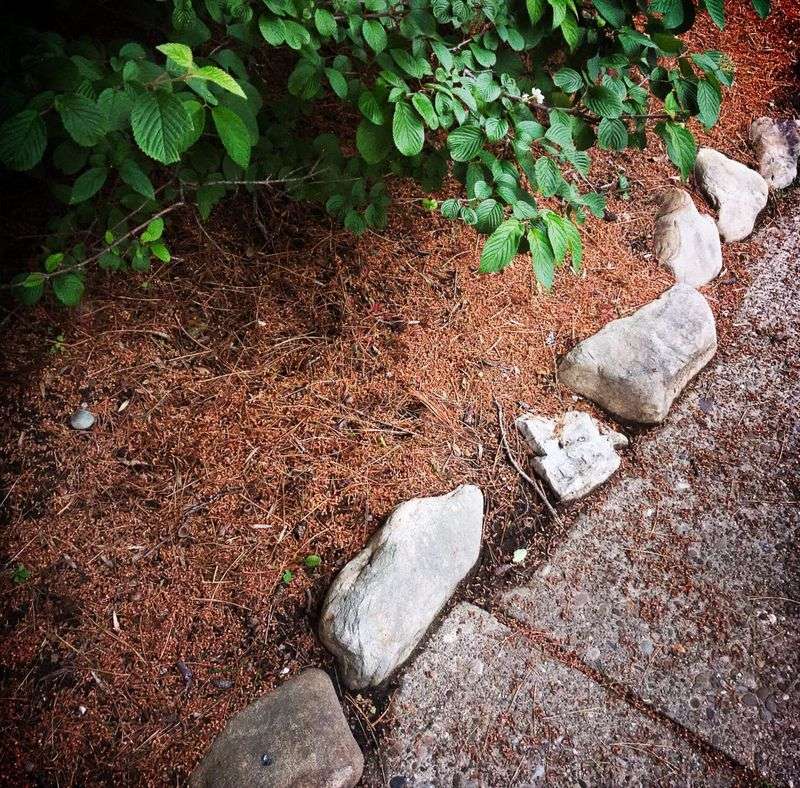
Nobody enjoys doing the same chore twice in one season. Luckily, pine needles help you skip a few repeat trips to the mulch pile. They hang around much longer than many other options.
Each needle has a waxy outer coating. That coating acts like a raincoat and slows down rotting. Grass clippings can break down in just a few weeks.
Shredded leaves often vanish within a single season. Pine needles, on the other hand, can last a year or more.
For busy families, that is a real time saver. Instead of mulching every spring and fall, you might only top off beds once a year. Just add a fresh inch or so to fill thin spots. Your back and your weekend will thank you.
Slow does not mean useless, though. As the needles gradually break down, they feed the soil. Bits of organic matter work their way into the dirt below. Earthworms and helpful microbes munch on them over time.
That organic matter makes a big difference in Pennsylvania clay soils. Heavy clay can feel sticky when wet and rock hard when dry.
Adding organic material loosens it up and helps roots spread. Sandy spots benefit too, since organic matter holds water better.
Here is a helpful habit to try. Each spring, gently push aside the top layer and peek underneath. If the bottom looks dark and crumbly, the soil is improving. Then pull the needles back and add a bit more on top.
Think of pine needle mulch as a slow and steady helper. It protects your garden now while quietly building healthier soil for the years ahead.
They’re Often Free
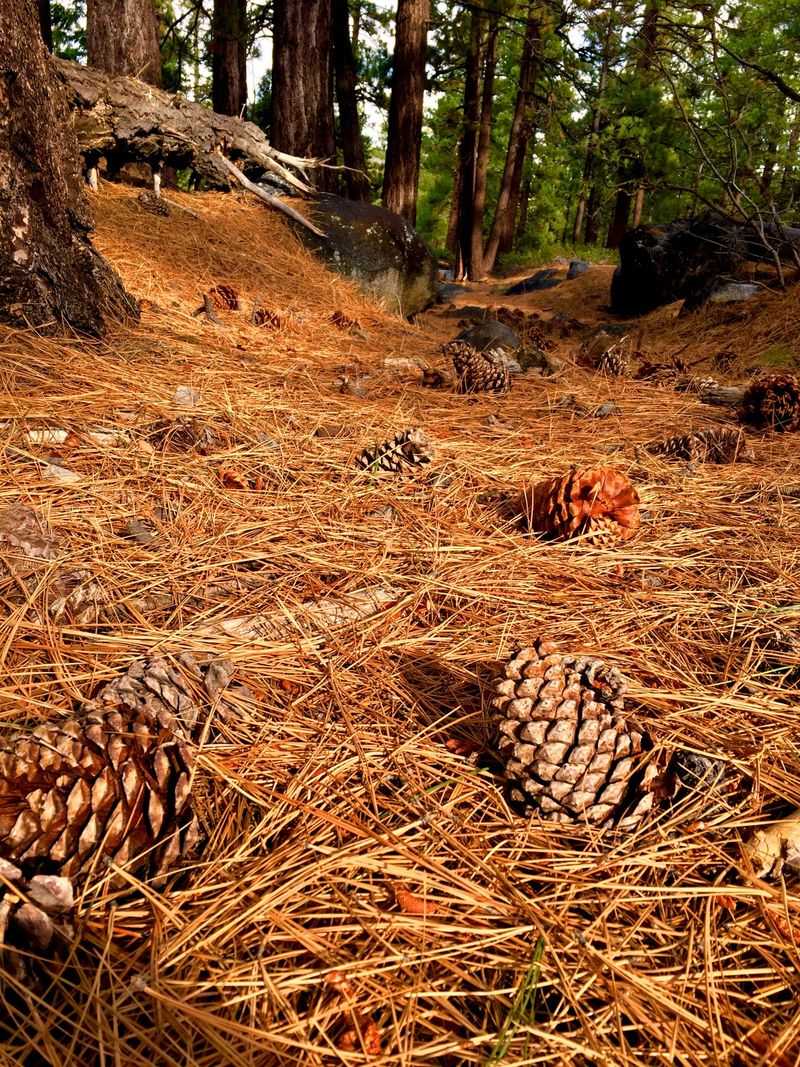
Money doesn’t grow on trees, but mulch sure does. If tall pines shade your yard, you already own a free mulch factory. Every autumn, it delivers a fresh supply right to your doorstep.
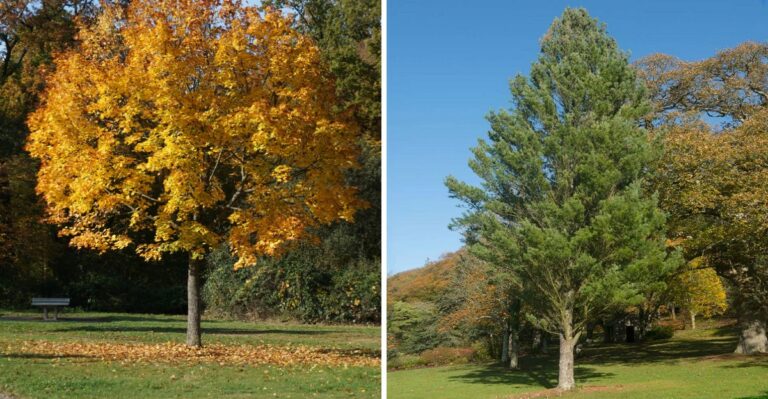
Eastern white pines are some of the most common pines in Pennsylvania. They shed loads of soft, long needles each fall.
Each needle grows in a bundle of five, which makes them easy to spot. Red pines, Scotch pines, and pitch pines drop useful needles too.
Bagged pine straw at a garden center can cost several dollars per bale. A large yard might need dozens of bales. Using your own needles keeps that cash in your pocket for seeds, plants, or tools instead.
Raking them up also helps your lawn. A thick blanket of needles blocks sunlight from grass. Over time, the turf underneath can thin out and turn patchy. Clearing needles from lawns, sidewalks, and paths keeps everything looking neat.
Gathering is simple. Use a leaf rake with flexible tines so you don’t tear up the grass. Pile the needles onto a tarp, then drag it straight to your garden beds. No bagging needed.
No pine trees on your property? Ask around. Neighbors often feel happy to share needles they planned to throw away. Some towns also collect yard waste, and a friendly call might point you toward a free source.
One quick tip: pick out sticks, pinecones, and trash before spreading. Clean needles look tidier and settle more evenly. With a little effort each fall, your beds stay covered all year without spending a single penny.
They’re Great For Paths, Beds, And Winter Protection
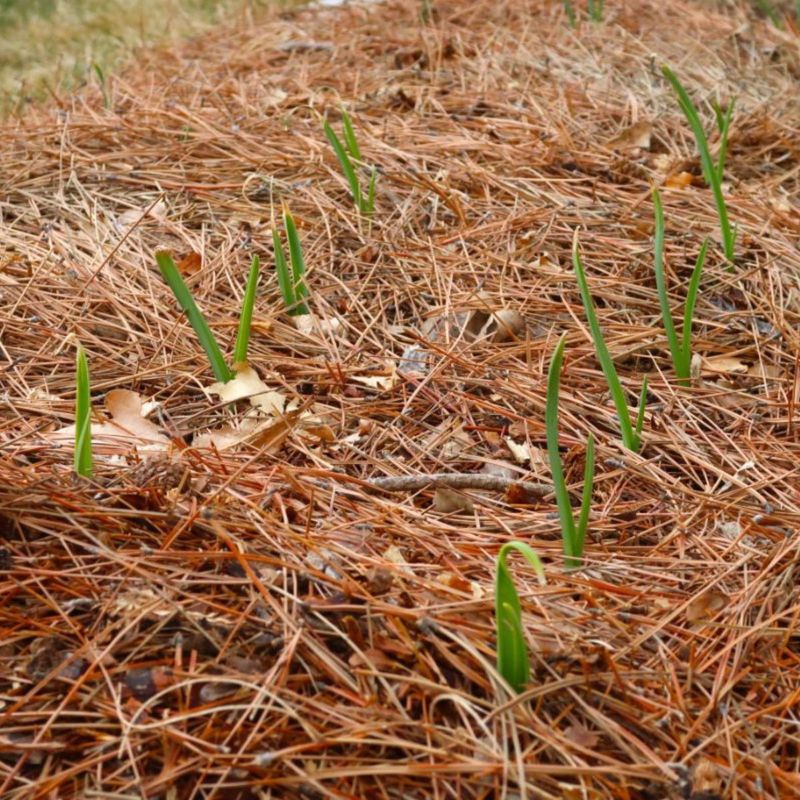
Talk about a multitasker. Pine needles can handle nearly every job in the garden, from summer flower beds to frosty January nights. Few mulches are so flexible.
Perennials love them. Coneflowers, black-eyed Susans, and phlox grow happily with a cozy layer of needles at their feet. Shrubs like hydrangeas and boxwoods benefit too. Just leave a small gap around stems so they can breathe.
Strawberry growers have a special reason to cheer. The old name strawberry may even come from berries resting on straw.
Pine needles work the same way. They keep ripe fruit off the wet dirt, which means fewer rotten berries and less mud.
Paths are another smart use. A walkway lined with pine needles feels soft and springy underfoot. It looks natural in woodland gardens and backyard trails. Plus, it costs far less than stone or pavers.
Winter in Pennsylvania can be rough on plants. Temperatures swing up and down, and the ground freezes and thaws again and again.
That motion can push roots right out of the soil, a problem called frost heave. A loose blanket of pine needles keeps soil temperatures steadier.
Whole leaves often clump into a soggy, slimy mat in winter. That mat can trap too much water and smother plants. Pine needles stay fluffy and airy instead. Moisture drains away, and crowns stay healthy.
Timing helps. Spread winter mulch after the ground first freezes, usually in late November or December. Pull it back slightly in early spring as new growth appears. Your plants will wake up rested and ready for another great season.
There Are A Few Drawbacks To Consider
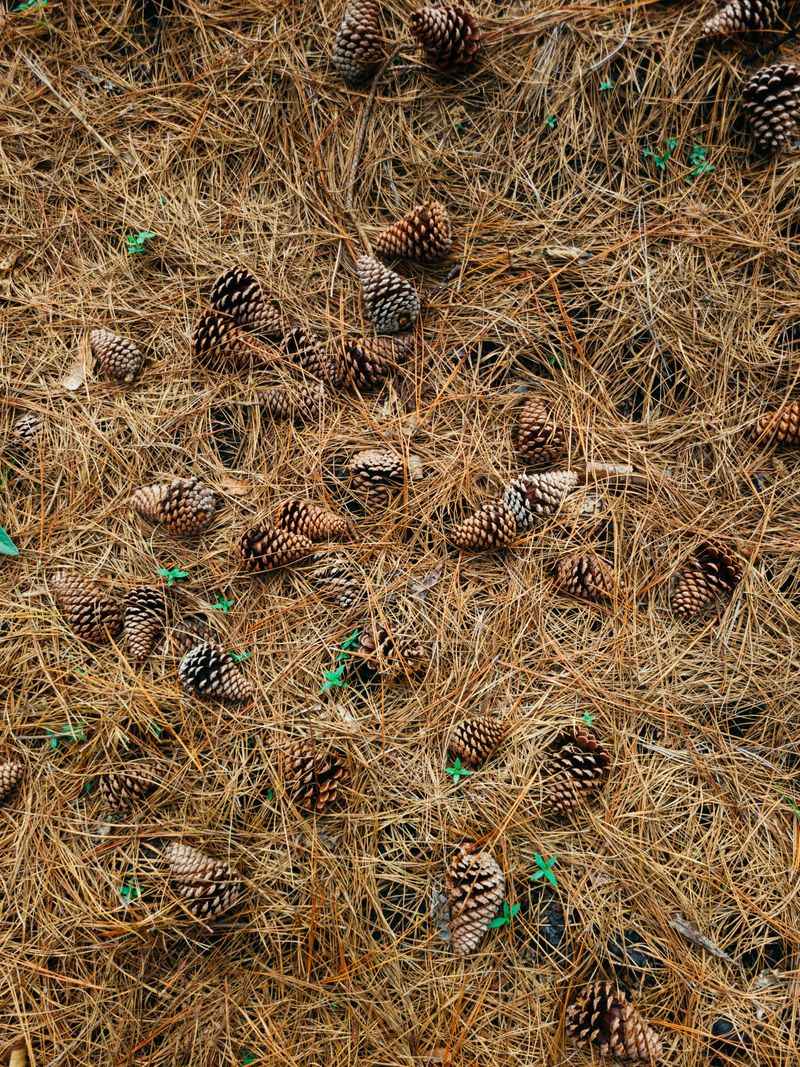
Every hero has a weak spot, and pine needles are no different. They work wonders in most gardens, yet a few cautions deserve your attention. Knowing them ahead of time keeps your yard safe and tidy.
Fire safety comes first. Dry pine needles catch fire quickly because they hold natural oils and lots of air. During dry spells, a stray spark can light them up fast. Keep thick layers away from fire pits, grills, and outdoor heaters.
Your house matters too. Avoid piling needles right up against siding, decks, or wooden steps. Many experts suggest leaving a gap of a few feet near the foundation. Gravel or stone works better in that zone.
Weeds are the next concern. A thin sprinkle of needles won’t stop much. Sunlight slips through, and weed seeds sprout happily. For real weed control, spread pine needles about 2 to 4 inches deep.
That might sound like a lot. However, fresh needles are fluffy and settle over time. A 4 inch layer may shrink to around 2 inches after a few weeks. Starting thick helps you end up with the right amount.
Wind can be a small issue right after spreading. Light needles may blow around before they knit together. A gentle watering helps them settle faster.
Finally, watch for unwanted guests. Needles raked from the ground sometimes carry weed seeds or pinecones. Shake them out before use.
None of these issues should scare you off. With smart placement and the proper depth, pine needles remain a safe, attractive, and budget friendly choice for Pennsylvania gardens.