The Most Underrated North Carolina Herb That Thrives When Temperatures Hit 95 Degrees
Some herbs start sulking the moment a North Carolina summer gets serious.
Parsley slows down. Cilantro bolts. Mint may look dramatic in a hot container. By July, the herb garden can feel like it is asking for mercy before lunch.
But one herb actually likes the season everyone else complains about.
It grows fast in warm soil, fills out with steady harvesting, perfumes the garden when you brush past it, and turns summer tomatoes into something worth bragging about.
Treat it like a heat-loving crop instead of a delicate windowsill plant, and it can carry your kitchen through the hottest weeks of the year.
That is what makes this herb so underrated.
It is familiar enough to overlook, but productive enough to deserve a better spot in the summer garden.
So which North Carolina herb keeps performing when temperatures hit 95 degrees?
Start with basil, then give it the sun, space, water, pinching, and root room it needs to show off.
Basil Is The Herb
Basil is built for real summer heat.
This warm-season herb belongs in the North Carolina garden when cool-loving herbs start fading, stretching, or bolting.
It grows quickly in warm soil and produces fragrant leaves through the same sticky weather that makes many herbs struggle.
The scent gives it away. Pull one leaf from a healthy plant in July, and the garden suddenly smells like fresh tomatoes, pesto, pizza, and summer dinners that do not need much help.
It is more productive than people expect. Basil can reach harvest size quickly after transplanting, then keep branching with regular cutting.
Cultivar choice matters. Sweet basil is the classic, but Genovese, Thai, lemon, purple, and compact globe types all bring different flavors, shapes, and garden uses.
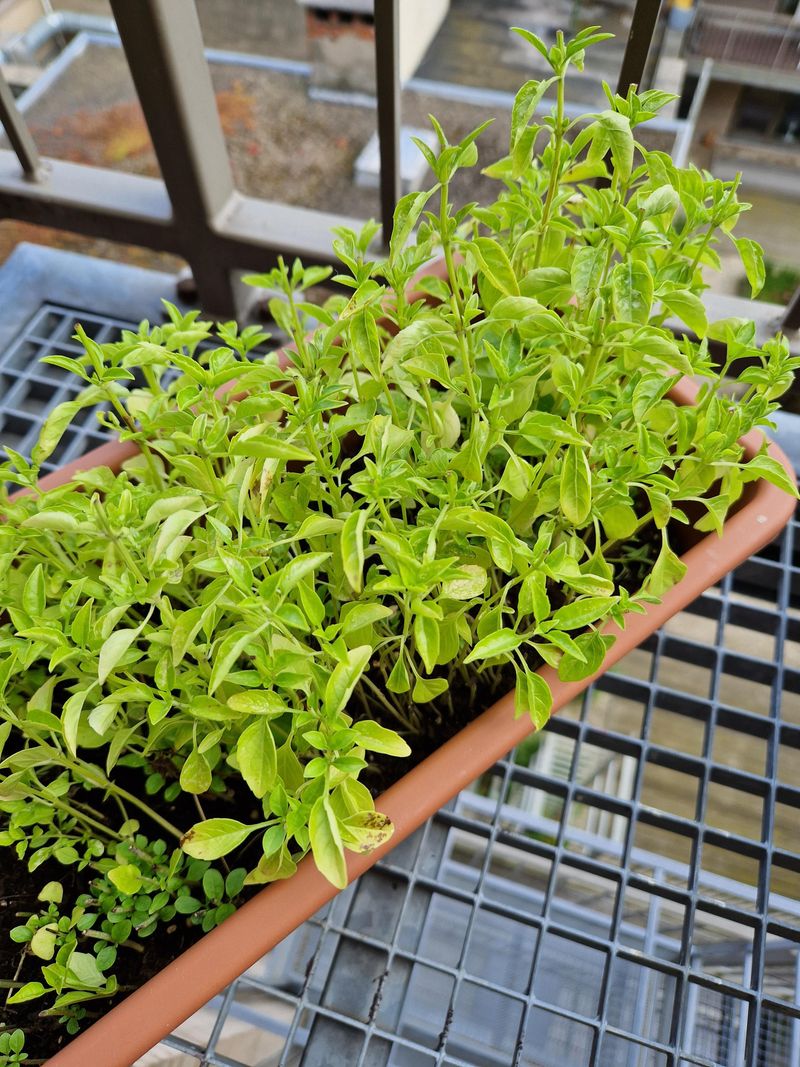
Containers can work beautifully. Compact basil varieties fit porch pots and patio gardens, while larger Genovese types need more root room and steady moisture.
Flavor improves with steady growth. A stressed plant may bolt sooner or produce smaller leaves, while a well-managed plant stays leafy and useful for longer.
Do not treat it like a cool-season herb. Basil wants warmth, light, and consistent care through summer rather than cool shade and constant fuss.
It may be common, but it is not boring.
In North Carolina heat, basil is the herb still showing up for dinner.
Morning Sun Keeps Leaves Strong
Morning sun sets basil up for a better day.
Early light gives the plant energy before the harshest afternoon heat arrives. That helps stems grow sturdy, leaves stay flavorful, and the whole plant keep a fuller shape.
Basil needs generous light. At least six hours of direct sun is usually the goal, especially for strong leaf growth and good aroma.
Morning exposure is especially valuable. It gives basil bright light while temperatures are still more forgiving, which helps the plant build strength before the day peaks.
Too little light causes stretching. Basil grown in shade often becomes lanky, thin-stemmed, and less productive.
Airflow matters too. Crowded plants trap humidity around the leaves, which can make disease problems more likely during muggy North Carolina weather.
Your North Carolina Garden Changes Every Week. Your Plan Should Too.
Gardening in North Carolina changes quickly throughout the season. Every Friday you’ll receive a simple weekly plan showing exactly what to plant, prune, fertilize, harvest, and protect so you never miss the right timing.
Spacing helps the plant breathe. Give basil at least 12 inches of room so air can move through the foliage after rain or watering.
Raised beds can improve the setup. They often drain better, warm quickly, and keep basil from sitting in heavy, wet soil.
A good site does half the work.
Strong morning sun and honest airflow make basil much easier to grow when July starts pressing down.
Afternoon Relief Prevents Wilt
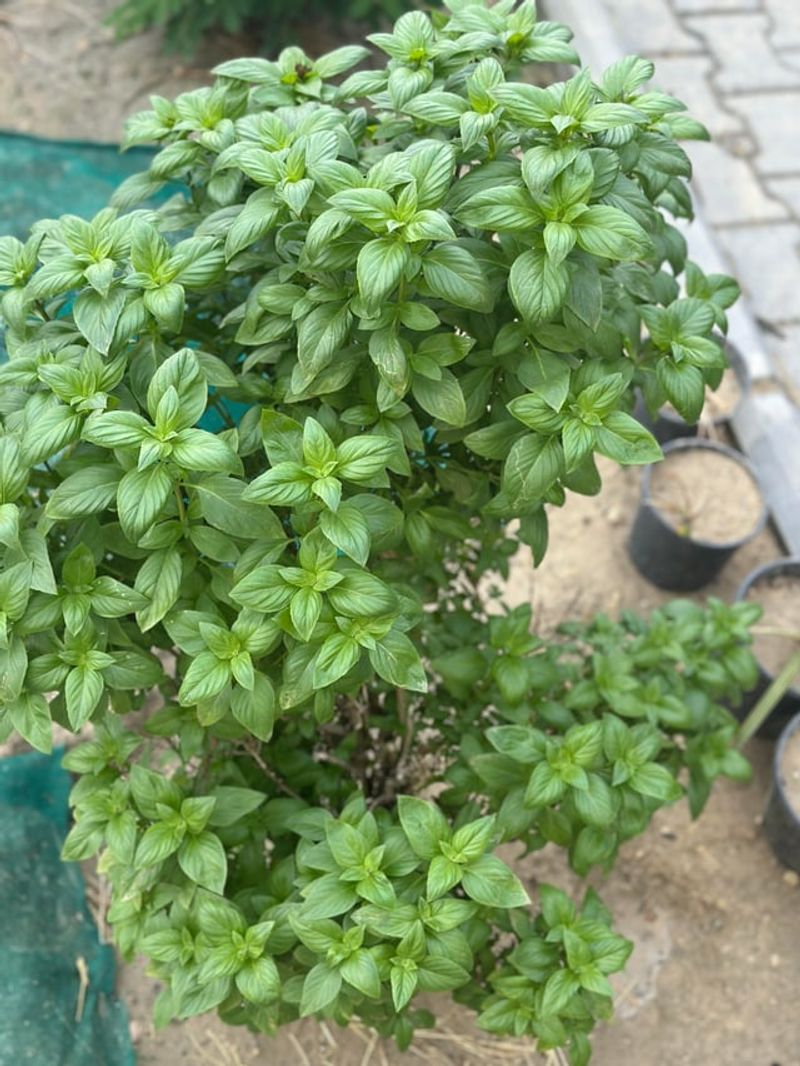
A little afternoon droop does not always mean disaster.
Basil may look tired during the hottest part of a 95-degree day, especially in the Piedmont or on a patio with reflected heat. That temporary wilt can be a normal response to intense sun and water loss through the leaves.
Check the soil before watering. Press a finger about an inch down into the mix. Moist soil means the plant is likely reacting to heat, not true dryness.
Dry soil needs attention. A powdery, warm root zone calls for a deep drink, especially in containers that heat quickly.
Do not flood a moist plant. Extra water will not fix heat wilt when roots already have moisture. It can create soggy conditions that stress basil even more.
Afternoon shade can help in exposed sites. A light shade cloth or natural break from a fence, railing, or taller plant can reduce the harshest stress without pushing basil into deep shade.
Reflected heat makes things worse. Brick, concrete, dark mulch, and metal railings can heat the root zone beyond the air temperature.
Containers need closer watching. A potted basil plant can dry out much faster than one growing in a raised bed.
Basil likes heat, but not punishment.
The goal is warm sun, steady moisture, and just enough relief to keep the plant producing instead of struggling by midafternoon.
Deep Pots Protect Roots
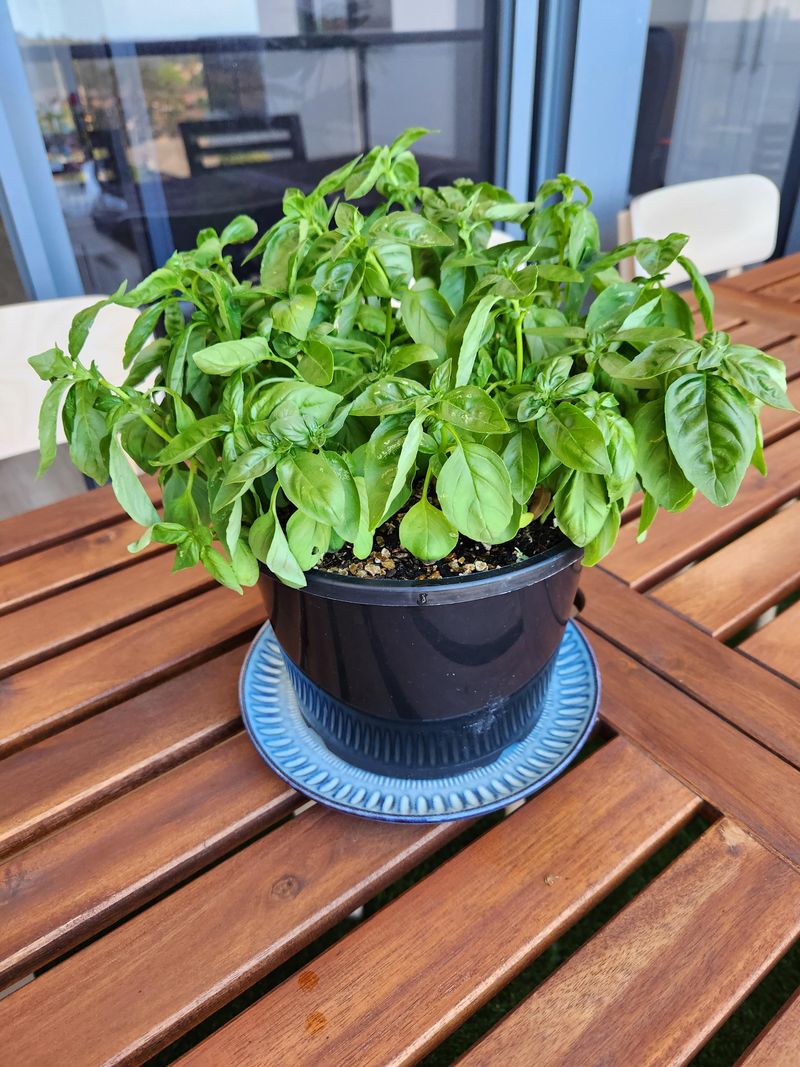
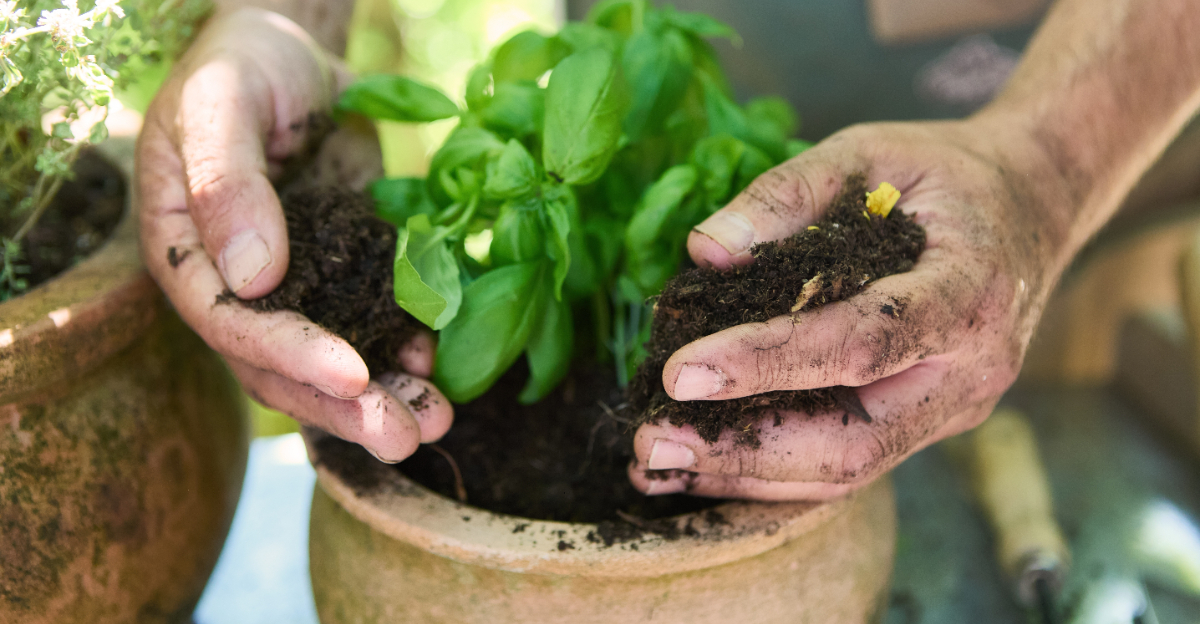
The container can decide how long basil lasts.
A shallow decorative pot may look cute in May, then turn brutal in July. Basil roots need enough space to spread, stay cooler, and access steady moisture during North Carolina heat.
Depth matters. A pot at least 10 to 12 inches deep gives roots room to move downward instead of staying trapped near the hot surface.
Drainage is not optional. Every basil pot needs holes so excess water can escape after a thorough soak.
Standing water causes trouble. Empty saucers after watering so the root zone does not stay soggy.
Pot color matters more than people think. Dark containers absorb heat quickly, while light-colored pots help keep roots a little cooler.
Terra cotta dries fast. It breathes well, but it may need more frequent moisture checks during heatwaves.
Crowded herb pots create competition. Basil often performs better in its own container instead of sharing space with rosemary, thyme, parsley, or mint.
Use a quality potting mix. Garden soil in containers can compact and drain poorly, which makes root stress more likely.
A deeper pot is not just about bigger plants.
It gives basil a cooler, steadier root zone when the porch feels like an oven.
Pinching Keeps Growth Fresh
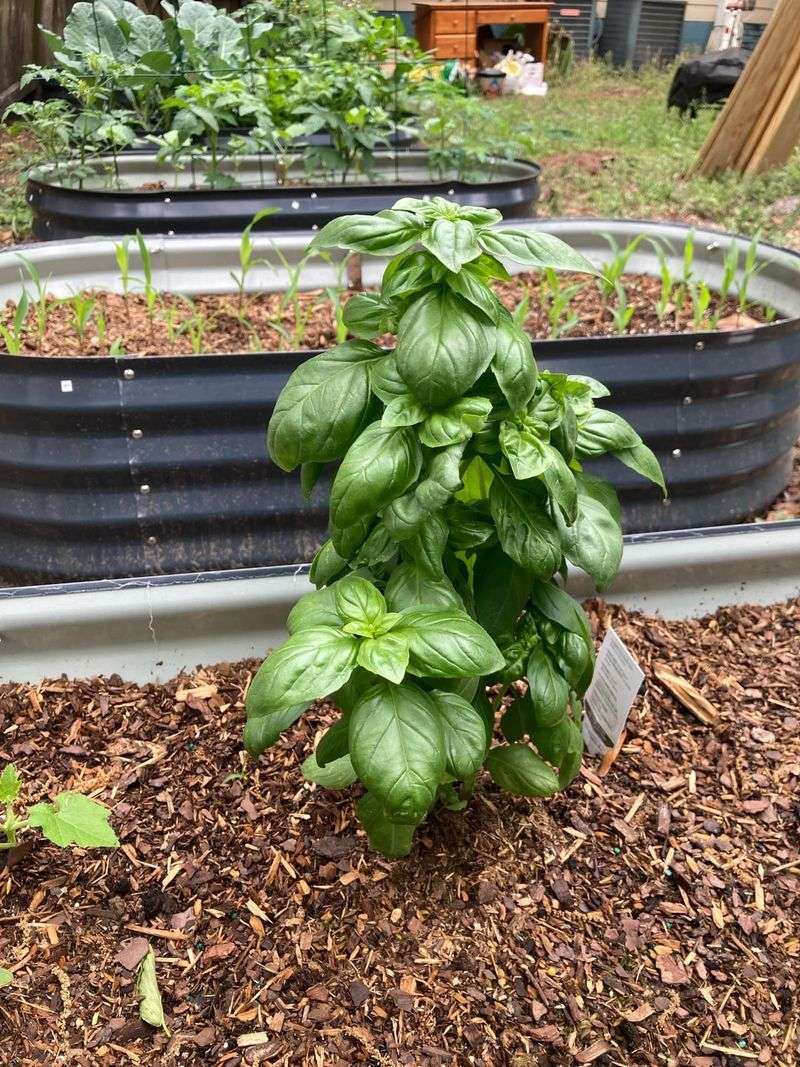
Pinching is what turns basil into a harvest machine.
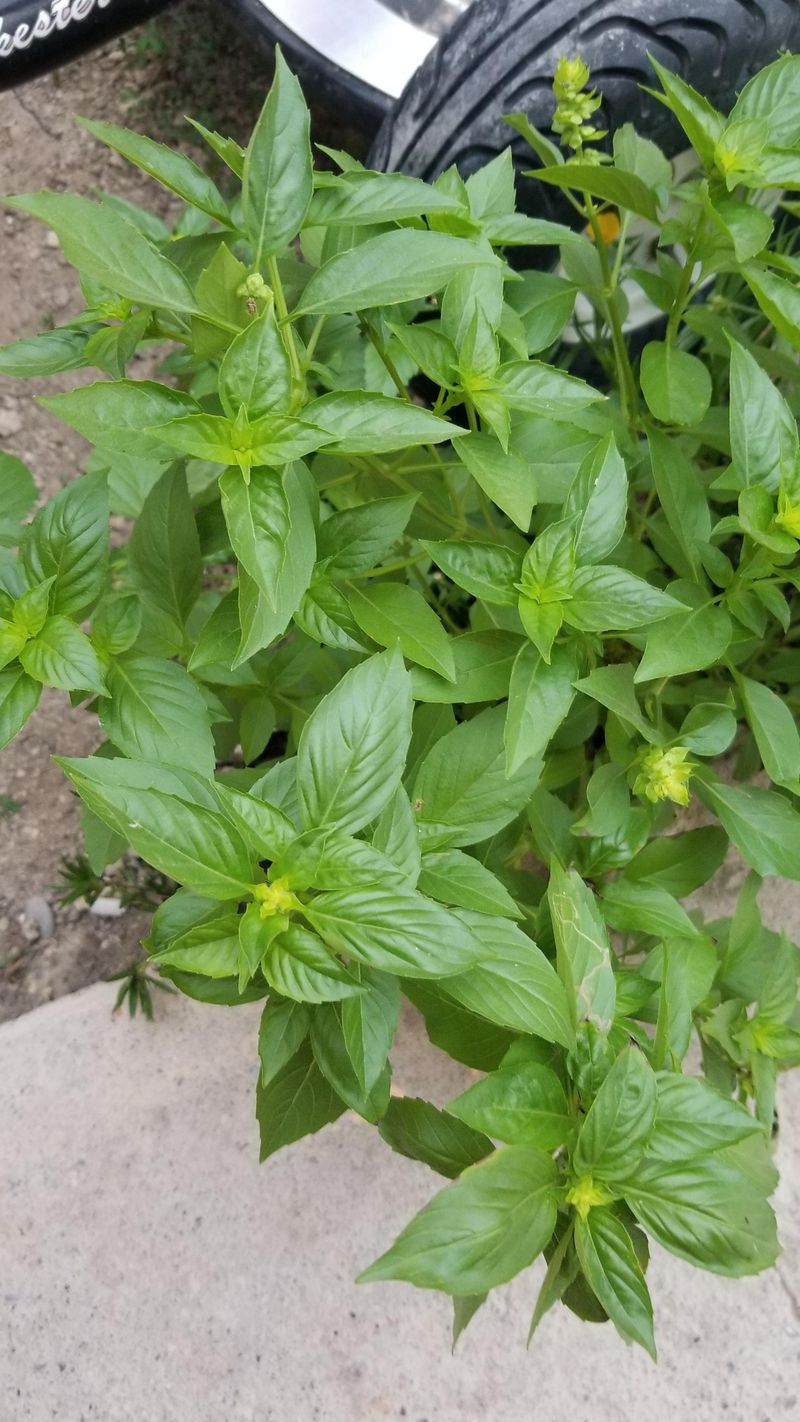
A basil plant left alone often stretches upward, flowers early, and produces fewer side shoots. Regular pinching keeps it bushy, leafy, and ready for the kitchen.
Cut just above a leaf node. That is the spot where two leaves meet the stem, and it encourages new branches to form below the cut.
Leave enough leaves behind. The plant still needs foliage to capture sunlight and rebuild after each harvest.
Small harvests work best. Taking a little often keeps basil growing more steadily than stripping it hard all at once.
Start early. Once the plant has several sets of true leaves, begin pinching the top growth to encourage branching.
Clean tools help. Scissors or pruners should be wiped before moving from plant to plant, especially during humid weather.
Avoid tearing stems. A clean cut heals more easily and leaves less damage behind.
Use what you pinch. Fresh basil tips are perfect for salads, sauces, sandwiches, and quick herb oil.
Pinching is not fussy maintenance.
It is the simple habit that keeps basil young, full, and generous through the hottest part of summer.
Soil Moisture Needs Checking
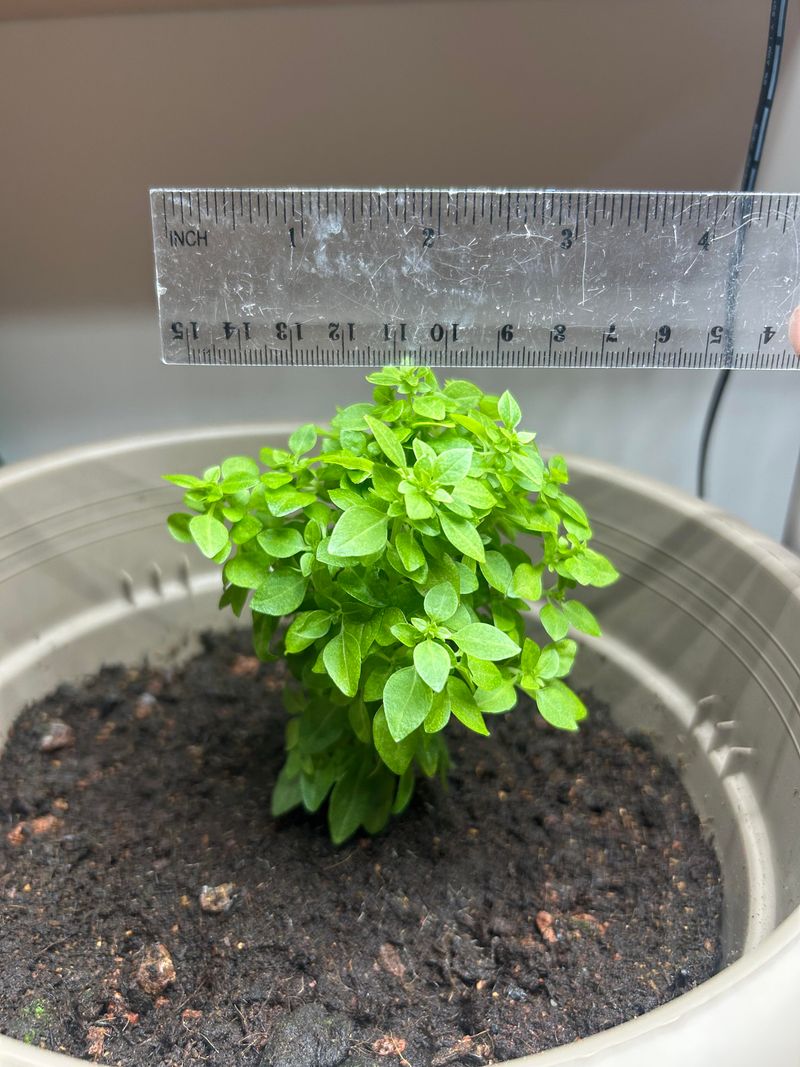
A calendar cannot tell you when basil needs water.
North Carolina weather changes too fast for fixed watering rules. Rain, humidity, wind, pot size, sun exposure, and soil mix all affect how quickly the root zone dries.
Use the finger test. Press about an inch into the soil. Dry at that depth means it is time to water.
Water deeply when needed. Give the plant enough moisture that water runs from the drainage holes or soaks well into the raised bed.
Skip shallow sips. Light surface watering keeps roots near the hottest layer of soil and makes the plant more vulnerable during heat.
Morning is the best window. Water early so leaves can dry before humidity and heat build through the day.
Keep foliage as dry as possible. Aim water at the soil, not over the top of the plant.
Containers need extra attention. Basil in pots may need daily checks during heatwaves, especially on open porches or patios.
Do not let saucers stay full. Roots sitting in water can decline quickly in hot weather.
Good basil watering is steady, not constant.
The plant wants consistent moisture with enough drainage to keep roots breathing.
Harvest Often For Better Plants
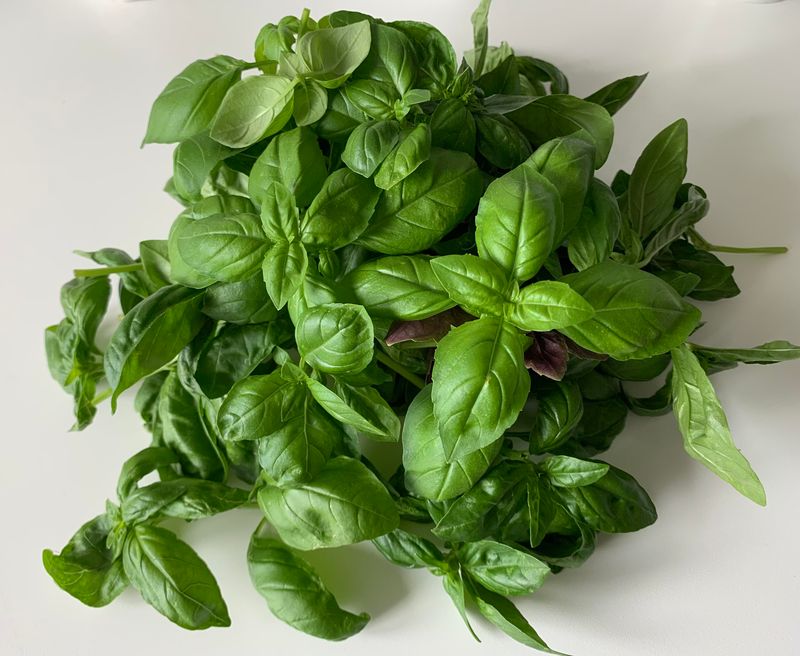
Basil rewards gardeners who use it.
The more thoughtfully you harvest, the more branches the plant produces. That makes it one of the rare herbs that can look better after regular cutting.
Harvest in the morning. Leaves are usually firm, fragrant, and less heat-stressed before the afternoon sun arrives.
Take stem tips, not single leaves. Cutting a short stem above a leaf node encourages branching and gives you a useful handful for the kitchen.
Work around the plant. Harvest from different sides so the shape stays balanced and full.
Never strip it bare. Leave enough foliage for the plant to keep growing strongly.
Use big harvests before storms or trips. A quick trim can prevent overgrown stems and gives you basil to freeze, dry, or turn into pesto.
Watch the lower leaves. Yellowing near the base may mean the plant needs more light, better airflow, improved watering, or a larger container.
Keep the plant moving. Fresh growth is the goal, and frequent harvests help make that happen.
Basil does not want to be admired from a distance all summer.
It wants to be clipped, cooked, shared, and clipped again.