The Most Underrated Pennsylvania Wildflower That Thrives In August Drought
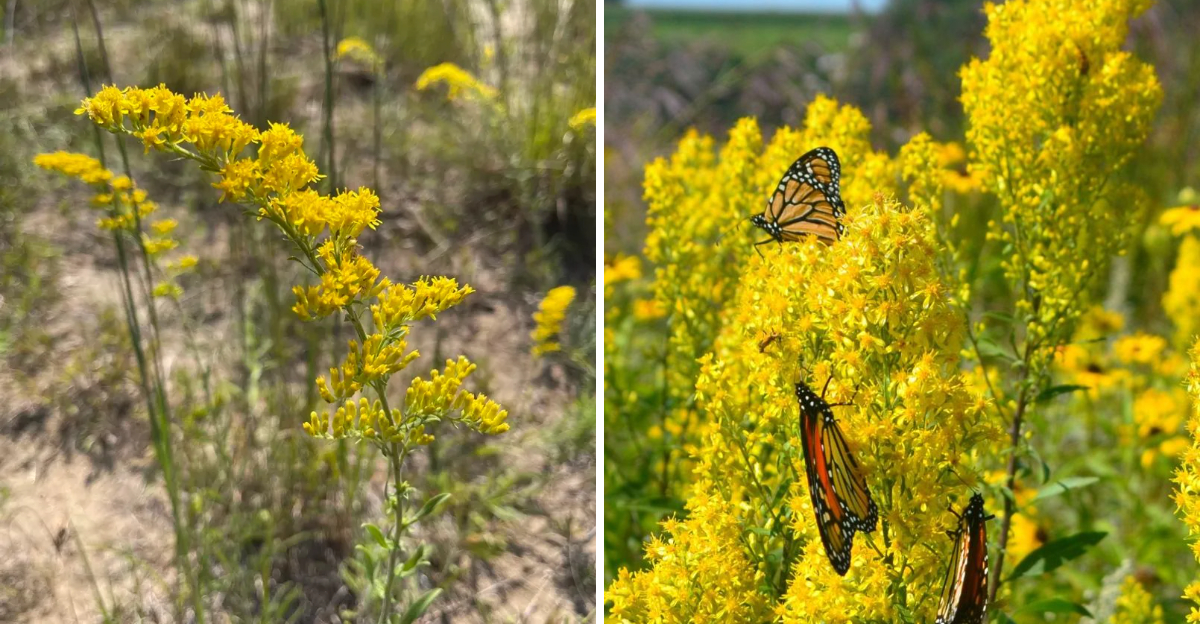
August drought in Pennsylvania turns a lot of gardens into a waiting game.
The plants that need regular moisture start showing stress, color fades from beds that looked full just weeks ago, and most gardeners find themselves either watering constantly or watching things decline and hoping for rain. It doesn’t have to be this way.
There’s a native Pennsylvania wildflower that looks at August drought conditions and simply gets on with it.
While everything else in the garden is asking for attention and water, this underrated native is blooming, supporting pollinators, and holding its color through dry weeks that defeat most ornamental varieties.
It doesn’t need supplemental irrigation once established, it doesn’t sulk during dry spells, and it tends to look its absolute best at precisely the moment when everything around it looks its worst.
Most Pennsylvania gardeners have never grown it or even considered it for their late summer beds. That’s a gap worth filling.
Here’s the Pennsylvania wildflower that thrives in August drought and why your garden should have it.
This Wildflower Thrives In August Drought
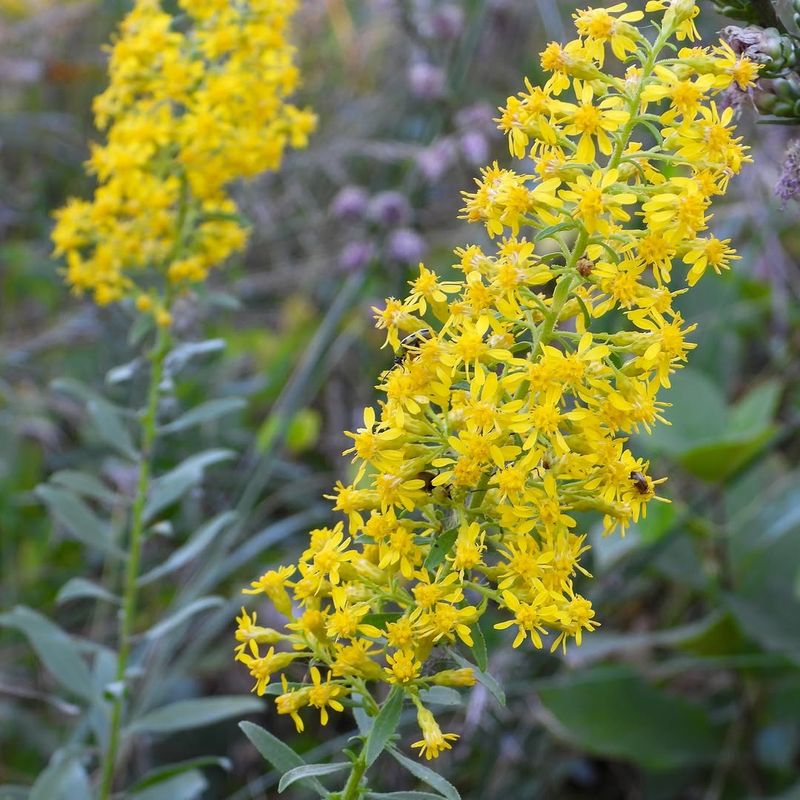
Not every great wildflower gets the spotlight it deserves. Gray goldenrod, known scientifically as Solidago nemoralis, is one of Pennsylvania’s most overlooked native perennials.
It also goes by the charming nickname “old-field goldenrod,” a name that hints at where you are most likely to find it growing wild.
Unlike the tall, bold goldenrods that line roadsides in September, gray goldenrod is smaller and more restrained. Most mature plants reach somewhere between one and two feet tall.
That compact size makes it easy to fit into gardens without worrying about it taking over the space.
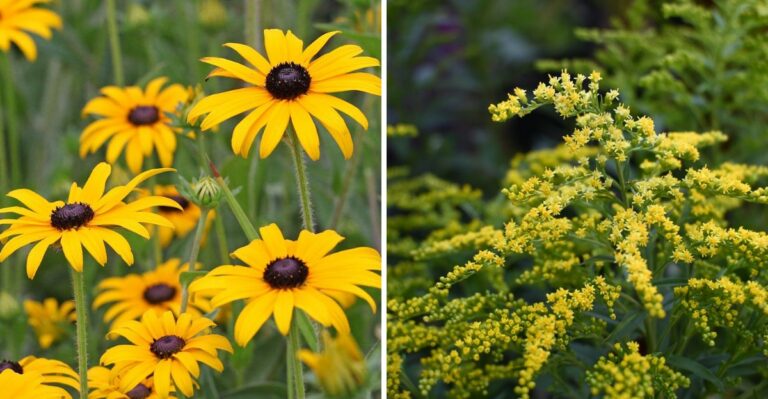
What makes it instantly recognizable is its arching clusters of tiny yellow flowers. The blooms cascade gently at the tips of the stems, almost like little golden fountains. The foliage has a soft gray-green color that looks beautiful even before the flowers open.
Gray goldenrod is a true Pennsylvania native, meaning it evolved here and belongs here. It supports local ecosystems in ways that non-native ornamentals simply cannot match. Planting it is not just a gardening choice; it is a small act of ecological support.
Many gardeners overlook it because it lacks the drama of showy hybrid flowers. But that understated quality is actually part of its appeal.
It blends naturally into meadow plantings, woodland edges, and dry slopes without looking out of place.
If you have been searching for a tough, attractive, and genuinely useful native plant that fits easily into a Pennsylvania garden, gray goldenrod is a strong answer. Its quiet beauty and reliable performance make it worth far more attention than it currently gets.
Why It Handles Dry August Conditions
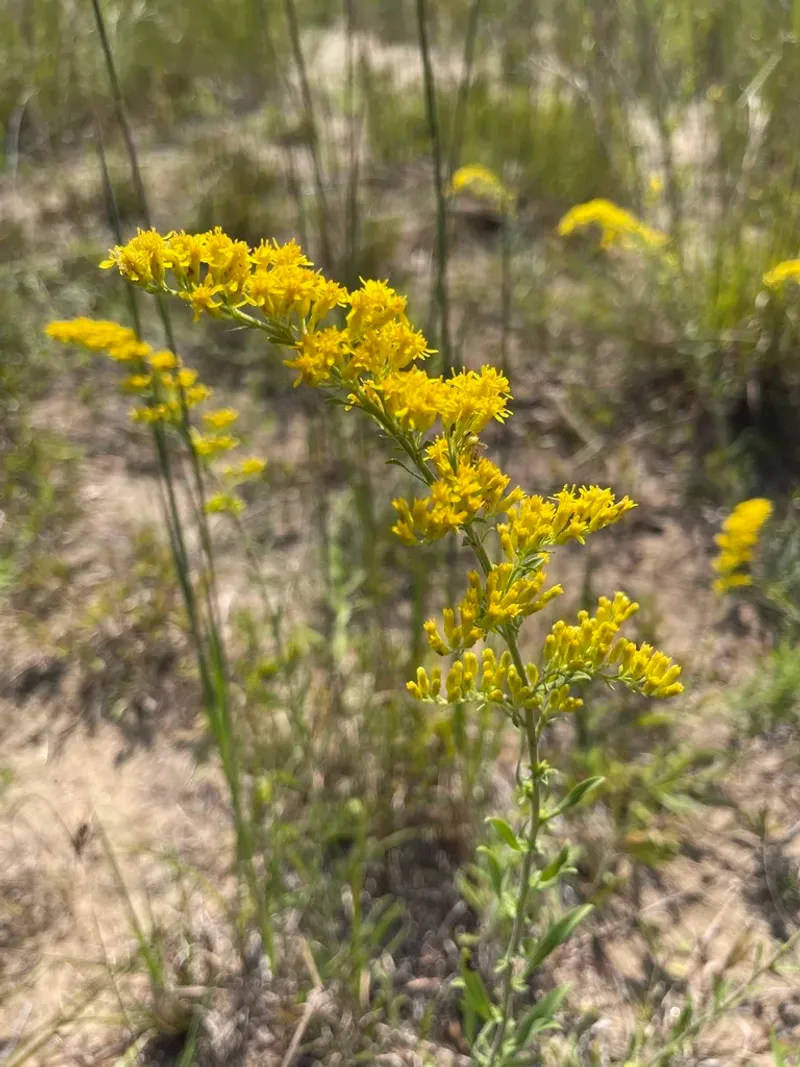
August in Pennsylvania can be brutal. Temperatures climb, rain becomes scarce, and many garden plants start looking tired and stressed. Gray goldenrod, though, treats dry August conditions like business as usual.
In the wild, this plant naturally grows in dry fields, open woodlands, rocky roadsides, and gravelly ground. It did not develop in rich, moist garden beds.
Your Pennsylvania Garden Changes Every Week. Your Plan Should Too.
Gardening in Pennsylvania changes quickly throughout the season. Every Friday you’ll receive a simple weekly plan showing exactly what to plant, prune, fertilize, harvest, and protect so you never miss the right timing.
It evolved in tough spots where water is limited and soil quality is poor. That background gives it a serious advantage during summer droughts.
Established gray goldenrod plants have a root system that is well adapted to pulling moisture from dry soil. Their compact growth reduces the amount of water the plant needs to sustain itself.
While thirstier ornamentals wilt and fade, gray goldenrod keeps right on going. Sandy or gravelly soil that frustrates most gardeners is actually perfectly fine for this plant. Poor drainage and lean soil conditions do not slow it down.
In fact, overly rich or consistently wet soil can cause more problems than dry conditions ever would.
One important note for new gardeners: newly planted specimens still need regular watering until their roots settle in. Drought tolerance builds over time as the root system expands and strengthens.
Give young plants consistent moisture during their first season, and they will reward you with years of reliable, low-water performance afterward.
Thinking about those dry, sunny spots in your yard where nothing seems to grow well? Gray goldenrod was practically made for situations like that. It fills difficult spaces beautifully while asking for very little once it gets established.
How It Extends The Late-Summer Bloom Season
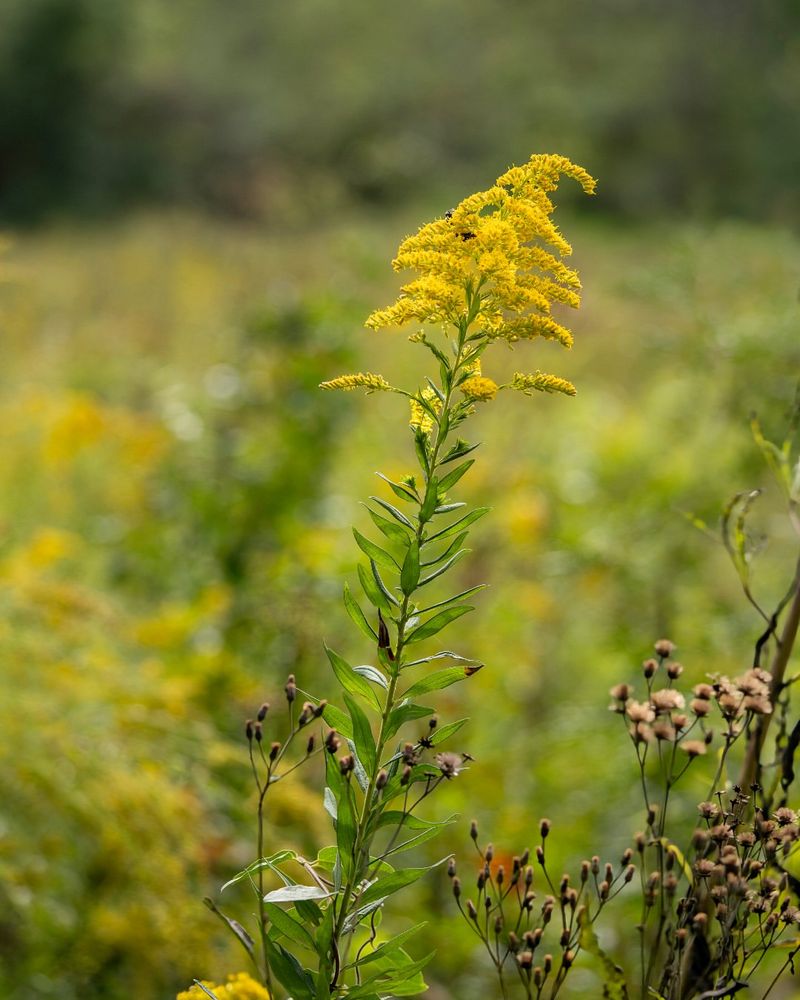
There is a frustrating gap in many gardens. By mid-July, the spring and early-summer flowers have finished.
The fall asters have not started yet. For several weeks, the garden can look flat and colorless right when the weather is still warm enough to enjoy being outside.
Gray goldenrod fills that gap beautifully. Flowering often begins in August and continues well into early fall.
That timing puts it right in the middle of the season when most other perennials have already taken their bow and left the stage.
Those golden blooms showing up in August are a genuine gift to any garden. They bring warmth and color back to spaces that might otherwise look tired and spent.
The contrast of bright yellow against the dry, faded greens of late summer is surprisingly striking.
It is worth noting that exact bloom timing can shift depending on your specific location, rainfall patterns, and local growing conditions. Plants in shadier spots or cooler microclimates might bloom a little later than those in full sun.
Either way, you can count on gray goldenrod to extend your garden’s color season well past what most spring-focused plants can offer.
Pairing gray goldenrod with other late bloomers creates a layered effect that keeps the garden looking intentional and full of life. Native asters are a natural partner since their purple and lavender tones contrast beautifully with the goldenrod’s warm yellow clusters.
Gardeners who feel let down by the late-summer slump will find that adding even a few gray goldenrod plants makes a noticeable difference. The garden stays lively, and the effort required to achieve that result is minimal.
Why Pollinators Depend On It
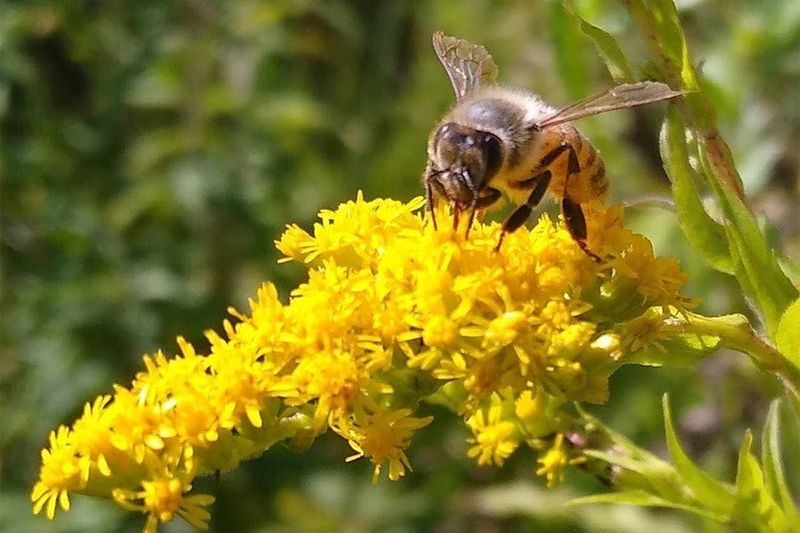
Here is something that might surprise you: goldenrod is one of the most ecologically important flowering plants in the entire eastern United States. Gray goldenrod, despite its modest size, punches well above its weight when it comes to supporting wildlife.
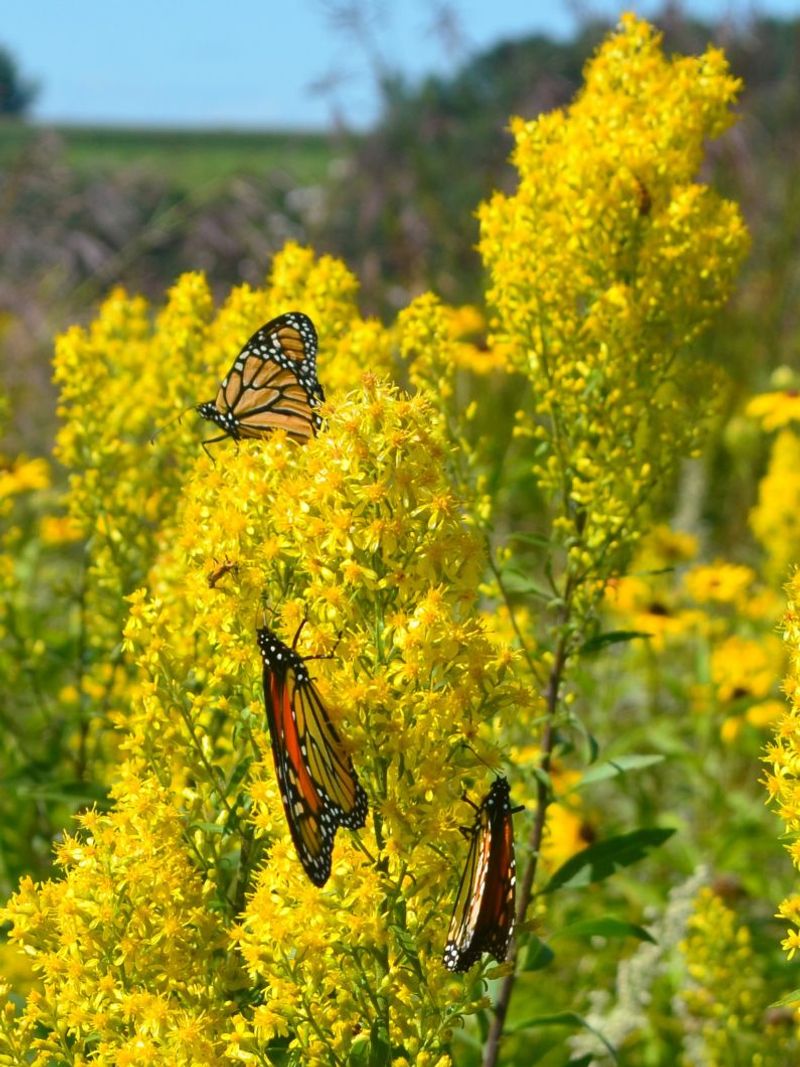
The numerous small flowers produce generous amounts of nectar and pollen. Native bees, butterflies, wasps, and many other beneficial insects flock to the blooms throughout late summer.
On a warm August afternoon, a patch of gray goldenrod in full flower can be buzzing with activity.
Late-season blooms carry extra value in the pollinator world. By August, many flowering plants have finished for the year.
Food sources for insects start to thin out. Gray goldenrod arrives right when that shortage begins, giving pollinators a reliable and accessible resource at a critical time.
Beyond just bees and butterflies, goldenrods support a surprisingly wide range of insect species. Many of those insects, in turn, become food for birds and other wildlife.
Planting gray goldenrod connects your yard to a much larger food web than most people realize.
Researchers have documented over 100 insect species that depend on goldenrods at some point in their life cycle. That is a remarkable number for a single plant genus. Gray goldenrod contributes meaningfully to that total.
Planting several gray goldenrod plants together creates a more visible and useful resource than a single isolated specimen.
A small grouping of three to five plants can attract a noticeable variety of pollinators. If supporting local wildlife is one of your gardening goals, this plant belongs in your plan.
Where Gray Goldenrod Grows Best
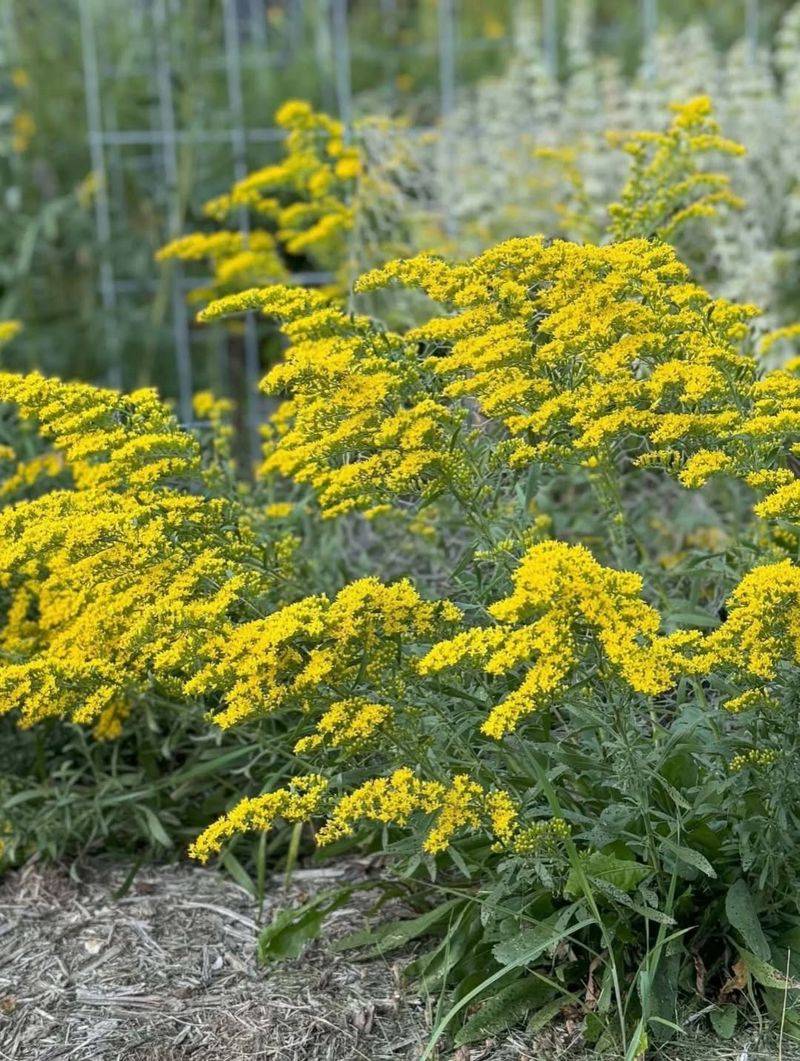
Getting the location right makes a big difference with gray goldenrod. Fortunately, the plant is not picky in a complicated way.
Its preferences are simple and easy to work with once you understand what it naturally likes.
Full sun is the top priority. Gray goldenrod performs best when it receives at least six hours of direct sunlight each day.
It can tolerate partial shade, but flowering will be less impressive and the plant may become a bit leggy in low-light conditions.
Well-drained soil is equally important. Avoid any spot that stays wet after rain or gets regular heavy irrigation.
Standing water around the roots is one of the few things that can genuinely stress this plant. Dry or even somewhat poor soil suits it far better than rich, moist garden beds.
Dry borders, meadow gardens, slopes, and rock gardens are all excellent choices. Naturalized areas where you want a low-maintenance, wildlife-friendly planting are ideal.
Gray goldenrod looks completely at home in those settings because it evolved in exactly those kinds of environments.
Companion planting with other drought-tolerant Pennsylvania natives creates a cohesive, ecologically rich space. Little bluestem grass pairs beautifully with gray goldenrod, offering complementary texture and fall color.
Black-eyed Susans and native asters round out the combination with additional color and pollinator value.
If your yard has a dry, sunny problem spot where other plants have struggled, consider that a perfect opportunity. Gray goldenrod was built for exactly those conditions.
Give it the right location, and it will reward you with reliable blooms and wildlife activity for many years to come.
How To Keep It Attractive Without Extra Work
One of the best things about gray goldenrod is how little it demands once it settles in. It is not a plant that requires constant fussing, expensive inputs, or complicated seasonal routines.
A few simple habits are all it takes to keep it looking its best year after year. Watering during the establishment period is the most important early task. New plants need consistent moisture for their first growing season while their root systems develop.
After that first year, you can significantly reduce irrigation and let the plant handle dry stretches on its own.
Skip the fertilizer. Rich soil and heavy feeding tend to produce weak, floppy stems that flop over and look untidy.
Gray goldenrod actually performs better in lean conditions. If your soil is already fertile, the plant may need a little extra support, but most average or poor Pennsylvania soils are perfectly fine without any amendments.
Gray goldenrod can spread by seed, so keep an eye out for unwanted seedlings popping up nearby. Removing them while they are small is quick and easy.
If an established clump grows larger than you intended, dividing it in early spring is a simple and effective solution.
Leaving the dried stems and seed heads standing through winter is genuinely worthwhile. Birds visit them for seeds during cold months.
The stems also provide overwintering habitat for native insects. That structural presence in the winter garden has real ecological value beyond just looking interesting.
Come spring, cut the old stems back to the ground to make room for fresh new growth. That is honestly about all the maintenance gray goldenrod ever asks for. Simple, effective, and deeply satisfying for any gardener who values results over effort.