7 Pennsylvania Native Plants Worth Adding To Your Garden This September
September is one of the best planting months Pennsylvania offers, and native plants are where that advantage shows most clearly.
The soil still holds summer warmth, cooler temperatures reduce transplant stress, and the weeks ahead give roots a genuine head start before winter.
Plants put in the ground now arrive next spring already established and ready to grow rather than spending half the season recovering.
The native plant options worth adding in September are not the same as spring planting choices.
These are plants selected specifically for what they contribute through fall and into winter, what they do for migrating wildlife, late season pollinators, and the soil biology that determines how well the entire garden performs next year.
These Pennsylvania natives stand out for September planting above all the others.
1. New England Aster
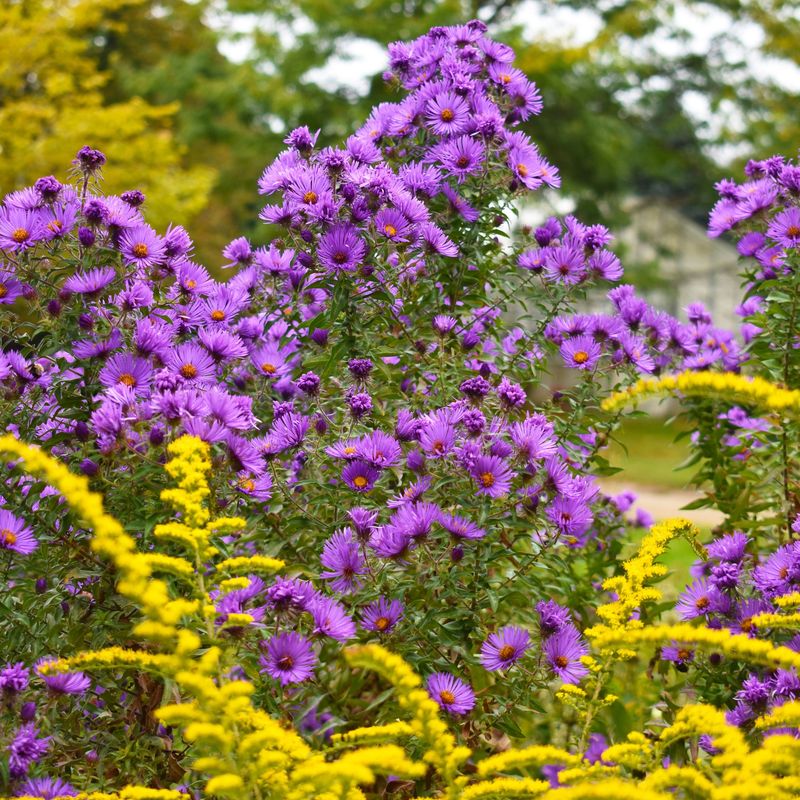
Few plants light up a fall garden like the New England aster. Its purple petals with sunny yellow centers pop against the golden colors of September.
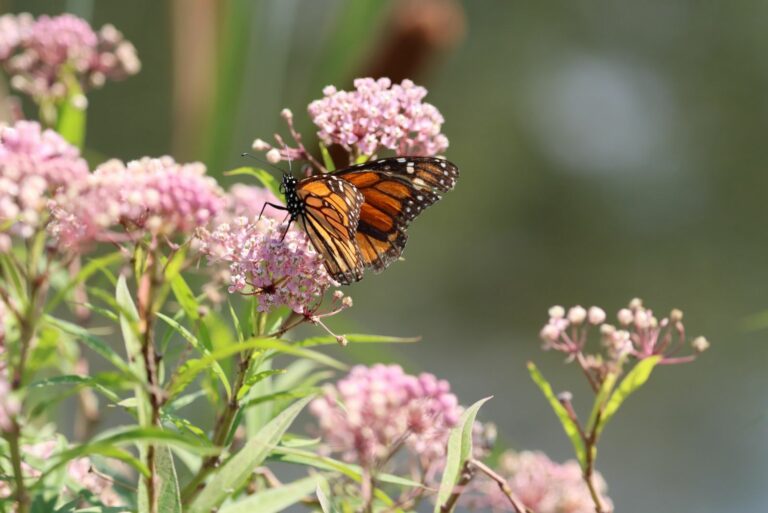
Bees and butterflies love this plant. Monarch butterflies stop by for nectar while traveling south, so you might spot a few flutter through your yard.
Planting asters gives these travelers a much-needed meal during their long journey.
This aster grows tall, sometimes reaching four feet or more. You can pinch back the stems in early summer to keep it bushy and full of blooms. It enjoys full sun and moist soil, but it forgives you if the ground gets a little dry.
Gardeners love how tough this plant is. Once it settles in, it comes back stronger every year without much fuss. You barely need to water it after the first season.
Try pairing it with goldenrod for a stunning purple-and-gold combo. The colors look amazing together and both feed pollinators at the same time.
Fun fact: the New England aster earned its name because it grows wild across the northeastern states, including all over Pennsylvania. Early settlers admired its beauty long before it became a garden favorite.
If your yard gets crowded, just divide the clumps every few years in spring. This keeps the plant healthy and gives you extra starts to share with friends.
Plant it near a walkway or fence where you can enjoy the buzzing activity up close. Watching bees and butterflies gather is one of the simple joys this plant brings to a September garden.
2. Black-Eyed Susan
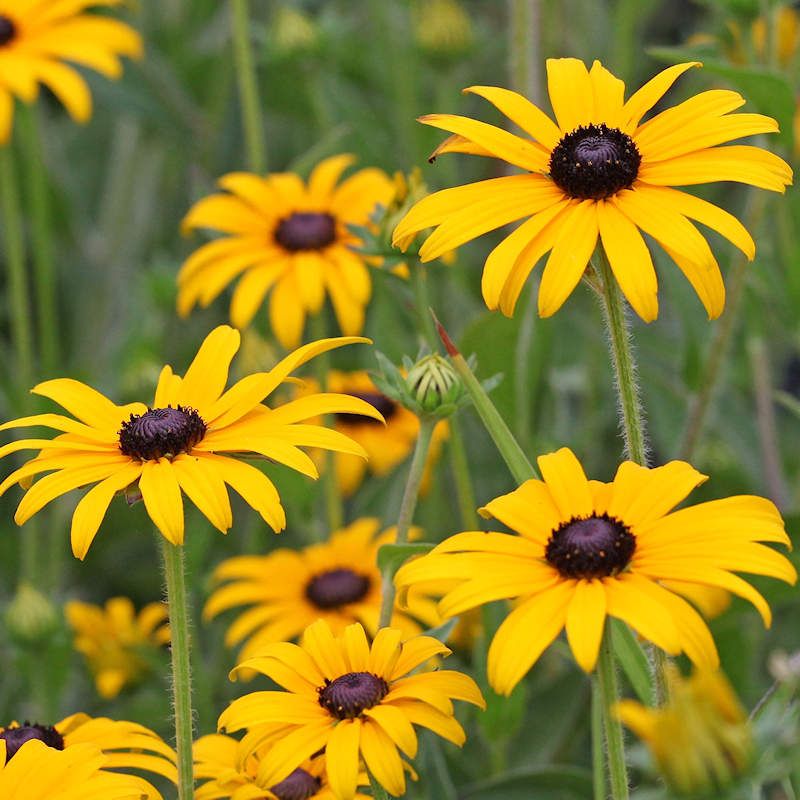
With cheerful golden petals and a chocolate-brown center, the black-eyed Susan feels like sunshine in plant form. It brightens any garden corner where you tuck it in.
This flower is famous for being easygoing. It handles heat, poor soil, and dry spells without complaint, making it perfect for beginners who worry about keeping plants alive.
Pollinators adore it. Bees crawl across the golden petals while butterflies sip nectar all afternoon. Later in the season, songbirds like finches feast on the seeds hiding in the dark centers.
Full sun is what this plant craves most. Give it a spot with six hours of light and it rewards you with blooms from summer straight into October.
Your Pennsylvania Garden Changes Every Week. Your Plan Should Too.
Gardening in Pennsylvania changes quickly throughout the season. Every Friday you’ll receive a simple weekly plan showing exactly what to plant, prune, fertilize, harvest, and protect so you never miss the right timing.
Black-eyed Susans spread happily on their own. They drop seeds that sprout new plants the following year, so you get a bigger patch each season without spending a dime.
They also make wonderful cut flowers. Snip a few stems for a vase and the blooms stay fresh and bright for over a week on your kitchen table.
Here is something neat: the black-eyed Susan is the state flower of Maryland, but it grows wild across Pennsylvania fields and roadsides too. You have probably driven past thousands without realizing it.
To keep them tidy, remove faded flowers now and then. This encourages fresh buds and keeps the plant looking neat through fall.
Group several together for the biggest impact. A cluster of these glowing blooms creates a warm, welcoming feel that draws both people and pollinators to your garden all season long.
3. Goldenrod
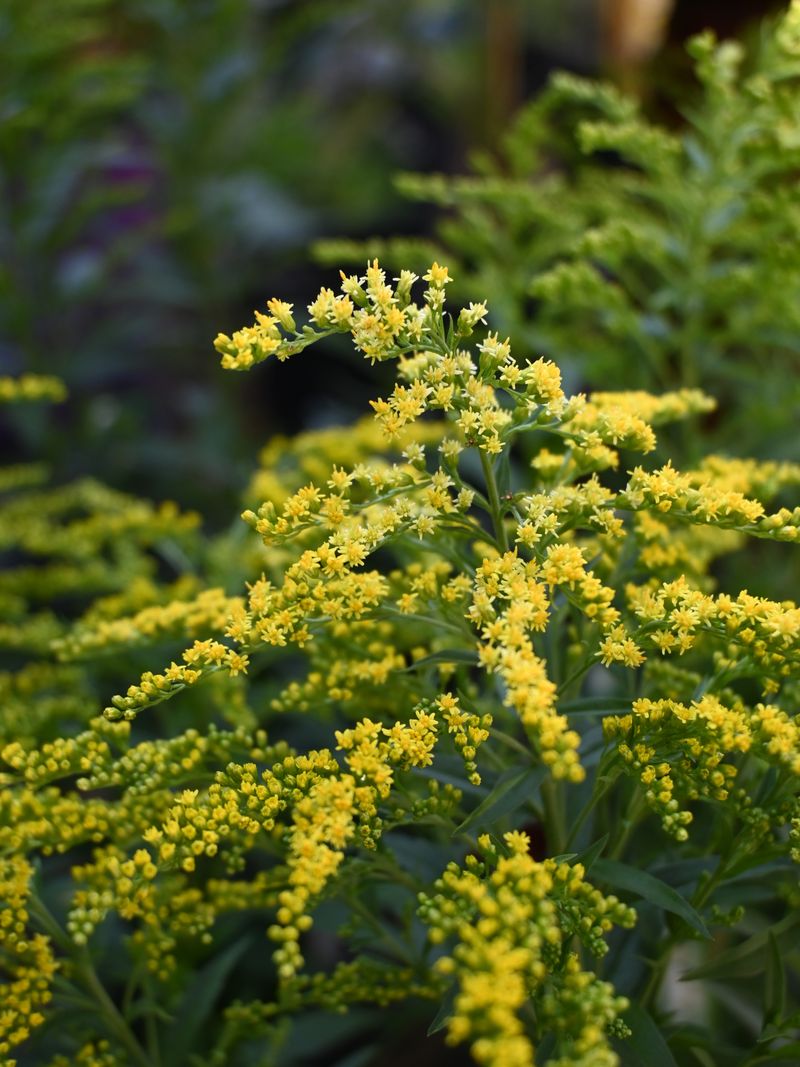
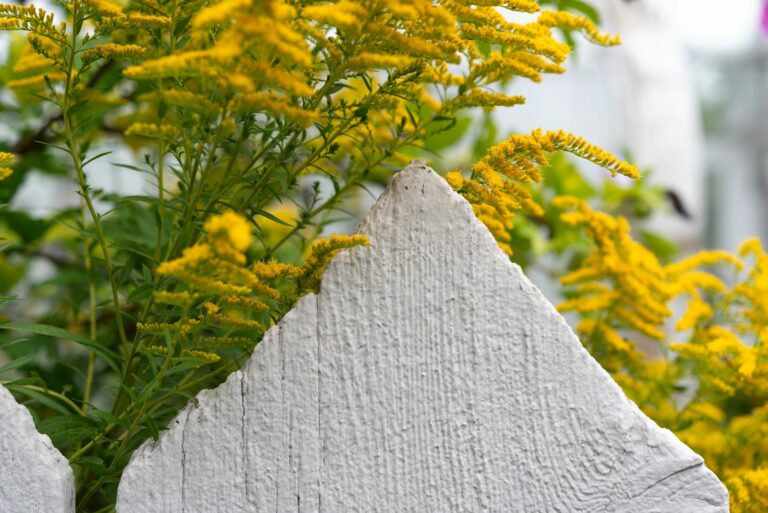
Goldenrod gets a bad reputation, but it deserves a spot in your heart and your garden. Many people blame it for fall allergies, when the real culprit is ragweed nearby.
Those bright golden plumes are actually pollinator superstars. Bees, wasps, and butterflies swarm the flowers, gathering the last big meal before cold weather sets in.
This plant thrives in almost any spot. It handles dry, rocky, or sandy soil and asks for very little water once it takes root in your yard.
Goldenrod comes in many types. Some grow tall and wild, while newer garden varieties stay shorter and neater, perfect for smaller flower beds and borders.
The golden color arrives right when other flowers fade. This late show of brightness keeps your garden lively through September and into October when many plants slow down.
Native Americans and early settlers used goldenrod as a healing herb for many years. Some even brewed the leaves into a soothing tea, giving the plant a rich history worth remembering.
Pair it with purple asters for a jaw-dropping color combo. The yellow and violet together look like something out of a painting and feed pollinators at the same time.
If you worry about it spreading, choose a clumping variety instead of a running one. This keeps the plant in one tidy spot instead of wandering across your whole garden.
Give goldenrod full sun and step back. This tough native does the rest, filling your fall landscape with warm golden light and buzzing, happy pollinators all season long.
4. Cardinal Flower
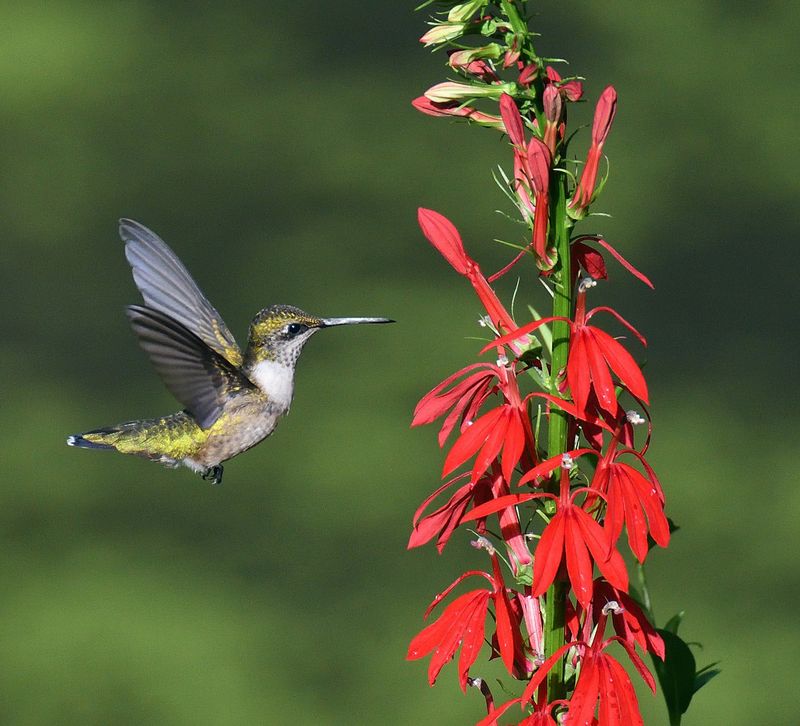
If you want to see hummingbirds up close, the cardinal flower is your ticket. Its fiery red blooms are like a magnet for these tiny, buzzing birds.
The bright scarlet color is hard to miss. Tall spikes of red flowers shoot upward, adding drama and excitement to any garden bed or pond edge.
This plant loves wet feet. It grows best in damp soil near streams, ponds, or rain gardens where the ground stays moist most of the time.
Hummingbirds are drawn to the deep tube-shaped blossoms. Their long beaks fit perfectly inside, and few other creatures can reach the sweet nectar hidden there.
Cardinal flower does well in partial shade. A spot with morning sun and afternoon shelter keeps it happy through the warm days of early fall.
The name comes from its color, which matches the bright robes worn by Catholic cardinals. Once you see the blooms, the fitting name makes perfect sense.
To keep it coming back, let a few flowers go to seed. The plant can be short-lived, but fresh seedlings fill in the gaps and keep the color going.
Mulch around the base to lock in moisture. This simple step helps the roots stay cool and damp during dry stretches in September.
Plant a group of these near a water feature for the best effect. A row of glowing red spikes reflected in the water is a sight you will never grow tired of.
Watching hummingbirds dart between the blooms brings pure joy. This plant turns any quiet corner into a lively, colorful show all season.
5. Wild Bergamot
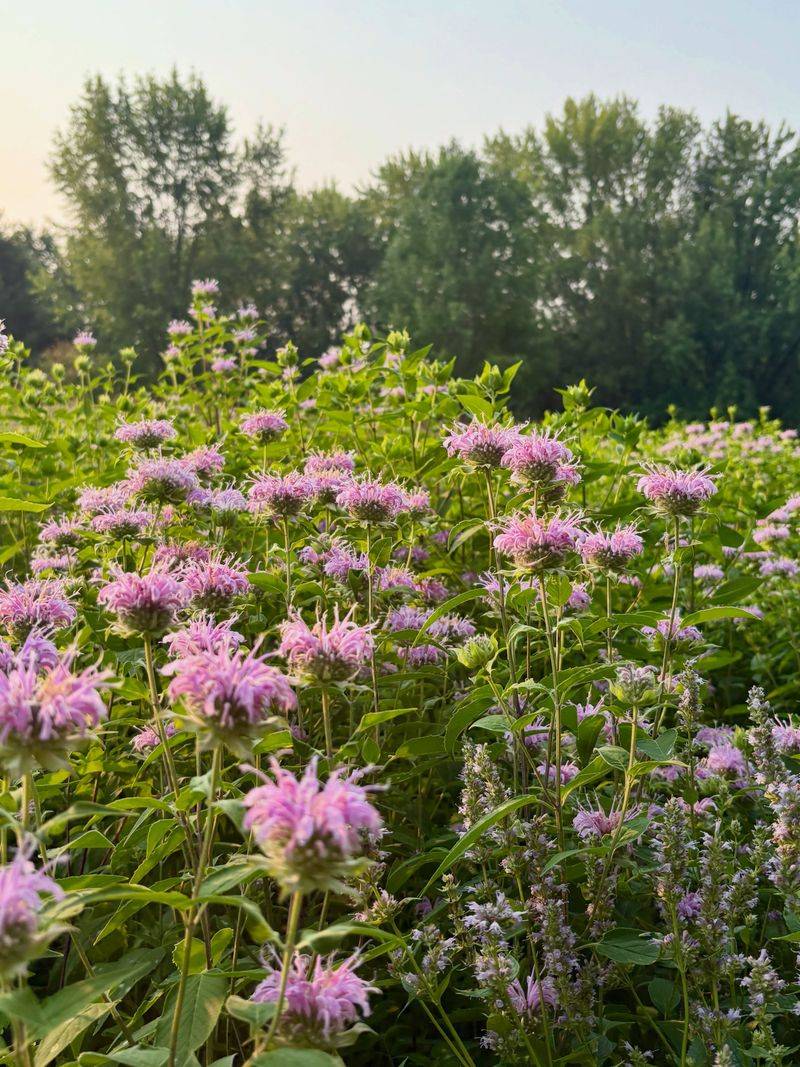
Wild bergamot, also called bee balm, has a wild, shaggy look that gives your garden a fun, natural feel. Its lavender-pink flowers seem to explode like tiny fireworks.
Pollinators cannot resist this plant. Bees, butterflies, and even hummingbirds line up to sip nectar from the ragged, tube-shaped blooms all through the season.
Crush a leaf between your fingers and take a sniff. The minty, spicy scent is refreshing, and some people use the leaves to brew a calming herbal tea.
This native handles dry conditions like a champ. Once established, it needs very little water, making it a smart pick for low-maintenance gardens across Pennsylvania.
Full sun brings out the most blooms. Give it a bright, open spot and it rewards you with weeks of colorful, buzzing activity from summer into fall.
Wild bergamot can spread through underground roots. If it gets too big, simply dig up the extra clumps in spring and share them with gardening friends.
Good air flow keeps this plant healthy. Space plants a bit apart so breezes move through, which helps prevent powdery mildew on the leaves.
Here is a tidbit worth knowing: Native Americans used bergamot leaves as a natural remedy for colds and coughs long before modern medicine existed.
Pair it with black-eyed Susans or coneflowers for a lively, cottage-garden look. The mix of pink, yellow, and purple feels cheerful and full of life.
Snip faded blooms to encourage more flowers. This little bit of care keeps your bee balm blooming and your pollinators feasting through the warm September days.
6. Purple Coneflower
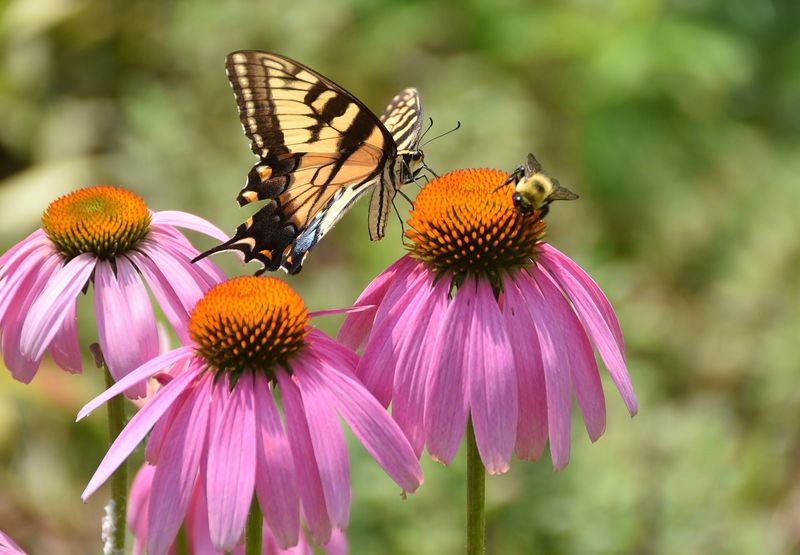
Sturdy, dependable, and beautiful, the purple coneflower is a garden classic for good reason. Its pink-purple petals droop gently around a spiky orange center.
Butterflies flock to these blooms. On a sunny afternoon you might count several resting on the flat centers, wings open wide as they soak up the warmth.
This plant shrugs off tough weather. Heat, drought, and poor soil barely slow it down, so you can plant it and mostly forget about it.
Coneflowers, also known as echinacea, are used in many herbal cold remedies. People have relied on the roots and flowers to support their health for centuries.
Full sun keeps this plant blooming its best. A bright spot with well-drained soil is all it needs to flower from midsummer well into fall.
Leave the seed heads standing after the petals fade. Goldfinches and other birds swoop in to feast on the seeds, giving you free birdwatching all autumn.
The spiky center is where the plant gets its name. That cone-shaped middle feels prickly to the touch and holds hundreds of tiny seeds.
Coneflowers make excellent cut flowers too. Bring a few stems indoors and they brighten your table for many days without wilting quickly.
Group them in clusters of three or five for the biggest visual punch. A patch of these tall, cheerful blooms looks stunning and feeds wildlife at once.
Divide the clumps every three or four years in spring. This keeps them vigorous and gives you new plants to spread color throughout your yard.
7. Little Bluestem Grass
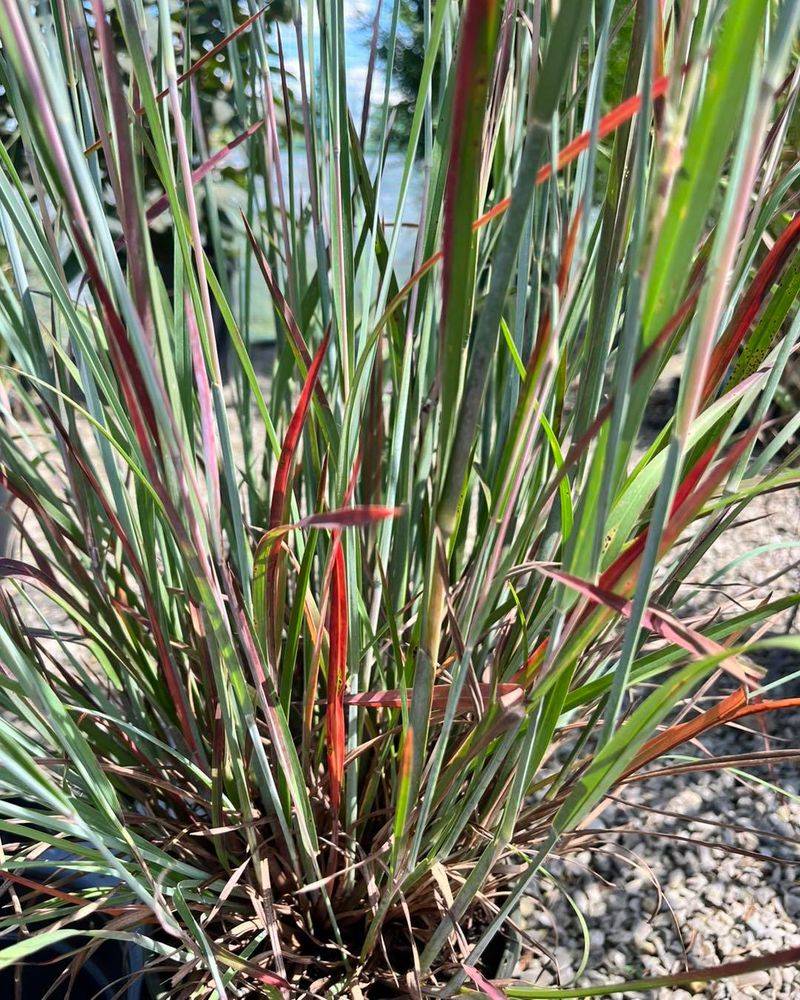
Not every star in the garden is a flower. Little bluestem is a native grass that steals the show with its shifting colors and graceful, swaying blades.
In summer the stems glow blue-green. As fall arrives, they turn warm shades of copper, orange, and reddish-bronze that catch the golden September light beautifully.
This grass is incredibly tough. It handles dry soil, wind, and hot sun without any trouble, making it ideal for spots where other plants struggle.
Birds love little bluestem. The fluffy seed heads feed sparrows and finches, while the thick clumps give small creatures a cozy place to hide.
The upright shape adds height and texture to your garden. Planted in groups, it creates a soft, waving backdrop that moves gently with every breeze.
Little bluestem once covered vast prairies across America. Bringing it into your yard connects your garden to that wild, open landscape of long ago.
It needs almost no care once planted. Skip the fertilizer and heavy watering, since this grass actually prefers lean soil and dry conditions.
Cut the old growth back in early spring before new shoots appear. This simple trim keeps the clumps neat and ready for fresh growth.
Pair it with coneflowers and asters for a natural, meadow-like feel. The mix of flowers and grass looks relaxed and welcoming all season.
Leave the coppery stems standing through winter. They add color and movement to the cold months and give shelter to birds when other cover is scarce.
This humble grass proves that texture and color can be just as exciting as any bloom in your fall garden.