Connecticut’s Chinch Bug Problem Is Arriving Ahead Of Schedule This Year
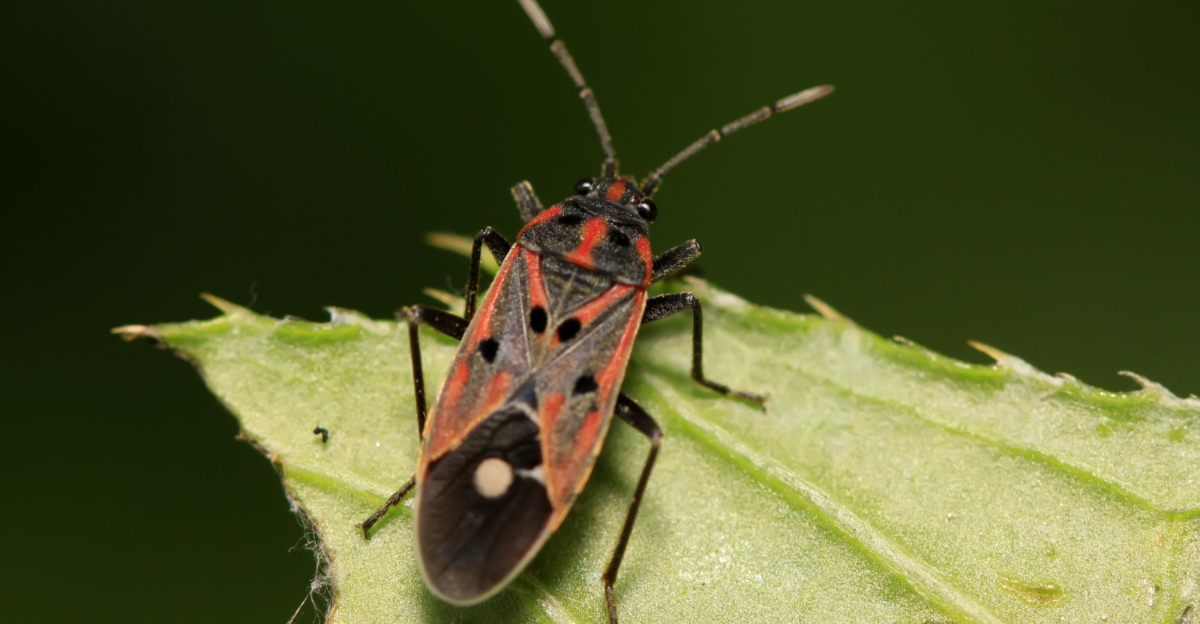
You didn’t expect trouble to arrive this early, did you? Chinch bugs have arrived across Connecticut lawns weeks early. Warm spring temperatures gave these pests an early advantage.
Your grass may already be showing early effects of stress right now. Yellow patches and thinning blades are not random or temporary. Watering more will not fix this growing issue alone.
Connecticut homeowners are noticing stress spreading faster than usual. These insects feed in dense clusters, pulling grass down slowly. Damage often looks like drought, tricking you into watering instead.
Every day you wait lets the problem settle in deeper. Roots soften first, then blades fade, then soil shows through. Nothing about this timeline matches a typical spring growth pattern.
Understanding this now could protect your entire lawn for good. Signs like these mean action shouldn’t wait much longer than expected.
Whatever happens next truly depends on what you learn right now. Discover exactly how to stop this problem before it spreads.
What Are Chinch Bugs
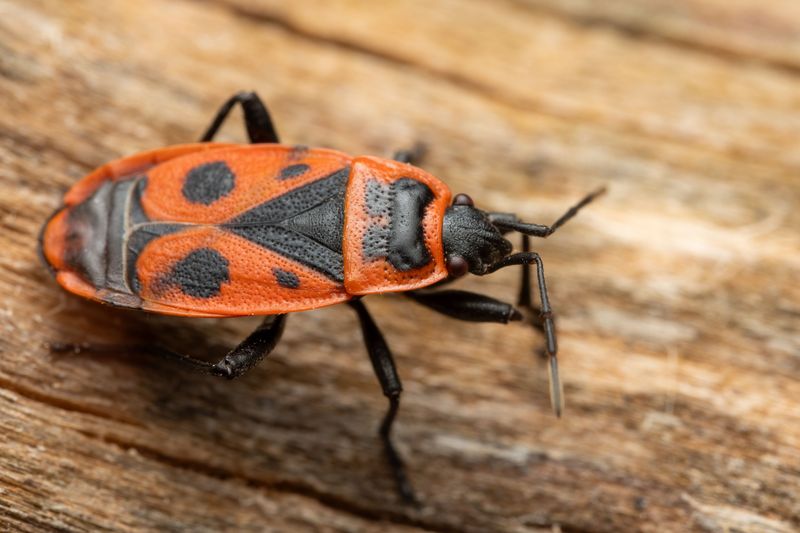
Tiny but persistent, chinch bugs are among the more damaging lawn pests in the Northeast. Most adult chinch bugs grow to about one-fifth of an inch long.
That is roughly the size of a sesame seed, yet these little insects can turn a lush green lawn patchy and stressed quickly.
Chinch bugs belong to the true bug family, which puts them in the same group as stink bugs. Aphids, while also common lawn pests, belong to a different insect group.
They feed by piercing individual grass blades and sucking out the plant’s moisture. As they feed, they also inject a substance that interferes with the grass’s ability to absorb water properly.
Warm-season and cool-season grasses are both at risk, but Connecticut lawns with tall fescue and Kentucky bluegrass tend to be affected the most.
Thatch-heavy lawns give these bugs a perfect hiding spot near the soil surface. That thick layer of organic debris acts like a cozy apartment building for entire colonies.
A single female can lay up to 300 eggs in her lifetime, according to entomology research on turf pests. Populations grow quickly under warm and dry conditions.
By the time most homeowners notice a problem, thousands of bugs may already be working through the turf.
Understanding what chinch bugs are is the first step toward protecting your yard. Knowledge is your best early defense against these sneaky seasonal invaders.
Why Connecticut Lawns Are Affected Earlier This Year
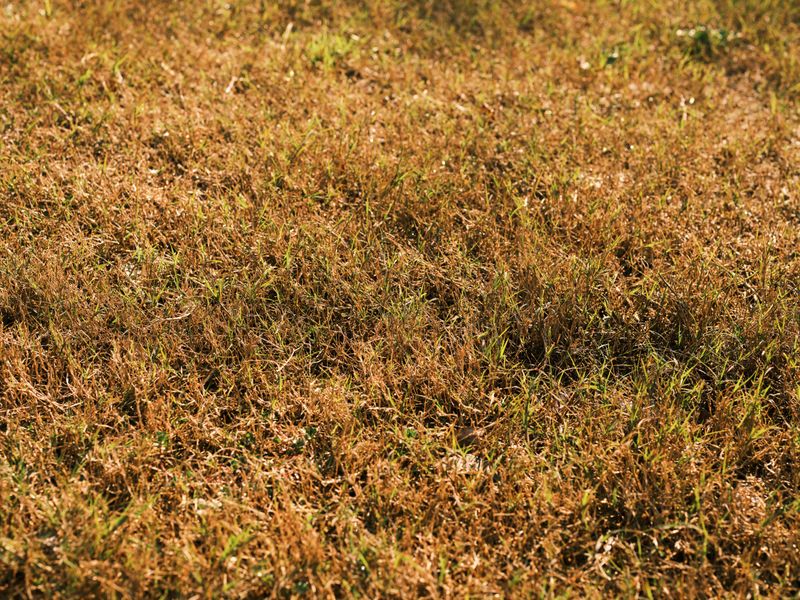
Spring temperatures rose early this year, giving chinch bugs a head start. Temperatures across Connecticut climbed above normal levels in April and May, giving these pests a serious head start on their seasonal feeding schedule.
Some regional pest-tracking observations this season suggest activity may be running roughly two to three weeks ahead of a typical year, though exact figures vary by location.
Chinch bugs typically become active once soil temperatures reach around 50 degrees Fahrenheit, a threshold commonly referenced by turf pest specialists. Warmer winters and earlier springs mean that threshold is being crossed sooner each year.
Your Connecticut Garden Changes Every Week. Your Plan Should Too.
Gardening in Connecticut changes quickly throughout the season. Every Friday you’ll receive a simple weekly plan showing exactly what to plant, prune, fertilize, harvest, and protect so you never miss the right timing.
This season, some parts of the state appear to have reached that threshold as early as mid-April, well ahead of the typical late-May pattern, based on early seasonal temperature trends.
Drought conditions also play a big role in early outbreaks. Chinch bugs thrive in hot, dry environments and struggle in cool, moist soil.
When spring skips the rainy phase and jumps straight to warm and dry, bug populations surge ahead of schedule.
The chinch bug problem is not just arriving early; it is also arriving stronger. Milder winters allow more bugs to survive until spring, which means larger starting populations. More survivors equals faster colony growth once temperatures rise.
Some homeowners in southern Connecticut have informally reported early signs of lawn damage as soon as early May this year, though this has not been independently verified.
That is unusually early by any standard. Catching the problem before it spreads is now more critical than ever for anyone who wants to protect their turf this season.
Signs And Symptoms Of Chinch Bug Damage
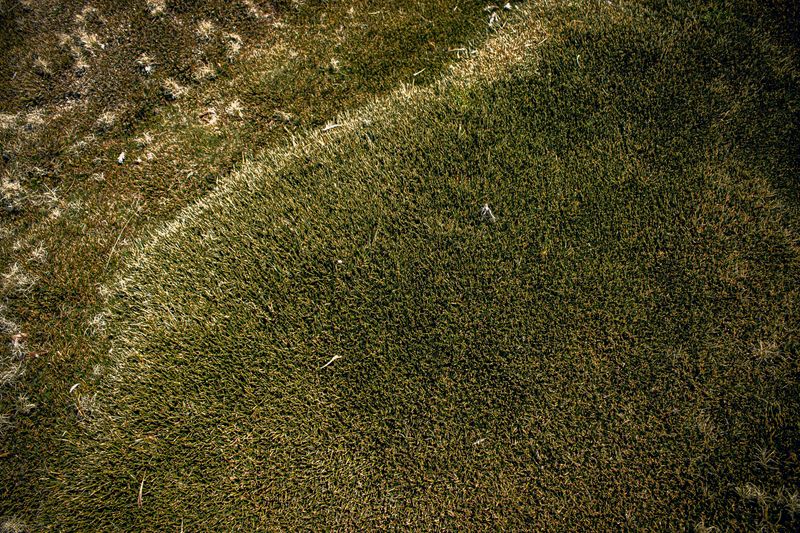
Your lawn often shows early warning signs, appearing as a patchwork of yellow and brown. Chinch bug damage often starts as small, irregular spots of discolored grass that slowly expand outward.
Many homeowners mistake these patches for drought stress or a fungal issue at first glance.
One key difference is location. Chinch bug damage tends to show up first in sunny, open areas of the lawn.
Shady spots near trees or fences usually stay greener longer because these pests prefer heat and direct sunlight.
The edges of the damaged patches often have a yellowish halo effect. Healthy green grass borders the yellow zone, which then fades into dry, straw-colored turf toward the center.
That gradient pattern is a strong visual clue pointing toward chinch bugs rather than other lawn problems.
Grass in affected areas does not bounce back with watering the way drought-stressed turf typically does.
If you have been watering consistently and still see spreading brown patches, that is a red flag worth investigating. Drought stress improves with moisture; chinch bug damage does not.
Symptoms tend to worsen quickly during hot, dry spells. A small patch the size of a dinner plate can grow to cover several square feet within a week.
Spotting these warning signs early gives you the best chance of stopping the damage before it takes over your entire yard.
How To Confirm A Chinch Bug Infestation
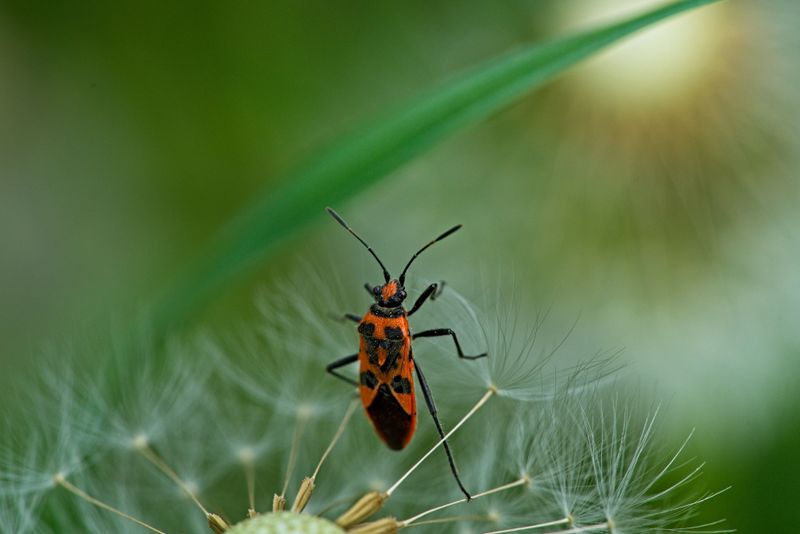
Suspecting a chinch bug problem is one thing; confirming it is another. Luckily, there is a simple DIY test that requires nothing more than a coffee can and a garden hose.
This method is called the flotation test, and it works surprisingly well for backyard bug detectives.
Cut both ends off a large metal coffee can to create an open cylinder. Push the can about two inches into the soil at the edge of a damaged patch. Fill the cylinder with water and watch the surface for about five minutes.
Chinch bugs float, so any present in the soil will rise to the top of the water. If you count more than ten to fifteen bugs per square foot, this is generally considered by lawn care professionals to be a sign of active infestation.
Fewer than that might not require aggressive treatment yet. Another method involves parting the grass with your fingers near a damaged edge and looking closely at the thatch layer.
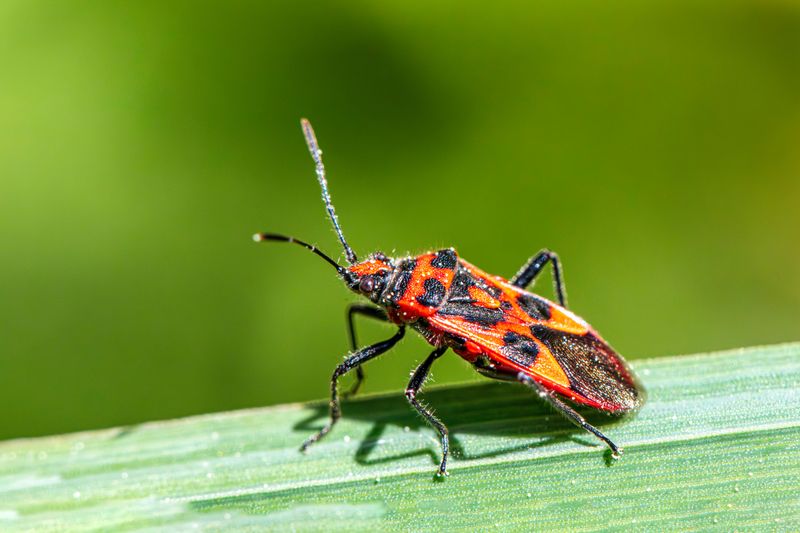
Adult bugs are black with white wings and move quickly when disturbed. Nymphs are reddish-orange and smaller, but equally visible if you look carefully.
Doing this test in multiple spots across the lawn gives you a clearer picture of how widespread the chinch bug problem has become.
Early afternoon on a warm, sunny day is the best time to check. Bugs are most active and easiest to spot when temperatures are at their peak.
Effective Ways To Stop Chinch Bugs
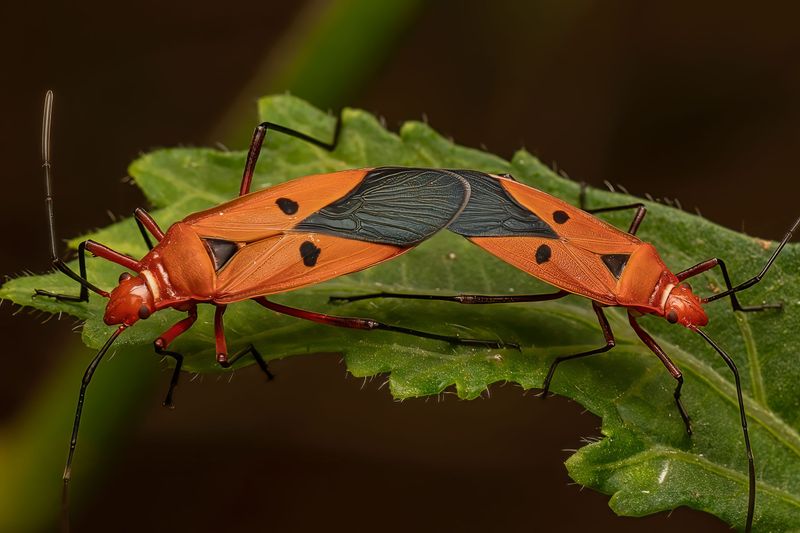
Once you have confirmed a chinch bug infestation, it is time to take action with a clear plan. Several treatment options exist, ranging from natural solutions to targeted chemical treatments.
Choosing the right approach depends on how severe the infestation has become by the time you catch it.
For smaller outbreaks, insecticidal soap sprays can be surprisingly effective. These products work by breaking down the outer coating of the bugs, causing them to dehydrate.
Apply the spray directly to affected areas during early morning or late evening to avoid harming beneficial insects.
Diatomaceous earth is another natural option worth considering. Sprinkled along the edges of damaged patches, this powdery substance scratches the exoskeletons of crawling insects and speeds up moisture loss.
It works best in dry conditions, which is typically when chinch bugs are most active anyway. For heavier infestations, a granular insecticide containing bifenthrin or carbaryl tends to be the most reliable option.
Apply it with a broadcast spreader, then water lightly to activate the product into the soil. Always follow label directions carefully to protect pollinators and nearby plants.
Timing matters more than most homeowners realize. Treating in the early morning when bugs are near the surface increases effectiveness significantly.
Waiting too long allows the population to spread deeper into the turf, making the chinch bug problem much harder to get under control before serious damage sets in.
Preventing Chinch Bugs From Returning
Stopping an infestation is satisfying, but keeping it from coming back is the real win. Prevention is less expensive and far less stressful than dealing with another full-blown chinch bug problem next season.
A few consistent lawn care habits can make your yard much less appealing to these pests. Start by reducing thatch buildup.
A thatch layer thicker than half an inch is often considered enough to create ideal shelter for chinch bug colonies near the soil surface.
Dethatching in early fall or spring removes that protective layer and exposes bugs to natural predators and environmental stress.
Proper watering habits also play a major role in prevention. Lawns that receive deep, infrequent watering develop stronger root systems that resist pest pressure better.
Avoid shallow, frequent watering, which keeps the surface dry and warm, the exact conditions chinch bugs prefer.
Overseeding with endophyte-enhanced grass varieties adds another layer of natural protection. Endophytes are beneficial fungi that live inside certain grass species and produce compounds that bugs find unpleasant.
Many turfgrass blends now include these varieties specifically for pest resistance in the Northeast.
Fertilizing at the right time and in the right amounts keeps grass vigorous without creating overly lush conditions that attract pests. Too much nitrogen in summer feeds rapid growth that chinch bugs absolutely love.
A balanced seasonal fertilization schedule helps your lawn stay healthy without rolling out the welcome mat for next year’s chinch bug problem.