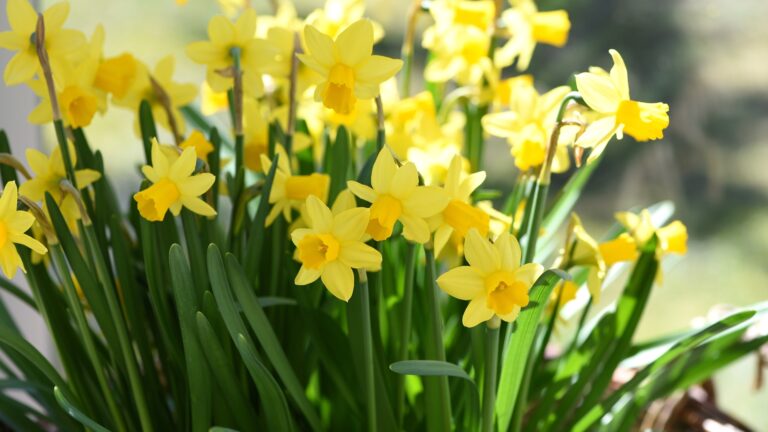
These 8 Flowers Grow Surprisingly Well In Pots
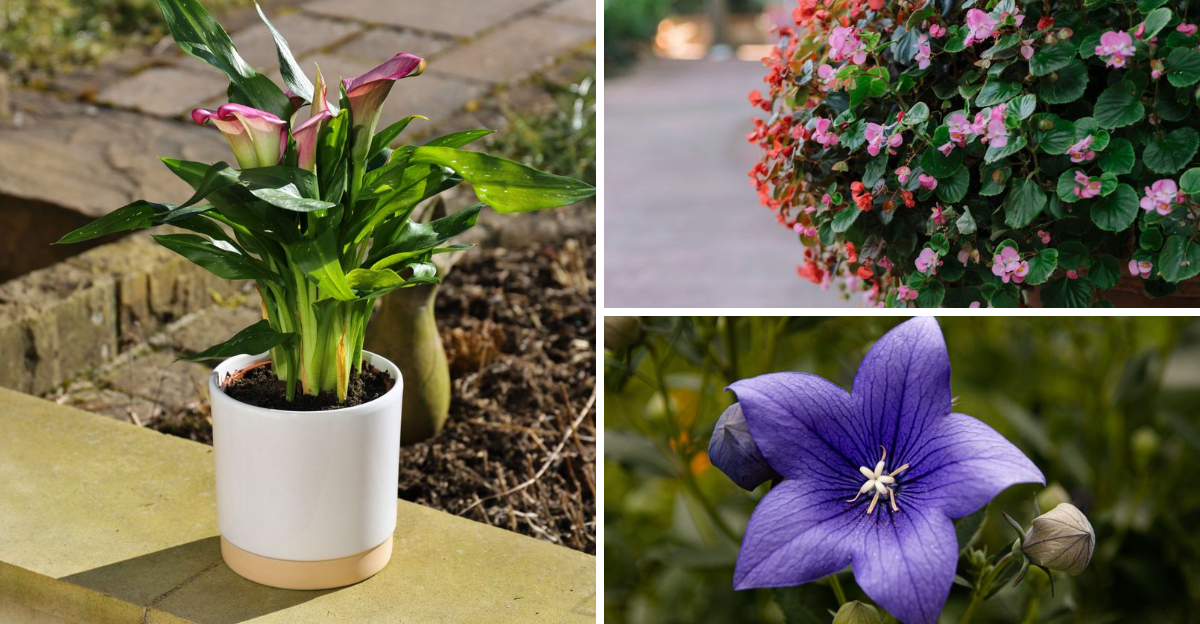
A cramped balcony can still produce blooms that stop neighbors mid-walk. Container gardening has quietly become the secret weapon for gardeners who lack rolling lawns but crave serious visual impact.
Some flowers actually perform better squeezed into a pot than sprawled across open soil. Tighter roots often push plants to bloom harder, almost like they’re competing for attention in a small space.
These eight varieties turn a few square feet of patio or a single sunny windowsill into a genuine showstopper. Each one brings its own drama, from towering spikes to blooms the size of dinner plates.
Grab a container, some decent soil, and get ready to rethink what “small space gardening” can actually look like.
1. Hibiscus
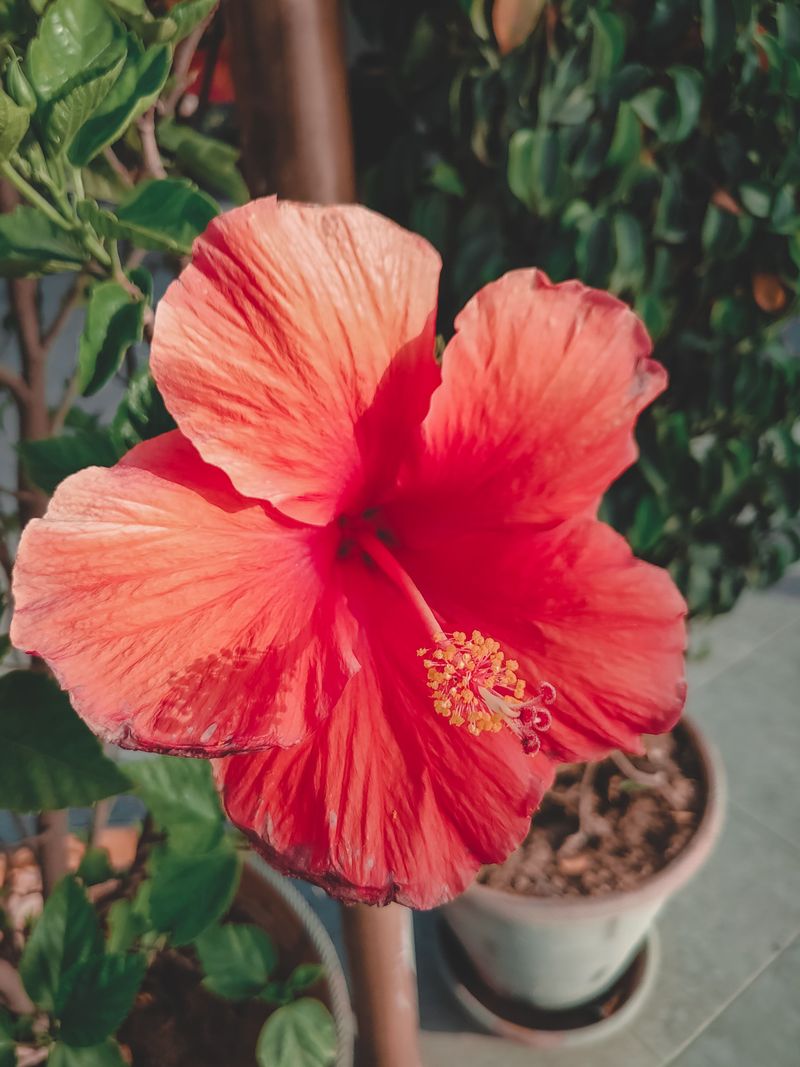
A single hibiscus bloom can outshine an entire flower bed, and it does that from a pot barely wider than a dinner plate. These bold, saucer-sized flowers come in reds, oranges, pinks, and yellows that practically glow in the sun.
Hibiscus actually thrives in containers because the roots love a snug fit. A pot that is 10 to 12 inches wide gives it just enough room to flourish without wasting energy.
Place your hibiscus in a spot that gets at least six hours of direct sunlight each day. Morning sun with a little afternoon shade in hot climates keeps the blooms looking fresh.
Water consistently, and check that the pot drains well rather than holding onto excess moisture. Good drainage keeps root rot from sneaking in.
Feed your hibiscus a high-potassium fertilizer every two weeks during the growing season. That extra boost is what pushes it to produce those jaw-dropping blooms all summer long.
When temperatures drop below 50 degrees, bring it indoors near a bright window. With the right care, a potted hibiscus can bloom for years and keep getting better every season.
Some hibiscus petals are edible and occasionally used in homemade teas and garnishes. Growing your own means an extra bonus beyond the visual show.
Watch for aphids and whiteflies, which love to cluster on new hibiscus growth. A quick spray of insecticidal soap usually clears them out before they cause real damage.
2. Coral Bells (Heuchera)
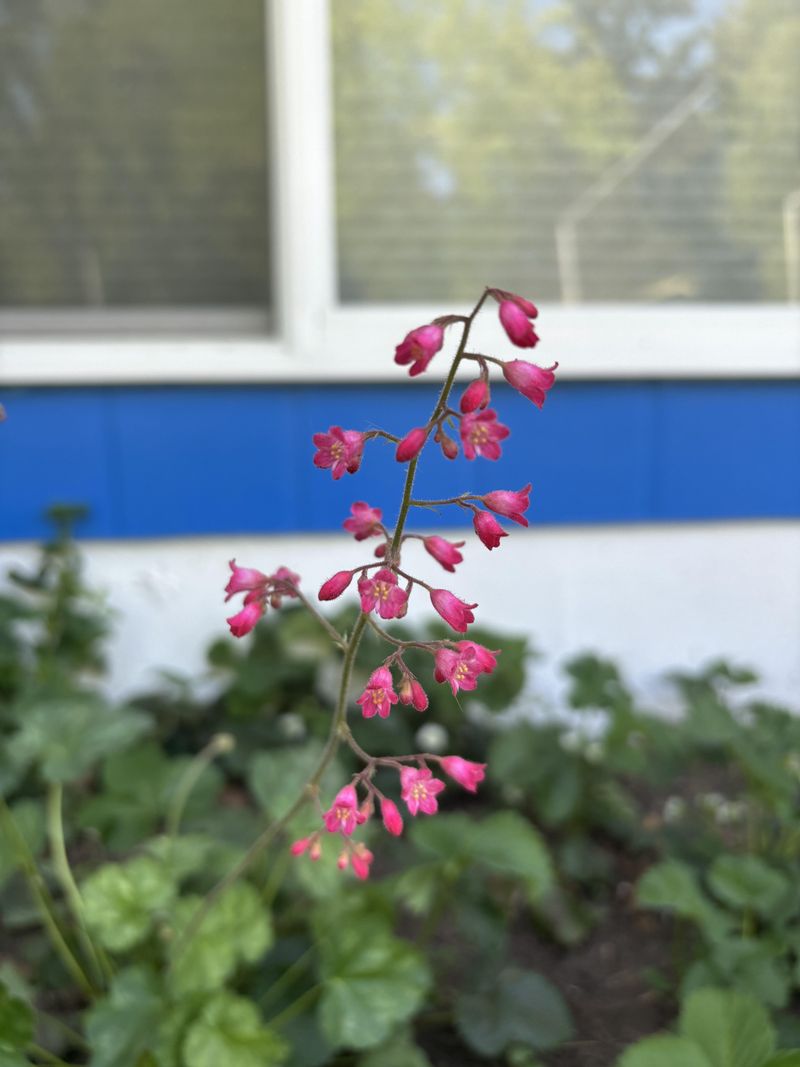
Coral Bells are the quiet showstoppers of the container world. Most gardeners grow them for their stunning foliage, which comes in shades of burgundy, caramel, lime green, and deep purple.
The leaves alone make a pot look like a living piece of art. Then, in late spring, slender stems shoot up and produce tiny bell-shaped flowers that hummingbirds absolutely adore.
One of the best things about Heuchera is its flexibility. It handles both sun and shade beautifully, making it a reliable choice for spots that other plants refuse to touch.
Plant Coral Bells in a well-draining potting mix with a little compost mixed in. They are not heavy feeders, so a light balanced fertilizer once a month during spring and summer is plenty.
Keep the soil consistently moist but not soggy. These plants are surprisingly drought-tolerant once established and forgive the occasional missed watering.
In colder climates, Coral Bells are semi-evergreen and can overwinter outdoors in a sheltered spot. Mulching around the pot base gives the roots extra insulation when frost arrives.
Pair them with white petunias or silver dusty miller in the same container for a knockout combo. The contrast in color and texture creates a display that looks professionally designed without any extra effort.
Every few years, lift and divide the clump once the center starts thinning out. Fresh divisions replanted in new soil keep the foliage full and colorful.
3. Calla Lilies
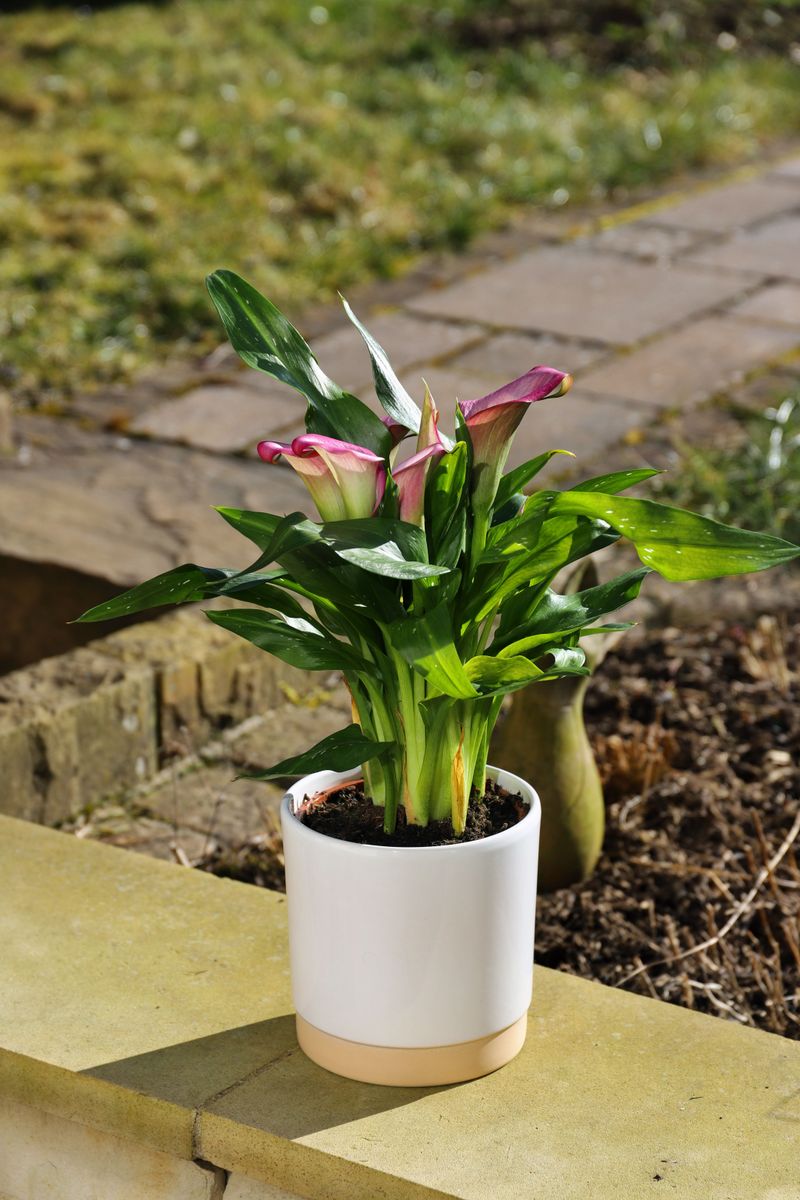
Calla lilies have a reputation for being fancy, but they are secretly one of the easiest flowers to grow in a pot. Their elegant trumpet-shaped blooms look like they belong in a florist shop window.
Originally from South Africa, these beauties love warmth and moisture. A container actually helps you control both of those conditions far better than open ground ever could.
Start with a pot that is at least 12 inches deep to give the rhizomes room to stretch out. Plant them about three to four inches deep with the growing tip pointed upward.
Full sun to partial shade works well for calla lilies in containers. In very hot climates, afternoon shade prevents the leaves from scorching and keeps the flowers looking crisp.
Water regularly and keep the soil evenly moist throughout the growing season. Calla lilies genuinely enjoy a slightly wetter environment than most potted plants.
After blooming, let the foliage yellow naturally before reducing water. This rest period recharges the rhizomes so they can put on an even bigger show the following year.
Calla lilies come in more colors than most people realize. Beyond classic white, you can find deep burgundy, bright yellow, soft pink, and even near-black varieties that are genuinely stunning in a pot.
Keep calla lilies out of reach of curious pets, since the leaves and stems can irritate a cat’s or dog’s mouth if chewed. A raised stand or high shelf solves the problem easily on a shared patio.
4. Gladiolus
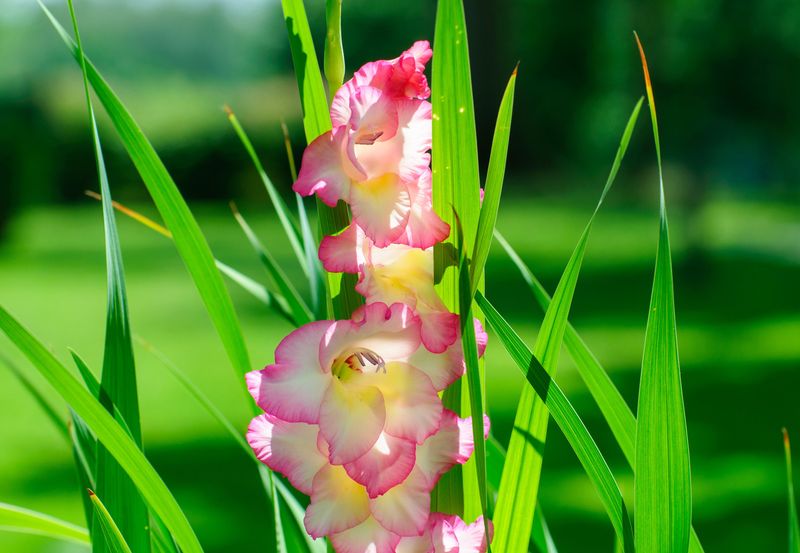
Gladiolus looks like it was designed for grand garden beds, but it adapts to pots with impressive ease. The towering flower spikes covered in blooms create a dramatic vertical statement that few other container plants can match.
Each spike can carry up to 20 individual flowers that open from the bottom upward over several weeks. That slow reveal means you get a long season of color from a single planting.
Choose a deep container, at least 12 to 15 inches, to accommodate the tall corms properly. Shallow pots cause the plants to tip over once the flower spikes get heavy.
Plant corms about four inches deep and six inches apart in a rich, well-draining potting mix. Staggering planting dates by two weeks gives you a continuous wave of blooms all summer.
Gladiolus loves full sun and warm temperatures. Give it at least six hours of direct light daily and it will reward you with blooms that look professionally cut-flower worthy.
Water deeply but allow the top inch of soil to dry between waterings. Consistent moisture during the growing phase is key, but soggy soil leads to rot quickly.
In colder zones, dig up the corms after the first frost and store them indoors over winter. Replanting them each spring is a small effort for such a spectacular seasonal payoff.
On windy balconies, a thin bamboo stake tied loosely to the stem keeps top-heavy spikes from snapping. It is a small step that saves an entire season’s bloom.
5. Leopard Plant
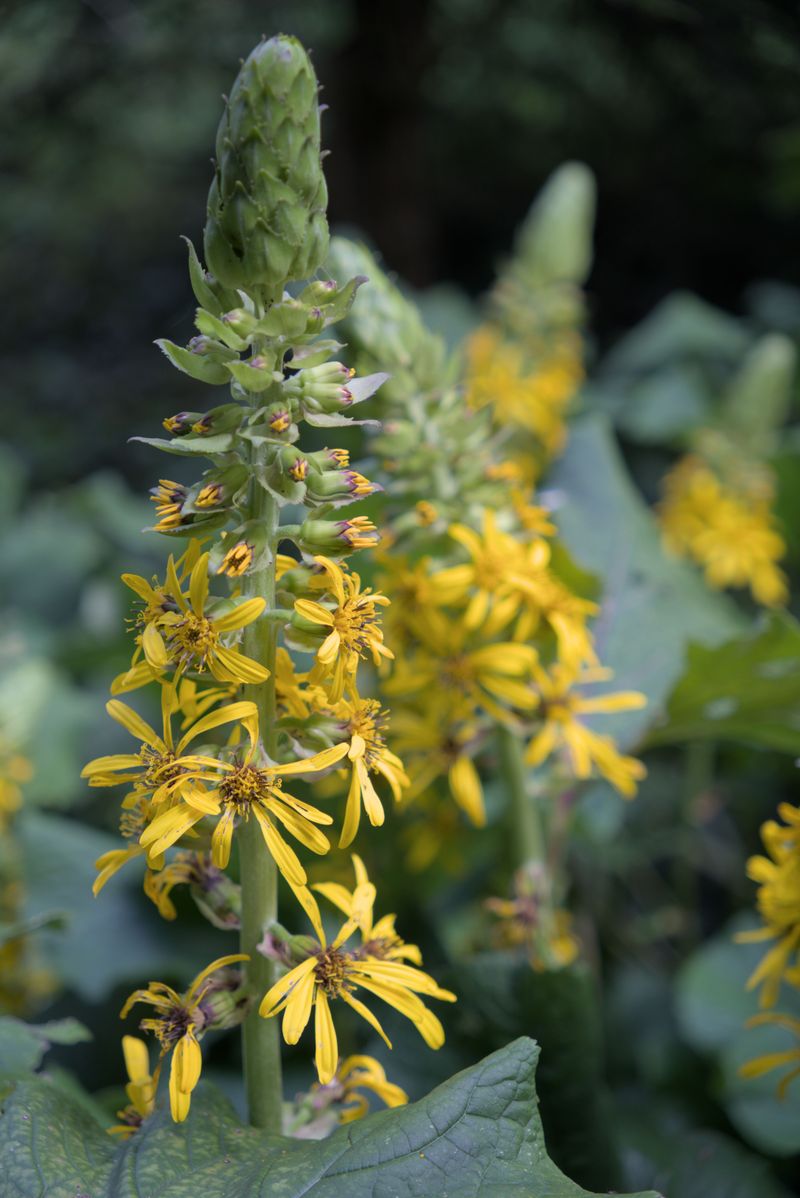
Most people have never heard of the Leopard Plant, and that is honestly a shame. This bold, quirky beauty brings tropical drama to any container setup with almost zero fuss.
Its large, round, glossy leaves can be solid green or dramatically spotted, depending on the variety. In late summer, bright yellow daisy-like flowers pop up on tall stems above the foliage.
Leopard Plant, known botanically as Ligularia, is one of the few flowering plants that genuinely prefers shade. That makes it a smart pick for dim patios and north-facing porches where other flowers struggle.
Plant it in a large container with rich, moisture-retentive potting mix. Adding perlite to the mix improves drainage while still keeping enough moisture around the roots.
Water generously and avoid letting this plant dry out completely. On hot days, the leaves may droop dramatically in the afternoon, but they bounce back quickly once evening cools things down.
Feed with a balanced liquid fertilizer every three to four weeks during the active growing season. Consistent nutrition keeps the foliage looking lush and encourages stronger flower production.
Leopard Plant handles cold well for a tropical-looking specimen and typically overwinters outdoors in zones 4 through 8 with a bit of mulch. In hotter zones, it appreciates extra afternoon shade to avoid wilting in summer heat.
Slugs and snails are drawn to the broad leaves, especially after rain. A ring of crushed eggshells or diatomaceous earth around the base keeps them from turning the foliage into lace.
6. Balloon Flower
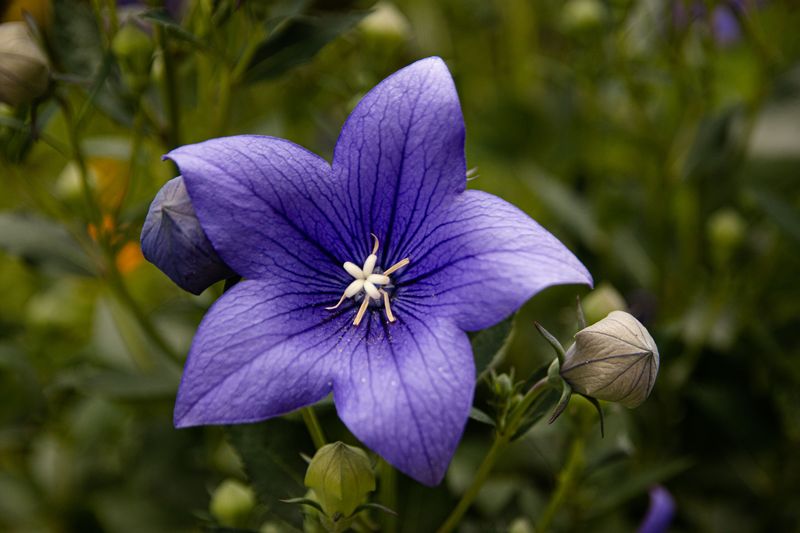
Before balloon flowers open, they look exactly like tiny inflated balloons. That playful puffed-up bud stage is part of what makes this plant so charming and conversation-starting.
Once fully open, the star-shaped blooms come in shades of blue, purple, pink, and white. The blue varieties are especially striking because true blue flowers are genuinely rare in the gardening world.
Balloon flowers, or Platycodon grandiflorus, are perennials that perform beautifully in containers year after year. They develop a deep taproot, so choosing a pot at least 12 inches deep is important from the start.
Full sun to light shade suits them well. In very warm climates, afternoon shade helps extend the blooming period and keeps the flowers from fading too quickly.
Use a well-draining potting mix and water moderately. These plants prefer to dry out slightly between waterings rather than sitting in consistently wet soil.
One thing to know: balloon flowers are slow to emerge in spring. Do not panic if nothing appears for several weeks after other plants have already leafed out.
Removing spent blooms regularly encourages the plant to push out fresh buds throughout the season. The more you remove, the longer the show continues.
Balloon flowers are also deer-resistant and attract butterflies, making them an especially smart pick for any outdoor container setup that needs a little extra wildlife appeal.
Double-flowered varieties look almost like tiny peonies once open. They make an interesting contrast when planted alongside the classic single-bloom type in the same pot.
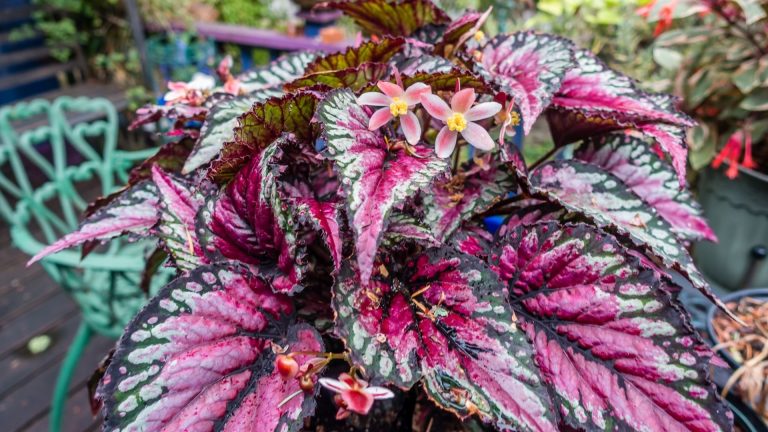
7. Begonias
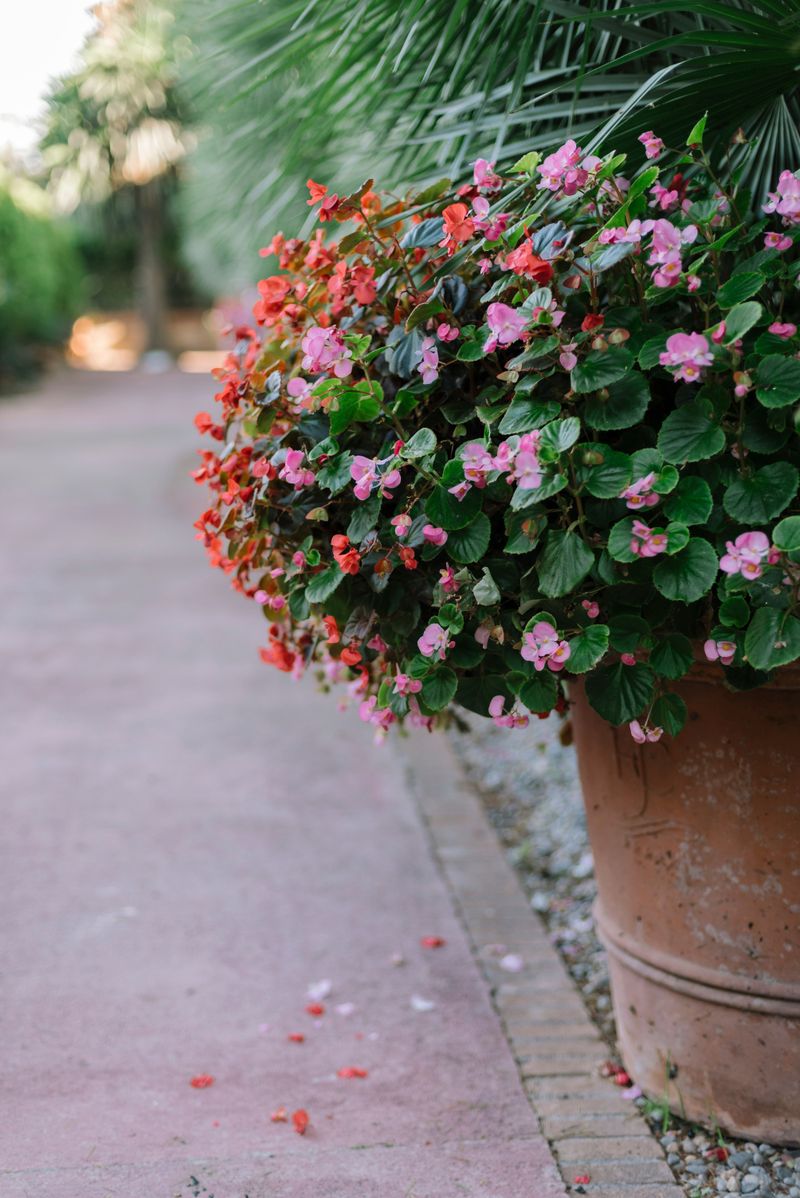
Begonias were practically born to live in pots. Few flowers match their combination of low maintenance, long bloom time, and sheer variety of colors and forms.
Tuberous begonias produce enormous rose-like flowers in shades of red, orange, yellow, pink, and white. Wax begonias stay compact and bloom nonstop from spring until the first frost arrives.
Both types prefer bright indirect light rather than harsh direct sun. That makes begonias one of the top choices for covered porches and shaded patios where other flowers struggle.
Use a lightweight, well-draining potting mix and a container with drainage holes. Begonias are prone to root issues in heavy, waterlogged soil, so drainage matters more than almost anything else.
Water when the top inch of soil feels dry to the touch. Overwatering is the most common begonia mistake, so when in doubt, hold off a day or two.
Feed every two weeks with a balanced liquid fertilizer during the growing season. Regular feeding keeps the foliage rich and green and the flowers coming in steady waves.
Tuberous begonias go dormant in winter, so let them dry out and store the tubers in a cool, dry spot until spring. Wax begonias can be brought indoors as houseplants during cold months.
Trailing begonia varieties look especially good spilling over the edge of a hanging basket. Hung at eye level on a porch, they turn a plain entryway into a small color display.
8. Coneflower
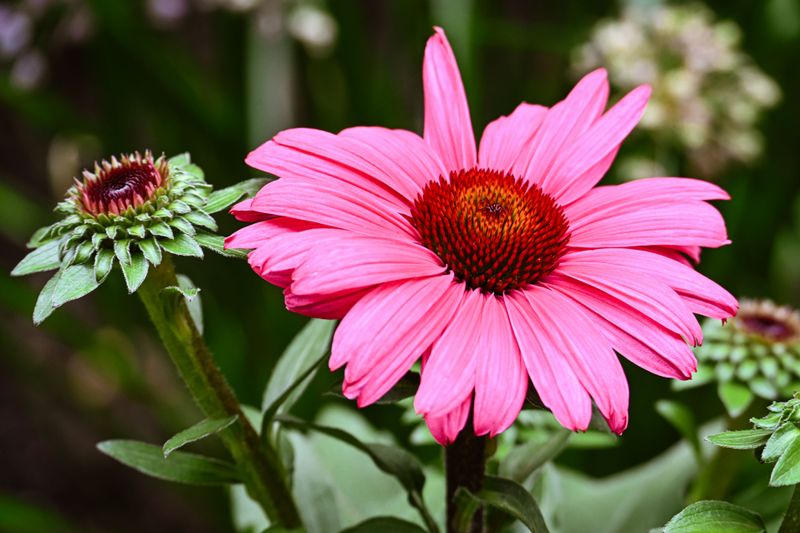
Coneflowers are prairie tough and container friendly, which is a combination most gardeners do not expect. These spiky-centered beauties are built to handle heat, drought, and full sun without missing a beat.
Also known as Echinacea, coneflowers come in a wide range of colors beyond the classic purple. Modern varieties include coral, yellow, white, and even deep red that look stunning in a pot.
Choose a container that is at least 12 inches wide and equally deep. Coneflowers develop strong root systems, and giving them enough depth prevents them from becoming rootbound too quickly.
Plant in full sun for the best flowering results. Six to eight hours of direct sunlight each day produces the most blooms and keeps the plants compact rather than leggy.
Water deeply but infrequently once established. These plants are built for dry conditions, so letting the soil dry out between waterings actually mimics their natural habitat.
A slow-release granular fertilizer at the start of the season is usually all coneflowers need. Overfeeding encourages leafy growth at the expense of the flowers you are actually after.
Leave the seed heads standing after blooming ends. Goldfinches and other songbirds will flock to your pot to feast on the seeds throughout fall and into winter.
If tidiness matters more than birdwatching, remove spent blooms instead to encourage a second, smaller flush. Either choice works, so it comes down to what you want from the pot: more flowers or more visitors.