The Watering Habit That’s Quietly Stressing Your Maryland Yard
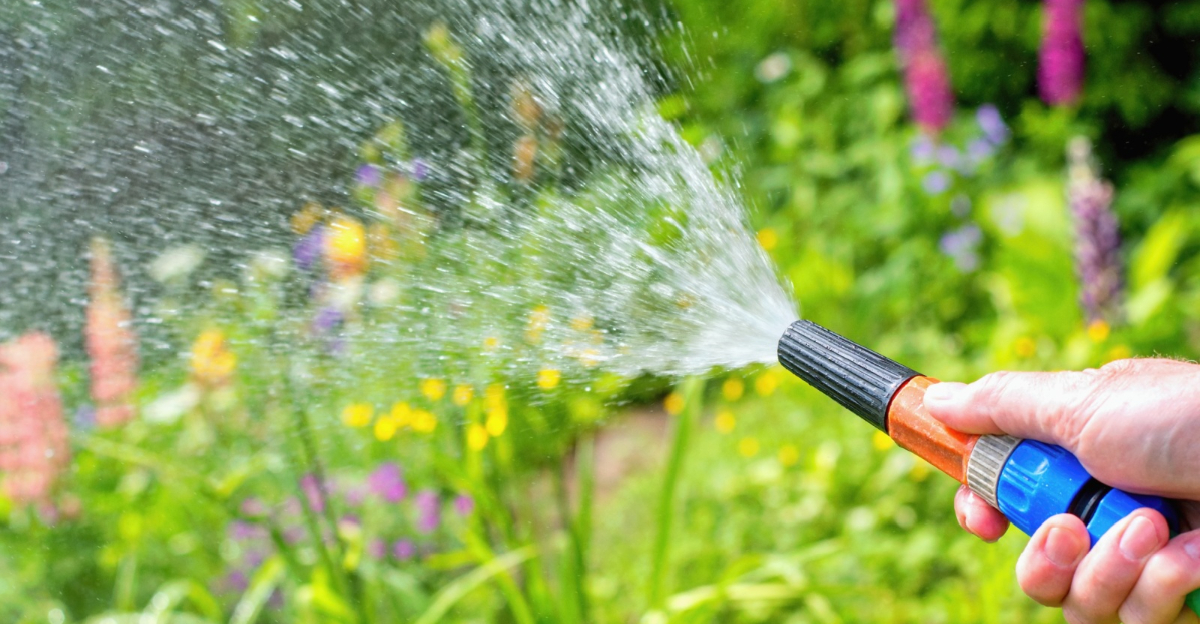
Too much water can undo everything you thought you fixed. Your lawn might be struggling under care you assumed was helping. Maryland summers bring thick humidity that already strains root systems.
Heat and unpredictable rain push your soil past its limit. Adding extra water only turns that strain into real damage. Roots weaken quietly while grass still looks deceptively green.
Fungus spreads fast through soaked, warm soil across Maryland yards. Compacted earth blocks oxygen and slowly starves roots of nutrients. Nobody ever warns you that care can cause quiet harm.
Every extra minute with the hose adds to the strain. Damage builds slowly until brown patches and thinning grass appear. Fixing this isn’t complicated once you understand the real cause.
Small shifts in timing and amount can change everything fast. Momentum toward a healthier yard starts with a simple adjustment. You won’t reach for that hose the same way again.
The Watering Mistake Most Maryland Gardeners Make
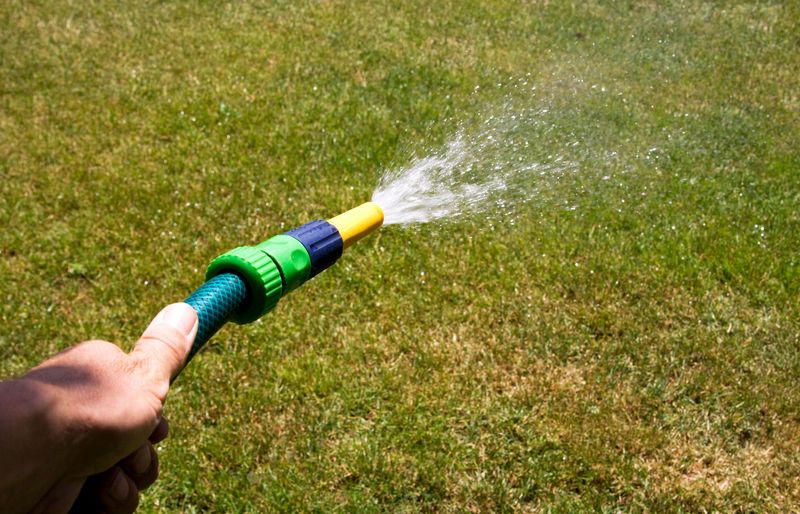
Every summer, the same scene plays out in neighborhoods across the region. A homeowner drags out the hose and soaks the lawn every single evening, thinking more water means more growth.
That daily habit can unintentionally stress your Maryland yard in ways you cannot see right away. The soil becomes waterlogged, and roots start struggling to breathe underground.
Most gardeners assume brown patches mean the lawn is thirsty. But soggy soil can cause the same browning, making it hard to spot the real culprit without checking beneath the surface.
Pressing your finger about two inches into the soil tells you more than any visual check. If it feels wet and cold down there, your yard does not need another drop.
The most common mistake is watering on a fixed schedule instead of watering based on actual soil conditions. Plants do not follow calendars, and your watering routine should not either.
Rain, humidity, and shaded areas all affect how fast moisture evaporates from your lawn. Ignoring those factors leads to chronic overwatering that compounds week after week.
Switching to a needs-based approach takes a little adjustment at first. Once you get the feel for it, your yard will gradually respond with stronger roots and greener color.
Why Shallow Watering Hurts More Than The Heat
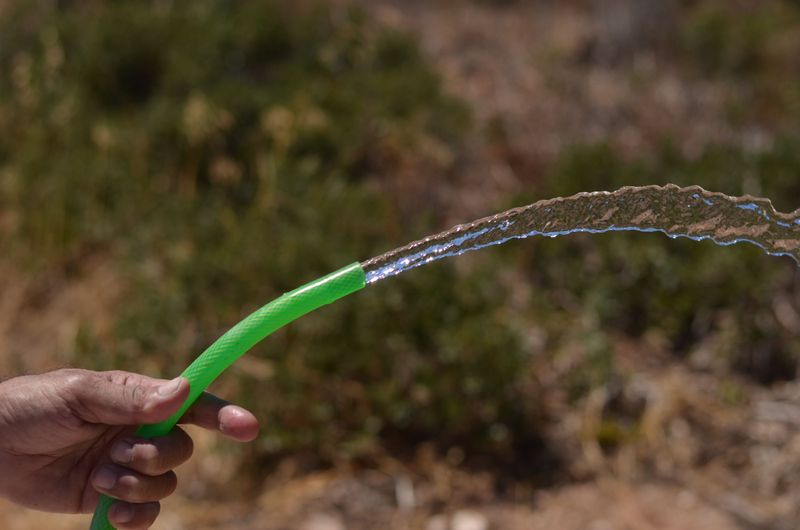
Short bursts of water feel efficient, but they only wet the top inch of soil. Roots follow moisture, so shallow watering trains them to stay near the surface where heat is most intense.
When summer temperatures spike, those surface-level roots cook fast. A lawn with deep roots can pull moisture from several inches down and survive heat waves with far less drama.
Shallow watering also stresses your Maryland yard by creating dependency. Grass that expects frequent light drinks cannot cope when you skip a day or two during busy weeks.
Longer, less frequent watering sessions push moisture deeper into the ground. Roots chase that deeper water and anchor themselves where soil temperatures stay cooler and more stable.
A good rule of thumb is watering deeply two to three times per week instead of lightly every day. That shift alone can dramatically improve how your lawn handles summer stress.
Your Maryland Garden Changes Every Week. Your Plan Should Too.
Gardening in Maryland changes quickly throughout the season. Every Friday you’ll receive a simple weekly plan showing exactly what to plant, prune, fertilize, harvest, and protect so you never miss the right timing.
You can test your watering depth by pushing a screwdriver into the soil after a session. If it slides in easily to about six inches, you have hit the right depth for most grass types.
Heat is not always the villain when your yard looks rough in July. Shallow watering habits often do far more damage than the temperature ever could, and the fix is completely within your control.
How Overwatering Deprives Plant Roots Of Oxygen
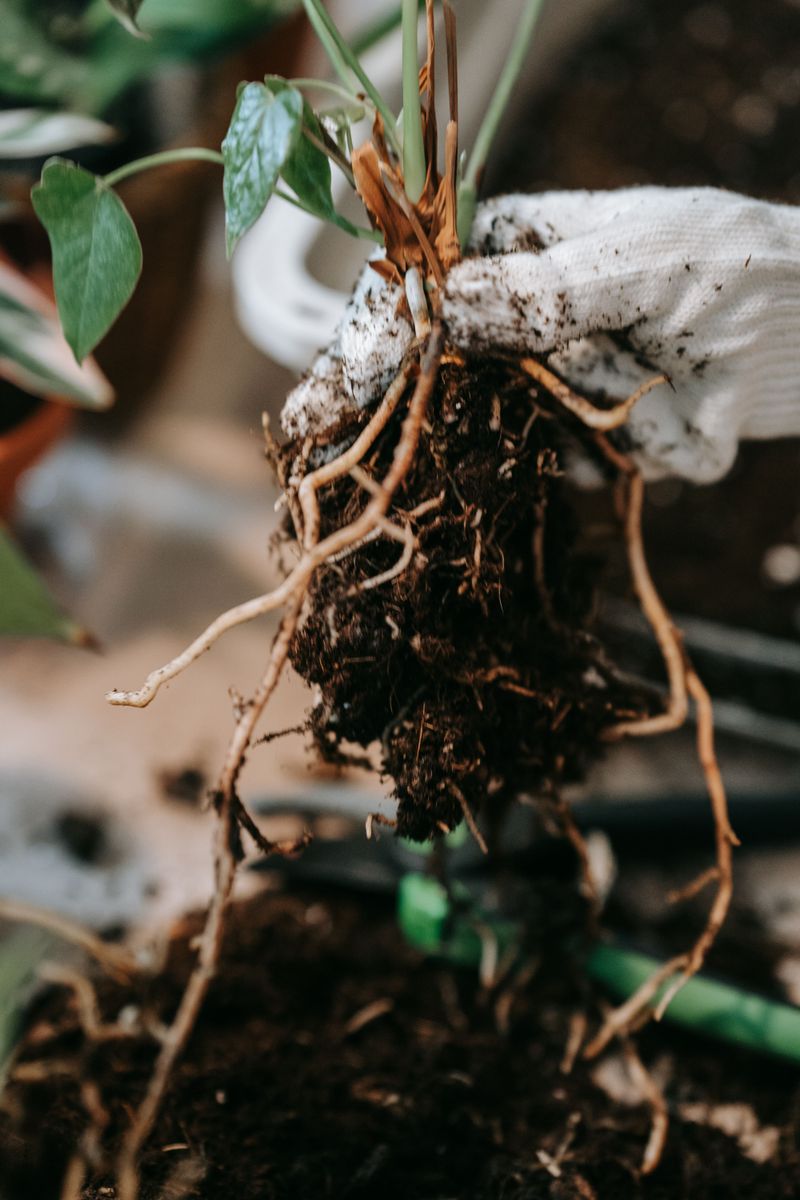
Roots need oxygen just as much as they need water. When soil stays saturated for too long, air pockets collapse and roots are deprived of the oxygen they need.
Overwatering is one of the top causes of root rot in home gardens. Fungal organisms thrive in wet, low-oxygen soil and infect weakened roots before most gardeners notice anything is wrong.
Plants with oxygen-starved roots often look wilted even when the soil is soaking wet. That confusing symptom leads many gardeners to add even more water, making the problem worse.
Yellow leaves, mushy stems near the soil line, and a faint sour smell from the ground are all warning signs. Any one of those clues should prompt you to check soil moisture before reaching for the hose.
Clay-heavy soils common in the Mid-Atlantic region hold water longer than sandy or loamy blends. Gardeners working with clay need to water less frequently and allow extra drying time between sessions.
Adding compost or coarse sand to clay soil improves drainage noticeably over time. Better drainage means roots get the air they need even after a heavy rain or generous watering session.
Understanding what your roots actually need changes everything about how you approach yard care. Healthy roots anchor strong plants, and strong plants bounce back from summer stress without much help from you at all.
The Right Way To Water During A Heat Wave
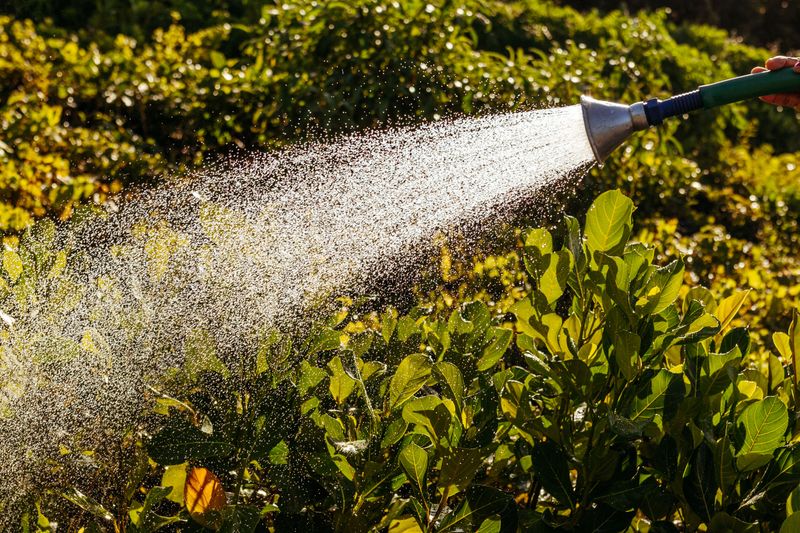
Heat waves make every gardener nervous, and the instinct is to water more. That instinct is understandable, but it often leads to the very issue you’re trying to avoid.
During extreme heat, water evaporates from the soil surface before roots can absorb it. Frequent shallow sessions waste water and do nothing to protect your lawn from temperature stress.
The right move during a heat wave is to water deeply and then wait. Give the soil time to absorb moisture fully before adding more, even if the surface looks dry the next day.
Mulching around garden beds and trees helps dramatically during hot stretches. A two-to-three-inch layer of mulch slows evaporation and keeps soil temperatures several degrees cooler than bare ground.
Grass under heat stress will go dormant naturally, turning tan or straw-colored. That is a survival response, not permanent damage, and most lawns recover fully once temperatures drop.
Trying to force green grass through a heat wave with heavy watering often backfires. Wet grass in extreme heat becomes a breeding ground for fungal disease that lingers long after summer ends.
Trusting your lawn to handle some heat on its own is part of smart yard care. Water wisely, mulch generously, and let your plants show you what they need rather than guessing.
Best Time Of Day To Water Your Yard

Timing your watering sessions is just as important as how much water you apply. Water at the wrong hour and you lose a big chunk of it to evaporation before roots get a sip.
Early morning is the gold standard for watering your yard. Temperatures are cool, wind is usually calm, and water has time to soak into the soil before the sun gets intense.
Watering in the evening might seem convenient after a long workday. But wet foliage sitting overnight creates perfect conditions for mold, mildew, and fungal infections that spread fast in humid summers.
Midday watering is the least efficient option available to you. High heat and afternoon breezes pull moisture off the surface before it reaches root level, wasting your time and your water bill.
If morning watering is not possible every day, aim for late afternoon before five o’clock. Leaves will have a few hours to dry before nightfall, reducing the fungal risk significantly.
Drip irrigation systems take timing pressure off entirely by delivering water directly to the root zone. Many homeowners find that switching to drip irrigation noticeably reduces water use while improving plant health.
Choosing the right time to water might feel like a small detail. But that one habit shift can protect your yard from disease, reduce water waste, and keep your plants genuinely thriving all season long.
Simple Fixes To Restore Stressed Plants
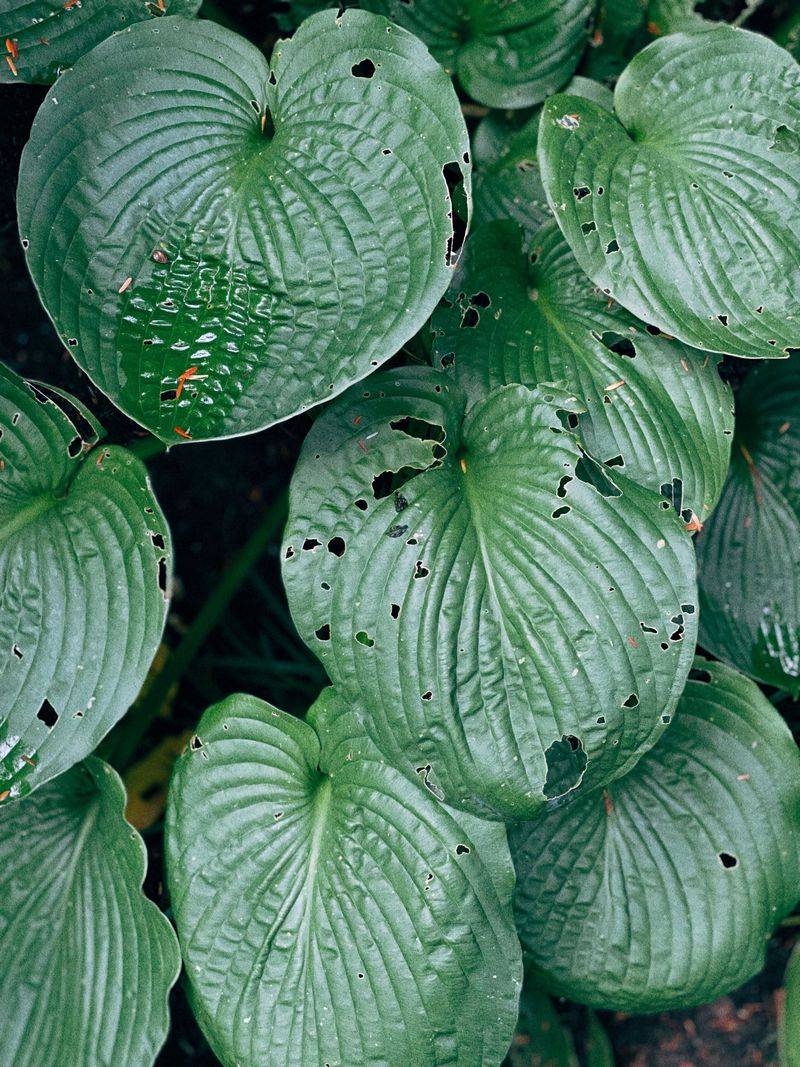
Stressed plants do not need a complete overhaul. Most of the time, a few targeted changes to your watering habit are enough to spark a visible recovery over time.
Start by letting the soil dry out between sessions if you have been overwatering. Skipping one or two scheduled waterings gives roots a chance to breathe and begin recovering on their own.
Aerating your lawn once a year is an often-overlooked fix. Aeration punches small holes in compacted soil, improving drainage and allowing water to reach the root zone more efficiently.
Check your sprinkler heads for overlap and uneven coverage while you are at it. Spots that get double the water become soggy problem zones that invite fungal growth and root stress season after season.
Adding a layer of organic mulch around trees and shrubs helps buffer moisture swings effectively. It keeps roots cooler in summer heat and reduces how often you need to water during dry stretches.
A soil moisture meter is a low-cost tool that removes much of the guesswork from your routine. Stick it in the ground before each watering session and let the reading tell you exactly what your plants need.
Restoring a stressed yard does not require expensive products or professional help in most cases. Small, consistent adjustments to how you manage your watering habit can help a struggling Maryland yard recover.