This Native Ohio Groundcover Is Replacing Grass In Hot Front Yards
Front yard grass in Ohio has a credibility problem in summer. It browns, it thins, it demands water it barely uses efficiently, and it delivers nothing back beyond the appearance of a lawn that is struggling to look like one.
Somewhere along the way, the default became the standard, and the standard stopped making sense. One native Ohio groundcover has been quietly ending that argument in front yards where the grass kept losing.
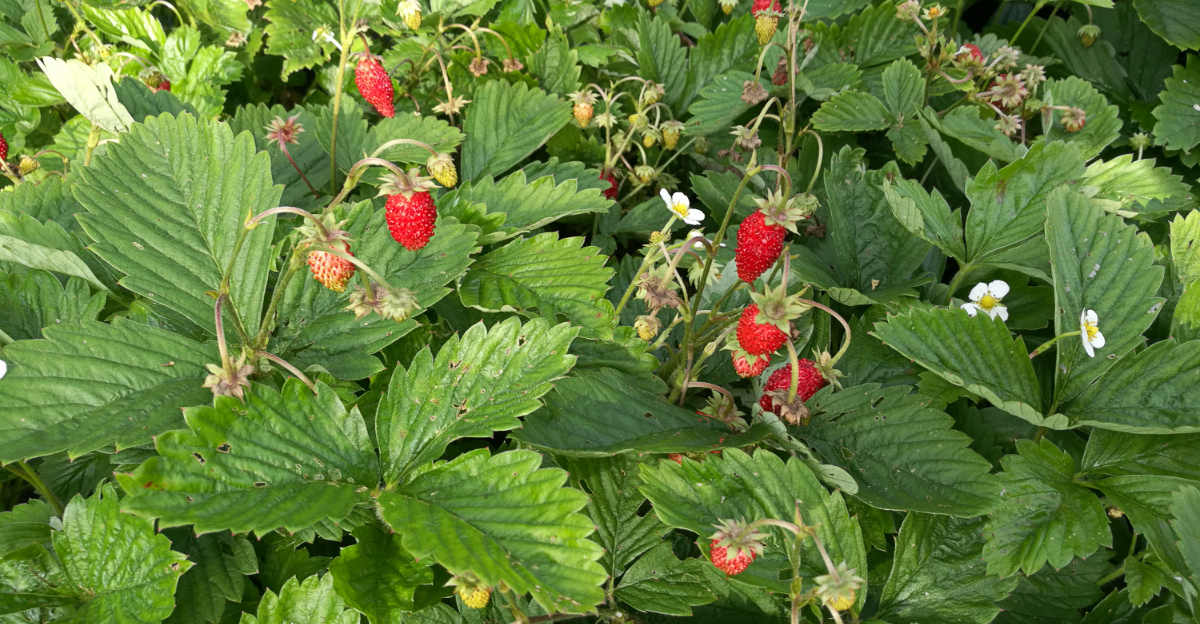
It spreads low, handles heat better than turf, and produces something in late spring that no lawn ever managed. Small white flowers followed by actual fruit.
It feeds pollinators. It feeds birds.
It feeds people willing to crouch down and try one. A front yard that produces food, supports wildlife, and handles Ohio summer heat without an irrigation schedule is not a fantasy.
It is just a plant selection decision that most front yards have never been offered.
1. Choose Wild Strawberry Where Grass Burns Out
A sun-baked strip beside the sidewalk is one of the toughest places in any front yard. Soil gets hot, moisture disappears fast, and turfgrass often thins out, turns yellow, or simply gives up by midsummer.
That is exactly where wild strawberry, Fragaria virginiana, can step in as a practical native groundcover option.
Wild strawberry is native to Ohio and much of North America. The Lady Bird Johnson Wildflower Center lists it as a low-growing perennial that tolerates full sun and dry to medium soil conditions when established.
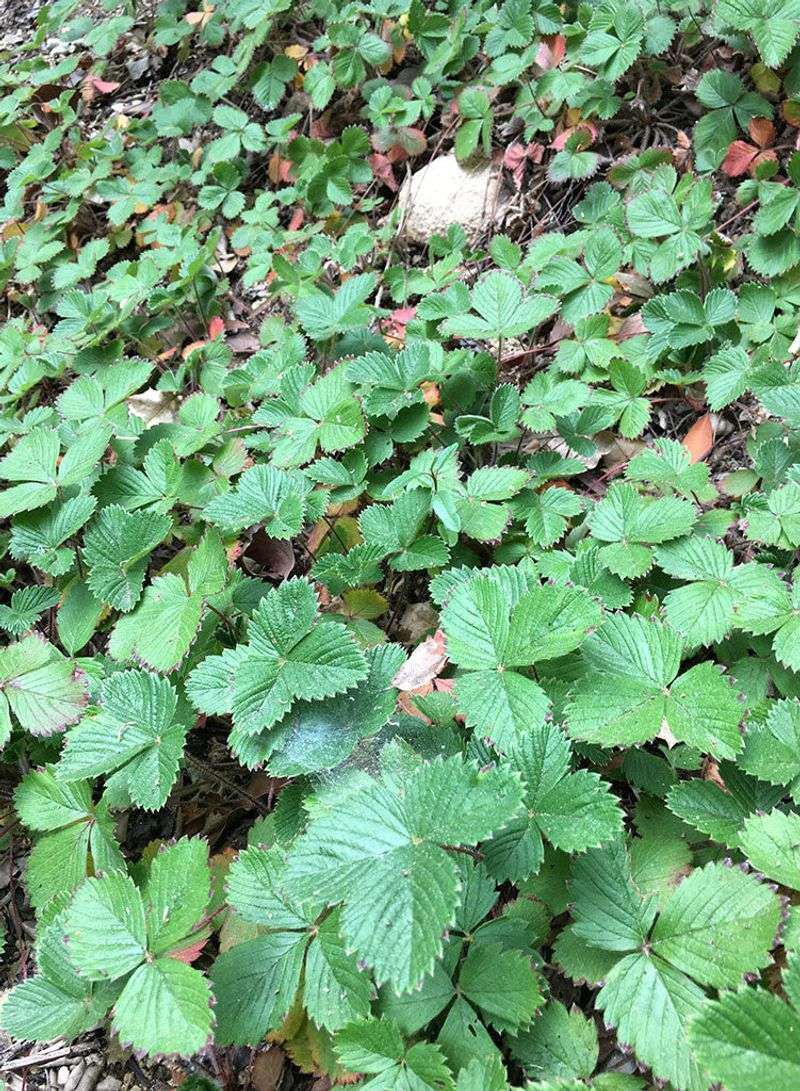
It stays low to the ground, typically reaching just a few inches in height, which makes it a natural fit for front-yard patches where tall plants would look out of place.
It will not behave like a dense turfgrass lawn. The coverage it provides is looser and more natural-looking than sod.
However, in spots where grass burns out every summer, wild strawberry can fill in gradually and hold soil without demanding heavy watering once its roots are settled.
OSU Extension native plant guidance notes that choosing the right plant for the right place is the foundation of low-maintenance landscaping. A slope that bakes in full afternoon sun, a thin edge near pavement, or a dry corner near the driveway are all good candidates.
Avoid placing it in high-traffic play areas or anywhere the lawn gets heavy daily use. Matching the plant to the site is what makes this swap worthwhile.
2. Let Runners Fill Bare Sunny Soil
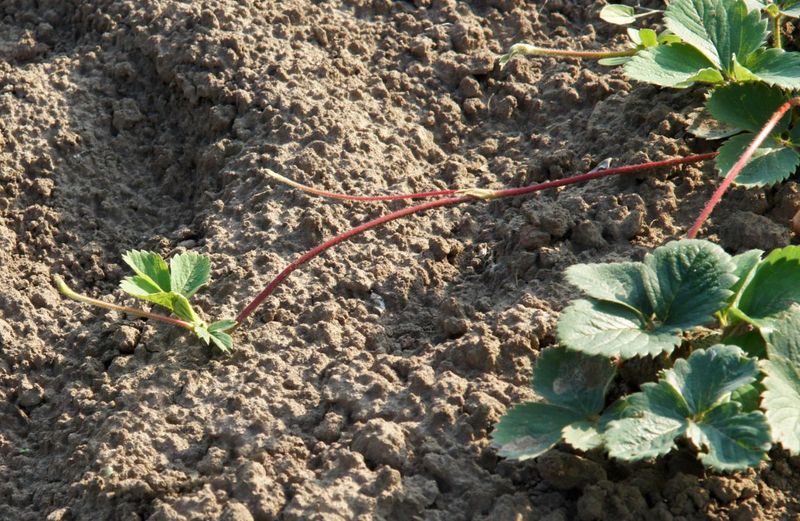
A runner crossing bare soil is one of the most satisfying sights in an Ohio native groundcover patch. Wild strawberry spreads by sending out horizontal stems called stolons, which root at nodes and produce new plants.
Over time, those new plants send out their own runners, and the patch gradually fills in.
The key word is gradually. Do not expect full coverage in a few weeks.
University extension sources say starter plants spaced 12 to 18 inches apart have room to send out runners. That spacing still lets the patch knit together within a season or two.
Your Ohio Garden Changes Every Week. Your Plan Should Too.
Gardening in Ohio changes quickly throughout the season. Every Friday you’ll receive a simple weekly plan showing exactly what to plant, prune, fertilize, harvest, and protect so you never miss the right timing.
Keeping weeds down during establishment is critical. Bare soil between young plants is an open invitation for crabgrass, dandelion, and other opportunists.
Hand-pulling weeds or using a thin layer of mulch between plants can help protect the soil while runners are still spreading.
Once plants begin rooting along the runners, the patch becomes denser and more competitive against weeds on its own. Near garden beds, sidewalks, or lawn edges, plan to do some edging to keep runners from traveling into areas where you do not want them.
A simple edging tool or border works well for this. Spreading can be a real advantage in a lawn-replacement patch, but it does require some steering to keep the design looking intentional and tidy.
3. Use It In Low Traffic Front Yard Patches
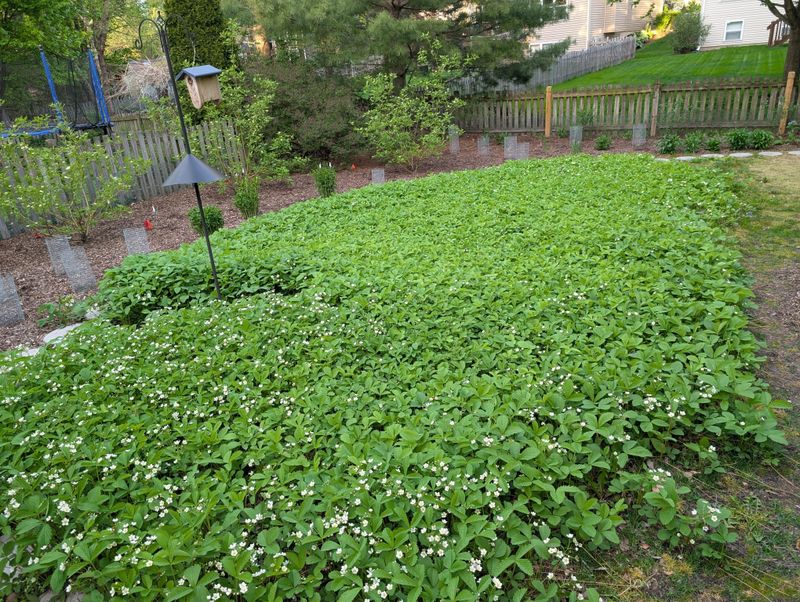
Stepping stones placed through a wild strawberry patch make a big practical difference. Stepping stones give you a path to walk without pressing the same plants repeatedly.
They also show visitors that the green carpet is intentional, not neglected.
Wild strawberry handles light, occasional foot traffic better than many people expect, but it is not built for constant use. It cannot take the repeated pressure of kids playing, pets running daily circuits, or wheelbarrow paths.
Turfgrass still handles that kind of traffic better in most cases, and it is worth being honest about that before you pull out the sod.
Wild strawberry works best beside a walkway, along a sunny slope, in a hell strip, or in a border people admire but rarely cross. Avoid placing it directly in the main walking lane.
These are spots where turfgrass often struggles anyway, so the trade is a natural one.
Botanical garden guidance in Ohio recommends treating wild strawberry as a living mulch or low border plant. It is not a direct turfgrass substitute for every function.
Set the expectation early with family members and neighbors. A patch that gets too much foot traffic during the first season may thin out before it ever gets a chance to fill in properly.
Protecting new plants early pays off later.
4. Keep The First Season Watered Deeply
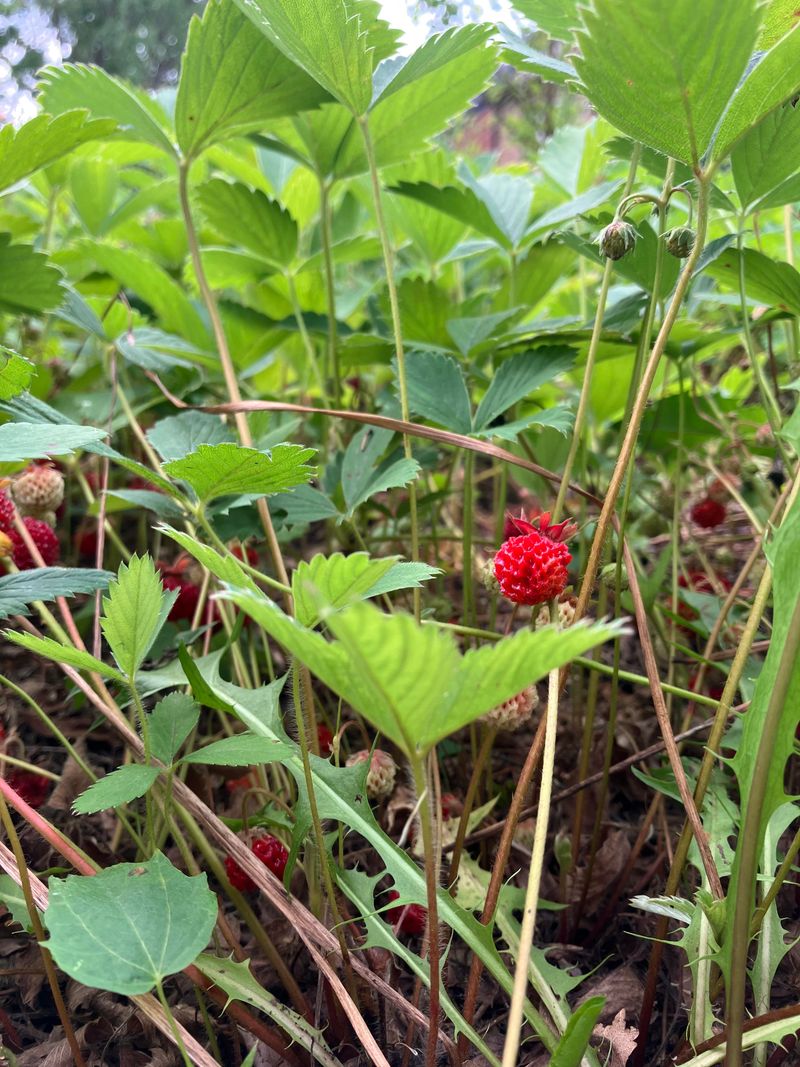
New roots need time to settle into unfamiliar soil, and that process takes moisture. Even plants that are known for tolerating dry conditions once established can struggle badly if the first season turns hot and dry before roots have spread.
Wild strawberry is no different.
Deep, infrequent watering encourages roots to grow downward rather than staying shallow near the surface. A good rule of thumb is to water deeply enough to moisten soil several inches down.
Then wait until the top inch or two dries before watering again. Soggy soil is not the goal.
Consistent moisture is.
During hot spells in the first summer, check soil moisture more often. Foliage may look a little tired in peak afternoon heat, but if the soil is still moist from a recent watering, the plant is likely fine.
Wilting on a cool morning is a more reliable sign that water is needed.
Mature wild strawberry patches may need far less supplemental water than new plantings, especially in sites with decent soil organic matter.
However, extended drought can still slow runner spread or cause temporary browning of older foliage even in established patches.
Mulching lightly between plants during the first season can help hold soil moisture, reduce weeds, and protect young roots from temperature swings. Removing mulch gradually as the patch fills in keeps the runners free to root.
5. Mix It With Sedge For A Lawn Like Look
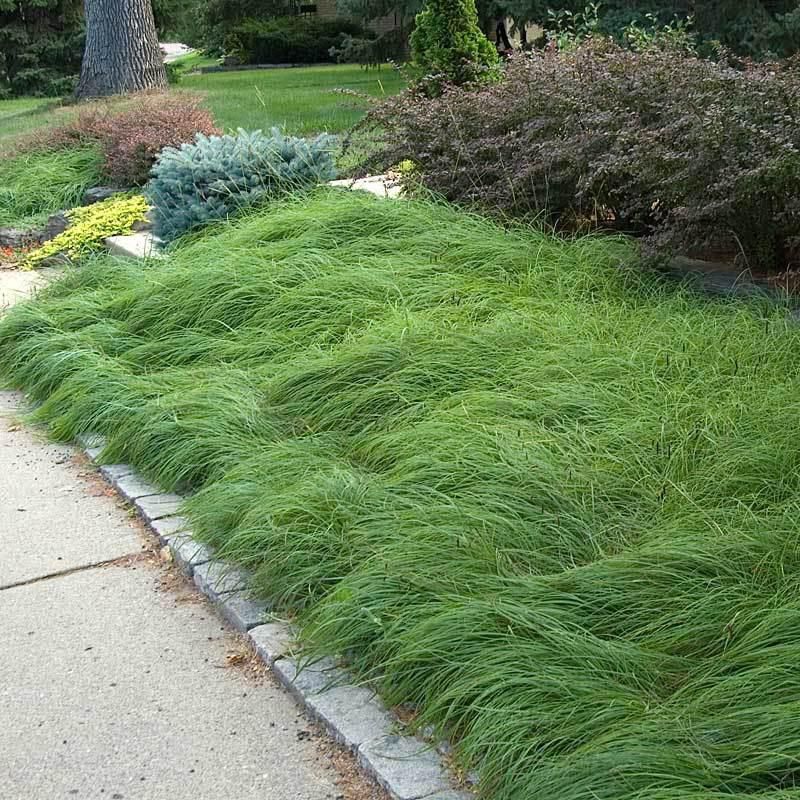
Pairing plants thoughtfully can make a native groundcover patch look more like a designed landscape and less like an abandoned lot. Wild strawberry combined with a compatible native sedge can fill gaps, add texture, and soften a front-yard planting.
The result often feels more cohesive to neighbors and passersby.
For hot, sunny front-yard sites in Ohio, Pennsylvania sedge, Carex pensylvanica, is a commonly recommended option.
OSU Extension and native plant societies list it as a low-growing, fine-textured sedge that tolerates dry to medium soils and some sun once established.
It stays low enough to complement wild strawberry without shading it out or competing aggressively.
Sedge choice matters a great deal. Many popular native sedges prefer shade or consistent moisture and will not perform well in a hot, dry hell strip or south-facing slope.
Always match the sedge to the actual conditions of your site, including sun exposure, soil drainage, and moisture levels, before purchasing.
Botanical garden sources recommend checking plant tags and regional native plant lists for your specific area when combining groundcovers. A mix that works beautifully in a shaded side yard may fail completely in a baking front strip.
When the right sedge is chosen for the right spot, it can create a layered, lawn-like surface with wild strawberry. That mix handles heat better than turfgrass in those same spots.
6. Mow Around It Instead Of Overworking It
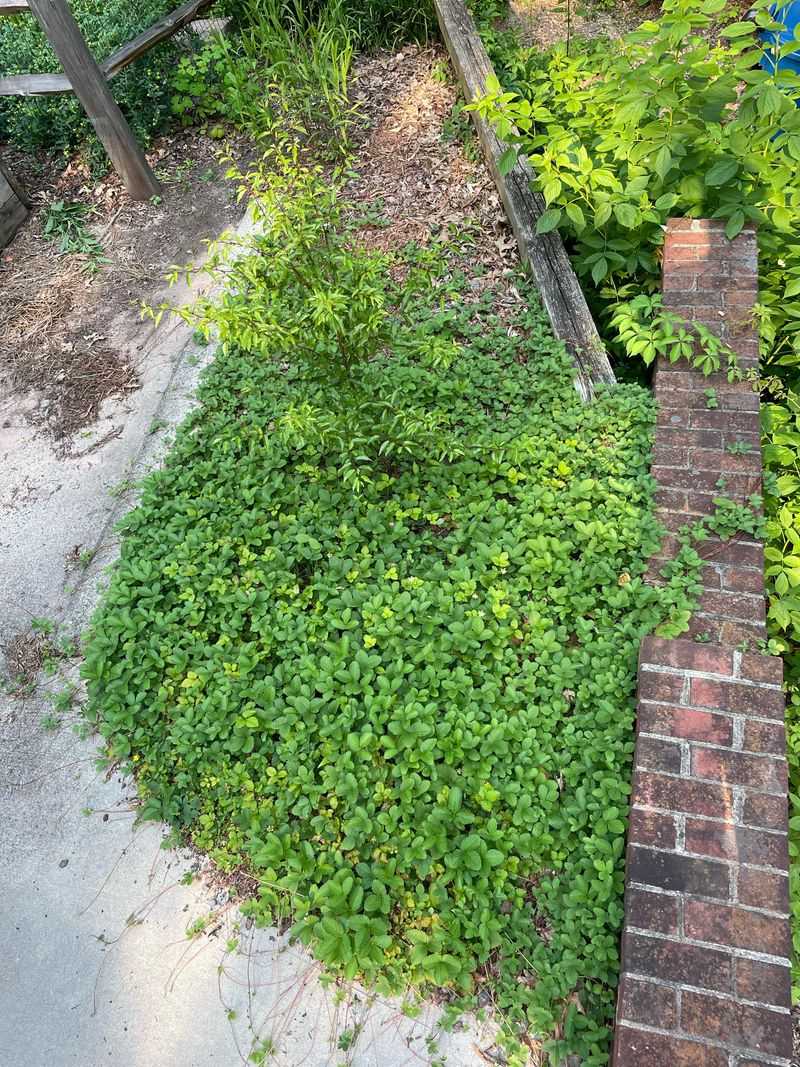
A tidy border around a groundcover patch can change how the whole front yard looks. When the edge between wild strawberry and the adjacent lawn is clean and defined, the planting reads as intentional rather than accidental.
That simple detail makes a big difference in curb appeal.
Wild strawberry does not need a regular mowing schedule the way turfgrass does. Frequent mowing can remove flowers before they open, reduce fruit production, and interrupt runner spread during the growing season.
Native plant guidance advises letting the patch grow naturally through spring and early summer when flowering and runner activity are at their peak.
Adjacent turfgrass can be mowed at a slightly higher setting near the groundcover border. This reduces grass stress and softens the transition between turf and groundcover.
Use an edging tool or a string trimmer along the border a few times each season to keep runners from crossing into the lawn or garden beds where they are not wanted.
Occasional light trimming in late fall or early spring can remove old or damaged foliage and tidy up the patch before new growth begins. Do not scalp the planting.
Wild strawberry is semi-evergreen in many parts of this state, and the foliage can provide some winter interest and ground protection.
Keeping maintenance realistic and seasonal, rather than treating it like a weekly lawn chore, is the smarter approach for this type of native groundcover.
7. Expect Flowers Fruit And Pollinator Traffic
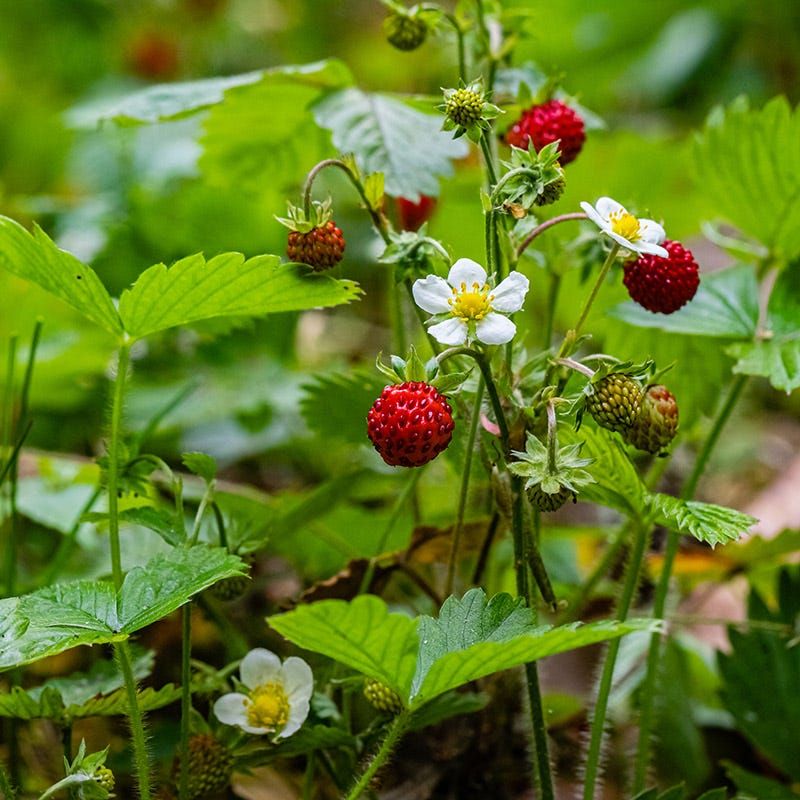
Spring in a wild strawberry patch brings something turfgrass almost never offers. Small white flowers with five rounded petals open in clusters just above the leaf canopy.
These blooms appear from roughly April through June in many parts of this region, depending on weather and site conditions.
The flowers attract native bees, small butterflies, and other pollinators looking for early-season nectar and pollen. The Lady Bird Johnson Wildflower Center notes that Fragaria virginiana supports various native bee species.
That makes it a functional plant, not just a pretty one. Avoiding pesticide use in and around the patch helps keep those visitors safe.
After flowering, small red fruit develop. The fruit are edible and have a noticeably sweet flavor, but production varies by site, weather, plant health, and competition.
Do not plant wild strawberry expecting a reliable harvest for your kitchen. Birds, chipmunks, and other wildlife tend to find the fruit quickly, and that wildlife value is actually part of what makes this plant worth growing.
Fruit production is not guaranteed every year or in every location. A shaded spot, poor soil, or a dry summer can reduce flowering and fruiting noticeably.
Letting some flowers mature without disturbance, keeping the patch healthy, and accepting that wildlife will take their share are all part of growing this plant honestly.
The pollinator activity alone makes the spring season genuinely lively in a way no turfgrass patch ever manages.
8. Replace Thirsty Turf One Patch At A Time
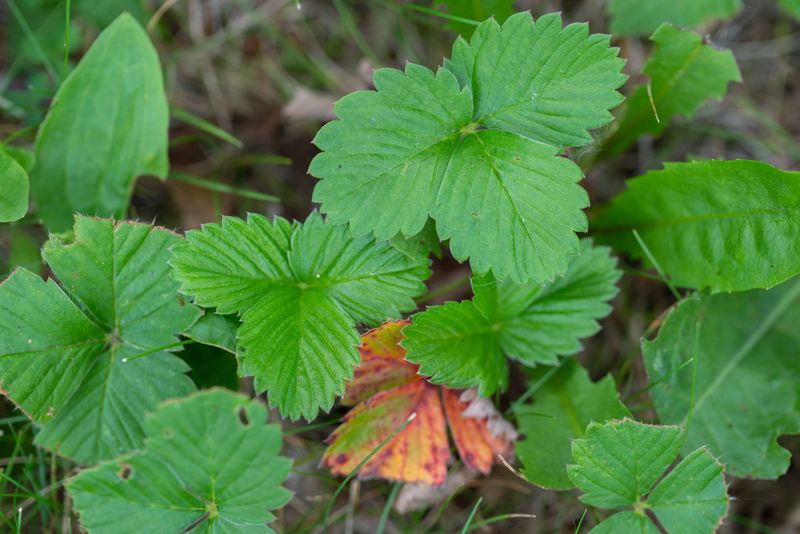
Starting small is genuinely the smartest strategy here. Pick the one spot in your front yard where grass struggles most every summer.
That burned-out strip near the sidewalk, the thin slope that dries out by July, or the sunny corner that never recovers from August heat are all good first candidates.
Remove or suppress existing turf in that patch before planting. Smothering with cardboard and mulch over a full growing season is one approach that OSU Extension lawn-alternative guidance mentions as a low-input option.
For smaller areas, manual removal works too. Follow extension guidance and any product labels carefully if you use other methods.
The goal is to give new plants a clean start without heavy weed competition.
Purchase nursery-propagated wild strawberry from a reputable native plant nursery or garden center. Do not collect plants from roadsides, natural areas, or parks.
Wild collection can harm native populations and may also be illegal depending on the location.
Reputable nurseries in the Buckeye State stock Fragaria virginiana, and some native plant sales through botanical gardens or native plant societies are excellent sources.
Plant, water deeply through the first season, manage weeds, add stepping stones if needed, and let the patch prove itself before expanding. Once that first area is thriving, you will have a much clearer sense of what works in your specific yard.
The best lawn replacement is not the one that copies grass perfectly. It is the one that fits the hot spot better than grass ever did.