The Shrubs To Prune This August In Wisconsin, And Ones You Shouldn’t Touch
Your shrubs have a secret timeline, and August is when it starts to matter. Cut at the wrong moment and you’re not trimming branches, you’re erasing next year’s flowers before they even form.
Wisconsin yards hit this exact fork every late summer, once the heat breaks and the color starts fading fast. Every shrub out there suddenly looks like it needs a trim, but not all of them want one right now.
Some have already tucked next year’s buds into place, hidden inside stems that look plain and untouched. Prune those now and you’re cutting away next spring’s show before it even starts.
Others are fair game and actually respond well to an August shape-up. Knowing which pile yours falls into, before the loppers come out, is what separates a full spring bloom from a season of empty branches.
Japanese Spirea Rewards A Light Trim In August
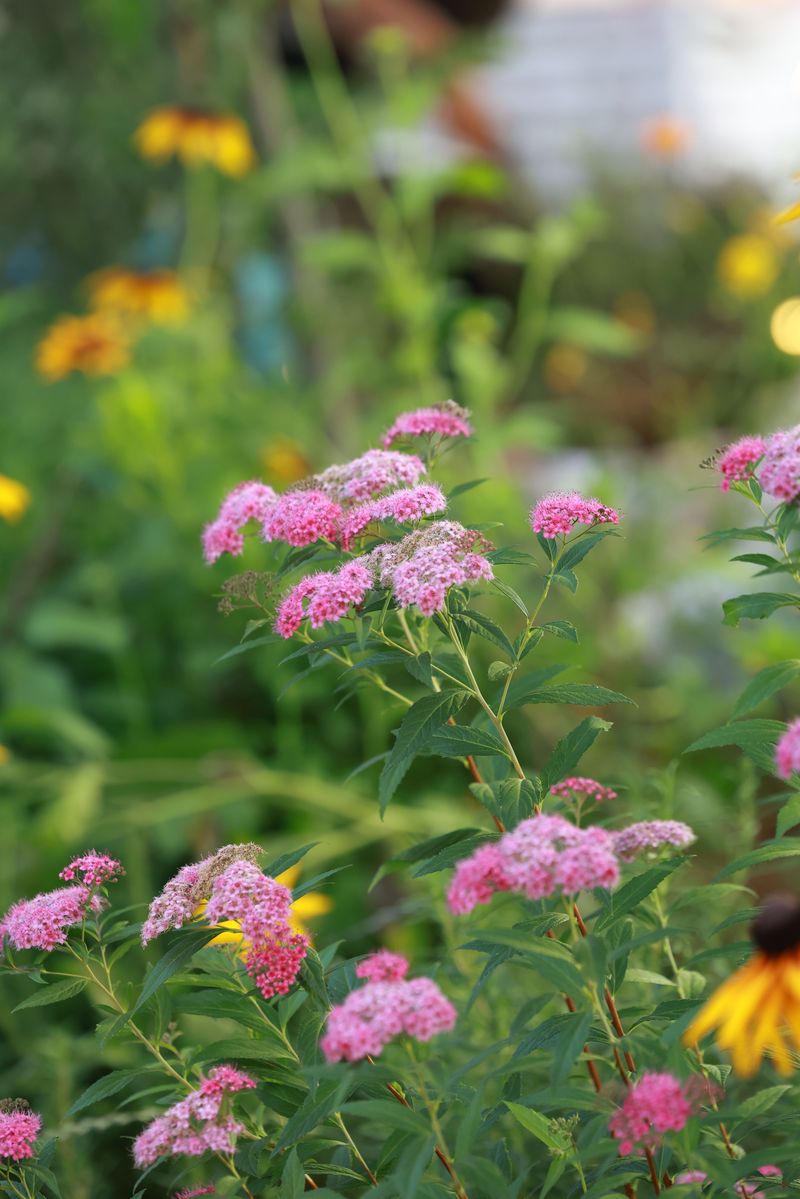
Japanese Spirea is one of those shrubs that practically thanks you for trimming it. After its summer bloom fades, it sits there looking a little ragged, and August is the perfect moment to step in.
A light shaping now encourages a flush of fresh foliage and sometimes even a second round of blooms before frost arrives. You don’t need to go heavy-handed here.
Just clean up the spent flower clusters and trim back the outer growth by about a third. Spirea blooms on new wood, which means cutting it now won’t rob you of next spring’s flowers.
That’s what makes it such a forgiving shrub to work with in late summer. New growth will push out quickly after a trim.
In Wisconsin, the timing works well because the plant still has enough warm weeks left to recover before cold sets in. Cutting too late in fall can leave fresh growth vulnerable to frost damage.
August hits that sweet spot perfectly. Use clean, sharp bypass pruners to make smooth cuts.
Ragged cuts invite disease, and Spirea is worth protecting. Step back often to check your shape as you go. If your Spirea has gotten leggy or overgrown over the years, a harder rejuvenation cut in early spring is the better move.
But for seasonal maintenance, August light trimming keeps this shrub looking tidy, blooming strong, and ready to impress all the way into September.
Potentilla Handles Shaping Without Losing Blooms
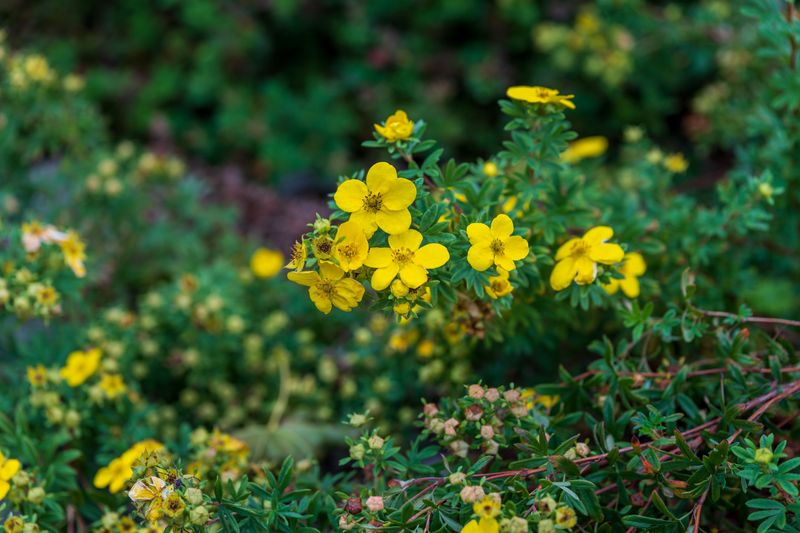
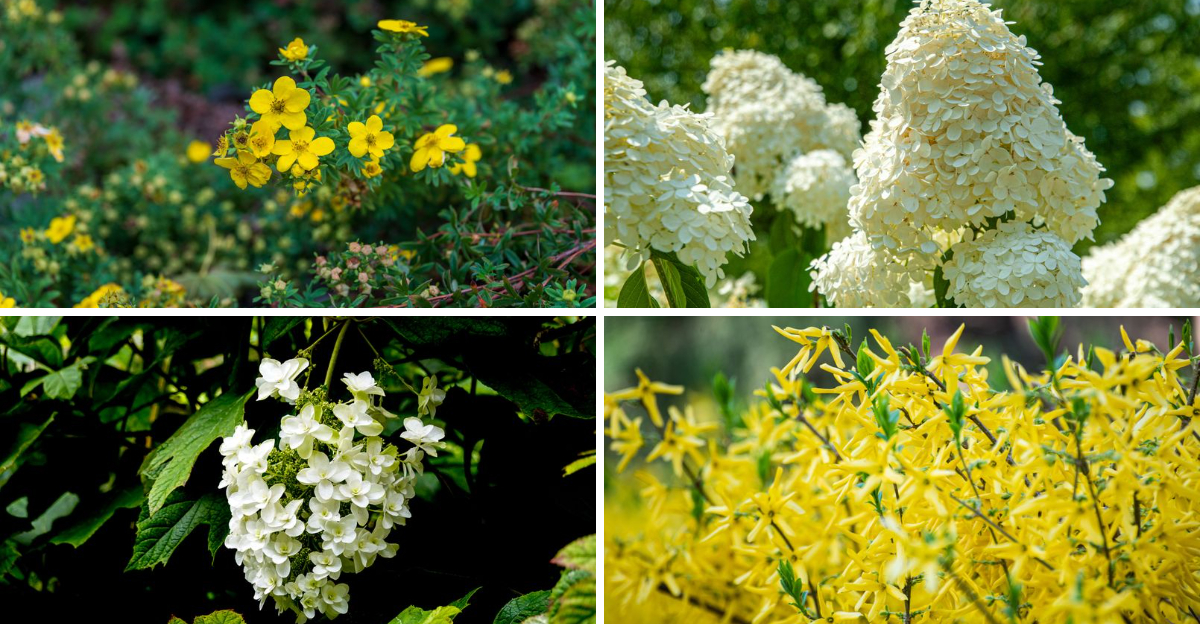
Potentilla is the overachiever of the shrub world. It blooms from late spring all the way through August, and it doesn’t even flinch when you pull out the pruners mid-season.
This tough little shrub blooms on new wood, so trimming it in August actually stimulates more flowering. A light shaping removes the scraggly outer branches and opens up the center for better airflow.
That means fewer disease problems heading into fall. You’ll notice Potentilla can start looking a bit wild by midsummer, with stems shooting out in every direction.
A quick trim brings it back into a tidy mound shape. It responds fast, often pushing out new buds within two weeks of a cut. In Wisconsin’s climate, Potentilla is already adapted to handle temperature swings with ease.
Your Wisconsin Garden Changes Every Week. Your Plan Should Too.
Gardening in Wisconsin changes quickly throughout the season. Every Friday you’ll receive a simple weekly plan showing exactly what to plant, prune, fertilize, harvest, and protect so you never miss the right timing.
It’s cold-hardy and drought-tolerant, making it one of the most low-maintenance shrubs you can grow here. Pruning in August fits right into its natural rhythm.
Don’t cut more than one-third of the plant at once. Removing too much at a time stresses the roots and slows recovery before frost. Light and steady wins the race with this one.
By the time September rolls around, a trimmed Potentilla looks refreshed and full. It’s one of those rare plants that rewards your attention almost immediately.
Keeping it shaped through summer means less corrective work come spring, and a shrub that earns its spot in the yard every single year.
Panicle Hydrangea Can Be Trimmed Safely Now
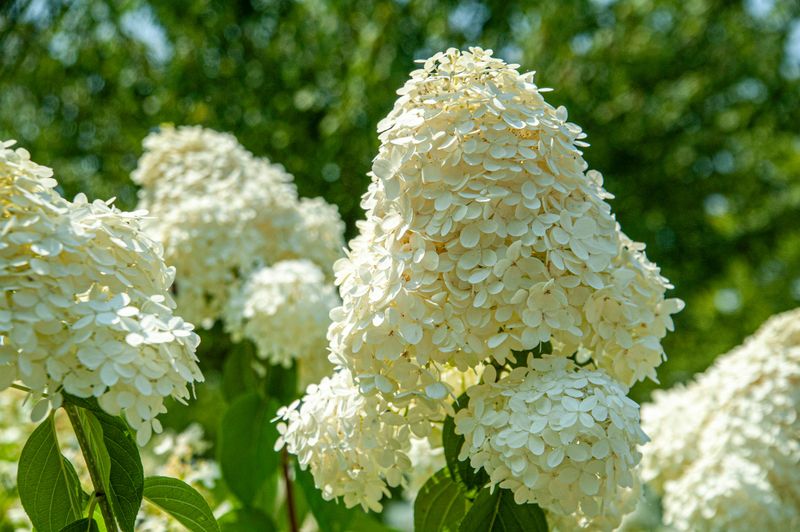
Panicle Hydrangea is one of the few hydrangeas that actually welcomes a summer trim. Its big, cone-shaped flower clusters are a classic late-summer sight across Wisconsin yards.
And unlike its cousins, this one blooms on new wood each year. Because it sets buds on current-season growth, cutting it in August doesn’t threaten next spring’s blooms at all.
You can remove spent flower heads, shape the outer edges, or even cut back leggy stems to tighten the overall form. The plant handles it without complaint.
Varieties like Limelight, Pinky Winky, and Quick Fire are all panicle types and are incredibly common in Wisconsin landscapes. If you’re not sure what kind of hydrangea you have, look at the flower shape.
Cone-shaped clusters mean it’s a panicle type, and you’re safe to trim. Avoid cutting more than one-third of the shrub’s height at once in August.
A heavy cutback is better saved for late winter or early spring when the plant is still dormant. Right now, you just want to tidy things up.
Removing faded blooms also encourages the plant to redirect energy into root strength before winter. That’s a quiet but important benefit most gardeners overlook.
Stronger roots mean better performance the following season. A well-shaped Panicle Hydrangea in late summer is genuinely one of the most satisfying sights in a Wisconsin garden.
Trim it now, and it’ll reward you with a bold fall display that carries right up to the first hard freeze.
Boxwood And Yew Hedges Take A Light Summer Shear
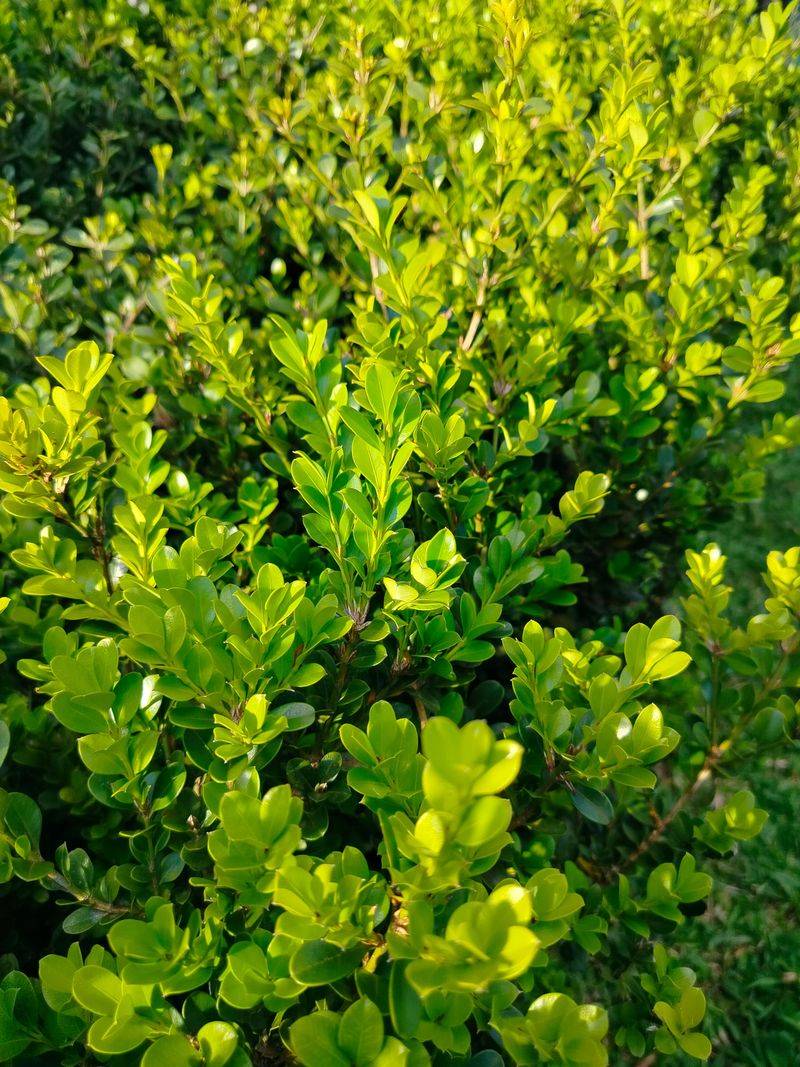
Boxwood and Yew are the dependable workhorses of the formal garden. They hold their shape beautifully and respond well to shearing, which is exactly why August is a great time to give them a cleanup pass.
By midsummer, both shrubs have pushed out a full flush of new growth. That new growth softens their edges and blurs the clean lines you worked hard to establish in spring.
A light shear in August brings that crispness right back. For Boxwood, use hedge shears or electric trimmers to maintain the shape you want.
Keep the cuts shallow. You’re just skimming the surface growth, not restructuring the whole plant. Deep cuts in August can expose interior wood that won’t have time to harden before cold weather arrives.
Yew is even more forgiving than Boxwood when it comes to late-summer trimming. It tolerates shearing well and bounces back quickly.
Just avoid cutting into old, bare wood with no green foliage remaining, as that section won’t regenerate easily. One important note for Wisconsin gardeners: stop shearing both plants by early September at the latest.
New growth stimulated too late in the season won’t harden off properly before frost hits. August gives you enough time for a clean finish without that risk.
A freshly sheared hedge along a walkway or property line is one of those small details that makes a whole yard look intentional. Put in the effort now, and you’ll enjoy the results all the way through October.
Lilac Has Already Set Next Year’s Buds
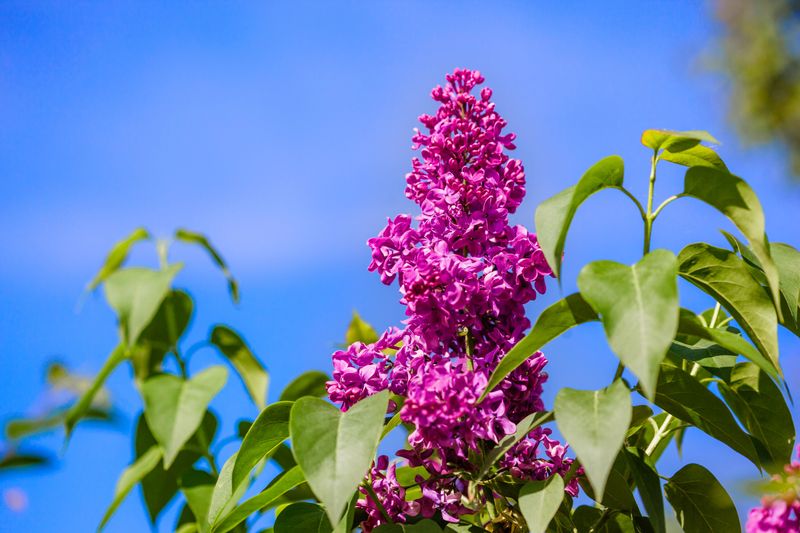
Here’s a common mistake many gardeners make every August: they grab the loppers and go after the Lilac. It looks overgrown, the blooms are long gone, and it seems like the right time. It’s not.
Lilac sets its flower buds for the following spring almost immediately after it finishes blooming in May or June. By August, those buds are already formed and sitting quietly on the stems.
Pruning now removes them entirely, leaving you with a Lilac full of leaves but no flowers next spring. If you want to prune your Lilac, the window closes fast.
The only safe time is right after it finishes blooming in late spring, giving it the whole summer to set new buds on the fresh growth. August is too late by months.
Lilacs are one of the most beloved flowering shrubs in Wisconsin for a reason. That heavy, sweet fragrance in May is worth protecting. One wrong cut in August can cost you an entire season of blooms, and that’s a frustrating trade-off.
If your Lilac is severely overgrown, a gradual rejuvenation over three years is the smarter approach. Remove one-third of the oldest, thickest stems each spring right after blooming.
That keeps flowers coming while slowly refreshing the plant’s structure. Resist the urge to tidy up your Lilac this August.
Walk past it, appreciate the healthy green foliage, and make a note on your calendar to handle it properly next June. Your future self will be grateful.
Forsythia Needs To Wait Until After Spring Bloom
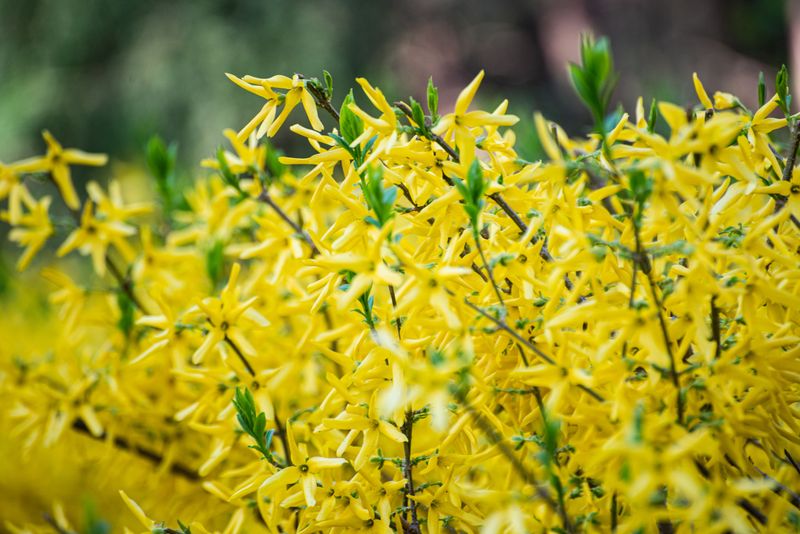
Forsythia is one of spring’s most joyful sights. Those bright yellow branches burst into bloom before the leaves even open, announcing that winter is finally over. But pruning it in August puts all of that at serious risk.
Like Lilac, Forsythia sets next year’s flower buds during summer. By August, the buds are already developing along the stems that bloomed this past spring.
Cutting those stems now means removing the buds before they ever get a chance to open. The correct time to prune Forsythia is right after it finishes blooming in April or early May.
That timing lets the plant spend the entire summer building new growth, which is exactly where next year’s flowers will form. It’s a rhythm the plant depends on.
Wisconsin gardeners often get the urge to shape Forsythia in late summer because it can look a bit wild and unruly by August. That scraggly look is actually a sign of healthy, productive growth.
Leave it alone and trust the process. If your Forsythia has become a tangled mess over the years, the best fix is a hard rejuvenation cut right after spring bloom.
Cut the oldest, woodiest stems down to about six inches from the ground. New growth comes back vigorous and floriferous.
Forsythia is one of those shrubs that rewards patience more than anything else. Hold off this August, prune it correctly next May, and you’ll be rewarded with a spectacular yellow show that brightens the whole yard come spring.
Oakleaf Hydrangea Blooms Form On Old Wood
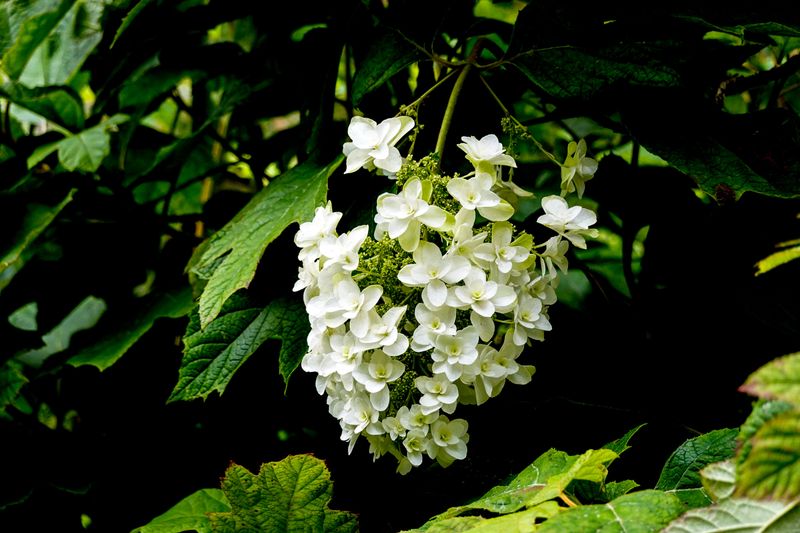
Oakleaf Hydrangea is a showstopper from spring through fall. Its big, white cone-shaped blooms emerge in early summer, then slowly turn a dusty rose and finally a parchment tan as the season progresses.
It’s a four-season plant with serious personality. But here’s the critical detail: Oakleaf Hydrangea blooms on old wood.
That means the flower buds for next summer are already hiding inside the stems right now, formed during this current growing season. Pruning in August removes those buds and eliminates next year’s bloom entirely.
This is the key difference between Oakleaf and Panicle Hydrangea. Both are hydrangeas, but they operate on completely opposite schedules.
Getting them confused is one of the most common pruning mistakes Wisconsin gardeners make in late summer. If you want to prune your Oakleaf Hydrangea, do it right after it finishes blooming in midsummer.
That short window, usually late June to mid-July, is the only safe time. Even then, keep cuts light and avoid removing more than a third of the plant.
Oakleaf Hydrangea also offers stunning fall foliage in shades of burgundy and orange. Leaving the dried flower heads on through winter adds texture and visual interest to the garden during the coldest months.
There’s no reason to cut them now. Let your Oakleaf Hydrangea do its thing this August.
The peeling bark, the aging blooms, and the coming leaf color are all part of the package. Hands off now means a breathtaking bloom next summer.
American Beautyberry Is Growing Its Fall Berries
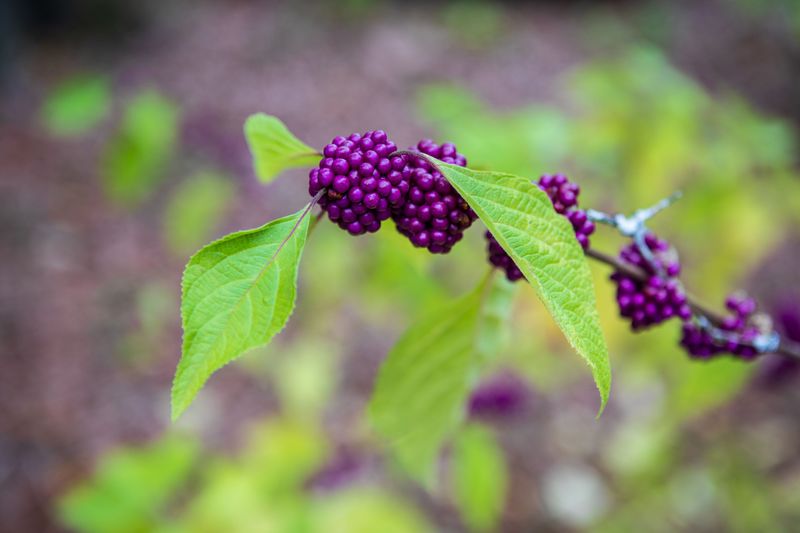
American Beautyberry might be the most underrated native shrub in Wisconsin. By September and October, its stems are absolutely loaded with clusters of electric purple berries that look almost too vivid to be real.
But right now, in August, those berries are still forming. Pruning American Beautyberry in August would cut off the berry clusters before they ripen.
That wipes out the plant’s most spectacular feature and removes a valuable food source for migrating birds heading south. Two reasons to keep the loppers in the garage.
This shrub blooms on new wood, so the correct pruning time is late winter or very early spring, just before new growth begins.
A hard cutback at that point, sometimes down to about twelve inches, encourages vigorous new stems loaded with berries by fall. It’s a dramatic transformation every year.
American Beautyberry is also a native plant, which means it supports local pollinators and wildlife in ways that ornamental shrubs simply can’t match.
Bees love the small pink flowers in summer. Birds flock to the berries in fall. It earns its place in the landscape.
If you’ve never grown American Beautyberry, now is actually a fantastic time to observe one in a neighbor’s yard or a local garden. Watch how those green berry clusters slowly shift to purple as August turns to September. It’s one of fall’s best garden moments.
Leave your Beautyberry alone this August and let it finish its most important job. The shrubs to prune this August in Wisconsin are not this one, and the berries will prove it.