The Meaning Behind An Indigo Bunting Visiting Your Virginia Yard This Summer
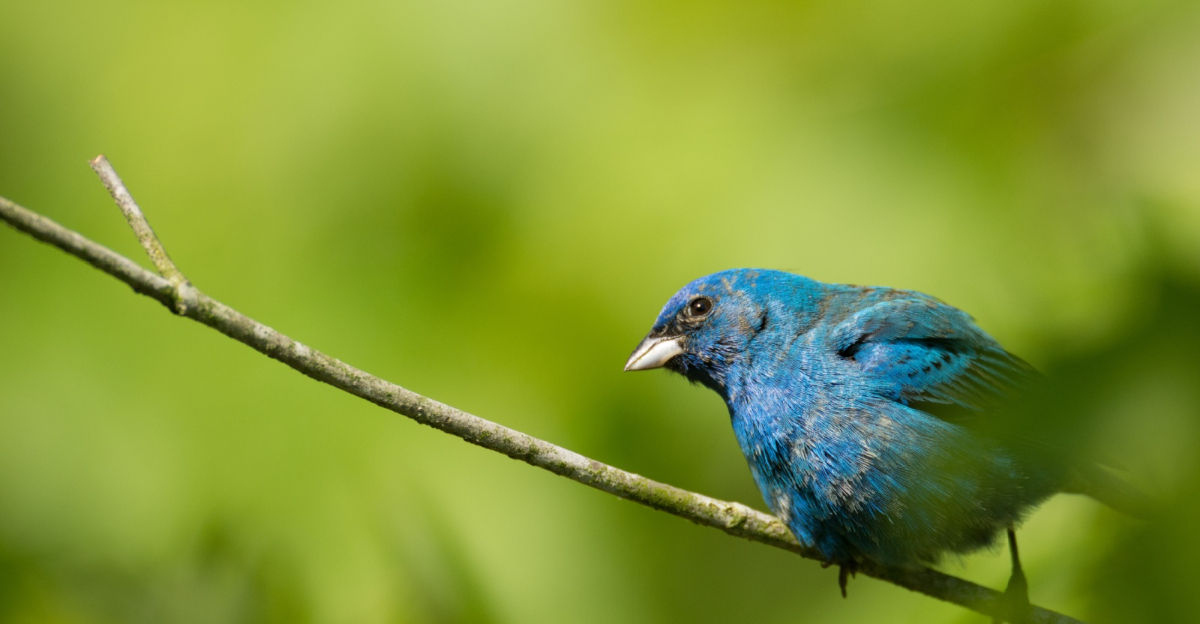
Blue silk just touched down on your back fence. Feathers this saturated rarely happen by accident. Nothing about this bird reads as entirely ordinary. Neither does your timing, if you think about it.
Virginia yards rarely host visitors wearing color like this. Seldom does pure blue choose a random perch. Scientists call it structural coloration, not pigment.
Sunlight bends across microscopic feather layers, creating that vivid sapphire glow. Symbolically, cultures have linked brilliant blue birds to renewal. Practically, this sighting reveals something about your habitat.
Habitat quality, seed availability, insect populations, and edge cover all matter here. Every convergence explains why buntings choose certain yards. Geography places you inside a narrow migratory corridor.
Timing and instinct met the moment this bird landed near you. Few residents realize how rare that combination becomes across all of Virginia. You need to know why, because what happens next changes everything about your land.
Why This Visit Feels Special
A flash of electric blue lands nearby, and your whole morning changes. That tiny bird carries a magnetic pull that stops people mid-sentence.
The indigo bunting is not a common feeder bird like a sparrow or a chickadee. Spotting one feels rare because it genuinely is. Most people go years without a close encounter.
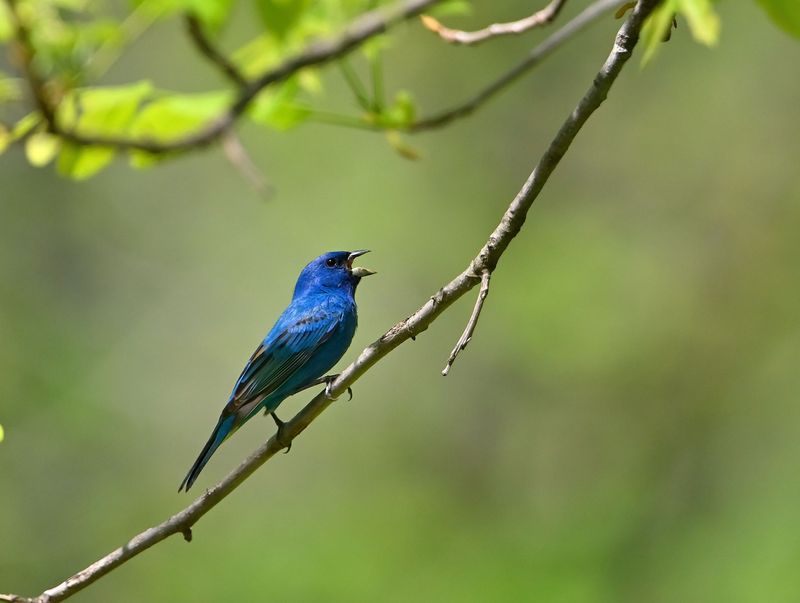
Male indigo buntings wear that shocking cobalt color only in summer. Their feathers do not actually contain blue pigment; the color comes from microscopic structures in the feathers that scatter light, creating that vivid blue effect.
That little science fact makes the sighting even more magical. You are not just seeing a blue bird. You are watching light perform a trick.
Culturally, indigo buntings have long been symbols of good fortune and renewal. Many traditions connect bright blue birds to messages of hope arriving at just the right time.
Whether you lean into the symbolism or just love the biology, the feeling is the same. Something extraordinary just landed in your ordinary yard.
The meaning behind an indigo bunting visiting your Virginia yard this summer is partly emotional. A sighting like this reminds you to slow down and actually notice the world outside your window.
These birds are not asking for much from you. They just need a moment of your attention, and in return, they hand you one of summer’s best gifts.
Spotting And Identifying The Bird
Not every blue bird is an indigo bunting, so let’s make sure you know exactly what you saw. Misidentification is common, especially with bluebirds nearby.
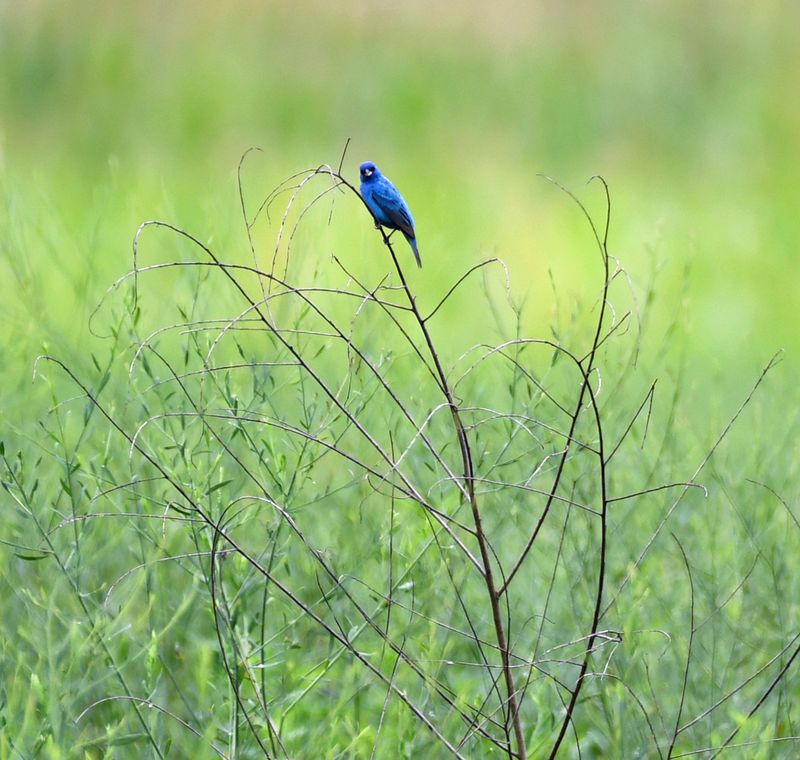
Male indigo buntings are small, roughly the size of a large sparrow. Their entire body is covered in that deep, saturated blue, no orange chest, no white patches.
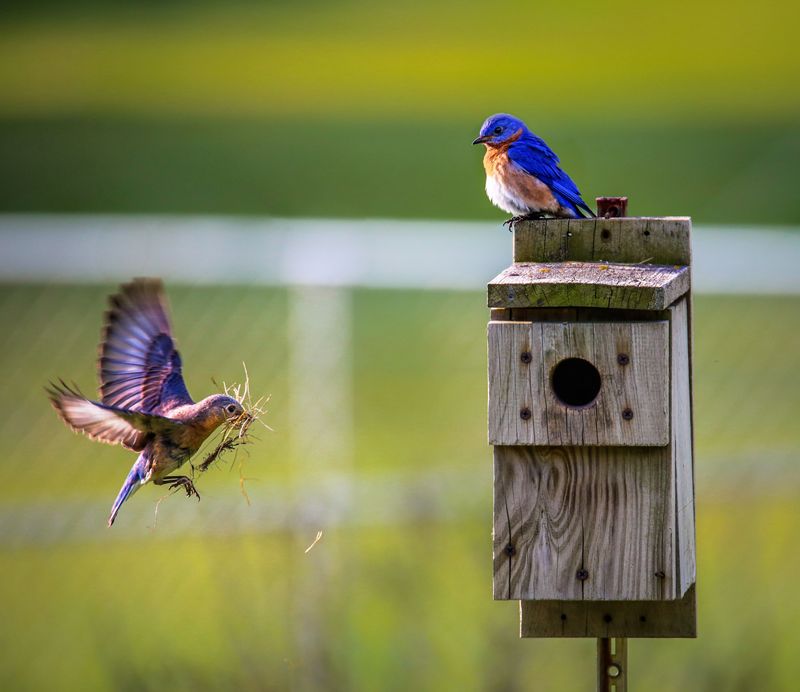
Eastern bluebirds have a rusty-orange breast and white belly. Blue jays are much larger and have crests on their heads, making the comparison pretty straightforward once you know what to check.
Female indigo buntings look completely different from the males. They are a warm, streaky brown with just a faint blue wash on the wings and tail.
Your Virginia Garden Changes Every Week. Your Plan Should Too.
Gardening in Virginia changes quickly throughout the season. Every Friday you’ll receive a simple weekly plan showing exactly what to plant, prune, fertilize, harvest, and protect so you never miss the right timing.
If you saw what looked like a plain brown sparrow hanging around with a blue bird, that was probably a mated pair. They tend to stay close during nesting season.
Indigo buntings also have a distinctive song. The male sings in paired phrases, a series of high, sweet notes that go up and down in tight couplets.
Once you learn that song, you will start hearing it everywhere in wooded edges and overgrown fields. Your ears become your best birding tool after that.
Grab a pair of binoculars if you have them and keep them near the window. Confirming your sighting is deeply satisfying, and it sharpens your observation skills for every bird visit after this one.
Understanding Why They’re Showing Up In Virginia
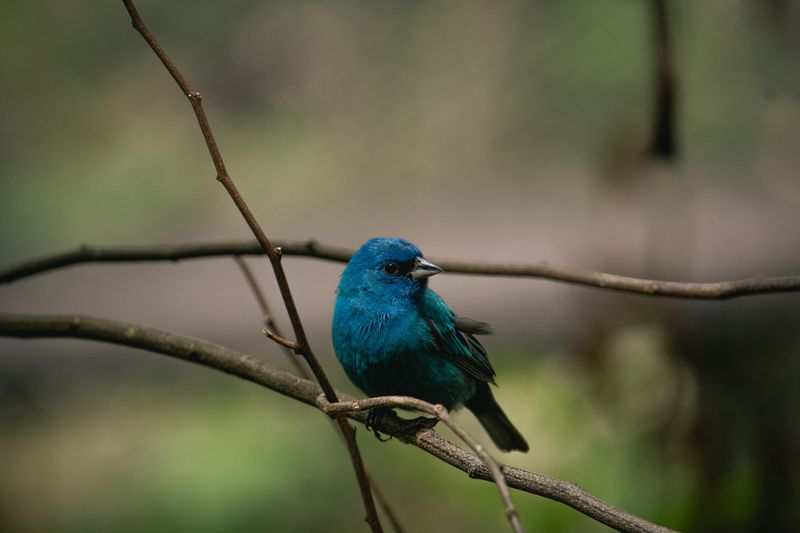
Virginia sits right in the heart of indigo bunting summer territory. These birds migrate north from Central America and the Caribbean each spring, and the mid-Atlantic region is prime real estate for them.
They arrive in Virginia around late April or early May. By midsummer, they are actively nesting, singing, and raising young in brushy fields and forest borders.
The state’s mix of farmland, forest edges, and suburban greenery creates ideal conditions. Indigo buntings love the transition zones between open fields and wooded areas, called ecotones by biologists.
Your backyard may sit near one of those natural edges without you even realizing it. A tree line behind the fence or an overgrown lot nearby could be exactly what drew the bird to your neighborhood.
Summer is peak activity time for this species. Males sing loudly from exposed perches to claim territory, which is why you might hear one before you see it.
Climate patterns also play a role in where these birds land each year. Warmer springs can shift migration timing slightly, nudging birds into new areas they did not previously frequent.
Virginia’s abundant summer insect population is another major draw. Indigo buntings eat seeds and bugs, and a yard with diverse plantings offers a reliable buffet.
So when one appears in your yard, it is not random. Your specific location, habitat, and season all aligned to make that visit possible and meaningful.
Exploring What It Says About Your Habitat
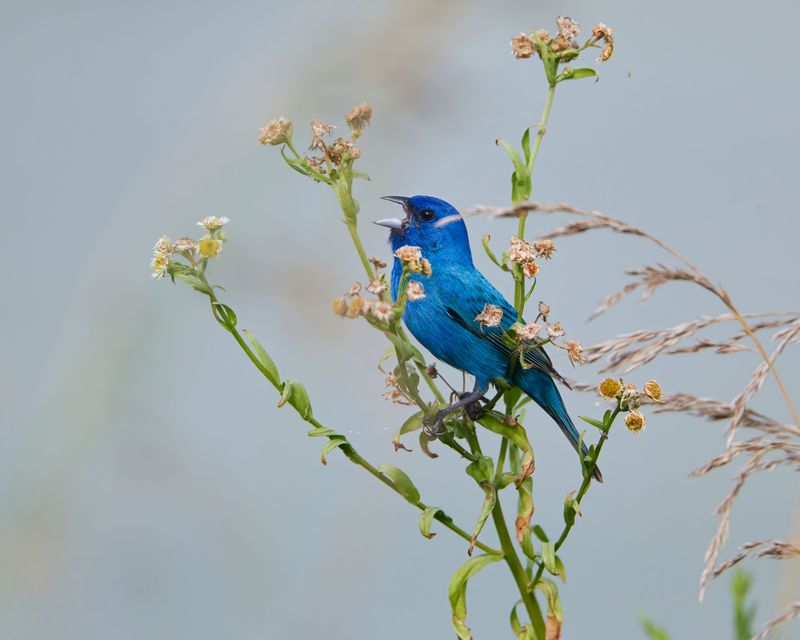
An indigo bunting did not land in your yard by accident. These birds are selective, and their presence is a genuine vote of confidence for your outdoor space.
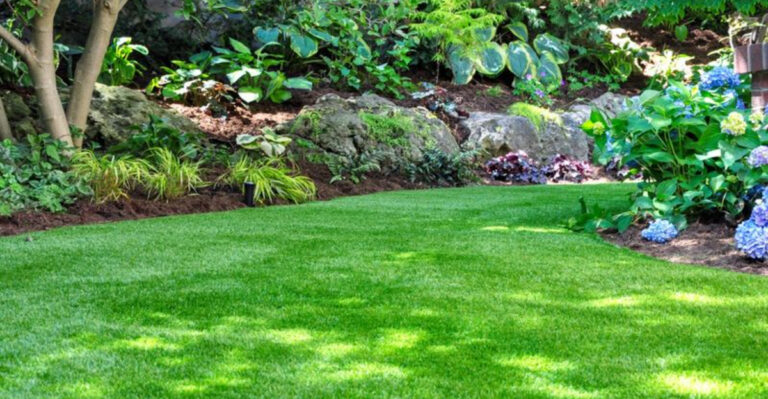
They prefer areas with dense low shrubs, tall grasses, and scattered trees. If your yard has any of these features, you are already ahead of most suburban landscapes.
Native plants matter enormously here. Yards filled with native grasses, wildflowers, and berry-producing shrubs attract the insects and seeds that indigo buntings depend on during breeding season.
Even a small patch of unmowed grass near a fence line can serve as a foraging zone. That “messy” corner you have been meaning to clean up might actually be doing important ecological work.
Water sources also signal habitat quality to visiting birds. A shallow birdbath or a slow drip feature can make your yard stand out among neighboring properties.
Indigo buntings tend to avoid heavily manicured lawns with little plant diversity. A visit from one is a positive sign that your yard offers varied, natural cover.
Think of this sighting as a habitat report card, and the grade is solid. Your outdoor space is supporting wildlife in ways that many yards simply cannot.
Leaning into that naturally by adding more native plants or reducing pesticide use will only strengthen your yard’s appeal. The bird already told you something important, now it is your turn to respond.
Attracting Them Back To Your Yard
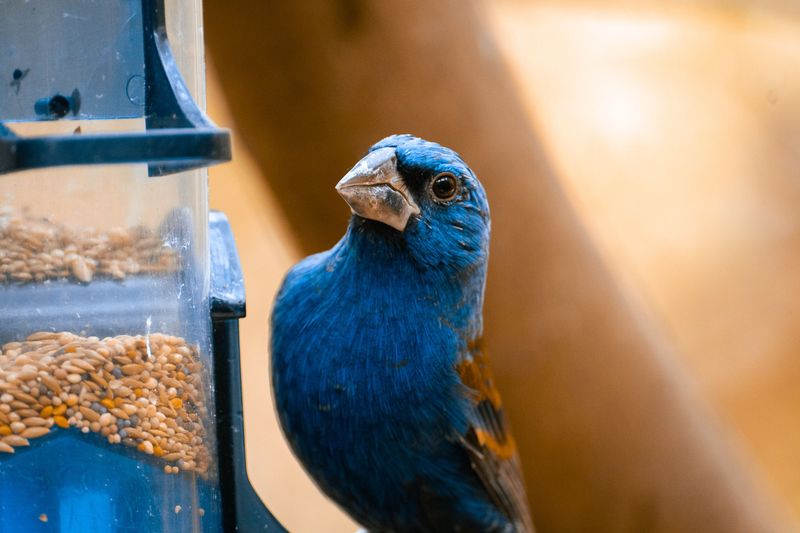
One sighting is thrilling, but two or three? That turns your yard into a genuine indigo bunting hotspot. Getting them to return is more achievable than most people think.
White millet is the single best seed to offer. Indigo buntings strongly prefer it over sunflower seeds, and a small tube feeder or platform feeder works perfectly for this purpose.
Place the feeder near shrubby cover, not out in the open. These birds feel safer eating close to dense vegetation where they can escape quickly if needed.
Nyjer seed is another solid option if you already have a finch feeder set up. Indigo buntings will occasionally share feeding space with goldfinches and other small seed-eaters.
Plant native grasses like little bluestem or switchgrass to create natural foraging zones. Seed heads from these plants feed buntings well into late summer and early fall.
Serviceberry, elderberry, and native sunflowers are also excellent additions to your planting plan. They attract the insects and berries that make up a large portion of the bunting’s seasonal diet.
Keep a clean, shallow water source nearby and refresh it every couple of days. Fresh water is one of the most underrated tools for attracting any backyard bird.
Reduce or cut back on pesticide use in your yard if possible. Insects are a critical protein source for nesting birds, and a chemical-free yard is a far more welcoming one for returning visitors.
What This Sighting Really Tells You
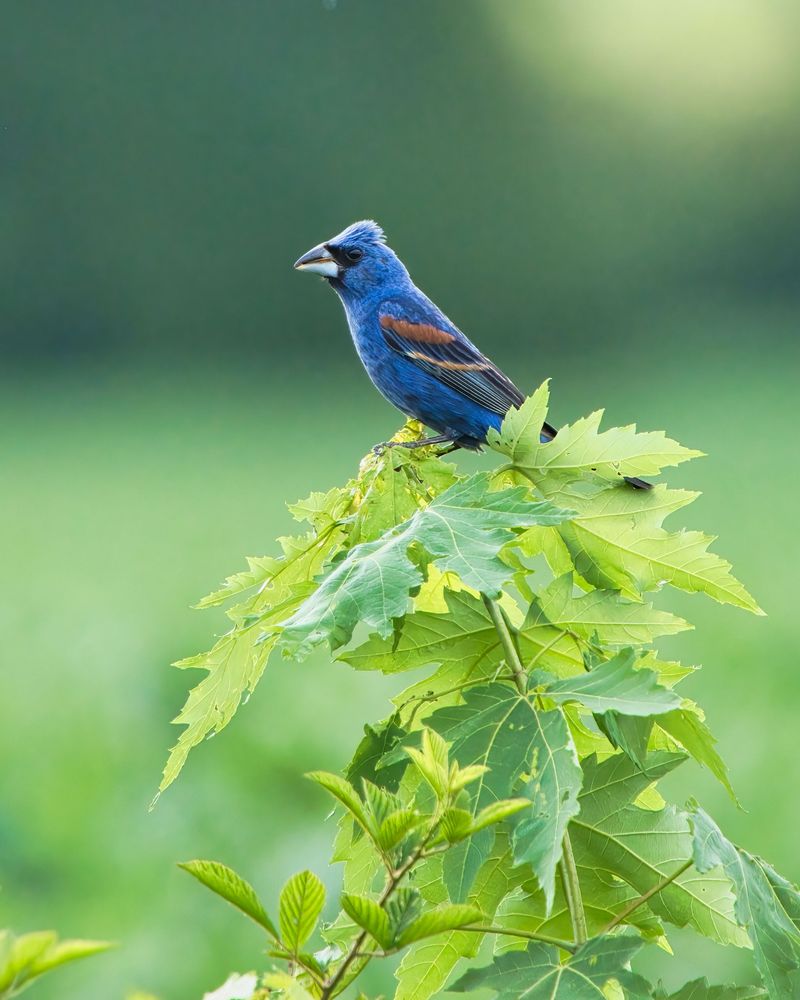
A single bird visit can carry more information than you might expect. The meaning behind an indigo bunting visiting your Virginia yard this summer is layered and genuinely worth unpacking.
On one level, it confirms that your local ecosystem is healthy enough to support migratory songbirds. That reflects positively on your local ecosystem, especially as bird populations decline across many species.
According to a widely cited 2019 study published in Science, North American bird populations have dropped by nearly three billion individuals since 1970. Seeing a healthy indigo bunting means some natural systems are still working as they should.
Your yard is part of a larger migration corridor stretching from the tropics to the northeastern forests. That little bird traveled hundreds of miles to end up on your fence or feeder.
On a personal level, the sighting is a reminder to stay curious about the natural world. People who notice birds tend to notice more of everything: light, seasons, small shifts in the world around them.
Keeping a simple nature journal or snapping a photo when you see something unusual builds a meaningful record over time. You start to see patterns that most people miss entirely.
Symbolically, many cultures view bright blue birds as messengers of transformation and clear vision. Whether or not you hold that belief, the feeling of clarity that comes from a beautiful sighting is real.
So next time a flash of blue crosses your yard, stop what you are doing. That small moment is a genuine connection to something much larger than your backyard.
Building A Yard Birds Will Love All Summer
Turning a single indigo bunting visit into a regular summer tradition starts with intentional choices. Your yard does not need to be large. It just needs to be thoughtful.
Start by identifying the plants already growing in your space. Native species that were already there before you arrived are often the most valuable ones for local wildlife.
Add layered plantings if possible, meaning a mix of ground cover, shrubs, and canopy trees. That vertical diversity mimics natural habitat and supports far more species than a flat lawn ever could.
Dense shrubs like spicebush, buttonbush, or native viburnums give birds shelter for nesting and resting. Indigo buntings specifically seek out this type of dense, brushy cover during breeding months.
Reduce the size of your mowed lawn gradually over time. Even replacing a ten-foot strip with native grasses and flowers creates a meaningful wildlife corridor in your neighborhood.
Bird-safe windows matter more than most homeowners realize. Window strikes are a leading cause of songbird injury, and simple decals or screens can dramatically cut the risk.
Get your neighbors involved if you can. A connected network of wildlife-friendly yards creates a patchwork habitat that supports far more birds than any single property could alone.
The meaning behind an indigo bunting visiting your Virginia yard this summer is ultimately an invitation. Nature is reaching out, and building a yard birds love is the most joyful way to reach back.