The Texas Native Wildflower That Handles 104° Afternoons Without Wilting
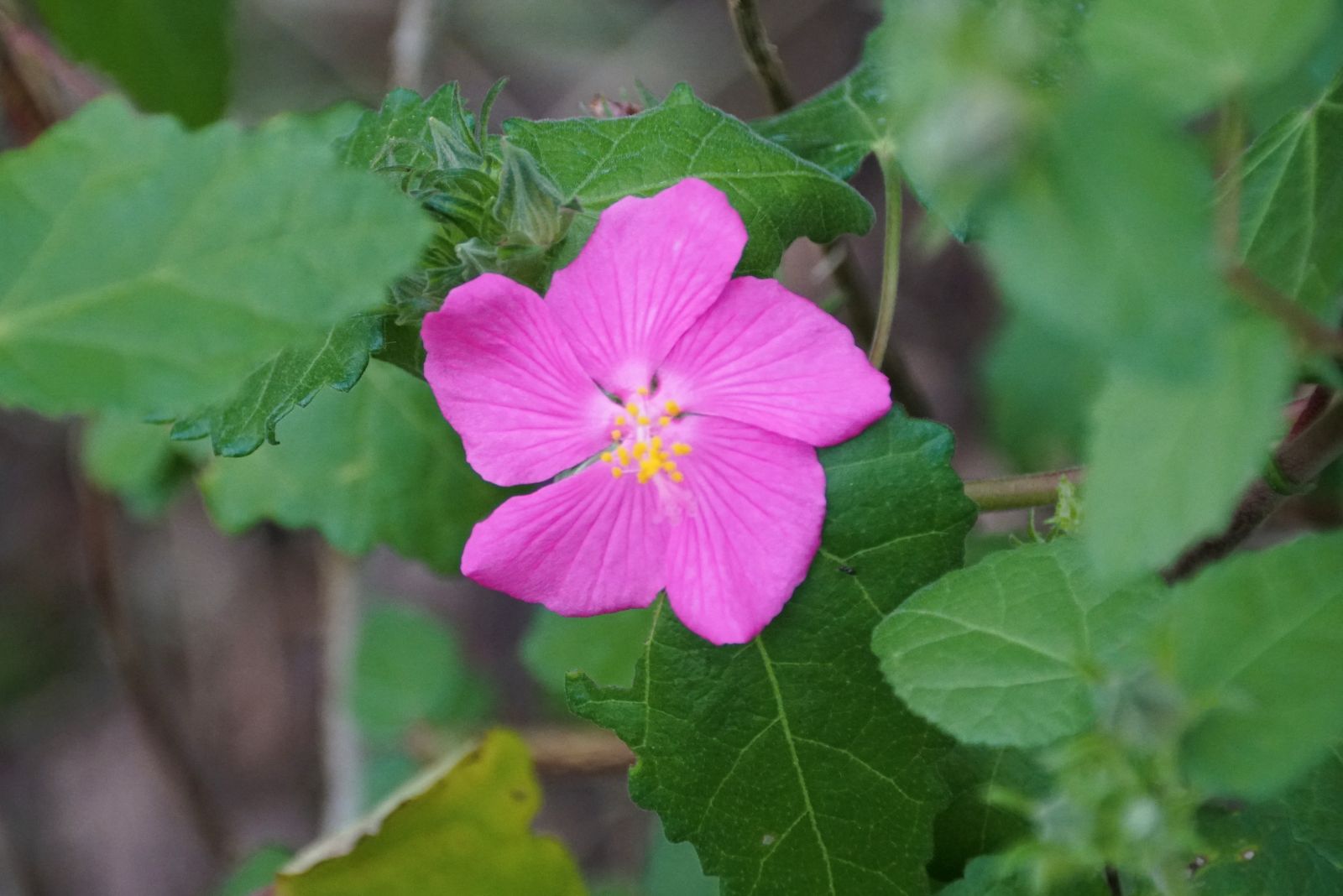
Most Texas wildflowers hit their peak in spring and early summer, then quietly check out when the real heat arrives.
By the time afternoons are pushing past a hundred degrees, the landscape can look faded and exhausted, and most gardeners have mentally written off any hope of color until fall brings some relief.
But there is one native Texas wildflower that treats a hundred and four degree afternoon like ideal growing conditions.
No wilting, no fading, no dramatic decline by midday. While everything around it is struggling to hold on, this wildflower is actively blooming, drawing in pollinators, and looking exactly the way it looked on a cool spring morning.
The heat that defeats other plants seems to have no agreement with this one at all. It’s native to Texas, which means it evolved for precisely these conditions.
The brutal afternoons, the dry spells, the summer intensity that makes this state genuinely challenging for most garden plants. Here’s the native Texas wildflower that earns its place most when the temperature is at its most unforgiving.
Meet Texas Rock Rose
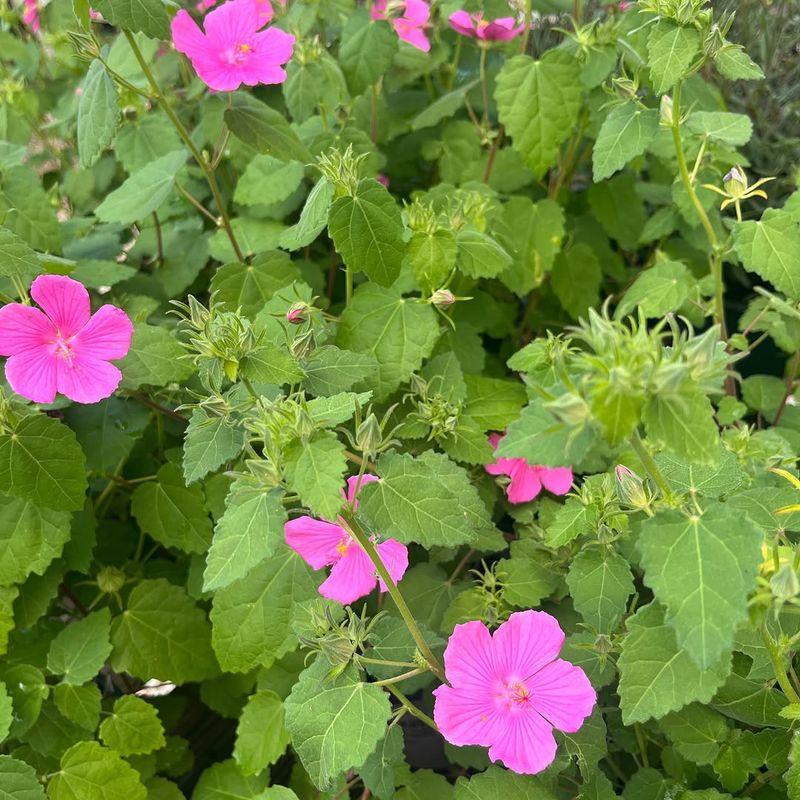
Picture a plant that looks like it belongs in a tropical garden but was actually born and raised right here in Texas. That is exactly what Texas rock rose is.
Known by a few different names, including Wright pavonia and Texas mallow, this native perennial belongs to the hibiscus family, which explains those gorgeous, eye-catching blooms.
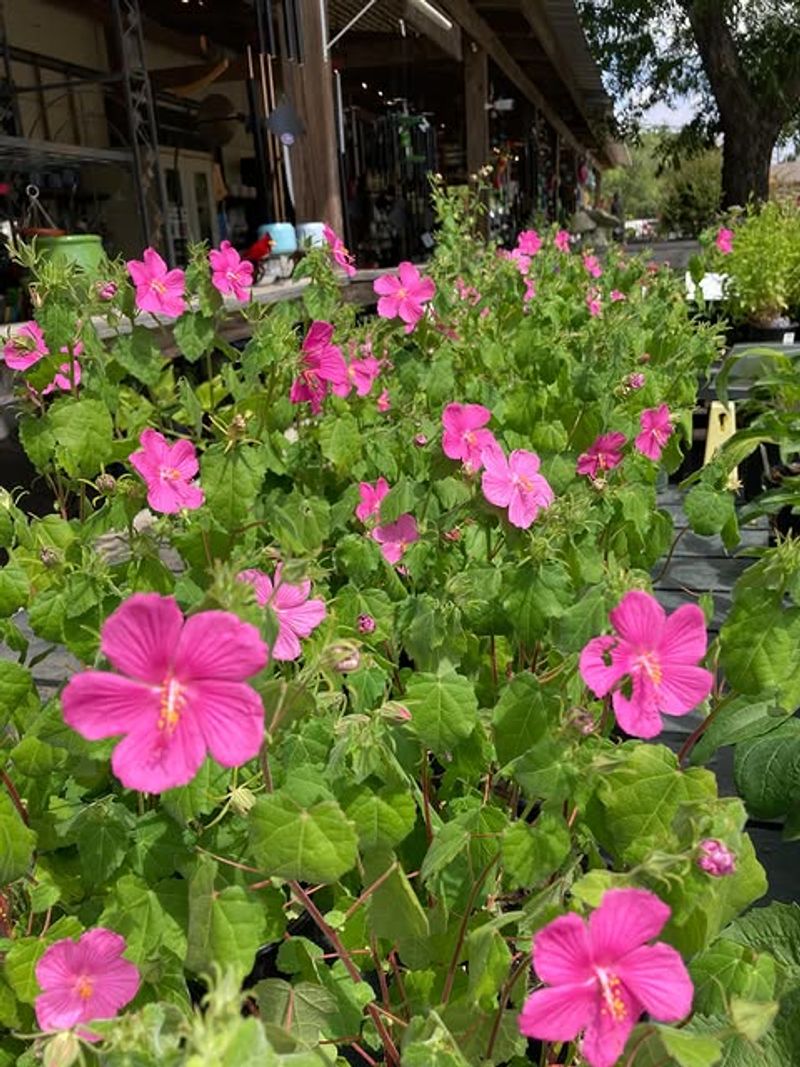
The flowers are bright pink and shaped just like small hibiscus blossoms. They are cheerful, vibrant, and hard to miss.
The foliage is equally appealing, covered in soft, velvety texture that gives the plant a lush, full look even between blooming periods. Run your fingers across the leaves and you will notice that gentle, almost fuzzy feel right away.
As the plant matures, it grows into a loose, shrubby mound that fills in garden spaces naturally. It does not grow in a stiff or rigid way.
Instead, it spreads out in a relaxed, flowing shape that looks right at home in both formal and informal garden settings. Most mature plants reach around two to four feet tall and wide, depending on growing conditions.
Texas rock rose is a true perennial in warmer parts of the state, meaning it comes back year after year without needing to be replanted. Gardeners who want a reliable, beautiful plant without a lot of fuss will find a lot to love here.
It is native to Texas and northern Mexico, which means it evolved alongside the heat, rocky soils, and unpredictable rainfall that define this region. That history gives it a natural edge over many imported ornamental plants.
Why It Handles Texas Heat So Well
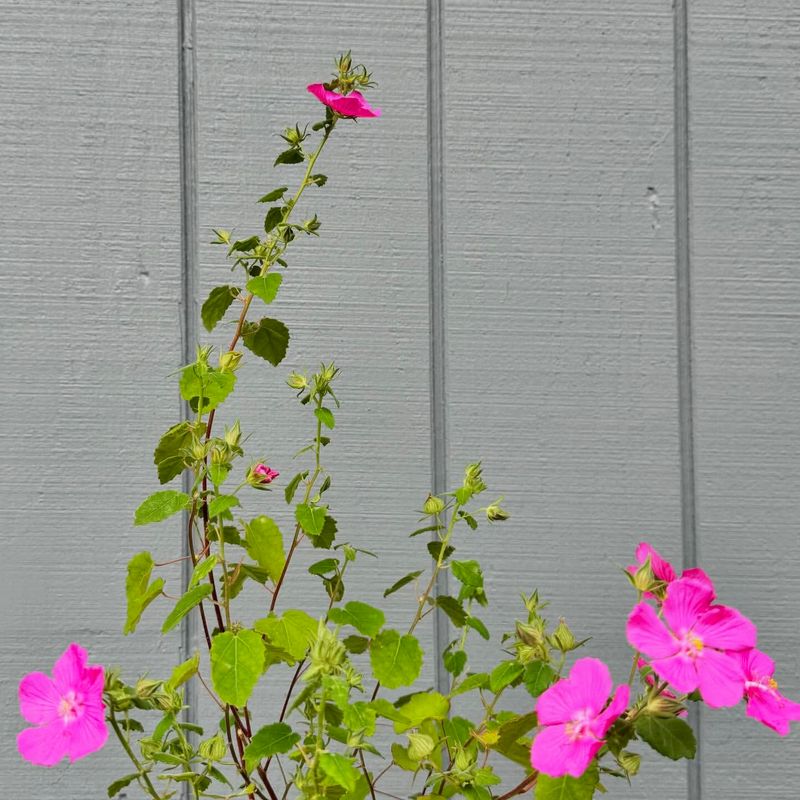
Not every plant can survive a Texas summer. Afternoon temperatures that climb past 100 degrees can stress even well-established garden plants.
Texas rock rose handles that kind of heat better than most, and the reason comes down to where it came from and how it evolved.
Over countless generations, this plant adapted to intense sunlight, high temperatures, and long dry spells. Its root system grows deep into the soil, searching for moisture that surface-level roots cannot reach.
Your Texas Garden Changes Every Week. Your Plan Should Too.
Gardening in Texas changes quickly throughout the season. Every Friday you’ll receive a simple weekly plan showing exactly what to plant, prune, fertilize, harvest, and protect so you never miss the right timing.
That deep root structure is one of the biggest reasons established plants stay healthy and productive even during droughts. It is not just surviving the heat, it is built for it.
Once a Texas rock rose is fully rooted and settled into its spot, it needs far less water than most flowering ornamental plants. Many gardeners are surprised by how little attention it demands after that first growing season.
Compared to roses, petunias, or other popular garden flowers that wilt the moment the hose stops, this plant keeps right on going.
That said, newly planted specimens need consistent watering while they are getting established. A plant that was just put in the ground has not yet developed that deep root network.
Skipping watering during the first few weeks or months can set the plant back significantly. Think of it like a new employee learning the ropes before they can work independently.
Its ability to thrive in exposed garden beds with no shade cover makes it a strong choice for spots where other plants simply struggle to survive. Full sun is not a problem. For Texas rock rose, full sun is actually preferred.
How Long It Blooms
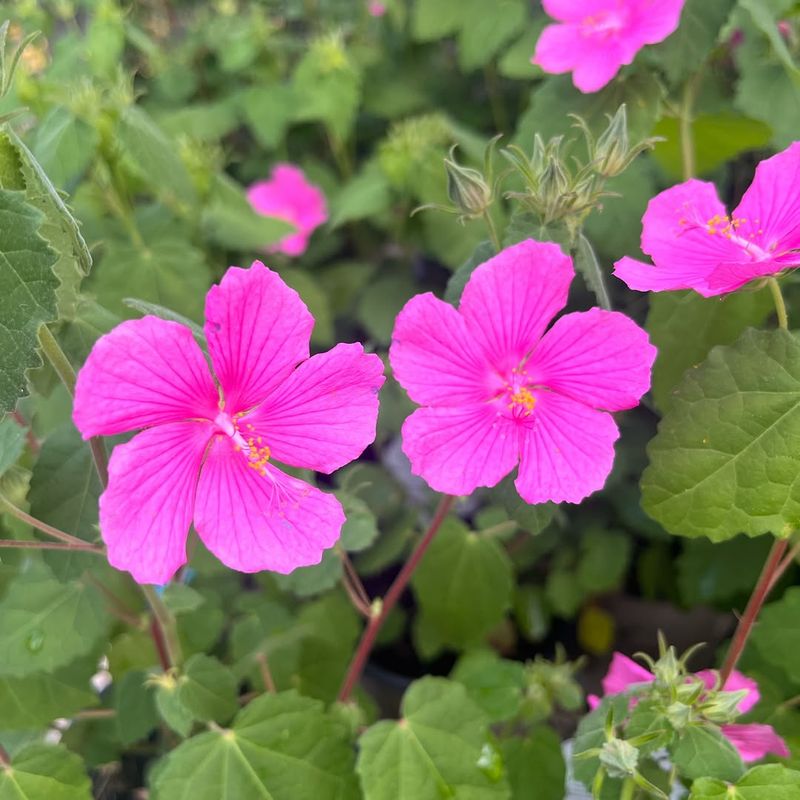
One of the most impressive things about Texas rock rose is how long it stays in bloom. While many flowering plants put on a big show for a few weeks and then fade, this plant keeps producing flowers from spring all the way through the first frost of fall.
That is a remarkably long blooming window for any garden plant. Individual flowers do not last long on their own. Each bloom typically opens for just one day before dropping off.
But here is the thing: the plant keeps making new flowers constantly, so the overall display stays fresh and colorful for months at a time. It is like a relay race where new blooms keep passing the baton before the previous ones finish.
Even during the hottest weeks of summer, when many flowering plants slow down or stop blooming entirely, Texas rock rose keeps going. The heat that sends other flowers into retreat does not seem to bother this plant much at all.
Gardeners in central and south Texas often report blooms well into October. Sunlight plays a big role in how well the plant flowers. Plants grown in full sun tend to produce far more blooms than those tucked into shadier spots.
If you want the strongest, most consistent color display, choose a location that gets at least six to eight hours of direct sun each day.
The combination of a long blooming season and continuous flower production makes Texas rock rose an excellent choice for gardeners who want color without constant replanting or deadheading. It is genuinely one of the most reliable bloomers native to this region.
Where To Plant It
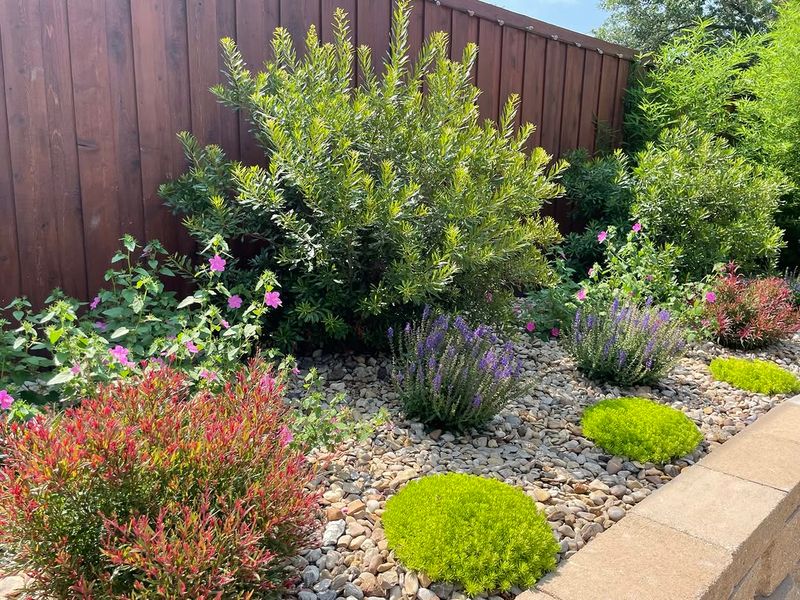
Choosing the right spot for Texas rock rose makes a real difference in how well it performs. Get the location right, and this plant practically takes care of itself.
Get it wrong, and you may find yourself dealing with a plant that struggles more than it should.
Sun is the most important factor. Texas rock rose wants full sun, meaning at least six hours of direct sunlight per day.
It can handle a little light shade in the afternoon, especially in the hottest parts of the state, but too much shade will reduce flowering and weaken the plant over time. South-facing and west-facing garden beds are usually ideal.
Soil drainage matters just as much as sunlight. This plant absolutely does not like sitting in wet or waterlogged soil.
Choose a location where water drains away quickly after rain or irrigation. Rocky soil, sandy soil, and even poor native Texas soil work well for this plant. Rich, heavy clay soil that holds water can cause root problems over time.
Texas rock rose fits naturally into native gardens, xeriscapes, rock gardens, cottage-style borders, and informal landscape beds. It looks especially at home paired with other Texas natives like black-eyed Susans, lantana, and salvia.
The loose, mounding shape works well along fence lines, property edges, and sloped areas where erosion can be a concern.
Give each plant enough room to spread out without crowding its neighbors. A spacing of about three to four feet between plants is a good starting point.
Crowding plants together restricts airflow, which can encourage fungal issues in humid conditions. Giving each plant its own space helps it grow into that naturally full, rounded shape it is known for.
How To Water And Maintain It
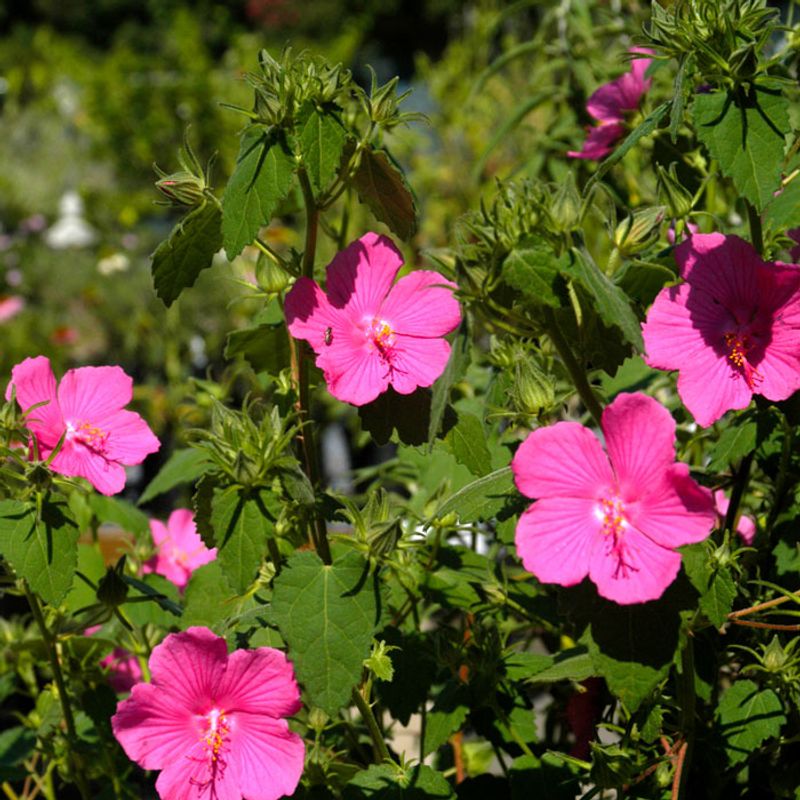
Watering Texas rock rose correctly depends a lot on where the plant is in its life. A newly planted specimen needs regular, consistent moisture while its roots are getting established.
During that first growing season, plan to water every few days, especially during hot and dry stretches. The goal is to keep the soil moist but never soggy.
Once the plant has been in the ground for a full season and its roots have spread out, the watering routine changes completely. Established plants prefer deep, infrequent watering over frequent shallow watering.
Watering deeply encourages roots to grow further down into the soil, which makes the plant more resilient during dry spells. A good rule of thumb is to water thoroughly and then let the soil dry out somewhat before watering again.
Avoid keeping the soil constantly wet. Soggy conditions around the roots can lead to root rot and other problems that weaken the plant over time.
If you are in a part of Texas that gets regular summer rain, you may find that established plants rarely need any supplemental watering at all.
Maintenance beyond watering is minimal, which is one of the reasons gardeners love this plant. Light pruning can help keep the plant’s shape tidy and encourage bushier, more compact growth.
If the plant gets leggy or sprawling, trim it back by about one-third to refresh its shape. Avoid heavy pruning during the hottest part of summer.
Fertilizer is generally not needed. Texas rock rose thrives in lean soil and can actually perform worse if over-fertilized. Skip the extra nutrients and let this tough native do what it naturally does best.
What Gardeners Should Know Before Planting
Before you head to the nursery, there are a few things worth knowing about Texas rock rose that can help you set realistic expectations. This plant is tough, beautiful, and low-maintenance, but it does have some quirks depending on where in Texas you live.
In colder parts of the state, Texas rock rose may drop its leaves or appear to fade away during winter. Do not give up on it too quickly.
Many gardeners have been surprised to see new growth emerging from the base of the plant once spring temperatures return. The roots often survive cold winters even when the above-ground growth does not.
In warmer parts of South Texas, the plant may stay semi-evergreen through mild winters. Mature plant size and winter behavior vary across different regions.
A plant growing in the Rio Grande Valley may behave quite differently from one growing in the Dallas-Fort Worth area.
Talking to local nursery staff or fellow Texas gardeners can give you a better sense of what to expect in your specific zip code.
On the wildlife side of things, Texas rock rose is a genuine pollinator magnet. Bees, butterflies, and other beneficial insects visit the flowers regularly. Planting it supports local ecosystems in a small but meaningful way.
One honest note worth mentioning: the idea that this plant never wilts at 104 degrees is not a guarantee. Even heat-tolerant plants can show signs of stress when they are newly planted, severely dry, or dealing with root damage.
Proper establishment care matters. Treat it well during those first few months, and Texas rock rose will reward you with years of low-fuss, high-color beauty.