Virginia’s Best Porch Plant For Repelling Mosquitoes
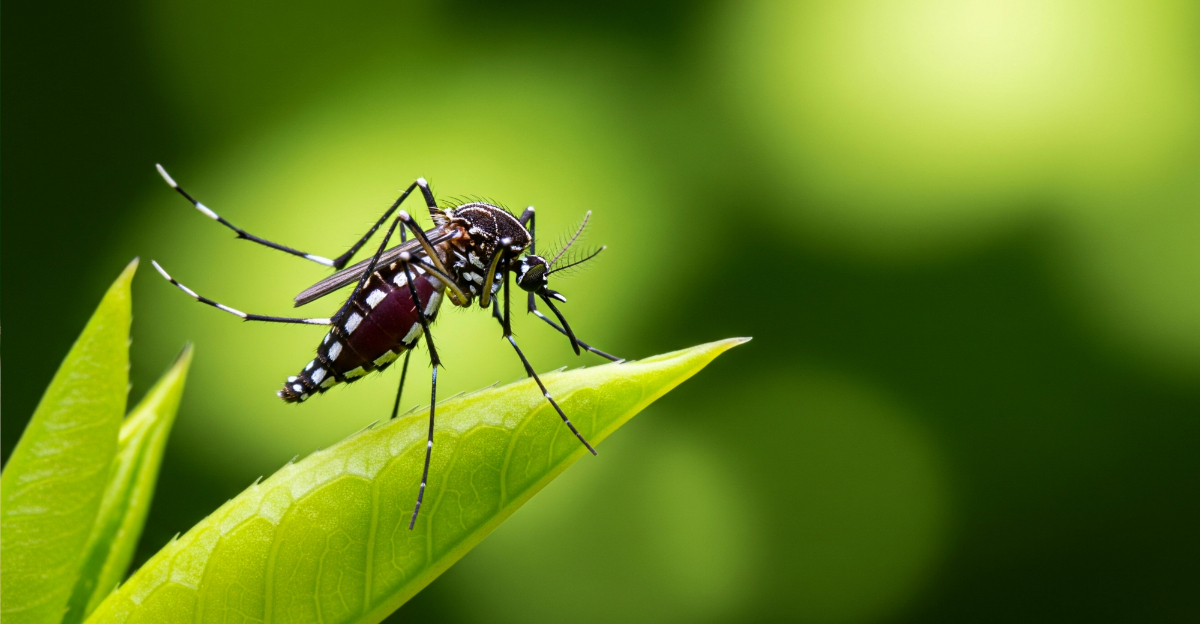
A Virginia porch at dusk should smell like fresh-cut grass, not sound like a swarm circling your ankles. Mosquitoes have a talent for turning a peaceful evening into an itchy mess within minutes.
One plant sitting quietly in garden centers across the state might change that equation entirely. It grows easily in containers, tolerates Virginia’s humid summers without complaint, and carries a soft, silvery texture that looks at home on any porch railing.
What makes it worth planting has nothing to do with its looks. A compound inside its leaves interferes with how mosquitoes detect skin and breath, and some research points to it outperforming DEET at comparable concentrations.
That claim alone is enough to make any Virginia gardener curious.
Meet The Porch Plant Virginia Gardeners Swear By
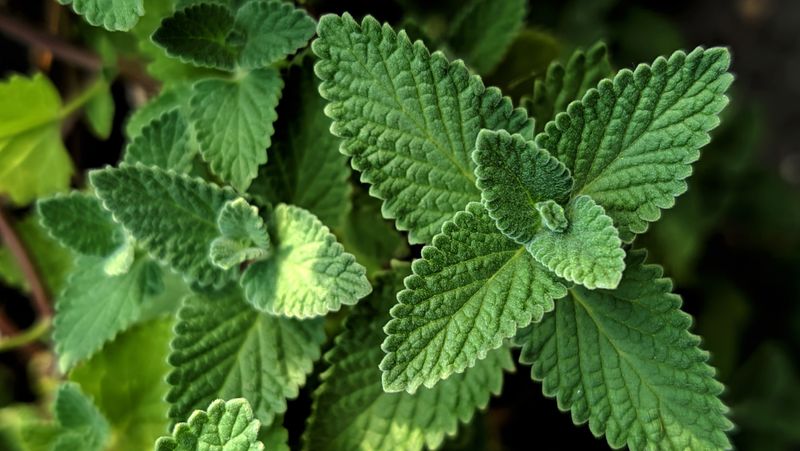
Catnip has quietly become a favorite among Virginia gardeners for one specific reason. Most people think of it as a quirky cat toy, but Virginia gardeners know a different story entirely.
Catnip, known scientifically as Nepeta cataria, is widely regarded as one of the most effective natural mosquito repellents available to home gardeners. Its strong herbal scent confuses and deters mosquitoes before they even get close to you.
Growing this plant on your porch is one of the simplest upgrades you can make this season. A single container-grown catnip plant can cover a surprising amount of outdoor space with its protective scent.
The plant itself is attractive, with soft gray-green leaves and clusters of tiny white or lavender flowers. It looks right at home on any Virginia porch, from a farmhouse in the Shenandoah Valley to a townhouse deck in Northern Virginia.
Best of all, catnip is incredibly low maintenance. It tolerates heat, handles some drought, and bounces back fast after trimming.
You do not need a green thumb to keep it thriving through the season. Even gardeners who have struggled to keep any plant alive tend to do just fine with catnip.
If mosquitoes have been stealing your porch time, this plant is the answer you did not know you were looking for. Once you grow it, you will wonder how you ever survived a Virginia summer without it.
Why Nepetalactone Makes Catnip More Effective Than DEET
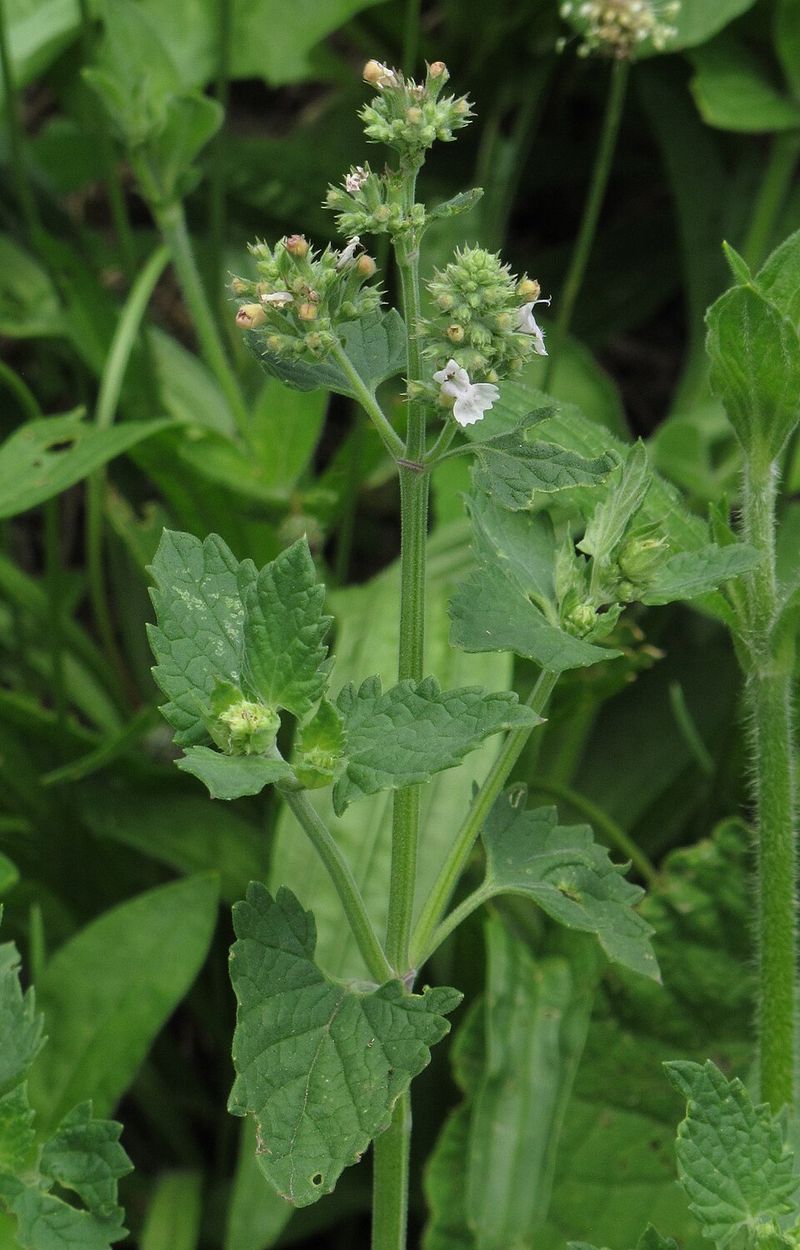
Here is something that will make you rethink your bug spray cabinet. A compound called nepetalactone, found naturally in catnip, has been shown to repel mosquitoes more powerfully than DEET in several studies.
Nepetalactone is the same chemical that makes cats go absolutely wild. For mosquitoes, though, it sends a completely different signal, one that says stay far away.
Iowa State University researchers published findings showing catnip oil was roughly ten times more effective than DEET at repelling mosquitoes in lab settings. That number alone should make any porch lover sit up and pay attention.
The compound works by activating a pain-sensing receptor in mosquitoes. Essentially, the smell of catnip feels unpleasant to them on a biological level, not just a behavioral one.
Your Virginia Garden Changes Every Week. Your Plan Should Too.
Gardening in Virginia changes quickly throughout the season. Every Friday you’ll receive a simple weekly plan showing exactly what to plant, prune, fertilize, harvest, and protect so you never miss the right timing.
What makes this even better is that nepetalactone is generally considered safe for humans and pets when used as directed, unlike many synthetic repellents. You are not trading one problem for another when you choose catnip.
The concentration of nepetalactone is highest in fresh, healthy leaves. That means a well-watered and well-fed catnip plant is always going to outperform a stressed or neglected one.
Keeping your plant in good shape is not just about looks, it is about maximizing that chemical punch. A thriving catnip plant becomes one of your porch’s strongest natural defenses, and it costs almost nothing to maintain once established.
Growing Catnip In Containers For Maximum Porch Coverage
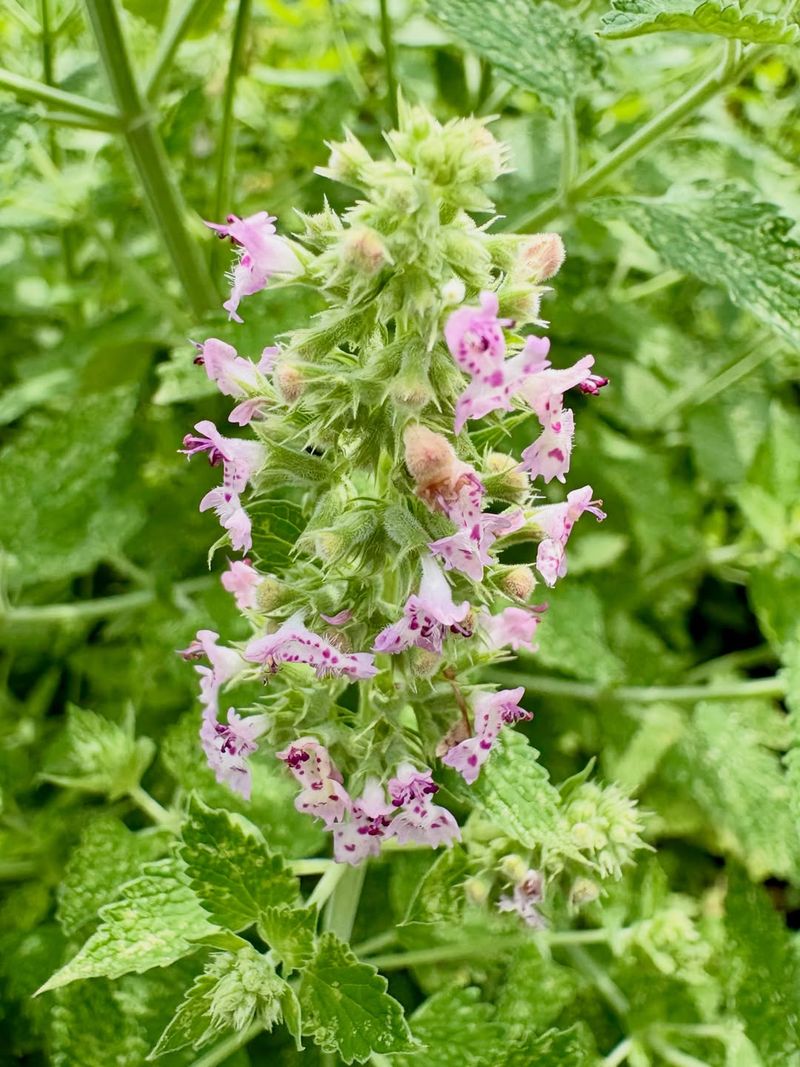
Container gardening is a favorite trick of porch lovers everywhere. Growing catnip in pots gives you total control over placement, and you can move the plants wherever mosquitoes seem worst.
Choose a container that is at least twelve inches wide and deep. Catnip has a surprisingly robust root system, and a cramped pot will slow its growth and reduce leaf production.
A well-draining potting mix works best for this herb. Avoid heavy garden soil in containers, since it holds too much moisture and can cause root rot over time.
Place your pots near seating areas, doorways, and any spots where you tend to linger on warm evenings. Strategic placement multiplies the plant’s mosquito-repelling reach across your whole porch.
Catnip loves full sun but will tolerate partial shade, which makes it flexible for porches with varying light conditions. Aim for at least six hours of direct sunlight per day for the strongest scent production.
Water your container plants when the top inch of soil feels dry to the touch. Overwatering is the most common mistake people make, and it weakens the plant’s natural defenses quickly.
One pro tip from experienced Virginia gardeners: cluster three or four pots together near your favorite chair. The combined scent creates a stronger barrier than a single plant could manage alone.
Porch coverage is all about smart layering, and catnip in containers makes that effortless and affordable all season long.
Crushing Leaves Releases The Strongest Mosquito-Repelling Scent
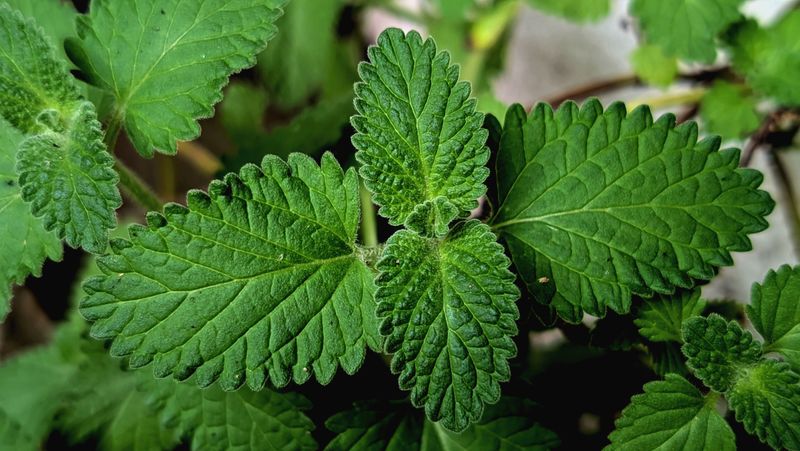
Your nose already knows something is happening the moment you brush against a catnip leaf. That sharp, minty, almost medicinal smell is the nepetalactone escaping from tiny oil glands on the leaf surface.
Crushing the leaves releases far more of that scent than simply having the plant nearby. Think of it like squeezing a lemon, the real power is inside, waiting to be released.
Before you sit outside on a summer evening, take a few seconds to pinch and rub several leaves between your fingers. You can then rub the crushed leaves directly on your skin for added personal protection.
This old-fashioned trick works surprisingly well and has been used by herb gardeners for generations. It costs nothing and leaves a pleasant, earthy fragrance that most people find far more appealing than chemical sprays.
You can also place crushed leaves in small bowls around your porch table. The open surface area lets the scent drift outward and cover a wider zone than intact leaves would.
Some people tie bundles of crushed catnip stems near porch railings or hang them by doorways. As the breeze moves through, the scent disperses naturally and keeps bugs at a distance.
Refreshing the crushed leaves every hour or two keeps the scent potent during long outdoor gatherings. The more you engage with the plant, the harder it works for you all evening long.
Companion Plants That Boost Catnip’s Bug-Repelling Power
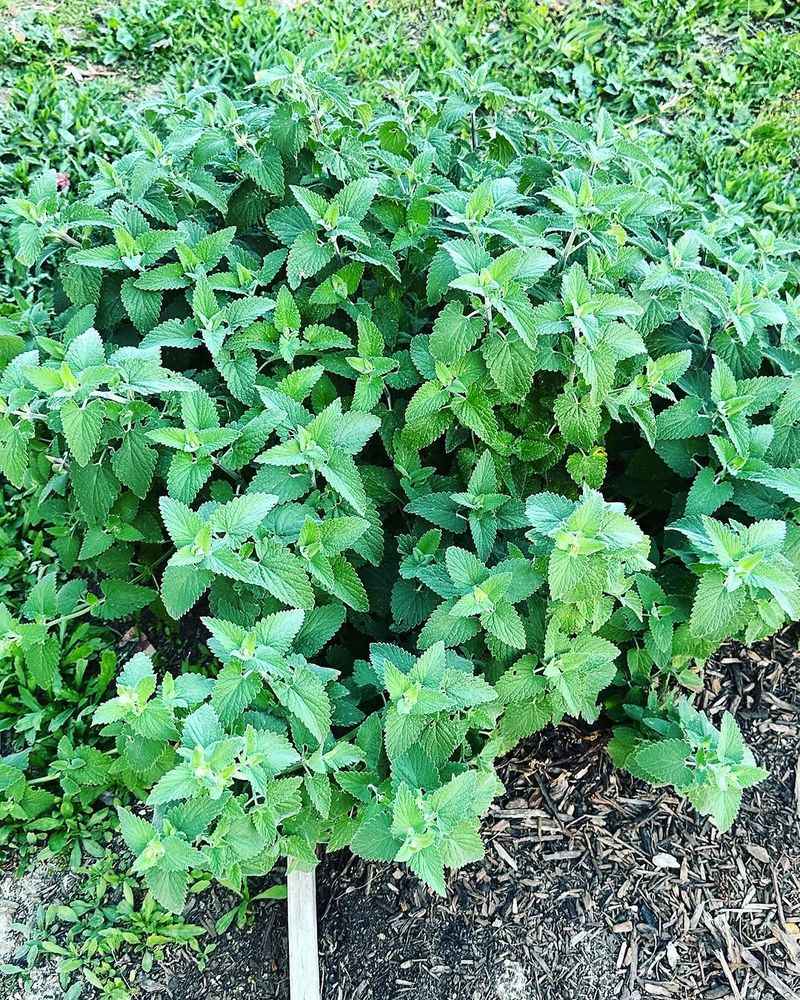
Catnip is impressive on its own, but pairing it with the right companions makes your porch far less inviting to mosquitoes. Plant partnerships in the garden world are a real and powerful thing.
Lavender is one of the best allies for catnip when it comes to repelling insects. Its floral, slightly sharp scent works on a different mosquito receptor than nepetalactone does, giving bugs two reasons to stay away.
Lemongrass contains citronella, the same compound used in most outdoor candles and torches. Placing a pot of lemongrass next to your catnip doubles the aromatic barrier around your seating area.
Basil is another powerhouse companion that does double duty. It repels mosquitoes and also keeps away whiteflies and aphids that might otherwise stress your catnip plant.
Rosemary brings a woody, resinous scent that mosquitoes find deeply unappealing. As a bonus, it is drought-tolerant and thrives in Virginia’s hot summer conditions without much fuss.
Marigolds round out the companion planting dream team with their sharp, pungent aroma. Plant them in pots at the edges of your porch to create a scented perimeter that bugs do not want to cross.
Mixing these plants together in a layered arrangement also creates a visually stunning display. Your porch ends up looking like a curated herb and flower garden while quietly doing serious pest control work around the clock.
Keeping Catnip Thriving Through Virginia’s Growing Season
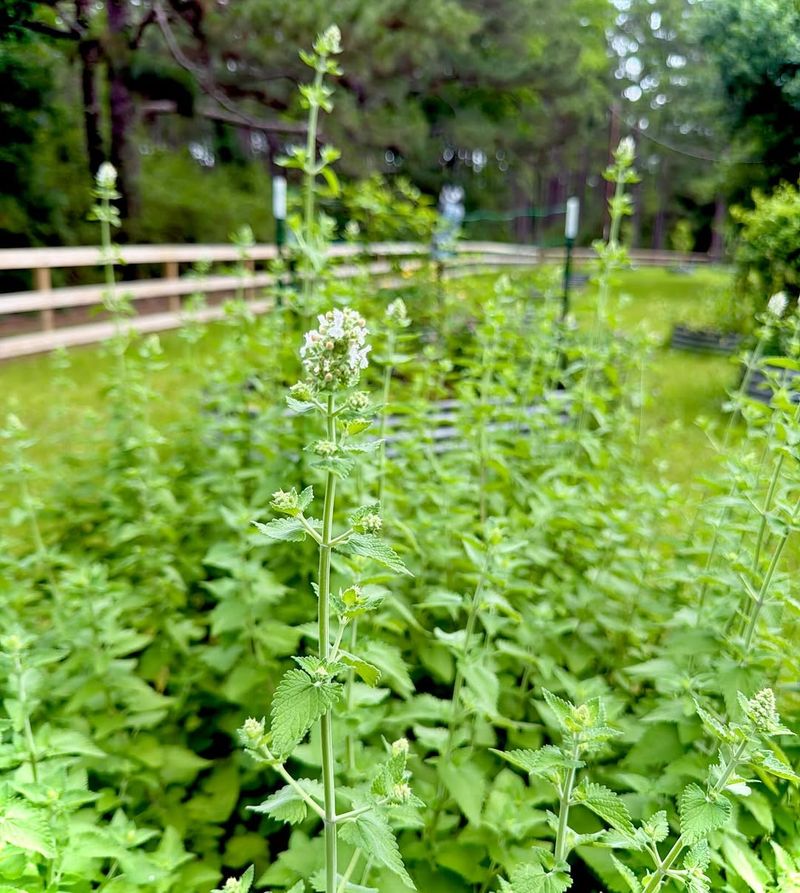
Virginia summers are no joke, with humidity, heat waves, and sudden downpours all showing up uninvited. Catnip handles these conditions better than most herbs, but a little attention goes a long way.
Pruning is your best tool for keeping catnip productive all season. Cutting the plant back by one-third after it flowers encourages fresh leafy growth and prevents it from going woody and sparse.
Removing spent blooms is a small task with a big payoff. Removing old flower heads redirects the plant’s energy back into producing the lush leaves that hold the most nepetalactone.
Fertilize lightly once a month with a balanced, slow-release fertilizer. Catnip does not need heavy feeding, and too much nitrogen can actually reduce the concentration of its essential oils.
Watch for powdery mildew during humid stretches, which is common in Virginia from July through September. Improving air circulation around the plant and avoiding overhead watering keeps this fungal issue from taking hold.
If temperatures spike above ninety degrees for several days in a row, move container plants to a spot with afternoon shade. A brief break from intense sun prevents wilting and keeps the foliage looking full and healthy.
By the end of the growing season, a well-tended catnip plant will be full, fragrant, and still working hard to keep mosquitoes away. Protecting your plant means protecting your porch all the way through those last warm evenings of fall.