Can You Legally Force A Neighbor To Remove Invasive Blackberries In Oregon?
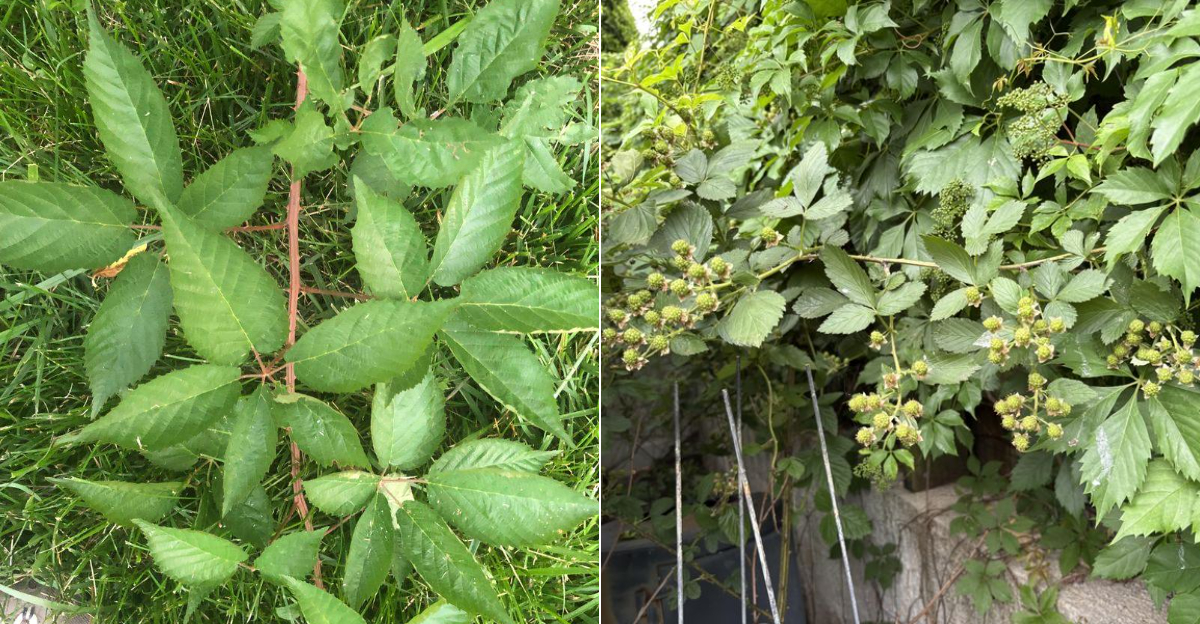
Invasive blackberries do not respect property lines. A thorny cane can push through a fence, take root next door, and turn a small yard dispute into a neighborhood standoff.
Suddenly, the question is not who owns the pruning shears. It is who has the legal right to demand action.
Oregon property laws can make the answer less obvious than expected. A neighbor may hate the overgrowth, but frustration alone does not always create the power to order its removal.
The situation can change when the plants cause damage or violate local rules. Even then, the next step may depend on where the roots sit and how far the canes have spread.
So, can you force your neighbor to clear the blackberry patch? The answer rests on several details that homeowners often miss.
One wrong move could also leave you responsible for damage on the other side of the fence.
1. You Usually Cannot Force Removal Yourself
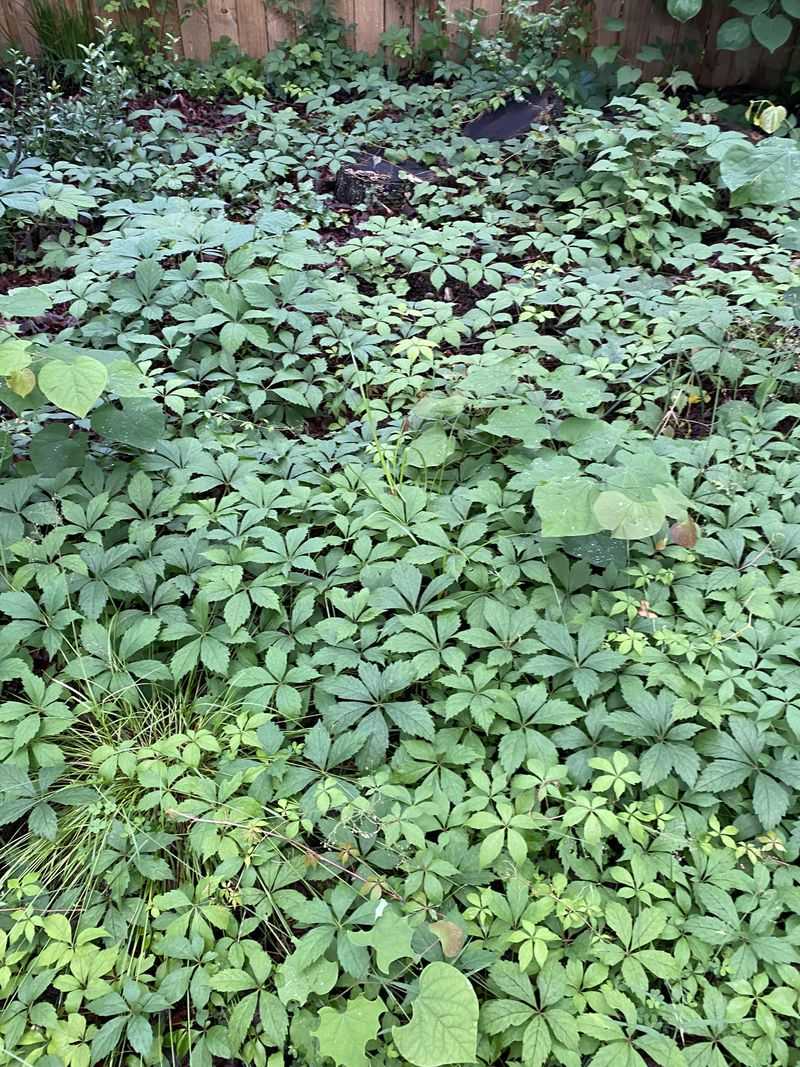
Most homeowners are surprised to learn that simply demanding your neighbor remove invasive blackberries carries very little legal weight on its own.
There is no single statewide law in Oregon that automatically requires every private landowner to clear invasive plants from their property.
That means your frustration, while completely understandable, does not automatically translate into a legal obligation for your neighbor.
Without a specific local ordinance or a formal complaint filed through the right channels, you generally have no direct power to force removal. You cannot show up with a letter and expect the law to back you up unless you have done the proper groundwork first.
The process usually involves contacting local authorities rather than confronting your neighbor directly.
That said, doing nothing is rarely the best move either. Starting with a calm, friendly conversation with your neighbor is always the recommended first step.
Many people do not realize how far their blackberries have spread or how much damage they are causing to surrounding properties.
If talking does not work, your next move is to contact your county weed control board or local code enforcement office. These agencies have the authority to investigate and, in some cases, issue notices requiring action.
Going through official channels is far more effective than trying to handle things yourself, and it protects you legally if the situation escalates later on.
2. Invasive Does Not Automatically Mean Illegal
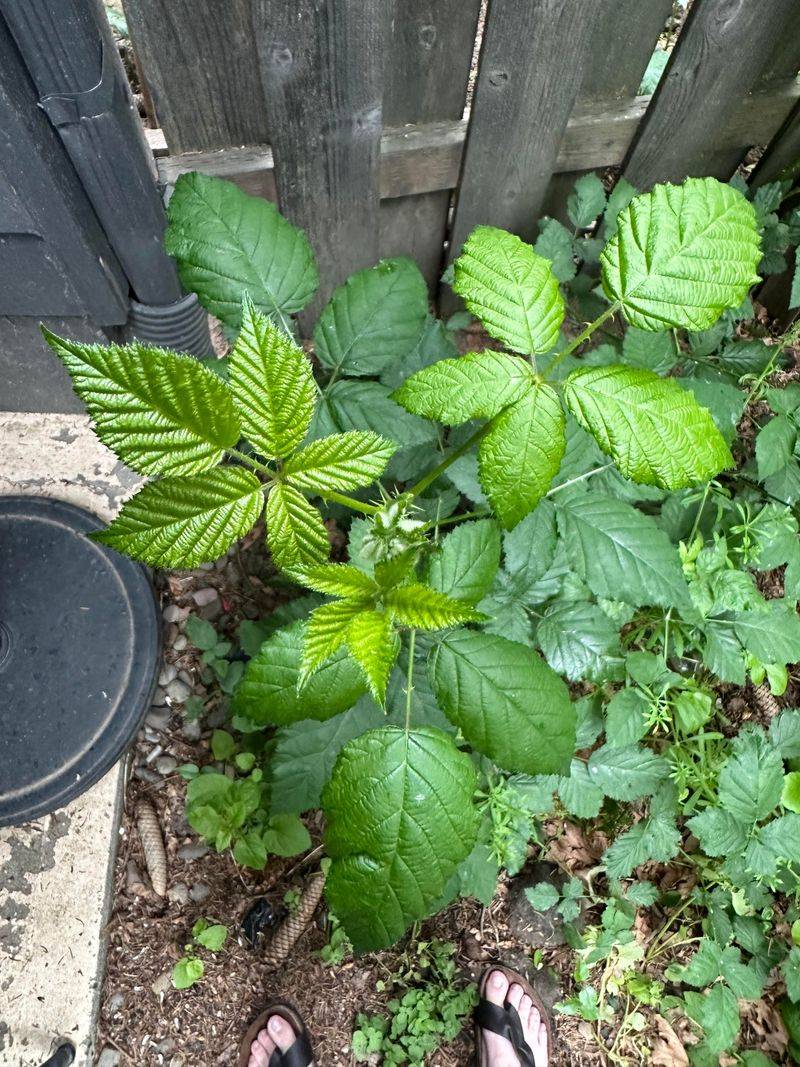
Here is something that trips up a lot of people. Just because a plant is classified as invasive does not mean it is illegal to have on your property.
Himalayan blackberries are listed as a Class B noxious weed in this state, but that designation does not automatically make your neighbor a lawbreaker for having them growing in their yard.
Class B status means the plant is a concern and control is encouraged, but it does not always mean mandatory removal is required for every landowner. Enforcement priorities and requirements can vary quite a bit from one county to the next.
Some counties are more aggressive about enforcement than others, especially in agricultural or rural areas.
Your Oregon Garden Changes Every Week. Your Plan Should Too.
Gardening in Oregon changes quickly throughout the season. Every Friday you’ll receive a simple weekly plan showing exactly what to plant, prune, fertilize, harvest, and protect so you never miss the right timing.
The noxious weed classification was designed largely to protect farmland, natural areas, and public lands. Residential properties fall into a grayer area when it comes to enforcement.
Homeowners are encouraged to manage invasive plants, but they are not always legally required to eliminate them completely.
Understanding this distinction matters a lot before you go into a conversation with your neighbor.
Accusing someone of breaking the law when they technically are not can make the situation worse and damage your relationship.
Coming in with accurate information and a cooperative attitude usually gets better results than leading with accusations.
Knowing the difference between invasive and illegal gives you a much clearer starting point for any discussion or complaint you plan to file.
3. Property-Line Growth Changes The Issue
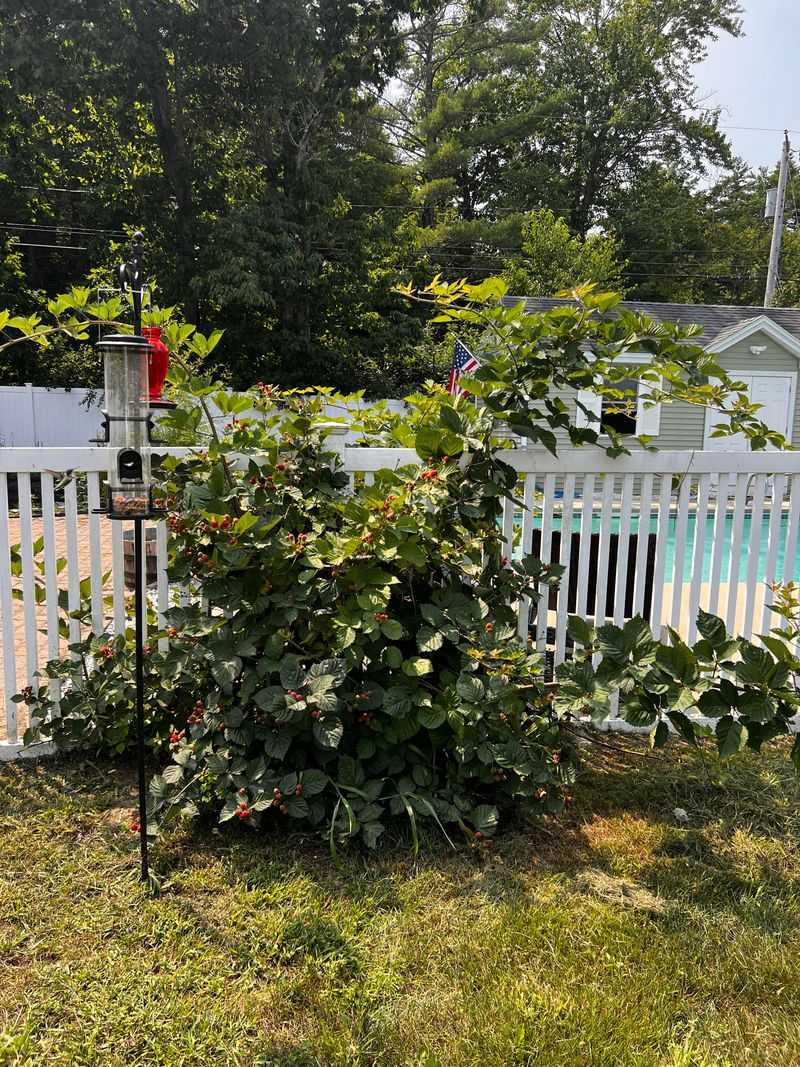
When blackberry canes stay entirely within your neighbor’s yard, your legal options are quite limited.
But the moment those canes cross the property line and start growing into your space, the situation shifts in your favor.
Property encroachment is taken seriously under Oregon property law, and you have more standing to act when the plant physically enters your land.
Encroachment from a neighboring property is a recognized legal issue. Roots and branches, including thorny canes, that cross a boundary line are considered your neighbor’s responsibility.
Courts have consistently upheld the idea that a property owner cannot allow their plants to invade someone else’s land without consequence.
Documenting the encroachment is a smart move from the start. Take clear photos with timestamps showing where the canes are crossing the line.
If you know exactly where your property boundary is, mark it clearly and photograph the plant growth relative to that boundary.
Having this kind of evidence is extremely helpful if you ever need to file a formal complaint or take the matter to small claims court. It also strengthens your position when talking to local code enforcement.
The more specific and visual your documentation is, the easier it becomes for officials or a judge to understand the problem.
Property-line encroachment gives you a real, concrete legal hook that goes beyond just complaining about an invasive plant growing next door.
It changes the conversation from a general nuisance into a specific property rights issue.
4. You Can Usually Trim What Crosses Over
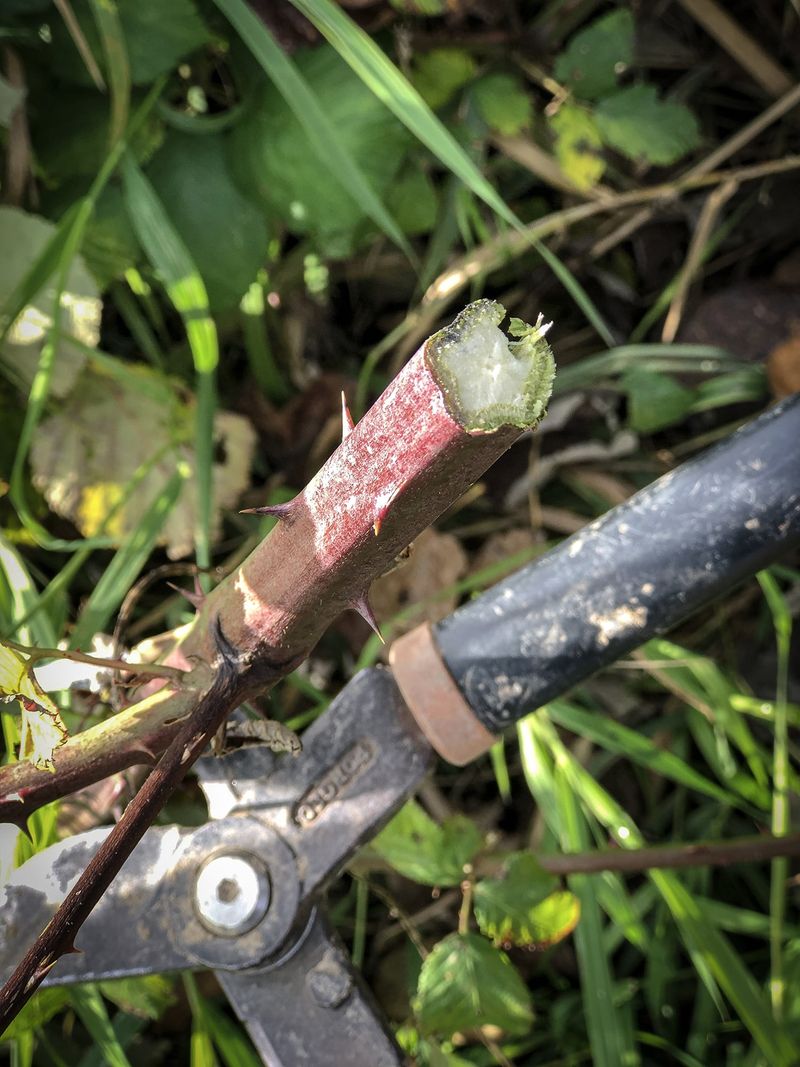
One of the clearest rights you have as a property owner is the right to trim vegetation that crosses onto your land. This is a well-established principle in property law across the country, and Oregon is no exception.
If blackberry canes are hanging over the fence or rooting into your yard, you are generally allowed to cut them back to the property line.
You do not need your neighbor’s permission to trim what is physically on your side of the boundary. That said, there are some important limits to keep in mind.
You can only cut back to the property line, not beyond it, and you cannot trespass onto your neighbor’s property to do the work.
Wearing thick gloves and using long-handled loppers or pruning shears makes the job much safer. Himalayan blackberry canes have sharp, curved thorns that can cause serious scratches if you are not careful.
Cutting the canes back regularly, especially in spring and summer when growth is fastest, can help keep them from taking over your yard.
Keep in mind that trimming alone will not remove the plant permanently. The roots stay in your neighbor’s soil, and the canes will grow back.
But consistent trimming on your side at least keeps your yard manageable while you work through other options.
Staying on top of it seasonally is far less overwhelming than letting the growth get completely out of hand before you address it.
5. Do Not Trespass To Remove The Canes
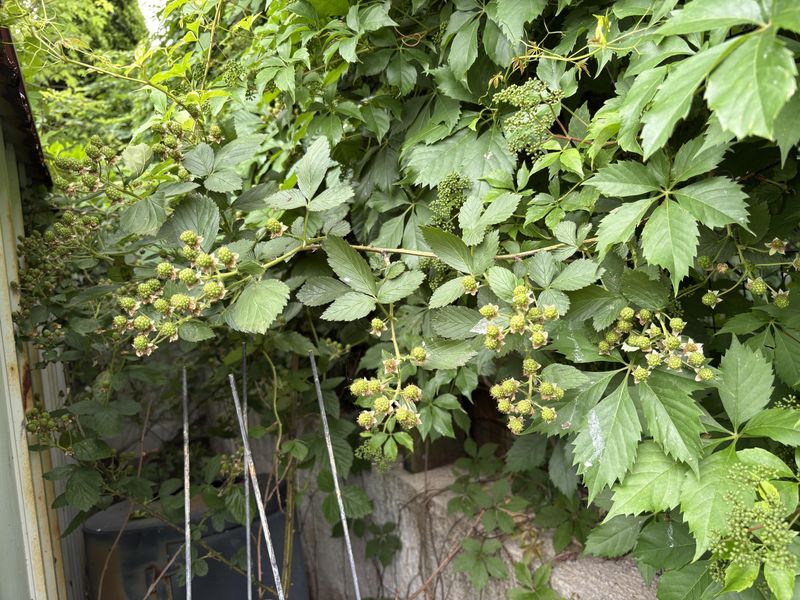
Frustration can push people to take matters into their own hands, but stepping onto your neighbor’s property without permission to remove blackberry canes is a mistake that can seriously backfire. Trespassing is a legal offense even when your intentions are good.
No matter how out of control the plants are, crossing that boundary without consent puts you in the wrong.
Even if your neighbor seems neglectful or unresponsive, the law does not give you the right to enter their land to fix what you see as their problem.
Doing so could expose you to civil liability or even criminal trespassing charges in serious cases.
The temporary satisfaction of clearing those canes is not worth the legal trouble it can cause.
If your neighbor has verbally agreed to let you help with the removal, get that agreement in writing before you start.
A simple signed note or even a text message exchange that clearly shows consent can protect you if a dispute comes up later.
Never assume a casual comment means you have full permission to enter and work on their property.
The smarter path is always to go through official channels if your neighbor refuses to cooperate.
County weed control programs, code enforcement, and mediation services exist precisely for situations like this.
These routes take longer, but they protect your legal standing and keep you from accidentally becoming the person in the wrong during what started as a legitimate complaint about invasive plants.
6. Fence Damage Makes The Case Stronger
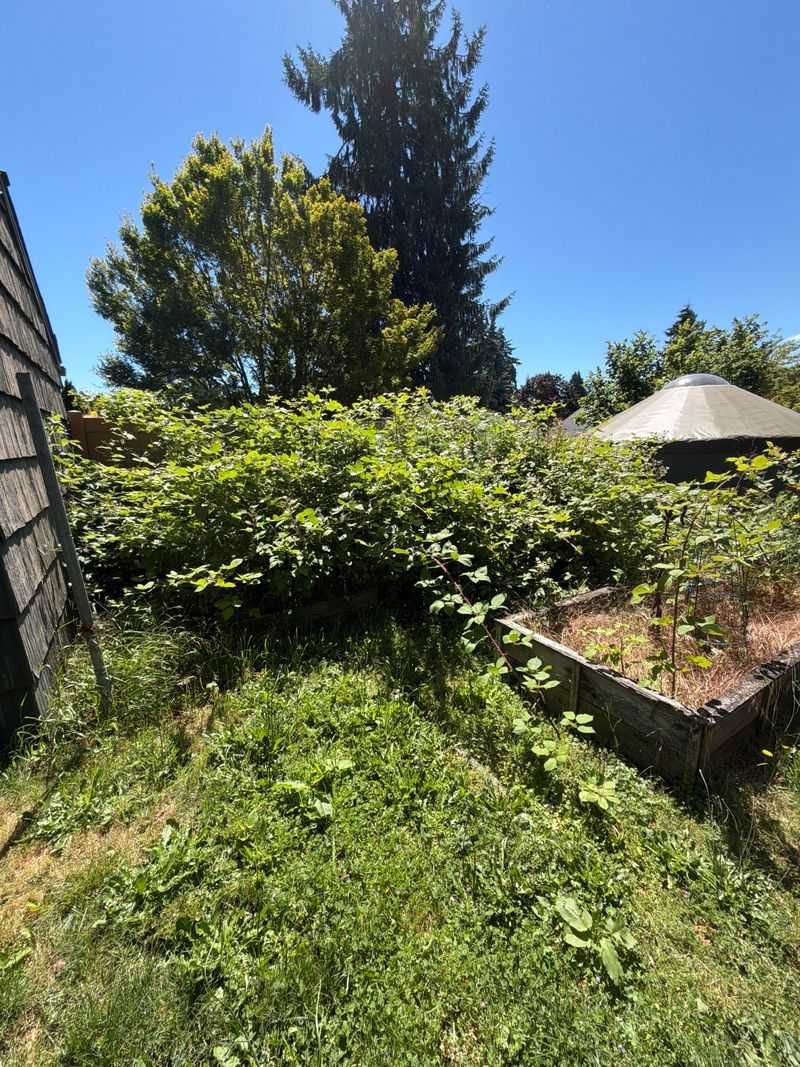
If those blackberry canes are doing more than just growing near your fence and are actually causing physical damage, your legal standing gets much stronger.
Property damage is a concrete, documentable harm that courts and code enforcement take more seriously than a general complaint about an unwanted plant.
Blackberry canes can be surprisingly powerful and are known to push through, lift, and warp wooden fence panels over time.
Start documenting the damage right away with dated photos and video. Show the canes pressing against or growing through the fence, and capture any warping, cracking, or displacement of the fence boards.
If you have receipts for fence repairs you have already made because of the blackberry growth, hold onto those as well.
Damage to a shared or property-line fence can create a direct financial liability for your neighbor.
In many cases, this is enough to prompt action when a general invasive plant complaint would not.
People respond differently when there is a dollar amount attached to the problem.
If you need to repair or replace a fence damaged by encroaching blackberries, you may have the right to seek reimbursement from your neighbor through small claims court. The process is relatively straightforward and does not require a lawyer.
Having solid photo documentation and repair estimates or receipts makes your case much easier to present.
Fence damage turns an environmental nuisance into a property damage claim, and that is a much easier argument to make in any legal setting.
7. Nuisance Rules May Apply Locally
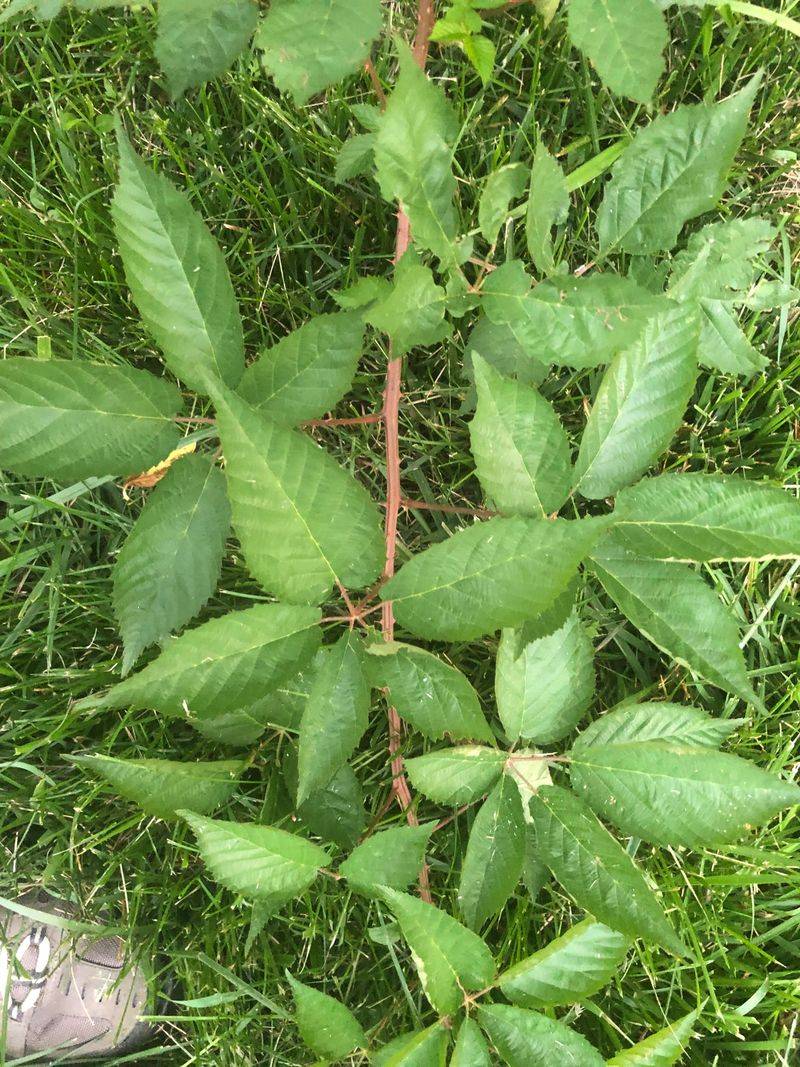
Beyond statewide noxious weed laws, many cities and counties across Oregon have their own local nuisance ordinances that can apply to overgrown vegetation.
These rules often cover situations where plant growth becomes a public safety concern, blocks visibility, or significantly impacts neighboring properties.
Himalayan blackberries, with their dense thorny thickets, can absolutely qualify under some of these definitions.
Local nuisance ordinances vary widely depending on where you live. Some cities have very specific rules about vegetation height and spread near sidewalks, roads, or neighboring fences.
Others focus more broadly on properties that are deemed hazardous or poorly maintained. Checking with your city or county code enforcement office is the best way to find out what rules apply in your specific area.
Filing a nuisance complaint is a formal process, and it is worth doing it correctly. Most offices allow you to submit complaints online, by phone, or in person.
Once a complaint is filed, an officer is typically sent to inspect the property and determine if a violation exists.
If a violation is confirmed, the property owner is usually given a notice and a due date to address the issue. Ignoring that notice can result in fines or the city arranging removal and billing the property owner.
Local nuisance rules can be a surprisingly effective tool when you feel stuck and your neighbor is not responding to direct requests. It is a structured, official way to push for action without getting into a personal conflict.
8. County Weed Programs May Be A Better Route
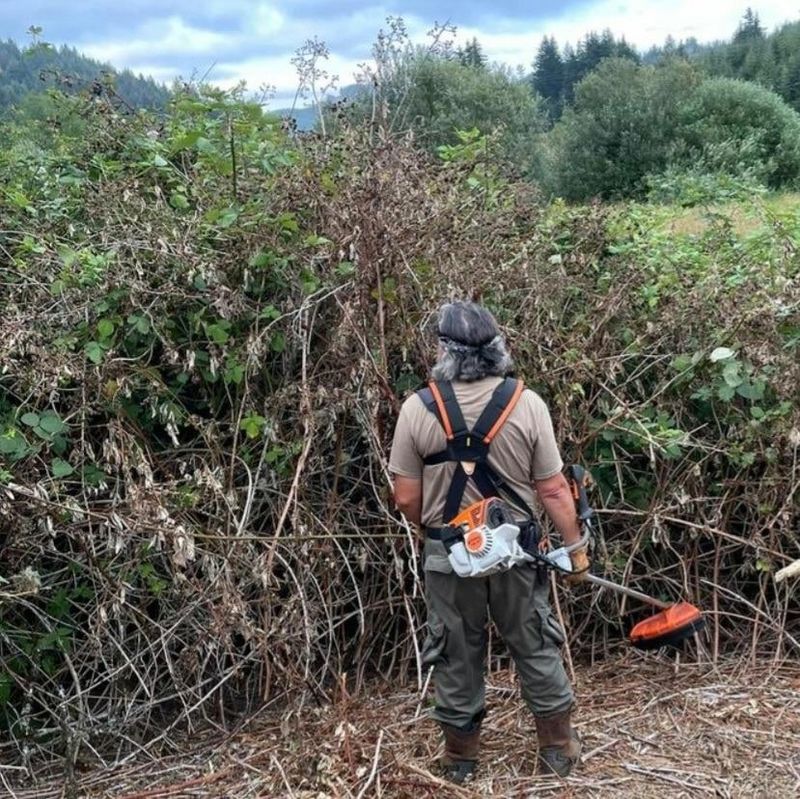
Many people do not realize that most counties in this state have dedicated weed control programs staffed by people whose entire job is managing invasive plants like Himalayan blackberries.
These programs are often underused by residents, but they can be one of the most effective tools available when a neighbor refuses to act on a serious infestation.
County weed control boards have the authority to inspect properties, issue notices to landowners, and in some cases require control measures under state noxious weed laws. The process is more official than a personal complaint, and it carries real weight.
A letter from a county weed board lands very differently than a note from a frustrated neighbor.
Getting in touch with your county weed control office is usually free and straightforward. Many offices have a complaint or referral process that allows residents to flag problem properties.
From there, an inspector may visit the site and assess whether the infestation meets the threshold for official action.
Some programs even offer resources to help landowners manage invasive plants, including information on control methods and sometimes even cost-share programs for removal. This approach is cooperative rather than combative, which often leads to better outcomes.
Using the county weed program also keeps you out of a direct conflict with your neighbor while still moving the issue forward through legitimate channels.
It is a practical, low-stress path that many residents overlook simply because they did not know it existed.