August Watering Mistakes Are Why Oregon Tomatoes Split Before You Can Pick Them
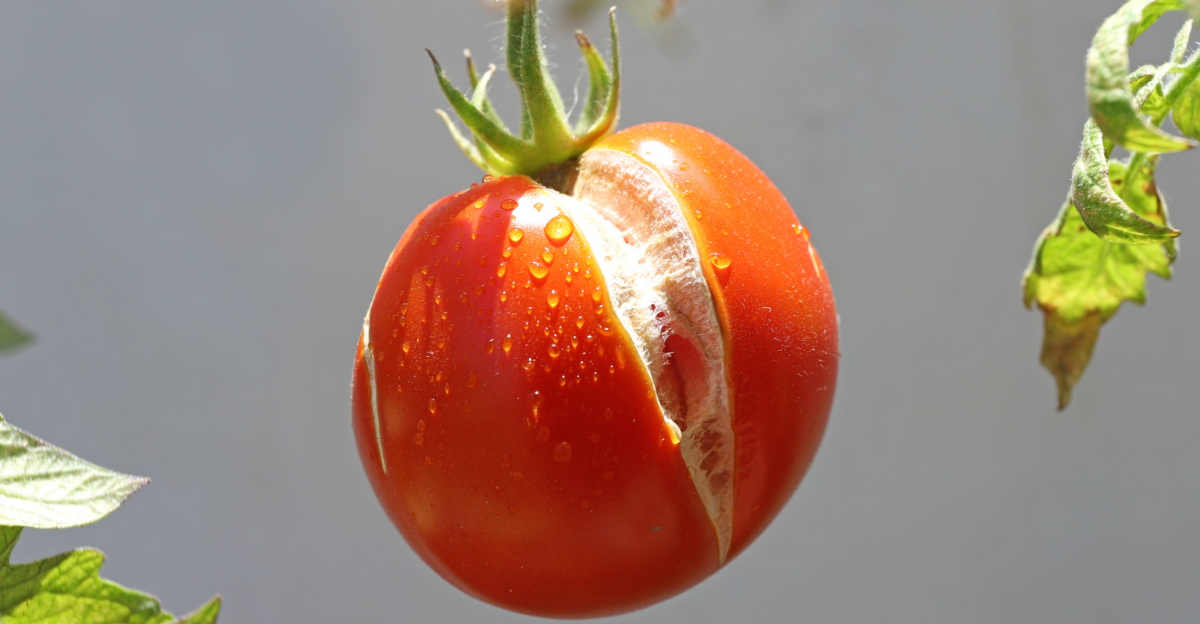
Nothing warns you before a ripe tomato splits wide open. That crack reveals something went wrong days before you even noticed. Oregon summers swing between intense dryness and sudden heavy rain.
Thirsty roots drink too fast once rain finally arrives. Your fruit swells quicker than its skin can stretch.
Pressure builds beneath the surface until it finally gives way. Bugs notice first, decay follows soon after.
Gardeners across Oregon lose fruit this way every August. Luck has nothing to do with what you’re seeing.
Timing your watering schedule matters more than you think. Small shifts in soil moisture cause major changes fast.
Understanding this pattern helps you protect every tomato left. Every crack reveals exactly what happened underground days earlier. Stopping this cycle is easier than you might expect.
Yet almost every case traces back to a single cause. Fixing it starts with knowing precisely where things really shift. You need these answers now, before another tomato splits open.
Why Tomato Splitting Spikes In Late Summer
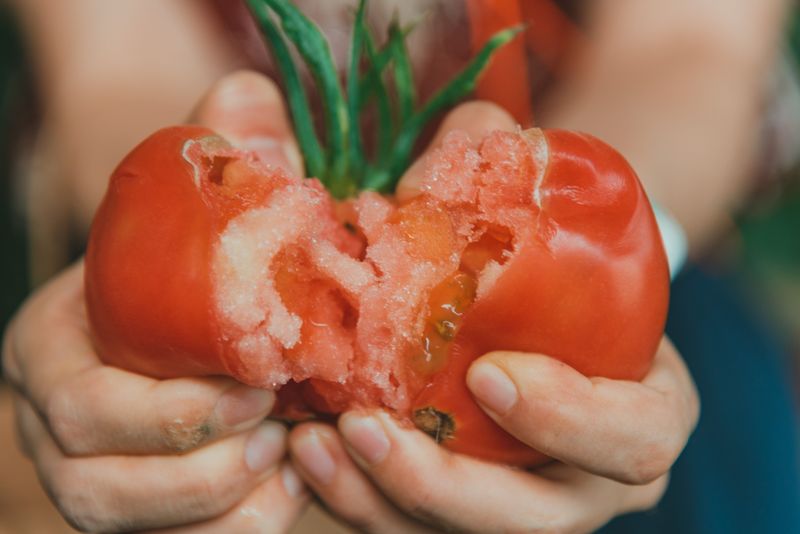
August is demanding on tomatoes. The fruit is at its biggest, the skin is stretched thin, and an inconsistent watering pattern can trigger a split within a day or two.
Late summer is when tomatoes are ripening fast and absorbing water at their peak rate. When soil moisture swings wildly, the inside of the fruit grows faster than the outer skin can handle.
That pressure causes the skin to crack, usually in a starburst pattern around the stem or in long lines down the sides. Oregon gardeners often see this spike in cracking during the peak weeks of August.
Temperatures climb, rain disappears, and gardeners sometimes skip a day or two of watering. Then they overcompensate with a heavy soak.
That cycle is the core reason August watering mistakes are why Oregon tomatoes split before you can pick them.
The frustrating part is that the tomato looks perfect from a distance. You get close and the damage is already done.
Knowing why this happens in late summer gives you the awareness to stop the pattern before it starts.
The Watering Habit Behind Most Cracked Tomatoes
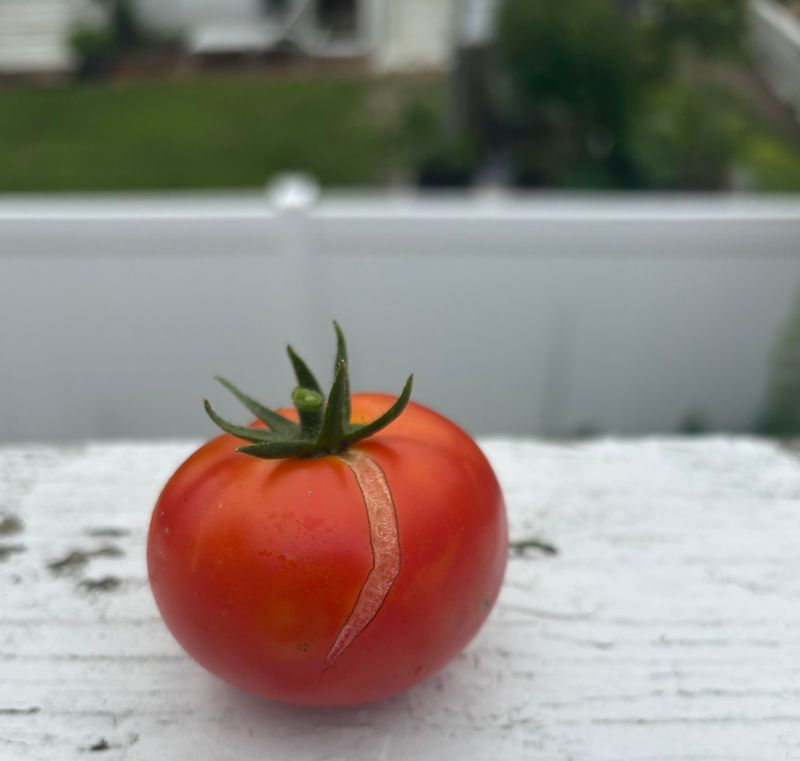
Inconsistent watering is the number one cause of cracked tomatoes. It is not drought, not heat, and not bad luck. It is the feast-or-famine cycle that most gardeners fall into without realizing it.
Skipping two or three days of watering lets the soil dry out deep into the root zone. The plant gets stressed and slows down. Then a big watering session floods the roots with moisture all at once.
The tomato absorbs that water rapidly to make up for the deficit. The fruit pulp swells quickly, but the skin, already slightly hardened from dryness, cannot stretch fast enough.
August watering mistakes are why Oregon tomatoes split before you can pick them, and this pattern is the biggest culprit. Gardeners often water based on how the surface soil looks, not what is happening deeper down.
Surface soil can look dry while the deeper root zone still holds moisture. Watering based on appearance instead of actual soil conditions sets up that dangerous swing.
Your Oregon Garden Changes Every Week. Your Plan Should Too.
Gardening in Oregon changes quickly throughout the season. Every Friday you’ll receive a simple weekly plan showing exactly what to plant, prune, fertilize, harvest, and protect so you never miss the right timing.
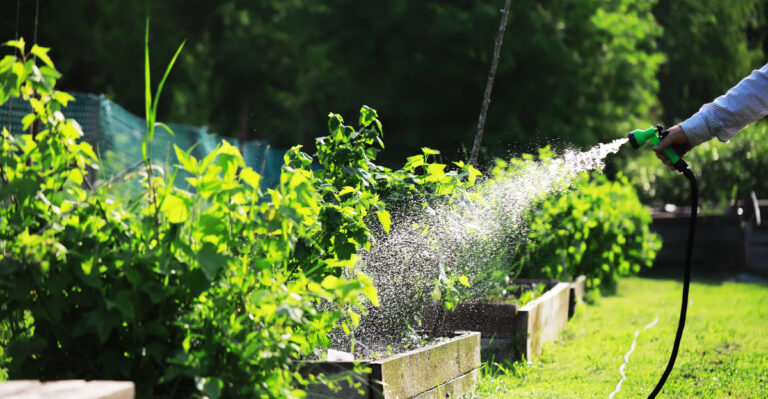
A simple fix is pushing your finger two inches into the soil before reaching for the hose. Consistent, measured watering protects the fruit far better than guessing.
How Oregon’s August Heat Makes It Worse
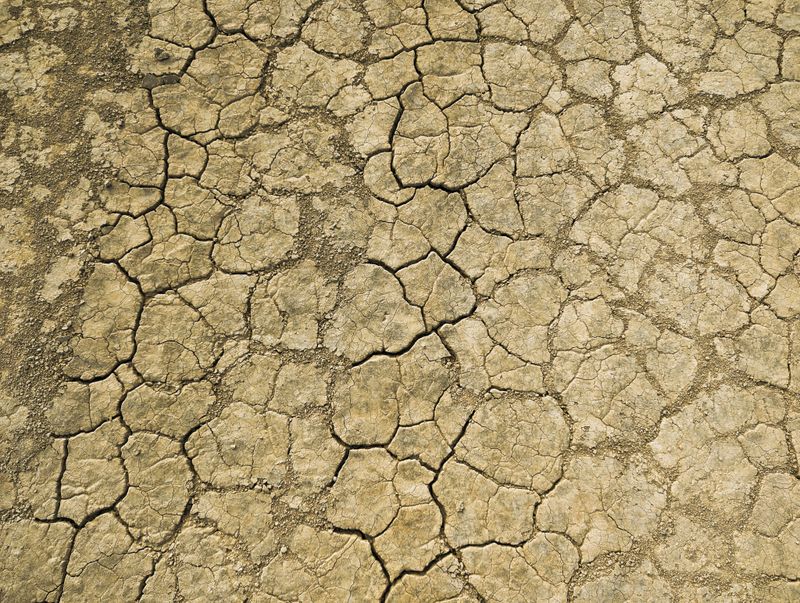
Oregon’s Willamette Valley heats up fast in August. Temperatures can climb into the upper 80s and low 90s, and the humidity drops sharply compared to spring. That combination accelerates soil moisture loss faster than most gardeners expect.
When soil dries out quickly in high heat, the tomato plant pulls water from wherever it can find it. The fruit itself becomes a temporary reservoir. Then when you water, the plant floods the fruit with moisture all at once.
Pacific Northwest summers are also known for extended stretches with little to no rainfall. Gardeners relying on natural precipitation get caught off guard when August arrives bone-dry.
The heat also thickens the tomato skin slightly during dry spells. A toughened skin has even less flexibility when moisture suddenly surges back in. That is when splitting accelerates.
Oregon’s climate creates ideal conditions for cracking during peak harvest season. Understanding this local pattern helps you plan ahead instead of reacting after the damage is done.
Adjusting your watering routine before August hits is the smartest move any Oregon gardener can make this season.
Spotting Early Signs Before Fruit Splits
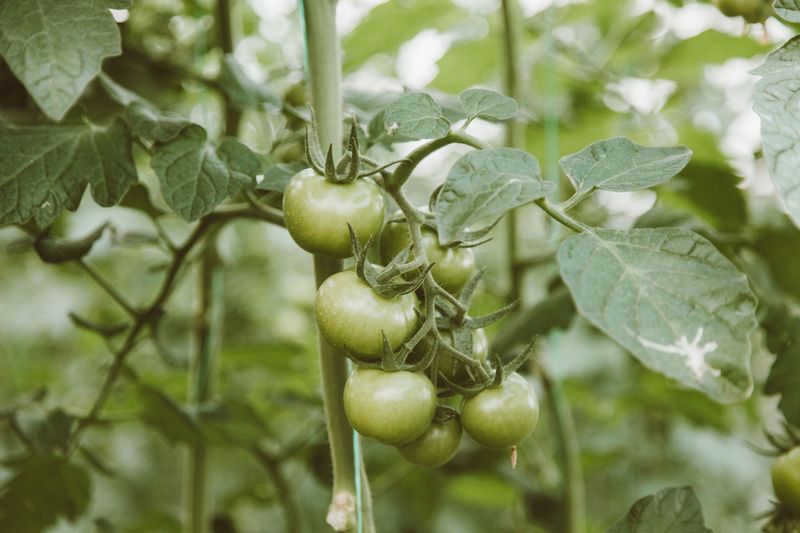
Catching a problem early gives gardeners a real advantage. Tomatoes usually give you warning signs before a full split happens, and knowing what to look for changes everything.
Tiny hairline cracks near the stem end are often the first signal. They look like shallow lines in the skin and are easy to miss if you are not looking closely. Check your tomatoes every day during August.
Another early sign is a slight puckering or wrinkling of the skin around the shoulder of the fruit. That texture shift means the skin is under stress from uneven moisture inside the fruit. Act on it quickly.
You might also notice the tomato feels unusually firm or tight when you gently squeeze it. That firmness can mean the interior is swelling faster than the exterior is adapting. A healthy ripe tomato should give slightly under gentle pressure.
August watering mistakes are why Oregon tomatoes split before you can pick them, but catching these signs early lets you intervene. Adjust your watering immediately when you spot these clues.
Sometimes harvesting the tomato a day or two early and letting it ripen on the counter is the smartest call you can make.
A Consistent Watering Schedule That Prevents Cracking
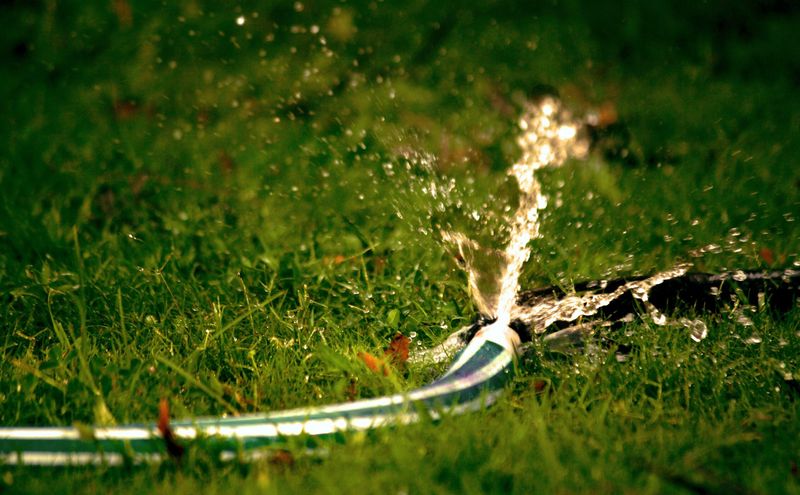
Steady and predictable wins the race when it comes to watering tomatoes. Your plants thrive on routine, and your fruit stays intact when moisture levels stay even throughout the week.
During August in Oregon, most tomato plants need about one to two inches of water per week. Split that into at least three watering sessions rather than one big weekly soak. Smaller, more frequent sessions keep the soil from swinging between extremes.
Watering in the early morning is the best time. Morning moisture soaks in before the heat peaks, and the foliage dries out during the day, which reduces fungal issues. Evening watering leaves plants wet overnight, which creates other problems.
Drip irrigation is a game-changer for Oregon gardeners dealing with August heat. A drip system delivers water slowly and directly to the root zone.
That steady delivery mirrors what tomatoes actually need, rather than a flood-and-drought pattern.
Set a timer on your drip system and stop second-guessing the schedule. Consistency is the single most effective tool you have against cracking.
August watering mistakes are why Oregon tomatoes split before you can pick them, but a reliable schedule removes the guesswork entirely and keeps your harvest whole.
Mulching Tips To Keep Soil Moisture Even
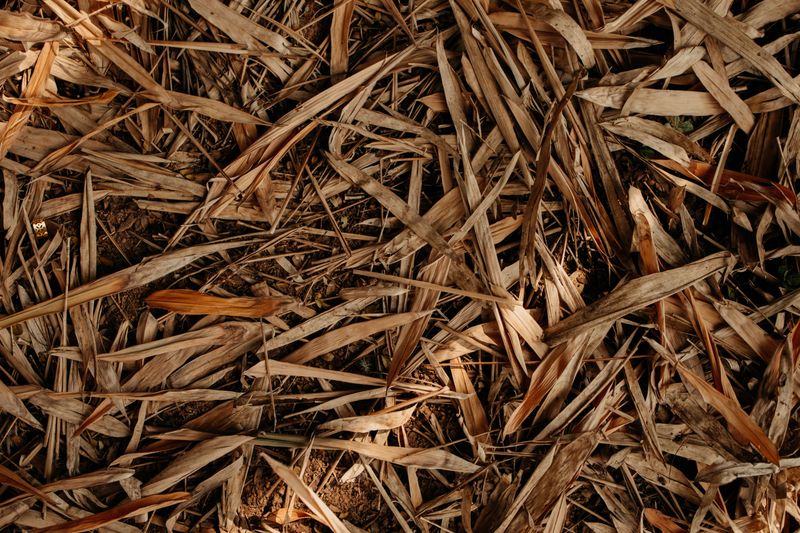
Mulch is one of the most underrated tools in a tomato gardener’s toolkit. A good layer of organic mulch acts like a buffer between your soil and the intense August sun, slowing moisture loss dramatically.
Straw is the top choice for most Oregon vegetable gardens. It is lightweight, affordable, and breaks down slowly enough to last the whole season. Spread it about three to four inches deep around each plant.
Wood chips work well too, especially for gardeners who want something longer-lasting. Avoid dyed or treated wood products near food plants. Plain, untreated wood chips or bark are safe and effective at locking in moisture.
Grass clippings are another solid option if you have them available. Spread them in thin layers to prevent matting, which can block water from reaching the soil. A matted layer of clippings actually repels water instead of conserving it.
The goal of mulching is to keep soil temperature steady and slow evaporation. When soil stays consistently moist between waterings, the tomato plant absorbs moisture at a steady rate.
That steady uptake is what keeps the fruit from expanding too fast and cracking. Good mulch can be the difference between a full harvest and a pile of split fruit.
What To Do With Tomatoes That Have Already Split
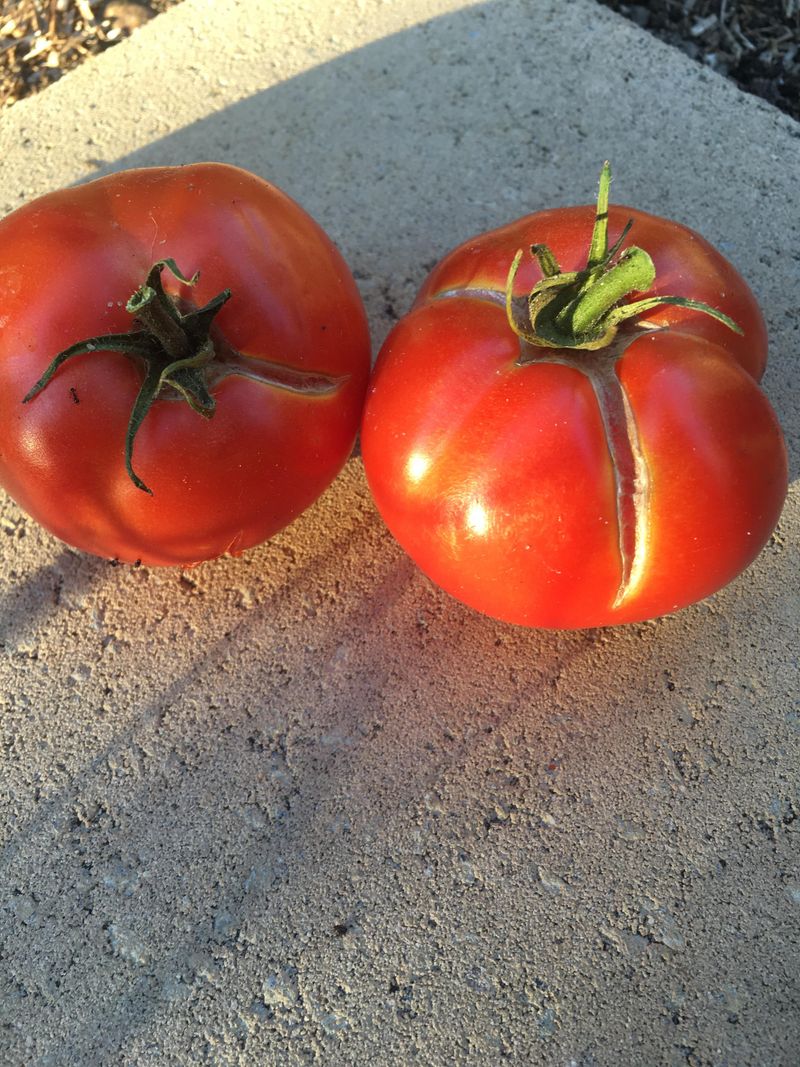
A cracked tomato is often still usable. Many split fruits are still perfectly edible if you catch them quickly and handle them right. Speed is what matters most once a tomato cracks open.
Harvest split tomatoes immediately. Every hour they stay on the vine increases the risk of insects, bacteria, and mold getting inside the fruit. Bring them indoors and assess the damage right away.
If the crack is shallow and the flesh inside looks clean and firm, simply cut away the cracked section and use the rest. The flavor is completely unaffected, and the tomato is just as nutritious.
Do not let a surface flaw send a good tomato to waste. Split tomatoes are perfect for cooking. Roast them with olive oil and garlic for a rich sauce base.
Blend them into soups or stews where texture does not matter. Salsa is another excellent use for cracked fruit that is fully ripe. If the split is deep and the interior looks soft or discolored, compost it without guilt.
August watering mistakes are why Oregon tomatoes split before you can pick them, but those losses teach you exactly what to change next season. Every cracked tomato is a data point pointing you toward a better harvest.