What It Means When You See Toads Hiding In Your Georgia Garden After Summer Rain
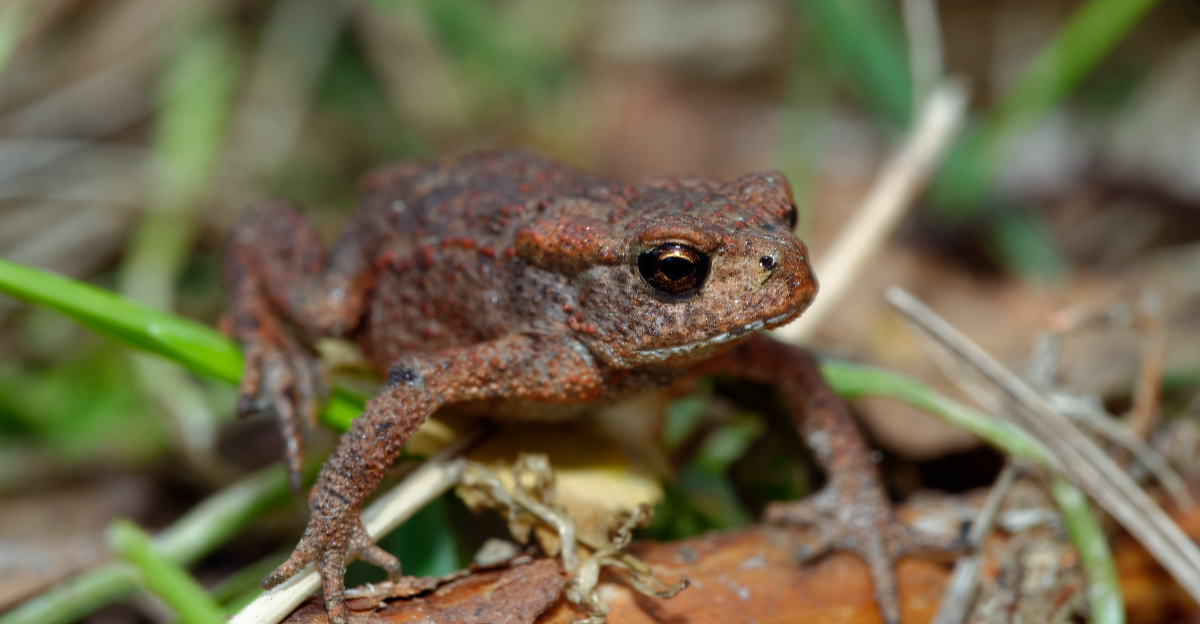
Summer rain changes gardens quickly. Toads often appear the next morning after storms.
If you notice them hiding beneath leaves or flowerpots don’t panic. Georgia yards become cool damp shelters when the ground stays moist.
They are following food and moisture instead of invading your garden. Earthworms beetles slugs and other insects become easier to find.
Their presence usually points to healthy habitat rather than trouble. Fewer chemicals and better ground cover help them survive.
That also means your garden supports natural pest control every day. Toads feed on many unwanted insects during warm nights.
Before making changes to your landscape learn what these quiet visitors are telling you first.
You may see your garden differently afterward and appreciate the small wildlife helping protect plants after every soaking rainfall again.
1. Your Yard Provides Ideal Toad Habitat
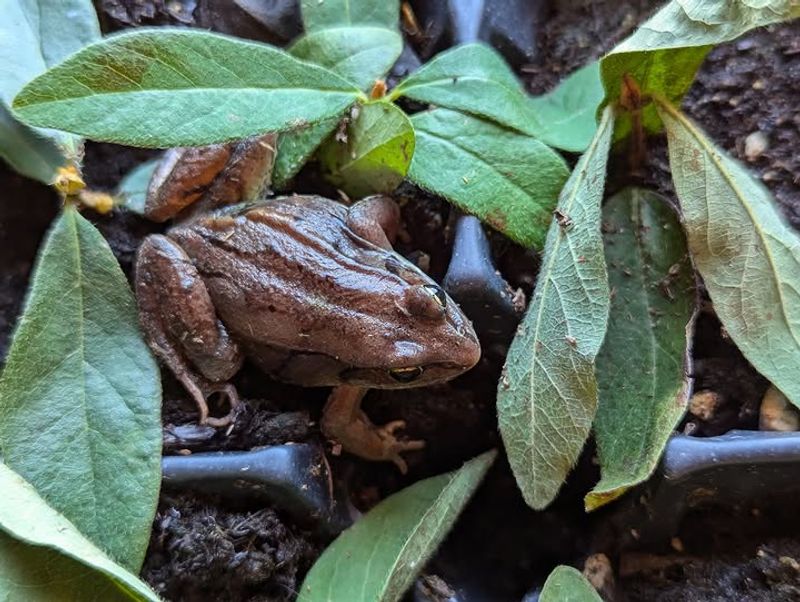
Toads are picky about where they settle, and if one is resting in your garden, your yard passed the test. Shaded corners, loose soil, and low ground cover create exactly the kind of shelter toads look for between feeding trips.
Georgia gardens often have a natural mix of shrubs, mulched beds, and moist soil edges. That combination works well for toads because they need damp, cool spots to regulate their body temperature during hot afternoons.
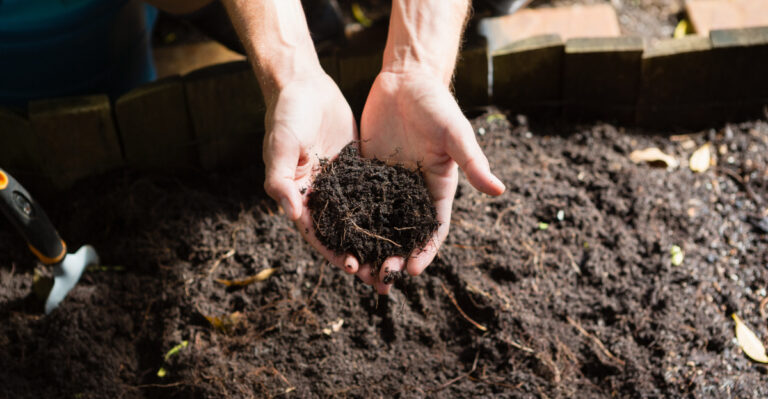
Toads breathe partly through their skin. Dry, compacted ground makes that difficult, so soft garden soil near watered beds suits them well.
Rocks, overturned pots, and dense plantings all serve as hiding spots.
Toads tend to return to the same shelter each day once they find a safe location.
Raised beds with mulch underneath, shaded border areas, and spots near rain-soaked compost piles are common toad hangouts. You may not notice them right away since they blend into the background naturally.
Keeping a section of your yard a little wild, with leaf piles or low ground cover, can make your space more welcoming. Toads are not damaging your plants.
2. Heavy Rain Exposes More Insects
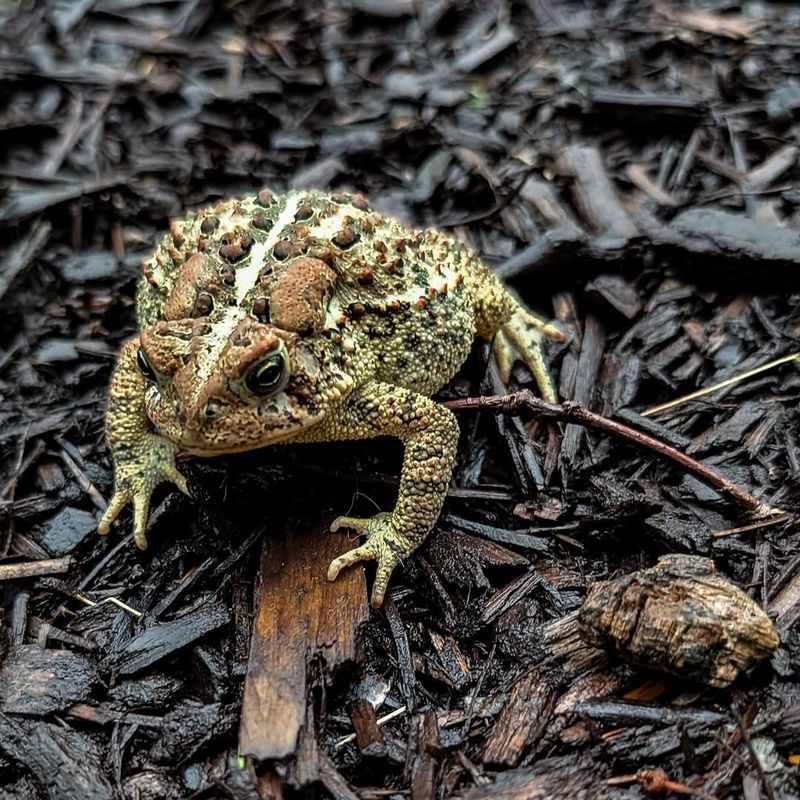
A hard summer rain does more than water your plants. It pushes insects, earthworms, and small invertebrates up toward the surface, and toads know exactly when to show up.
When rain saturates the soil, air pockets fill with water. Earthworms move upward to avoid drowning, and beetles, ants, and grubs get displaced from their usual tunnels.
Toads take advantage of this natural movement.
Watching a toad after a rainstorm is almost like watching a patient hunter. It sits very still, then snaps at prey with a sticky tongue faster than the eye can follow.
Wet soil also makes it easier for toads to move around without losing moisture through their skin. Dry conditions slow them down, but a soaked garden gives them full range to forage.
Insects that shelter under bark or in cracks often get flushed out during heavy rain events. That sudden availability of food is a strong reason toads become more visible after storms.
Backyard gardeners sometimes notice more toad activity during Georgia’s July and August rain cycles. Those months tend to produce intense afternoon storms that soak the ground quickly.
Your Georgia Garden Changes Every Week. Your Plan Should Too.
Gardening in Georgia changes quickly throughout the season. Every Friday you’ll receive a simple weekly plan showing exactly what to plant, prune, fertilize, harvest, and protect so you never miss the right timing.
Toads respond fast to these conditions. Supporting a yard that holds moisture well, through mulch or ground cover, can extend the window of toad activity after each storm passes.
3. Leaf Litter Retains Moisture Longer
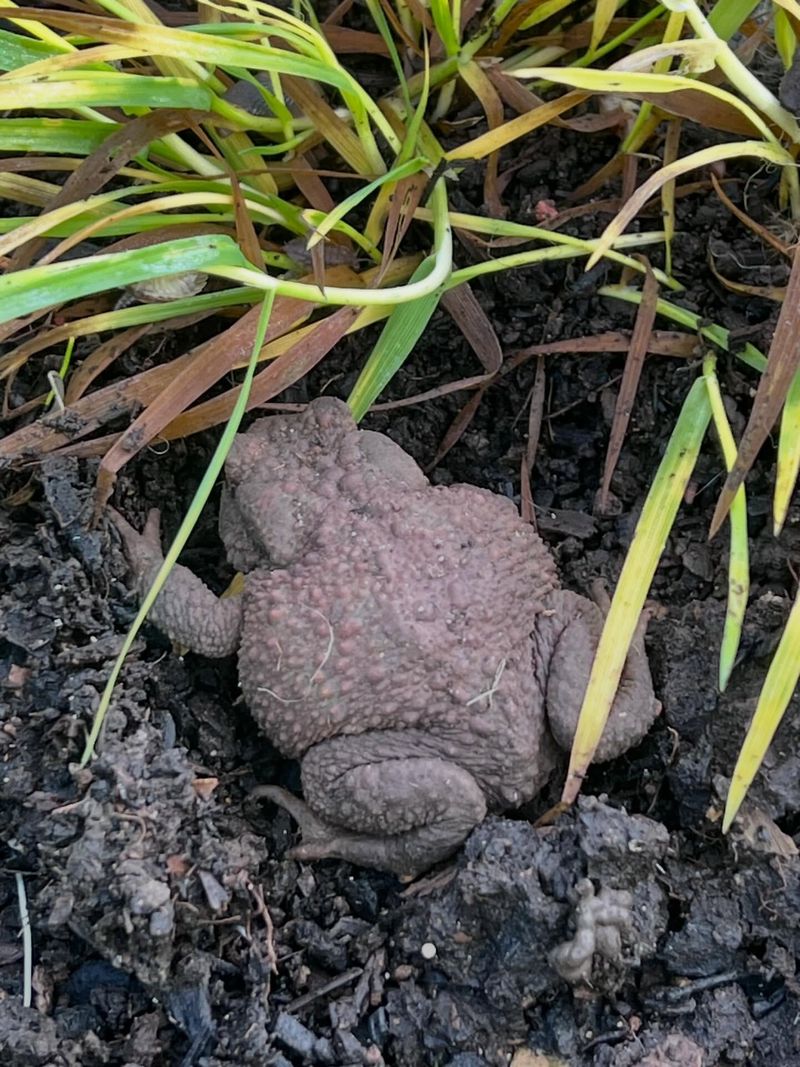
Leaf litter is one of the most underrated features in a backyard garden. After a summer rain, those layers of fallen leaves hold onto moisture for hours longer than bare soil does.
Toads use that extended dampness to stay active and comfortable. Without some form of ground cover, the surface dries out quickly under Georgia’s summer heat, and toads retreat much sooner after a storm.
A toad hiding under leaf litter is not just resting. It may be waiting for insects that also shelter in decomposing leaves, such as pill bugs, earwigs, and small beetles.
Leaf litter also moderates soil temperature. Underneath a thick layer of leaves, the ground stays several degrees cooler than exposed soil nearby.
Toads are sensitive to heat and seek out those cooler microenvironments during the day.
Raking every leaf out of your garden beds removes natural shelter and reduces the moisture-holding capacity of the surface layer. Leaving some leaves in shaded areas, especially under shrubs or along fence lines, creates pockets toads can use reliably.
Decomposing leaf material also attracts the invertebrates toads feed on. So the habitat and the food source often exist in the same spot.
4. Nightfall Marks Peak Feeding Time
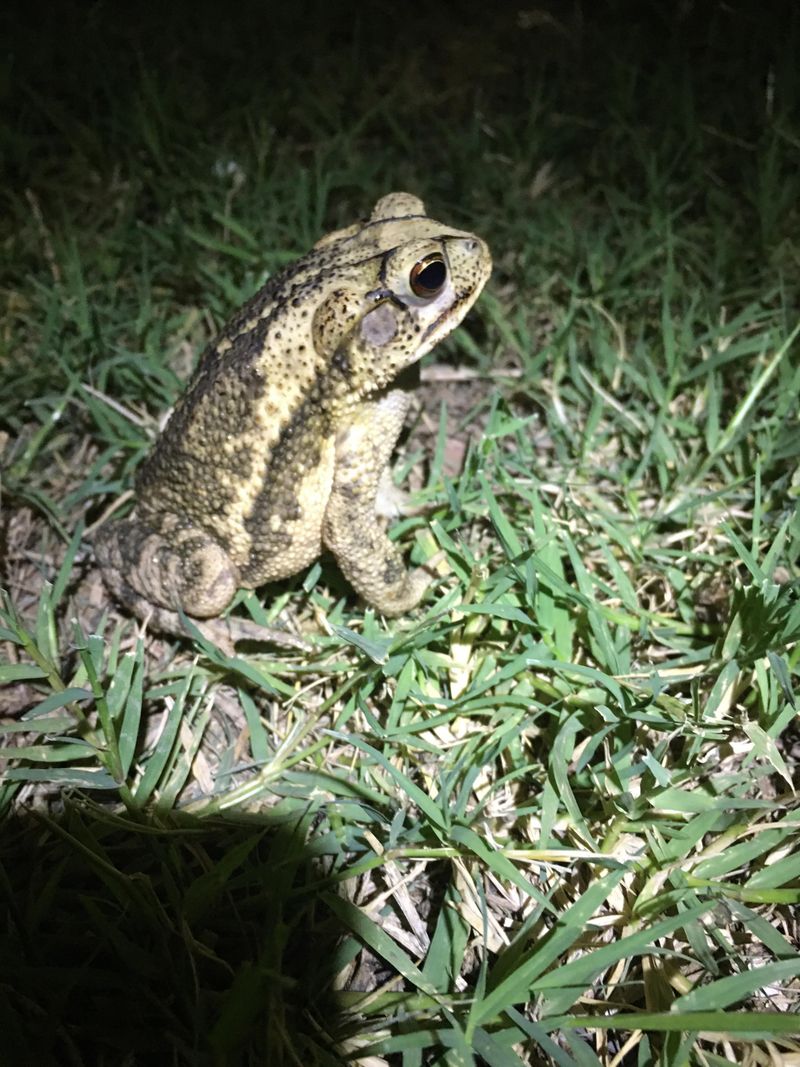
Right after the sun drops below the tree line, toad activity picks up fast.
Nightfall is when these animals do most of their serious hunting, especially after a rain event has stirred up insect activity.
Toads have excellent low-light vision.
They can detect small movement in near-dark conditions, which gives them a real advantage over insects that become less cautious after sunset.
Porch lights and garden path lights unintentionally help toads out. Insects are drawn to artificial light sources at night, and toads often position themselves nearby to take advantage of that concentration of prey.
If you walk through your garden with a flashlight after a summer storm, you might spot toads in spots where you never noticed them during the day. They move more freely after dark and cover more ground than most people expect.
Warm, humid nights following afternoon rain are peak conditions for toad feeding. Temperatures stay elevated, the ground stays moist, and insects remain active well past midnight under those conditions.
Avoiding bright floodlights that stay on all night can actually benefit your garden ecosystem. Constant bright light disrupts insect behavior and can reduce the natural concentration of prey that toads rely on.
5. Slugs And Beetles Become Easy Prey
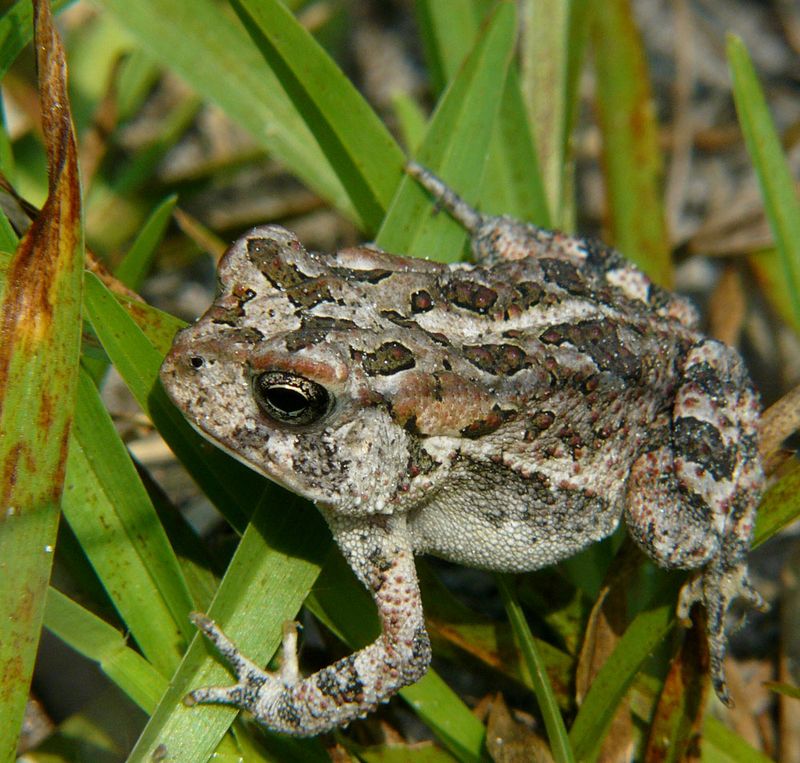
Slugs come out in force after heavy rain, and that is bad news for your vegetable beds but good news if you have toads around. A single toad can consume a surprising number of slugs in one night of foraging.
Slugs cause real damage to leafy greens, seedlings, and soft-stemmed plants.
Toads patrol the same moist garden areas where slugs travel, making them a natural check on slug populations without any effort from you.
Ground beetles also become more active after rain. Some beetle species are plant pests, while others are predators themselves.
Toads eat both types without distinguishing between them, which keeps overall insect populations in balance.
Wet soil makes slugs easier to track because their slime trails remain visible longer on damp surfaces. Toads seem to follow these trails, hunting the areas where slug activity is highest.
Gardeners who struggle with slug pressure on their plants sometimes find that a resident toad population reduces the problem noticeably over a full growing season. Results vary based on garden size, plant type, and how many toads are present.
Supporting toads in your garden does not require much. Avoiding slug pellets that contain chemicals harmful to amphibians is a practical first step.
6. Lawn Chemicals Reduce Local Populations
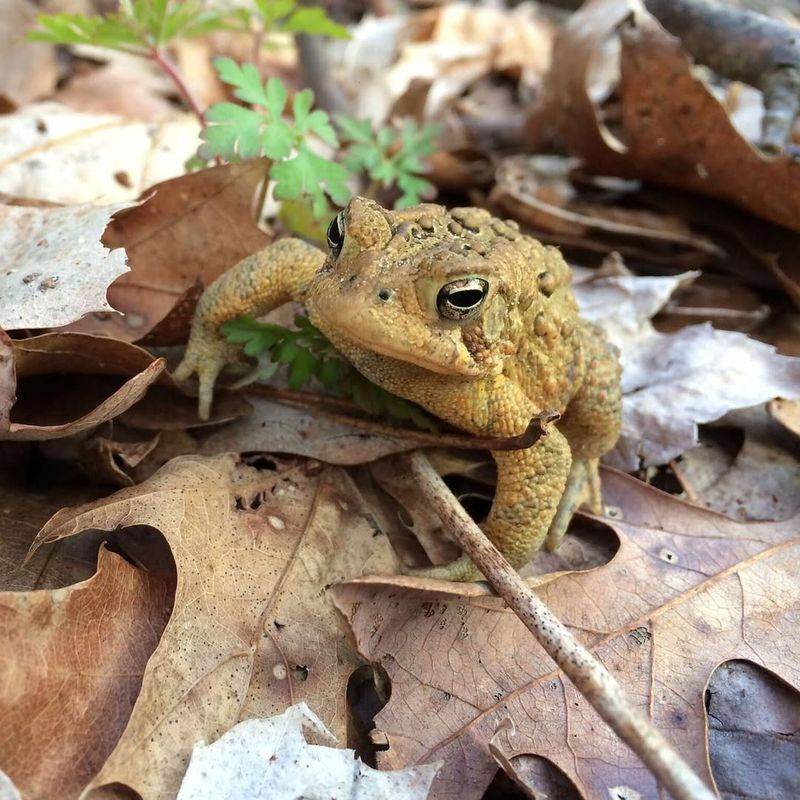
Toads absorb substances directly through their skin, which makes them far more sensitive to lawn and garden chemicals than most people realize.
What seems like a light pesticide application to you can be a serious problem for a toad moving across treated ground.
Herbicides, insecticides, and synthetic fertilizers all leave residue on soil surfaces.
Toads pick up those residues as they move through treated areas, especially when the ground is wet after rain.
Neighborhoods with heavy chemical lawn care often have fewer toads than those with organic or low-input gardens. That pattern is observable across many suburban areas, though exact causes can vary by product type and application rate.
Reducing or eliminating broad-spectrum insecticides is one of the most practical steps you can take. Those products reduce the insect populations that toads depend on for food, which makes your yard less sustainable for them over time.
Organic mulch, compost-based fertilizers, and targeted pest management tend to support healthier soil ecosystems. Healthier soil supports more invertebrates, which in turn supports more toad activity.
Georgia’s warm, wet summers mean that chemical runoff moves quickly after heavy rain. Toads encounter that runoff at ground level.
7. Breeding Ponds Increase Backyard Sightings
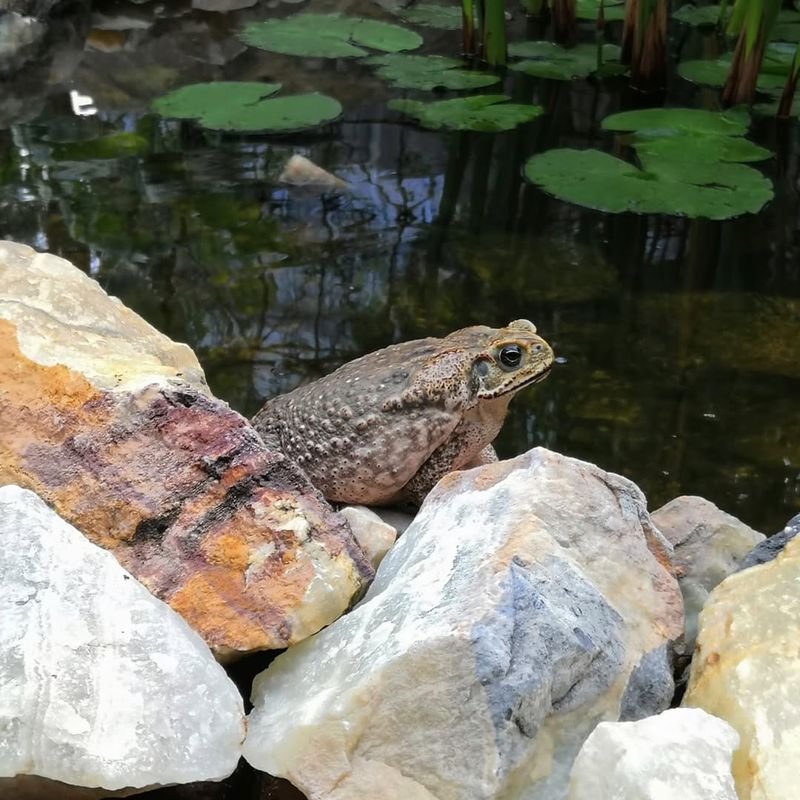
Water is the one thing toads cannot breed without.
Even a small backyard pond, a rain garden, or a low-lying area that holds water after storms can attract toads looking to reproduce during Georgia’s warm months.
Toads breed in shallow, still water. They lay long strings of eggs that hatch into tadpoles within a week or two under warm conditions.
Breeding activity tends to peak after significant rain events in late spring and early summer.
If you have a water feature in your yard, even an informal one, you may notice more toads in the weeks following breeding season. Juvenile toads spread out from water sources and explore nearby garden areas as they mature.
A sudden increase in small toads throughout your yard often follows a successful breeding cycle nearby. These young toads are tiny, sometimes barely larger than a thumbnail, and they scatter widely in search of food and shelter.
Natural ponds, neighborhood retention areas, and even roadside ditches serve as breeding sites.
Toads do not need to breed in your yard to visit it regularly. A breeding site within a few hundred feet is often close enough.
Adding a small water feature to your garden can increase toad presence noticeably over time.