This Native Texas Wildflower Keeps Blooming When August Heat Peaks
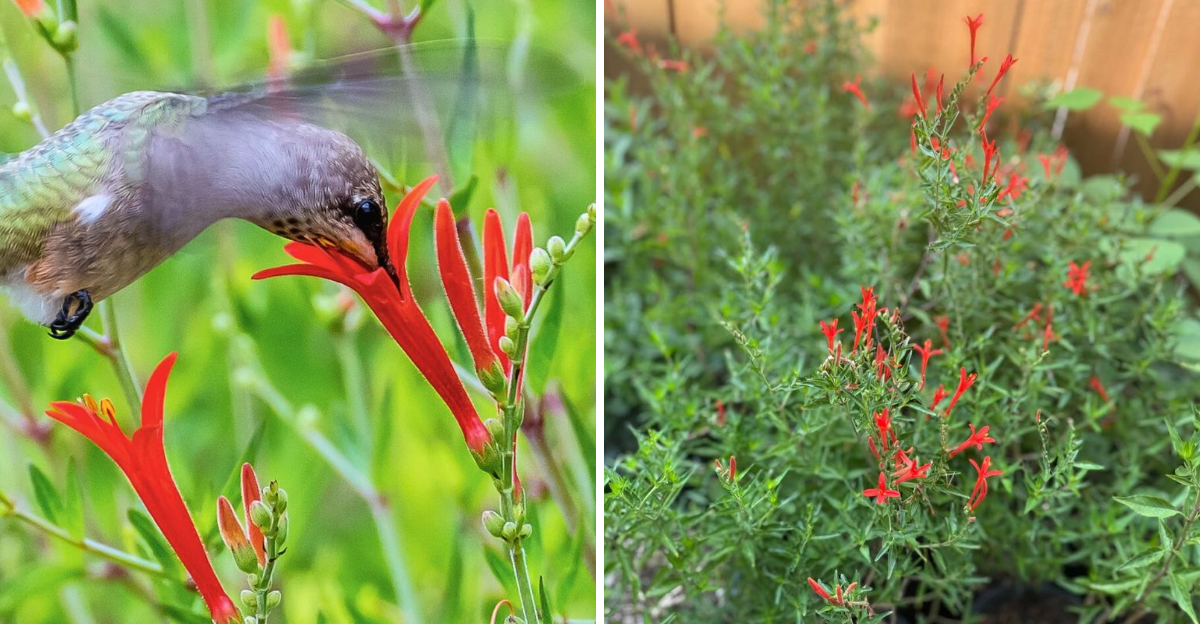
August does not scare every Texas plant.
While many garden flowers fade, pause, or look worn out under relentless heat, flame acanthus keeps sending up bright red-orange tubes that seem made for the hottest part of summer. It looks bold, but it is not needy.
That is the magic of this native.
Flame acanthus brings color during the season when many beds need it most. It handles sun, lean soil, dry stretches, reflected heat, and tough sites with far more confidence than many thirsty ornamentals.
It also feeds the garden around it.
Hummingbirds notice the tubular blooms, pollinators stop by, and the plant settles beautifully into low-water Texas landscapes once its roots are established.
So why does flame acanthus keep blooming when August heat peaks?
Because it was built for bright Texas sun, deep roots, lean soil, and the kind of summer weather that makes weaker plants give up the show.
Flame Acanthus Is The Flower
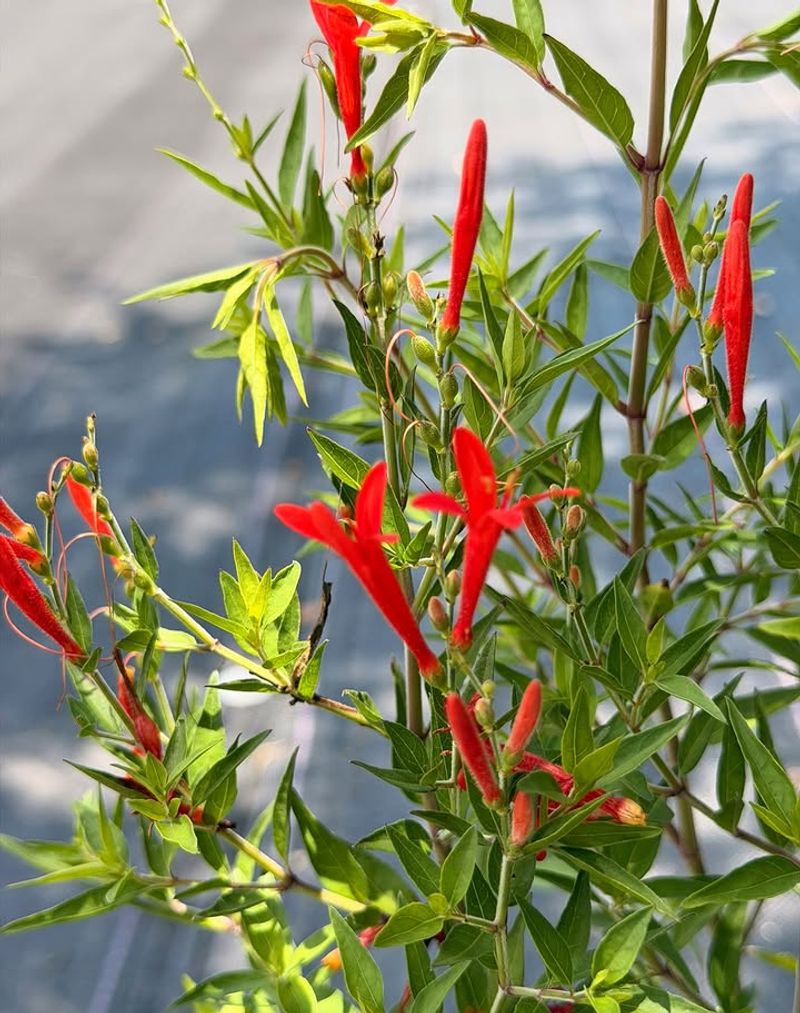
Flame acanthus looks like summer caught fire in the best way.
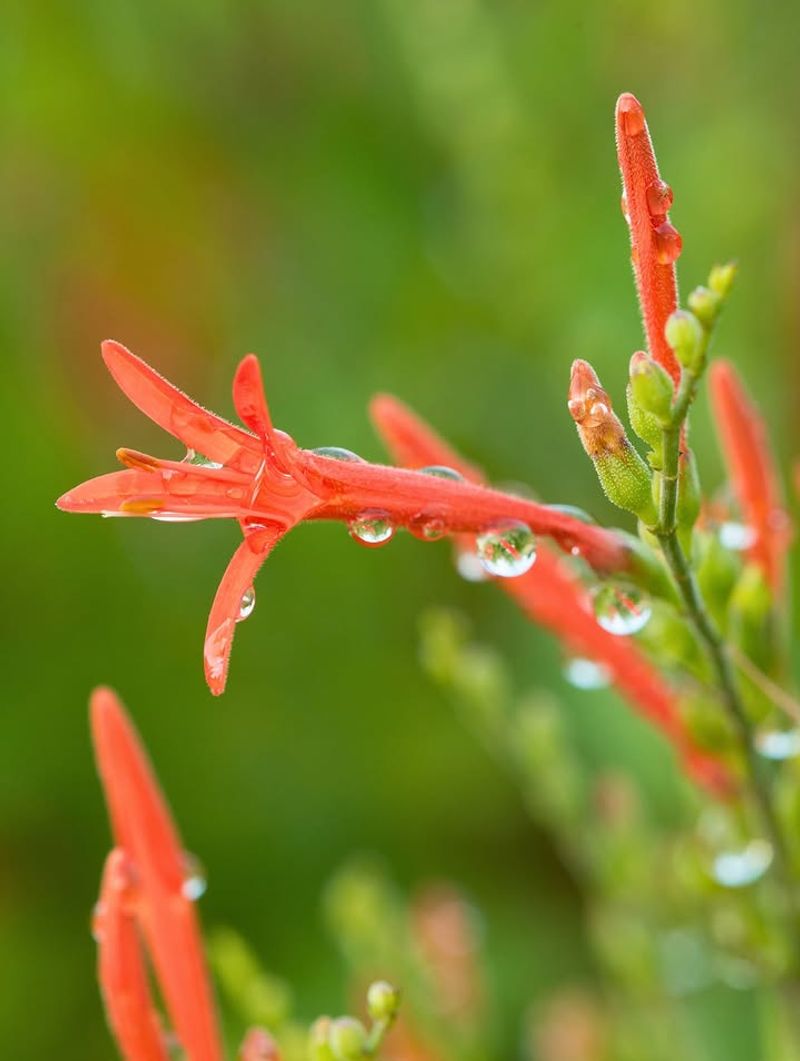
This Texas native produces clusters of narrow red-orange tubular flowers along loose, arching stems. The color is vivid enough to stand out from across the yard, especially in late summer when many other plants have slowed down.
It is more than a delicate wildflower. Flame acanthus grows as a shrubby perennial or small woody shrub, depending on winter temperatures in your part of Texas.
The botanical name is Anisacanthus quadrifidus var. wrightii. That long name belongs to a plant with a very practical garden personality.
Mature plants usually reach about three to five feet tall and wide. The shape is open, relaxed, and natural rather than stiff or formal.
Its roots are in Texas. Flame acanthus is native to dry, sunny regions of central and west Texas, including areas with rocky limestone soils and intense summer light.
The blooms come in generous waves. Each flower is small, but the plant produces enough of them to create a glowing effect during peak heat.
It fits low-input landscapes. Once established, it needs far less attention than many summer annuals planted for the same color impact.
Flame acanthus is the plant for gardeners who want August color without begging the hose for help every afternoon.
It looks dramatic, but it behaves like it belongs.
Deep Roots Handle Dry Soil
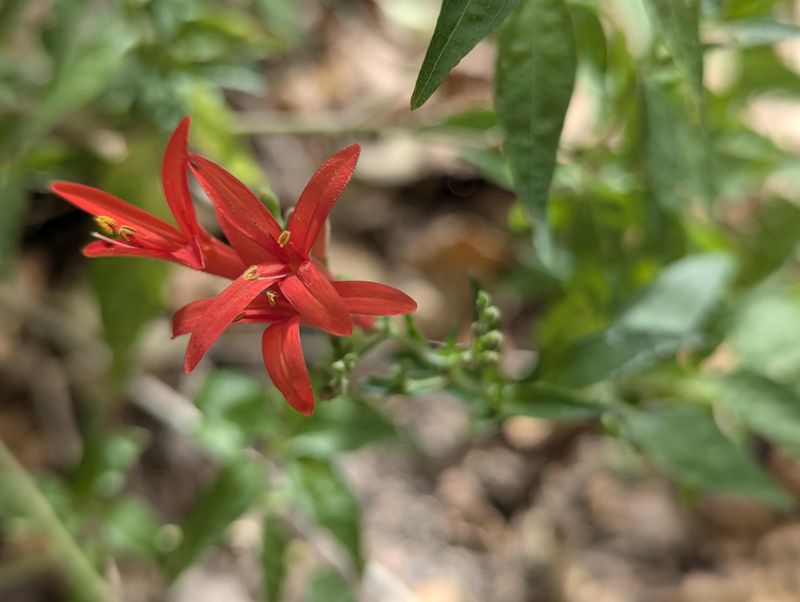
Flame acanthus earns its toughness underground first.
A new plant still needs care during its first season, but once the roots spread and settle, the whole plant becomes much better prepared for Texas dry spells.
Establishment matters. Water new plants regularly during the first growing season, especially during long gaps between rain.
Deep soaking works best. Slow watering encourages roots to move downward instead of staying near the hot soil surface.
Shallow sprinkles do not help much. They wet the top layer briefly, then disappear before roots can make real use of the moisture.
Drainage is essential. Flame acanthus handles dry soil better than soil that stays soggy after rain.
Rocky or sandy sites suit it well. Those conditions copy the kind of fast-draining ground this plant often uses in the wild.
Your Texas Garden Changes Every Week. Your Plan Should Too.
Gardening in Texas changes quickly throughout the season. Every Friday you’ll receive a simple weekly plan showing exactly what to plant, prune, fertilize, harvest, and protect so you never miss the right timing.
Heavy clay needs attention. A raised bed, berm, or amended planting area can help keep the crown from sitting too wet.
Mulch helps the roots. A three-inch layer of wood chips or shredded bark slows evaporation and keeps the soil more even.
Keep mulch off the main stems. A little open space around the crown helps prevent trapped moisture where the plant needs airflow.
The first year builds the foundation.
After that, flame acanthus can handle dry Texas weeks with much more confidence.
Tubular Blooms Feed Hummingbirds
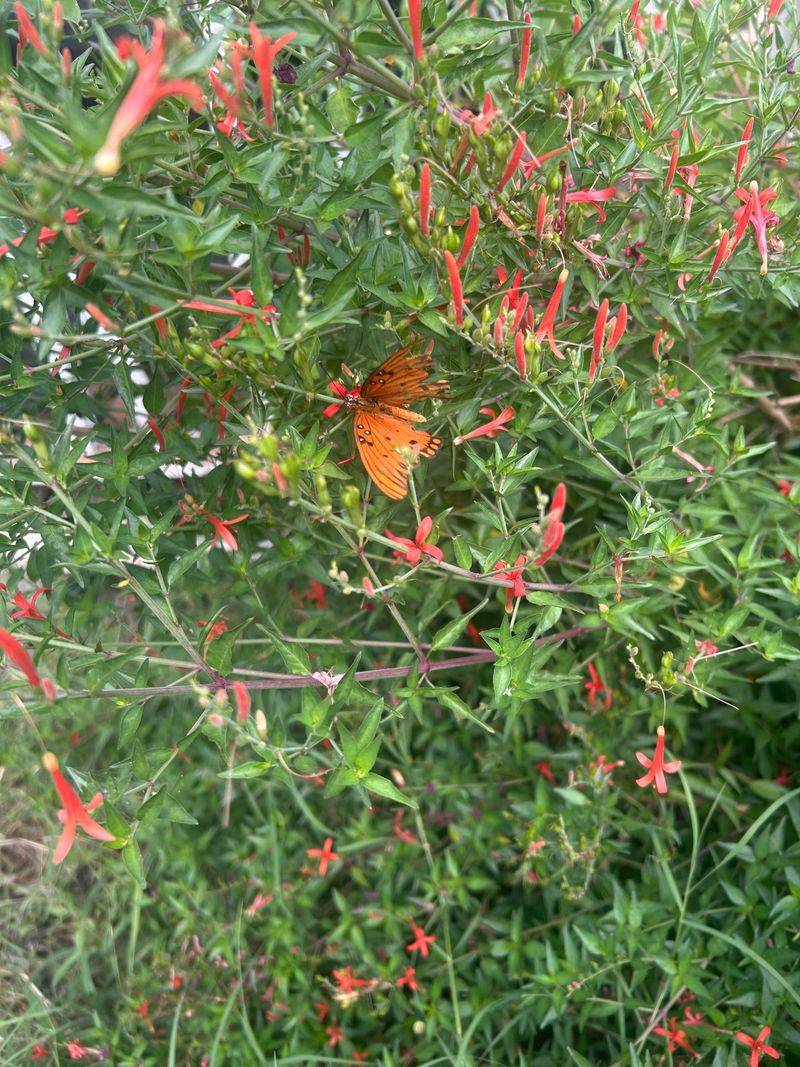
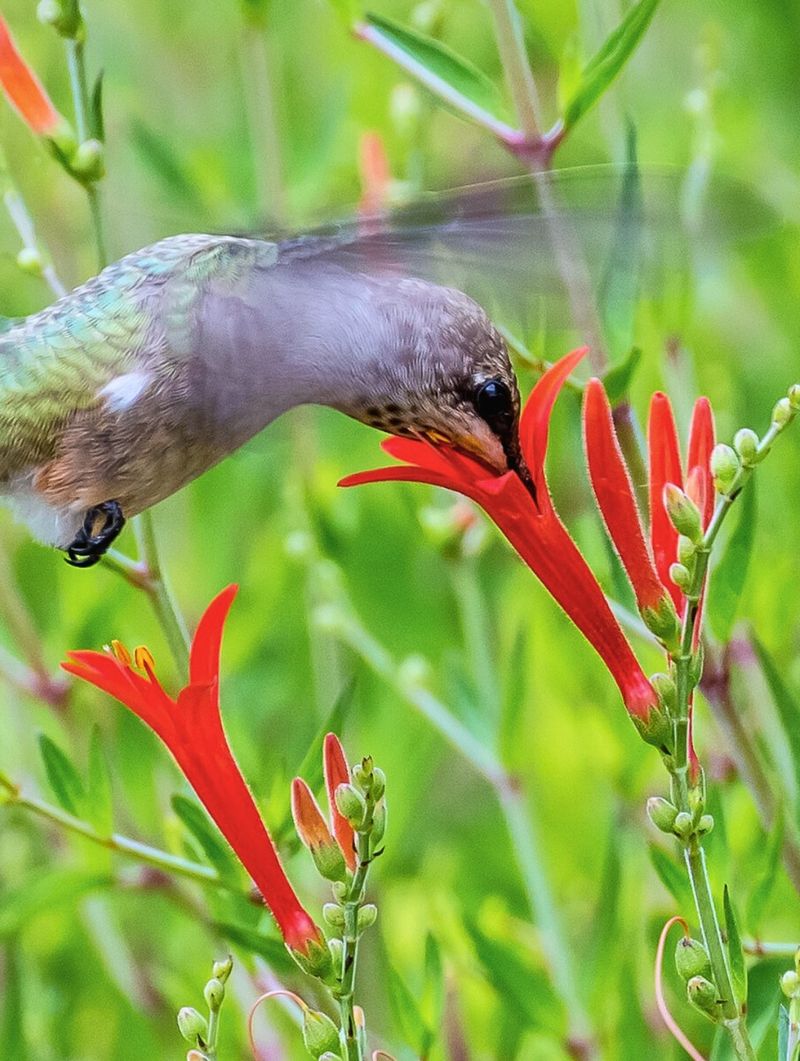
The flower shape is a hummingbird invitation.
Flame acanthus blooms are long, narrow, and bright, making them easy for hummingbirds to spot and easy for their bills to reach. A healthy plant in bloom can become one of the busiest stops in the yard.
The timing helps too. Late summer flowers can support hummingbirds during a season when many garden blooms have already slowed.
Ruby-throated hummingbirds may visit during movement through Texas. Black-chinned hummingbirds also use nectar plants through much of the state during the warm season.
Grouping plants creates a bigger signal. Three flame acanthus plants together are easier for passing birds to notice than one small plant tucked by itself.
Place it where you can watch. A bed near a window, porch, or seating area gives you a front-row view without crowding the birds.
Bees and butterflies may visit too. The narrow flowers favor long-tongued visitors, but different pollinators still explore the blooms.
Avoid spraying around flowers. Pesticides can reduce the insects and pollinators that make the planting more valuable.
Keep expectations realistic. Wildlife visits depend on local habitat, nearby flowers, weather, and migration patterns.
Flame acanthus does not need a feeder to feel useful.
It offers real nectar in the shape hummingbirds already know how to use.
Heat Triggers Its Best Show
Flame acanthus often looks strongest when summer feels hardest.
As soil warms and days stretch into serious heat, the plant pushes new growth and flower clusters. August does not shut it down the way it can with softer garden flowers.
Full summer warmth supports bloom. This plant belongs in a season of bright light, hot afternoons, and dry air.
Peak color often arrives in mid to late summer. In many Texas gardens, that is exactly when beds need fresh color most.
Regional timing varies. Central Texas, west Texas, coastal gardens, and the Hill Country do not share the same rainfall or humidity patterns.
Rain can change the display. A well-timed summer shower or deep irrigation during drought can encourage a stronger flush of flowers.
Established plants respond best. First-year plants may bloom, but mature roots usually support a fuller and steadier show.
Avoid heavy feeding. Too much nitrogen can push leafy growth at the expense of flowers.
Let the plant keep its natural rhythm. Flame acanthus does not need constant grooming to prove itself in summer.
This is where it outperforms fussier ornamentals.
When August heat peaks, flame acanthus often looks like it has been waiting for its moment.
Low Water Keeps It Tough
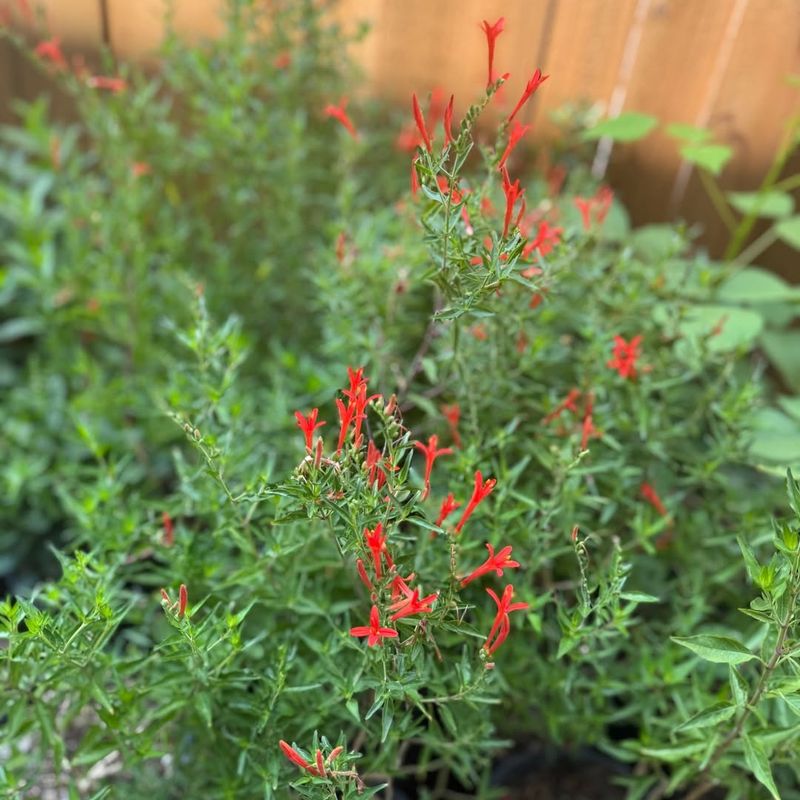
Established flame acanthus prefers restraint.
Once the plant has settled in, constant watering can cause more trouble than a dry spell. This is a plant for gardeners who can check the soil and resist watering out of habit.
Watch the foliage, not the calendar. Dull leaves or persistent curling can mean the plant needs a deep drink.
Brief afternoon softness is not always a crisis. Many plants react to extreme heat during the day and recover as temperatures ease.
Check the soil before watering. Dry soil a few inches down means water is useful. Moist soil means waiting is smarter.
Water deeply when needed. A slow soak reaches the root zone better than a quick surface splash.
Soil type changes the rhythm. Sandy soil dries faster, while clay holds moisture longer and needs more caution.
Mulch reduces stress. Organic mulch keeps the root zone cooler and slows water loss during hot, windy weeks.
Skip routine fertilizer. Flame acanthus performs well in lean soil, and extra feeding can make stems softer and bloom weaker.
Low water does not mean no care.
It means giving the plant what it needs, then letting its Texas toughness do the rest.
Sun Builds Stronger Blooming
The sunniest spot is usually the right one.
Flame acanthus needs bright direct light to bloom heavily and grow with a strong, open shape. Too much shade makes the plant stretch and produce fewer flowers.
Six hours of sun is the starting point. More light usually means more bloom, especially in open Texas landscapes.
West-facing beds can work well. Reflected heat from stone, gravel, fences, or walls bothers this plant far less than many summer ornamentals.
Airflow still matters. Even heat-loving plants need space around their stems, especially in humid regions of the state.
Plan for mature width. Flame acanthus can spread three to five feet, so cramped spacing leads to crowding later.
Check summer shade before planting. A spot that looks sunny in spring may sit under tree shade by July.
Do not rush the location. Established plants are easier to enjoy when they are not constantly being moved, trimmed, or squeezed.
Rocky edges suit it beautifully. The plant’s natural look fits gravel gardens, limestone beds, sunny borders, and low-water front yards.
Sun is not just a preference here.
It is the fuel that keeps flame acanthus blooming when the heat is at its worst.