Fall Seeds To Start Indoors This Week For A Strong Arizona Harvest
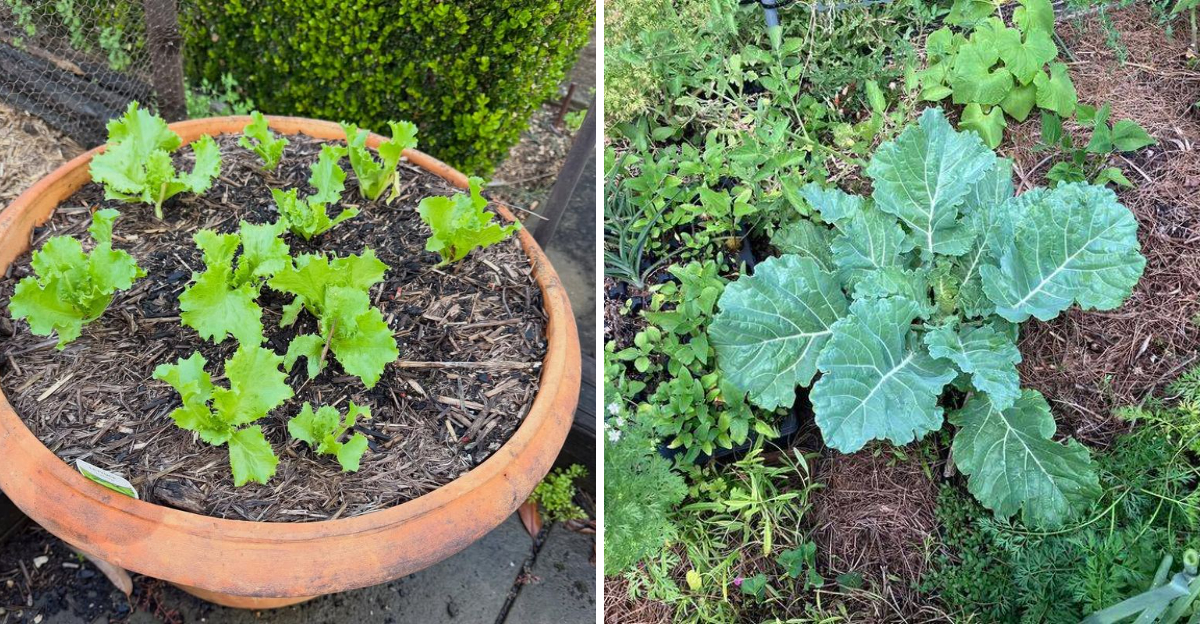
Arizona gardeners know August still feels like summer. That does not mean fall gardening has to wait.
Some vegetables actually perform better when they get an early indoor start. It gives young plants time to grow before transplanting outside.
Starting seeds indoors also protects tender seedlings from intense afternoon heat. Stronger plants handle the move into the garden much better.
A few weeks can make a noticeable difference once temperatures begin easing. Healthy transplants often catch up faster than direct-sown seeds.
The key is choosing the right vegetables for the season ahead. Not every crop benefits from an indoor head start.
The best fall harvests often begin inside the house.
A little preparation now can keep your garden producing long after summer ends.
1. Broccoli Grows Best From Seeds Started Indoors
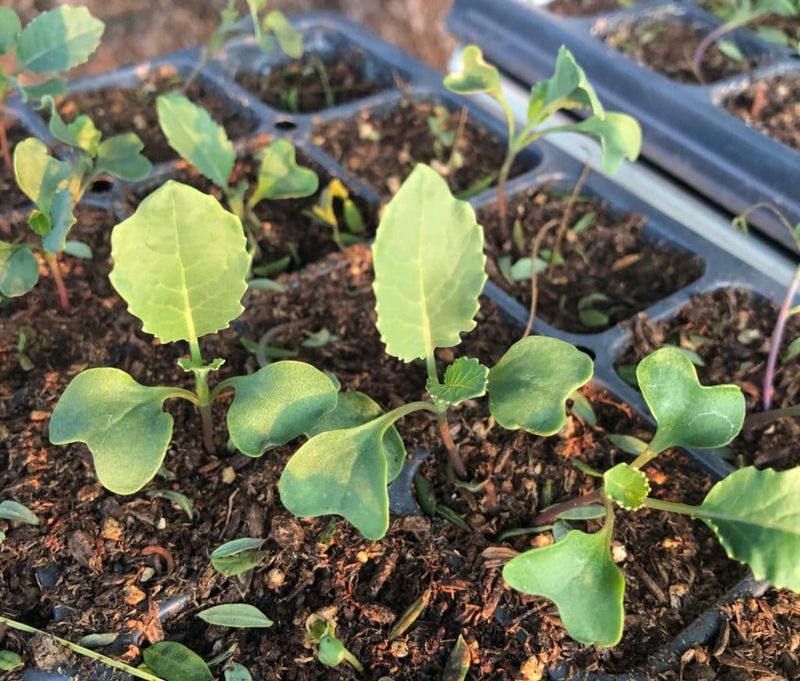
Broccoli seeds started indoors in early August get a real advantage over direct-sown plants. Arizona’s fall season cools gradually, and broccoli needs time to establish before outdoor planting conditions are right.
Starting indoors keeps early growth steady and protected.
Aim to sow seeds about six to eight weeks before your planned transplant date. Use small seed trays or cell packs filled with a quality seed-starting mix.
Keep the mix moist but not soaked, and place trays somewhere warm until germination begins.
Broccoli seeds typically sprout within five to ten days under decent conditions. Once seedlings have two to three true leaves, they are close to ready for outdoor life.
Harden them off gradually by setting them outside for a few hours each day before full transplanting.
Good drainage matters a lot with broccoli. Waterlogged roots slow growth and increase the chance of fungal issues.
A light, airy seed mix helps roots breathe and expand without stress.
Broccoli performs best when daytime temperatures drop below 80 degrees Fahrenheit. Transplanting too early into still-hot soil can slow progress significantly.
Patience during late August and early September usually pays off with healthier, more productive plants once cooler weather settles in.
Strong transplants are much better prepared to handle the transition outdoors when fall temperatures finally become more consistent.
2. Cauliflower Benefits From An Early Indoor Start
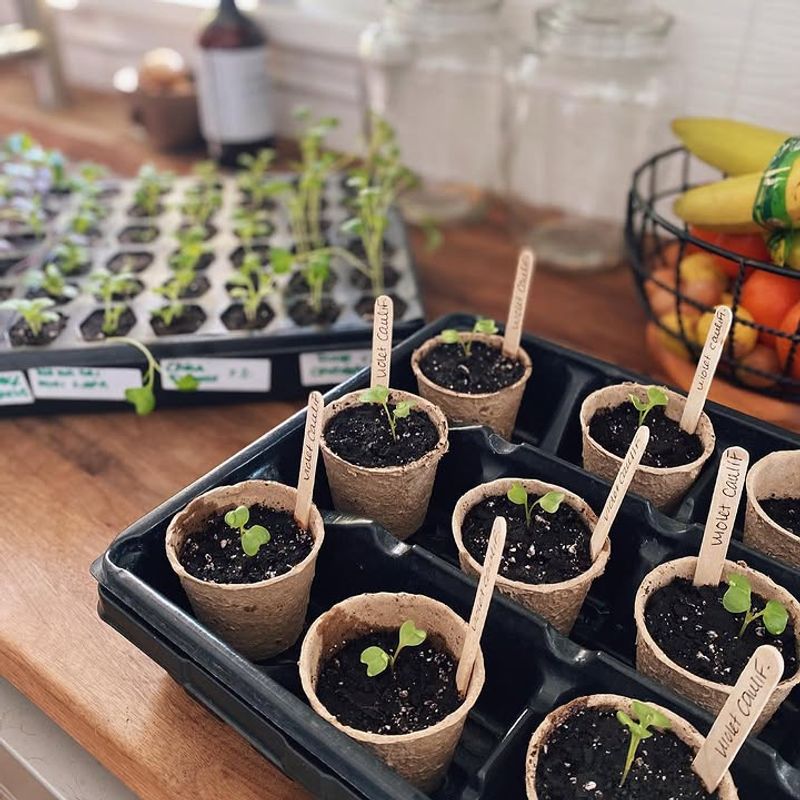
Cauliflower is one of the pickiest vegetables in the fall lineup. Temperature swings stress it out fast, and Arizona’s late summer heat makes direct sowing risky.
Starting seeds indoors in early August gives cauliflower the stable start it needs.
Fill cell packs or small containers with seed-starting mix. Plant seeds about a quarter inch deep and keep the mix consistently moist.
Cauliflower germinates well in warm indoor conditions, usually sprouting within a week.
Seedlings need bright light once they emerge. A south-facing window works, but a simple grow light prevents leggy, weak growth.
Keeping light close to the seedlings, around two to four inches above, helps them stay compact and strong.
Plan for a six to eight week indoor period before transplanting. By mid to late September, outdoor temperatures in many Arizona areas start becoming more cauliflower-friendly.
Transplants moved out too early into heat may struggle to form proper heads.
Your Arizona Garden Changes Every Week. Your Plan Should Too.
Gardening in Arizona changes quickly throughout the season. Every Friday you’ll receive a simple weekly plan showing exactly what to plant, prune, fertilize, harvest, and protect so you never miss the right timing.
Consistent moisture is key throughout the indoor phase. Cauliflower roots prefer even watering rather than cycles of dry and wet.
A spray bottle or gentle watering can helps avoid disturbing young roots during early growth stages.
Blanching the heads later in the garden, by tying outer leaves over the developing curd, helps keep them white and tender. That step is months away, but a strong indoor start makes it possible.
3. Cabbage Produces Stronger Transplants Indoors
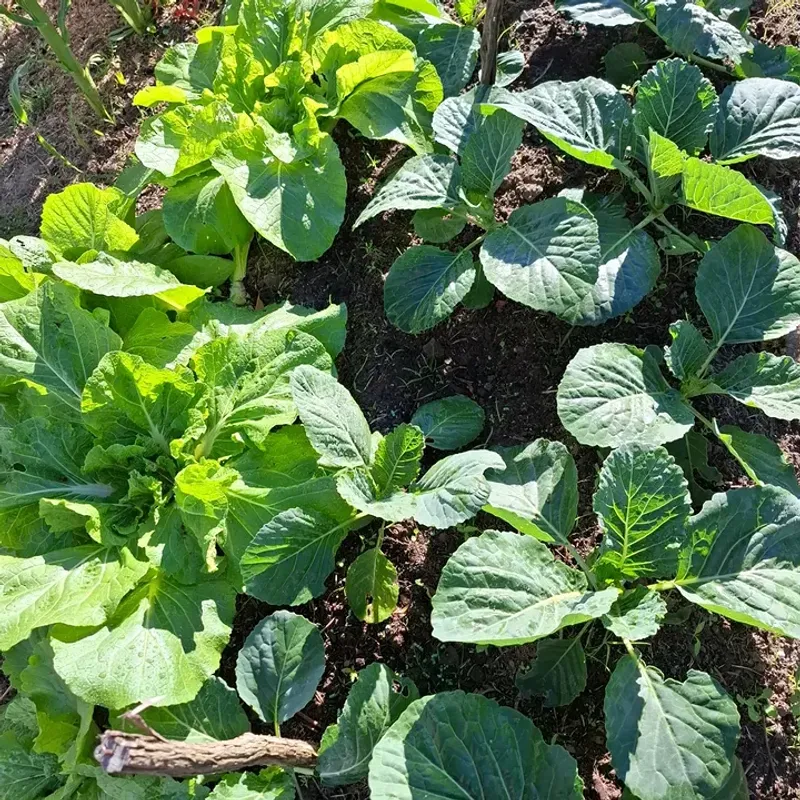
Cabbage started indoors is noticeably tougher than cabbage direct-sown outside. Controlled indoor conditions let the root system develop without heat stress or pest pressure.
Early August is a smart window for getting cabbage seedlings going.
Sow seeds about a quarter inch deep in seed trays or cell packs. Use a well-draining seed-starting mix and keep it evenly moist.
Cabbage germinates quickly, often within four to seven days in warm indoor settings.
Once true leaves appear, make sure seedlings get plenty of light. Insufficient light causes stretchy, fragile stems that struggle after transplanting.
A grow light or a bright south-facing window keeps growth compact and sturdy.
Cabbage transplants are typically ready for outdoor planting after five to six weeks indoors. Hardening off is important before moving them outside permanently.
Gradual outdoor exposure over a week or so helps plants adjust without shock.
Spacing matters once cabbage hits the garden bed. Heads need room to develop, so plan for at least eighteen inches between plants.
Crowded cabbage tends to produce smaller, tighter heads with less overall yield.
Consistent watering after transplanting helps cabbage settle in quickly. Dry spells right after moving plants outdoors can set back growth.
Mulching around the base of each plant helps hold soil moisture and keeps root temperatures stable as fall progresses.
Well-developed transplants usually establish faster after planting, giving cabbage more time to form firm, full-sized heads before winter arrives.
4. Brussels Sprouts Need A Longer Indoor Head Start
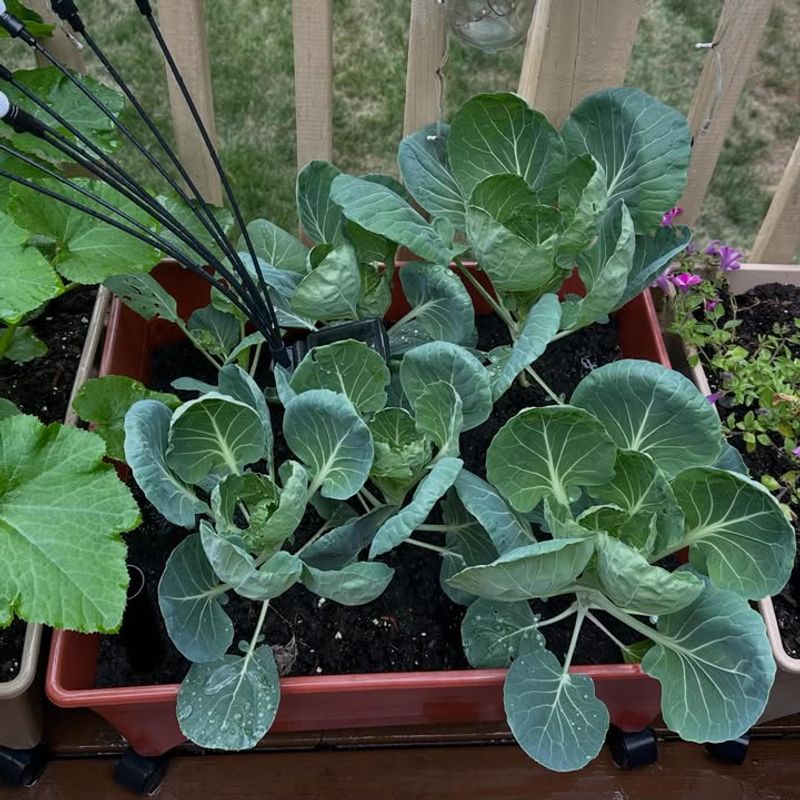
Brussels sprouts take longer to mature than most fall vegetables, which makes early August the last practical window for starting them indoors in warmer climates. Waiting even two weeks longer can push harvest into uncomfortably cold territory or cut the season short.
Plant seeds about a quarter inch deep in seed-starting mix. Keep the mix moist and place trays in a warm spot.
Germination usually happens within five to ten days at room temperature.
Brussels sprouts need consistent light once they sprout. Leggy seedlings with thin stems rarely recover fully after transplanting.
A grow light set on a timer for fourteen to sixteen hours daily keeps seedlings compact and well-rooted.
Expect an indoor period of six to eight weeks before transplanting. Plants should have several sets of true leaves and a sturdy stem before going outside.
Rushing this stage often results in transplants that stall rather than take off.
After transplanting, Brussels sprouts grow slowly at first. Patience is part of the process with this crop.
Sprouts develop along the main stalk from the bottom upward, and harvesting usually begins about ninety days after transplanting under good conditions.
Consistent moisture and occasional feeding with a balanced fertilizer support steady growth. Avoid heavy nitrogen applications once sprouts begin forming, as too much nitrogen can push leafy growth at the expense of actual sprout development.
5. Celery Requires An Early Indoor Start
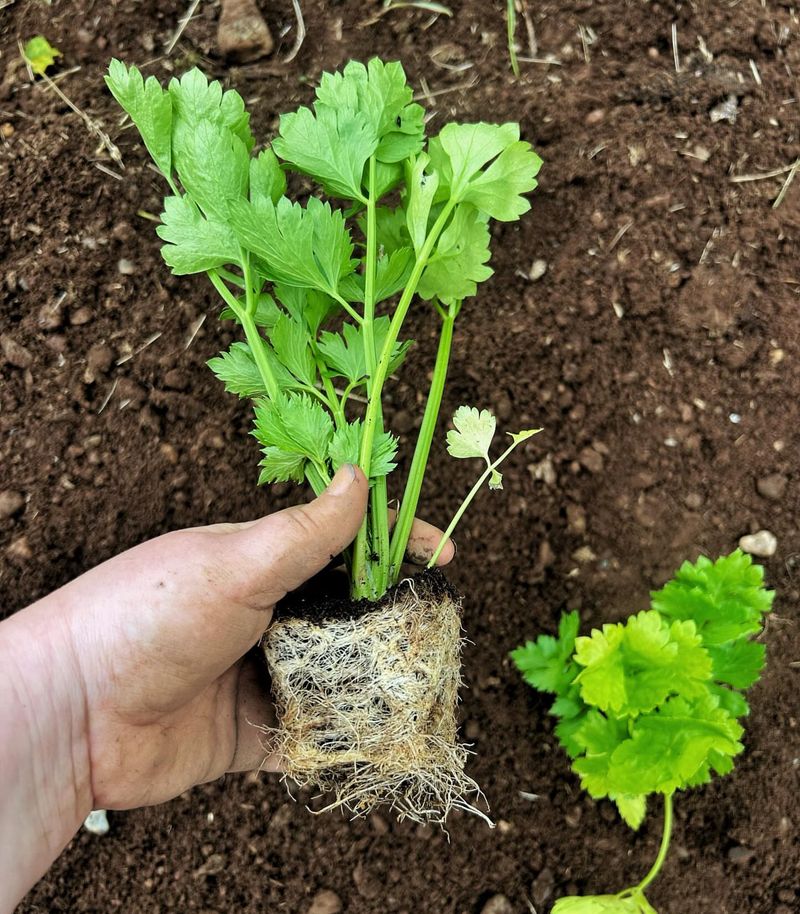
Celery is one of the slowest vegetables to germinate, and that slow pace is exactly why starting it indoors in early August makes sense. Waiting until outdoor conditions are right leaves almost no time for celery to develop properly before the season ends.
Sow celery seeds on the surface of moist seed-starting mix rather than burying them. Seeds need light to germinate, so pressing them gently into the surface is enough.
Keep the mix consistently moist and cover trays loosely with plastic wrap to hold humidity.
Germination can take two to three weeks, which surprises many first-time celery growers. Warmth and consistent moisture are the two main factors that speed things up.
Bottom heat from a seedling heat mat can help reduce germination time noticeably.
Once seedlings emerge, thin them so each cell has one strong plant. Celery seedlings are fragile early on, so handle them with care.
A gentle touch during thinning protects the roots of neighboring seedlings.
Plan for ten to twelve weeks indoors before transplanting. Celery prefers cool growing conditions once established, making it a good match for Arizona’s fall season.
Transplant when outdoor temperatures are consistently below 85 degrees Fahrenheit during the day.
Regular watering is non-negotiable with celery. Dry spells cause stalks to become stringy and bitter.
Consistent moisture throughout the growing season is the single biggest factor in producing crisp, flavorful celery stalks at harvest.
6. Kale Thrives During Arizona’s Cooler Fall Season
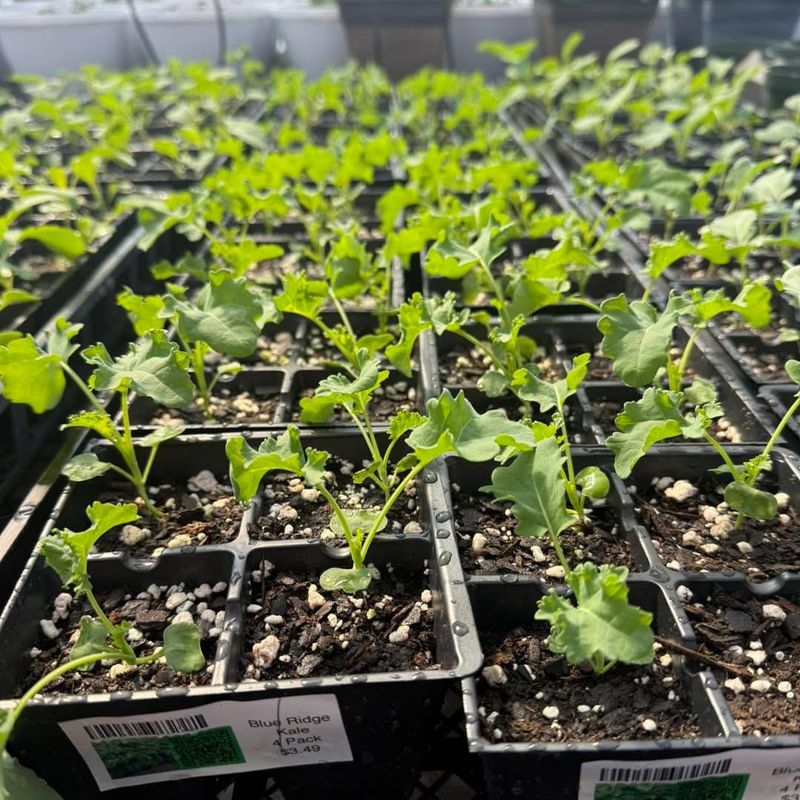
Kale is one of the most forgiving crops you can grow in the fall, but starting it indoors in August still gives it a real edge. Transplants establish faster than direct-sown seeds, especially when soil temperatures outside are still high.
Sow seeds about a quarter inch deep in cell packs or small containers. Kale germinates quickly, often within five to seven days in warm indoor conditions.
Keep the seed-starting mix moist but not waterlogged during this early stage.
Kale seedlings grow vigorously once they get going. True leaves appear within a week or two of germination.
At that point, move trays closer to a light source to prevent stretching and encourage compact, strong growth.
A four to six week indoor period is usually enough before transplanting. Kale is more cold-tolerant than most fall crops, which makes it flexible for outdoor planting timing.
Light frost can actually improve the flavor of kale leaves, making them sweeter and more tender.
Spacing kale plants about twelve to eighteen inches apart in the garden gives each plant room to develop a full canopy of leaves. Crowded plants compete for nutrients and tend to produce smaller, tougher leaves overall.
Harvest outer leaves regularly to encourage continued production. Kale can keep producing well into winter in many parts of the Southwest.
Consistent picking signals the plant to keep pushing out fresh growth rather than slowing down production.
7. Collard Greens Produce A Reliable Fall Harvest
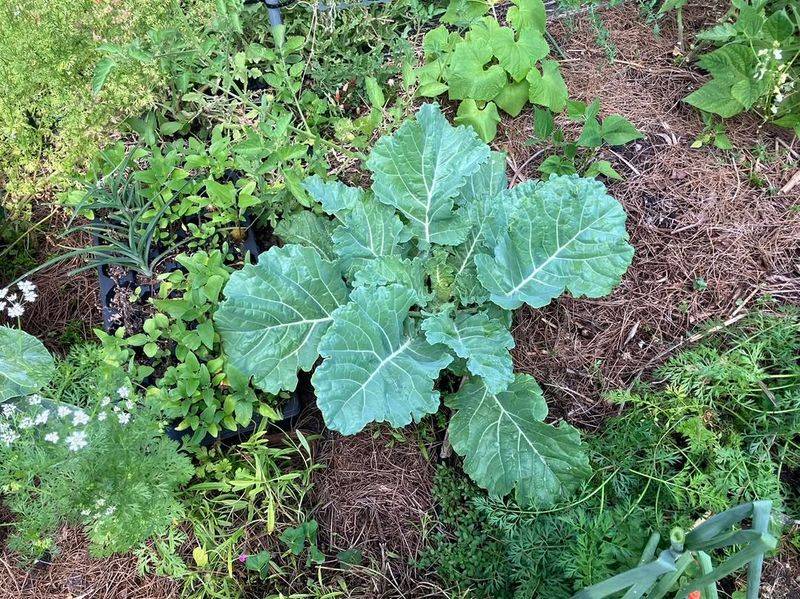
Collard greens are tough, dependable, and well-suited to fall growing in warm-weather regions. Starting seeds indoors in early August puts transplants ahead of the curve when outdoor planting conditions finally improve in September.
Sow seeds about a quarter inch deep in seed trays or cell packs. Collards germinate reliably within five to ten days at room temperature.
Keep the mix moist and place trays in a warm spot with good airflow.
Seedlings grow steadily once established. Two to three true leaves signal that plants are developing strong root systems beneath the surface.
At this stage, make sure each seedling has enough light to stay upright and compact.
Collards are ready for outdoor transplanting after about four to six weeks indoors. Harden them off over several days before moving them to the garden permanently.
Sudden exposure to wind and direct sun can stress transplants that have only known indoor conditions.
In the garden, collards are low-maintenance compared to many other fall crops. They handle temperature variation well and bounce back from minor stress without much fuss.
Consistent watering helps, but collards are more drought-tolerant than crops like celery or cauliflower.
Harvest individual leaves from the bottom of the plant upward. Leaving the growing tip intact keeps the plant producing for weeks.
With steady care, a single collard plant can supply a consistent harvest throughout the fall and into early winter.
8. Head Lettuce Starts Stronger Indoors
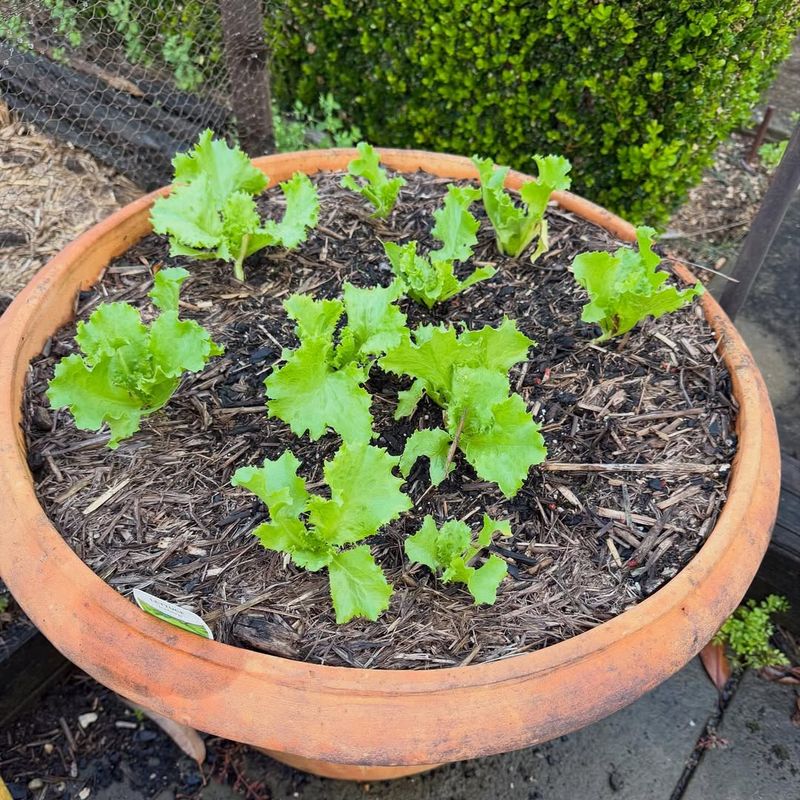
Head lettuce struggles to germinate well when soil temperatures are above 75 degrees Fahrenheit. In Arizona, outdoor soil in August is far too warm for reliable lettuce germination.
Starting seeds indoors solves that problem almost completely.
Sow seeds on the surface of moist seed-starting mix or just barely cover them. Lettuce seeds need light for best germination results.
Keep trays in a cool indoor spot, ideally around 65 to 70 degrees, to encourage strong sprouting.
Germination typically happens within three to seven days under good conditions. Seedlings emerge quickly and grow at a moderate pace.
Thinning to one plant per cell once seedlings reach an inch tall keeps root competition low.
Head lettuce needs about three to four weeks indoors before it is ready for transplanting. Rushing this stage produces fragile transplants that struggle to establish outdoors.
Waiting for a sturdy stem and several true leaves before moving plants outside leads to better results.
Transplant lettuce when outdoor temperatures are reliably below 85 degrees during the day. Cooler evenings in late September and October in many parts of the Southwest make conditions much more favorable.
Mulching around transplants helps regulate soil temperature after planting.
Head lettuce forms tighter, more uniform heads when it matures in cool weather. Heads that develop during a warm spell tend to be looser and bolt faster.
Timing transplants right is one of the most impactful steps in getting a quality harvest.