The Cover Crop Ohio Gardeners Sow In August To Build Soil Through Winter
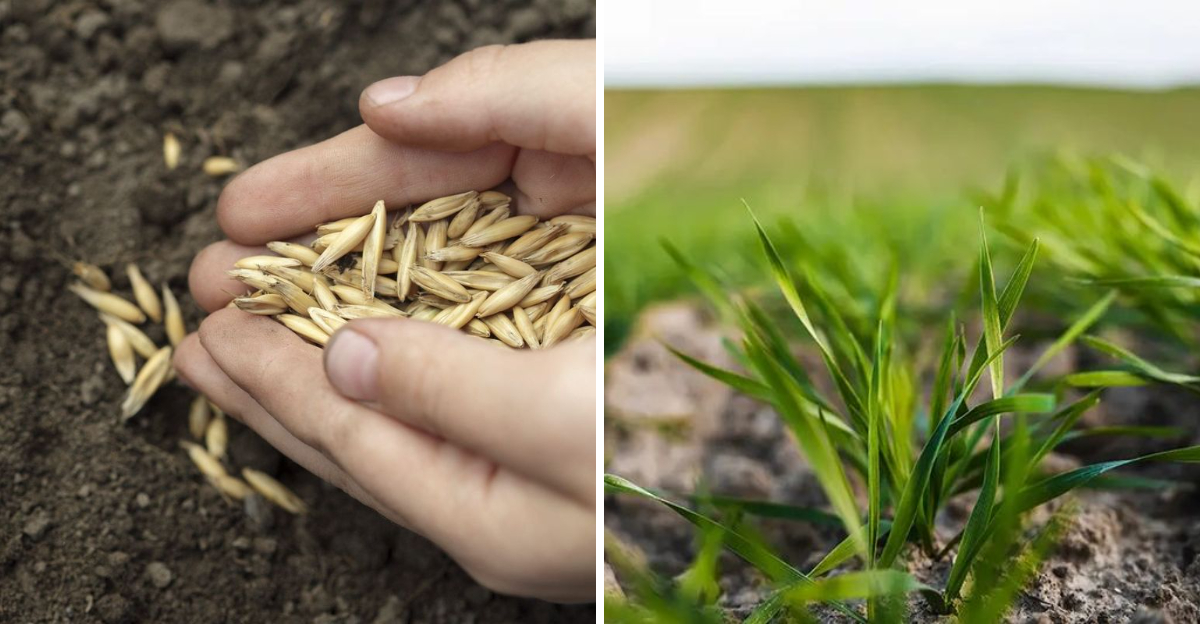
An empty vegetable bed in August still has work to do.
After beans finish, cucumbers slow down, or early summer crops clear out, bare soil can sit exposed for months. Rain hits it. Wind dries it. Weeds find it. Nutrients move where roots are no longer holding them in place.
That is a missed opportunity.
Ohio gardeners have a simple way to turn that empty space into soil-building ground before winter arrives.
The right cover crop can sprout fast, cover the bed, hold nutrients, protect the surface, and leave behind a useful mat once freezing weather settles in.
No big equipment is needed.
No complicated seed mix has to be measured across the whole yard.
This is one of the easiest late-summer soil habits for home vegetable gardeners, especially those who want better beds by spring without adding more chores in November.
So which cover crop belongs in Ohio garden beds in August?
Start with the fast-growing grain that handles late-summer sowing beautifully, then let the season do most of the work.
Oats Are The Cover Crop
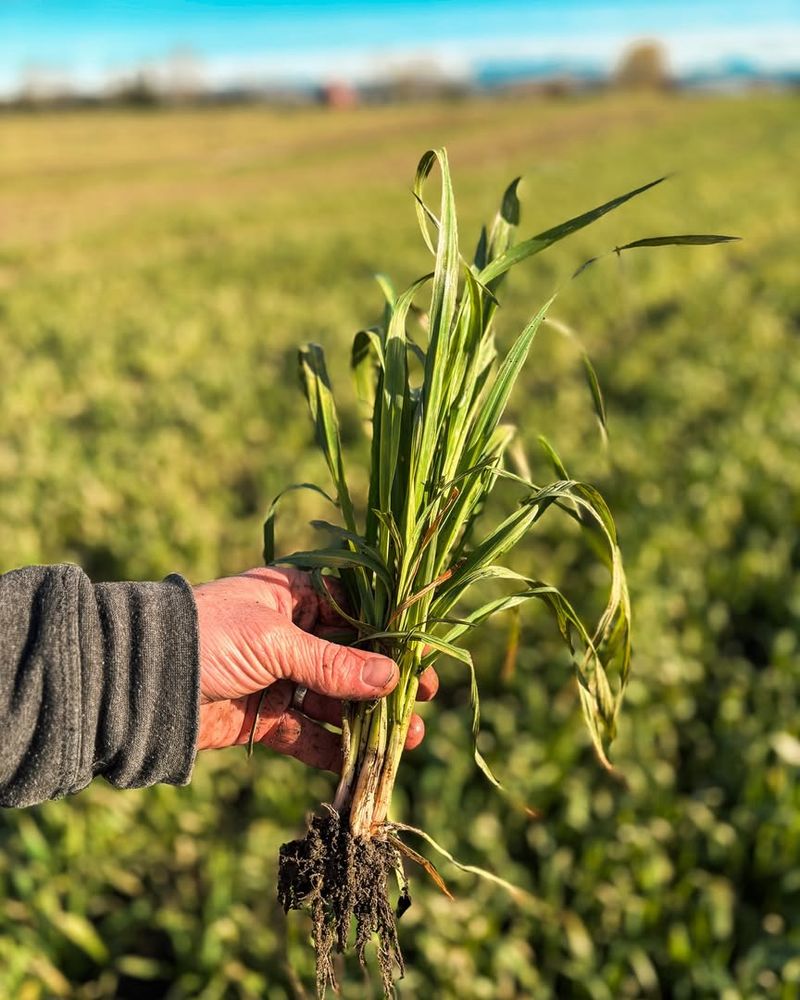
Oats are the simple August cover crop Ohio gardeners keep coming back to.
They sprout quickly, grow fast in late-summer soil, and cover empty beds before fall weeds get comfortable. For a home vegetable garden, that combination is hard to beat.
The seed is easy to handle. Oats are large enough to broadcast by hand, which makes them less fussy than tiny cover crop seeds.
Germination is quick. In warm, moist August soil, oats often send up green shoots within a week.
The roots do useful work. A dense, fibrous root system moves through the upper soil, helping create tiny channels where water and air can travel.
The top growth matters too. Leafy green growth shades the soil and makes it harder for late-season weed seeds to find light.
Oats are not legumes. They do not pull nitrogen from the air the way clover, peas, or vetch can.
They still help with nutrients. Oats capture leftover soil nutrients and hold them in plant tissue instead of leaving bare soil exposed to fall rain.
Winter handles the finish. In most Ohio gardens, freezing temperatures stop oat growth naturally.
That makes spring easier. Instead of a living cover crop that needs major cutting or turning, oats usually leave a flattened layer of residue behind.
Oats are not flashy.
They are practical, fast, forgiving, and perfectly suited to an August bed that would otherwise sit bare.
Clear Summer Crops Before Sowing
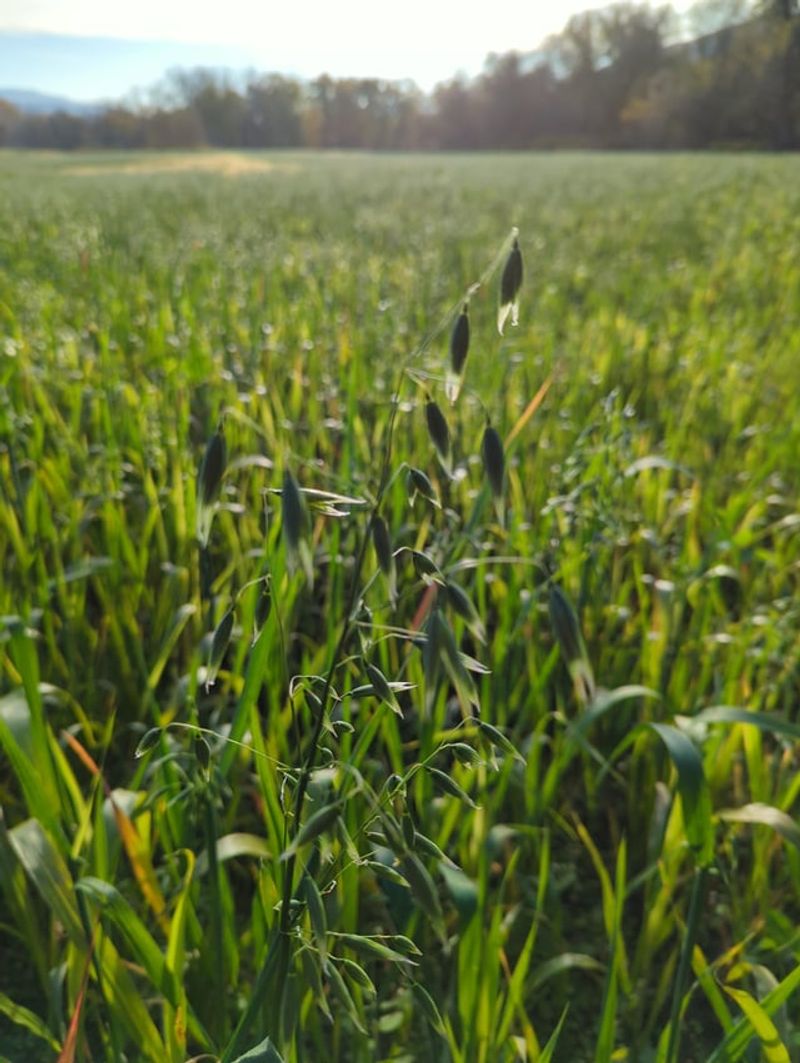
A good cover crop starts with a clean bed.
Old vegetable plants, tangled vines, fallen fruit, and established weeds all get in the way of even oat growth. A quick cleanup before sowing makes the stand thicker and more useful.
Pull finished crops completely. Remove old roots, stems, cages, strings, and plant tags so the bed is open and easy to rake.
Sort the debris. Healthy plant material can go to compost, while diseased or pest-heavy material should leave the garden cycle.
Do not bury problems. Blighted tomato leaves, mildewed squash vines, and insect-packed stems should not be mixed back into the bed.
Your Ohio Garden Changes Every Week. Your Plan Should Too.
Gardening in Ohio changes quickly throughout the season. Every Friday you’ll receive a simple weekly plan showing exactly what to plant, prune, fertilize, harvest, and protect so you never miss the right timing.
Cut bulky stems smaller. Large plant pieces break down slowly and can create uneven spots where seed does not contact soil well.
Pull weeds before seeding. Oats can suppress new weed seedlings, but they will not outcompete a mature lambsquarters or pigweed that is already rooted.
Remove seed heads. Weeds that have already formed seed can turn one cleanup shortcut into next year’s headache.
Keep producing crops in place. A pepper, tomato, or bean plant that is still giving a real harvest does not need to be sacrificed early.
Work around small spaces. Oats can be sown in cleared sections now, then added to new gaps as more summer crops finish.
The goal is not perfection.
It is giving the cover crop enough open, weed-free soil to establish before cooler weather slows everything down.
Rake Soil For Better Seed Contact
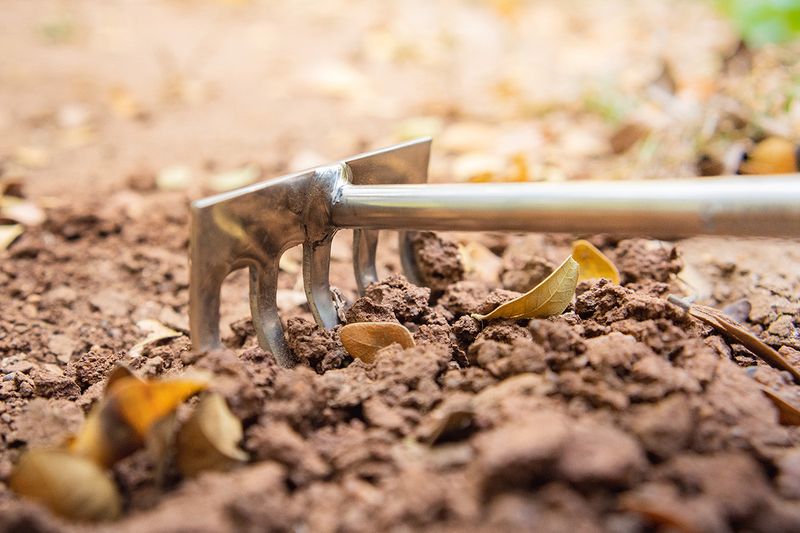
Oat seed needs contact with soil, not a fluffy mess.
A light raking before sowing helps the seed settle where it can absorb moisture and sprout evenly. This step is simple, but it can decide how full the cover crop looks later.
Loosen only the surface. The top inch or so is enough for oat seed.
Avoid deep digging. Turning the bed heavily can bring buried weed seeds to the surface and disturb soil structure more than necessary.
Break crusted soil. Beds that sat bare after rain may have a hardened top layer that keeps seed from settling in.
Level the surface. Fill shallow footprints, smooth ridges left by pulled crops, and remove big clods.
Watch low spots. Seed sitting in puddled areas can rot before it sprouts, especially after a late-summer storm.
Remove rocks and large debris. Oats are forgiving, but a smoother surface gives a more even stand.
Use a garden rake in two directions. Rake once lengthwise, then again across the bed to catch missed uneven patches.
Do not make the bed powdery. A firm, fine surface is better than soil so loose it dries quickly and shifts around.
Water before sowing if needed. Slightly moist soil helps seed settle, but mud makes broadcasting messy and uneven.
This is not a full bed renovation.
It is a quick surface reset that helps every oat seed get the contact it needs.
Broadcast Seed Across Empty Beds
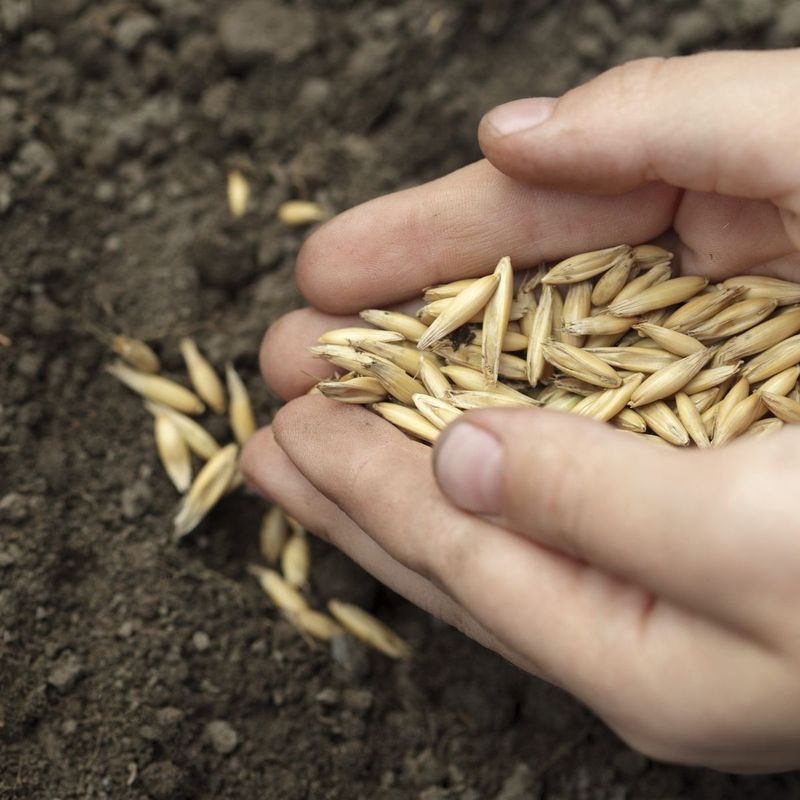
Even scattering makes a better winter cover.
Oats do not need tidy rows when they are grown as a cover crop. A broadcast layer across the whole bed gives better soil coverage and stronger weed suppression than a few narrow lines.
Divide the seed first. Put half in one container and half in another so you do not accidentally use it all on the first pass.
Walk one direction first. Scatter seed evenly across the bed while moving slowly from one end to the other.
Cross the bed next. Use the second half while walking at a right angle to the first pass.
That cross pattern fills gaps. It also prevents bare streaks that show up later as weed-friendly openings.
Pay attention to edges. Corners, bed ends, and fence-side strips are easy to miss while broadcasting.
Seed thick enough for cover. A sparse sowing leaves bare soil, while an even, generous layer creates the protective stand gardeners want.
Do not dump clumps. Thick piles of seed create crowded patches where seedlings compete with each other.
Keep seed out of standing water. Wet, muddy pockets are poor places for oats to begin.
Use fresh seed when possible. Old seed may still sprout, but germination can be uneven.
Label the bed. A simple marker helps you remember what was planted and when.
Broadcasting feels casual, but it works.
A few careful minutes with seed in hand can turn an empty August bed into a living soil cover before fall weeds wake up.
Press Seed Firmly Into Soil
Seed left on top is bird breakfast.
After broadcasting, oat seed needs to be pressed into the soil surface so it can stay moist and start sprouting. This step also keeps wind, rain, and hungry birds from moving too much seed around.
Use the back of a rake. Flip the rake over and press the flat side gently but firmly across the bed.
A board works too. Lay it over the seedbed and step on it lightly, moving section by section.
Do not bury seed deeply. Oats only need shallow coverage and good soil contact.
Half an inch to one inch is enough. Seed placed much deeper may struggle to emerge.
Look for a firm surface. The bed should feel settled, not loose and fluffy.
Check for visible seed. A few seeds showing is fine, but most should be tucked into or pressed against the top layer.
Avoid hard stomping. Compacted soil works against water movement and root growth.
Press after light raking. A gentle rake over the broadcast seed, followed by firming, usually gives excellent contact.
Protect the bed from heavy splash. A hard hose blast can undo the even coverage you just created.
This small step is easy to skip.
But pressed seed sprouts more reliably, stays in place better, and gives the cover crop a cleaner start.
Water Until Growth Takes Hold
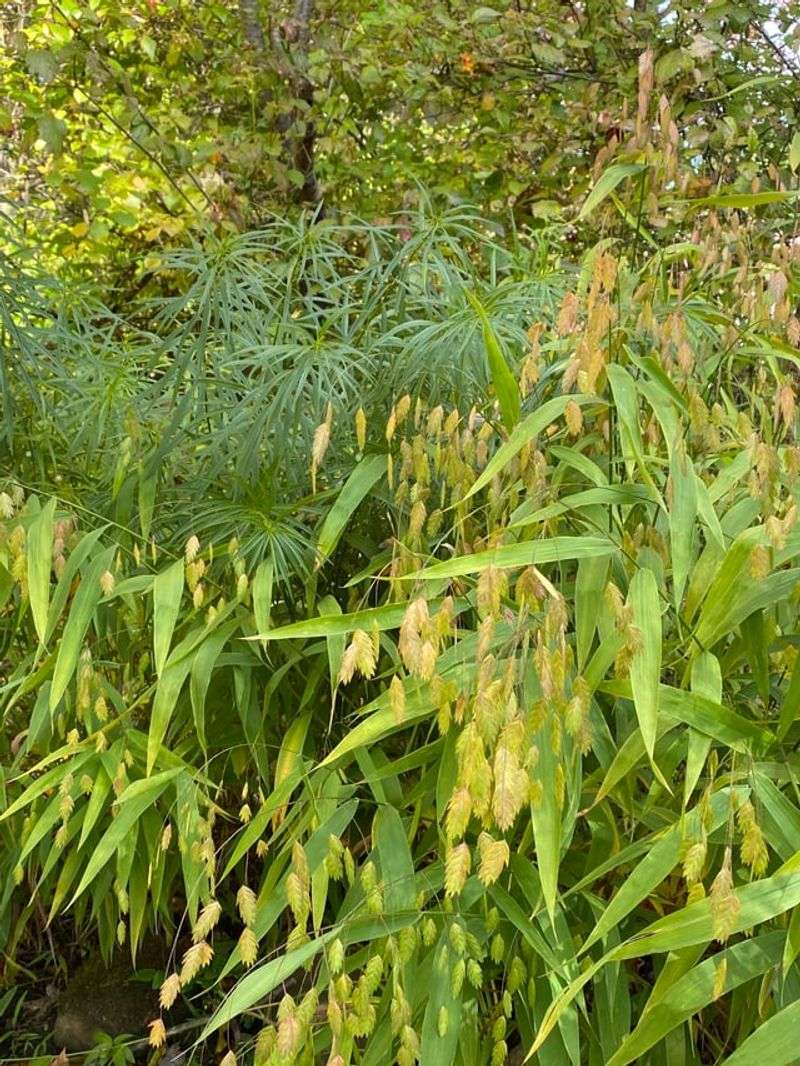
Fresh oat seed needs steady moisture at the surface.
August weather in Ohio can swing from soaking rain to dry heat quickly. Until the oats sprout and root, the top layer of soil needs more attention than the rest of the bed.
Use a gentle spray. A watering can with a rose head or a soft hose setting keeps seed from washing into piles.
Moisten the top inch or two. The goal is even moisture, not puddles.
Check during dry spells. A freshly seeded bed may need light watering once or twice a day when hot sun dries the surface fast.
Skip watering before real rain. A good storm can do the work for you, as long as the bed does not flood.
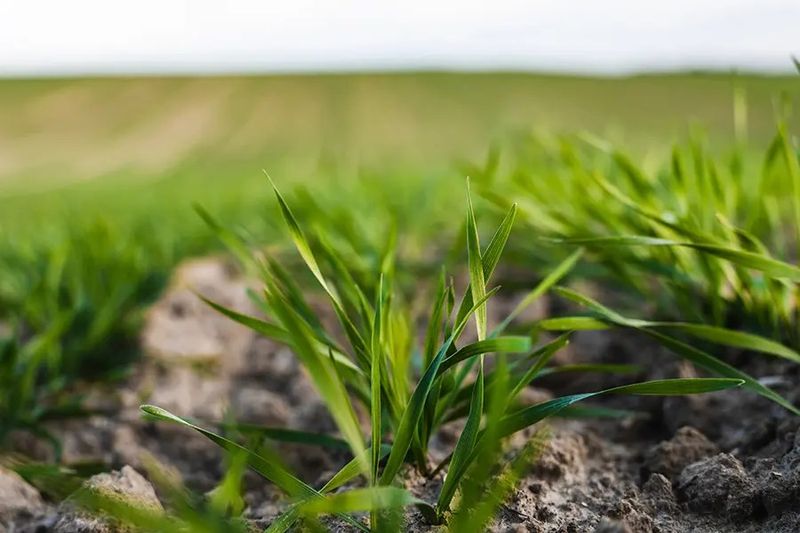
Watch for sprouts. Green shoots often appear within several days when soil is warm and moist.
Ease back after emergence. Once seedlings reach a few inches tall, their roots begin finding moisture deeper in the soil.
Avoid soggy conditions. Constantly wet soil can weaken seedlings and create patchy growth.
Water early when possible. Morning moisture gives the bed time to dry slightly before night.
Look for even color. A full green haze across the bed means the seed made good contact and moisture stayed steady.
After establishment, oats become much easier.
At that point, normal rainfall often carries them through the rest of the growing season.