The Native Ohio Plant That Helps Keep Stink Bugs Away From Porches
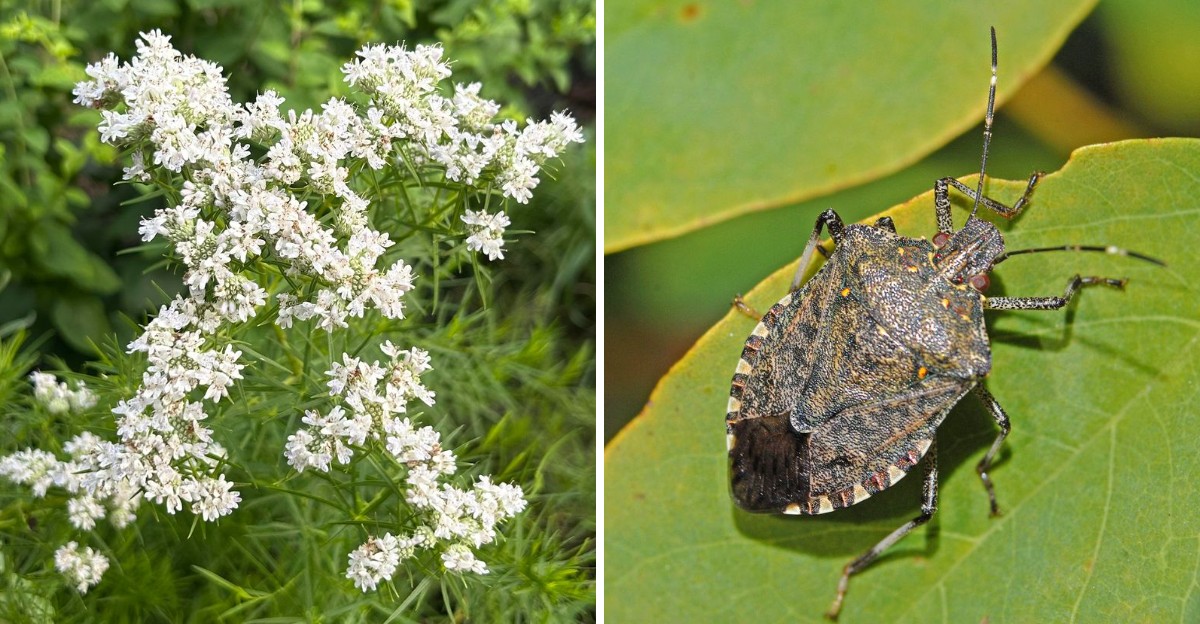
On many Ohio fall afternoons, brown marmorated stink bugs start gathering around the front door and sunny porch posts, clustering there like they got a group invitation nobody else received.
Homeowners want a simple plant fix for this, something to tuck near the porch and forget about.
The real answer turns out messier than that, and more interesting too.
One native Ohio plant keeps coming up in this conversation, loaded with bees, silvery blooms, and a scent strong enough to notice the moment a leaf gets brushed.
Whether that scent actually keeps stink bugs away is a different question entirely, and the honest answer deserves more than a quick yes or no.
Seven things explain what this plant actually offers, where the real evidence stops, and what still has to happen at the door itself no matter how many of these get planted nearby.
Meet Mountain Mint, The Overlooked Native
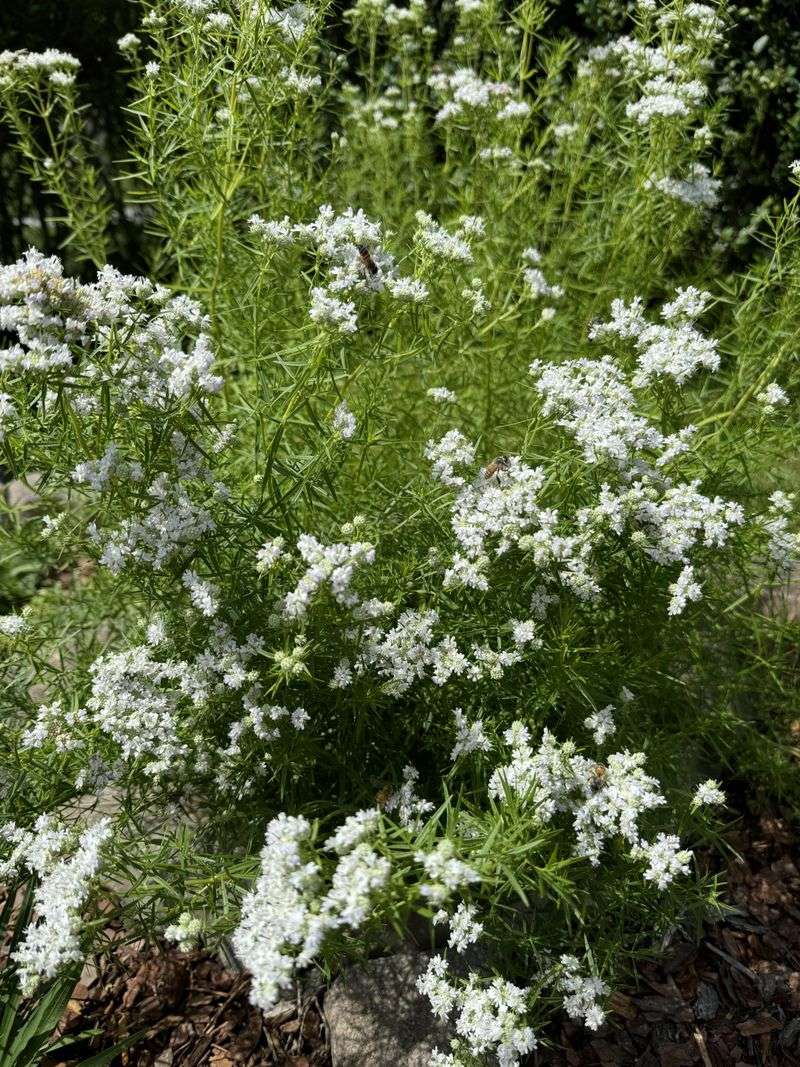
Ohio gardeners often miss mountain mint entirely because it looks fairly modest from a distance, easy to walk right past without a second glance most of the growing season.
Up close, though, this native perennial shines with silvery bracts, tidy clusters of small blooms, and a busy cloud of bees working it steadily all summer long, more than most flowering perennials manage to attract.
Several Pycnanthemum species are native to Ohio, which makes mountain mint a genuinely smart fit for local yards rather than an imported novelty picked up on a whim at a big box store.
It belongs in borders, pollinator patches, and sunny spots near porches, wherever a homeowner wants real beauty first, with any stink bug benefit treated honestly as a bonus rather than the main event driving the purchase.
The plant tends to hold its shape well through the growing season too, staying reasonably tidy without much fuss from the gardener tending it.
Once established, it becomes one of those quiet workhorse plants that shows up reliably every summer, drawing in pollinators long before anyone starts thinking about fall stink bug season at all.
Garden centers across Ohio have started stocking it more regularly too, a sign that more homeowners are catching on to what this plant genuinely offers beyond its reputation.
Strong Scent Compounds May Offer Some Deterrence
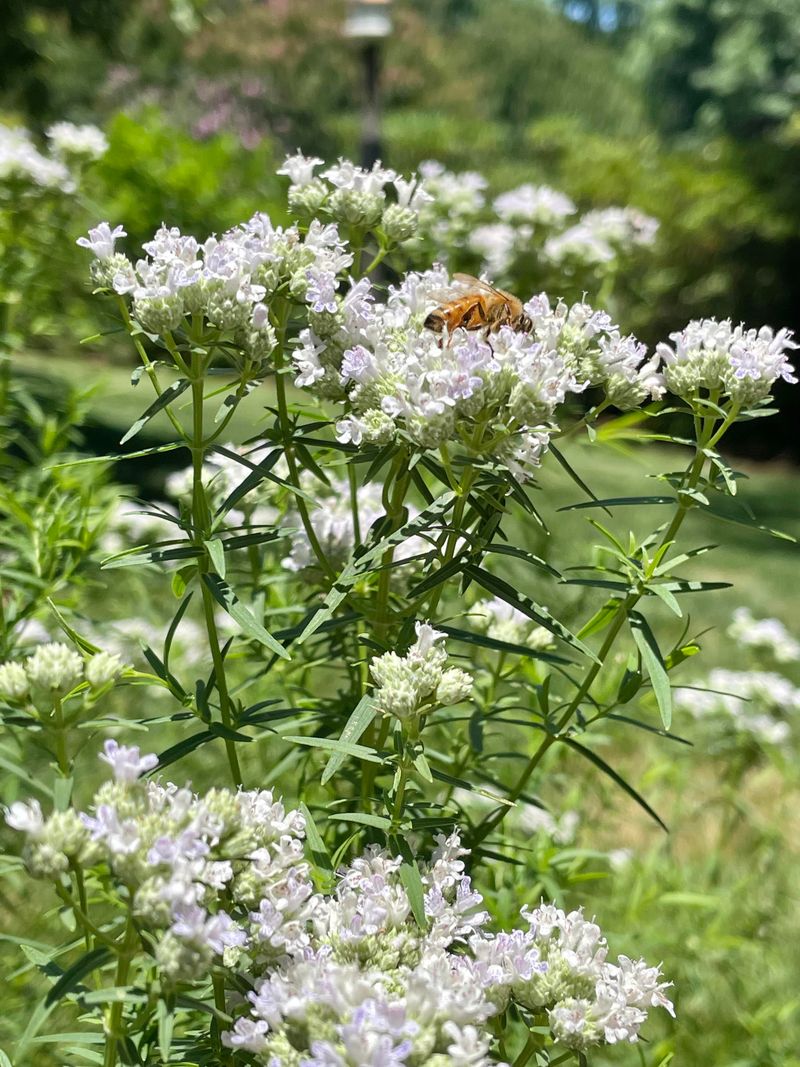
Crush a leaf between two fingers, and the reason for this plant’s reputation becomes obvious almost immediately, releasing a sharp, minty punch stronger than most garden herbs.
Mountain mint is part of the mint family, and related plants contain aromatic compounds that have shown insect-repelling activity in some lab studies, including work done specifically on essential oils extracted from similar aromatic species over the years.
Still, field proof for mountain mint actually stopping brown marmorated stink bugs at a real porch remains fairly limited so far, with most of the supporting evidence coming from controlled lab settings rather than actual backyards.
That gap matters quite a bit. The scent is best described as a promising clue worth exploring, not a guaranteed shield standing between stink bugs and your front step every single fall.
Your Ohio Garden Changes Every Week. Your Plan Should Too.
Gardening in Ohio changes quickly throughout the season. Every Friday you’ll receive a simple weekly plan showing exactly what to plant, prune, fertilize, harvest, and protect so you never miss the right timing.
Lab results and yard results do not always match up cleanly, and this is one of those cases where the science has not quite caught up to the hopeful garden center pitch just yet.
Anyone planting mountain mint purely for stink bug control should go in with realistic expectations about what the scent can and cannot actually promise once it is growing outdoors.
Treating the scent as one small factor among many, rather than a standalone solution, keeps expectations grounded in what research currently supports.
Plant It Near Doors And Windows
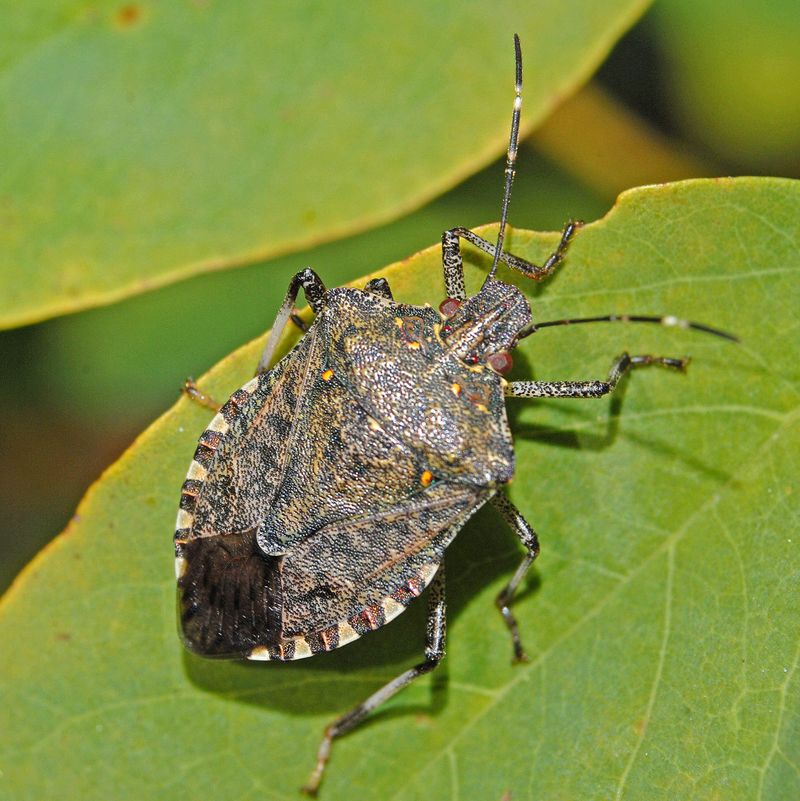
Picture the usual trouble spots first. The front door, window trim, and sunny siding where stink bugs tend to gather and soak up warmth before evening temperatures drop and they look for somewhere warmer to settle.
Plant mountain mint in nearby beds, porch-adjacent borders, or containers close to those areas, while leaving enough space so air can move freely and stems do not crowd walkways or doorways where people actually walk.
That setup makes practical sense for anyone wanting a fragrant native plant positioned near common entry points around the house, putting its strongest scent right where it might matter most.
Pair it with repaired screens and fresh weatherstripping, since stink bugs often gather on warm walls before slipping indoors through whatever gap they can find in siding, trim, or door frames.
Placement alone will not solve the problem outright, but it does put the plant’s scent exactly where it might do the most good, right at the spots bugs already prefer to linger during cooler fall afternoons.
Think of it as covering a base rather than closing the case entirely on stink bug prevention for the season.
Containers work particularly well here for renters or anyone wanting flexibility, since pots can be moved closer to problem areas as needed throughout the season.
Pollinators Flock To It All Summer
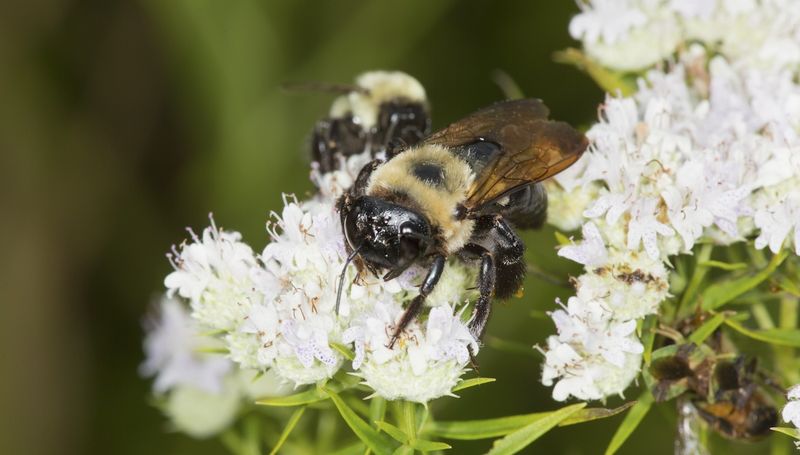
Few plants put on a summer show quite like mountain mint once it finally settles into a spot it genuinely likes and starts putting on real growth.
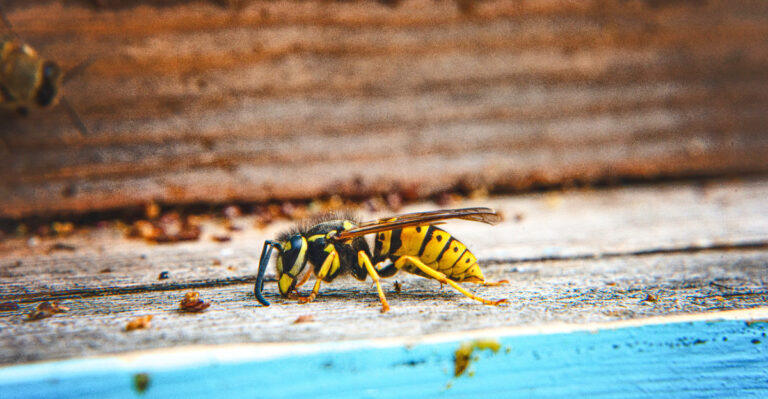
Once it starts blooming, bees, wasps, butterflies, and other helpful insects crowd the flowers steadily, giving a porch garden a constant, welcome hum of activity during the warmest weeks of the year when many other plants have already finished flowering.
That pollinator value stands entirely on its own and does not depend on any stink bug claim to feel worthwhile to the average Ohio gardener.
Even if the scent helps just a little against unwanted fall visitors, a gardener still comes away with a native plant that genuinely supports local wildlife and livens up the yard considerably through the busiest growing months.
Watching the flowers draw in such a busy, varied mix of insects tends to be reason enough to plant it, regardless of what happens once September rolls around and stink bugs start showing up.
Many gardeners end up keeping mountain mint around for exactly this reason alone, long after any stink bug concerns have faded quietly into the background of their planning.
Native bee specialists in particular seem drawn to it, making the plant a small but meaningful contribution to broader pollinator health in a typical Ohio yard.
Low Maintenance Roots Handle Poor Soil
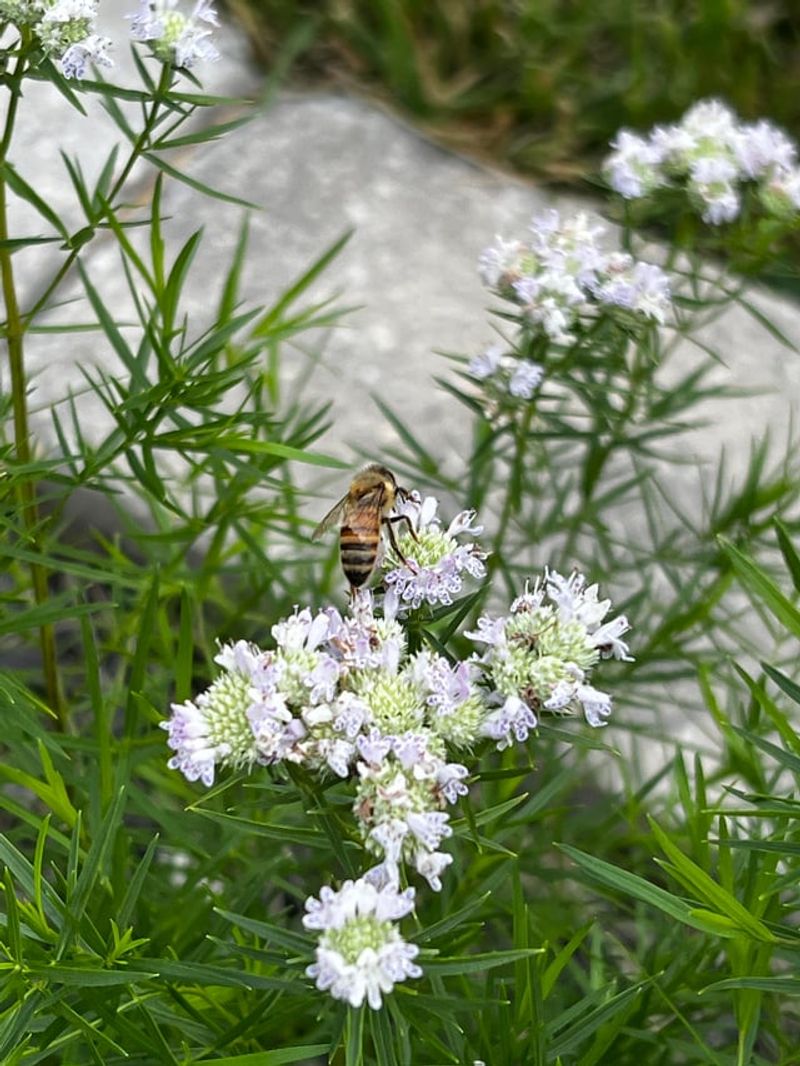
Some of the best porch plants are simply not fussy, and mountain mint fits that description about as well as any native perennial available to Ohio gardeners.
It handles average to poor soil without complaint, copes reasonably well with summer heat, and usually asks for nothing more than full sun or light shade plus decent drainage once it becomes properly established in a bed.
Gardeners should know upfront that it can spread more than expected once happy in a spot, so giving it room or using edging if needed prevents any unwelcome takeover of a smaller garden bed nearby.
Water it during dry spells through the first season while roots settle in properly, then step back and enjoy a tough, reliable perennial that does not demand much pampering to look genuinely good year after year.
That low-maintenance nature makes it an easy plant to recommend even to gardeners who consider themselves fairly hands-off, since it rewards a bit of neglect about as well as any native plant realistically can.
Established clumps rarely need fertilizer, and skipping it may actually help, since overly rich soil can push floppy growth at the expense of the tidy, upright habit most gardeners actually want.
A single division from an existing patch, planted in spring, usually fills in nicely within a season or two without much additional effort.
Treat It As Support, Not A Cure
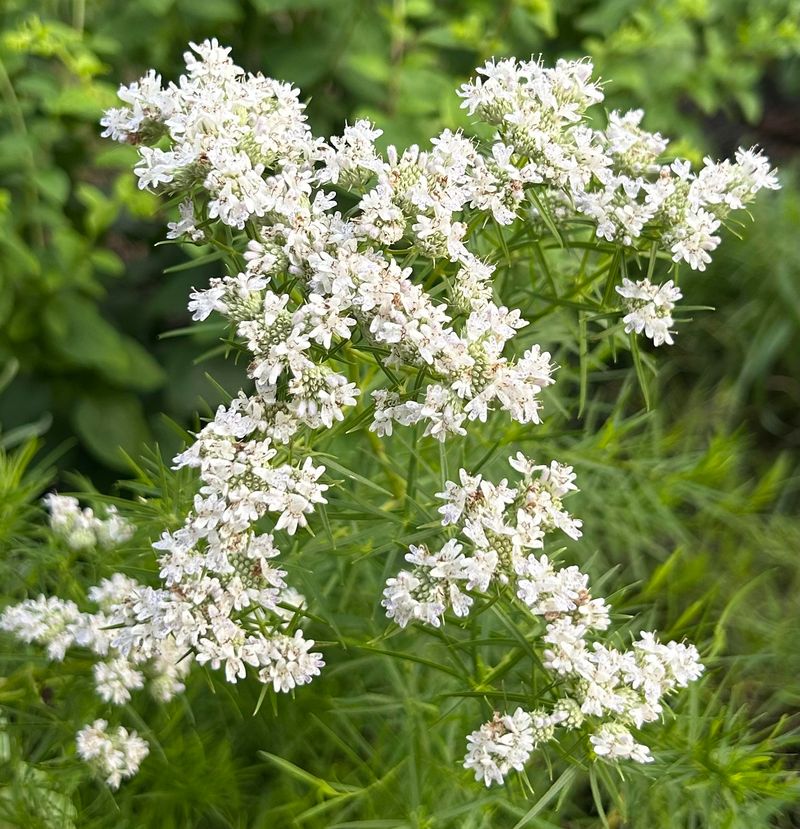
Hope is fine to have, but honest expectations save real frustration later once fall stink bug season actually arrives in full force across an Ohio neighborhood.
Ohio State University Extension guidance on brown marmorated stink bugs points homeowners toward exclusion and prevention as the real defense, so mountain mint should be seen clearly as a supporting player here, not a cure by itself for the whole problem.
Think of it as stacking the odds in your favor with a native plant that smells good, looks good, and does real work for pollinators in the meantime, regardless of stink bug outcomes.
If fewer bugs happen to linger nearby as a result, that counts as a welcome bonus worth appreciating. Just do not count on any single planting alone to stop a determined stink bug invasion outright once cooler weather sets in.
Setting expectations this way keeps the whole approach realistic, letting a gardener enjoy the plant for what it actually offers rather than feeling let down later when bugs still show up anyway despite a full border of it.
Pairing modest hopes with proven prevention methods tends to produce the best outcome overall, rather than betting everything on one native plant doing more than it reasonably can.
Sealing Entry Points Still Matters Most
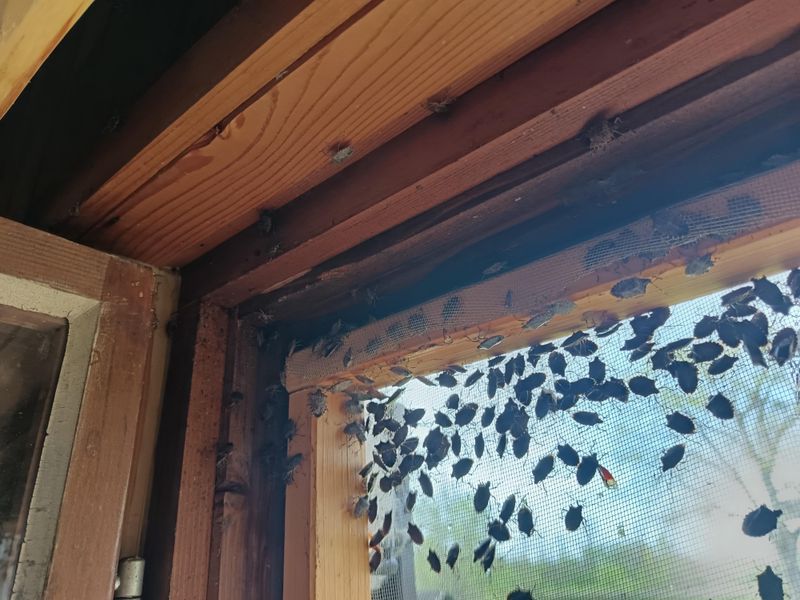
The real battle against stink bugs gets won at the cracks around a home, not out in the flower bed no matter how fragrant that bed happens to be.
OSU Extension notes that brown marmorated stink bugs enter buildings through small gaps, so door sweeps, caulk, screen repair, and sealing utility openings remain the most reliable protection available for porches and the inside of the house alike.
Use mountain mint as a smart companion to those steps, never as a replacement for the harder, less glamorous work of sealing up a home properly before fall temperatures drop.
A gardener gets a plant with real fragrance and genuine pollinator power out of the deal, while the maintenance work quietly cuts down on the paths stink bugs actually use to get inside once the weather turns cooler.
Together, the two approaches cover more ground than either one manages alone, which is really the most honest way to think about mountain mint’s actual place in this whole plan.
Homeowners willing to do both, plant thoughtfully and seal diligently, tend to report noticeably fewer indoor encounters than those relying on just one approach or the other by itself.