The Huge Spider Webs Appearing Across Ohio Yards In August (And Why You Should Leave Them)
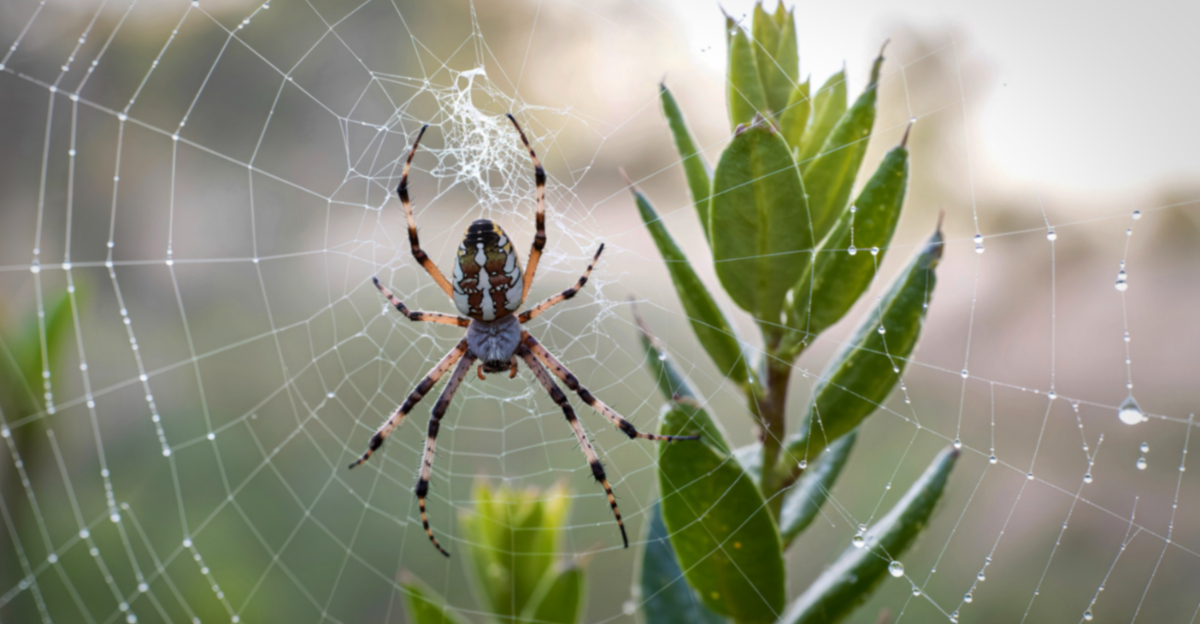
Every August, Ohio yards turn into an accidental art gallery. Silvery webs stretch between fence posts, rosebushes, and porch steps, catching the morning light like scattered jewelry. Walk through one at dusk and you will remember it for days.
Before reaching for a broom, consider what these spinners actually do behind the scenes. Most garden spiders spend their nights hunting mosquitoes, gnats, and other pests that make evenings outside unbearable.
That web is not decoration. It is a finely tuned trap built by an insect that would rather avoid you than bother you.
So this season, before clearing every strand away, take a closer look at your eight-legged neighbors. Your garden, and your patience with bug bites, might thank them.
Orb Weavers Reach Peak Size By Late Summer
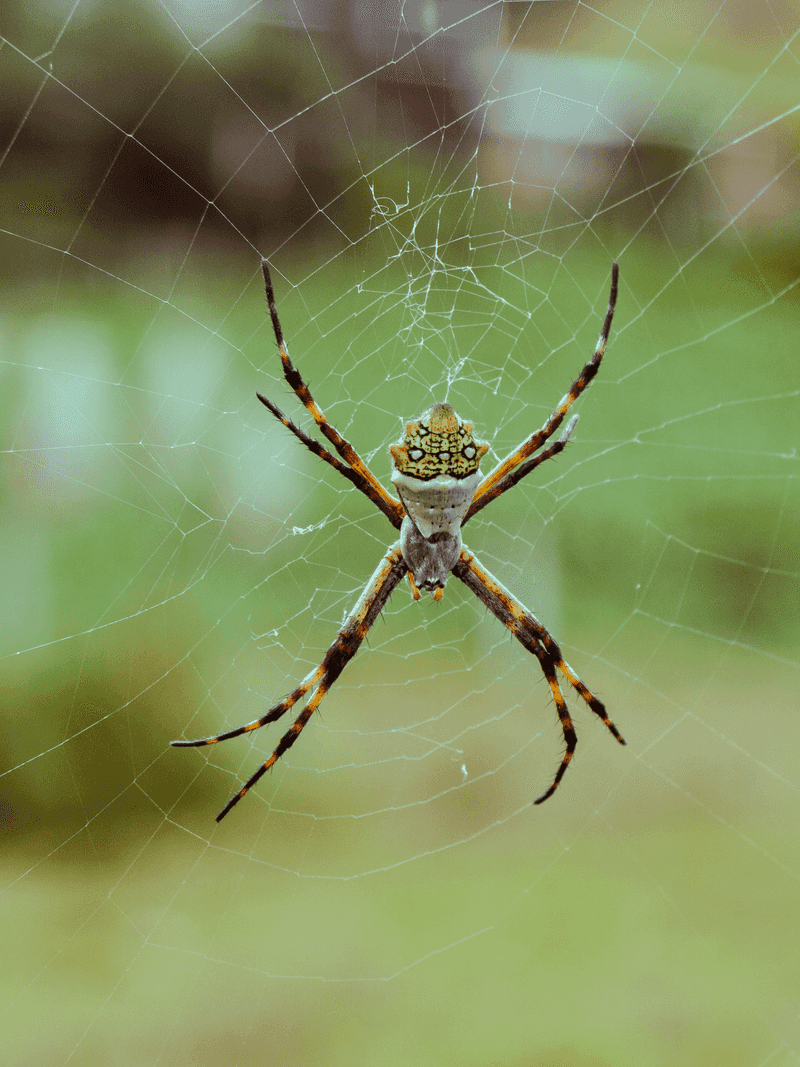
By the time August rolls around, orb weaver spiders have been quietly growing since spring. They reach their largest size right now, which is exactly why their webs suddenly feel so enormous and impossible to miss.
Orb weavers belong to a group of spiders known for spinning those classic, perfectly circular webs. These are the webs you see in every Halloween decoration, and the real thing is even more impressive up close.
Throughout summer, these spiders molt several times, shedding their old skin as they grow. Each molt brings them closer to full adult size, and by August, many females are nearly an inch long or bigger.
Adult females are almost always behind these late-summer displays. Their larger size and extra energy translate directly into bigger, more elaborate webs strung through the yard.
A single web can stretch three feet or more from one anchor point to the next. She works fast, rebuilding or repairing her web in the dark so it is ready before sunrise.
Late summer is also mating season, which pushes females to eat more and grow stronger. More food means more energy, and more energy means bigger, more elaborate webs strung across your favorite garden path.
Watching one of these spiders work at night is genuinely fascinating. Their eight legs move with surprising precision, and the finished product looks almost engineered rather than spun from a tiny body.
The Yellow Garden Spider Builds Most Of These Webs
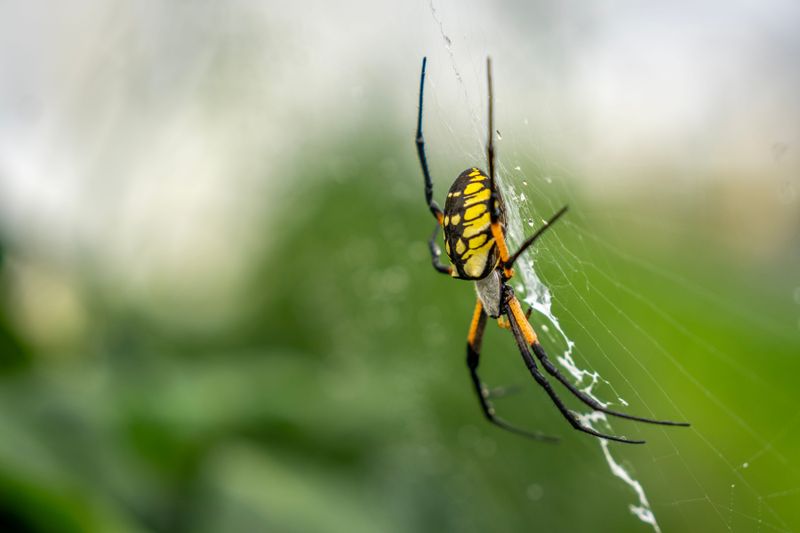
Meet Argiope aurantia, better known as the yellow garden spider, the most likely architect behind those jaw-dropping webs in your yard. With bold yellow and black markings, she is hard to miss once you spot her.
Yellow garden spiders are native to North America and incredibly common across the Midwest. They thrive in open, sunny areas with tall plants, which makes Ohio gardens basically perfect real estate for them.
One of their most recognizable features is the zigzag silk pattern running down the center of their web. Scientists call this the stabilimentum, and researchers still debate exactly why spiders create it.
Some theories suggest the zigzag makes the web more visible to birds, preventing accidental damage. Others believe it helps attract insects by reflecting ultraviolet light, essentially acting like a neon sign for bugs.
Your Ohio Garden Changes Every Week. Your Plan Should Too.
Gardening in Ohio changes quickly throughout the season. Every Friday you’ll receive a simple weekly plan showing exactly what to plant, prune, fertilize, harvest, and protect so you never miss the right timing.
Female yellow garden spiders can reach over an inch in body length by late August. Their legs extend even further, making them look much larger and more dramatic than they actually are.
Despite their striking appearance, these spiders are not aggressive toward people at all. They would much rather focus on catching grasshoppers, flies, and moths than pay any attention to you.
This single species is often the signature architect of these jaw-dropping displays. Once you learn her zigzag pattern, yellow garden spiders start turning up on nearly every fence and shrub nearby.
Webs Spanning Several Feet Anchor Between Shrubs And Eaves
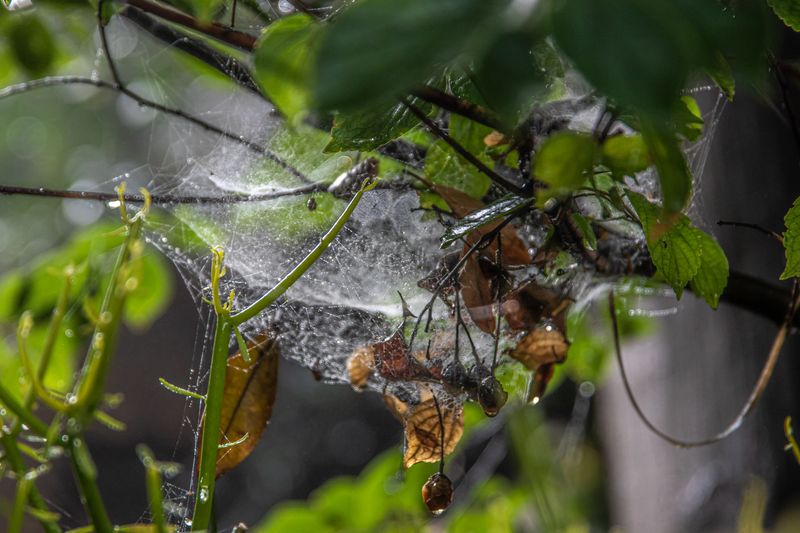
Step outside on an August morning and you might find a web stretching from your rose bush all the way to your porch eave. The scale of these structures is genuinely surprising the first time you see one.
Orb weavers are strategic builders who scout locations carefully before committing to a spot. They prefer areas with natural anchor points on at least two or three sides, which is why shrubs, fences, and building overhangs are so popular.
A single web can span three feet or more across its widest point. The outer frame threads are anchored with sticky silk, while the spiral threads inside do the actual trapping work.
These spiders often choose spots near outdoor lights because insects swarm around artificial light at night. Positioning a web near a porch light is basically setting up shop next to the world’s most reliable food delivery system.
Garden eaves offer perfect shelter from wind and rain, which helps the web last longer. A protected web means fewer repairs and more energy saved for egg production later in the season.
You might notice webs appearing in the same spot night after night. Spiders often return to successful locations, rebuilding or refreshing the web rather than starting from scratch somewhere new.
Web placement here is anything but random. Every choice reflects careful instinct honed over millions of years, turning each web into a tiny masterpiece of natural engineering.
These Spiders Pose Almost No Risk To People
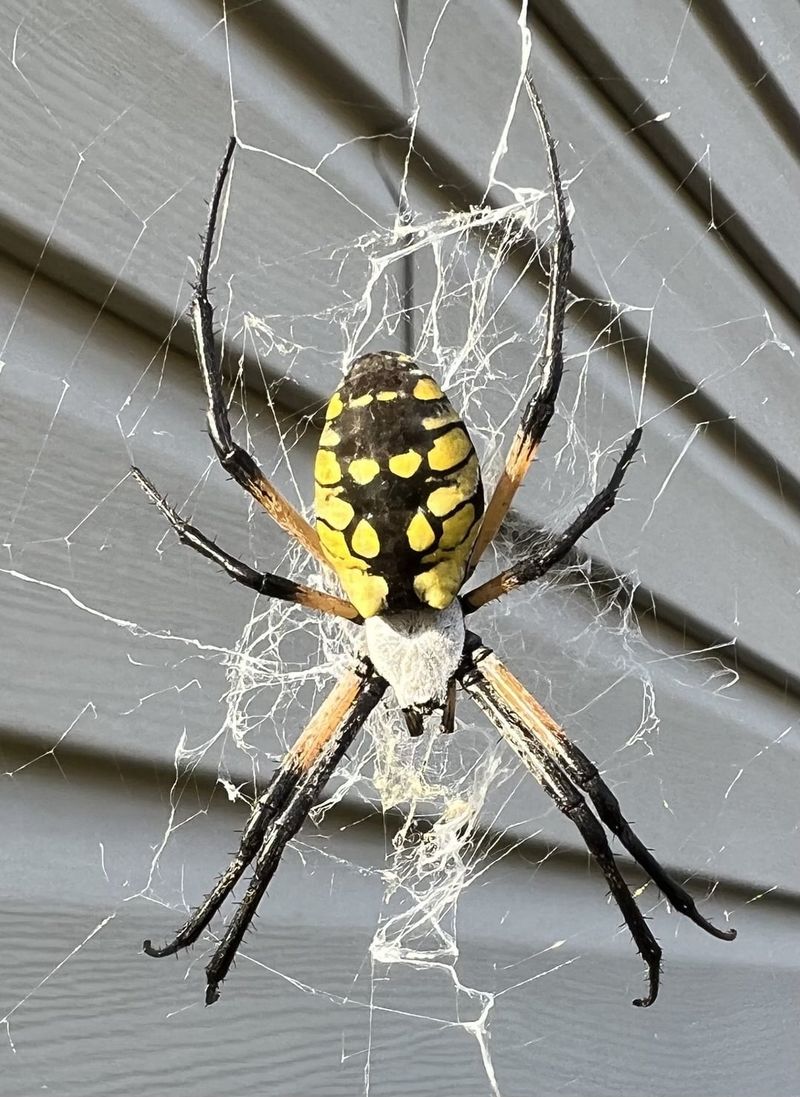
For most people, spotting a spider the size of a quarter sends them running for the nearest shoe. But yellow garden spiders and orb weavers are genuinely among the most harmless spiders you will ever encounter.
Their venom is designed to paralyze small insects, not harm large mammals. For humans, a bite from a yellow garden spider feels roughly like a bee sting and fades within a day.
Bites are extremely rare anyway, because these spiders simply have no interest in people. They are focused entirely on catching their next meal and staying hidden from birds and other predators.
If you accidentally disturb one, the spider’s first instinct is to drop off the web and hide. Running away is their first instinct, and biting only happens when escape isn’t possible.
Children and pets can safely share a yard with these spiders without any real concern. Keeping curious toddlers from grabbing the spider directly is wise, but the web itself poses very little danger.
People with spider allergies should still exercise basic caution, just as they would with any insect. But for the vast majority of adults and kids, these spiders are genuinely safe neighbors.
These spinners belong to creatures that would rather retreat than engage with you at all. Leaving their webs intact is the easiest, safest choice you can make this summer.
Each Web Traps Dozens Of Garden Pests Overnight
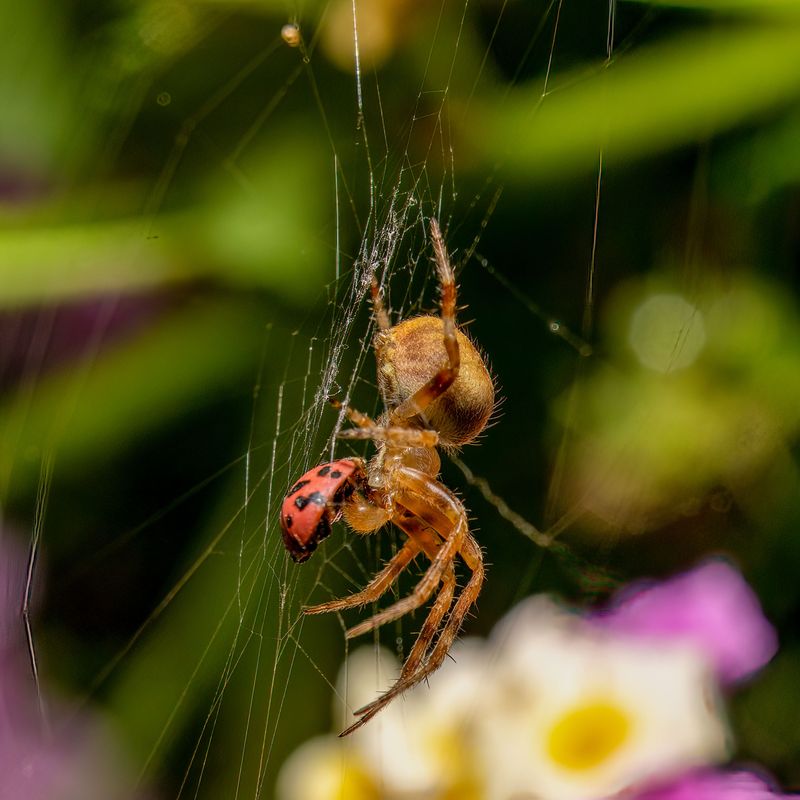
Think of each web as a free, fully automated pest control system running in your yard every single night. No chemicals, no subscriptions, no effort required on your part whatsoever.
A single orb weaver can consume dozens of insects every night during peak summer feeding. Over the course of August alone, that adds up to hundreds of pests removed from your garden.
Their menu includes mosquitoes, aphids, gnats, small moths, leafhoppers, and whiteflies. Every one of those insects is either a direct threat to your plants or a nuisance to your evening cookout plans.
Mosquitoes in particular are a huge target for web-spinning spiders near water features or shaded areas. Fewer mosquitoes means more comfortable evenings outside without constantly swatting at your arms.
Leafhoppers and aphids cause serious damage to vegetable gardens and flower beds. Having a spider patrol running overnight means your tomatoes and zucchini get a layer of natural protection that money cannot easily buy.
The web itself works passively while the spider rests at the center or hides at the edge. Vibrations from trapped prey alert her instantly, and she moves in to wrap the catch before it escapes.
These structures are not eyesores waiting to be cleared but quiet shields protecting everything you have worked hard to grow. What looks like clutter is doing real work overnight.
Removing A Web Just Means The Spider Rebuilds It
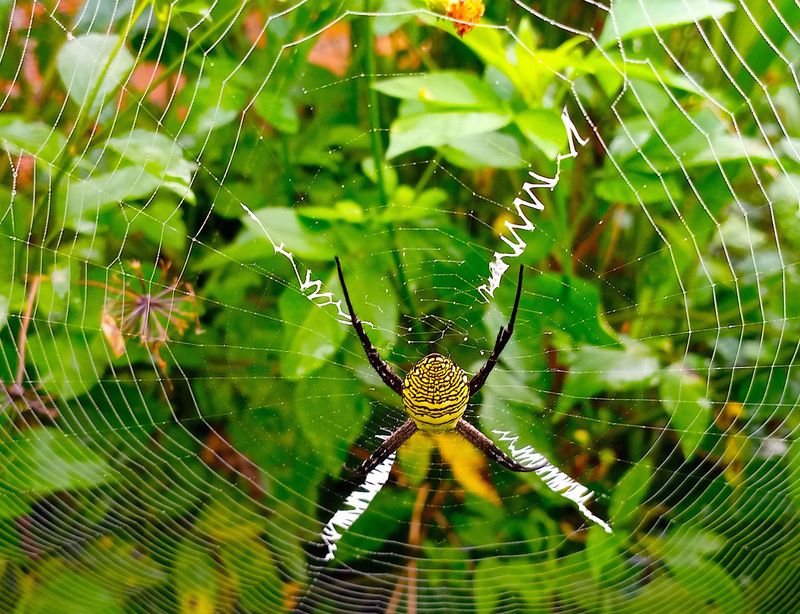
Grab a stick and knock the web down tonight, and guess what greets you tomorrow morning? The exact same web, rebuilt in the exact same spot, looking just as dramatic as before.
Orb weavers are tireless rebuilders who treat destruction as just another part of the routine. Many species actually eat their own web each evening, recycling the protein before spinning a fresh one overnight.
Removing a web does not relocate the spider or discourage her in any meaningful way. She simply reads the same environmental cues, finds the same anchor points, and starts spinning again within hours.
All that effort on your part accomplishes nothing except temporarily clearing a path. Meanwhile, the spider loses a night of hunting, which can actually slow down her pest-control work in your garden.
If a web is truly blocking a doorway or high-traffic path, a gentle relocation works better than destruction. Use a long stick to guide the spider onto a nearby bush, and she will set up shop there instead.
Spiders relocated to dense shrubs or garden borders tend to stay put and build new webs quickly. A little patience during the move saves everyone the frustration of an endless rebuild cycle.
These builders are known for extraordinary persistence season after season. Working with that instinct instead of against it is the smartest, easiest approach any homeowner can take.