How Ohio Gardeners Are Getting Carrots To Sprout In August Heat
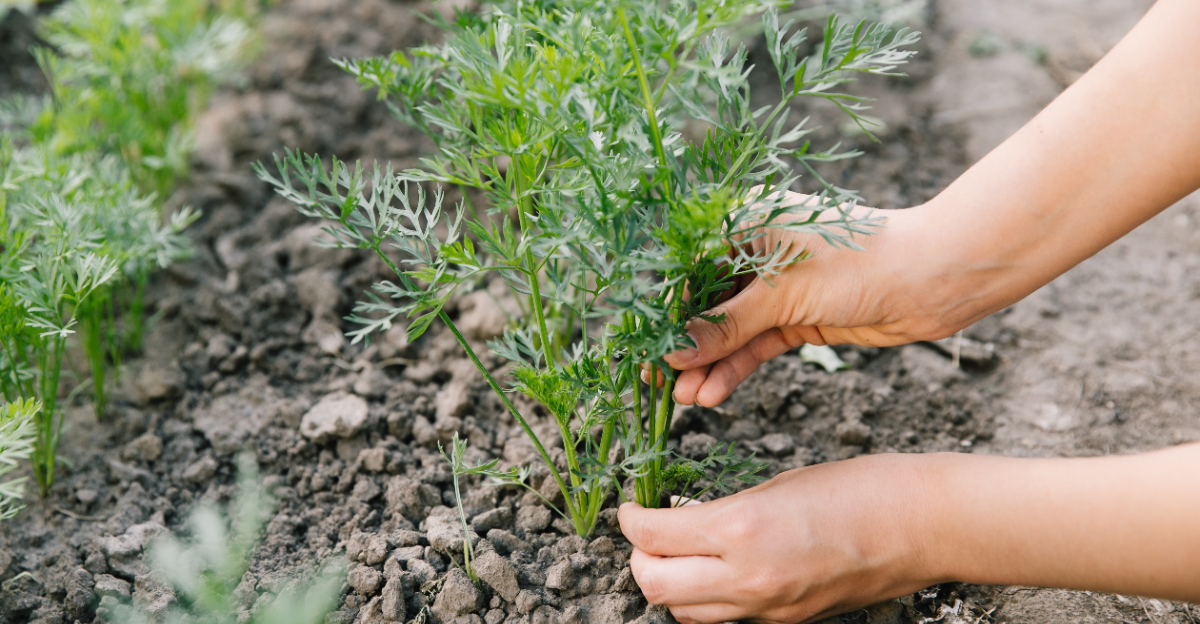
August carrots ask Ohio gardeners to solve a problem that looks unfair.
The seed is tiny, the soil surface can turn hot and crusty, and germination may take long enough for one dry afternoon to ruin the effort. Yet late summer is exactly when fall carrot crops need to begin.
The trick is not forcing the seed through heat.
It is keeping the seed zone cool, loose, and evenly moist long enough for those first roots and leaves to appear. Timing matters too, because carrots need weeks of growth before cold weather slows them down.
So how do you get a reliable stand when August keeps baking the bed?
Work backward from your frost window, choose a faster variety, prepare a fine seedbed, and protect the top layer from drying hard. Shade can help during the hottest afternoons, but it needs to come off once seedlings emerge.
Carrots may be slow starters.
Give them the right first two weeks, and the rest of the fall crop becomes easier to manage.
1. Count Germination Time Into The Fall Window
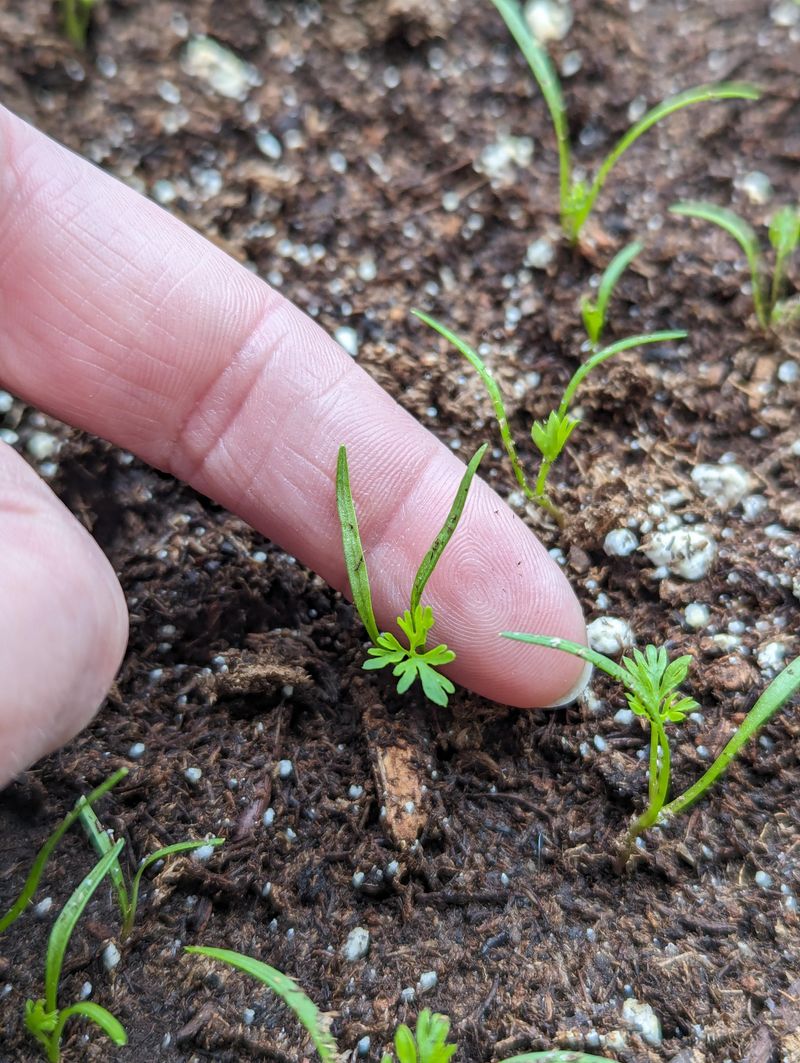
The August carrot calendar works best when you start at the harvest end and count backward.
Carrot seed can take roughly 10 to 21 days to emerge, and many varieties need another 60 to 80 days to reach useful size.
That means a late planting needs enough warm weather for germination, followed by enough fall growth for roots to bulk before colder conditions slow everything down.
Choose the faster end of the seed rack.
Nantes and Chantenay types often mature sooner than long-storage carrots, which gives an August sowing more breathing room. A packet listing about 65 to 70 days to maturity is easier to fit into the season than one pushing well past 80 days.
Ohio frost timing changes by location.
Northern and central gardens generally need to treat early August as valuable sowing time, while southern Ohio often keeps usable growing weather a little longer.
Local elevation, lake influence, and the individual yard can shift the first frost too, so use your own recent frost history rather than one statewide date.
Heat matters before frost does.
Carrot seed prefers cooler germination conditions than an August soil surface may provide. The deeper bed can be noticeably cooler than the top quarter inch where the seed sits.
That is why timing and surface care work together.
The calendar gets the seed into the race. Moisture and temperature management determine how well it leaves the starting line.
2. Loosen Baked Soil Before Sowing
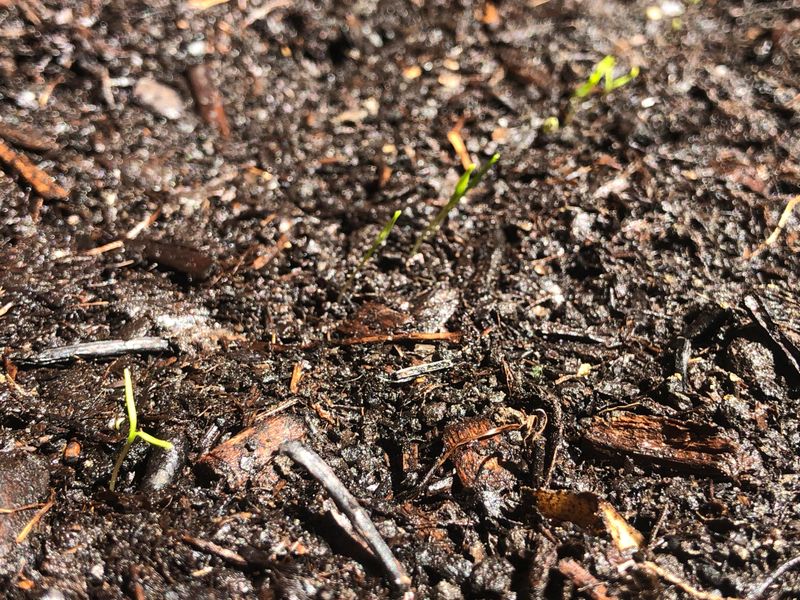
A carrot root has no interest in wrestling with baked clods on its way downward.
August beds can develop a hard surface after weeks of heat, foot traffic, and repeated drying. Before sowing, loosen the growing area deeply enough for the variety you chose, then break the upper layer into small, soft crumbs.
Aim for depth without pulverizing wet soil.
Heavy Ohio clay becomes especially troublesome when worked while sticky. Digging or tilling it in that condition can smear particles together and leave hard clods after drying. Wait until a handful breaks apart easily rather than staying molded into a dense ball.
Your Ohio Garden Changes Every Week. Your Plan Should Too.
Gardening in Ohio changes quickly throughout the season. Every Friday you’ll receive a simple weekly plan showing exactly what to plant, prune, fertilize, harvest, and protect so you never miss the right timing.
Remove stones as you go.
A carrot root meeting a rock or compacted layer may fork, twist, or stop short. The result can still taste fine, but straight roots are much easier to clean, peel, and brag about.
Finished compost can improve a tired bed when used modestly.
Blend a light amount into the upper soil where organic matter is low, but avoid loading the row with fresh manure or rich, undecomposed material. Carrots do better in loose soil than in a heavily fertilized bed pushing excessive top growth.
Raised beds can simplify the job.
They often offer deeper loosened soil and better drainage than compacted ground, though they also dry faster in August.
Prepare the root zone before the seed goes down.
Once carrot seedlings emerge, deep cultivation becomes risky because the roots you want are already occupying that space.
3. Build A Fine Seedbed For Tiny Seeds
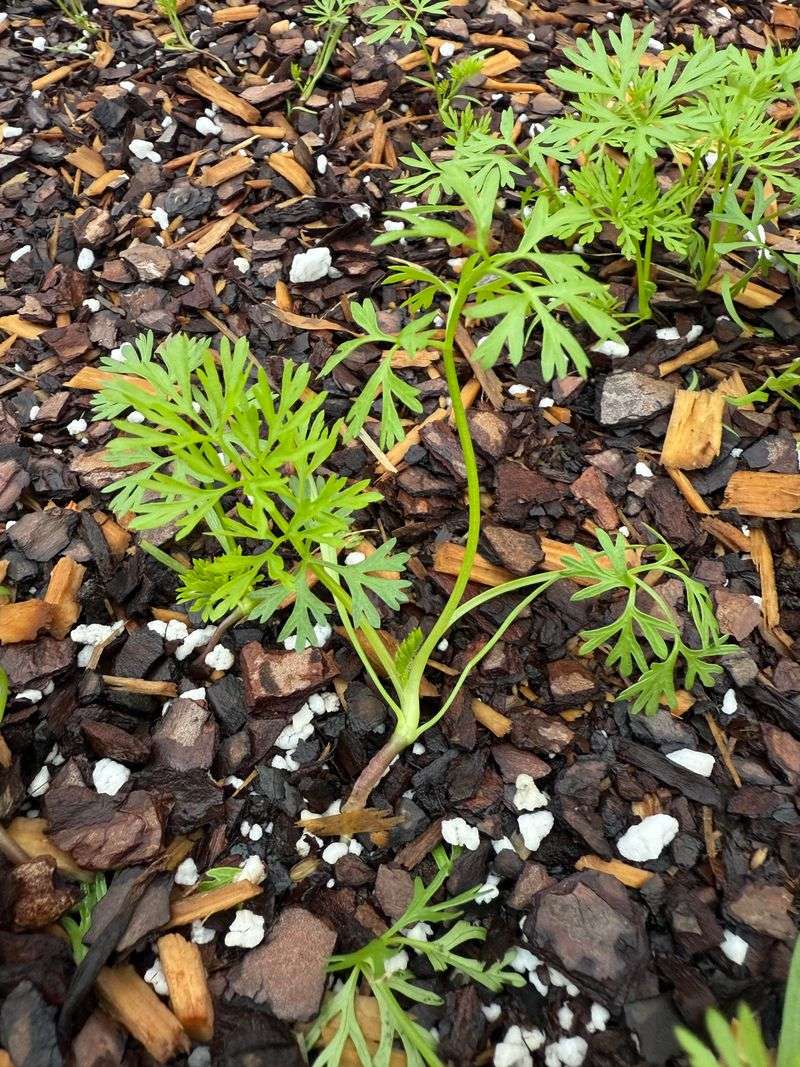
Tiny carrot seeds need a surprisingly polished landing zone.
After loosening the bed, spend extra time on the top inch or two. Rake away stones, roots, bark chunks, and hard clods until the surface is fine enough for shallow seed to sit in close contact with moist soil.
Depth is easy to overdo.
Carrot seed generally belongs only about a quarter inch deep, with a light covering rather than a buried trench.
A seed placed too far down has to spend limited stored energy reaching the surface, and hot summer soil does not make that climb any easier.
Make the row easy to find.
A shallow groove, a short line of stakes, or a thin string beside the sowing area keeps later watering aimed in the right place. Some gardeners mix seed with dry sand to spread it more evenly and reduce clumps.
Radishes can mark the row too.
They emerge much faster than carrots and show exactly where the slower crop is waiting below. Harvest the radishes early so they do not become competitors.
After sowing, press the surface gently.
Good seed-to-soil contact helps moisture move toward the seed and reduces tiny air gaps that can dry it out. Firm does not mean compacted. A light hand is enough.
This part of the job looks almost fussy, but carrot seed rewards it.
Big seeds can muscle through rough ground. Carrot seed arrives with less luggage and needs a smoother road.
4. Keep The Surface From Crusting Over
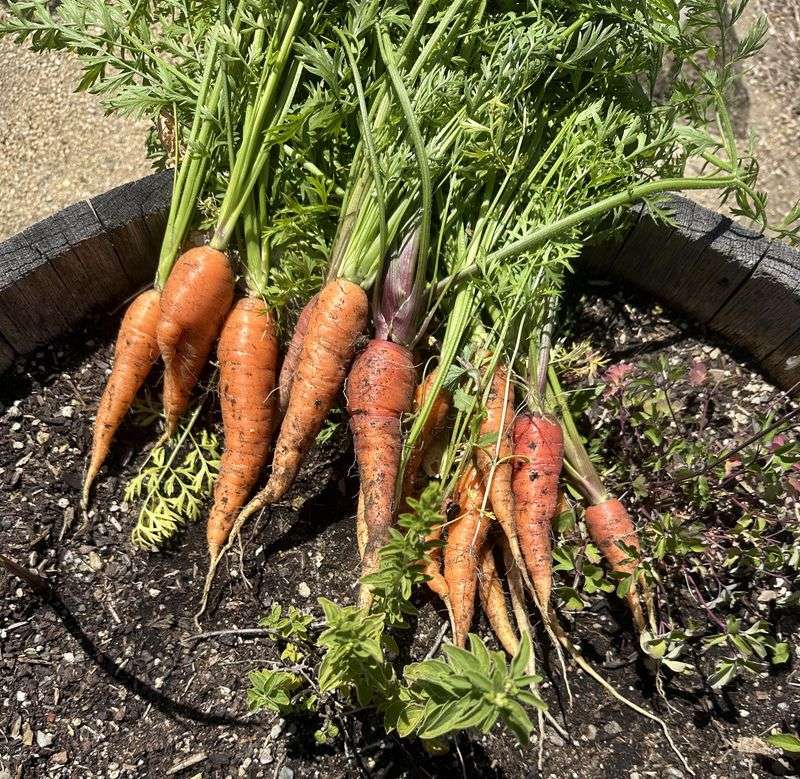
A perfect carrot row can fail under a crust only a few millimeters thick.
Fine Ohio soils may seal after watering or rain, then dry into a hard cap under August sun. Carrot seedlings are too slender to push through a strong crust, so the seed may germinate successfully and still never appear above ground.
Prevent the cap before it forms.
Cover the row lightly with a fine material that holds moisture without packing tightly. Screened compost or vermiculite can soften the surface environment while still allowing seedlings to move upward.
Keep the layer thin.
A heavy blanket defeats the purpose by creating another obstacle. The seed still needs to sit shallowly with enough air around it.
Gentle watering helps too.
A harsh hose stream can beat fine soil into a smooth sealed surface, move seeds out of place, and create puddles that later dry hard. Use a fine rose, mist setting, or other soft delivery that wets the row without rearranging it.
Watch what happens after thunderstorms.
A pounding August rain can form crust even in a carefully prepared bed. Once the surface begins hardening, gentle misting can soften it before emergence.
Do not rake aggressively across the row.
That may break the crust, but it can also uproot the very seedlings trying to reach daylight.
The goal is to keep the top layer soft from sowing through emergence.
Carrots already take their time. They do not need a concrete ceiling added to the schedule.
5. Hold Moisture Around The Shallow Seed
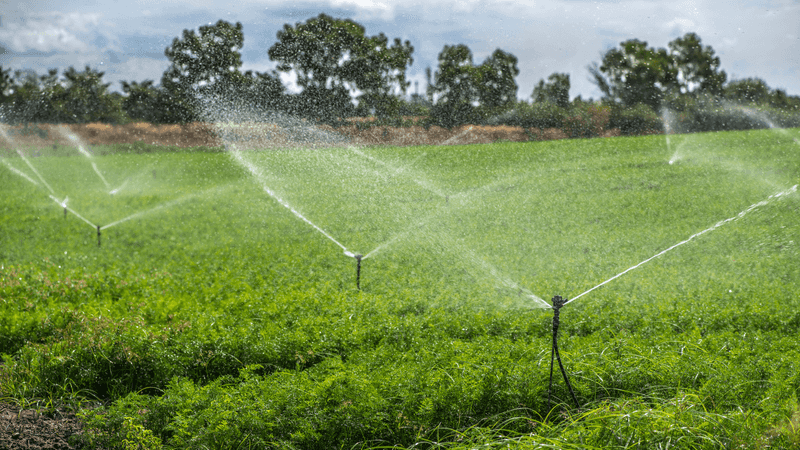
Moisture at the surface is the hardest part of August carrot germination.
The seed sits so close to open air that one hot, windy afternoon can dry the row long before deeper soil shows any stress. Once germination has begun, repeated drying can stop seedlings before becoming visible.
Use light, frequent watering at first.
The goal is not soaking the whole bed several times a day. Keep the shallow seed zone consistently damp while avoiding puddles and saturated soil below.
Morning is the easiest starting point.
Water gently before the hottest part of the day, then check the row later. During a dry heat spell, a second light watering may be necessary. A shaded row can need less frequent attention than bare soil in full afternoon sun.
Use your finger rather than the clock.
Touch the soil just beneath the surface. Cool, damp crumbs can wait. Dry, dusty soil needs water.
Once seedlings establish, change the rhythm.
Gradually move from frequent surface watering toward deeper, less frequent irrigation that encourages roots to move downward. Keeping mature carrots on the same shallow germination routine can leave roots dependent on surface moisture.
Do not let enthusiasm turn into saturation.
Seeds need moisture, but they also need oxygen. A constantly muddy bed creates a different set of problems.
For the first week or two, consistency matters more than volume.
August carrots are not asking for a flood. They are asking you not to let the nursery layer disappear between breakfast and dinner.
6. Shade The Row During Peak Afternoon Heat
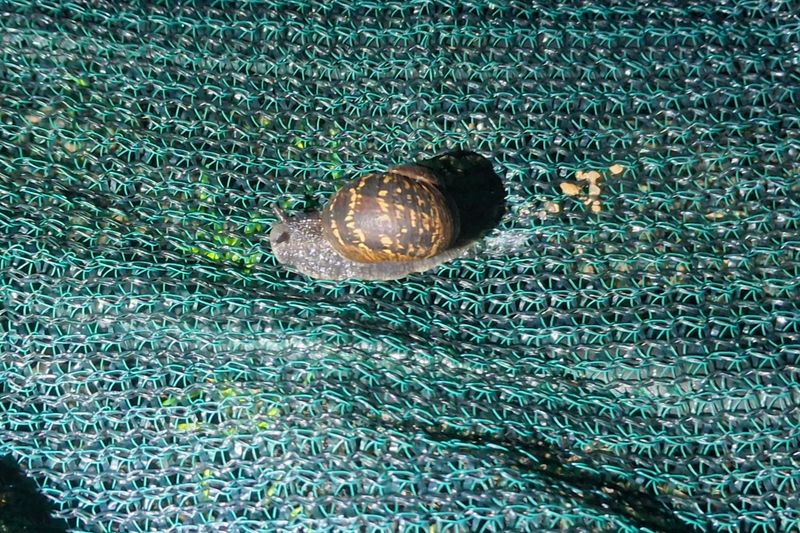
Afternoon shade can turn an August carrot row from a drying pan into a workable seedbed.
The goal is not growing carrots in darkness. It is reducing the hottest few hours of direct sun while the seed sits close to the surface and has almost no root system to protect it.
Use a cover that still allows airflow.
Shade cloth suspended above the bed works well because it cuts some solar load without trapping heat against the soil. Burlap or a lightweight board can also help when raised slightly above the row rather than pressed tightly onto the ground.
Keep the setup simple.
A few stakes, hoops, or bricks can hold the material high enough for air to move underneath. The cover should reduce surface heating, not create a humid oven.
Check moisture underneath daily.
Shade slows evaporation, so the row may stay damp longer than expected. That is useful, but it also means the watering schedule may need to change. Soil condition should stay in charge.
Morning sun is less stressful than late-afternoon exposure.
A temporary cover that blocks the harshest western sun can make a large difference during germination without depriving the seedbed of useful light.
Do not plan to leave solid shade in place indefinitely.
This is a germination tool, not a permanent roof.
Once green seedlings begin appearing, the strategy changes quickly.
The cover has done its job. The next step is helping those seedlings adjust to brighter conditions without leaving them stretched, pale, and weak.
7. Lift Covers Once Seedlings Break Through
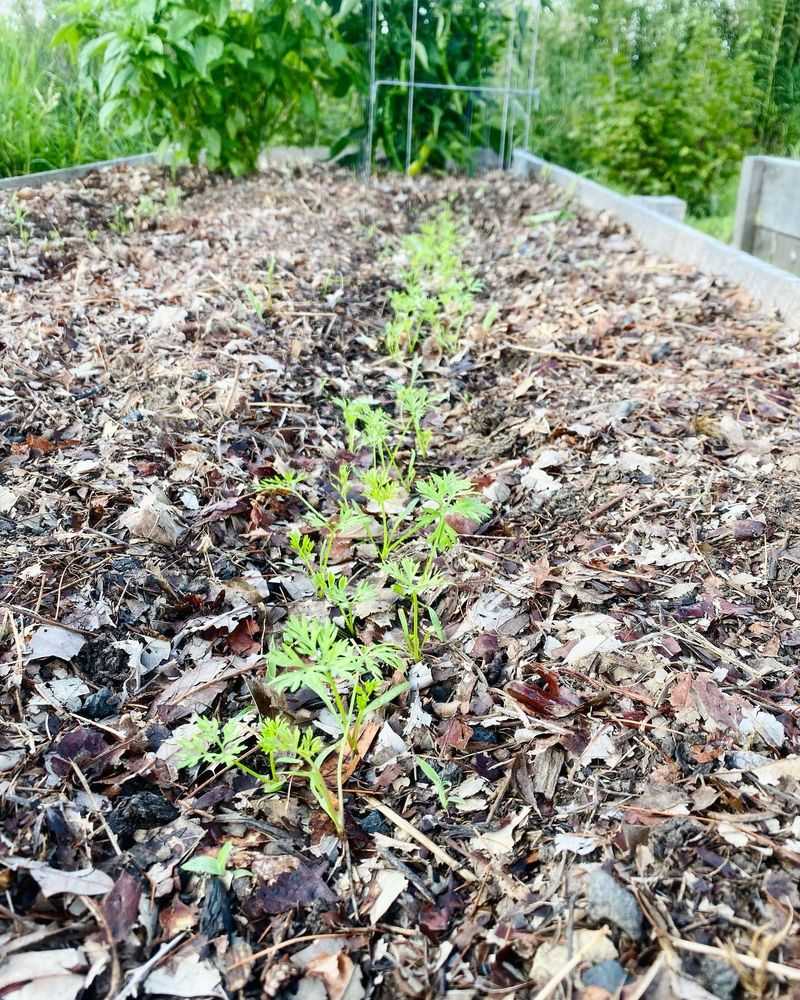
The first green threads are the signal to change the shade plan.
Carrot seedlings emerge fragile, but they need light immediately. A solid board or heavy cover left in place too long can make them stretch toward gaps, leaving pale stems that flop once exposed.
Remove solid covers early in the day.
Morning light gives new seedlings a gentler transition than suddenly uncovering them during the hottest afternoon hour.
Shade cloth can remain temporarily when temperatures are extreme, but raise it well above the foliage and reduce protection as seedlings strengthen.
Keep moisture steady after emergence.
The roots are still shallow, so a newly green row can dry almost as quickly as it did before sprouting. Continue checking the upper soil daily and water gently enough to avoid flattening seedlings.
Do not rush into deep, infrequent watering overnight.
The change should happen gradually as roots lengthen. Each week, the plants can handle more drying at the surface while deeper moisture becomes more important.
Watch for patchy emergence.
Some seedlings may appear several days before others. Keep the row lightly protected long enough for slower seeds to finish, but avoid sacrificing early seedlings under a solid cover.
A raised shade cloth is useful during that overlap.
It lets light reach the leaves while still taking some heat off the bed.
Carrot seedlings look delicate to survive August.
Once they reach open light with steady moisture, they toughen quickly. The fragile stage is brief, but the timing of that transition matters.
8. Thin Early Before Roots Start Crowding
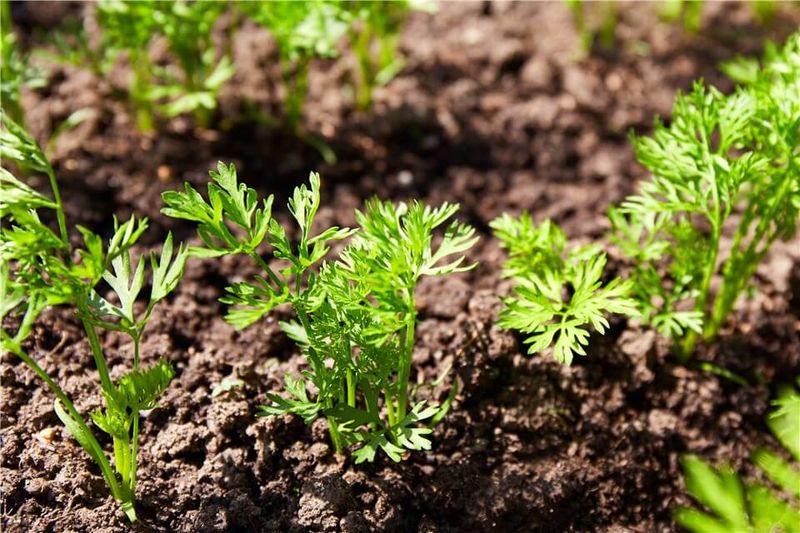
A dense green row can look like success until the roots begin competing underground.
Carrots need space early. Once seedlings reach one to two inches tall, thin them so the remaining plants have room to develop full roots rather than a tangled cluster of skinny ones.
Aim for the spacing your variety needs.
Around two to three inches works for many standard carrots, while broader roots may benefit from more room. Small round or baby types can tolerate tighter spacing.
Scissors make the job gentler.
Snip unwanted seedlings at soil level rather than pulling extra plants. Pulling can disturb nearby roots, especially when the row is still shallow and the soil is loose from frequent watering.
Work while the soil is slightly moist.
That keeps the surface from crumbling around the seedlings you want to keep and makes tiny weeds easier to remove too.
Weeding matters now.
Young carrots grow slowly above ground and can lose moisture, light, and root space to summer weeds. Remove competitors while they are small instead of waiting for a thick patch to develop.
Keep mulch light around tiny seedlings.
A heavy layer can bury them, but a thin layer between established rows can reduce evaporation and slow new weeds once the carrots are taller.
Thinning feels ruthless because every seedling looks like food.
Crowding is the real waste.
Give the strongest plants enough room early, and the harvest has a better chance of producing roots worth pulling instead of a basket of orange shoelaces.