What Ohio Gardeners Should Do Before The Heat Wave Hits This Weekend
Ohio gardens can look perfectly fine on Tuesday and be under real stress by the weekend, especially when a heat wave is in the forecast. For gardeners, the days before extreme heat matter more than most people realize.
A few small choices now can help tomatoes, peppers, flowers, lawns, and young shrubs handle brutal sun, dry soil, and steamy nights with less damage. Wait too long, and the work gets harder fast.
Plants already under heat stress do not bounce back as easily, and last-minute fixes can do more harm than help.
Before the hottest air settles in, this is the moment to check soil moisture, protect vulnerable plants, pause risky yard tasks, and set the garden up for survival.
Ohio’s summer heat can arrive fast, but your plants do not have to face it unprepared.
1. Water Deeply Before The Hottest Air Arrives
A plant that starts the weekend with dry roots has almost no cushion once the afternoon heat settles in. Shallow surface watering will not cut it before a heat wave.
The goal is to push moisture down into the root zone, where plants can actually pull it up during stress.
Check the soil before you turn on the hose. Push a finger two to three inches into the ground.
If it feels moist at that depth, the bed may not need water yet. If it feels dry or barely damp, a slow, deep watering is the right move.
A soaker hose or a hose wand held close to the soil works better than a sprinkler for getting water where roots need it.
Water slowly so the soil can absorb it without runoff. Sandy soils drain fast and may need a longer session.
Clay soils absorb slowly and can puddle if you rush. Local rainfall matters a lot here.
An Ohio garden that got a solid soaking rain this week may be in decent shape. A bed that missed the storm could be far drier than it looks on the surface.
Try to finish deep watering in the early morning hours. Evening watering works too, but wet foliage overnight can invite fungal problems.
Getting the root zone loaded with moisture before midday heat arrives gives plants the best possible start heading into a hard weekend.
2. Check Containers Before They Dry Out Completely
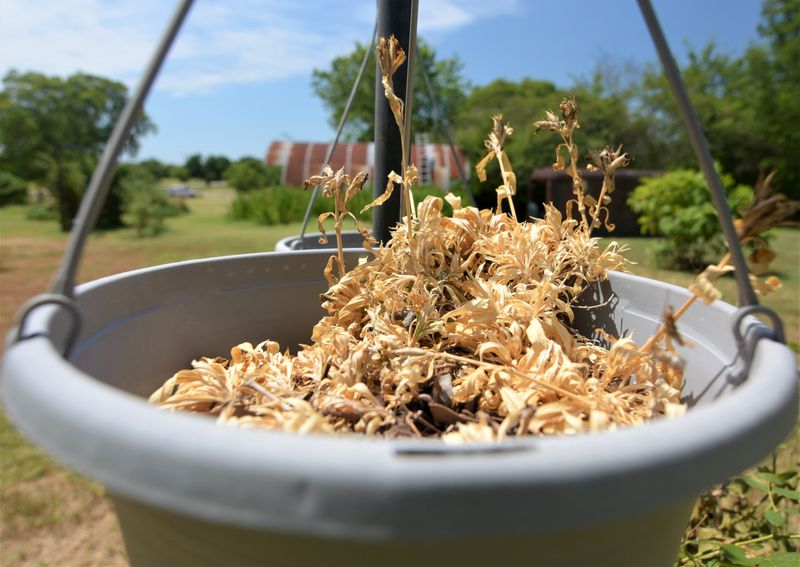
A pot sitting on a sunny porch can dry out in hours when temperatures climb. Container-grown plants, hanging baskets, window boxes, and grow bags do not have the same moisture reserve that in-ground beds do.
Their soil volume is small, the sun hits the pot walls directly, and wind pulls moisture out fast.
Before the hot weekend arrives, check every container you have. Push a finger into the top inch of soil.
If it feels dry, water it thoroughly until you see water drain from the bottom. That tells you the entire root zone got wet, not just the surface.
Do not let saucers fill up and sit with standing water. Roots sitting in pooled water can suffer even during a heat wave, so empty saucers after watering.
Your Ohio Garden Changes Every Week. Your Plan Should Too.
Gardening in Ohio changes quickly throughout the season. Every Friday you’ll receive a simple weekly plan showing exactly what to plant, prune, fertilize, harvest, and protect so you never miss the right timing.
During extreme heat, some containers may need checking morning and evening. Dark-colored pots and metal containers absorb heat faster than light-colored or glazed ones.
Pots sitting directly on concrete or pavement get extra heat from below. Moving them to a slightly cooler surface can help.
Hanging baskets are especially quick to dry. They get sun from multiple angles and lose moisture through the basket sides.
Check them daily during a heat wave. A basket that feels light when you lift it is almost certainly dry and needs water right away before stress builds.
3. Move Potted Plants Out Of Harsh Afternoon Sun
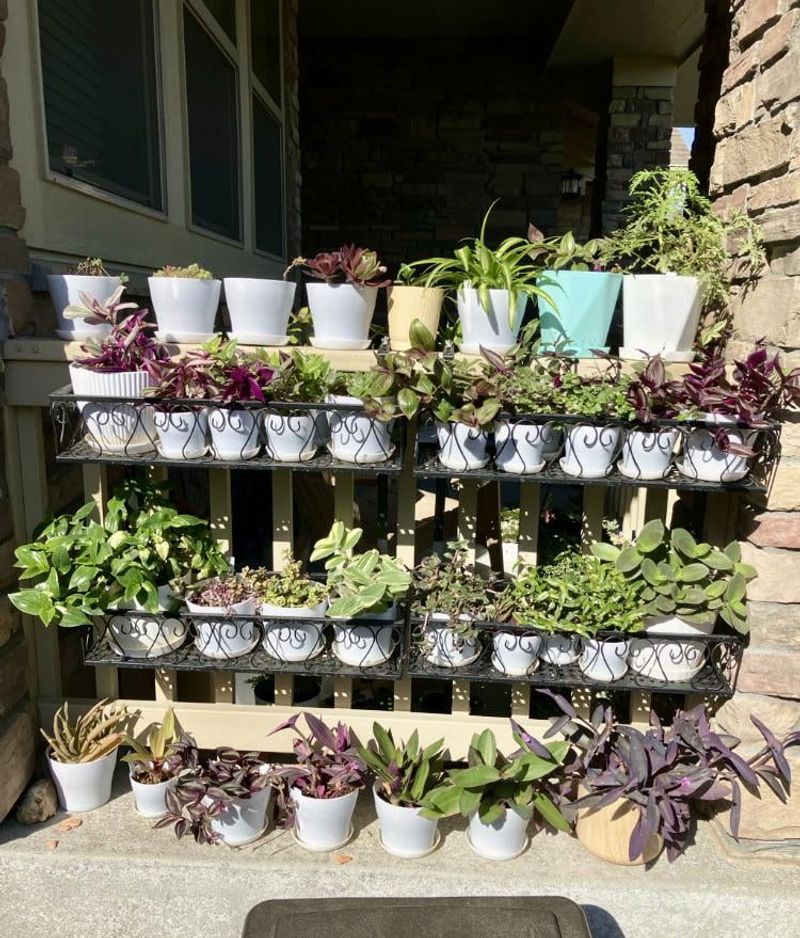
One of the most practical advantages of container gardening in Ohio is that you can move things around. Before a brutal weekend forecast, that flexibility becomes genuinely useful.
Afternoon sun from the west and south can be intense even on a normal summer day. During a heat wave, it can be hard on plants that normally handle full sun just fine.
Think about where your containers sit right now. Pots on south-facing patios, west-facing railings, or open driveways get the longest and most intense sun exposure.
Shifting them to a spot that gets morning sun and afternoon shade can make a real difference in how they handle the weekend.
Dark pots absorb heat through their walls and pass it directly to the roots. Pots sitting on black pavement or dark-colored decking get heat from below as well.
Even moving a pot a few feet onto grass or a lighter surface reduces that extra heat load.
You do not need to move everything into deep shade. Most flowering plants still want some light.
Bright, indirect light or a spot with filtered shade during the hottest hours, roughly noon to four in the afternoon, is usually enough. After the heat breaks, you can move things back to their regular spots.
Temporary repositioning costs very little effort and can prevent a lot of stress on roots and foliage during the worst hours of the day.
4. Refresh Mulch Around Shallow-Rooted Plants
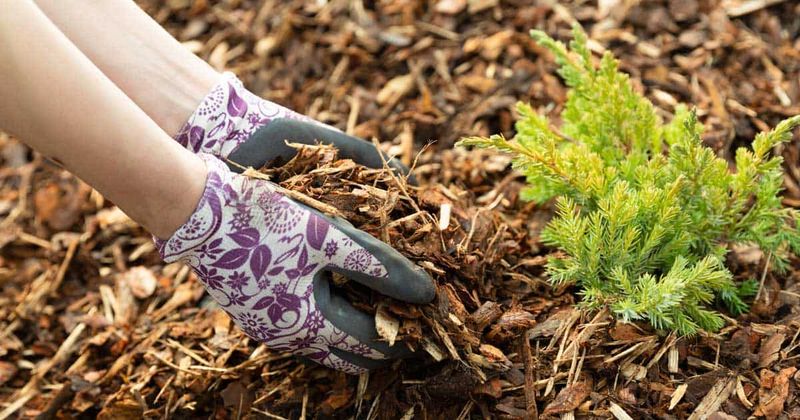
Mulch does not replace watering, but it does something watering alone cannot do. A modest layer of organic mulch on top of moist soil helps slow evaporation and keeps the soil surface from baking in direct sun.
For shallow-rooted plants like annuals, strawberries, and many perennials, that buffer can matter during a hot stretch.
Before the heat arrives, check your mulch layer. Over the season, mulch breaks down and thins out.
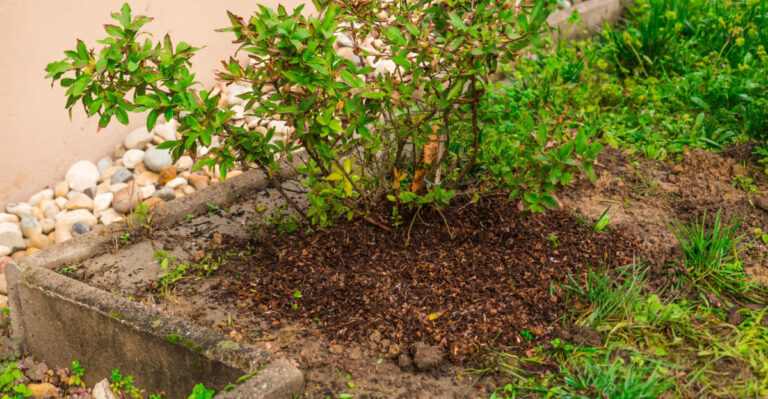
If you are down to less than two inches, adding a fresh layer around plants is worth the effort. Water the bed first if the soil is dry, then apply mulch on top of moist soil.
Mulching dry soil just keeps dry soil dry.
Keep mulch away from plant stems and crowns. Piling it against the base of plants can hold moisture against soft tissue and invite rot.
A small gap of an inch or two around each stem is enough to let air circulate. Two to three inches of mulch across the rest of the bed is a reasonable target.
Going deeper than that rarely adds much benefit and can actually slow water from reaching roots during rain.
Wood chips, shredded leaves, straw, and pine bark all work well. Avoid using fresh grass clippings in thick layers.
They can mat together and block water. Thin layers of dry clippings are fine.
The goal is a breathable, moisture-holding layer that keeps the root zone a few degrees cooler during the hottest hours.
5. Harvest Ripe Vegetables Before Heat Stress Builds
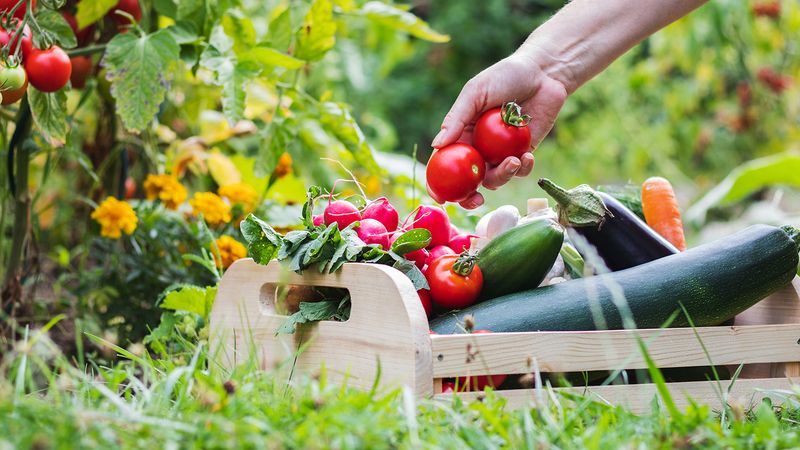
A ripe tomato left on the vine during a heat wave does not get better. It gets soft, cracks, or loses flavor fast.
Walk through the Ohio vegetable garden before a hot weekend and pick everything that is ready. It is one of the most useful things you can do for both the harvest and the plant itself.
Carrying ripe fruit uses energy that the plant could spend surviving the heat instead. Picking tomatoes, peppers, cucumbers, beans, summer squash, and zucchini at peak ripeness reduces that load.
It also keeps the plant from putting resources into fruit that may not survive the weekend in good shape anyway.
Beans and cucumbers are worth checking carefully. They can go from just right to tough and overripe in a day or two during hot weather.
Zucchini can get very large very fast when heat speeds up growth. Pick them smaller than you think you need to.
They taste better and the plant stays in better condition.
Leafy greens like lettuce, spinach, and arugula often bolt or turn bitter in extreme heat. Harvest whatever looks good now before quality drops.
If the plants are already bolting, pull them out and use that space for a heat-tolerant crop later. Checking the vegetable patch in the morning before the heat builds is a smart habit to keep through the weekend.
Bring a basket and pick generously.
6. Skip Fertilizer Until The Heat Wave Passes
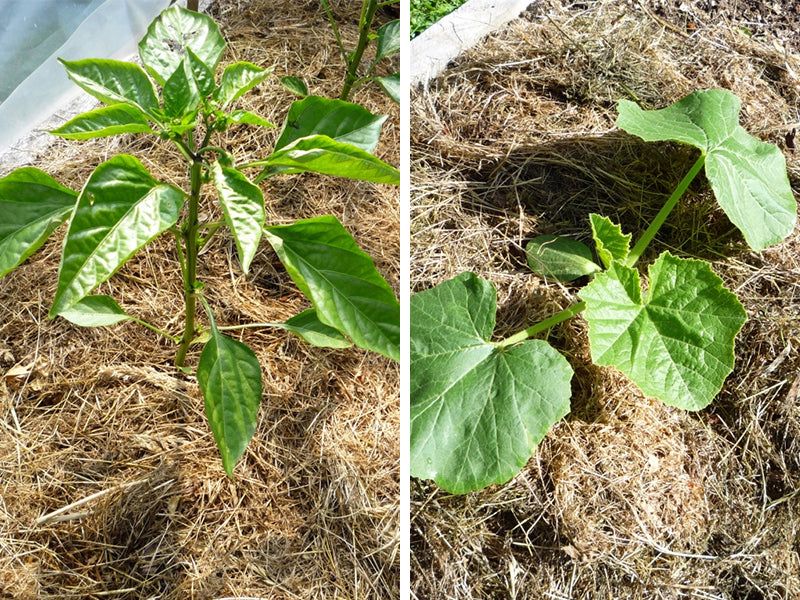
Reaching for the fertilizer bag before a heat wave feels productive, but it can actually add stress instead of reducing it. Fertilizer pushes plants to grow.
During extreme heat, that is the last thing a stressed plant needs. New growth is tender and more vulnerable to heat damage than established leaves and stems.
Granular fertilizers, especially synthetic ones, can also concentrate in dry soil. If the root zone is already short on moisture, fertilizer salts can pull water away from roots rather than helping them.
Even slow-release formulas are best applied when plants are actively growing in comfortable conditions. They are not ideal when plants are trying to survive a difficult stretch of weather.
Liquid fertilizers applied during heat can push lush, soft growth that wilts quickly in high temperatures. The plant is already working hard just to move water up through its system.
Adding a feeding demand on top of that is not helpful. Wait until the heat breaks, temperatures come back to a more manageable range, and the plants are watered well.
If you were planning to fertilize this weekend anyway, just move it to next week. Plants that are well-watered and comfortable will respond far better to feeding than plants under heat stress.
Fertilizer is not a rescue tool. It works best as a routine part of a stable growing schedule, not as a fix during the hardest conditions of the summer.
7. Shade New Plantings During The Worst Hours
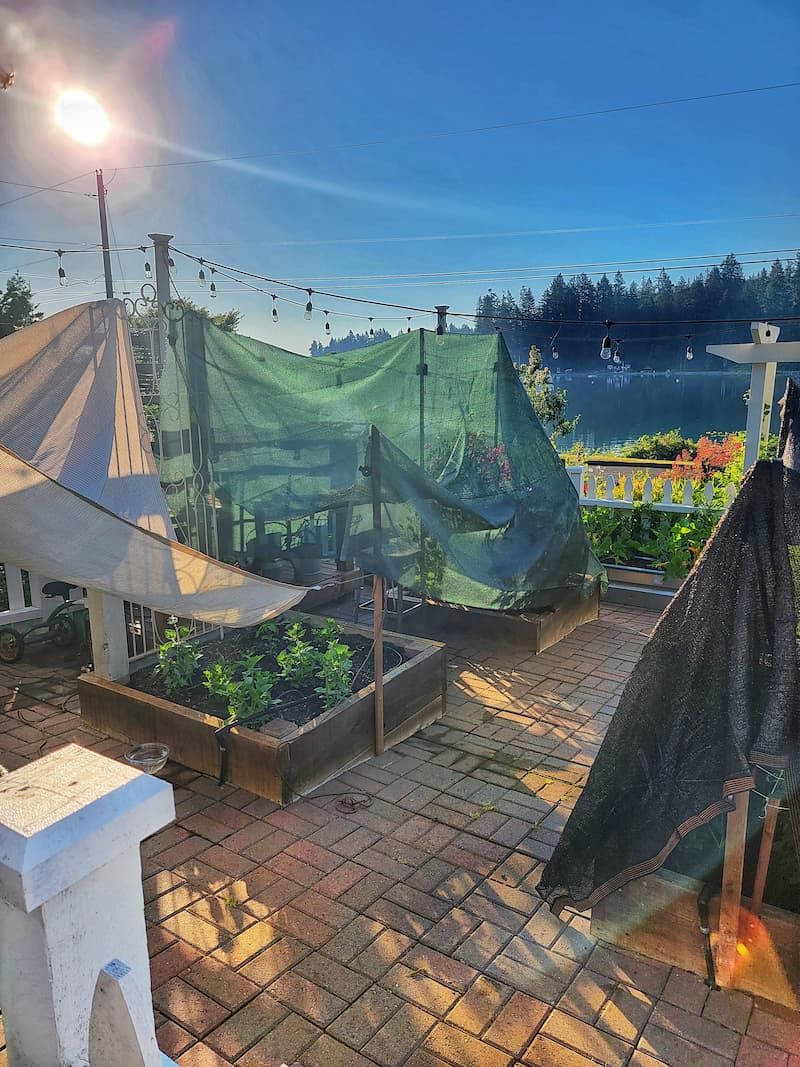
A transplant that went into the ground two weeks ago does not have the same root system as an established plant. That established plant may have been growing in the same spot for two or three years.
New roots are still exploring the surrounding soil, and the plant has not yet built up the reserves it needs to handle serious stress on its own.
Before a hot weekend, check on anything you planted recently. That includes vegetable seedlings, annual flowers, perennials, shrubs, and trees planted this spring or even last fall.
If they are sitting in a spot with intense afternoon sun and no natural shelter nearby, temporary shade during the hottest hours can reduce the stress they face.
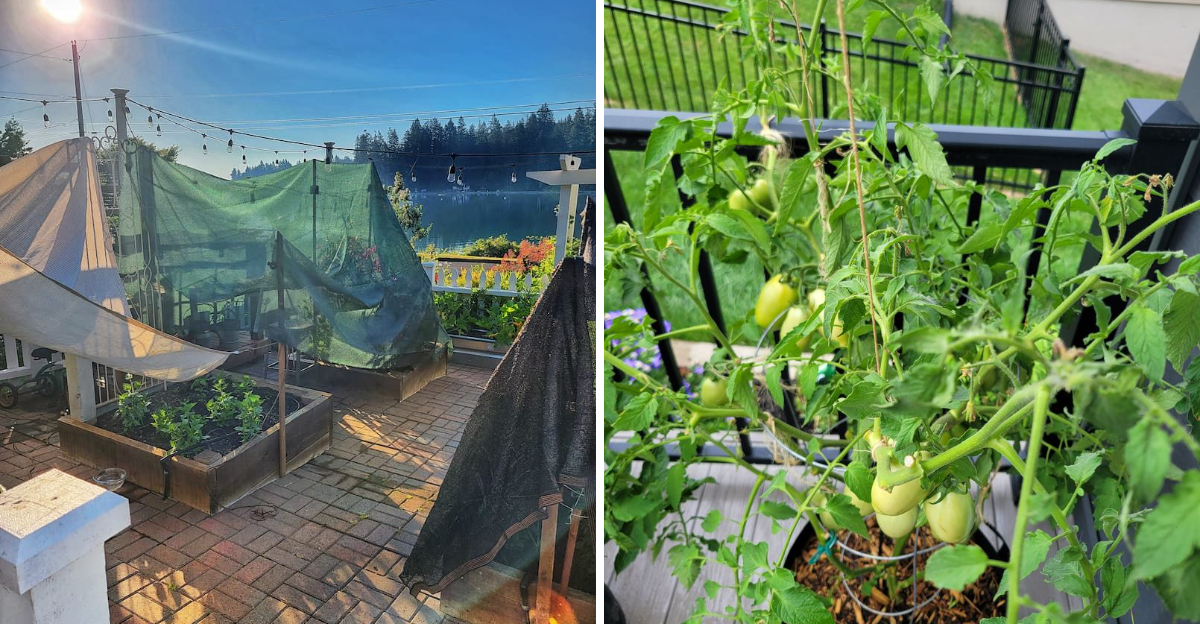
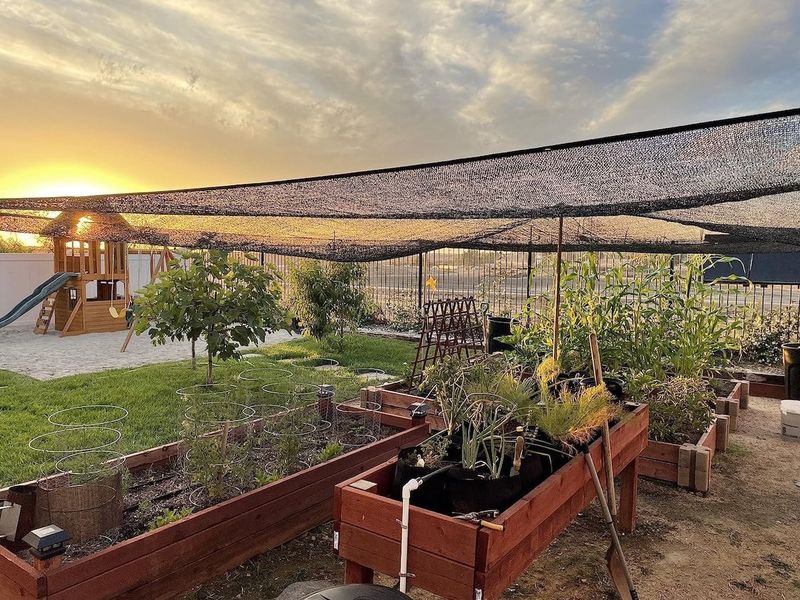
Breathable shade cloth is a practical option. It comes in different densities and lets air move through while blocking a portion of direct sun.
Thirty to forty percent shade is usually enough for most garden plants. Patio umbrellas, wooden stakes with a light sheet draped over them, or even a lawn chair positioned to cast shade can work in a pinch.
Avoid covering plants so tightly that airflow disappears. Trapped heat under a solid cover can be worse than direct sun.
The goal is to reduce radiation intensity during peak afternoon hours, not to create a sealed environment. Remove or adjust covers in the evening so plants get overnight airflow.
Check soil moisture under the shade regularly, since covered areas can dry out unevenly.
8. Delay Pruning Until Plants Are Less Stressed
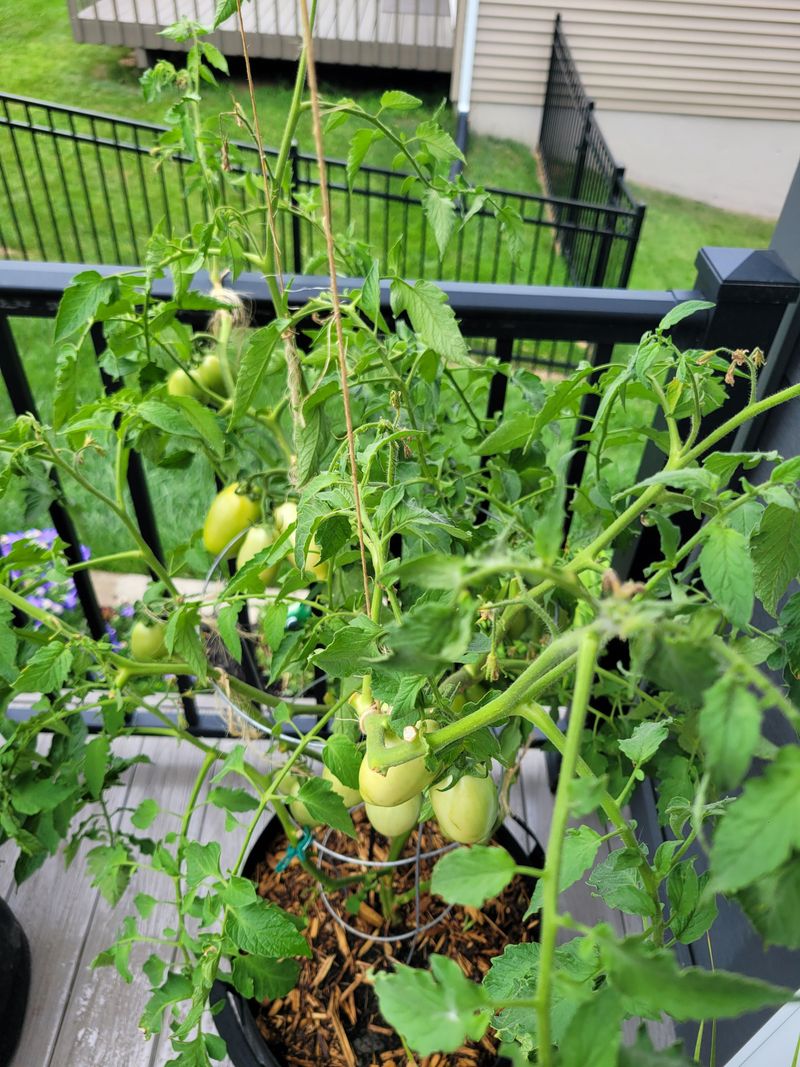
The urge to tidy up the Ohio garden before a hot weekend is understandable. But pulling out the pruning shears right before a heat wave is usually the wrong move.
Major pruning removes foliage that plants use to shade their own stems, branches, and fruit. Taking that cover away during intense heat can expose tissue that is not used to direct sun.
Sunscald is a real problem on fruit and vegetable plants. Tomato stems and fruit that were previously shaded by leaves can develop pale, papery patches when suddenly exposed.
Shrubs and young trees that are pruned heavily can push new growth that is soft and heat-sensitive at exactly the wrong time of year.
If something is clearly broken, bent, or creating a safety issue, go ahead and remove it. That kind of cleanup is fine.
But shaping, thinning, rejuvenation pruning, and trimming large sections of a plant are better saved for after the heat wave passes and temperatures settle back down.
Wait until plants have had a chance to recover, roots are watered well, and the forecast looks more reasonable before doing any significant pruning work. Cooler mornings in late summer and early fall are often the best time to shape shrubs and perennials anyway.
The plants respond better, and you can see the structure more clearly without so much active growth in the way. Patience here pays off in the long run.