These Landscaping Mistakes Are Attracting Root Borers To Your Arizona Yard
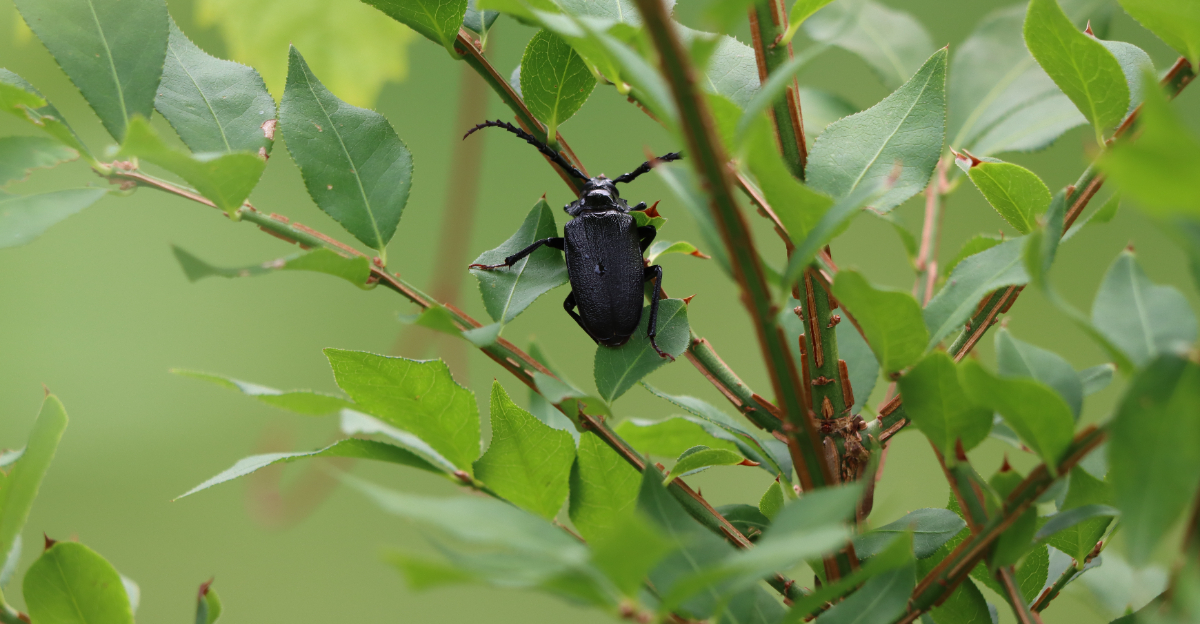
Your Arizona trees could be hiding a slow, silent problem right under the bark. Root borers slip into stressed palms, mesquites, and pines long before any visible sign appears above ground.
These beetle larvae do not pick trees at random. They zero in on weak spots created by desert heat, alkaline soil, and moisture stress that most homeowners overlook.
Certain everyday yard habits quietly push trees toward that vulnerable state, often without any obvious warning signs. What feels like routine care can actually be working against your landscape.
The upside is that these mistakes are simple to correct once you spot them. Small changes now can protect your trees before hidden damage turns into a real loss.
1. Overwatering Stresses Roots And Invites Borers In
Standing water around your tree roots is basically a neon sign for trouble. Root borers zero in on trees that are already struggling, and soggy roots are a strong stress signal.
Overwatering is one of the sneakiest landscaping mistakes attracting root borers to desert yards. When roots sit in wet soil for too long, they start to break down and lose their ability to absorb oxygen.
A tree with rotting roots cannot defend itself against beetle larvae tunneling through its tissue. That internal weakness is exactly what wood-boring beetles look for when choosing a host.
Most mature desert trees in Arizona typically need deep watering every two to three weeks in summer, though this varies by species. Watering too often keeps the soil moist at the surface, which is the wrong depth for healthy root development.
Shallow watering encourages roots to grow upward toward moisture instead of downward. Upward-growing roots are more exposed, more fragile, and far more attractive to borers seeking entry points.
A simple soil moisture meter from any garden center can help you stop guessing. Push it six inches into the ground near your tree before you water again.
If the meter reads moist, skip that watering session entirely. Your tree will thank you, and borers will move on to easier targets in a neighbor’s yard instead.
2. Planting Trees Too Deep Sets Up Root Rot
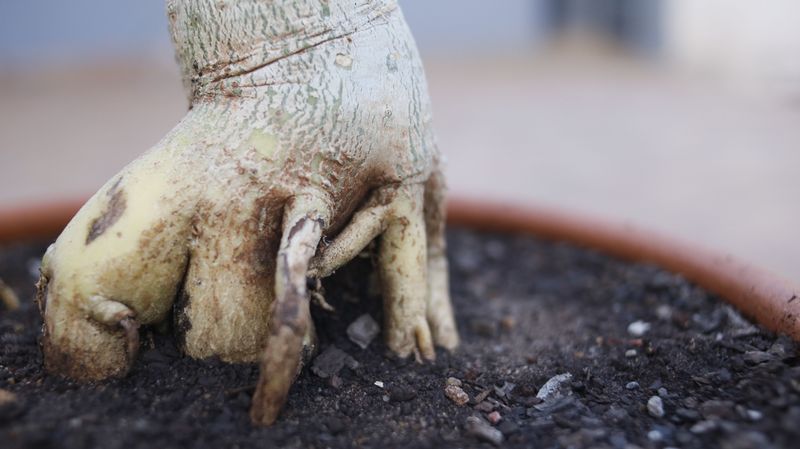
Burying a tree too deep is one of the most common and costly planting errors in desert landscaping. When the root flare disappears underground, the entire root system is set up to fail from day one.
Root rot moves in fast when the flare stays buried and moisture collects against the bark. That rotting tissue sends chemical signals that wood-boring beetles are able to detect from a distance.
These landscaping mistakes attracting root borers often start before the tree even has a chance to establish itself. A newly planted tree with a buried crown is already a stressed tree, and stress is a borer magnet.
The fix is straightforward but requires attention at planting time. The root flare should sit at or slightly above the surrounding soil grade, never below it.
If you have existing trees that were planted too deep, you can carefully remove excess soil from around the base. Use your hands or a soft brush to expose the flare without damaging the bark.
Your Arizona Garden Changes Every Week. Your Plan Should Too.
Gardening in Arizona changes quickly throughout the season. Every Friday you’ll receive a simple weekly plan showing exactly what to plant, prune, fertilize, harvest, and protect so you never miss the right timing.
Avoid using sharp tools near the trunk during this process. Even minor scrapes create entry wounds that beetles readily exploit.
Once the flare is exposed, keep that area free of soil, mulch, and debris going forward. A properly planted tree develops stronger roots, resists disease better, and gives borers far fewer reasons to stick around your Arizona yard.
3. Mechanical Damage Near The Trunk Opens The Door
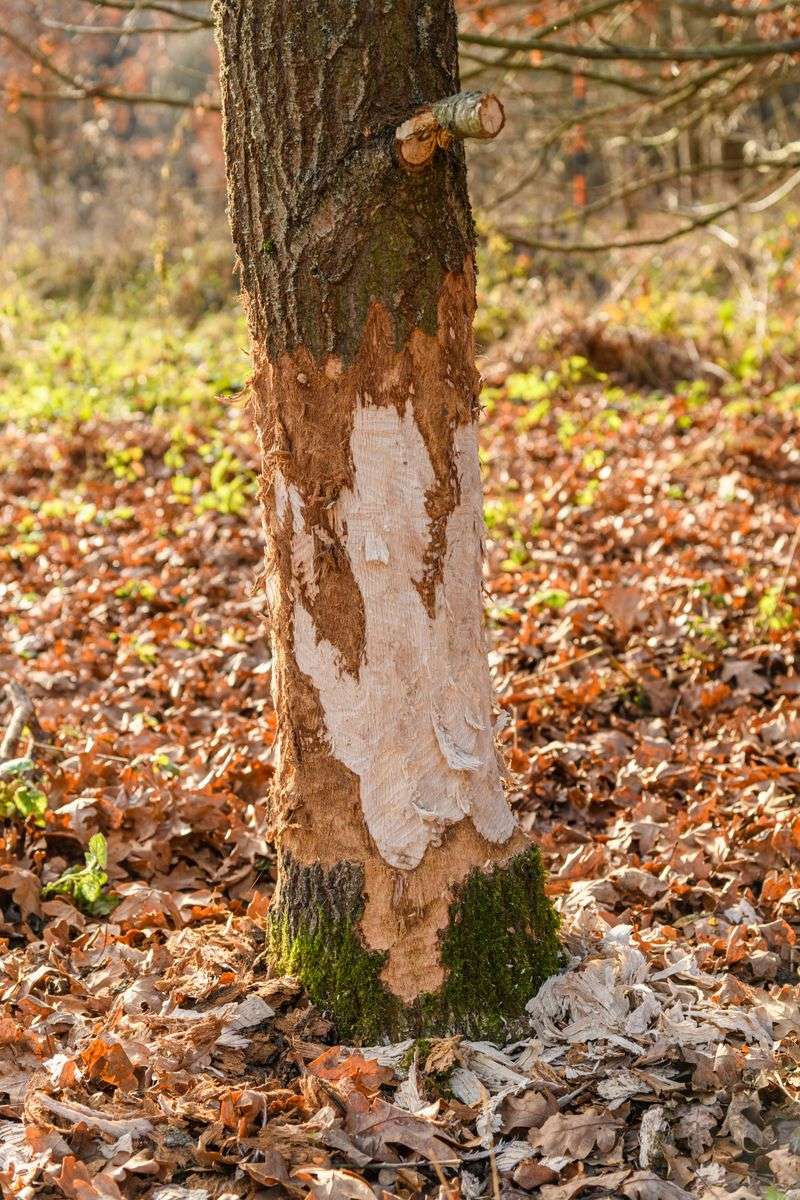
One careless pass with a weed trimmer can create an entry point that beetles exploit for years. Mechanical damage to tree bark is one of the most overlooked factors in borer infestations across desert landscapes.
Lawn equipment nicks and scrapes the protective outer bark, exposing the soft tissue underneath. That exposed layer releases stress compounds into the air that act like a homing signal for adult beetles.
Weed trimmers are the most common culprits, but edgers, mowers, and even garden stakes can cause similar harm. Any repeated contact with the trunk creates cumulative damage that weakens the tree over time.
Protecting your trees from equipment damage is simple and requires very little effort. Place a two-inch layer of mulch around the base of each tree to create a buffer zone for mowers and trimmers.
Keep mulch at least three inches away from the actual trunk to avoid trapping moisture. The goal is to protect the roots and keep equipment far enough away that it cannot reach the bark.
Rubber tree guards are another practical option for younger trees with thinner bark. They wrap around the base and absorb the impact of accidental equipment contact before it reaches the wood.
Inspect your trunks a few times each season for new scrapes or wounds. Catching damage early gives the tree time to seal the wound before borers move in and make it a permanent home.
4. Skipping Regular Tree Care Leaves Trees Vulnerable
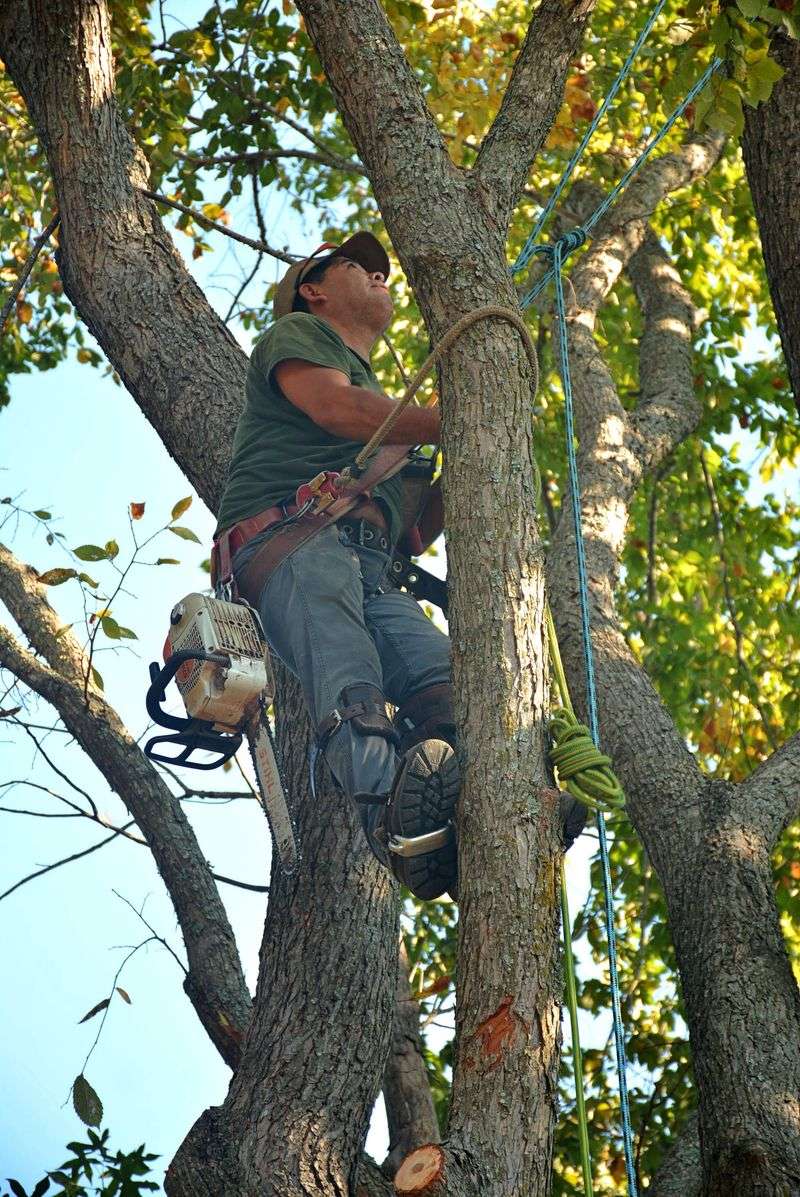
A tree that never gets pruned, fed, or checked is a tree that is slowly declining. Skipping routine care is one of the fastest ways to turn a healthy specimen into a borer target.
Decayed branches signal weakness to adult beetles scouting for egg-laying sites. Those dry, brittle limbs are easy to penetrate and provide perfect shelter for larvae tunneling toward the main trunk.
Regular pruning removes weak or damaged wood before it becomes an attractant. It also improves airflow through the canopy, which helps the tree manage heat stress during brutal Arizona summers.
Fertilizing with a product suited to desert soils gives trees the nutrients they need to produce natural defenses. A well-fed tree pushes out resin and sap that can help deter or trap invading insects.
Soil aeration is another often-skipped step that makes a real difference. Compacted desert soil suffocates roots and prevents water from reaching deep into the ground where healthy root systems develop.
Annual inspections by a certified arborist can catch early signs of borer activity before the damage spreads. Look for small round exit holes, sawdust-like frass, or patches of bark that sound hollow when tapped.
These landscaping mistakes attracting root borers are mostly about neglect, and neglect is always fixable. A consistent care schedule keeps your trees strong enough to withstand most beetle activity on their own.
5. Bright Exterior Lighting Draws Adult Beetles Closer

Your porch lights might be doing more than keeping the path bright at night. Certain adult wood-boring beetles are strongly attracted to artificial light sources, especially bright white or blue-toned bulbs.
When beetles gather near your lights, they do not stay on the fixture for long. They drop down to nearby trees and shrubs, where they begin searching for stressed bark to lay their eggs in.
Bright exterior lighting is one of those landscaping mistakes attracting root borers that almost nobody talks about. Most homeowners never connect their outdoor lighting setup to a beetle problem happening just a few feet away.
Switching to warm amber or yellow LED bulbs dramatically reduces insect attraction at night. These wavelengths are far less visible to beetles and most other flying insects than cool white or daylight-spectrum bulbs.
Motion-activated lights are another smart swap because they only turn on when needed. Fewer hours of illumination means fewer beetles drawn into your Arizona yard during peak activity hours after dark.
Repositioning lights away from tree canopies also helps reduce the risk. If your floodlights currently shine directly into your trees, angling them downward toward walkways creates distance between the light source and potential egg-laying sites.
Small changes to your lighting setup can have a surprisingly large impact on beetle pressure across your entire yard. Fewer beetles in the area means fewer eggs in your trees and a much healthier landscape overall.
6. Neglecting A Declining Tree Lets Infestations Take Hold
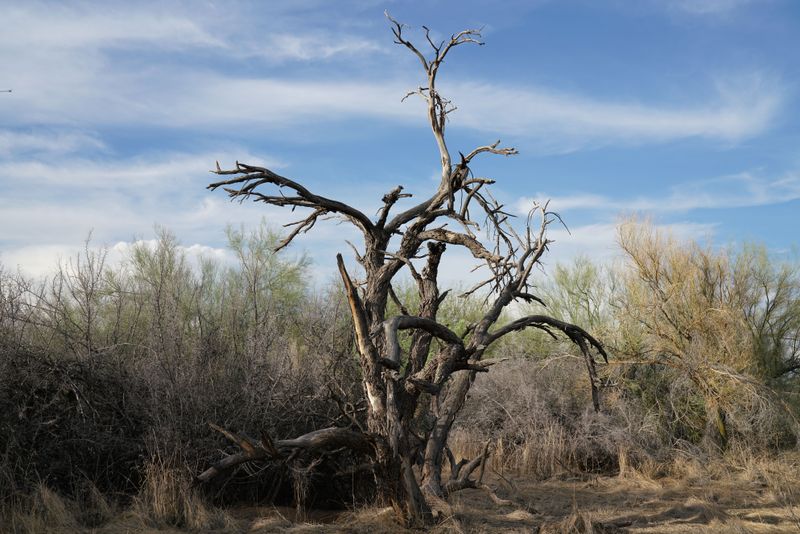
When a tree starts looking rough, it is easy to hope it will bounce back on its own. Waiting too long to act on a declining tree is one of the costlier decisions a homeowner can make.
Borers can detect a weakened tree from a distance using chemical cues released through stressed bark. Once a tree begins declining, it becomes exponentially more attractive to beetles looking for a place to breed.
A single infested tree can become a source point for beetles spreading to neighboring healthy trees. That ripple effect is how one struggling specimen can turn into a yard-wide problem within a single season.
Yellowing leaves, sparse canopies, and bark that peels away in chunks are all early warning signs worth acting on. These symptoms suggest the tree is under serious stress and needs intervention now, not next spring.
Call a licensed arborist as soon as you notice these changes in any tree on your property. Early diagnosis gives you treatment options that simply are not available once borers have established deep tunnel networks inside the wood.
Sometimes the best decision is removing a tree that has passed the point of recovery. Leaving a decaying tree standing gives borers a breeding ground that puts nearby healthy plants at risk.
Addressing decline quickly is one of the most effective ways to stop these landscaping mistakes attracting root borers from compounding into a much larger and more expensive problem.
7. Piling Mulch Against The Trunk Traps Excess Moisture
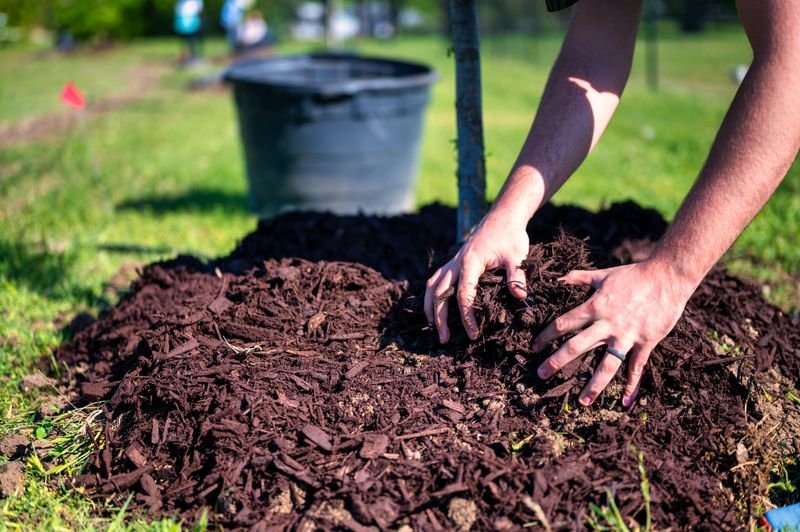
Volcano mulching looks tidy, but it is quietly weakening your trees from the base up. Piling mulch against the trunk creates a moist, dark environment that breaks down bark and invites borers in fast.
The bark at the base of a tree is not designed to stay wet for extended periods. When mulch holds moisture directly against it, the tissue softens and becomes far easier for beetle larvae to penetrate.
This mistake is so common that you can spot it in nearly every neighborhood across the desert Southwest. Homeowners often think more mulch means more protection, but placement matters far more than quantity.
Proper mulching keeps material two to three inches away from the trunk and no deeper than three inches total. That gap allows the base of the tree to dry out between watering sessions and stay firm.
Spread mulch in a wide, flat ring extending out to the drip line of the canopy instead. This approach protects roots across a broader area while keeping the trunk itself clean and dry.
Wood chip mulch is a great choice for desert yards because it breaks down slowly and regulates soil temperature well. Just make sure it is not sourced from wood that already shows signs of borer damage.
Pulling mulch away from your trunks today is a quick fix that pays off fast. It is one of the simplest corrections you can make to stop attracting root borers to your Arizona yard.
8. Leaving Old Roots And Stumps In The Ground
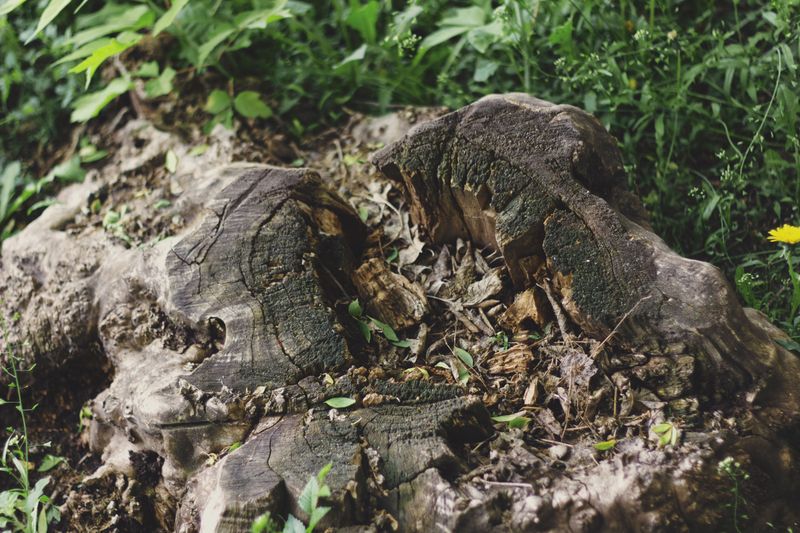
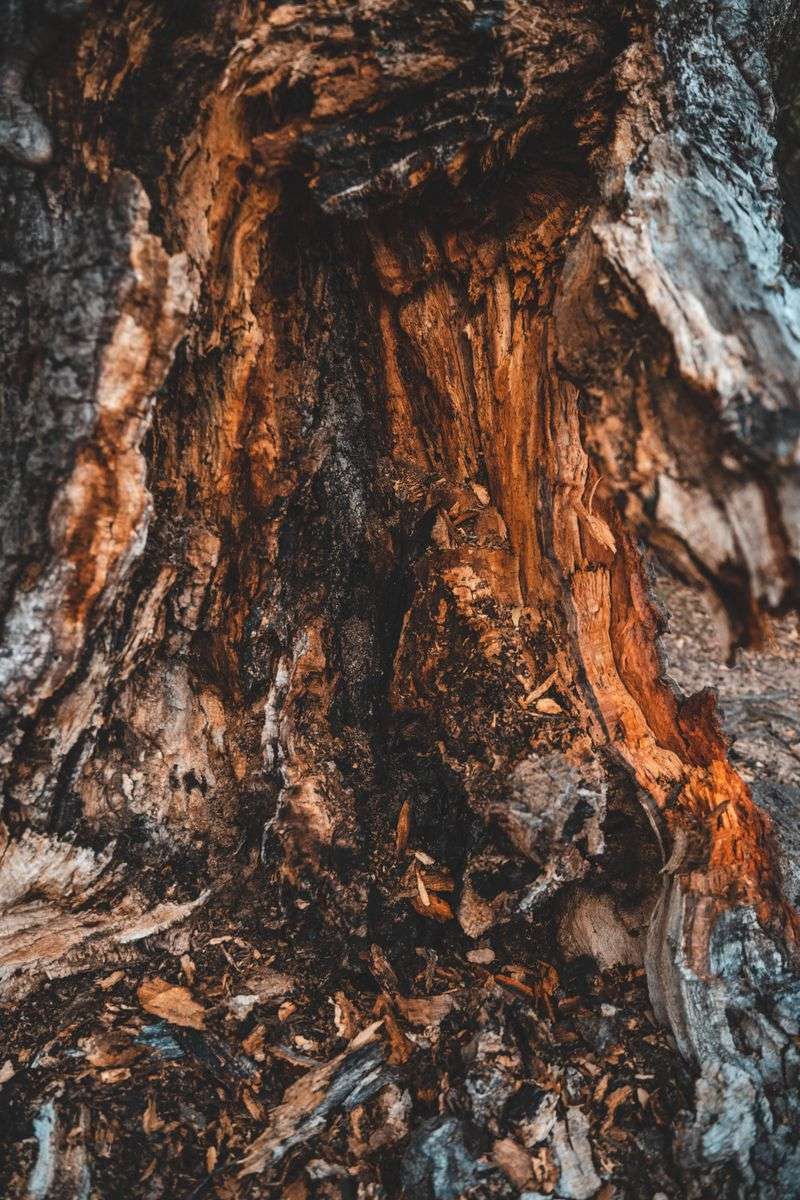
That old stump sitting in the corner of your Arizona yard is not just an eyesore. It is a beetle nursery that can fuel infestations for several years after the original tree is gone.
Decaying wood releases the same chemical stress signals that attract borers to living trees. Adult beetles lay eggs in rotting stumps, and the larvae eventually emerge and spread to healthy trees nearby.
Old root systems left underground continue to decay slowly and create pathways that connect to the roots of surrounding trees. Some root-feeding insects can follow these underground channels directly into a healthy root system without ever surfacing.
Grinding stumps down below the soil line removes the above-ground attractant but does not always eliminate the root network. For high-risk situations, complete root removal is worth the extra cost and effort.
If full removal is not in the budget right now, treating the stump with a concentrated nitrogen fertilizer can speed up decomposition. Faster breakdown means fewer years of attracting beetles to that corner of your yard.
Keep the area around old stumps clean and free of leaf litter, bark debris, and wood piles. These materials create additional harborage spots that beetles use while waiting to find a suitable host tree.
Clearing out old roots and stumps is one of the most impactful steps in fixing these landscaping mistakes attracting root borers before they spread across your entire Arizona yard. Do not let damaged wood linger.