Some Arizona Roadsides Are Managed for Pollinators, And Your Yard Can Borrow the Idea with Desert Milkweed
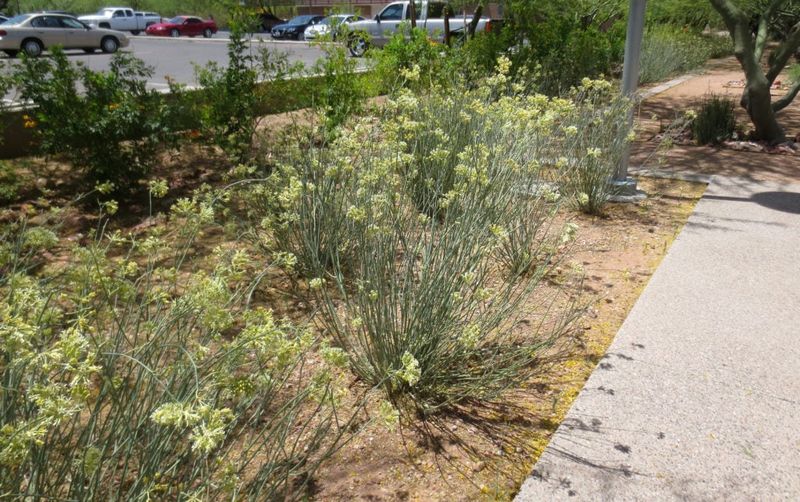
Drive an Arizona highway and you may spot patches of rough, unmowed vegetation that look neglected. Some of those strips are managed on purpose to help pollinators, though looks alone cannot tell you which ones.
The same thinking can work in a private low-desert yard with the right milkweed, nectar flowers, and patient planting. Here is how to borrow the idea without overpromising what a planting can do.
Some Arizona roadsides are deliberately managed for pollinators
Picture a state highway project where milkweed is part of the plan. That is what happened on SR 189 near Nogales, where ADOT included milkweed in the roadside landscaping for a construction project.
It is a documented, deliberate effort in one specific place.
ADOT has also described pollinator habitats grown along roadways, and it says post-construction revegetation uses diverse native seed mixes. So some roadsides really are managed with pollinators in mind.
That does not mean every rough-looking strip has been planted, surveyed, or visited by monarchs. A weedy shoulder might be just that.
The useful takeaway is the method: native plants, variety, and a plan.
Your private yard is the place to try it. Public right-of-way land is not yours to plant or change, but your own side yard can borrow the same approach.
Monarch habitat needs more than a wild appearance
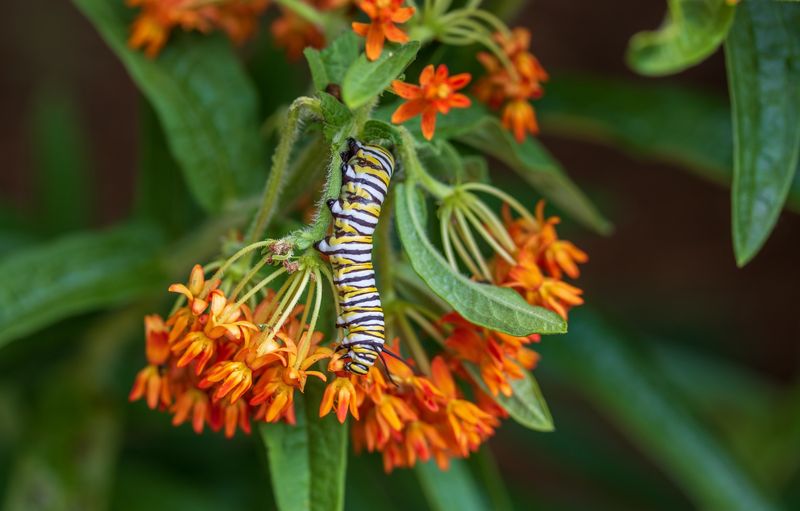
A patch full of blooms can look like a butterfly buffet, and for adult monarchs it may be. Adults sip nectar from many flowers for energy.
Caterpillars are pickier, because they can only eat milkweed.
That is why nectar flowers alone fall short. Without milkweed, a monarch has nowhere suitable to lay eggs or raise caterpillars.
Desert Botanical Garden milkweed work points to pairing locally appropriate milkweed with flowering nectar plants.
A useful yard planting has both: one or more suitable milkweeds plus nectar sources such as desert-adapted flowering perennials. Plant them near each other so the layout works as a small habitat.
Keep expectations honest. A good planting gives monarchs a possible place to feed and lay eggs, but it cannot guarantee visits or caterpillars.
Rush milkweed can suit some low-desert yards
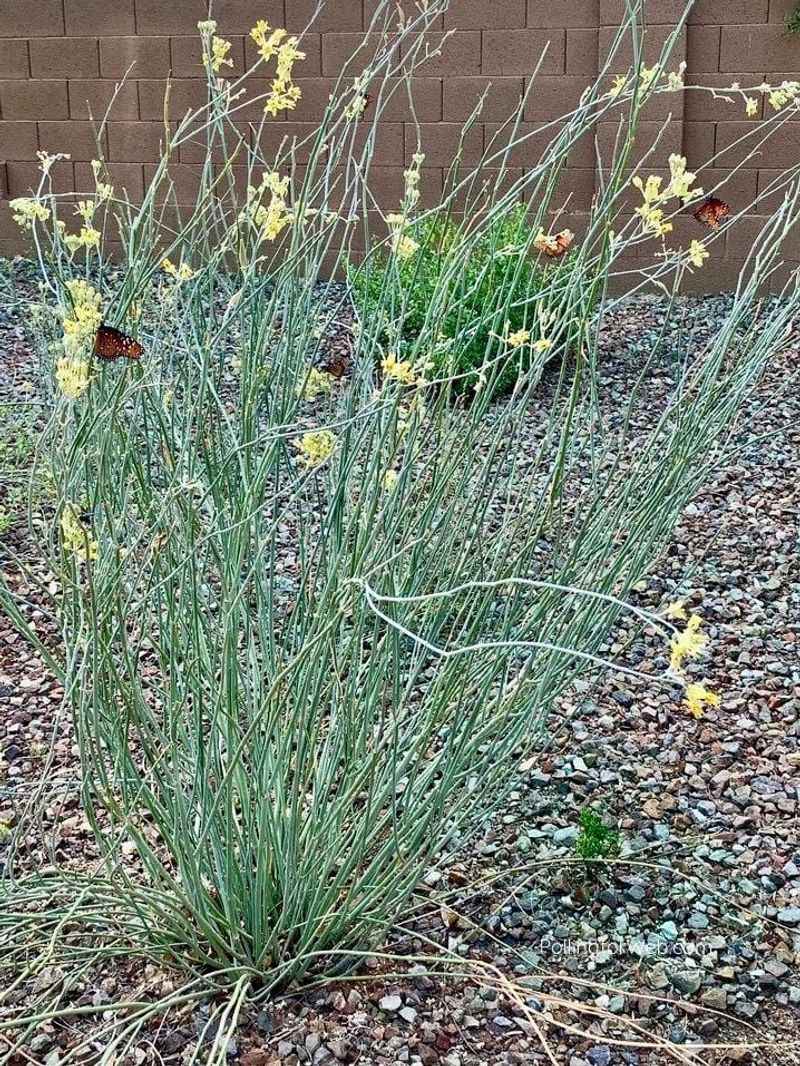
Rush milkweed, also called desert milkweed (Asclepias subulata), is a native with thin, nearly leafless stems that suits a sunny low-desert spot. The Desert Botanical Garden lists it among local native milkweeds, recommends full sun, and describes a plant about 3 to 4 feet tall that needs very little extra water once established.
Leave room for that size. Give it a spot where reflected heat from a wall or driveway will not be extreme, and where you can reach it without brushing the sap.
It is a possible choice, not a guaranteed winner. Regional Phoenix planting guidance, including the Garden’s planting for monarchs in Phoenix advice, includes it among regional milkweeds, but nobody has shown it to be the best-performing monarch host.
Your site conditions decide whether it fits.
Choose milkweed for the site, not a universal ranking
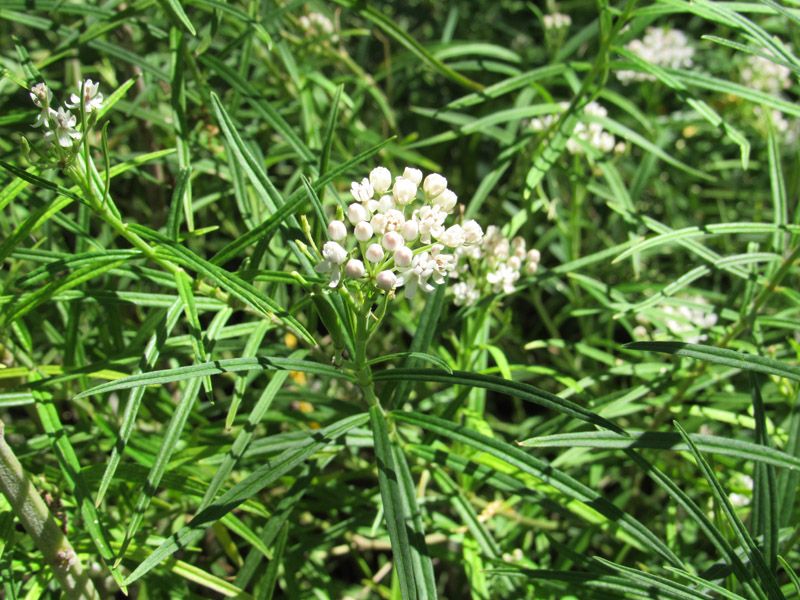
Milkweeds are not interchangeable. Rush milkweed likes full sun and harsh summer heat.
Your Arizona Garden Changes Every Week. Your Plan Should Too.
Gardening in Arizona changes quickly throughout the season. Every Friday you’ll receive a simple weekly plan showing exactly what to plant, prune, fertilize, harvest, and protect so you never miss the right timing.
Arizona milkweed (Asclepias angustifolia), by contrast, is described in the same Desert Botanical Garden guide as preferring protection from harsh summer sun and extra water.
One published comparison, a Journal of Insect Conservation study, found monarchs laid more eggs on Arizona milkweed than on pineleaf milkweed, and larvae survived and grew better on it. It did not test rush milkweed, so it ranks nothing for the whole state.
Frost matters too. The Arizona Native Plant Society lists rush milkweed’s freeze tolerance as poor.
A cold-air pocket or higher-elevation yard may call for a different species.
Walk your yard, note sun, shade, water, and cold spots, and match the plant to the spot.
Plant when roots can establish before the heat
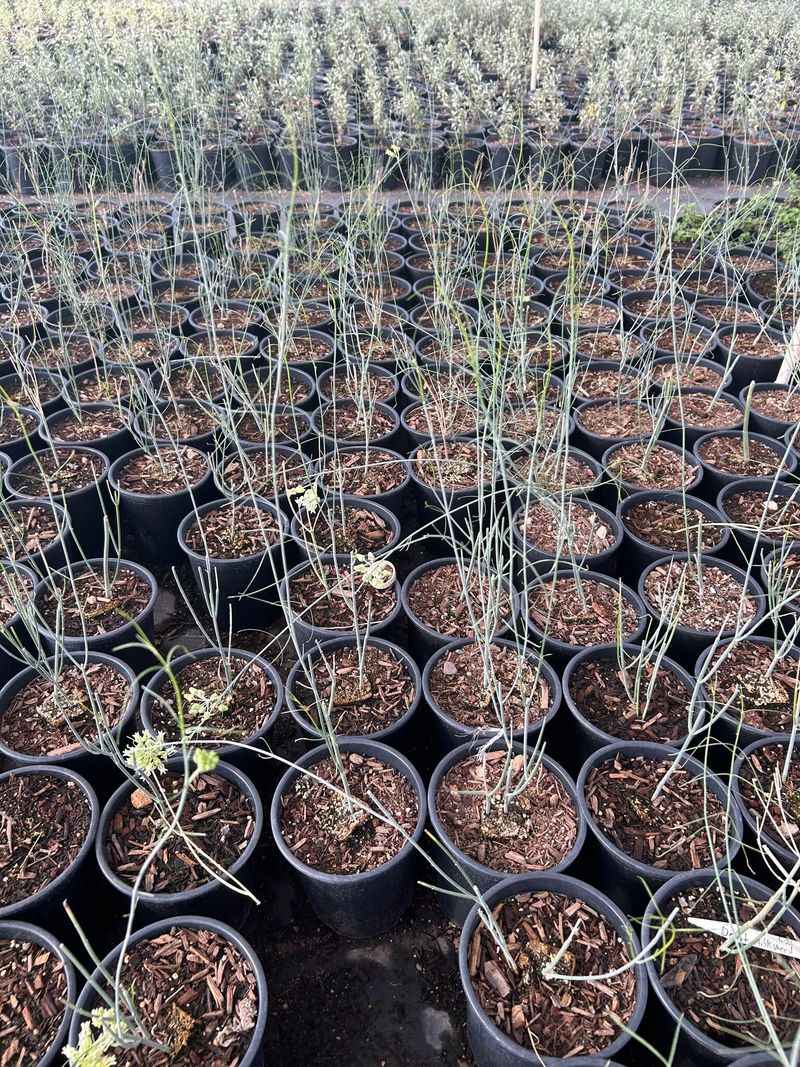
Timing helps a lot. Fall and winter are generally favorable for native plantings, since roots can settle in before hot, dry weather.
The Arizona Native Plant Society explains that weather and rainfall vary, and a dry monsoon can be a reason to wait for fall.
Set the plant at the same soil line it had in its pot. Disturb the roots as little as possible, then water it in well.
Plan on establishment irrigation for the first stretch. Guidance from the Desert Botanical Garden notes that schedules vary by species, so there is no single watering timetable for every milkweed or season.
Check the soil, watch the plant, and adjust.
Skip planting in a hot spell, and keep a close eye on new plants during their first summer.
Protect people and pets, and keep planting on private property
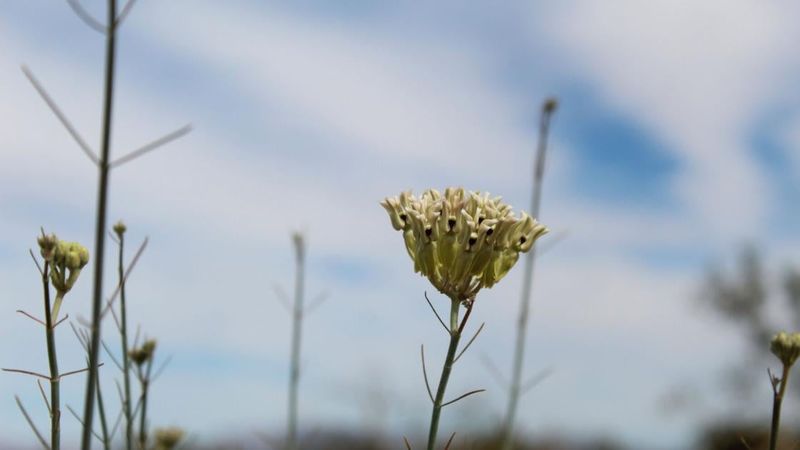
Milkweed has a safety side. University of Arizona Cooperative Extension says milkweed contains toxic compounds, and the sap can irritate skin and eyes.
Eating it can be toxic to people and pets.
The basic guidance is simple: wash exposed skin, rinse an exposed eye, and contact Poison Control after ingestion. Wear gloves when pruning, and place plants where curious kids and pets will not nibble.
Keep this project on your own property. Roadway rights-of-way serve several purposes, and ADOT manages roadside areas for safety, utilities, water quality, and habitat.
Do not plant or change maintenance along a public roadside without authorization. Your yard is the right place for this.
Build habitat potential one yard at a time
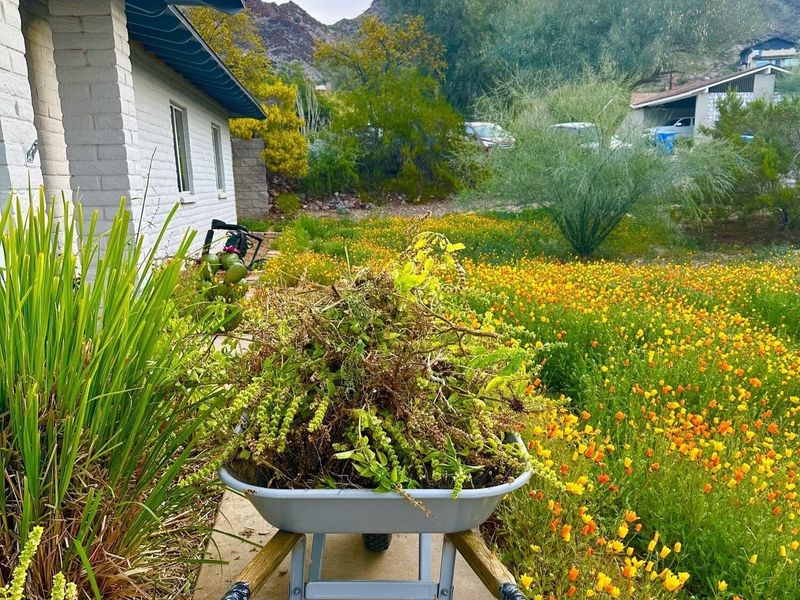
Start with a quick survey. Note how many hours of sun the spot gets, whether cold air settles there on winter nights, and how much room a 3 to 4 foot plant would need.
Then choose a locally appropriate native milkweed, such as rush milkweed where the site suits it, and pair it with nectar plants. The Desert Botanical Garden’s milkweed grow-out work is a good place to compare species before you buy.
A planting like this adds habitat potential. It cannot promise monarch visits, caterpillars, or bigger monarch populations, and conditions change year to year.
Your next step can be small: pick one sunny corner and plan one milkweed with a few nectar companions this fall. Sometimes a single well-placed plant is how a rough patch becomes a refuge.